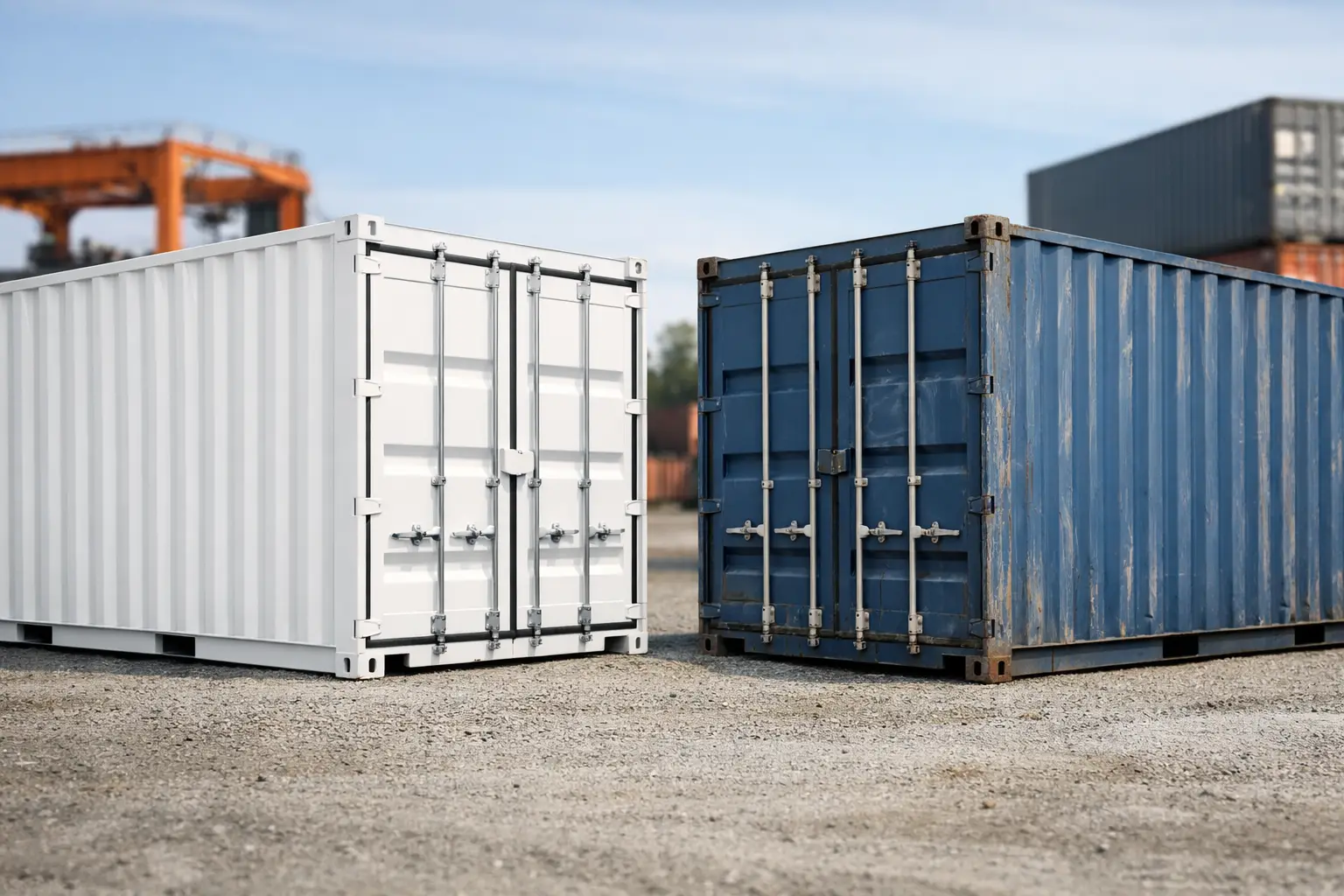
One Trip vs Refurbished Container
If you are weighing a one trip vs refurbished container, the right choice usually comes down to one question: are you paying for appearance, remaining service life, or immediate function on site? Both options can be excellent purchases, but they solve different problems, and choosing the wrong grade can leave you overpaying for features you do not need or accepting cosmetic and structural limits that matter later.
A lot of buyers assume “newer is always better.” In container sales, that is only partly true. A one-trip container is typically the closest thing to new in the market. A refurbished container has already seen service, then been repaired and repainted to improve condition and presentation. That sounds simple, but the difference matters in storage performance, resale value, modification plans, and total cost.
One trip vs refurbished container: the core difference
A one-trip container is manufactured overseas, loaded with cargo once, and then moved into the US market. Because it has made only a single loaded journey, it generally has minimal wear. You can still expect minor dents, scuffs, or handling marks from shipping and unloading, but the overall structure, doors, flooring, and roof are usually in near-new condition.
A refurbished container starts as a used unit. It may have had several years of service before being repaired, cleaned, treated for rust where needed, and repainted. In many cases, the container is also brought back to a Wind & Watertight standard, meaning it is intended to keep out normal weather and protect stored contents. Refurbishment can improve appearance and functionality, but it does not turn an older container into a one-trip unit.
That distinction is important because buyers sometimes hear “refurbished” and assume “like new.” In practice, refurbished means restored to a better condition than before, not reset to a new manufacturing baseline.
When a one-trip container makes more sense
For buyers who want the longest expected service life with the fewest condition questions, one-trip is usually the cleaner answer. This is especially true on construction sites storing expensive tools, electrical equipment, finished materials, or inventory that cannot be exposed to moisture risk.
One-trip containers are built from Corten steel and manufactured to ISO standards, so they are designed for heavy stacking, transport, and weather exposure. Because the unit has seen very limited use, door gaskets are typically tighter, door operation is smoother, and the roof and corner castings are less likely to show past repairs or accumulated wear. If your priority is structural reliability with minimal uncertainty, one-trip has the edge.
Appearance also matters more often than buyers admit. A one-trip container usually presents better for retail overflow, mobile offices, customer-facing pop-ups, and residential properties where the container will stay visible for years. If you are planning a custom build, workshop, or tiny home shell, starting with straighter walls and a cleaner roofline can also reduce prep work before modifications begin.
The trade-off is price. One-trip units cost more upfront, sometimes substantially more depending on size, availability, and market conditions. If all you need is secure, weather-resistant storage behind a barn or at the back of a job site, paying a premium for cleaner paint and lower age may not improve your outcome enough to justify the spend.
When a refurbished container is the better buy
A refurbished container can be a strong value when budget matters but appearance and basic function still matter too. It often fits buyers who want a container that looks better than a standard used unit without stepping up to one-trip pricing.
For farm storage, equipment storage, seasonal inventory, landscaping operations, and many contractor use cases, a refurbished container can provide the right balance. You get a unit that has been improved cosmetically and functionally, often with repaired dents, addressed rust spots, and fresh paint, while keeping acquisition costs lower than a one-trip container.
This option can also make sense for semi-permanent applications where the container will not be moved often and does not need top-tier resale appeal. If the unit is going to sit in one location for years holding tools, feed, furniture, or boxed inventory, refurbished may cover the practical need without paying for extra remaining lifespan you may never fully use.
That said, refurbishment quality varies. This is where transparent grading matters. Buyers should ask what work was actually completed. Was the container simply repainted, or were door seals checked, floors inspected, rust treated properly, and any patches disclosed? A trustworthy seller should be clear about whether the unit is Wind & Watertight, Cargo Worthy, or sold strictly as a storage-grade container.
Cost is not just the purchase price
Most buyers compare one-trip and refurbished units by sticker price first. That is understandable, but it is not the full cost picture.
A one-trip container may cost more upfront but require less maintenance over time. If you need fewer repairs, get better door performance, and avoid repainting or sealing work for longer, the total cost gap may narrow. That is especially true for long-term placements or projects where downtime has real cost.
A refurbished container lowers the initial investment, which can be the smarter move for short- to medium-term use. But if the unit is older underneath the repaint, future maintenance may arrive sooner. That does not make it a bad purchase. It just means buyers should think in terms of total years of expected use, not only the invoice amount.
Delivery and site conditions also affect value. If your site has tight access, soft ground, or requires a tilt-bed or ground-level drop, you want the right container delivered the first time. A lower-priced unit is not a bargain if it is the wrong fit for the placement or your use case.
One trip vs refurbished container for different use cases
For high-value job-site storage, one-trip is often worth the premium. Better door alignment, cleaner seals, and lower overall wear can reduce headaches when crews need dependable access every day.
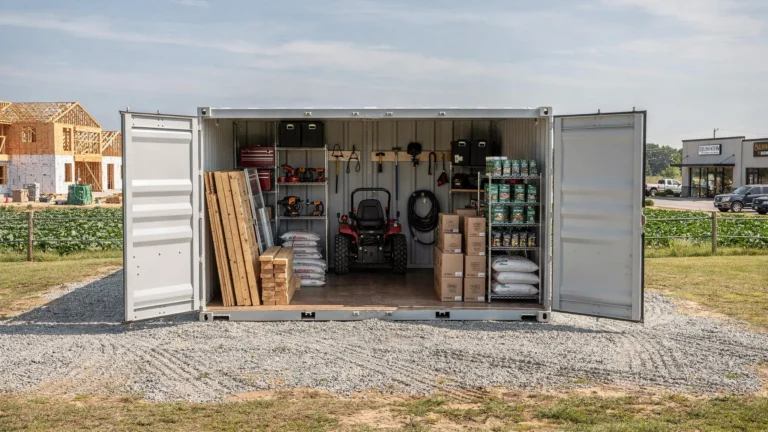
For agricultural storage, refurbished is often enough. If the priority is protecting equipment, feed, tools, or supplies from weather and theft, a well-restored used container can do the job at a more efficient price point.
For residential properties, it depends on visibility and long-term plans. Homeowners using a container near the house as a workshop or studio shell often prefer one-trip because it starts cleaner and straighter. If the unit will sit farther back on rural land for utility storage, refurbished may be the practical call.
For custom conversions, one-trip usually gives fabricators a better starting shell. Fewer prior repairs, less hidden corrosion risk, and more consistent surfaces can help when cutting openings, framing interiors, or adding insulation and electrical work.
For retail or customer-facing applications, appearance usually pushes the decision toward one-trip unless the refurbished unit has been restored to a very high standard.
What to inspect before you choose
Whether you buy one-trip or refurbished, ask direct questions. Is the container graded Wind & Watertight or Cargo Worthy? Are there any patches, floor repairs, or known areas of prior corrosion? Do the doors open and seal correctly? Has the container been repainted only, or mechanically repaired where needed?
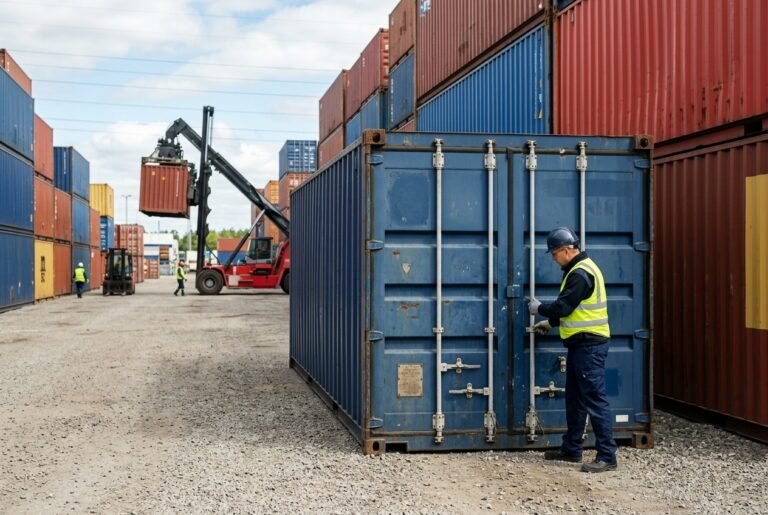
For one-trip units, confirm the actual condition rather than assuming perfection. Even nearly new containers can have forklift marks, shipping scratches, and small dents from handling. For refurbished units, ask for clear photos of the roof, door frame, understructure, and interior flooring. Those areas tell you more than a fresh exterior paint job ever will.
It also helps to be honest about your tolerance for cosmetic wear. If a scratch or dent will bother you every time you see the unit, buying refurbished to save money may not feel like savings once it is on your property.
The right choice depends on what you cannot afford to compromise
The best container is not the newest one or the cheapest one. It is the one that matches your timeline, budget, appearance standards, and risk tolerance. A one-trip container is usually the strongest fit when you want maximum remaining life, cleaner presentation, and fewer unknowns. A refurbished container is often the smart buy when you need dependable storage and improved appearance without paying top-tier pricing.
At Lease Lane Containers, that conversation usually starts with a simple practical question: what are you storing, where is the container going, and how long do you need it to perform? Once those answers are clear, the right grade is usually clear too.
If you want zero surprises, buy the condition that fits the job you actually have, not the one that only looks good on paper.