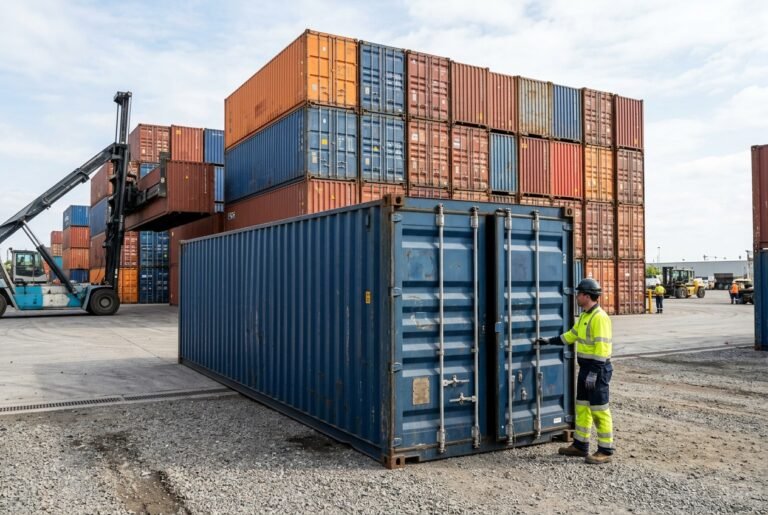
Best 20ft shipping container in Miami, Florida | 2026 Guide
Table of Contents
- Table of Contents
- Miami 20ft Shipping Container Quick Facts
- 20ft Shipping Container in Miami: What You Need to Know
- Top 20ft Shipping Container Options in Miami
- Budget-Friendly: Wind and Watertight (WWT) Grade
- Mid-Range: Cargo Worthy (CW) Grade
- Premium: One-Trip Containers
- How to Choose the Right 20ft Shipping Container in Miami
- Verify the Supplier’s Grading Standards
- Confirm Florida-Specific Compliance
- Ask the Right Questions Before Ordering
- Watch for Red Flags
- Plan Your Site and Delivery Access
- Miami 20ft Shipping Container Market in 2026
- Miami 20ft Shipping Container FAQ
- How much does a 20ft shipping container cost in Miami in 2026?
- Do I need a permit to place a shipping container on my property in Miami?
- How long does delivery take to Miami?
- What should I check when inspecting a used 20ft shipping container?
- Can I place a 20ft container in my backyard in Miami?
- Is a high cube container worth the extra cost?
- Get 20ft Shipping Container in Miami Today
- Final Checklist
Table of Contents
- Miami 20ft Shipping Container Quick Facts
- 20ft Shipping Container in Miami: What You Need to Know
- Top 20ft Shipping Container Options in Miami
- How to Choose the Right 20ft Shipping Container in Miami
- Miami 20ft Shipping Container Market in 2026
- Miami 20ft Shipping Container FAQ
- Get 20ft Shipping Container in Miami Today
- Final Checklist
Miami’s construction boom, port activity, and year-round demand for storage make it one of the most active shipping container markets in the Southeast. Whether you’re a contractor staging materials for a Brickell high-rise project, a small business owner in Hialeah managing inventory overflow, or a homeowner in Kendall looking for secure backyard storage, a 20ft shipping container is often the most practical solution. Finding the right one in 2026 means understanding local pricing, container grades, delivery logistics, and the specific challenges that South Florida’s climate and urban density create. This guide breaks down everything Miami buyers need to know before committing to a purchase, from budget tiers to site prep and permitting. If you’re comparing 20ft container options right now, the details below will help you make a confident decision with fewer surprises.
Miami 20ft Shipping Container Quick Facts
Here’s what Miami buyers should know before reading further:
- Typical pricing for a 20ft shipping container in Miami ranges from $1,800 to $4,500 in 2026, depending on condition and grade. One-trip containers sit at the top of that range, while wind and watertight units start near the bottom.
- Standard exterior dimensions are 20ft long x 8ft wide x 8ft 6in tall (approximately 6.1m x 2.4m x 2.6m), with roughly 1,170 cubic feet of interior storage capacity and a maximum payload of around 28,200 kg (62,170 lbs).
- Delivery lead times to Miami typically run 5 to 14 business days from order confirmation, though proximity to PortMiami and Port Everglades can shorten timelines for certain suppliers.
- Miami-Dade County’s zoning regulations affect where you can place a container on residential and commercial properties. Always check with the Miami-Dade Department of Regulatory and Economic Resources (305-375-2800) before scheduling delivery.
- Local providers stand out when they offer transparent grading guidance, clear delivery planning support, and honest assessments of site access requirements specific to Miami’s narrow residential streets and gated communities.
20ft Shipping Container in Miami: What You Need to Know
Miami’s shipping container market benefits from its geographic position. The city sits within a major logistics corridor, with PortMiami handling millions of TEUs (twenty-foot equivalent units) annually. That port activity means containers cycle through South Florida regularly, which keeps local supply relatively strong compared to inland markets.
The services available to Miami buyers fall into three main categories: purchasing new or used containers outright, renting for short-term projects, and buying modified containers for specific applications like container offices or pop-up retail. For most buyers looking at a 20ft unit, the purchase route makes the most financial sense when you need storage or workspace for more than six months.
Location matters more in Miami than in most U.S. cities. Neighborhoods like Wynwood, Little Havana, and Coconut Grove have tight lot access and overhead obstructions from mature tree canopies and power lines. Delivery trucks, whether tilt-bed or roll-off, need a minimum of 60 feet of straight-line clearance and at least 14 feet of overhead space. Properties in Doral or Homestead tend to have more open access, making delivery simpler and sometimes cheaper.
Miami’s salt air and humidity also affect container longevity. Corrosion moves faster here than in drier climates, which makes container grade and condition a serious buying factor rather than an afterthought. A cargo worthy container that would last 15 years in Raleigh might show significant surface rust within 5 to 7 years in Miami without proper maintenance. Buyers should factor in the cost of marine-grade paint or rust treatment when budgeting for a container in South Florida.
The local market also includes a healthy secondary market for used shipping containers coming directly off port chassis. These units are often priced aggressively but vary wildly in condition. Inspecting before buying, or working with a supplier who provides transparent grading guidance, is the single best way to avoid regret.
Top 20ft Shipping Container Options in Miami
Budget-Friendly: Wind and Watertight (WWT) Grade
Wind and watertight containers are the entry point for buyers who need functional storage without cosmetic perfection. These units have been in active shipping service for 10 to 15 years and show visible wear: surface rust, dents, patched areas, and faded paint. What matters is that the doors seal properly and the roof doesn’t leak.
Expect to pay $1,800 to $2,500 for a WWT 20ft container delivered in the Miami metro area. These are best for homeowners storing seasonal items, contractors who need a secure tool lockup on a job site, or farms and rural properties where appearance is secondary to function. In Miami’s climate, plan on applying a rust-inhibiting coating within the first year of ownership.
Mid-Range: Cargo Worthy (CW) Grade
Cargo worthy containers have been inspected and certified as structurally sound enough to be loaded onto a vessel for international shipping. That certification means the floor, walls, doors, and corner castings all meet minimum integrity standards. You’ll still see cosmetic wear, but the structural condition is verified.
Pricing for a CW 20ft container in Miami runs $2,500 to $3,500. This is the sweet spot for small businesses managing inventory overflow, retail operators setting up pop-up locations in areas like Midtown or the Design District, and anyone who wants a container that will hold up well for 8 to 12 years with basic maintenance. The CW certification also matters if you ever plan to resell the container, since it retains more value than a WWT unit.
Premium: One-Trip Containers
One-trip containers are manufactured overseas (typically in China), loaded with cargo for a single voyage, and then sold domestically. They arrive in near-new condition with minimal wear, fresh paint, and factory-installed floors. These are the best option for buyers who want maximum lifespan, clean aesthetics, or plan to modify the container into a workspace or retail build-out.
A one-trip 20ft container in Miami costs $3,500 to $4,500 delivered. For projects where the container will be visible to customers or neighbors, the premium is worth it. Lease Lane Containers, based in Raleigh with nationwide delivery, offers one-trip and used container options with clear grading so buyers know exactly what they’re getting before the truck arrives.
How to Choose the Right 20ft Shipping Container in Miami
Picking the right container comes down to matching your use case, budget, and site conditions. Here’s a practical decision framework for Miami buyers.
Verify the Supplier’s Grading Standards
Not every seller uses the same grading terminology. The three standard grades, one-trip, cargo worthy, and wind and watertight, should be clearly defined by any reputable supplier. Ask for photos of the specific unit you’ll receive, not stock images. If a supplier can’t provide unit-specific photos or a clear explanation of their grading scale, move on.
Confirm Florida-Specific Compliance
Florida doesn’t require a state license for selling shipping containers, but placement is regulated at the county and municipal level. In Miami-Dade County, you’ll likely need a building permit if the container is being placed permanently on a residential or commercial property. Temporary placement on construction sites may fall under different rules. Contact the Miami-Dade Building Department (786-315-2000 or visit permitsonline.miamidade.gov) to confirm requirements for your specific address.
Ask the Right Questions Before Ordering
These five questions separate informed buyers from frustrated ones:
- What is the exact grade and condition of the container I’ll receive?
- Can you provide photos of the actual unit, not a representative sample?
- What is the total delivered price, including transport fees and any fuel surcharges?
- What delivery vehicle will be used, and what are the site access requirements?
- What is the return or dispute process if the container doesn’t match the described condition?
Watch for Red Flags
Avoid suppliers who quote prices that seem 30% or more below market rate without explanation. Extremely low prices often mean the container is in worse condition than advertised, or the quote excludes significant delivery charges that get added later. Also be cautious of sellers who won’t specify the container grade in writing or who pressure you to commit before seeing photos.
Plan Your Site and Delivery Access
Miami’s urban density creates real delivery challenges. A tilt-bed truck needs approximately 100 feet of clearance to slide a container off the back, while a roll-off truck needs about 60 feet. Overhead clearance must be at least 14 feet. Measure your driveway, check for low-hanging power lines, and confirm that the delivery truck can navigate any turns required to reach the placement spot. Lease Lane Containers provides delivery planning support to help buyers work through these logistics before the truck is dispatched, which prevents costly failed delivery attempts.
Miami 20ft Shipping Container Market in 2026
The Miami container market in 2026 reflects several converging trends. Construction activity across Miami-Dade County remains strong, driven by continued residential development in areas like Edgewater, North Miami, and the Homestead corridor. That construction activity generates steady demand for on-site storage, which keeps 20ft container inventory moving quickly through local suppliers.
Pricing has stabilized compared to the volatility of 2021 through 2023, when global shipping disruptions sent container costs soaring. A 20ft one-trip container that might have sold for $5,500 or more during the peak now sits closer to $4,000 to $4,500 in Miami. Used container prices have similarly normalized, though Miami’s prices tend to run 5% to 10% higher than the Florida state average due to higher delivery costs within the metro area and stronger local demand.
Seasonal patterns affect the Miami market differently than the rest of Florida. Hurricane season (June through November) drives a predictable spike in demand as businesses and homeowners seek secure storage for equipment and valuables. Buying outside of hurricane season, particularly in January through April, often yields better pricing and faster delivery windows.
Miami-Dade County has also tightened enforcement on unpermitted container placement in residential zones during the past two years. Properties in unincorporated Miami-Dade face stricter scrutiny than those within city limits of smaller municipalities like Sweetwater or Florida City. Buyers placing containers on residential properties should budget an additional $200 to $500 for permit fees and plan for a 2 to 4 week approval timeline.
Compared to other major Florida markets like Tampa and Jacksonville, Miami offers more supplier options but also more logistical complexity. The tradeoff is worth it for buyers who do their homework on delivery access and permitting before placing an order.
Miami 20ft Shipping Container FAQ
How much does a 20ft shipping container cost in Miami in 2026?
Pricing ranges from approximately $1,800 for a wind and watertight unit to $4,500 for a one-trip container, with delivery included in most quotes for the greater Miami metro area. Delivery to more remote areas of southern Miami-Dade, like Homestead or Florida City, may add $100 to $300 to the total. Always confirm whether the quoted price includes delivery or if transport is billed separately.
Do I need a permit to place a shipping container on my property in Miami?
In most cases, yes. Miami-Dade County requires a building permit for permanent container placement on residential and commercial properties. Temporary placement on active construction sites may be exempt, but the definition of “temporary” varies. Call the Miami-Dade Department of Regulatory and Economic Resources at 305-375-2800 or check their online portal to verify requirements for your specific zoning district.
How long does delivery take to Miami?
Most suppliers can deliver a 20ft container to the Miami area within 5 to 14 business days of order confirmation. Inventory that’s already staged in South Florida can sometimes arrive within 3 to 5 days. During hurricane season or periods of high demand, lead times may extend to 2 to 3 weeks.
What should I check when inspecting a used 20ft shipping container?
Focus on five areas: door operation (both doors should open and close smoothly with a proper seal), roof condition (look for rust holes, dents, or patches that suggest previous leaks), floor integrity (check for soft spots, warping, or moisture damage in the marine-grade plywood flooring), wall panels (look for light coming through, which indicates holes), and corner castings (these are structural and should show no cracks or heavy corrosion). In Miami’s humid environment, pay extra attention to the undercarriage and bottom rails where salt air accelerates rust.
Can I place a 20ft container in my backyard in Miami?
It depends on your zoning classification and HOA restrictions. Many single-family residential zones in Miami-Dade allow containers with a permit, but setback requirements and maximum lot coverage percentages may limit where you can place it. HOA-governed communities frequently prohibit visible containers entirely. Check your HOA covenants and county zoning before ordering.
Is a high cube container worth the extra cost?
A high cube shipping container adds about 1 foot of interior height (9ft 6in vs. 8ft 6in exterior), which translates to roughly 10% more cubic storage capacity. The price premium is typically $300 to $600 over a standard-height unit. For buyers planning to use the container as a workspace, container office, or for storing tall equipment, the extra headroom is usually worth the investment.
Get 20ft Shipping Container in Miami Today
Getting a 20ft shipping container delivered to your Miami property starts with three steps: confirming your site access dimensions, choosing the right container grade for your use case, and verifying local permit requirements.
Before you request a quote, measure your delivery path. Record the length of straight clearance available, the width of any gates or driveways the truck must pass through, and the height of any overhead obstructions. Take photos from multiple angles. This information saves time and prevents the frustration of a delivery truck arriving and being unable to place the container.
Decide on your grade based on how long you’ll use the container and how visible it will be. A wind and watertight unit works for a construction staging area. A cargo worthy container suits small business storage. A one-trip container is the right call for anything customer-facing or long-term.
Call Miami-Dade permitting (786-315-2000) to confirm whether your intended placement requires a permit. Having this answered before you order prevents delays and potential fines.
If you’re ready to compare options, browse available inventory at Lease Lane Containers to see current 20ft container choices across multiple grades. For questions about delivery logistics, site prep, or choosing between container conditions, contact the team directly for straightforward guidance.
Final Checklist
Use this checklist before placing your order for a 20ft shipping container in Miami:
- Confirm your delivery site has at least 60 feet of straight clearance (100 feet for tilt-bed trucks) and 14 feet of overhead space
- Measure gate or driveway width to ensure the truck can access your property
- Choose your container grade: one-trip, cargo worthy, or wind and watertight
- Request unit-specific photos from the supplier before committing
- Verify the total delivered price, including any fuel surcharges or remote delivery fees
- Contact Miami-Dade permitting at 786-315-2000 to confirm permit requirements for your zoning district
- Check HOA covenants if applicable
- Budget for rust prevention treatment, especially for used containers in Miami’s salt air environment
- Confirm the supplier’s dispute or return process in writing
- Schedule delivery during a window when you or a representative can be on-site to direct placement
A 20ft shipping container is a practical, durable investment for storage, job sites, or small business operations in Miami. The buyers who get the best results are the ones who plan delivery logistics and verify container condition before the truck rolls. Take 30 minutes to work through this checklist, and you’ll avoid the most common headaches that catch Miami buyers off guard.