Best used shipping containers in Dallas, Texas | 2026 Guide
Table of Contents
- Table of Contents
- Dallas Used Shipping Containers Quick Facts
- Used Shipping Containers in Dallas: What You Need to Know
- What Services Are Available
- Why Location Matters
- Top Used Shipping Containers Options in Dallas
- Budget-Friendly: Wind and Watertight (WWT)
- Mid-Range: Cargo Worthy (CW)
- Premium: One-Trip Containers
- How to Choose the Right Used Shipping Containers in Dallas
- Match the Grade to the Job
- Verify the Container’s History and Condition
- Questions to Ask Any Supplier
- Red Flags
- Dallas Used Shipping Containers Market in 2026
- Demand Trends
- Seasonal Considerations
- How Dallas Compares
- Dallas Used Shipping Containers FAQ
- Get Used Shipping Containers in Dallas Today
- Final Checklist
Table of Contents
- Dallas Used Shipping Containers Quick Facts
- Used Shipping Containers in Dallas: What You Need to Know
- Top Used Shipping Containers Options in Dallas
- How to Choose the Right Used Shipping Containers in Dallas
- Dallas Used Shipping Containers Market in 2026
- Dallas Used Shipping Containers FAQ
- Get Used Shipping Containers in Dallas Today
Dallas sits at the intersection of four major interstate highways and houses one of the largest inland ports in the country. That infrastructure means a steady flow of shipping containers moving through North Texas, and a healthy secondary market for buyers who need practical, affordable storage and workspace solutions. Whether you’re a contractor staging materials on a job site in Deep Ellum, a small business owner expanding inventory capacity near the Design District, or a rural property owner outside the metro looking for secure storage, the local market gives you real options. This 2026 guide to finding the best used shipping containers in Dallas breaks down pricing, grading, delivery logistics, and the specific factors that matter most for Texas buyers. The right container depends on your use case, your site, and your budget, and condition matters just as much as size. Getting those details right before you buy is the difference between a smooth project and an expensive headache. Providers like Lease Lane Containers offer transparent grading guidance and delivery planning support that help buyers across the country, including Dallas, make confident purchasing decisions. Knowing what to look for before you start shopping saves time and money.
Dallas Used Shipping Containers Quick Facts
Here are the numbers and details that matter most for Dallas buyers right now:
- Typical pricing range: Used 20-foot shipping containers in Dallas run between $1,800 and $3,200 depending on grade and condition. Used 40-foot containers range from $2,400 to $4,500. One-trip containers (technically “new” with a single voyage) command $4,000 to $6,500 for a 40-foot unit.
- Common grades available: Cargo Worthy (CW), Wind and Watertight (WWT), and one-trip. Cargo Worthy containers have passed a current CSC inspection and are structurally sound. Wind and watertight units keep weather out but may not hold a current CSC plate. One-trip containers are in near-new condition with minimal cosmetic wear.
- Response and delivery time: Most Dallas-area suppliers can deliver within 5 to 10 business days. Availability fluctuates with seasonal demand, and spring through early summer tends to be the busiest window.
- Service area: The DFW metroplex and surrounding counties including Tarrant, Collin, Denton, Rockwall, and Ellis. Delivery fees typically range from $150 to $500 within a 50-mile radius of central Dallas, with costs increasing for rural drops.
- What sets local providers apart: Proximity to major rail depots and the Port of Houston supply chain means Dallas has better inventory turnover than most inland cities. Buyers can often inspect containers in person before purchase, which is a real advantage over blind online ordering.
Used Shipping Containers in Dallas: What You Need to Know
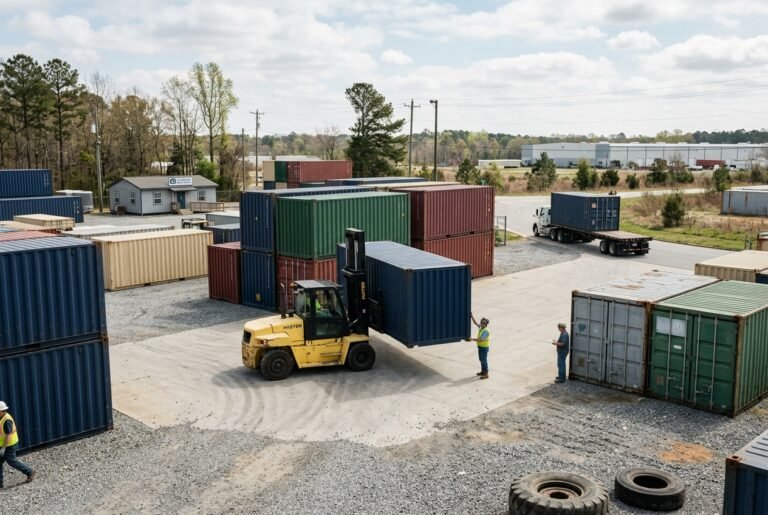
Dallas is one of the strongest secondary markets for used shipping containers in the southern United States. The city’s position along I-30, I-35, and I-20 creates a natural corridor for container traffic, and the nearby intermodal rail yards in South Dallas and Fort Worth keep inventory flowing. That means buyers here typically have more options and better pricing than those in smaller Texas cities like Lubbock or Amarillo.
What Services Are Available
The Dallas market supports three primary buying paths. You can purchase directly from container depots, which store and sell units that have been pulled from active shipping service. You can buy through regional and national suppliers like Lease Lane Containers that source containers from multiple depots and coordinate delivery logistics. Or you can work with local resellers who buy in bulk and mark up individual units.
Each path has trade-offs. Depot purchases sometimes offer the lowest per-unit price, but you’re responsible for arranging your own transport. National suppliers with delivery planning support handle the logistics for you and can help match the right container grade to your specific project. Local resellers offer convenience but often lack transparent grading information.
Why Location Matters
Your specific location within the DFW metro affects both price and delivery feasibility. Buyers in areas like Oak Cliff, Garland, or Irving typically have straightforward delivery access with wide streets and manageable turning radii. Properties in older neighborhoods near Uptown, Knox-Henderson, or parts of East Dallas may present challenges: narrow alleys, overhead power lines, and limited space for a tilt-bed truck to maneuver.
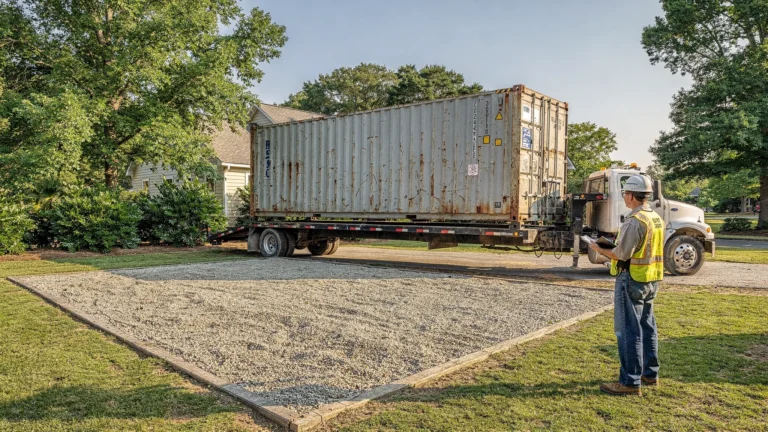
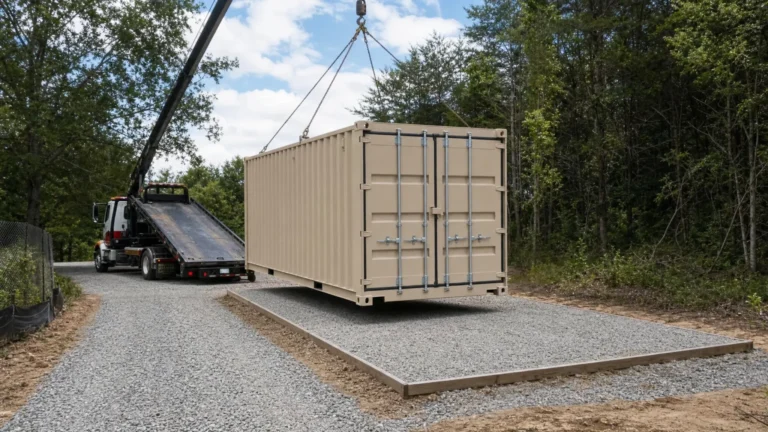
Rural properties outside the metro, in places like Kaufman County or southern Denton County, need to account for unpaved roads, gate widths, and ground conditions. A standard tilt-bed delivery truck requires roughly 100 feet of straight clearance to offload a 40-foot container. Checking these details before ordering prevents costly failed delivery attempts. Lease Lane Containers provides delivery planning guidance that covers site access, turning radius, overhead clearance, and placement requirements, which is especially helpful for first-time buyers.
Top Used Shipping Containers Options in Dallas
Not every buyer needs the same container, and the Dallas market supports multiple tiers. Here’s how they break down in 2026.
Budget-Friendly: Wind and Watertight (WWT)
WWT containers are the most affordable option, typically running $1,800 to $2,500 for a 20-foot unit and $2,400 to $3,200 for a 40-foot unit. These containers have cosmetic wear: surface rust, dents, patched areas, and faded paint. They no longer carry a current CSC inspection plate, which means they can’t be used for international shipping. But for on-site storage, they do exactly what they need to do.
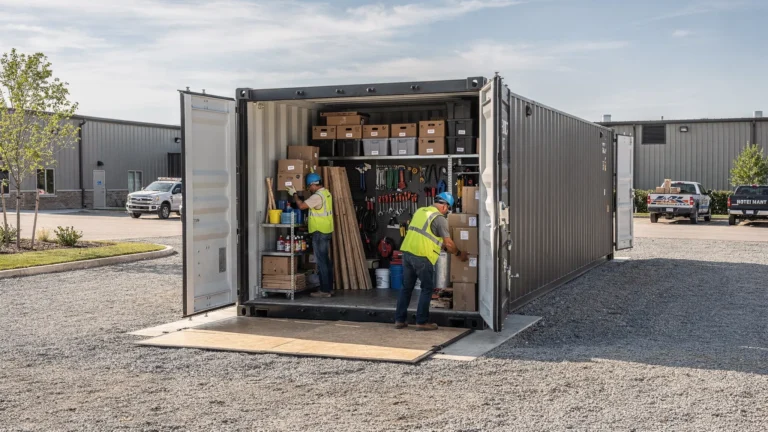
Best for: Farmers storing equipment or feed. Contractors who need temporary job site storage. Property owners looking for low-cost secure storage without worrying about appearance.
What to watch: Inspect floor integrity carefully. WWT containers can have soft spots in the marine-grade plywood flooring, especially near the doors. Check door gaskets for a tight seal. A container that doesn’t close properly isn’t truly wind and watertight regardless of what the seller claims.
Mid-Range: Cargo Worthy (CW)
Cargo Worthy containers hold a valid CSC plate and have been inspected within the last 30 months. In Dallas, expect to pay $2,500 to $3,500 for a 20-foot CW unit and $3,200 to $4,200 for a 40-foot. These containers are in better structural condition than WWT units and are suitable for more demanding applications.
Best for: Small businesses needing retail-adjacent storage. Buyers planning to modify the container into a workspace or container office. Anyone who may need to transport the container again in the future.
Premium: One-Trip Containers
One-trip containers have made a single voyage from the manufacturing facility, typically in China, to a U.S. port. They arrive in excellent condition with fresh paint, intact floors, and functioning hardware. Dallas pricing in 2026 sits between $4,000 and $5,200 for a 20-foot unit and $5,000 to $6,500 for a 40-foot.
Best for: Buyers who plan to convert the container into a finished space. Projects where appearance matters, such as pop-up retail or customer-facing storage. Long-term investments where you want maximum lifespan.
High cube shipping containers, which add an extra foot of interior height (9’6″ vs. the standard 8’6″), are available across all three tiers and typically add $300 to $800 to the price. That extra headroom matters significantly for container offices, workshops, or any application where people will spend time inside.
How to Choose the Right Used Shipping Containers in Dallas
Buying a used shipping container is straightforward if you approach it with the right framework. Here’s how to make a confident decision.
Match the Grade to the Job
This is the single most important step. A WWT container is perfectly fine for storing lawn equipment on a rural property. It’s not the right choice for a container you plan to insulate and convert into a climate-controlled workspace. Condition matters as much as size, and overspending on grade you don’t need is just as wasteful as underspending on a container that won’t hold up.
Ask yourself three questions: Will this container be modified? Does it need to look presentable? Will it ever need to be transported again? If you answer yes to any of these, a Cargo Worthy or one-trip container is the better investment.
Verify the Container’s History and Condition
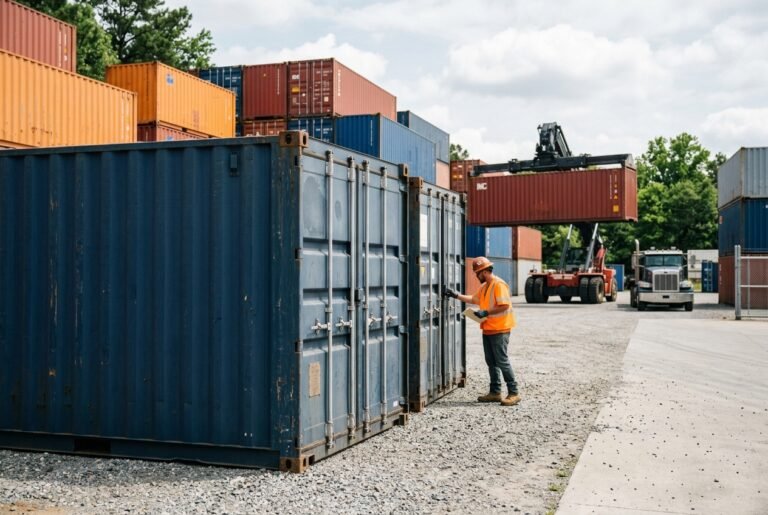
Before purchasing any used shipping container, conduct a thorough inspection or request detailed photos from the supplier. Here’s what to check:
- Doors: Open and close both doors fully. Check that the locking bars engage smoothly and that gaskets create a tight seal.
- Floor: Walk the entire floor and check for soft spots, water damage, or rot. Marine-grade plywood should feel solid underfoot.
- Walls and ceiling: Look for light penetration from inside with the doors closed. Any pinhole light means there’s a breach in the steel.
- Roof: Check for standing water, heavy rust, or patched areas. Roof damage is the most common issue with older containers.
- Corner castings and rails: These are the structural bones of the container. Cracks or heavy corrosion here are deal-breakers.
- CSC plate: If buying Cargo Worthy, verify the inspection date on the CSC plate. An expired plate means the container needs re-inspection before it qualifies as CW.
Questions to Ask Any Supplier
Don’t assume anything. Ask direct questions and expect clear answers. What grade is this container? When was it last inspected? What’s included in the delivery price? What happens if the container arrives damaged? Is the delivery fee flat-rate or distance-based? Can I see photos of the actual unit, not stock images?
Reputable suppliers, including Lease Lane Containers, provide transparent grading guidance and will walk you through the differences between grades so you understand exactly what you’re getting. If a seller can’t or won’t answer basic questions about condition and grading, move on.
Red Flags
Avoid any seller who uses vague language about condition, refuses to provide photos of the specific unit, or pressures you into a quick purchase. Prices that seem dramatically below market (a 40-foot CW container for $1,500, for example) almost always indicate hidden damage, misrepresented grade, or bait-and-switch tactics. In Texas, there’s no specific state license required to sell shipping containers, which means the barrier to entry for fly-by-night operators is low. Stick with established suppliers who have verifiable track records.
Dallas Used Shipping Containers Market in 2026
The Dallas container market in 2026 reflects broader national trends, but with some distinct local characteristics worth understanding.
Demand Trends
Demand for used shipping containers in the DFW area has grown steadily over the past three years. The construction boom across Frisco, McKinney, and Prosper has driven contractor demand for job site storage. Small businesses in the Design District and Deep Ellum have adopted containers for pop-up retail and overflow inventory. And the ongoing growth of e-commerce fulfillment centers along the I-35 corridor has created consistent demand for temporary staging storage.
Residential buyers represent a growing segment too. Homeowners in suburban areas like Mesquite, Grand Prairie, and Mansfield increasingly use containers for workshop space, vehicle storage, and backyard storage solutions. The city of Dallas does not require a permit for placing a shipping container on residential property in most cases, though deed restrictions and HOA rules often apply. Always check with your local code enforcement office before purchasing. The Dallas Development Services office can be reached at (214) 670-5313 for questions about specific zoning districts.
Seasonal Considerations
Spring and summer are peak buying seasons in Dallas. Construction activity ramps up, and both commercial and residential buyers compete for available inventory. Prices tend to run 10 to 15 percent higher between March and August compared to the slower fall and winter months. If your timeline is flexible, buying in November through February often gets you better pricing and faster delivery.
How Dallas Compares
Dallas container pricing typically runs 5 to 10 percent lower than Houston and 10 to 15 percent lower than Austin. The city’s proximity to intermodal yards and its position as a distribution hub keep supply healthy. Compared to San Antonio, pricing is roughly equivalent, though Dallas tends to have better availability of high cube shipping containers and one-trip units due to higher overall inventory volume.
The national market has stabilized after the post-pandemic price spikes of 2021 and 2022. Used container prices have settled back to pre-2020 levels in most categories, making 2026 a favorable time for buyers who delayed purchases during the price surge.
Dallas Used Shipping Containers FAQ
How much does a used shipping container cost in Dallas in 2026?
A used 20-foot container ranges from $1,800 to $3,500 depending on grade. A 40-foot container runs $2,400 to $4,500. One-trip containers cost more, starting around $4,000 for a 20-foot unit. Delivery fees within the DFW metro add $150 to $500.
Do I need a permit to put a shipping container on my property in Dallas?
The city of Dallas generally does not require a building permit for a shipping container used solely for storage on residential property, provided it meets setback requirements and is not connected to utilities. However, HOA restrictions frequently prohibit containers, and some zoning districts have specific rules. Contact Dallas Development Services at (214) 670-5313 to confirm requirements for your address.
What’s the difference between Cargo Worthy and Wind and Watertight?
A Cargo Worthy container has passed a structural inspection and holds a current CSC plate, meaning it’s approved for transport with cargo. A Wind and Watertight container keeps out weather but hasn’t been recently inspected and can’t be used for shipping. WWT containers are cheaper and perfectly functional for stationary storage.
How much space do I need for delivery?
Plan for at least 100 feet of straight-line clearance for a 40-foot container delivery via tilt-bed truck. You’ll also need roughly 14 feet of overhead clearance for the truck’s hydraulic tilt mechanism. The ground should be level and firm enough to support the truck’s weight, around 60,000 pounds fully loaded. Gravel pads work well. Soft ground or mud will cause problems.
Can I inspect the container before buying?
If you’re purchasing from a local depot, yes. Many Dallas-area depots allow walk-in inspections. If you’re ordering from a national supplier, request detailed photos of the actual unit, including interior shots with doors closed to check for light penetration. Reputable suppliers provide this without hesitation.
What size container do I need?
A 20-foot container provides about 160 square feet of floor space and holds roughly the contents of a two-bedroom apartment. A 40-foot container doubles that to 320 square feet. For most residential storage needs, a 20-foot unit is sufficient. Contractors and businesses with larger equipment or inventory typically need 40-foot units.
Get Used Shipping Containers in Dallas Today
Finding the right used shipping container in Dallas comes down to preparation. Know your grade requirements, verify your site can handle delivery, and work with a supplier who gives you straight answers about condition and pricing.
Start by measuring your delivery site. Confirm overhead clearance, turning radius, and ground conditions. If you’re in a neighborhood with tight streets or an HOA, sort out those restrictions before you place an order. Having your site ready means your container can be placed correctly on the first attempt, which saves you the cost and hassle of a rescheduled delivery.
Get specific about what you need. A contractor staging drywall on a six-month build doesn’t need a one-trip container. A business owner converting a unit into customer-facing retail space doesn’t want a heavily dented WWT box. The right fit depends on your use case, and spending fifteen minutes matching grade to purpose prevents regret later.
Request quotes from at least two suppliers, and compare not just the container price but the total delivered cost. Ask about the specific unit you’ll receive, not a generic listing. Confirm the grade, get photos, and understand the return or damage policy.
Final Checklist
- Determine the container size you need: 20-foot or 40-foot, standard or high cube
- Identify the right grade for your project: WWT, Cargo Worthy, or one-trip
- Measure your delivery site for clearance, turning radius, and ground firmness
- Check local zoning, HOA rules, and permit requirements
- Request photos of the specific container, not stock images
- Compare total delivered pricing from multiple suppliers
- Confirm delivery timeline and understand the damage policy
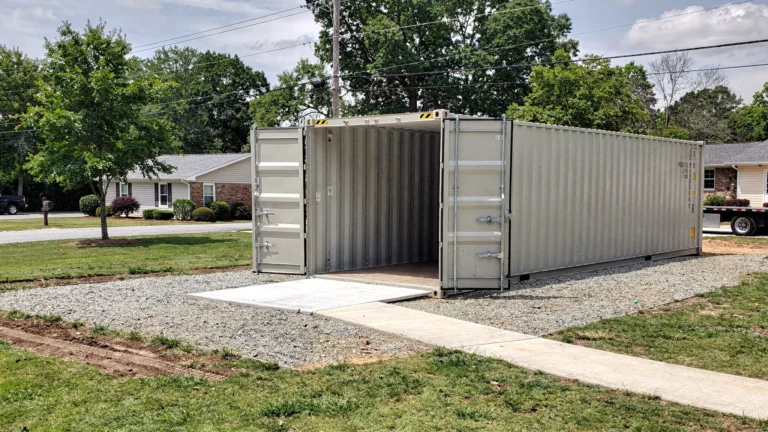
- Prepare a level surface: gravel pad, concrete, or compacted ground
If you’re ready to compare options, browse available inventory to see current container sizes, grades, and pricing. For questions about delivery planning, site prep, or choosing the right container for your project, contact the Lease Lane Containers team for practical guidance from a team that helps buyers across the country get the right container delivered the first time.