Best used shipping containers in Miami, Florida | 2026 Guide
Table of Contents
- Table of Contents
- Miami Used Shipping Containers Quick Facts
- Used Shipping Containers in Miami: What You Need to Know
- Services Available in the Miami Market
- Why Location Matters
- Top Used Shipping Containers Options in Miami
- Budget-Friendly: Wind and Watertight Grade
- Mid-Range: Cargo Worthy Grade
- Premium: One-Trip Containers
- How to Choose the Right Used Shipping Containers in Miami
- Verify the Grade and Condition Yourself
- Questions to Ask Any Miami Dealer
- Red Flags to Watch For
- Florida-Specific Licensing and Permits
- Miami Used Shipping Containers Market in 2026
- Demand and Pricing Trends
- Seasonal Considerations
- Regulatory Updates for 2026
- Miami Used Shipping Containers FAQ
- How much does a used shipping container cost in Miami?
- Do I need a permit to place a shipping container on my property in Miami?
- What size container should I buy?
- How long does delivery take in the Miami area?
- Can I modify a used shipping container after I buy it?
- What’s the difference between cargo worthy and wind and watertight?
- Get Used Shipping Containers in Miami Today
- Your Next Steps
- Final Checklist
Table of Contents
- Miami Used Shipping Containers Quick Facts
- Used Shipping Containers in Miami: What You Need to Know
- Top Used Shipping Containers Options in Miami
- How to Choose the Right Used Shipping Containers in Miami
- Miami Used Shipping Containers Market in 2026
- Miami Used Shipping Containers FAQ
- Get Used Shipping Containers in Miami Today
Miami sits at the crossroads of international trade, with PortMiami handling millions of TEUs (twenty-foot equivalent units) annually and a steady stream of containers cycling through South Florida’s logistics network. That flow creates a buyer’s market for anyone looking for quality used shipping containers in the Miami area, whether you’re a contractor needing secure job-site storage, a small business expanding inventory space, or a homeowner building out a backyard workshop. But the sheer volume of options also means the difference between a smart purchase and an expensive mistake often comes down to knowing what to look for and who to buy from. This 2026 guide breaks down pricing, grading, delivery logistics, and the specific factors that make buying a used container in Miami different from anywhere else in Florida. If you’re comparing container grades and conditions, the details here will help you make a confident decision before you spend a dollar.
Miami Used Shipping Containers Quick Facts
Miami buyers should have these numbers and benchmarks in mind before they start shopping:
- Typical pricing range: A 20-foot used shipping container in cargo worthy condition runs between $1,800 and $3,200 in the Miami market as of early 2026. A 40-foot container in similar condition typically falls between $2,400 and $4,500. One-trip containers command a premium, often $4,000 to $6,500 for a 40-foot high cube unit.
- Delivery lead times: Most Miami-area suppliers can deliver within 5 to 14 business days, depending on inventory availability and delivery distance. Buyers in the Keys or further into the Everglades corridor should expect longer windows.
- Service area coverage: The core Miami-Dade delivery zone stretches from Homestead north through Fort Lauderdale and into Palm Beach County. Suppliers with depot access near PortMiami or the Hialeah rail yards tend to offer the fastest turnaround.
- What sets local providers apart: Proximity to one of the nation’s busiest ports means Miami dealers often have fresher inventory with less inland transit wear. Containers that have only traveled short distances from port to depot tend to show less road damage than units trucked across multiple states.
- Condition matters as much as size: A cargo worthy container has passed a structural inspection and holds a valid CSC plate. A wind and watertight unit keeps weather out but may not meet intermodal shipping standards. Knowing the difference saves you from overpaying or getting less than you need.
Used Shipping Containers in Miami: What You Need to Know
Miami’s container market benefits from geography in ways most inland cities simply can’t match. PortMiami and Port Everglades together handle a massive volume of international freight, and a significant percentage of those containers get retired from active shipping duty right here in South Florida. That means local buyers have access to inventory that hasn’t been bounced around on flatbed trucks for hundreds of miles before it reaches the sales lot.
Services Available in the Miami Market
The used container market in Miami covers far more than basic storage boxes. Buyers can find standard 20-foot and 40-foot units in various grades, high cube shipping containers with an extra foot of interior height (9’6″ vs. the standard 8’6″), open-top containers for oversized equipment, and refrigerated units (reefers) for temperature-sensitive storage. Some dealers also offer basic modifications like roll-up door installations, ventilation kits, and lockbox welding.
Why Location Matters
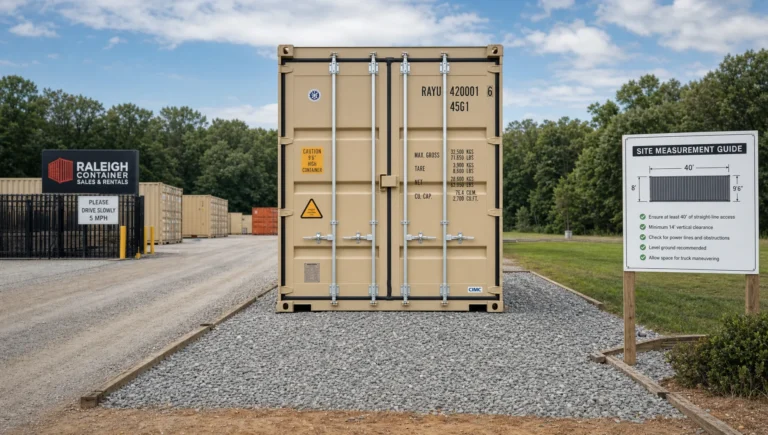
A contractor working a project in Doral has different delivery constraints than someone setting up storage on a rural lot near Redland. Miami’s urban density, especially in neighborhoods like Little Havana, Wynwood, and Brickell, creates tight delivery conditions. You need to think about overhead clearance from power lines, turning radius for the delivery truck (a tilt-bed trailer typically needs 100 feet of straight-line clearance), and whether your site can support the weight of a loaded container on the ground. Sandy soil conditions common in coastal Miami-Dade may require a gravel pad or concrete pier foundation to prevent settling.
Buyers in suburban areas like Kendall, Palmetto Bay, or Cutler Bay generally have easier delivery access, but zoning restrictions can still apply. Miami-Dade County requires permits for containers used as permanent structures, and HOA rules in many South Florida communities add another layer of regulation to check before you buy.
Top Used Shipping Containers Options in Miami
Not every buyer needs the same container, and not every budget allows for the same grade. Here’s how the Miami market breaks down across three tiers.
Budget-Friendly: Wind and Watertight Grade
Price range: $1,400 to $2,500 for a 20-foot unit; $2,000 to $3,200 for a 40-foot unit.
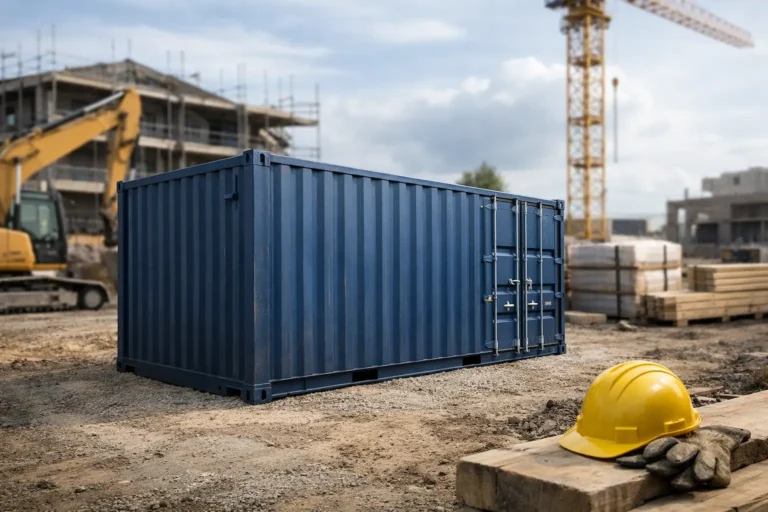
These containers keep rain and wind out, but they show their age. Expect surface rust, dents, patched panels, and floors with visible wear. The doors may need some muscle to open and close. They’re a solid choice for on-site storage of tools, equipment, or dry goods where cosmetic appearance doesn’t matter. Farmers storing hay or seasonal equipment, construction crews needing a lockable tool shed, and property owners looking for basic secure storage all fall into this category.
Mid-Range: Cargo Worthy Grade
Price range: $2,200 to $3,500 for a 20-foot unit; $3,000 to $4,500 for a 40-foot unit.
Cargo worthy containers have been inspected and certified as structurally sound enough for intermodal transport. They carry a valid CSC (Convention for Safe Containers) plate, which matters if you ever plan to ship the container or if your use case requires a higher structural standard. The floors are intact, the doors seal properly, and while there will be cosmetic wear, the overall condition is significantly better than wind and watertight units. This is the sweet spot for most Miami buyers, especially small businesses and contractors comparing container options.
Premium: One-Trip Containers
Price range: $3,800 to $5,500 for a 20-foot unit; $4,500 to $6,500 for a 40-foot high cube unit.
One-trip containers were manufactured overseas (typically in China), loaded with cargo for a single voyage, and then sold at the destination port. They look nearly new: minimal cosmetic wear, clean floors, smooth-operating doors, and fresh paint. They’re the right choice for visible applications like pop-up retail in Wynwood, container offices in the Design District, or residential projects where appearance matters. Miami’s port access means one-trip inventory is usually available without long wait times.
How to Choose the Right Used Shipping Containers in Miami
Buying a used shipping container isn’t complicated, but a few wrong assumptions can cost you time and money. Here’s a practical decision framework for Miami buyers.
Verify the Grade and Condition Yourself
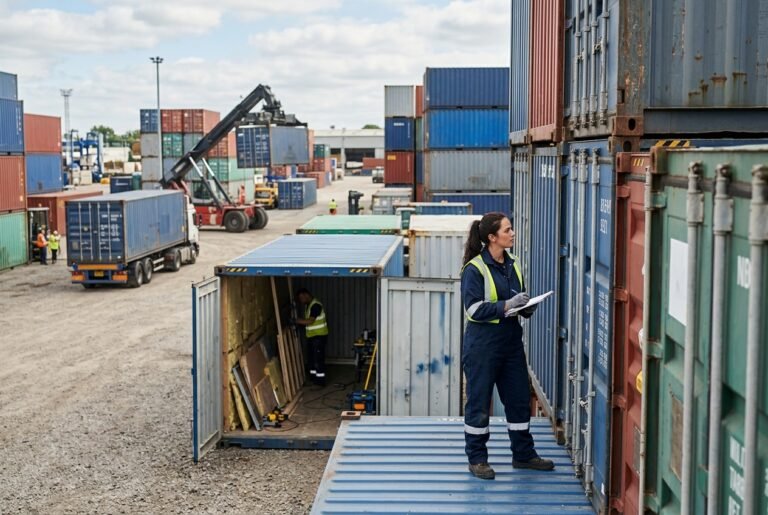
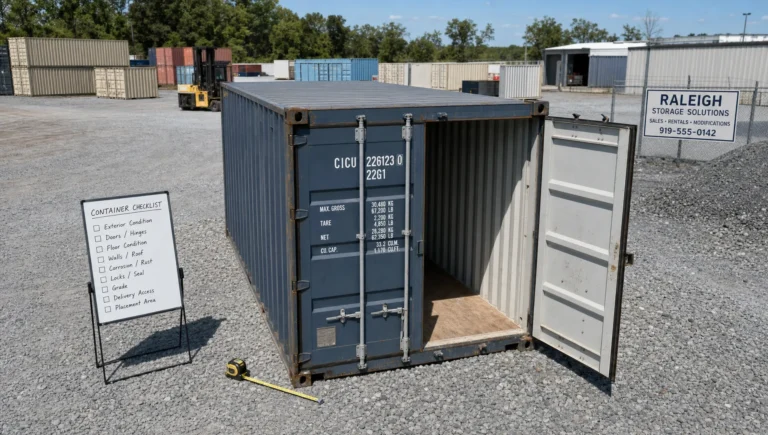
Don’t rely solely on photos. If you can inspect the container in person, check these specific items:
- Door operation: Both doors should open and close without excessive force. Check the gaskets for dry rot or gaps.
- Floor condition: Marine-grade plywood flooring (typically 1-1/8″ thick, approximately 28mm) should be free of soft spots, holes, and heavy staining that could indicate water damage.
- Roof panels: Walk around the container and look up. Dents are normal, but any visible patches, daylight showing through, or heavy rust pitting means potential leak points.
- Corner castings and rails: These are structural. Cracks, heavy corrosion, or deformation in the corner castings disqualify a container from cargo worthy status.
- CSC plate: If you’re buying a cargo worthy unit, confirm the CSC plate is present and the inspection date is current.
Questions to Ask Any Miami Dealer
Before you commit, get clear answers on these points: What grade is this container, and has it been inspected recently? What’s included in the delivery price, and does that cover placement or just drop-off? Is there a warranty or return policy if the container doesn’t match the listed condition? Can you provide photos of the specific unit I’ll receive, not just stock images?
Red Flags to Watch For
Dealers who can’t tell you the exact grade of a container, who use vague terms like “good condition” without specifying cargo worthy or wind and watertight, or who won’t let you inspect before purchase should raise concerns. Similarly, prices that seem dramatically below market (a 40-foot cargo worthy unit for $1,500, for example) usually indicate either a misrepresented grade or hidden delivery fees that inflate the final cost.
Lease Lane Containers provides transparent grading guidance that explains the differences between one-trip, cargo worthy, and wind and watertight conditions, which helps buyers set realistic expectations before they compare quotes from local dealers.
Florida-Specific Licensing and Permits
Miami-Dade County treats shipping containers placed on property for more than 30 days as structures, which means you may need a building permit. The specific requirements depend on your zoning classification and intended use. Call the Miami-Dade Building Department at (786) 315-2000 or check their online portal before purchasing. Unincorporated areas of the county have different rules than the City of Miami proper, and municipalities like Coral Gables and Miami Beach have their own zoning codes that may restrict container placement entirely.
Miami Used Shipping Containers Market in 2026
The South Florida container market in 2026 reflects several converging trends that buyers should understand before making a purchase.
Demand and Pricing Trends
Miami’s construction boom shows no signs of slowing, and that’s driving consistent demand for on-site storage containers. Commercial development in neighborhoods like Edgewater, Little River, and the area around Miami Central Station has pushed container rental and purchase volumes up roughly 12-15% year-over-year since 2023, based on regional dealer reports. That demand hasn’t caused dramatic price spikes, though, because the steady flow of retired containers through PortMiami keeps supply healthy.
Nationally, used shipping container prices stabilized in late 2025 after the post-pandemic correction that brought costs down from their 2021-2022 peaks. Miami’s prices track slightly below the national average for cargo worthy units because of the port proximity advantage, but one-trip containers are priced comparably to other major port cities like Houston and Savannah.
Seasonal Considerations
Hurricane season (June through November) creates a predictable demand spike for secure storage containers. Buyers who wait until late May to purchase often face longer lead times and reduced inventory selection. Smart planning means purchasing by April if you need a container in place before storm season. Post-hurricane demand can also temporarily drain local inventory, as cleanup and rebuilding efforts require large numbers of storage and staging containers.
Regulatory Updates for 2026
Florida’s statewide building code, updated in the 2024 cycle, now includes clearer language about shipping container structures. Miami-Dade County has adopted these updates, which means the permitting process for container-based projects is more defined than it was even two years ago. If you’re planning a container office, workshop, or residential conversion, the permitting path is clearer now, though you’ll still need engineered drawings for any structural modification.
Compared to other Florida markets like Tampa or Jacksonville, Miami’s container market is more competitive on pricing but more complex on permitting. The trade-off is worth it for most buyers, given the superior inventory selection and faster delivery windows.
Miami Used Shipping Containers FAQ
How much does a used shipping container cost in Miami?
A 20-foot wind and watertight container starts around $1,400, while a 40-foot cargo worthy unit typically ranges from $3,000 to $4,500. One-trip containers run $3,800 to $6,500 depending on size. Delivery fees within Miami-Dade County typically add $250 to $600, depending on distance and site accessibility. Always confirm whether the quoted price includes delivery or if that’s a separate charge.
Do I need a permit to place a shipping container on my property in Miami?
In most cases, yes. Miami-Dade County considers containers placed for more than 30 days to be structures requiring a permit. Temporary placement for active construction projects may fall under different rules. Contact the Miami-Dade Building Department at (786) 315-2000 for your specific zoning classification. If you’re in an incorporated municipality like Hialeah, Doral, or Miami Beach, check with that city’s planning department directly.
What size container should I buy?
A 20-foot container (approximately 160 square feet of interior space) works well for residential storage, small tool inventories, and single-vehicle parts storage. A 40-foot container (approximately 320 square feet) is the standard choice for contractors, small businesses with inventory, and anyone who needs room to walk around inside while storing items. High cube units add about 12 inches of headroom, which makes a noticeable difference if you’re working inside the container regularly. For help comparing shipping container dimensions, Lease Lane Containers offers detailed size guides.
How long does delivery take in the Miami area?
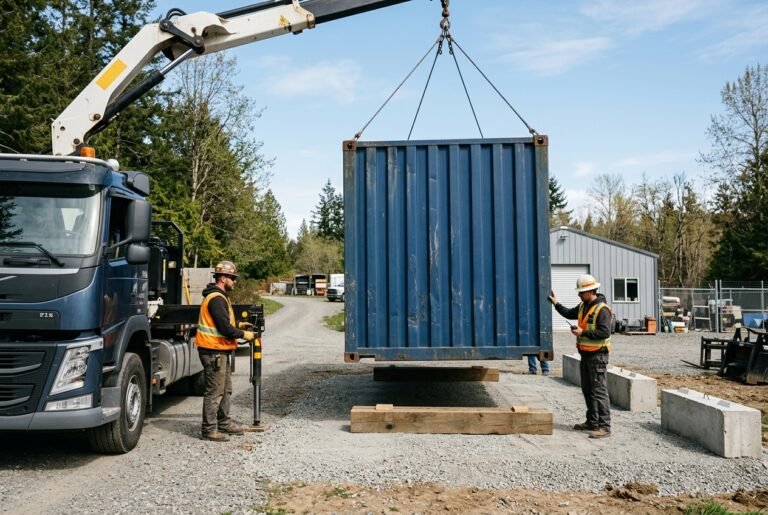
Most dealers with local depot access can deliver within 5 to 14 business days. Tilt-bed delivery is the most common method for residential and small commercial sites, requiring about 100 feet of straight-line clearance and firm, level ground. If your site has tight access, discuss this with the dealer before purchasing, as a roll-off truck or crane placement may be needed at additional cost.
Can I modify a used shipping container after I buy it?
Yes. Common modifications include adding ventilation, installing roll-up doors, cutting windows, adding electrical panels, and insulating the interior. However, any structural modification (cutting large openings, stacking containers, or adding a second story) should be engineered and permitted. Miami-Dade County’s wind load requirements are among the strictest in the country due to hurricane exposure, so don’t skip the engineering step for any modification that affects structural integrity.
What’s the difference between cargo worthy and wind and watertight?
A cargo worthy container has been inspected and certified for intermodal shipping. It holds a valid CSC plate and meets structural standards for transport by ship, rail, or truck. A wind and watertight container keeps weather out but may not pass a shipping inspection. For stationary storage, wind and watertight is often sufficient. For anything involving transport or higher structural standards, cargo worthy is the minimum grade to consider.
Get Used Shipping Containers in Miami Today
Miami buyers have a real advantage in the used shipping container market: port proximity, strong inventory supply, and competitive pricing that beats most inland markets. The key to a successful purchase is matching the right container grade and size to your specific project, confirming delivery logistics before you commit, and handling permits early rather than after the container is already on your property.
Your Next Steps
Start by defining your use case and the grade you need. Measure your delivery site and confirm access clearance. Call Miami-Dade’s building department if you plan to keep the container on-site for more than 30 days. Then compare quotes from at least two or three suppliers, making sure each quote specifies the exact grade, delivery planning details, and total cost.
Final Checklist
- Confirm the container grade: one-trip, cargo worthy, or wind and watertight
- Verify the specific unit you’ll receive with current photos
- Measure site access: 100 feet of clearance for tilt-bed delivery, firm and level ground
- Check Miami-Dade County permit requirements for your zoning classification
- Compare at least two to three quotes with delivery fees included
- Inspect door seals, flooring, roof panels, and corner castings before accepting delivery
- Plan your foundation: gravel pad, concrete piers, or railroad ties to prevent settling in sandy soil
If you’re ready to compare options and pricing, browse available inventory from Lease Lane Containers to see current container sizes, grades, and conditions. Have questions about which container fits your Miami project? Contact us for straightforward guidance on sizing, grading, and delivery planning, whether you’re in Kendall, Doral, or anywhere across South Florida.