How to Spot Real Value in Storage Containers on Sale
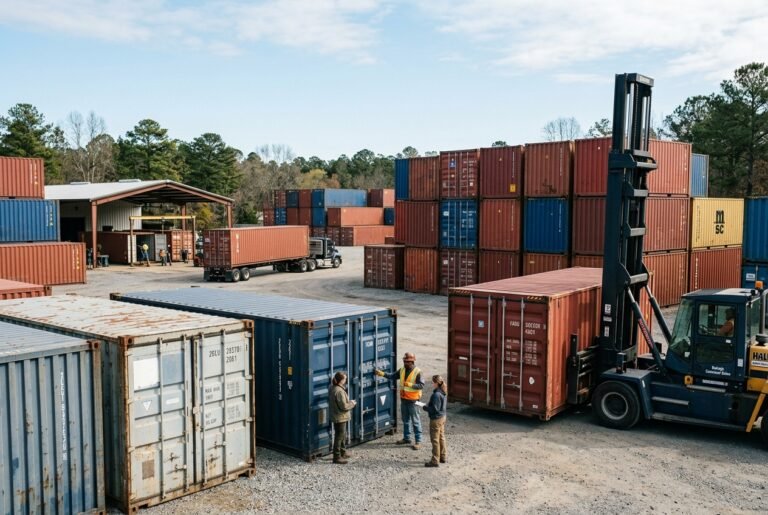
A discounted container can be a smart purchase, but only if the sale price lines up with the container’s grade, condition, delivery requirements, and intended use. Buyers searching for storage containers on sale often see a wide spread of prices online, from clean one-trip units to older used containers that may need work before they can protect tools, inventory, farm supplies, or household goods.
The challenge is that a shipping container is not a commodity in the same way a box of fasteners or a pallet of lumber is. Two containers can both be 40 feet long and made from Corten Steel, yet one may be suitable for export and the other may only be good for dry, stationary storage. The real value is not the biggest discount. It is the best total outcome after inspection, delivery, site preparation, and long-term usability.
For buyers in Raleigh, North Carolina, the Triangle, and across the Southeast, this guide explains how to separate a genuine deal from a risky bargain.
Real value starts with the total delivered cost
A low advertised price is only one part of the transaction. A container becomes valuable when it arrives in the right condition, fits your site, opens and closes properly, and performs for the job you bought it to do.
That means you should compare the full installed cost, not only the sticker price. Delivery distance, terrain, truck access, container size, and offloading method can all change the final number. A container that looks inexpensive online can become more costly than a higher-grade local option if the delivery is complicated or if repairs are needed immediately.
| What buyers often compare | What actually determines value |
|---|---|
| Advertised sale price | Total delivered cost, including placement assumptions |
| Container length only | Size, height, door clearance, and site access |
| Generic used condition | Verified grade, photos, and inspection details |
| Fresh paint | Roof, floors, doors, gaskets, rails, and corrosion level |
| Cheapest available unit | Best grade for the intended use and expected lifespan |
If you are comparing options in North Carolina, it helps to start with a supplier that can discuss both inventory and delivery realities. A Raleigh-area jobsite, a rural farm lane, and a small retail lot can each require a different delivery plan.
Verify the grade behind the sale price
The most important question to ask about any discounted container is simple: what grade is it?
Container grades are not just marketing labels. They describe condition, expected performance, and whether the unit is suitable for storage, transport, or modification. Standard ISO shipping containers are built around uniform dimensions, corner castings, and intermodal handling requirements, but their condition changes significantly after years in service.
| Grade | What it means | When it can be a good sale value | Main caution |
|---|---|---|---|
| One-Trip | Usually made one loaded voyage from the manufacturer and is close to new | Premium storage, visible business use, mobile offices, container conversions | Higher upfront cost, but often stronger resale and fewer cosmetic issues |
| Cargo Worthy (CW) | Inspected as structurally suitable for cargo transport | Export, regional transport, high-value storage, stacking, stronger used-unit performance | Confirm CSC plate status and whether any current survey is needed for your shipping use |
| Wind and Watertight (WWT) | Used container that should not leak and should protect contents from weather | Jobsite storage, farm storage, household goods, equipment storage | Generally not intended for ocean export and may have cosmetic wear |
| As-Is | No reliable condition guarantee | Only for buyers prepared to repair or repurpose | May leak, have floor damage, door issues, or structural concerns |
A one-trip unit is often the best value when appearance, lifespan, and minimal maintenance matter. A Cargo Worthy container may be the better choice for logistics managers or businesses that need a structurally stronger used unit. A Wind and Watertight unit can be the most cost-effective option for stationary storage, especially when the container will sit on a construction site, farm, or private property.
For a deeper breakdown, review Lease Lane Containers’ guide on how to choose the right shipping container grade. If you are specifically considering used containers, the inspection guidance in how to check used shipping container conditions can help you ask better questions before you buy.
Match the container to the job, not just the discount
A sale container is only a good deal if it fits your use case. General contractors in Raleigh may prioritize secure ground-level storage for tools, fasteners, electrical supplies, and fixtures. For that use, a WWT or Cargo Worthy unit with solid doors, dependable gaskets, and a lockbox can make strong financial sense.
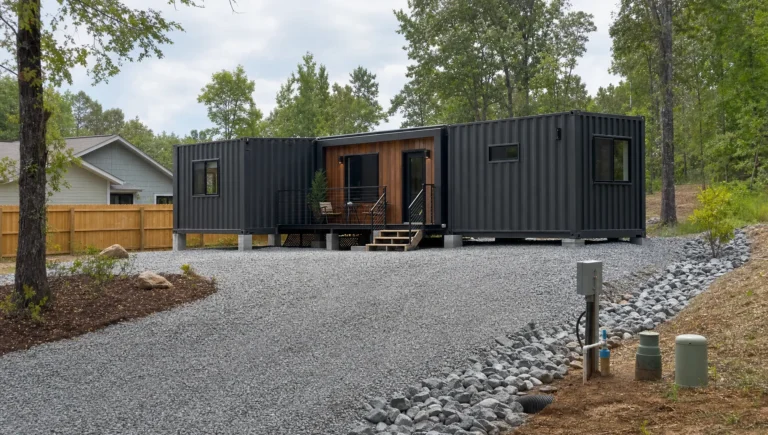
Small business owners may need overflow inventory storage, a pop-up retail shell, or a mobile office conversion. In those cases, cosmetic condition and modification potential matter more. A one-trip or clean Cargo Worthy unit can reduce prep work and create a better customer-facing appearance.
Homeowners and agricultural buyers often want long-term storage for tractors, feed, seasonal equipment, furniture, or renovation materials. A WWT container can be a practical choice, but the roof, flooring, door operation, and drainage plan should be checked carefully because North Carolina humidity can expose weak seals or poor placement.
Logistics managers should be more cautious with bargain containers. If the container will move through intermodal transport or international shipping, Cargo Worthy status, structural integrity, and documentation matter. The International Maritime Organization’s CSC convention.aspx) explains the safety framework behind container approval for transport. For export, do not rely on a generic storage-grade listing.
Size can make or break the deal
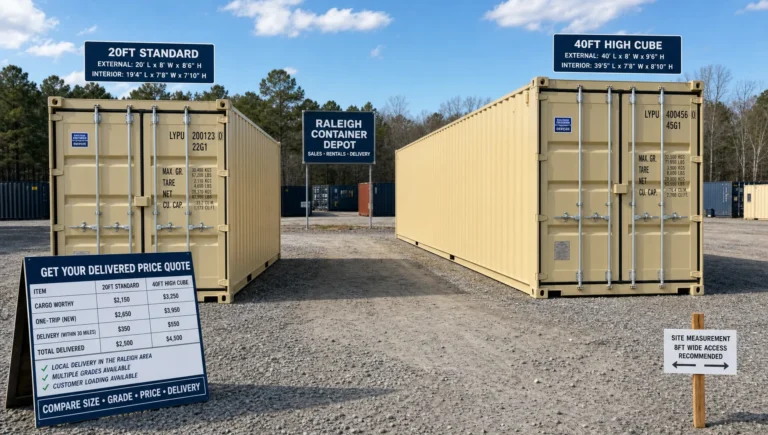
Many buyers focus on condition and price, but size is another value driver. A discounted 40ft container is not a bargain if your site only has room for a 20ft delivery. Likewise, a 20ft unit may be too small if you will outgrow it within a few months.
A standard 20ft container is easier to place on tighter residential lots, smaller construction sites, and compact business yards. If you are comparing 20ft containers, consider both the purchase price and the practical convenience of a smaller footprint.
A 40ft container offers far more storage volume and can be a better cost-per-square-foot option when you have enough space for delivery and long-term use. Buyers evaluating 40ft containers should pay close attention to straight-line clearance, turning radius, and placement surface.
High Cube containers add about one extra foot of exterior height compared with standard units, which is valuable for taller shelving, equipment, insulation, or office conversions. If a High Cube is on sale, verify that the delivery route has enough overhead clearance for the taller unit and the truck. Lease Lane’s High Cube dimensions guide explains the interior height and door specs to confirm before you commit.
Inspect the details that reveal hidden value
Fresh paint can make an older container look better than it is. Real value shows up in the structure, weather resistance, and usability of the unit.
When reviewing photos, videos, or an in-person inspection, focus on these points:
- Doors and locking bars: Doors should open and close without excessive force, and locking bars should rotate smoothly.
- Door gaskets: Rubber seals should be present, seated correctly, and not severely cracked or missing.
- Roof condition: Look for dents that hold water, heavy rust, patchwork, or pinholes.
- Flooring: Marine-grade plywood floors should feel solid, without major soft spots, delamination, or chemical odor.
- Corner castings and rails: These structural components matter for lifting, stacking, and transport integrity.
- Walls and seams: Surface rust is common on used Corten Steel containers, but deep corrosion, holes, or compromised welds are more serious.
- Interior light test: When doors are closed, visible daylight through the walls or roof can indicate holes that may allow water intrusion.
This is where sale listings can be misleading. A WWT unit with honest cosmetic wear may be a better buy than a repainted container with vague condition details. The best sellers are clear about grade, age range, repairs, and delivery assumptions.
Watch for red flags in container sale listings
Some container deals are legitimate inventory promotions. Others are priced low because important details are missing. Before sending payment, slow down if you notice any of the following warning signs:
- No clear grade stated: The listing says used or storage only without explaining One-Trip, Cargo Worthy, WWT, or As-Is condition.
- Only stock photos: The seller cannot provide photos or video of the actual unit or a representative unit from the same batch.
- Delivery is unclear: The quote does not specify delivery distance, method, site assumptions, or redelivery fees.
- The price is far below the local market: Extremely low pricing can signal scams, poor condition, or hidden costs.
- No discussion of site access: A reputable seller should ask about clearance, surface, slope, and drop location.
- Pressure to pay immediately: Urgency without documentation is a common warning sign in container scams.
A trustworthy quote should make it easy to compare apples to apples. You should know the size, grade, condition, delivery method, taxes or fees, and what happens if the site is not accessible on delivery day.
Do not ignore delivery and placement
A container with a strong sale price loses value quickly if delivery fails or the unit lands out of level. This is especially important in the Southeast, where clay soils, heavy rain, humidity, and uneven rural access roads can affect placement.
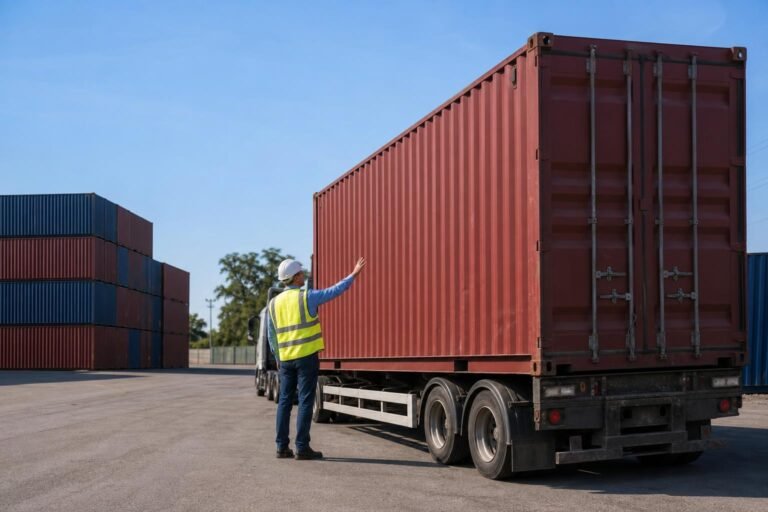
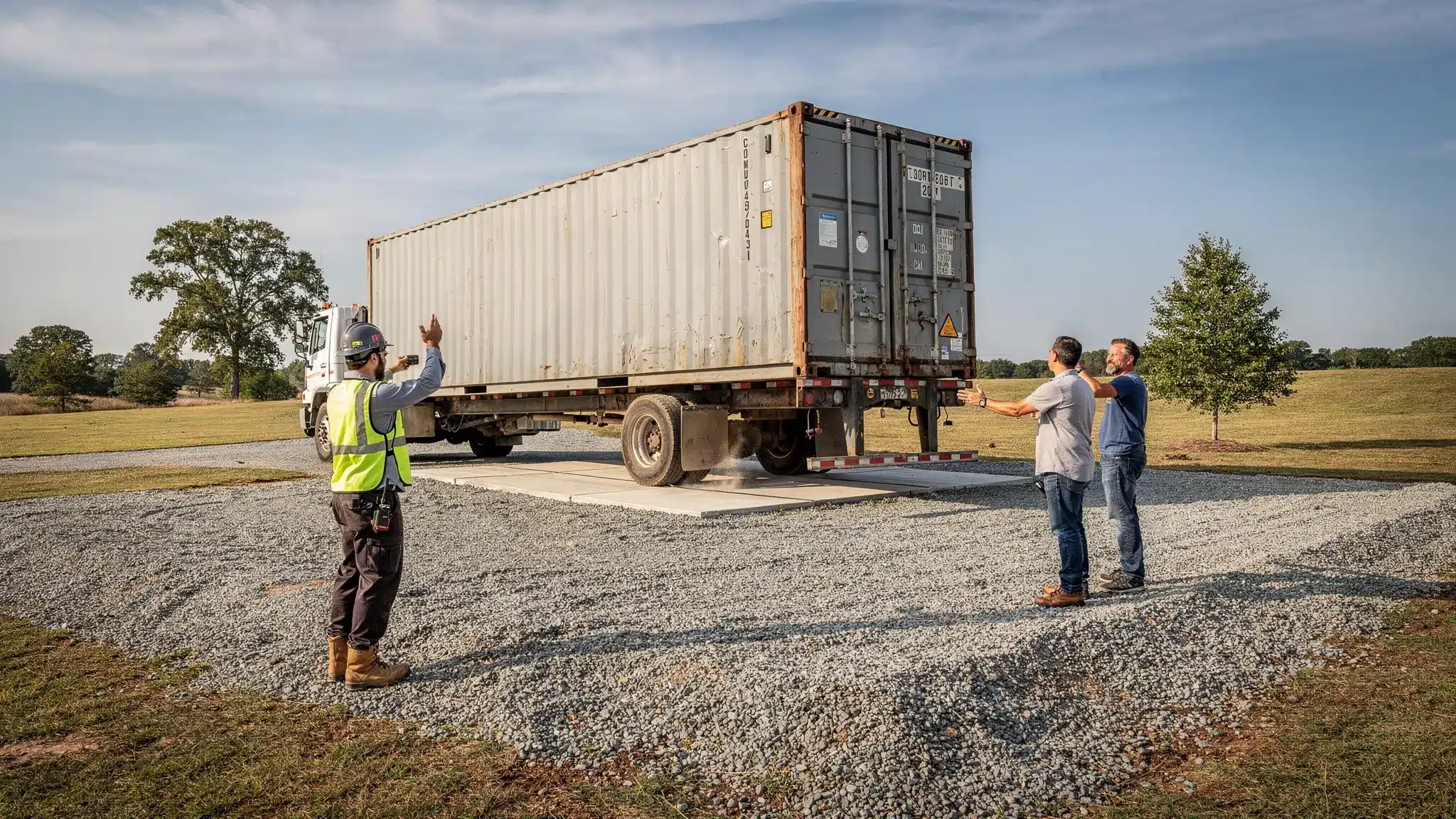
Tilt-bed delivery is common for ground-level placement, but it needs adequate straight-line space. A 40ft container on a tilt-bed trailer may require significantly more room than the container’s footprint. Flatbed, crane, side-loader, or other methods may be better for tight or complex sites, but they can change the delivered cost.
Before purchasing, confirm your access path, overhead clearance, turn radius, and ground conditions. Lease Lane’s guide to shipping container delivery requirements explains what to measure before the truck arrives.
Pro-Tip: Prepare the pad before chasing the lowest price
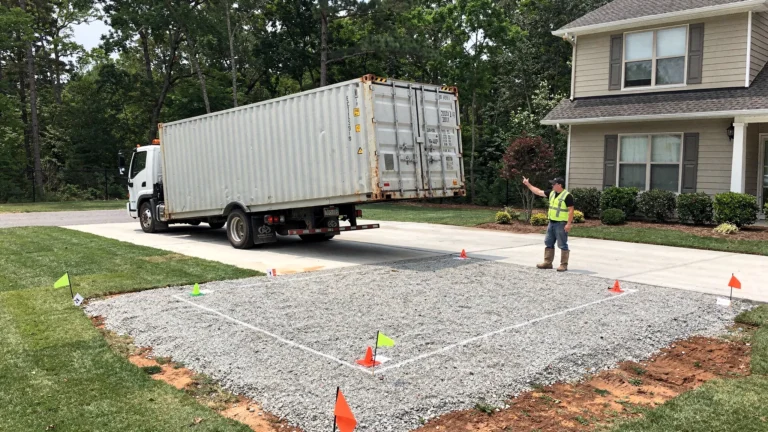
A properly prepared site protects your investment better than almost any discount. Place the container on a level, stable base that supports the corners and keeps the underside dry. For many Raleigh and Southeast properties, a compacted gravel pad with good drainage is a practical option because it reduces standing water and helps prevent undercarriage corrosion.
Avoid setting a container directly on soft soil, mulch, or grass for long-term use. If the container twists because the ground is uneven, the doors can become difficult to operate. If water pools under the unit, rust can accelerate even on Corten Steel components.
Also check permit, zoning, and HOA requirements before delivery. Rules can vary by city, county, property type, visibility from the street, duration of use, and whether the container is used for storage or occupancy. In Raleigh and Wake County, it is always better to confirm requirements early than to move a container after placement.
Compare quotes like a professional buyer
The best way to spot real value is to standardize the quote. Ask each seller for the same information and compare the answers side by side.
| Quote item | Why it matters |
|---|---|
| Exact size and height | A standard, High Cube, or reefer unit can require different space and power planning |
| Grade and condition | One-Trip, CW, WWT, and As-Is represent different value levels |
| Actual or representative photos | Helps verify roof, doors, floor, walls, and cosmetic condition |
| Delivery method | Tilt-bed, flatbed, crane, or side-loader assumptions affect cost and feasibility |
| Delivery radius and fees | A low container price can be offset by a high delivery charge |
| Site requirements | Prevents failed delivery, redelivery fees, and poor placement |
| Documentation | Important for Cargo Worthy units, export use, and business purchasing records |
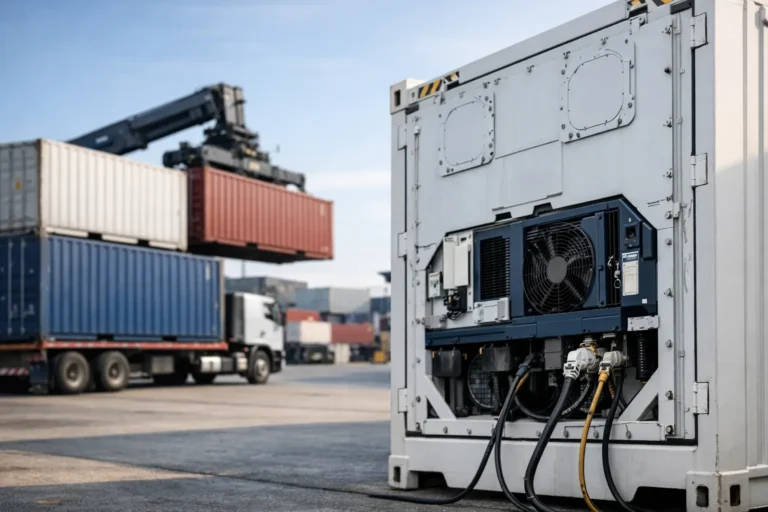
For refrigerated containers, also ask about power requirements, temperature testing, and whether the refrigeration unit has been verified under load. A discounted reefer may not be a bargain if it requires immediate service or does not match your electrical setup.
When a higher-priced container is the better value
A more expensive container can be the smarter purchase when it reduces risk, repair costs, and downtime. Contractors may lose more money from wet materials or a jammed door than they save on a bargain unit. A small business owner may spend more preparing a rough container for customer-facing use than the difference between WWT and one-trip condition.
Higher value often comes from fewer unknowns. Clean doors, tight gaskets, solid floors, accurate grading, and clear delivery planning are worth paying for. A transparent supplier should help you understand the trade-off, not push the cheapest available box.
Lease Lane Containers LLC is headquartered in Raleigh, NC and supplies new one-trip, used, Cargo Worthy, Wind and Watertight, High Cube, refrigerated, trailer, and modular container solutions with nationwide delivery planning. If you are still deciding where a sale price fits in the broader buying process, the Ultimate Shipping Container Buyers Guide is a useful next step.
Frequently Asked Questions
Are storage containers on sale usually lower quality? Not always. A sale can reflect seasonal inventory, local availability, or a supplier promotion. The key is to verify the grade, photos, delivery terms, and whether the container fits your use case.
What is the best container grade for basic storage? Wind and Watertight is often a strong value for stationary storage because it should protect contents from weather at a lower cost than one-trip or Cargo Worthy units. For higher-value contents or transport use, consider Cargo Worthy or one-trip.
Is a one-trip container worth paying more for? It can be. One-trip containers are typically cleaner, newer, and better suited for visible business use, modifications, offices, and long-term ownership. The higher upfront price may be offset by fewer repairs and stronger resale value.
Can I use a WWT container for shipping overseas? Generally, no. WWT is a storage condition, not an export certification. For ocean transport, ask about Cargo Worthy status, CSC plate information, and any current survey requirements.
Should I buy a 20ft or 40ft container on sale? Choose based on usable space, delivery access, and how often you need to reach stored items. A 20ft unit is easier to place in tight areas, while a 40ft unit can offer better storage volume if your site can handle delivery.
What site preparation gives the best long-term value? A level, compacted gravel pad with good drainage is a practical choice for many properties. The container should be supported at the corners, kept off standing water, and placed where doors can operate freely.
Get a clear quote before you buy
A real deal is not just a low number. It is the right grade, the right size, a clean delivery plan, and a container that performs after it reaches your property.
If you are comparing storage containers on sale in Raleigh, North Carolina, the Southeast, or anywhere in the USA, contact the Lease Lane Containers LLC sales team at sales@leaselanecontainers.com. You can also visit the Raleigh office to discuss available 20ft, 40ft, High Cube, refrigerated, new one-trip, Cargo Worthy, and Wind and Watertight options with a local team that understands container grading and site preparation.