Onsite Storage Container Guide for Buyers
A storage container usually becomes urgent the moment a job site starts losing time. Tools walk off, materials get weathered, and crews waste hours moving inventory between temporary spaces. A solid onsite storage container guide helps you avoid that scramble by choosing the right box, the right condition, and the right delivery setup before the truck arrives.
For contractors, growers, property owners, and operations teams, the real question is not whether a container can hold your equipment. It is whether the container will arrive in the condition promised, fit the site you actually have, and perform without creating extra costs. That is where many purchases go sideways.
What this onsite storage container guide should help you solve
An onsite storage container is simple in concept and easy to get wrong in practice. Buyers often focus on price first, then learn later that the doors cannot fully open on uneven ground, the delivery truck cannot access the drop area, or the condition grade does not match the intended use.
The best buying decision starts with use case, not with the cheapest unit available. If you are storing copper wire, power tools, fixtures, or seasonal inventory, security and door function matter most. If you are storing furniture, records, or finished goods, water resistance and floor condition rise to the top. If the container may later become a workshop, office shell, or modular build, structural integrity and exterior appearance matter more than cosmetic savings.
Start with the right container size
For most buyers, the first decision is between a 20-foot and 40-foot container. A 20-foot unit is easier to place, works well on tighter job sites, and gives you serious storage without overwhelming the property. It is often the better fit for residential projects, farms, and smaller commercial lots.
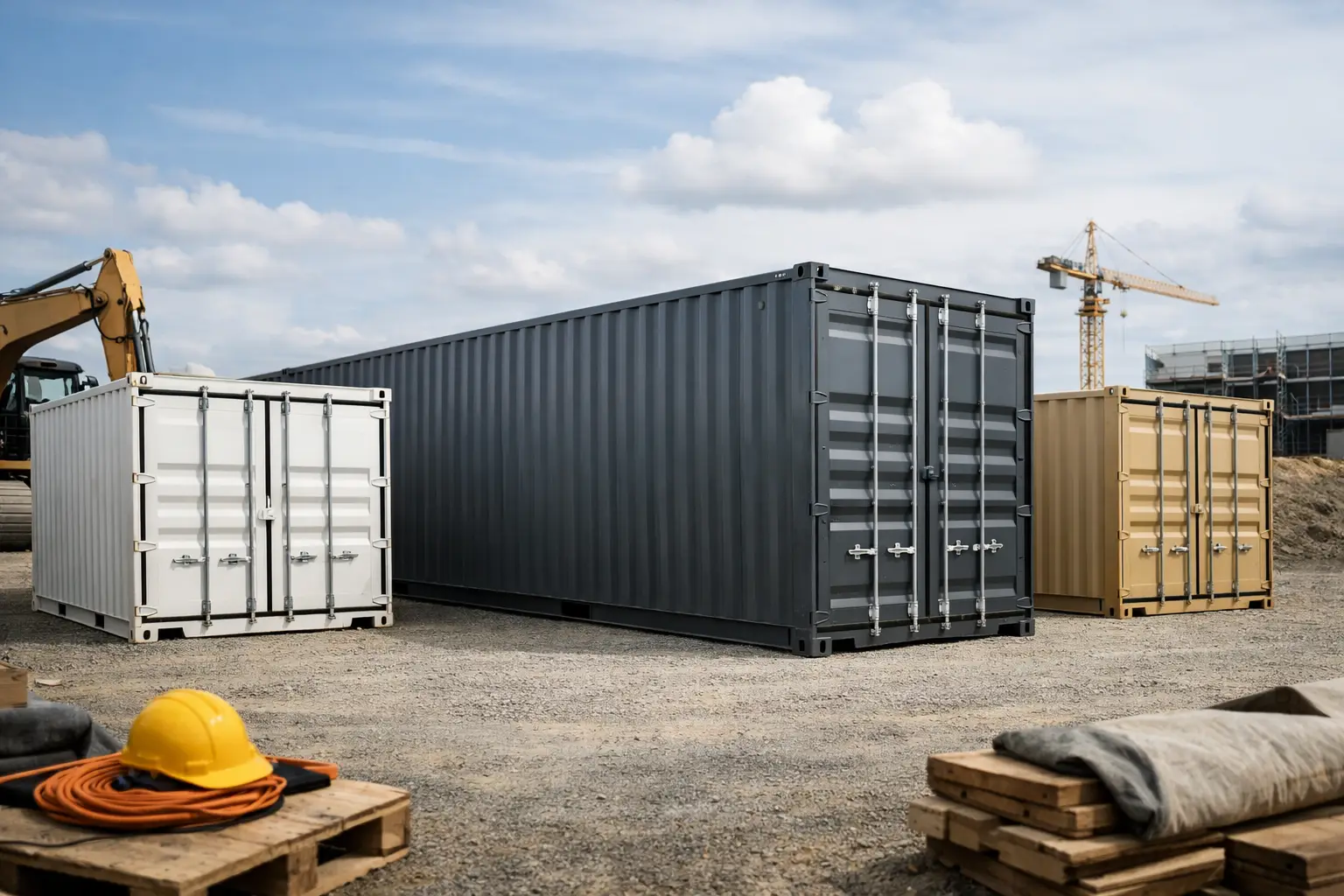
A 40-foot unit makes sense when material volume is the bigger problem than placement. General contractors use them for palletized supplies, larger equipment storage, and multi-trade projects where one box needs to serve several crews. Retail and logistics operations also favor 40-foot containers for overflow inventory because they reduce the need for multiple smaller units.
Height matters too. A standard-height container works for many storage needs, but a high-cube unit adds about one extra foot of interior height. That added clearance is useful for shelving, taller equipment, and a less cramped working environment if staff will enter the unit frequently.
New, used, or refurbished: what condition really means
Condition is where transparency matters most. A new or one-trip container has made a single cargo journey after manufacture. These units generally offer the cleanest appearance, the longest service life, and the fewest surprises. They are a strong choice for visible commercial sites, homeowners who care about aesthetics, and buyers planning modifications later.
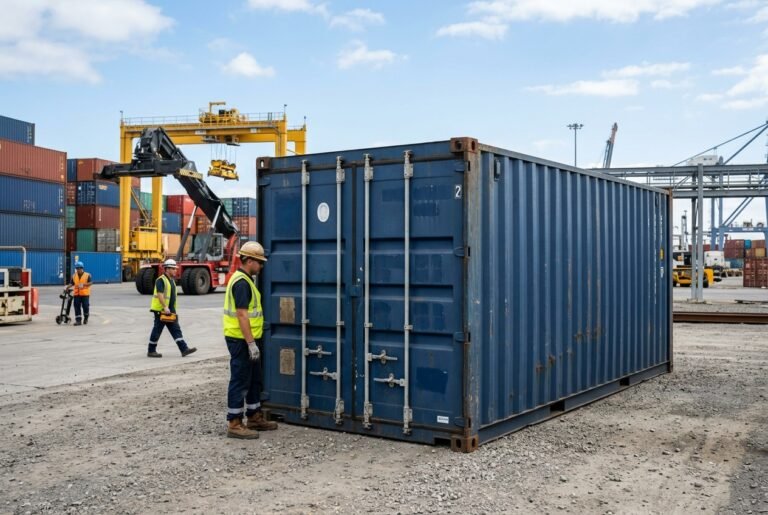
Used containers can offer excellent value if the grade is clearly explained. A Wind and Watertight container should keep out wind and rain, with solid doors, usable floors, and no major holes. It may have dents, surface rust, patches, and visible wear. For many job-site storage applications, that is perfectly acceptable.
Cargo Worthy is often misunderstood. It typically means the container meets criteria to move cargo in international service, though certification specifics depend on inspection and documentation. For static storage on your property, Cargo Worthy may be more than you need. The real issue is whether the unit is structurally sound, secure, and suited to your use.
Refurbished containers sit somewhere in between. They can be a smart option when you want a more presentable appearance than a standard used unit but do not need to pay for one-trip condition. The trade-off depends on the scope of refurbishment. A fresh coat of paint is not the same as floor repairs, door servicing, and corrosion treatment.
Match the container to the material inside
The contents should shape the buying decision. High-value tools and nonperishable materials usually pair well with a used Wind and Watertight unit if the doors seal properly and the lock area is in good condition. If you need temperature control for sensitive goods, a reefer container may be appropriate, but only if you understand its power requirements and intended operating condition.
For long items, tunnel containers with doors at both ends can improve access. For oversized loading, an open-top unit may help, though those are specialty solutions and not always the most economical answer for standard onsite storage.
If you plan to add shelving, lighting, or personnel access later, say that upfront. A container that works for raw storage is not always the best platform for a future conversion.
Site prep matters more than most buyers expect
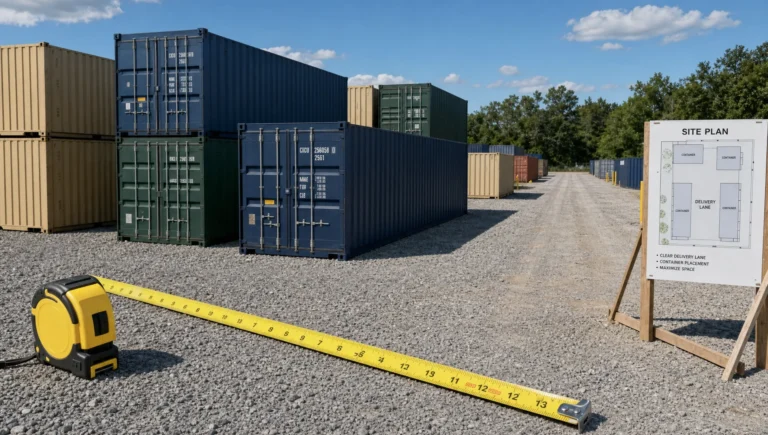
A good container can perform badly on a poor site. The ground should be level, compacted, and able to support the loaded weight of the container and the delivery equipment. You do not need a full concrete slab in every case, but you do need a stable foundation.
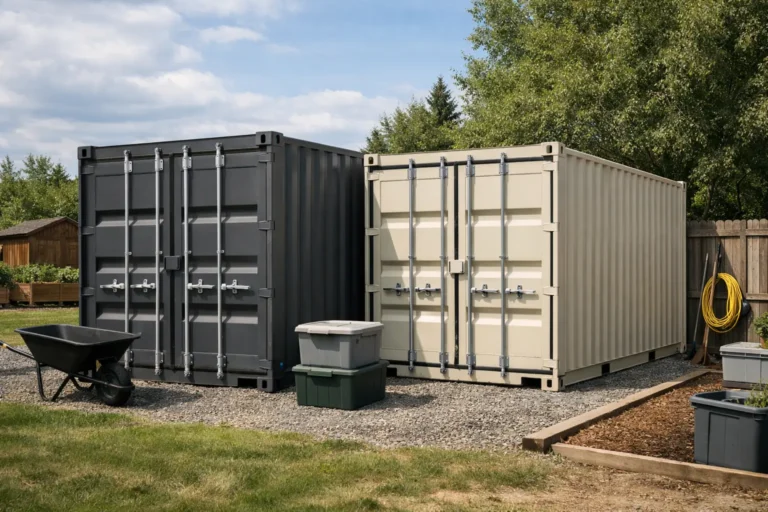
Common support options include gravel pads, railroad ties, concrete blocks, and piers, depending on soil conditions and intended use. The key is keeping the container level at the corner castings. When a unit twists, doors bind, floors wear unevenly, and long-term structural stress increases.
Drainage deserves attention too. Water pooling around the base accelerates corrosion and creates access issues. On farms and construction sites, mud can become a daily operational problem, not just a cosmetic one.
Delivery is where hidden problems show up
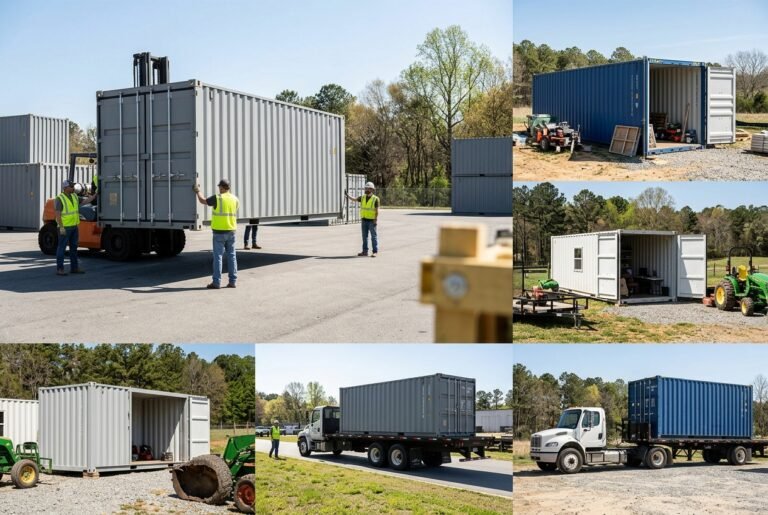
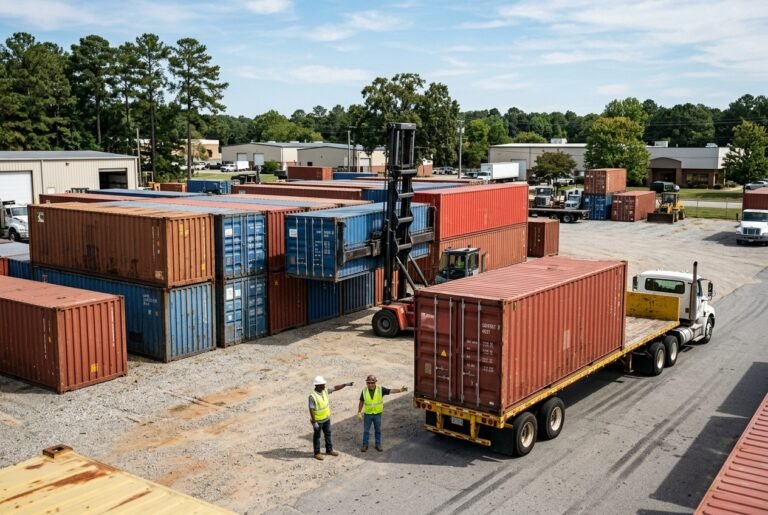
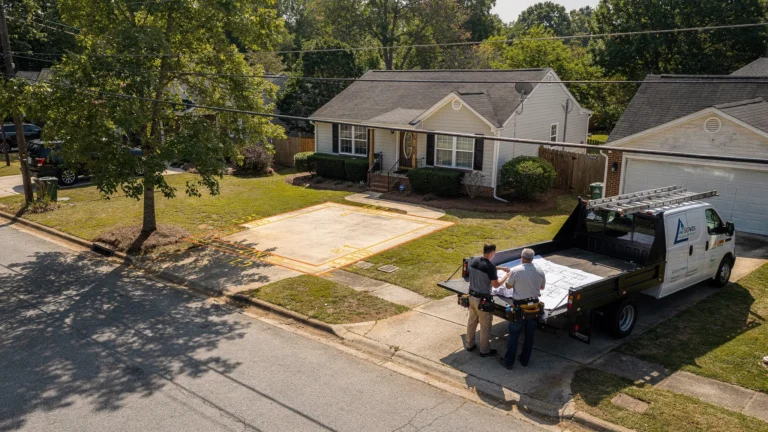
Many container issues are not product issues at all. They are delivery planning issues. Before scheduling delivery, confirm the truck type, the turning radius, the overhead clearance, and the exact drop location. A tilt-bed truck and a ground-level delivery each have different space requirements.
Buyers often measure the container footprint and forget about approach distance. The driver may need significant linear space to unload safely. Trees, soft ground, low wires, narrow gates, and sloped drives are common reasons a routine delivery becomes a problem.
This is especially important for rural properties and active job sites where conditions change quickly. A trustworthy seller will ask detailed site questions because precise logistics reduce delays and prevent redelivery charges. That level of planning is not sales friction. It is how you avoid paying twice.
Security features worth paying for
A container is already a strong security upgrade compared with a shed or temporary trailer, but not all units offer the same protection in practice. Door alignment matters. So does the condition of the locking gear, hinges, and hasp area.
For higher-risk sites, a lock box is one of the simplest upgrades with the best payoff. It shields the padlock from bolt cutters and makes forced entry harder. Interior lighting, organized shelving, and clear spacing can also improve security because crews spend less time with doors open while searching for tools or inventory.
If the unit will sit in a customer-facing location, appearance may matter almost as much as theft resistance. A cleaner exterior and straighter panels can support your brand image, particularly for retail overflow, temporary operations, or pop-up use.
When the lowest price is not the best value
A cheap container can become expensive fast. If the floor has weak spots, if door seals fail, or if the unit arrives in rougher condition than expected, any upfront savings disappear. The same goes for unclear delivery pricing. A low quote that excludes mileage, difficult access, or special equipment is not a low quote.
Look for verified specifications, clear condition language, and realistic delivery planning. Ask whether the listed price reflects the actual grade being sold. Ask how the unit will be delivered. Ask what site conditions could trigger added cost. No fine print, no surprises should be the standard.
For buyers in fast-moving markets such as Raleigh and the broader Southeast, availability can shift quickly, so accuracy matters as much as speed. The right supplier should be able to explain trade-offs without pushing you into a higher-grade unit you do not need.
Final checks before you place the order
Before you commit, confirm five things: the size, the grade, the delivery method, the site readiness, and the intended use over the next few years. Buyers who think one step ahead usually make better container decisions. The 20-foot unit that solves today’s tool storage problem may also become tomorrow’s workshop shell. The used container that is perfect behind a fenced job site may be the wrong fit in front of a retail storefront.
A container should simplify operations, not create a new set of logistics questions. If your supplier can explain condition standards plainly, verify the specs, and talk through delivery with precision, you are probably dealing with the right partner. That kind of clarity is what turns a steel box into dependable onsite storage.