Used Shipping Container Cost: What Drives the Price
Used shipping container cost is not just a number on a quote. It is the result of container grade, size, steel condition, location, delivery method, site readiness, and how honest the seller is about what you are actually buying.
For buyers in Raleigh, North Carolina, and across the Southeast, this matters because the cheapest container on paper can become the most expensive one after failed delivery, door repairs, rust treatment, floor replacement, or a grade mismatch. A jobsite storage unit for a general contractor does not need the same condition as a container being exported overseas. A backyard storage container does not need the same finish as a customer-facing retail pop-up or modular office.
Below is a practical breakdown of what drives used shipping container pricing, how to compare quotes, and where to spend more or save safely.
The quick answer: what determines used shipping container cost?
In most U.S. markets, the cost of a used shipping container is driven by five major factors: grade, size, location, delivery, and condition. A 20ft Wind and Watertight unit used for stationary storage will usually cost less than a 40ft High Cube Cargo Worthy unit that can be used for transport. A container located near a major supply corridor may price differently than one that needs to be trucked several hours inland.
Typical retail ranges can shift quickly with fuel, steel prices, regional inventory, and seasonal demand. The table below is a general planning guide, not a guaranteed quote from Lease Lane Containers LLC.
| Container type | Common condition | Typical cost position | Best fit |
|---|---|---|---|
| 20ft used standard | WWT or CW | Lower to mid-range | Residential storage, tools, farm supplies, compact job sites |
| 40ft used standard | WWT or CW | Mid-range | Contractors, business inventory, large equipment storage |
| 40ft High Cube used | WWT or CW | Mid to higher range | Tall equipment, palletized storage, workshops, conversions |
| Used refrigerated container | Tested reefer condition | Higher range | Cold storage, food, agriculture, pharmaceutical support |
| One-Trip container | Nearly new | Premium | Customer-facing projects, office conversions, long-term resale value |
The key is to compare total delivered cost, not just the advertised container price. A low base price with vague delivery terms, unclear grading, or no inspection details can easily cost more than a transparent quote from a supplier that confirms grade, dimensions, and placement requirements upfront.
Grade is the biggest price driver
Container grade is the first thing to verify when comparing used shipping container cost. Two containers can both be called “used,” but their structural condition, remaining lifespan, and permitted uses may be completely different.
If you want a deeper grade-by-grade breakdown before shopping used containers, review how each condition category affects price and risk.
One-Trip containers: the premium benchmark
A One-Trip container is usually the closest practical option to new. It has typically made one loaded ocean voyage from the factory before entering the resale market. It is still built from marine-grade Corten steel and designed around ISO standards, including standardized corner castings, doors, floors, and frame dimensions.
One-Trip units cost more because they usually have fewer dents, cleaner floors, better paint, stronger door operation, and longer expected service life. They are not usually categorized as “used” in the same way older containers are, but they serve as an important price benchmark. If your project involves a mobile office, retail space, modular build, or visible commercial use in Raleigh or the wider Southeast, a One-Trip unit may justify the premium.
Cargo Worthy containers: built for transport and higher-value storage
A Cargo Worthy container, often abbreviated CW, is a used container that is structurally suitable for cargo transport when properly inspected and documented. It should have sound corner posts, rails, flooring, doors, locking bars, and corner castings. For international ocean shipping, the container also needs proper documentation and a valid CSC plate or inspection status.
Cargo Worthy units usually cost more than Wind and Watertight containers because they must meet a higher structural threshold. For logistics managers, exporters, manufacturers, and anyone planning intermodal movement, CW is often the correct grade. For static storage, CW can still be a strong choice if you want a better long-term asset and stronger resale value.
Wind and Watertight containers: strong value for storage
Wind and Watertight, or WWT, means the container should keep out rain and wind under normal stationary use. It should pass a basic light test, where the doors are closed and the buyer checks from inside for daylight through holes, roof penetrations, or compromised seams.
WWT containers are often the best value for construction storage, farm storage, household overflow, and small business inventory that does not need ocean-shipping certification. In Raleigh’s humid climate, a good WWT unit with intact door gaskets, a sound roof, and proper elevation off the ground can perform well for years.
The trade-off is that WWT does not mean “pretty,” “export-ready,” or “dent-free.” Cosmetic dents, faded paint, patches, surface rust, and signs of prior service are normal. The price should reflect that.
As-Is containers: lowest price, highest uncertainty
As-Is containers are usually the least expensive, but they carry the most risk. They may have leaks, difficult doors, floor damage, heavy corrosion, missing parts, odors, or structural problems. For some uses, such as temporary material containment or salvage projects, As-Is may make sense. For secure storage, customer-facing projects, or expensive tools and inventory, it often becomes a false economy.
Size and configuration change the price quickly
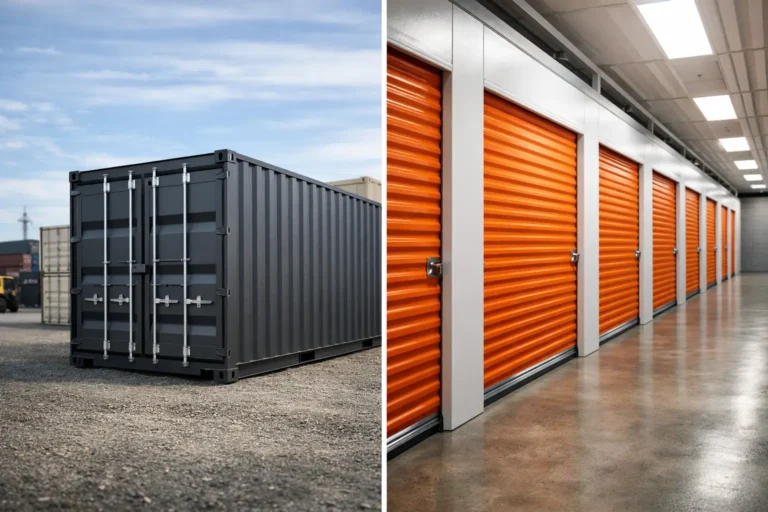
After grade, size is the next major cost factor. Standard ISO dry containers are most commonly sold in 20ft and 40ft lengths, with standard-height and High Cube options.
A 20ft container often costs less to buy and may be easier to place in residential driveways, small lots, and tight job sites. Contractors and homeowners around Raleigh often choose 20ft units when access is limited or when they need secure storage without taking up too much space.
A 40ft container costs more in total, but it often provides a lower cost per cubic foot. For builders, real estate developers, warehouses, landscapers, and agricultural users, the extra length can be the better value if the site has enough access and clearance.
High Cube containers add another layer. A High Cube unit is typically 9ft 6in tall on the exterior, compared with 8ft 6in for a standard container. That extra foot matters for shelving, machinery, insulation, lighting, HVAC, and office conversions. Because High Cube inventory is in high demand, especially 40ft High Cube units, expect them to price above standard-height units in similar condition.
If height is important for your project, compare High Cube dimensions before deciding. The added height can be worth the premium if it reduces modification costs or improves long-term usability.
Physical condition determines whether the price is fair
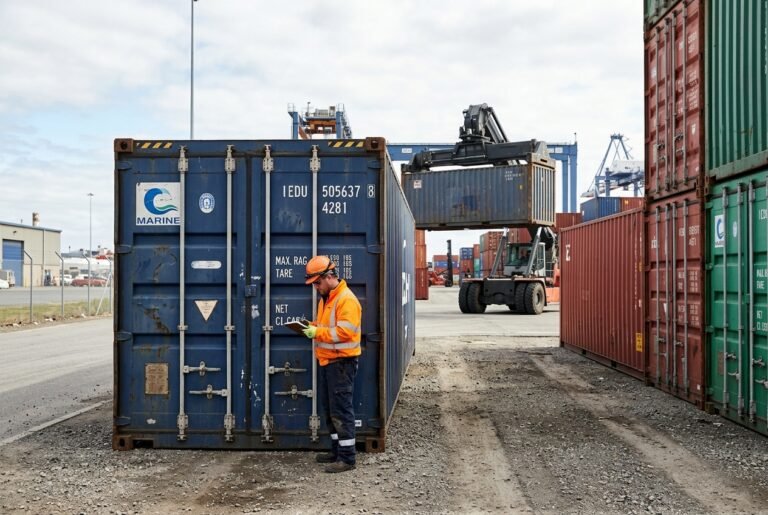
Grade is a starting point, but actual condition is what determines whether a specific container is worth the quoted price. Used containers are made from Corten steel, a weathering steel designed to resist corrosion better than ordinary mild steel. Still, years of marine service, loading, unloading, salt exposure, and yard handling leave marks.
A fair quote should match the real condition of the container, including:
- Roof condition, especially dents that hold standing water
- Door function, including locking bars, hinges, handles, and cam keepers
- Door gaskets, which are critical for WWT performance
- Floor condition, including delamination, soft spots, odors, and contamination concerns
- Corner posts, corner castings, and rails, especially for CW and stackable units
- Rust type, distinguishing surface rust from scaling corrosion or holes
- Interior light test results for pinholes, roof leaks, and wall penetrations
Surface rust and dents are common on used containers and are not automatically deal-breakers. Structural corrosion, twisted frames, badly racked doors, rotten flooring, or roof holes are different. Those issues should lower the price, trigger repairs, or cause you to walk away.
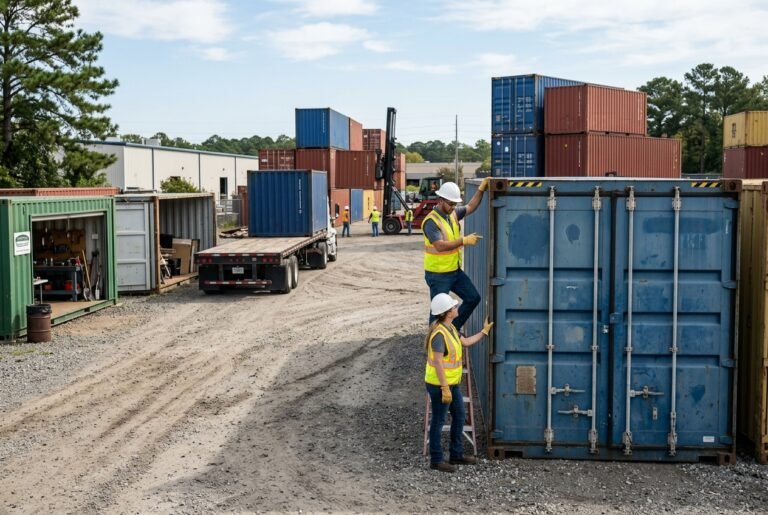
For buyers who cannot inspect in person, photos should show all four sides, the roof if possible, the interior, floor, doors, locking hardware, CSC plate if relevant, and close-ups of any patches or corrosion.
Location and regional supply affect the delivered price
Shipping containers move through global and regional logistics networks. That means local price is tied to inventory flow, trucking cost, depot availability, and demand.
Raleigh benefits from access to the broader Southeast logistics network, including routes connected to North Carolina, South Carolina, Virginia, and Georgia supply channels. Even so, a container still has to be transported from its storage location to your property. The farther it travels, the more fuel, driver time, and equipment availability matter.
Regional demand also changes pricing. In the Southeast, contractors, home builders, farms, landscapers, and disaster-preparedness buyers may all compete for similar WWT and CW inventory. Demand can rise during busy construction seasons, storm-preparation periods, or when supply tightens near ports.
National buyers face the same principle. The container price may look attractive in one region, but long-distance delivery can erase the savings. Always compare delivered cost to your actual drop location, not just the unit price at a depot.
For larger businesses buying containers across multiple sites, better internal systems can reduce quote confusion. Some procurement teams use custom web and AI platforms from specialists such as Impulse Lab to organize vendor data, automate workflows, and improve purchasing visibility across locations.
Delivery can make or break your budget
Delivery is one of the most common reasons a used container ends up costing more than expected. The container may be affordable, but the drop can become expensive if the site is tight, sloped, soft, blocked by overhead lines, or inaccessible to the required trailer.
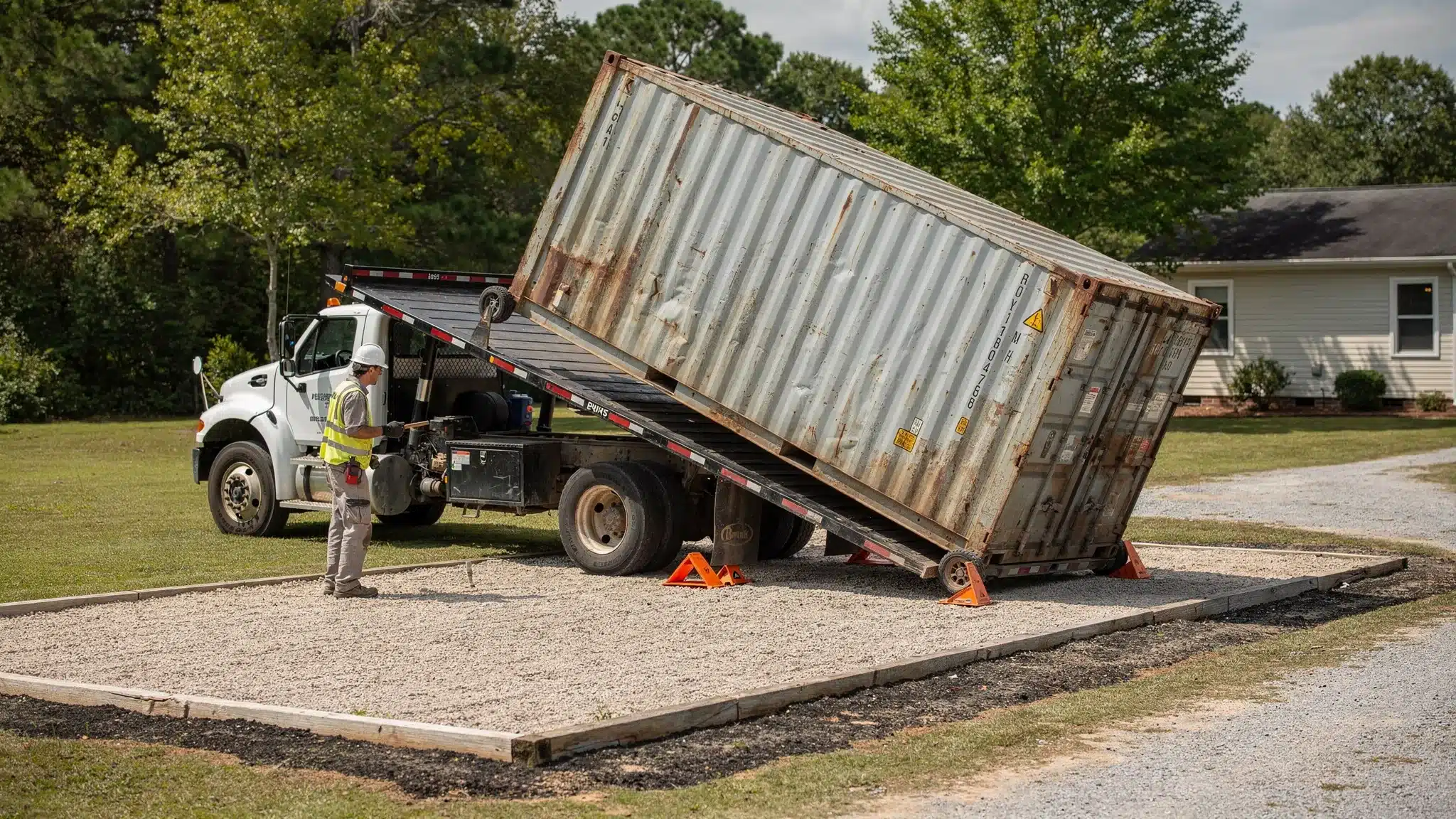
Common delivery methods include tilt-bed delivery, flatbed delivery with crane or forklift support, and specialized placement equipment when access is limited. Tilt-bed is often practical for many residential, farm, and jobsite drops, but it requires enough straight-line space to unload safely. A 40ft container typically needs significantly more room than its own footprint because the trailer must pull forward as the box slides down.
Before you commit to a quote, confirm whether delivery is included, what equipment will be used, and what assumptions the seller is making about access. If the driver arrives and cannot safely place the container, you may face redelivery, waiting time, crane rental, or a failed-delivery charge.
Lease Lane Containers LLC helps buyers think through site access, door orientation, and drop location before delivery. You can also review detailed shipping container delivery requirements to understand clearance, turning radius, surface stability, and placement planning.
Pro-Tip: prepare the pad before the truck arrives
A used container is only as useful as the surface it sits on. In Raleigh and across much of North Carolina, clay soils, humidity, heavy rain, and uneven terrain can cause containers to settle, twist, or trap moisture underneath.
For most long-term storage applications, a compacted gravel pad is a practical, cost-effective base. It helps drainage, reduces vegetation contact, and supports the container at key load points. Concrete slabs, piers, and heavy-duty blocks can also work well, especially for permanent installations, office conversions, or frequent forklift access.
The goal is simple: keep the container level, keep the underside ventilated, and prevent standing water. A container that is out of level can develop door problems even if the doors worked perfectly at the yard. If you are placing a unit in a residential area, HOA community, commercial lot, or Wake County jurisdiction, check permit and zoning requirements before delivery.
Modifications and add-ons change total cost
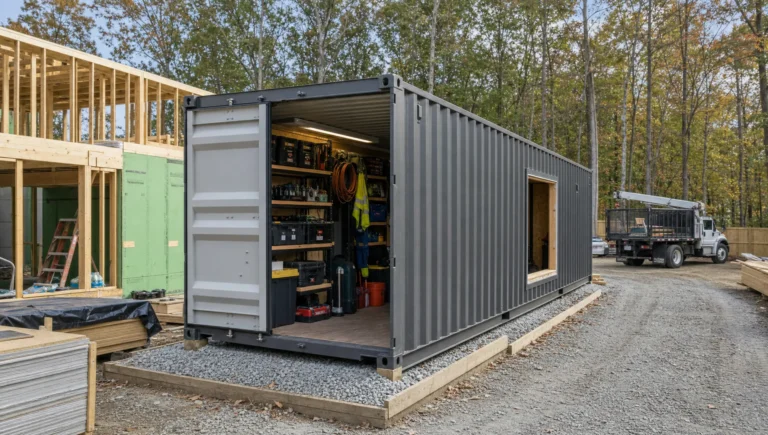
Used shipping container cost also depends on what you plan to do after purchase. A basic WWT storage container might need only a lockbox and proper placement. A mobile office, workshop, retail unit, or agricultural processing space may require much more.
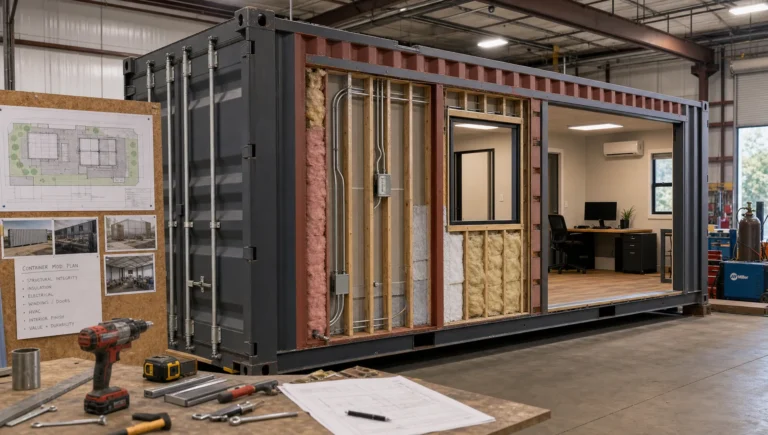
Common cost-changing add-ons include lockboxes, vents, roll-up doors, personnel doors, windows, insulation, electrical, lighting, HVAC, shelving, partitions, repainting, and flooring work. Refrigerated containers add electrical requirements and ongoing operating costs. Office and retail conversions may require code review, engineering, and permits.
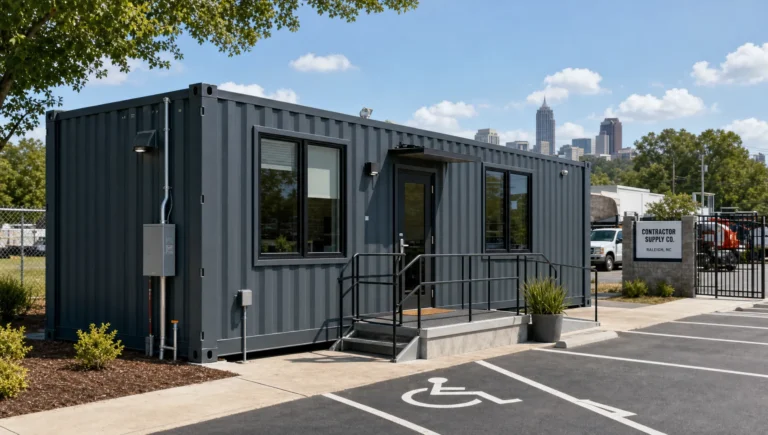
This is where buying the right grade upfront matters. A heavily worn WWT unit may be fine for storing lumber, but it may not be the best shell for a clean office conversion. If you plan to cut openings into the steel, add insulation, or invite customers inside, a One-Trip or better-condition CW unit may reduce prep work and improve the final result.
Seller transparency affects real value
Two quotes can look similar while representing very different value. A reputable supplier should be able to tell you what grade you are buying, what the grade means, what delivery includes, and what condition details are known.
When comparing used container quotes, ask for:
- Exact size and height, including standard or High Cube
- Grade, such as WWT, Cargo Worthy, One-Trip, or As-Is
- Whether the unit is ISO standard and whether CSC documentation applies
- Photos of the actual unit or representative inventory, depending on availability
- Delivery method, included mileage, and placement assumptions
- Taxes, fees, redelivery policies, and modification costs
- Any known repairs, patches, odors, floor concerns, or door issues
A very low price with vague answers is a warning sign. So is a seller who uses “cargo worthy” casually without explaining documentation, inspection, or CSC requirements. Clear grading protects the buyer and helps ensure the container fits the intended use.
Matching cost to use case
The best container is not always the most expensive one. It is the container that fits the job without creating unnecessary risk.
| Buyer type | Common use | Best-value grade | Cost note |
|---|---|---|---|
| General contractors and home builders | Tool and material storage | WWT or CW | WWT can be excellent for static storage, CW adds structural confidence |
| Small business owners | Inventory overflow or retail pop-up | CW or One-Trip | Spend more if appearance, cleanliness, or modification quality matters |
| Homeowners and farms | Long-term property storage | WWT | Focus on doors, seals, roof, floor, and site drainage |
| Real estate developers | Modular builds or container-based structures | One-Trip or strong CW | Better shell condition can lower conversion risk |
| Logistics managers | Export or intermodal transport | Cargo Worthy | Verify CSC status and inspection documentation before shipment |
In other words, a Raleigh contractor storing tools on a secure jobsite may not need a One-Trip container. A developer building a customer-facing container office probably should not start with the cheapest As-Is unit. The right grade saves money by matching condition to the job.
Why the cheapest used container can cost more later
A low purchase price can be appealing, especially for temporary storage. But the total cost of ownership includes repairs, delivery, site work, maintenance, security, and resale.
Consider the real cost of common problems. A container with doors that barely open can slow down crews every day. A roof dent that holds water can accelerate rust. A soft floor can limit safe storage. A unit placed directly on wet ground can corrode faster from below. A container bought without delivery planning can require a second trip or crane placement.
On the other hand, paying a little more for a cleaner WWT or CW unit may reduce hassle, protect stored assets, and hold better resale value. For businesses, uptime and reliability often matter more than saving a few hundred dollars upfront.
How to get an accurate quote
The best way to price a container is to provide the supplier with clear information. For Raleigh-area buyers, that means sharing the delivery address, intended use, desired size, grade preference, site photos, access limitations, and whether the container will be used for storage, transport, or modification.
A strong quote should answer three questions clearly. What container are you buying? How will it get to your property? What is included in the delivered price?
If a quote does not identify the grade, size, delivery method, and placement assumptions, it is not complete enough to compare fairly.
Frequently Asked Questions
What is the average used shipping container cost? The average depends on size, grade, region, and delivery. WWT units usually cost less than Cargo Worthy units, while 40ft and High Cube containers generally cost more than standard 20ft units. Always compare total delivered cost, not only the advertised container price.
Is Wind and Watertight good enough for storage? Yes, WWT is often a strong value for stationary storage if the roof, floor, doors, gaskets, and seams are sound. It is not the same as Cargo Worthy and should not be assumed suitable for export.
Why does a Cargo Worthy container cost more? Cargo Worthy containers must meet a higher structural standard and may require valid CSC documentation for international shipping. That added structural confidence and transport suitability usually increases price.
Does a High Cube container cost more than a standard container? Usually, yes. High Cube containers provide an extra foot of exterior height, which improves storage volume and modification flexibility. Demand for 40ft High Cube units is often strong, so they commonly carry a premium.
Does delivery usually include placement? It depends on the quote. Some quotes include delivery to an accessible site, while others charge separately for mileage, difficult access, crane placement, waiting time, or redelivery. Confirm the delivery method and site requirements before purchase.
Do I need a permit for a shipping container in Raleigh, NC? Permit and zoning requirements depend on property type, location, duration, and intended use. Residential, commercial, HOA, and construction sites may be treated differently. Always check local rules before scheduling delivery.
Get a clear used container quote from Lease Lane Containers LLC
Used shipping container cost should be transparent, practical, and tied to your real use case. Lease Lane Containers LLC helps buyers choose the right size, understand One-Trip, Cargo Worthy, and Wind and Watertight grades, plan the drop spot, and coordinate reliable delivery in Raleigh, across North Carolina, throughout the Southeast, and nationwide.
For help comparing used container options, planning delivery, or getting a clear quote, contact the sales team at sales@leaselanecontainers.com or visit the Raleigh office to speak with a local container expert.