Shipping Container Solutions for Contractors and Farms
Contractors and farm owners have a similar problem: valuable equipment, materials, and inventory often need to stay close to the work, but not exposed to theft, weather, rodents, or jobsite chaos. A shipping container can solve that problem quickly when the unit is matched to the use case, the site is prepared correctly, and the grade is clearly understood before purchase.
For general contractors in Raleigh, across North Carolina, and throughout the Southeast, containers create secure ground-level storage for tools, lumber, fixtures, and project materials. For farms, they can serve as durable storage for feed, fencing, irrigation parts, seasonal supplies, and equipment attachments. The best shipping container solutions are not just about buying a steel box. They come from choosing the right size, condition grade, delivery method, and placement plan.
Why Shipping Containers Work So Well for Contractors and Farms
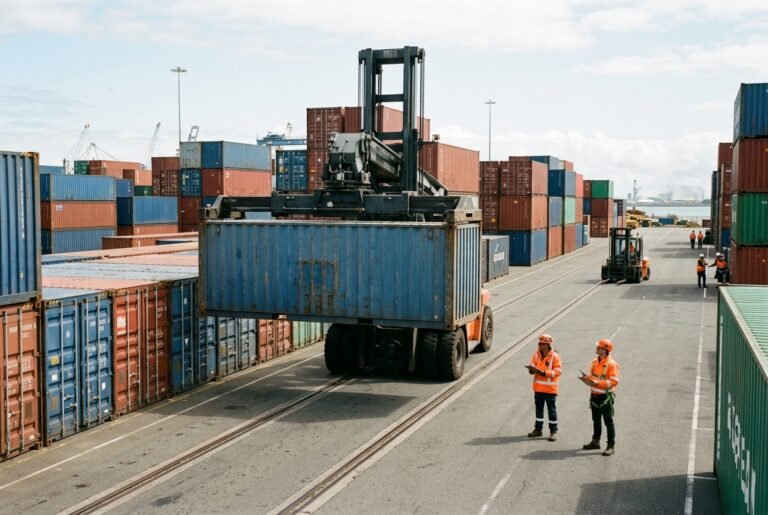
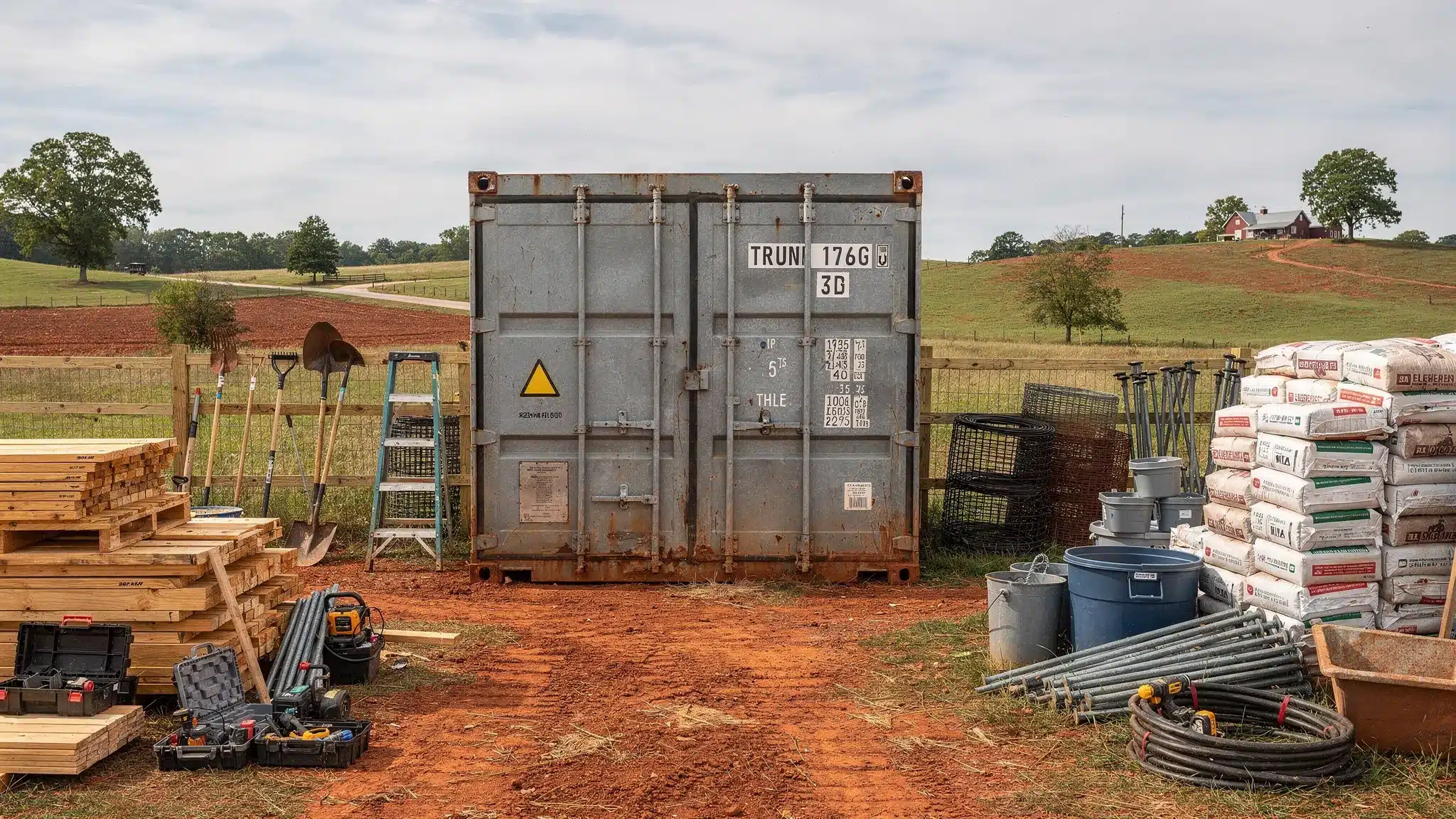
A standard ISO shipping container is built for intermodal transport, meaning it is designed to move by ship, rail, and truck while protecting cargo in harsh conditions. Most standard units use corrugated Corten steel panels, heavy steel corner posts, corner castings, locking rods, and weather-resistant doors. That construction gives contractors and agricultural operators a strong, practical structure without the long lead time of a permanent building.
On construction sites, that strength helps protect expensive tools, generators, fasteners, safety equipment, and materials that need to remain accessible during the workday. On farms, the same structure helps organize seasonal supplies, spare parts, animal care items, irrigation fittings, fencing materials, and packaged products.
The biggest advantage is flexibility. A container can support a short-term build, a multi-phase development, a rural property expansion, or a long-term farm storage plan. In Raleigh and the wider Southeast, where humid weather and seasonal storms can damage exposed materials, the right container setup can reduce waste, improve workflow, and keep operations moving.
Common Contractor Use Cases
For contractors, a container becomes part of the jobsite logistics plan. Instead of hauling tools back and forth every day or relying on unsecured temporary storage, crews can stage materials close to the work area.
A 20ft container is often a strong fit for smaller projects, tight lots, residential construction, remodeling jobs, and sites with limited access. It provides useful storage without requiring the same placement footprint as a 40ft unit. If you are comparing compact storage options, this guide to 20ft containers can help you understand what affects cost and value.
A 40ft container works well for larger projects, multi-trade sites, commercial construction, and home builders managing bulk materials. The extra length is useful for lumber, drywall, roofing materials, windows, doors, and equipment that needs to be separated by trade or phase. Contractors evaluating larger units can review this guide to 40ft containers for size and buying considerations.
High Cube containers, which are typically 9ft 6in tall on the exterior instead of the standard 8ft 6in, are especially useful when vertical clearance matters. The extra foot of height can make shelving easier, improve headroom for workshop-style use, and provide more room for tall materials or equipment.
Common Farm and Agricultural Use Cases
Farm operations often need storage that is rugged, weather-resistant, and close to the field, barn, packing area, or equipment yard. A shipping container can be a practical alternative to building another shed, especially when the need is urgent or seasonal.
Common farm uses include storage for fencing supplies, animal feed in sealed containers, irrigation fittings, hand tools, seed bags, nursery supplies, spare equipment parts, and harvest packaging materials. Containers also help organize seasonal inventory so that high-demand items are not buried in a barn or exposed in an open equipment shed.
For temperature-sensitive products, a refrigerated shipping container, often called a reefer, may be a better fit than a dry storage unit. Reefers can support cold storage needs for produce, floral products, nursery inventory, or other temperature-sensitive goods when the site has adequate electrical service and the unit is properly tested before purchase.
Farmers should be cautious with chemicals, fuel, fertilizer, and pesticides. A standard dry container may not be suitable without proper ventilation, spill containment, separation, labeling, and compliance with local fire, environmental, and agricultural regulations. When in doubt, treat the container as part of a regulated storage system, not just a convenient enclosure.
Matching Container Size to the Work
The right size depends on access, inventory volume, and how often people need to enter the unit. A container that is too small becomes cluttered quickly. A container that is too large may be harder to place, harder to deliver, and more expensive to move.
| Need | Best container fit | Why it works |
|---|---|---|
| Small contractor tool storage | 20ft standard container | Easier to place on residential lots and tight jobsites |
| Multi-trade material staging | 40ft standard or 40ft High Cube | More floor space for separating trades, phases, and materials |
| Farm parts and supply storage | 20ft or 40ft Wind and Watertight | Practical protection for static ground storage |
| Tall shelving or workshop layout | High Cube container | Extra height improves interior usability |
| Cold storage for produce or sensitive goods | 20ft or 40ft reefer | Provides temperature-controlled storage when power is available |
| Long-term customer-facing use | One-Trip standard or High Cube | Cleaner appearance and stronger long-term value |
A 20ft unit may be better for dense, heavy items because it keeps the footprint compact and makes organization manageable. A 40ft unit is better when you need long runs of shelving, palletized material, or separate zones for different crews or farm functions.
Understanding Container Grades Before You Buy
Container grade is one of the most important buying decisions. It affects appearance, structural condition, weather protection, resale value, and suitability for transport or modification. Contractors and farm owners should avoid vague listings that simply say “good condition” without explaining the actual grade.
| Grade | What it means | Best fit |
|---|---|---|
| One-Trip | A near-new container that has typically made one loaded trip from the factory before resale | Long-term storage, visible sites, modifications, offices, premium farm or contractor storage |
| Cargo Worthy (CW) | A used container inspected for structural integrity and suitable for cargo transport when properly certified | Export, intermodal use, high-value jobsite storage, long-term rugged use |
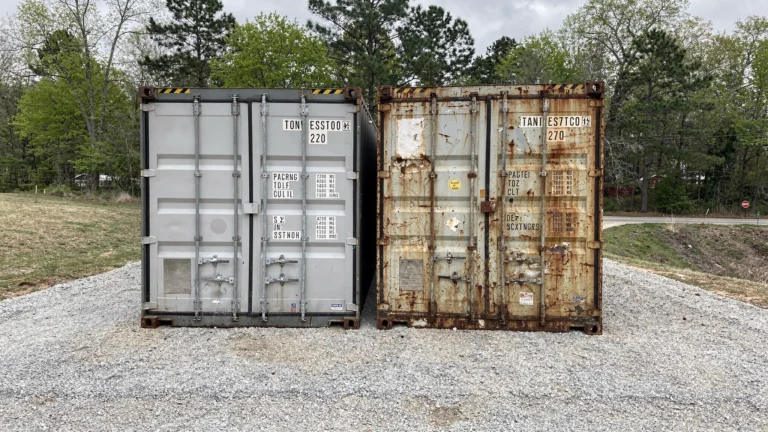
| Wind and Watertight (WWT) | A used container that should keep out wind and rain but is not necessarily certified for ocean cargo | Static storage for tools, farm supplies, and materials where appearance is less critical |
A One-Trip container usually costs more upfront, but it offers cleaner paint, newer door seals, less corrosion, and a longer expected service life. This can matter for permanent farm storage, retail-facing agricultural businesses, high-end job sites, or container office conversions.
A Cargo Worthy container is a strong option when structural condition matters and the unit may need to be transported with cargo. CW containers are typically tied to inspection standards and CSC plate requirements for shipping. For logistics managers, exporters, and contractors who may move loaded equipment, CW is often the safer grade to consider.
A Wind and Watertight container is often the most practical value for static storage. It may have dents, surface rust, older paint, or cosmetic wear, but it should protect contents from wind and rain when the doors, gaskets, roof, and panels are sound. For many farms and jobsites, WWT offers the right balance of durability and cost.
If you are comparing grades in more detail, Lease Lane Containers has a guide on how to choose the right shipping container grade. Buyers considering pre-owned units can also review available guidance on used containers before making a decision.
Security, Workflow, and Interior Organization
A container is only as useful as the way it is placed and organized. Contractors should think about which crew needs access, where deliveries arrive, and how materials move from storage to the work area. Farms should think about equipment traffic, livestock areas, drainage, and seasonal access during wet months.
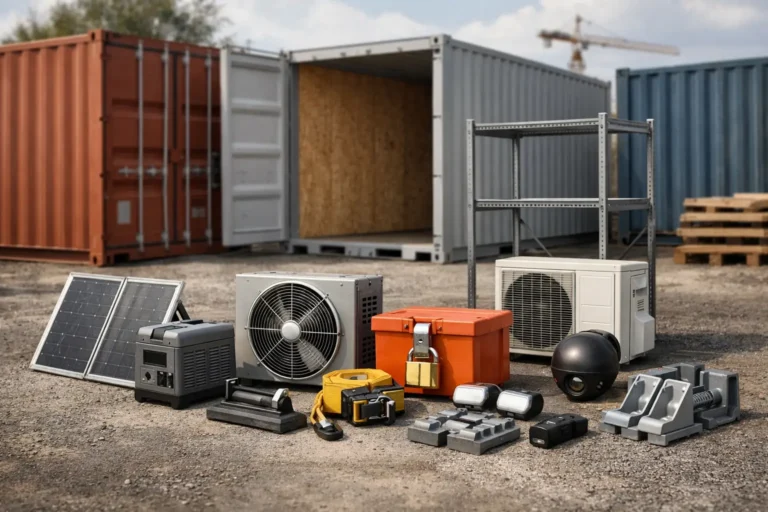
Security starts with door condition. Check locking rods, handles, gaskets, hinges, and the lockbox if the unit includes one. A welded lockbox with a quality puck lock or shrouded lock can reduce exposure to bolt cutters. Lighting, camera visibility, and door orientation also matter. A container hidden behind a tree line may be convenient, but it may not be ideal for theft prevention.
Inside the container, use pallets, racks, bins, and labeled zones. Keeping materials off the floor improves airflow and helps reduce moisture issues. This is especially important in North Carolina’s humid climate, where condensation can affect cardboard, feed bags, untreated wood, and sensitive supplies.
For farm storage, avoid placing feed directly against container walls. For contractor storage, keep fasteners, adhesives, electrical materials, and finish products in clearly marked areas so crews do not waste time searching through mixed inventory.
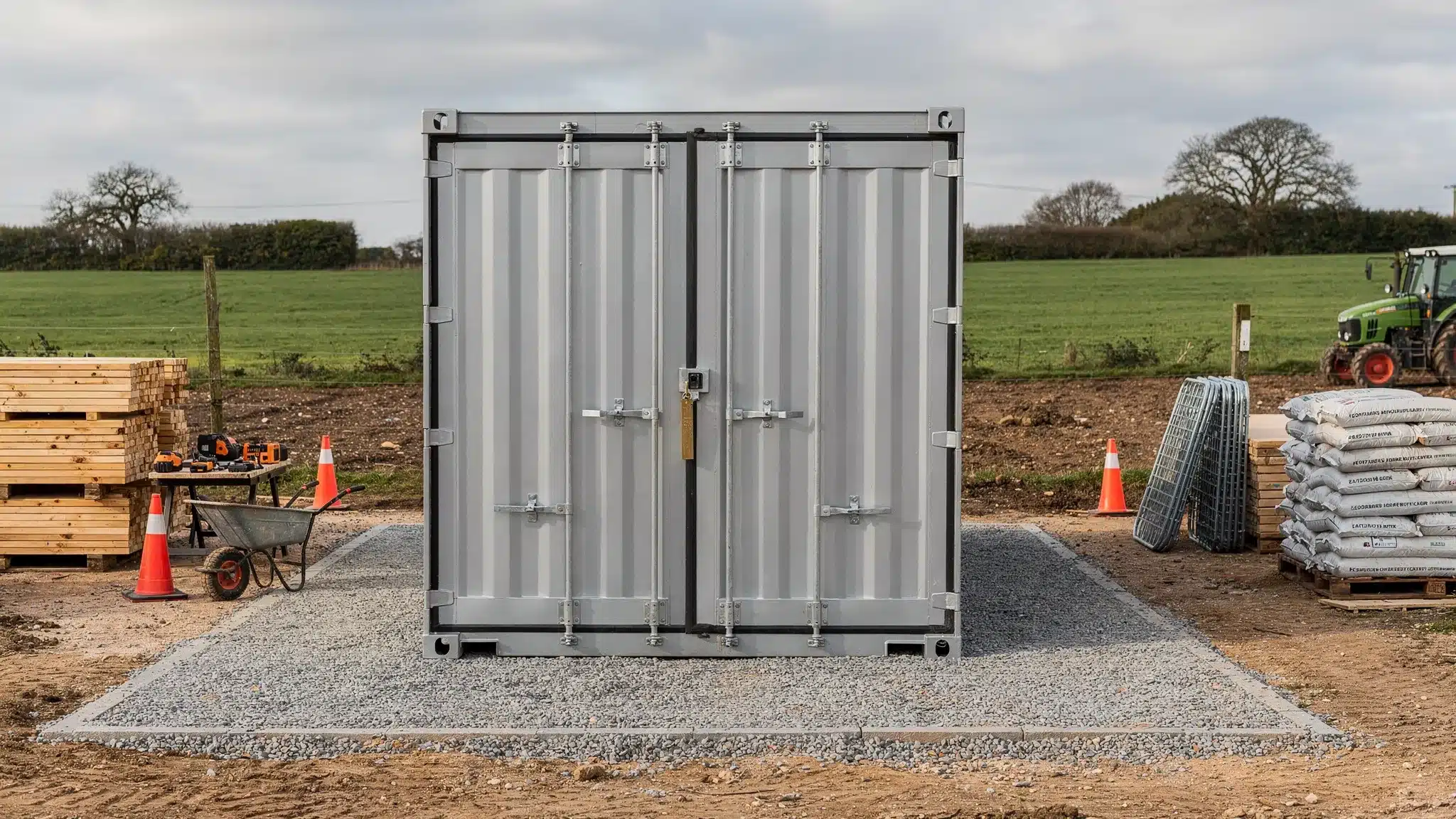
Pro-Tip: Build the Pad Before Delivery Day
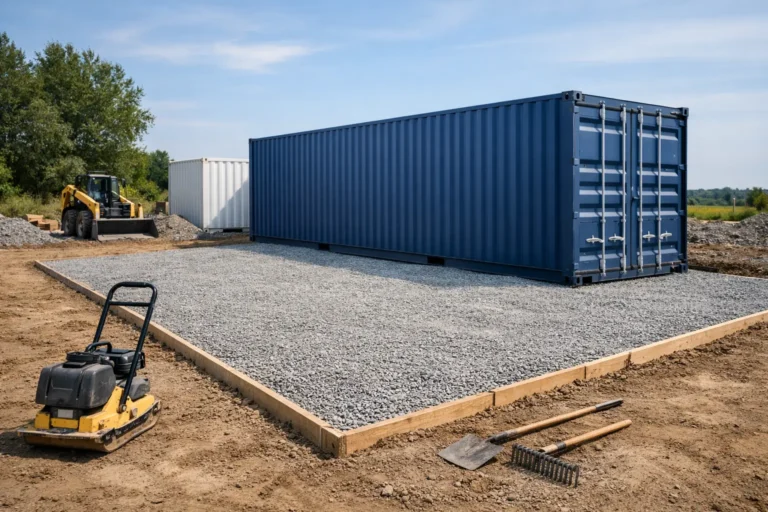
The most common mistake is treating the container as heavy enough to “settle itself.” Containers need a stable, level base. If the corners twist, the doors may become difficult to open, seals may not compress correctly, and water may drain toward the wrong side.
A compacted gravel pad is one of the most practical foundations for many contractor and farm sites. It helps with drainage, reduces mud around the doors, and supports the container corners. Concrete pads, piers, or properly placed blocks may also work depending on the site, soil, and long-term use.
Before delivery, confirm the drop area is level from corner to corner, not just generally flat. Keep the container slightly elevated from standing water, direct runoff away from the unit, and leave enough room for doors to swing fully. For any digging, trenching, electrical work, or utility preparation, contact NC 811 or your local utility marking service before work begins.
Raleigh, Wake County, and other North Carolina municipalities may have zoning, setback, HOA, or permit rules that apply to storage containers, especially for long-term placement, commercial use, or modified units. Always check local requirements before delivery, not after the container is already on-site.
For a deeper planning checklist, review Lease Lane Containers’ guide to shipping container delivery requirements and this resource on choosing the right base for a shipping container.
Delivery Planning for Jobsites and Rural Properties
Delivery conditions can make or break the project. A container that looks perfect at the yard still needs a safe path to the final drop spot.
Tilt-bed delivery is common for ground-level placement, but it requires enough straight-line space for the truck, trailer, and container to roll off safely. Flatbed delivery with a crane, forklift, or other equipment may be needed when access is tight, the container must be lifted over obstacles, or the site cannot support a tilt-bed maneuver.
Contractor sites in Raleigh and the Southeast often face tight neighborhoods, active crews, utility lines, temporary fencing, and changing grades. Farm sites may have gravel drives, soft shoulders, field entrances, low branches, gates, culverts, and wet soil. These details should be discussed before delivery day.
Take photos of the entrance, route, and drop zone. Measure gates, driveways, overhead clearance, turning areas, and the final footprint. If the ground is wet or unstable, wait for better conditions or improve the pad first. Failed delivery can cost more than the site preparation you were trying to avoid.
When a Modified or Specialty Container Makes Sense
A standard dry container works well for many storage needs, but some contractor and farm applications require more planning. Ventilation can help reduce heat and moisture. Shelving can improve workflow. Personnel doors can improve access. Windows, insulation, and electrical work may be part of an office or workshop conversion.
High Cube containers are often preferred for conversions because the added height leaves more usable headroom after insulation, framing, and flooring. One-Trip units are often the better starting point for customer-facing modifications because the shell is cleaner and typically requires less cosmetic repair.
Reefers are specialty units that require careful evaluation. The refrigeration system, insulation, power requirements, and service history matter as much as the container shell. For agricultural cold storage or cold-chain logistics, the unit should be matched to the temperature range, electrical supply, and delivery site before purchase.
How to Choose the Right Container Solution
The best decision starts with the contents. A contractor storing rough tools and framing materials has different needs than a builder storing finish fixtures. A farm storing fencing supplies has different needs than a grower storing temperature-sensitive harvest inventory.
Use these questions to narrow the choice:
- What will be stored, and how sensitive is it to moisture, heat, or odor?
- Will the container stay in one place, move between jobsites, or support export cargo?
- Is appearance important for customers, inspectors, neighbors, or a public-facing property?
- Do you need standard height, or would a High Cube layout improve access and shelving?
- Can the delivery truck safely reach the drop zone in current ground conditions?
- Are permits, zoning approvals, HOA rules, or farm compliance requirements involved?
For many contractors and farms, a WWT container is the right value for static storage. For export, heavy transport, or high-value storage, Cargo Worthy may be the better choice. For long-term appearance, modifications, or a premium setup, One-Trip is usually the strongest starting point.
Frequently Asked Questions
What is the best shipping container grade for contractors? For basic jobsite storage, a Wind and Watertight container is often sufficient if the doors, roof, seals, and floor are in good condition. For high-value tools, frequent relocation, or structural confidence, Cargo Worthy may be a better fit. For mobile offices or customer-facing projects, One-Trip is usually the cleanest option.
What is the best container grade for farms? Wind and Watertight containers work well for many static agricultural storage needs, including tools, fencing, and packaged supplies. One-Trip containers are better for long-term use, cleaner appearance, or sensitive inventory. Cargo Worthy units are useful when structural condition and transport capability matter.
Should I choose a 20ft or 40ft container for a jobsite or farm? Choose a 20ft container when access is tight, storage needs are compact, or you want easier placement. Choose a 40ft container when you need bulk storage, shelving runs, pallet space, or separation between categories of materials. A High Cube is worth considering when vertical clearance improves usability.
Can I store feed, seed, or fertilizer in a shipping container? Yes, many farms use containers for agricultural supplies, but moisture control and compliance matter. Keep items elevated on pallets, improve airflow where appropriate, and follow product labels and local regulations for fertilizer, pesticides, fuel, and other controlled materials.
Do I need a permit for a shipping container in Raleigh or North Carolina? It depends on the property, zoning, duration of placement, and intended use. Commercial sites, residential neighborhoods, HOAs, and modified containers may have different rules. Check with the local planning office or authority having jurisdiction before delivery.
How should I prepare the ground before container delivery? Use a level, stable surface with good drainage. Compacted gravel, concrete, piers, or properly set blocks can all work depending on the site. The key is supporting the container corners evenly and preventing standing water under or around the unit.
Talk With a Raleigh-Based Container Team
The right container can help contractors protect tools and materials, help farms organize seasonal supplies, and help businesses across the Southeast create secure, flexible storage without overbuilding. Lease Lane Containers LLC supplies new One-Trip, used Wind and Watertight, Cargo Worthy, High Cube, standard, refrigerated, trailer, and custom modular container solutions with clear grading and delivery planning support.
If you need help choosing a size, comparing grades, planning a drop spot, or coordinating delivery in Raleigh, North Carolina, the Southeast, or nationwide, contact the sales team at sales@leaselanecontainers.com or visit the Raleigh office to discuss the right container for your jobsite or farm.