Do Reefer Containers Need Power? What to Plan For
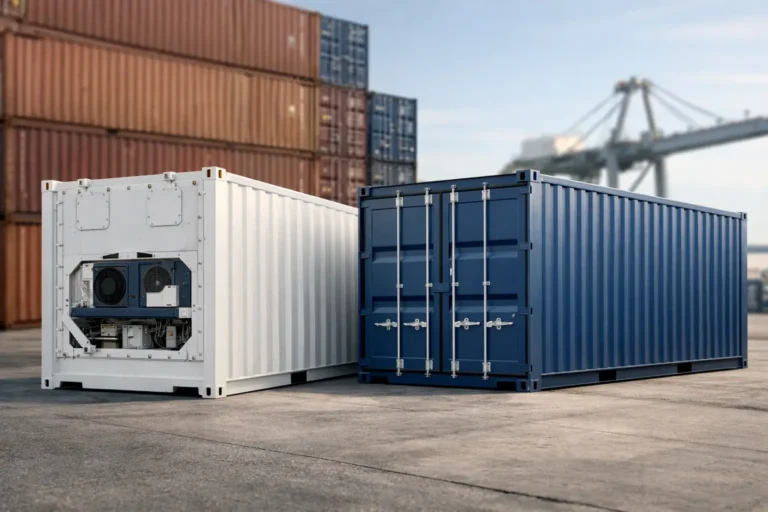
A reefer container can look like a standard steel shipping container from a distance, but its operating requirements are very different. Do reefer containers need power? Yes, if you need the refrigeration unit to actively hold a set temperature. Without electricity, a reefer is still insulated, secure storage, but it is no longer refrigerated storage.
That distinction matters before delivery. A contractor storing temperature-sensitive materials, a farm holding produce, or a retailer managing frozen inventory needs a verified power plan before the container arrives. Choosing the right unit is only part of the job. The site, electrical service, monitoring plan, and delivery access all need to support the use case.
Do Reefer Containers Need Power to Stay Cold?
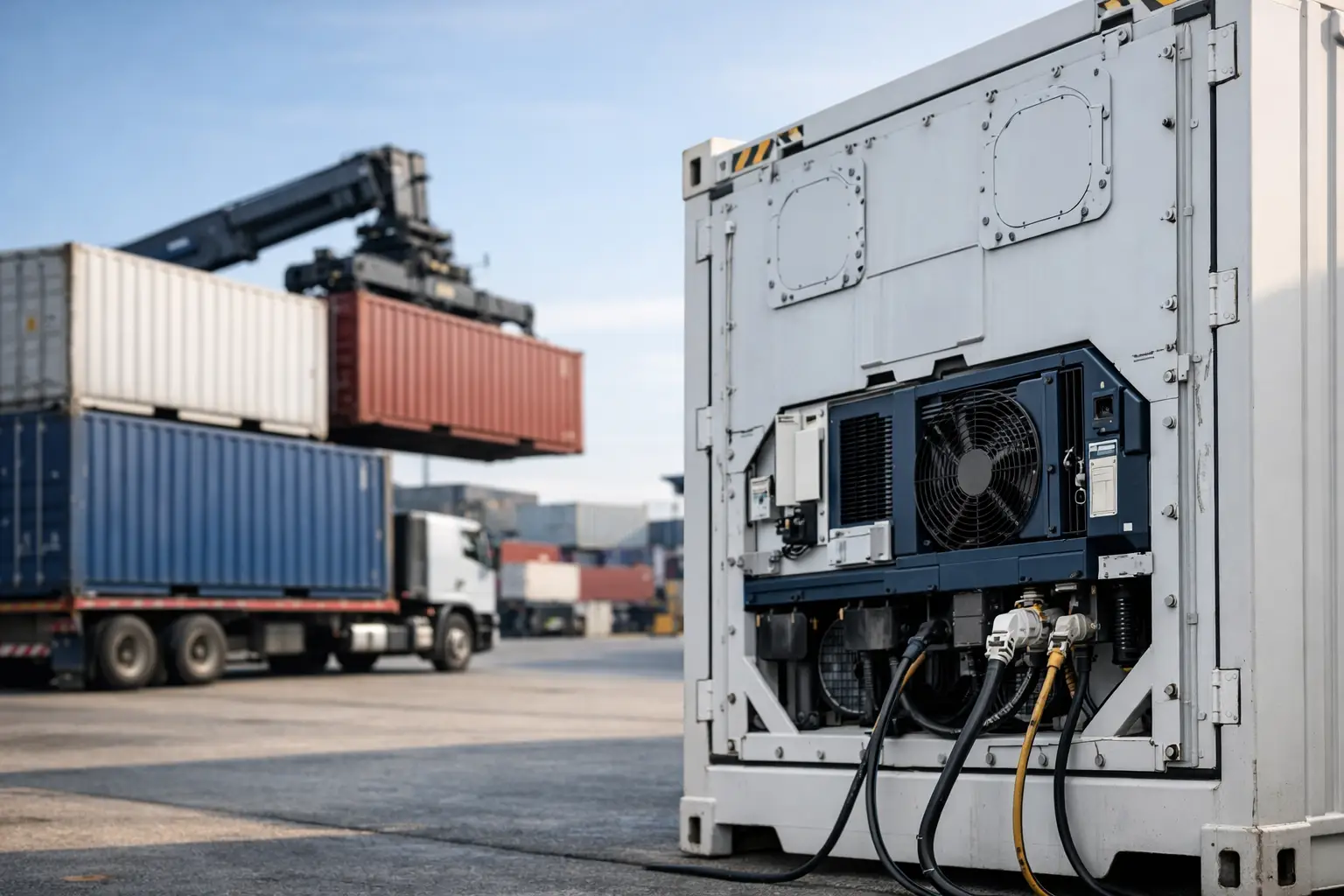
An operating reefer container requires a continuous electrical supply. The refrigeration machinery mounted at one end of the container uses power to cool, heat when necessary, circulate air, and maintain the temperature selected on its controller.
Most reefers used in the United States are designed for shore power, commonly 460-volt, three-phase, 60 Hz service with a reefer-style plug. However, voltage, phase, frequency, plug configuration, and amperage requirements vary by unit and manufacturer. Never assume a standard outlet, dryer outlet, or household 120-volt receptacle will operate a reefer container. Check the unit’s data plate and have a qualified electrician confirm the service before connecting it.
A reefer that is disconnected does not immediately become warm. Its insulated walls, floor, and doors can slow temperature change for a limited period, especially when the cargo is already cold and the doors stay closed. But insulation does not create cold air. How long the interior stays within an acceptable range depends on the ambient temperature, the product load, door openings, starting temperature, and condition of the container.
For regulated food, pharmaceuticals, flowers, frozen goods, or other sensitive inventory, treating an unpowered reefer as reliable cold storage is a costly gamble.
When a Reefer May Not Need Active Power
There are legitimate cases where buyers use a reefer without plugging it in. A retired or refurbished refrigerated container can serve as insulated dry storage, a workshop shell, or secure storage for items that benefit from reduced heat transfer. The stainless interior and insulated construction can also make it useful for certain specialty builds.
There are trade-offs. Reefer containers typically have less usable internal width and height than comparable dry containers because of their insulated walls and machinery. Their floors are often aluminum T-bar designs that promote airflow when refrigerated, rather than the flat plywood floor found in many dry containers. If you are storing equipment, pallet jacks, tools, or building materials, a standard 20-foot or 40-foot dry container may be more practical and less expensive.
An unpowered reefer should also be kept dry and ventilated as appropriate for its contents. Condensation, odors, and moisture problems can develop if a sealed insulated box is used without a sound storage plan.
Shore Power, Gensets, and Backup Options
On a port, rail yard, or vessel, reefers are commonly connected to purpose-built electrical infrastructure. At a job site, farm, warehouse overflow location, or rural property, the same need for dependable power remains, but the setup is often less straightforward.
Shore power is generally the best option for a stationary reefer container. It provides continuous operation without the fuel management, noise, and maintenance associated with generators. A licensed electrician can assess whether the existing service has enough capacity, install the correct receptacle and disconnect, and ensure the wiring is suitable for outdoor industrial use.
Where utility power is unavailable, a reefer genset can provide electricity. Gensets are diesel generator units built specifically to power refrigerated containers during transport or at remote sites. They are useful for temporary operations, disaster response, harvest periods, and locations where bringing in permanent electrical service does not make financial sense.
A genset is not a no-maintenance substitute for shore power. It requires fuel, regular service, safe placement, noise consideration, and a plan for refueling without interrupting operation. If product loss would be significant, a backup generator, alarm system, or remote temperature monitoring should be part of the operating plan rather than an afterthought.
Power Use Depends on Conditions, Not Just Container Size
Buyers often ask how much electricity a reefer container uses. There is no single number that applies to every unit. Actual consumption changes based on the target temperature, outdoor weather, product temperature at loading, how often doors are opened, cargo volume, and the condition of door gaskets and refrigeration components.
A container holding frozen product in North Carolina summer heat will work much harder than one maintaining chilled beverages during mild weather. Loading warm product also creates a major cooling load. A reefer is designed to maintain product temperature and circulate conditioned air through a properly loaded cargo space. It is not always intended to pull down a large load of warm product as quickly as a dedicated blast freezer.
Before purchase or rental, verify the unit’s specifications and ask for the refrigeration unit model and data plate information. That gives your electrician the details needed to size the connection correctly and helps you estimate operating costs more realistically.
Site Preparation for a Powered Reefer Container
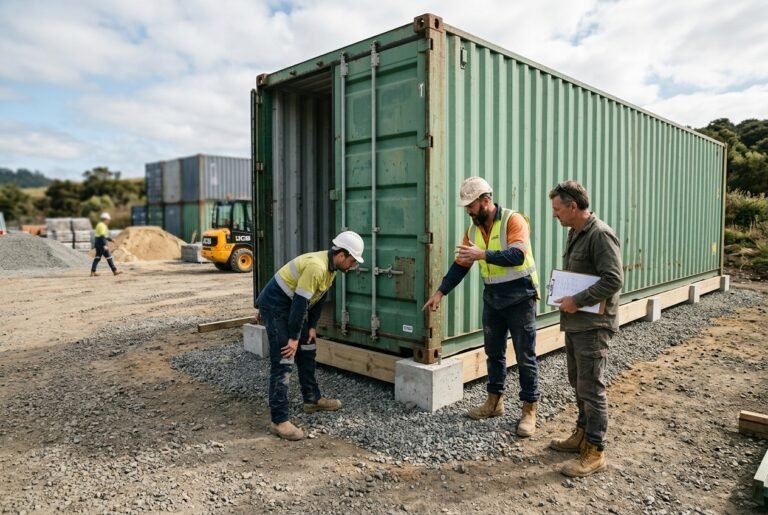
Delivery and electrical preparation should happen together. A reefer needs a stable, level location that supports the container along its corner castings. Concrete pads, properly placed concrete blocks, compacted gravel with suitable support points, and engineered foundations can all work depending on the site and intended use.
Keep the refrigeration machinery end accessible. The technician needs room to inspect, connect, and service the unit. Avoid placing that end tight against a wall, fence, bank, or stacked materials. Good airflow around the machinery helps it reject heat efficiently, particularly in hot weather.
The electrical connection should be positioned so the cable reaches without creating a trip hazard or being stretched across traffic areas. It should be protected from forklifts, trucks, standing water, and accidental damage. Do not run a reefer through an undersized extension cord or improvised adapter. Electrical shortcuts can damage the refrigeration unit, create fire risks, and void equipment protections.
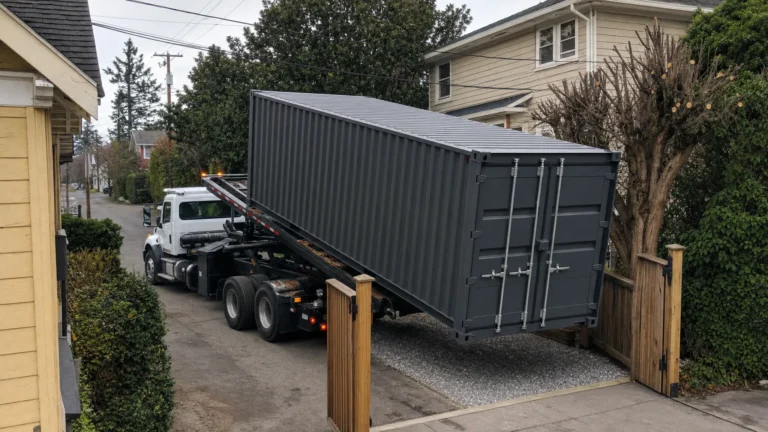
For ground-level delivery, make sure the truck has a clear approach and enough room to set the container down. Tilt-bed delivery requires additional overhead and forward clearance because the container slides off the truck at an angle. Power availability does not solve access problems, so confirm both requirements before scheduling.
Temperature Control Is More Than Plugging It In
Once a reefer is powered, it still needs correct operation. Set the temperature based on the product’s documented requirements, not guesswork. Confirm that doors seal fully, air passages in the T-floor are clear, and cargo is loaded to allow circulation. Blocking airflow can create hot spots even when the controller displays the correct setpoint.
For high-value inventory, use an independent temperature logger or monitoring system. The reefer controller reports what the unit is doing, but independent records can help identify a power interruption, door issue, mechanical fault, or temperature excursion. This is especially useful for agricultural operators, food businesses, laboratories, and logistics teams managing product accountability.
Routine checks matter as well. Inspect door gaskets, listen for unusual alarms, keep the condenser area free of debris, and verify the power connection after severe weather or site activity. A refrigerated container is durable industrial equipment, but it is still mechanical equipment that benefits from preventive maintenance.
Choosing Between a Reefer and a Dry Container
The right choice comes down to whether temperature control is essential. If you only need secure, weather-resistant storage for tools, equipment, construction materials, or household belongings, a Wind & Watertight or Cargo Worthy dry container is typically the simpler solution. It has no refrigeration machinery to service and no ongoing power requirement.
If you need stable chilled or frozen storage, a reefer is the appropriate tool, provided your site can support it. Confirm the container’s condition, refrigeration status, electrical specifications, and delivery plan in writing. Clear pricing and verified specifications prevent the most common surprises.
A reefer container is only as dependable as the power and site plan behind it. Establish those details before delivery, and the container can provide reliable cold storage when your operation needs it most.