
Flat Pack Container Office: What to Know
A flat pack container office can solve a real job-site problem fast: you need enclosed workspace, you need it on site, and you do not want a long construction timeline. That makes the concept appealing for contractors, farm operators, and businesses managing temporary or semi-permanent space needs. But the right answer depends on more than speed. It depends on how the unit will be used, how often it may be moved, and what level of durability you actually need.
What a flat pack container office is
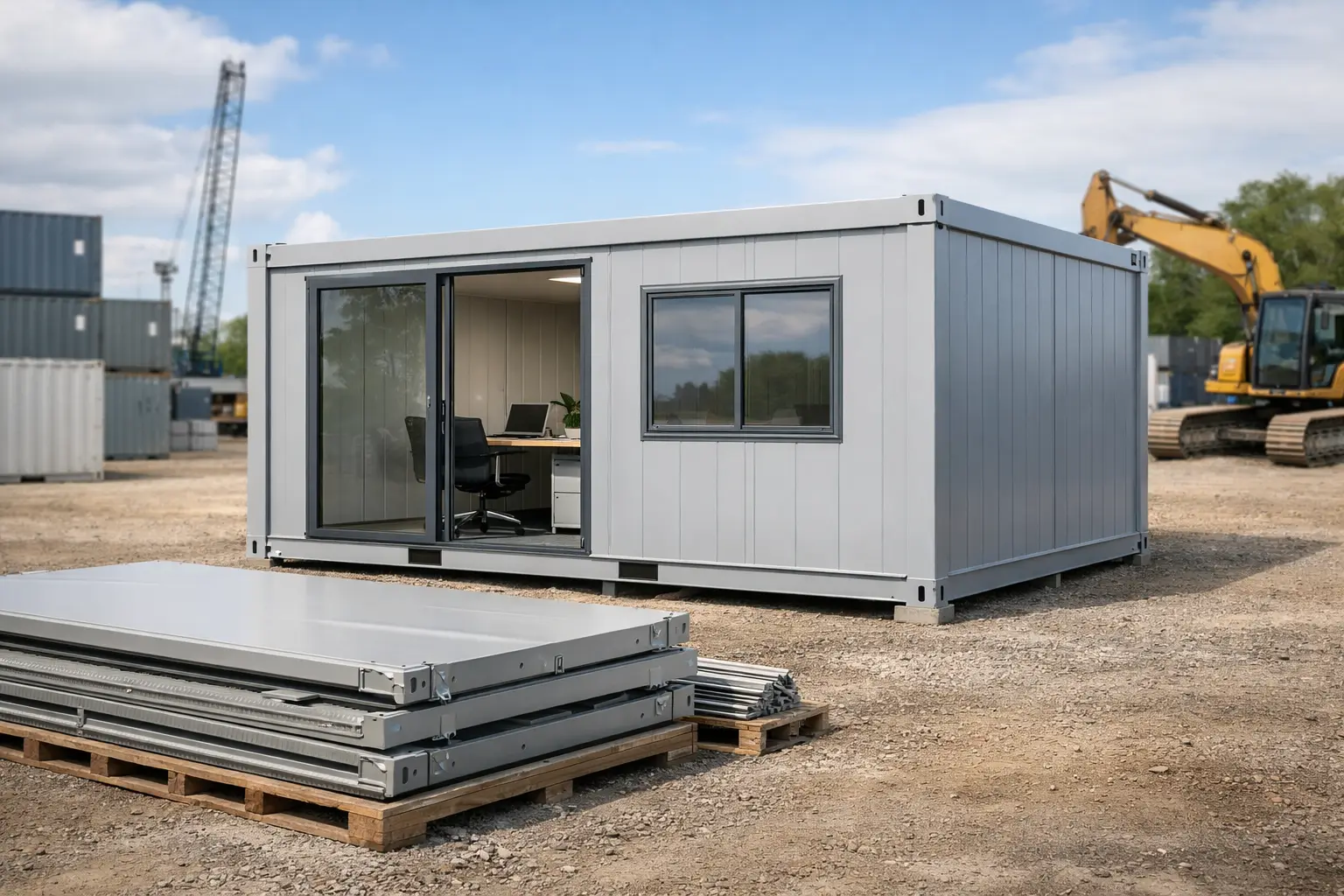
A flat pack container office is a modular unit shipped in pieces and assembled on site, rather than delivered as a fully welded ISO shipping container. In practical terms, that usually means wall panels, a floor system, roof sections, doors, and windows are bundled together for transport and then bolted into place.
That setup gives buyers a few immediate advantages. Transport can be more efficient, especially where access is tight or where multiple units need to be shipped together. Assembly is usually faster than stick-built construction. And for projects that need a presentable office without a long permit or build timeline, it can be a useful middle ground.
Still, flat pack units are not the same as standard shipping containers. A one-trip or Cargo Worthy container starts with a fully welded Corten Steel structure built to ISO handling standards. A flat pack office is typically designed first as an assembled modular building, not as an intermodal freight box. That distinction matters.
If you want a broader overview of how standard units are sized and used, start with our guide on standard shipping container size.
Flat pack container office vs. shipping container office
If you are comparing a flat pack container office to a converted shipping container office, the best choice comes down to load demands, mobility, lifespan, and finish level.
If your main comparison is between modular assembly and steel-container durability, our guide on shipping container office options can help frame the decision.
A flat pack model often makes sense when appearance, fast assembly, and transport efficiency matter most. For example, a retail overflow office, sales office, site check-in point, or temporary admin space can be a strong fit. These units are often easier to configure with windows, personnel doors, interior wall finishes, lighting, and HVAC from the start.
A converted shipping container office usually makes more sense when the job site is rough, security matters, or long-term structural durability is the top priority. A true shipping container was built for stacking, lifting, and repeated transport. It has a proven steel frame and a weather-resistant shell designed for hard use.
That does not automatically mean one is better. It means they are built for different operating conditions. If your office will sit on an active construction site near equipment traffic, materials staging, or uneven terrain, a standard container-based office may hold up better. If you need a cleaner-looking modular workspace in a controlled setting, flat pack can be a practical option.
Where flat pack offices work well
The strongest use case for a flat pack office is temporary or flexible workspace where speed and access matter. Construction firms use them for supervisors, project managers, and field coordination teams. Agricultural operators use them for seasonal office space, recordkeeping, and staff check-in. Retail and logistics teams may use them for overflow admin space, inventory coordination, or temporary customer-facing operations.
For buyers comparing workspace options by site type, see our breakdown of container solutions for jobsites, farms, and small business.
They can also work on residential properties, though homeowners should think carefully about local code requirements, foundation expectations, and utility hookups before buying. What looks simple on paper can become expensive if the site is sloped, poorly drained, or difficult for delivery equipment to reach.
The key question is not just, “Can this work as an office?” It is, “Will this unit match the site and the length of use without creating extra cost later?”
The main advantages
The biggest advantage is logistical efficiency. Because the unit ships flat, more material can often move in fewer truckloads compared with fully assembled alternatives. That can help in remote areas or projects requiring multiple offices.
Speed is the next advantage. A flat pack container office can often be assembled much faster than traditional site-built office space, especially when the unit arrives pre-designed with electrical layout, insulation, windows, and doors.
Flexibility is another benefit. Some systems are designed to be relocated, expanded, or combined. If your operation changes seasonally or from project to project, that can be useful.
There is also a finish advantage. Flat pack units are typically built to function as occupied space from day one, so interiors often feel more like a small modular building than a bare steel container retrofit.
The trade-offs buyers should understand
The trade-off is structural strength. A flat pack office may be perfectly suitable for its intended use, but it is generally not the same as a fully welded container built to ISO shipping standards. If your site has frequent relocation, crane handling, or hard-use industrial exposure, this matters.
Security can also vary. Standard shipping containers are known for heavy-gauge steel construction and strong lock protection when properly outfitted. Flat pack offices can be secure, but the level of security depends heavily on the panel system, door hardware, and frame design.
If security and door protection matter more than finish level, review our practical guide to secure container setup.
Weather performance is another area where specifications matter. Buyers should ask about roof load, wind rating, insulation values, and water intrusion protection. A low-price office can become an expensive problem if it is not matched to the local environment.
Then there is assembly. “Flat pack” sounds simple, but site assembly still requires planning. You may need equipment, labor, anchoring, electrical work, and a level pad. If a seller glosses over that, expect surprises.
How to choose the right flat pack container office
Start with use, not appearance. How many people need to work inside? Will the office be climate controlled year-round? Does it need restroom integration, storage, counters, or secure document space? A unit that looks right in a brochure may be undersized in actual operation.
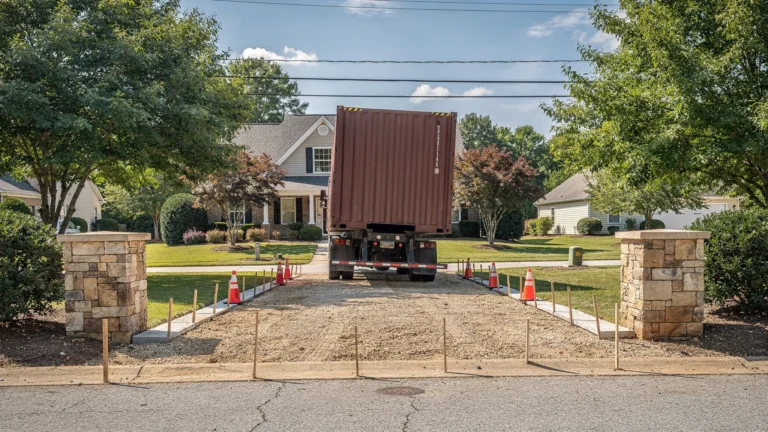
Next, review the site. Ground conditions matter. Drainage matters. Delivery access matters. If trucks cannot safely approach the drop area, your setup cost can increase quickly. A level, compacted base with clear access is often the difference between a straightforward delivery and a complicated one.
Before ordering, use our shipping container delivery requirements guide to confirm access width, turning room, overhead clearance, and drop-site prep.
Then look at build specifications. Ask what the wall and roof panels are made from. Ask about frame thickness, floor capacity, door type, insulation, window placement, and electrical package. If the office will be used through hot summers or cold winters, HVAC compatibility should be part of the discussion early.
Finally, consider whether a flat pack model is truly the better fit than a modified shipping container. For some buyers, especially those needing higher security or heavier-duty long-term use, a customized container office may be the safer investment even if the upfront cost is higher.
Delivery and site prep are where projects go right or wrong
Office selection gets attention, but delivery planning is usually where preventable mistakes happen. You need to know the final footprint, truck access width, turning radius, overhead clearance, and who is responsible for unloading or assembly.
If the site is muddy, sloped, or obstructed, the problem is not just inconvenience. It can affect placement accuracy, labor cost, and whether the office goes into service on schedule.
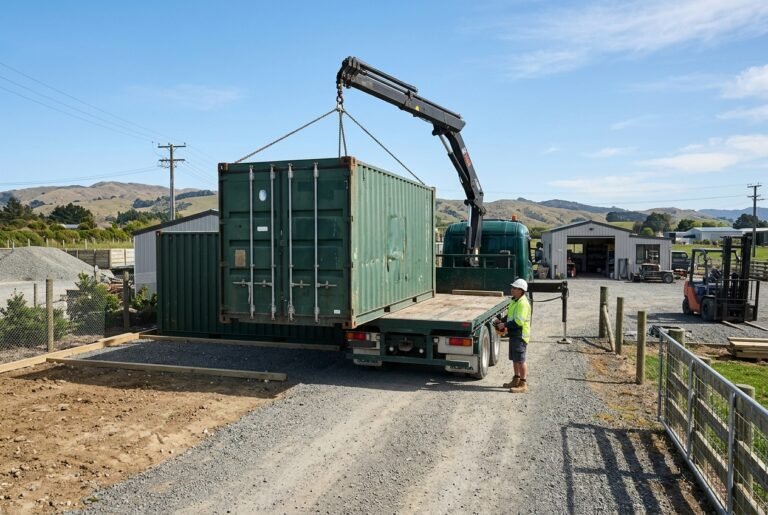
This is where working with a supplier that understands logistics adds value. A company focused on container delivery will usually ask the right questions up front: what equipment is on site, whether Tilt-Bed or ground-level placement is possible, and what base preparation is required. That kind of planning reduces change orders and avoids the usual “we did not know that” conversation on delivery day.
When a standard container office may be the better call
If you need a field office that also doubles as secure storage, a steel shipping container conversion often wins. The same is true for sites with frequent movement, higher theft risk, or long-term exposure to rough conditions.
A one-trip container can provide a cleaner exterior and more consistent structural condition than an older used unit. A used Wind & Watertight container may be cost-effective for basic storage, but for occupied office use, buyers should pay attention to insulation, interior finish, doors, windows, and overall comfort.
If you are also comparing total spend, our breakdown of container shipping prices helps put the purchase price in context.
For customers weighing both options, the smartest path is to compare total installed cost, not just purchase price. Foundation prep, assembly, electrical setup, climate control, security upgrades, and transportation all affect the real number.
Lease Lane Containers works with buyers who need that kind of straight answer, especially when the line between “office,” “storage,” and “custom modular space” is not as clean as it first appears.
A practical way to make the decision
If your top priorities are fast deployment, a cleaner finished interior, and efficient transport of multiple units, a flat pack container office deserves a close look. If your top priorities are steel strength, proven job-site durability, and higher security, a modified shipping container office may serve you better.
The right choice is usually the one that fits the site, the timeline, and the amount of abuse the structure will take. Get the specifications in writing, verify what is included, and plan delivery with the same care you give the office itself. That is how you keep the project simple, the costs clear, and the result useful from day one.
One Comment