
How to Find Shipping Containers for Sale Nearby
Searching for shipping containers for sale nearby can feel simple at first. A few map results appear, prices look different from one seller to the next, and every listing seems to describe the container as good condition. The challenge is that shipping containers are industrial assets, not ordinary storage sheds. The closest listing is not always the best value.
A smart local search should answer four questions before you buy: What size do you need? What grade is the container? What is the true delivered cost? Can the seller place it safely on your property?
For buyers in Raleigh, Wake County, and the wider Southeast, proximity matters because delivery distance, site access, and local support can change the total cost quickly. But the same buying principles apply nationwide, whether you need secure jobsite storage, inventory overflow, farm storage, a refrigerated unit, or a container for export.
Start by deciding what kind of container you actually need
Before calling sellers, narrow your search by size, height, type, and intended use. This keeps you from comparing the wrong quotes and helps the supplier recommend the right unit.
Most buyers start with three common options: 20ft containers, 40ft containers, and 40ft High Cube containers. Standard ISO shipping containers are built from corrosion-resistant Corten steel, use corner castings for lifting and securing, and follow standardized dimensions that make them durable for transport and storage.
| Container type | Typical exterior size | Best fit |
|---|---|---|
| 20ft standard | 20' x 8' x 8'6" | Residential storage, tools, small jobsites, farms with limited access |
| 40ft standard | 40' x 8' x 8'6" | Large equipment, contractor storage, business inventory, long-term storage |
| 40ft High Cube | 40' x 8' x 9'6" | Taller equipment, racking, workshops, office conversions, modular projects |
| Refrigerated reefer | Commonly 20ft or 40ft | Cold storage, food, floral, pharmaceutical, and temperature-sensitive products |
If you are still weighing size, use a sizing resource before shopping. Lease Lane has guides on 20ft container pricing, 40ft containers in Raleigh, and standard shipping container size to help match the unit to your use case.
Search locally, but do not stop at the closest listing
A nearby supplier can be a major advantage. Local teams usually understand delivery access, regional soil and drainage issues, common HOA questions, and the realities of placing containers on rural, residential, and commercial properties.
For Raleigh and North Carolina buyers, useful searches include:
- shipping containers for sale nearby
- shipping containers for sale in Raleigh NC
- used shipping containers near Raleigh
- 20ft shipping container for sale near me
- 40ft High Cube container for sale North Carolina
- refrigerated shipping container for sale Southeast
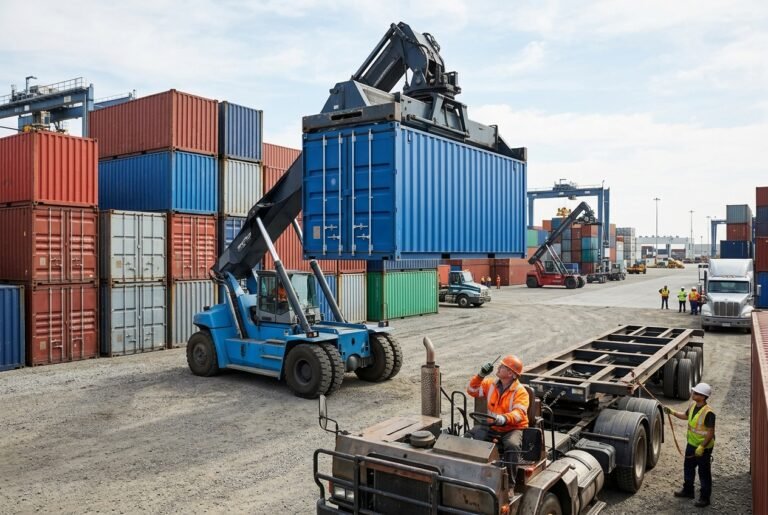
Search results may include local container dealers, national brokers, depot-based sellers, auction listings, and marketplace posts. Each can be legitimate, but they are not equal. A local supplier with real delivery planning support is often easier to work with than an anonymous listing that only quotes the container shell.
The goal is not just to find a container nearby. The goal is to find a container that is accurately graded, fairly priced, deliverable to your site, and appropriate for your project.
Understand container grades before comparing prices
Container grade is one of the biggest reasons two similar-looking units can have very different prices. If a seller cannot clearly explain the grade, ask more questions before paying.
| Grade | What it means | Best use |
|---|---|---|
| One-Trip | Usually manufactured overseas, loaded once, shipped to the U.S., then sold into storage or modification use. Closest common option to new. | Customer-facing projects, container offices, retail pop-ups, premium storage, long-term ownership |
| Cargo Worthy, or CW | Structurally suitable for cargo transport when properly certified and inspected. Often has a valid CSC plate or can be surveyed for shipping use. | Export, intermodal transport, stacking, high-value storage, industrial use |
| Wind & Watertight, or WWT | Used container that should keep out wind and water, but is not necessarily certified for ocean cargo. | Stationary storage, jobsite tools, farm supplies, household storage |
| As-Is | No reliable condition guarantee. May have leaks, floor damage, door issues, heavy rust, or structural problems. | Only for buyers prepared to repair or repurpose the unit |
A One-Trip container costs more because it has minimal cargo history, cleaner Corten steel panels, stronger cosmetic appeal, and less wear on the doors, floor, roof, and gaskets. A Cargo Worthy container is typically the right choice when the unit must meet transport requirements. A WWT container can be a practical value for ground-level storage if the roof, door seals, floor, and walls pass inspection.
For a deeper comparison, review Lease Lane's guide to used shipping container grades or the Cargo Worthy vs. Wind and Watertight container guide.
Compare the total delivered cost, not just the listing price
A low sticker price can become expensive once delivery, site access, taxes, modifications, and failed-delivery risks are added. When asking for quotes, request the total delivered price to your ZIP code and confirm what is included.
A good quote should clarify the container size, grade, condition, delivery method, estimated delivery window, offloading assumptions, and any extra charges for difficult access. If a seller gives a very low number without asking about your site, the quote may not reflect the real cost.
Important cost factors include:
- Distance from the container yard, rail ramp, port, or depot
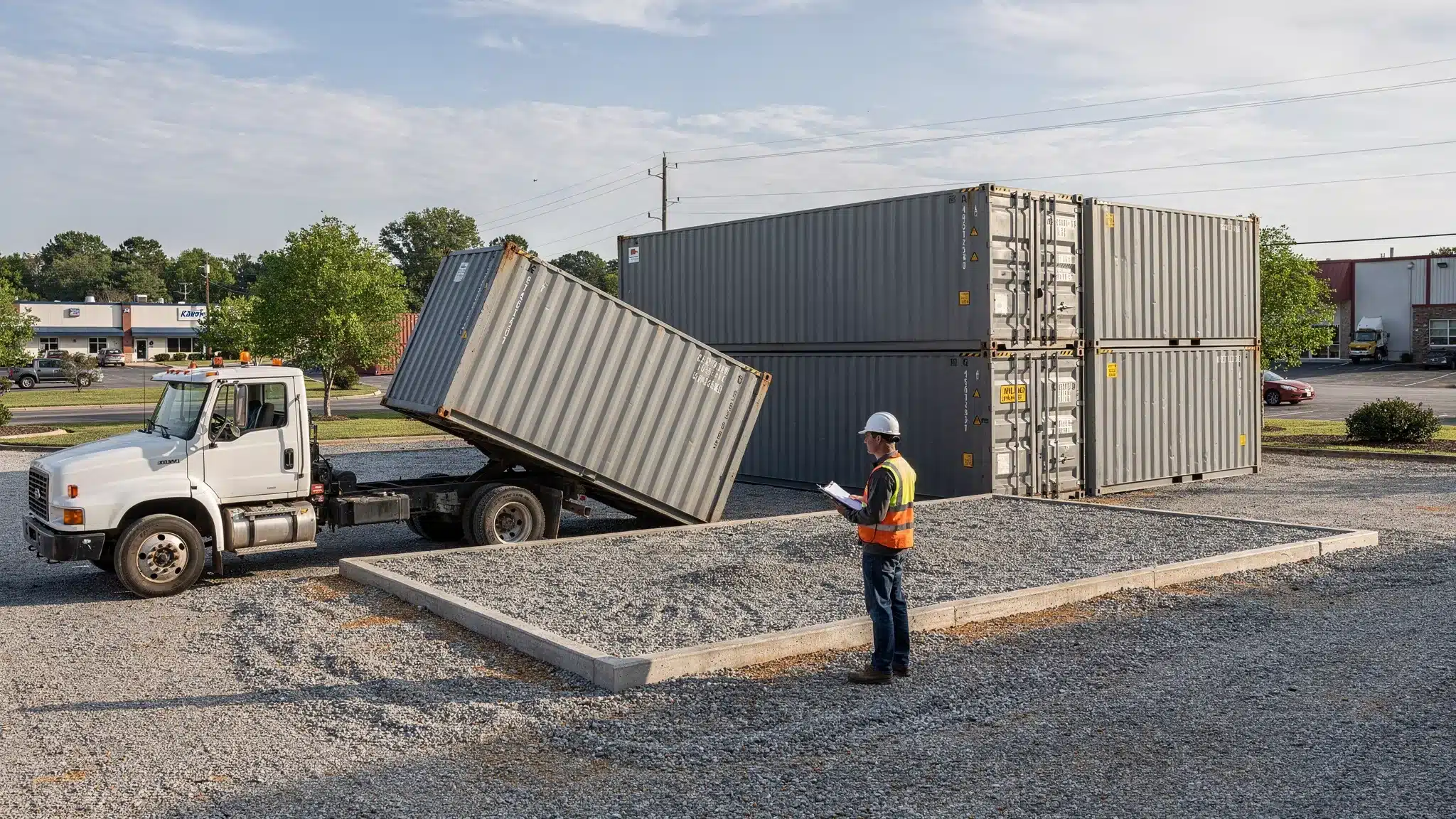
- Whether delivery uses a tilt-bed, roll-off, flatbed, side-loader, crane, or chassis
- Whether your site has enough straight-line clearance for unloading
- Whether the container is standard height or High Cube
- Whether you need a reefer, open side, open top, tunnel, or modified unit
- Whether local permits, HOA approval, or zoning review are required
For Raleigh-area buyers, delivery conditions can vary widely between downtown properties, suburban driveways, construction sites, farms, and rural lots. A supplier familiar with the Southeast can help you avoid preventable access issues.
Ask for photos, videos, and specific inspection points
If you cannot inspect the container in person, request current photos of the actual unit or a representative unit from the same grade and batch. Generic stock images are not enough for a major purchase.
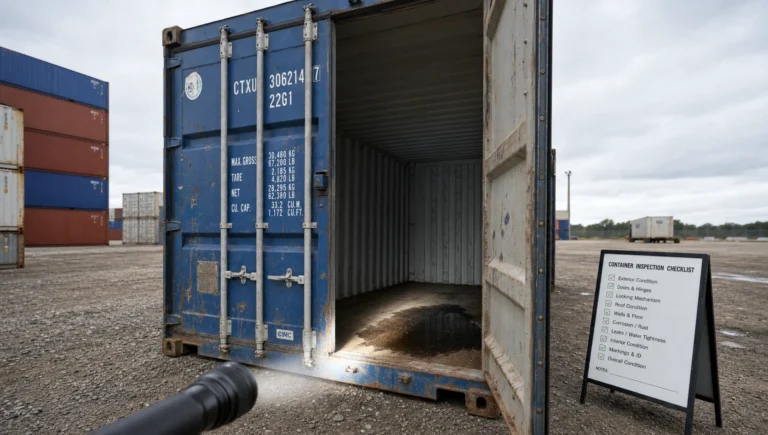
At minimum, ask to see the doors, locking bars, roof, side panels, interior floor, corner posts, crossmembers, undercarriage condition if available, door gaskets, and CSC plate if the unit is being sold as Cargo Worthy. For WWT containers, ask whether the seller has performed a light test, where a person stands inside the closed container during daylight to check for pinholes or leaks.
Look for practical quality indicators: doors that open and close smoothly, intact rubber gaskets, no daylight through the roof or walls, solid marine-grade plywood flooring, no severe floor delamination, and no structural corrosion around the corner castings or bottom rails.
A few dents and surface rust are normal on used containers. Holes, severe roof bows, twisted frames, rotten floors, chemical odors, and doors that will not seal are bigger concerns.
Vet the seller before sending payment
The container market attracts serious suppliers, but it also attracts scams. Fraudulent listings often use stolen photos, unusually low prices, pressure tactics, and payment methods that offer little recourse.
A reliable container seller should be willing to explain grades, provide a written quote, discuss delivery access, answer site-prep questions, and identify whether the unit is One-Trip, Cargo Worthy, WWT, or As-Is. For local buyers, it is reasonable to ask whether the company has a physical presence, serves Raleigh or your region regularly, and can coordinate with the delivery driver before dispatch.
| Red flag | Why it matters |
|---|---|
| Price is far below other local quotes | May indicate a scam, unknown grade, or hidden delivery costs |
| Seller will not define the grade | You cannot compare value without condition details |
| Only stock photos are provided | The actual unit may not match the listing |
| No delivery questions are asked | The quote may fail once access is reviewed |
| Pressure to pay immediately | Reputable sellers allow time for basic due diligence |
Marketplaces can be useful for research, but buyers should be cautious with private sellers who cannot verify ownership, condition, or delivery capability.
Match the container grade to your use case
Buying the wrong grade is one of the easiest ways to overspend or create long-term problems.
General contractors and home builders often choose WWT or Cargo Worthy units for secure jobsite storage. If the container will move between projects, better door function and structural condition matter. A Cargo Worthy unit may be worth the premium if it will be relocated often or stacked.
Small business owners using containers for retail overflow, pop-ups, mobile inventory, or office conversion should consider One-Trip or clean Cargo Worthy units. Appearance, flooring, odor, and ease of modification matter more when customers or staff will interact with the container.
Homeowners and agricultural buyers often find WWT containers practical for long-term property storage, feed, equipment, and seasonal materials. The key is verifying that the container is truly wind and watertight and placing it on a well-drained base.
Real estate developers and modular builders should be more selective. One-Trip and strong Cargo Worthy containers are better candidates for modifications because the frame, roof, walls, and corner posts generally provide a more predictable starting point.
Logistics managers should focus on Cargo Worthy containers, CSC documentation, door and floor condition, and transport requirements. A WWT container may be fine for static storage, but it is not the same as a transport-ready container.
Pro-Tip: Prepare the drop spot before you buy
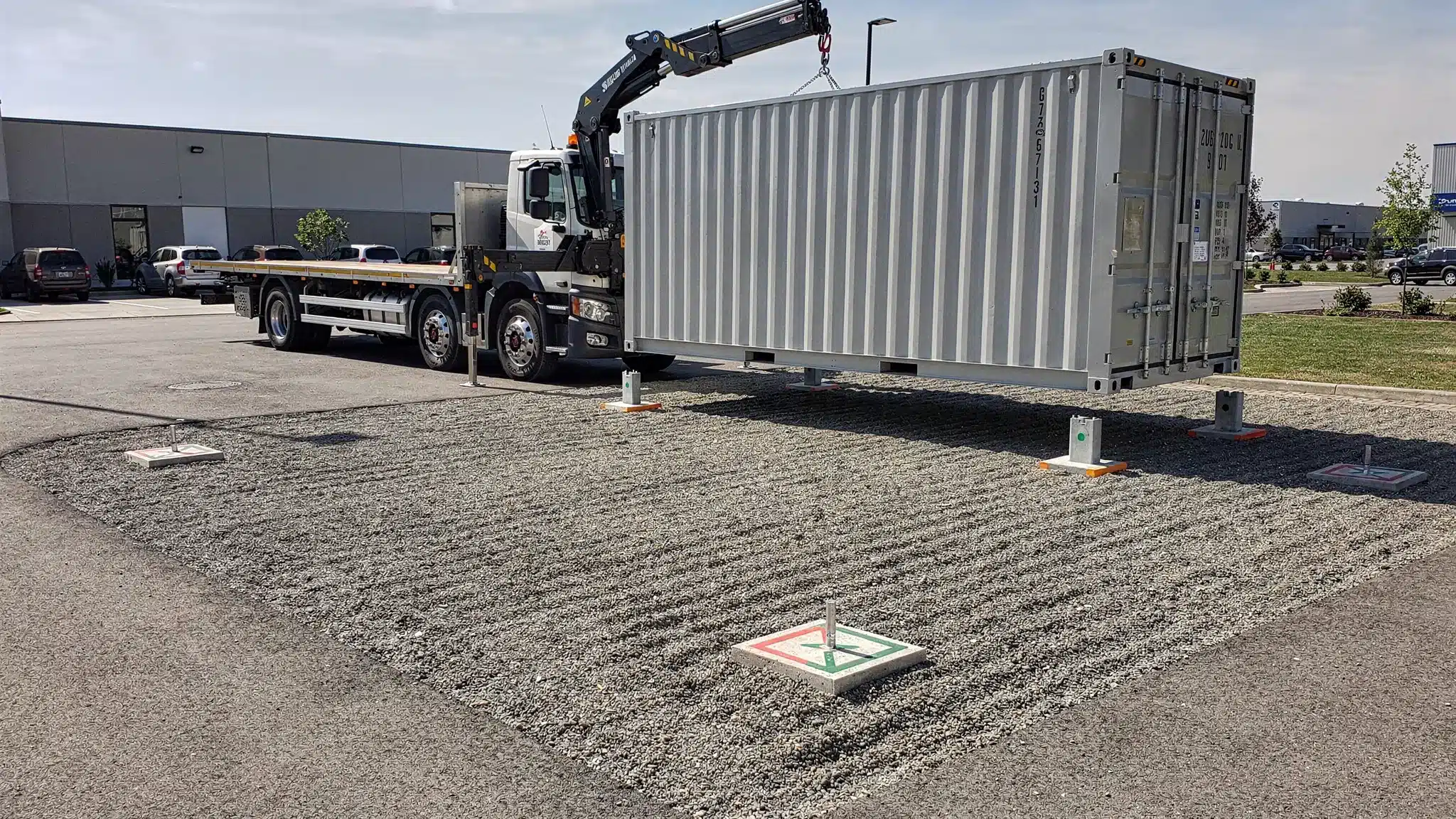
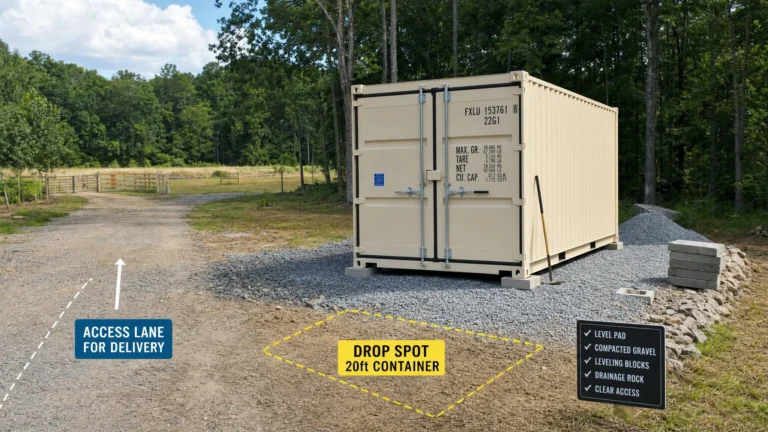
Do not wait until delivery day to think about placement. A shipping container needs a stable, level, well-drained base. Poor site preparation can cause the frame to twist, which may make the doors hard to open and close.
For most storage applications in Raleigh, North Carolina, and across the Southeast, a compacted gravel pad is often a practical solution because it supports drainage and reduces standing water under the Corten steel frame. Concrete pads, concrete piers, railroad ties, and engineered foundations may be better for long-term commercial use, modified containers, or sites with soft soil.
Before delivery, confirm the container footprint, door swing area, truck access route, overhead clearance, and turning radius. Remove low branches, parked vehicles, debris, and soft obstacles from the path. For any digging, grading, or utility work, contact NC 811 in North Carolina or your local utility notification service before disturbing the ground.
Also check permit, zoning, and HOA rules before purchase. Raleigh, Wake County, and surrounding municipalities may treat containers differently depending on property type, duration, visibility, and intended use. Commercial jobsite storage, residential placement, and modified occupied spaces can trigger different requirements.
Lease Lane's delivery resources, including shipping container delivery requirements and how to prepare your site for container delivery, can help you measure access before the truck arrives.
Local supplier or national provider: which is better?
The best option depends on your priorities. A local supplier can be valuable when you need practical guidance, quick communication, and delivery planning for a specific property. This is especially important for residential driveways, tight construction sites, farms, and small business lots where access conditions are not obvious from a map.
A national provider may have broader access to inventory, specialty units, or multiple depot locations. The tradeoff is that buyers must still confirm the actual grade, delivery method, and local placement requirements.
Lease Lane Containers LLC bridges both needs by being headquartered in Raleigh while supporting buyers beyond North Carolina. That matters for customers who want a local point of contact but still need access to 20ft, 40ft, High Cube, refrigerated, used, and One-Trip container options with delivery planning.
Quick checklist for finding shipping containers for sale nearby
Use this checklist before committing to a purchase:
- Confirm the size: 20ft, 40ft, High Cube, reefer, or specialty configuration
- Confirm the grade: One-Trip, Cargo Worthy, WWT, or As-Is
- Ask whether the unit is ISO-style and built with Corten steel construction
- Request photos of doors, roof, floor, gaskets, sides, and corner castings
- Ask for total delivered cost to your ZIP code
- Confirm delivery method and site access requirements
- Check zoning, permits, and HOA rules before scheduling delivery
- Prepare a level, well-drained base before the truck arrives
- Document condition at delivery with photos
Frequently Asked Questions
What is the best way to find shipping containers for sale nearby? Start with local search results, but compare sellers by grade transparency, delivered price, photos, delivery capability, and site-prep support. The nearest listing is not always the best value if the container condition or delivery plan is unclear.
Should I buy a One-Trip, Cargo Worthy, or WWT container? Choose One-Trip for the cleanest condition and long-term value, Cargo Worthy for transport or structurally demanding use, and WWT for cost-effective stationary storage. Avoid As-Is units unless you are prepared to inspect and repair them.
Can I inspect a container before buying? Often yes, depending on where the unit is located. If in-person inspection is not possible, ask for recent photos or video of the actual unit, including roof, doors, floor, gaskets, and corner posts.
How much does delivery affect the final price? Delivery can be a major cost factor. Distance, truck type, site access, fuel, unloading method, and failed-delivery risk all affect the total delivered price. Always compare quotes based on the final delivered cost, not just the container price.
Do I need a permit for a shipping container in Raleigh or North Carolina? It depends on your property, location, duration, and intended use. Residential placement, commercial use, and modified containers may have different zoning or permit requirements. Check with your local authority or HOA before purchase.
Ready to find the right container nearby?
If you are looking for shipping containers for sale nearby in Raleigh, North Carolina, the Southeast, or anywhere nationwide, Lease Lane Containers LLC can help you compare sizes, understand grades, plan delivery, and choose the right unit for your site.
Contact the sales team at sales@leaselanecontainers.com or visit the Raleigh office to discuss available 20ft, 40ft, High Cube, refrigerated, One-Trip, Cargo Worthy, and Wind & Watertight container options.
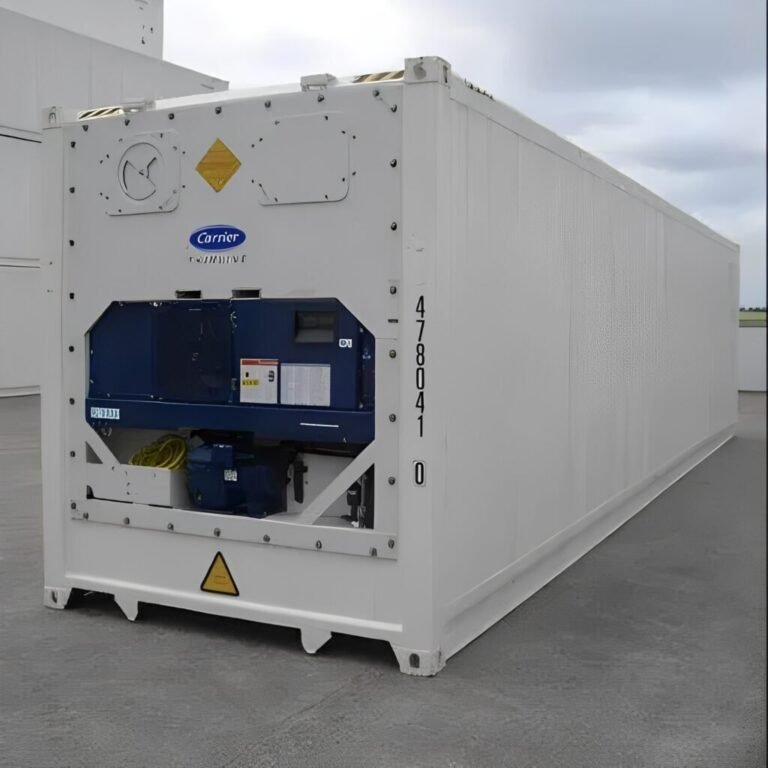

Do you ship to Glenville WV? I need a 20′ refrigerated unit and specs like electrical voltage. Thank you.