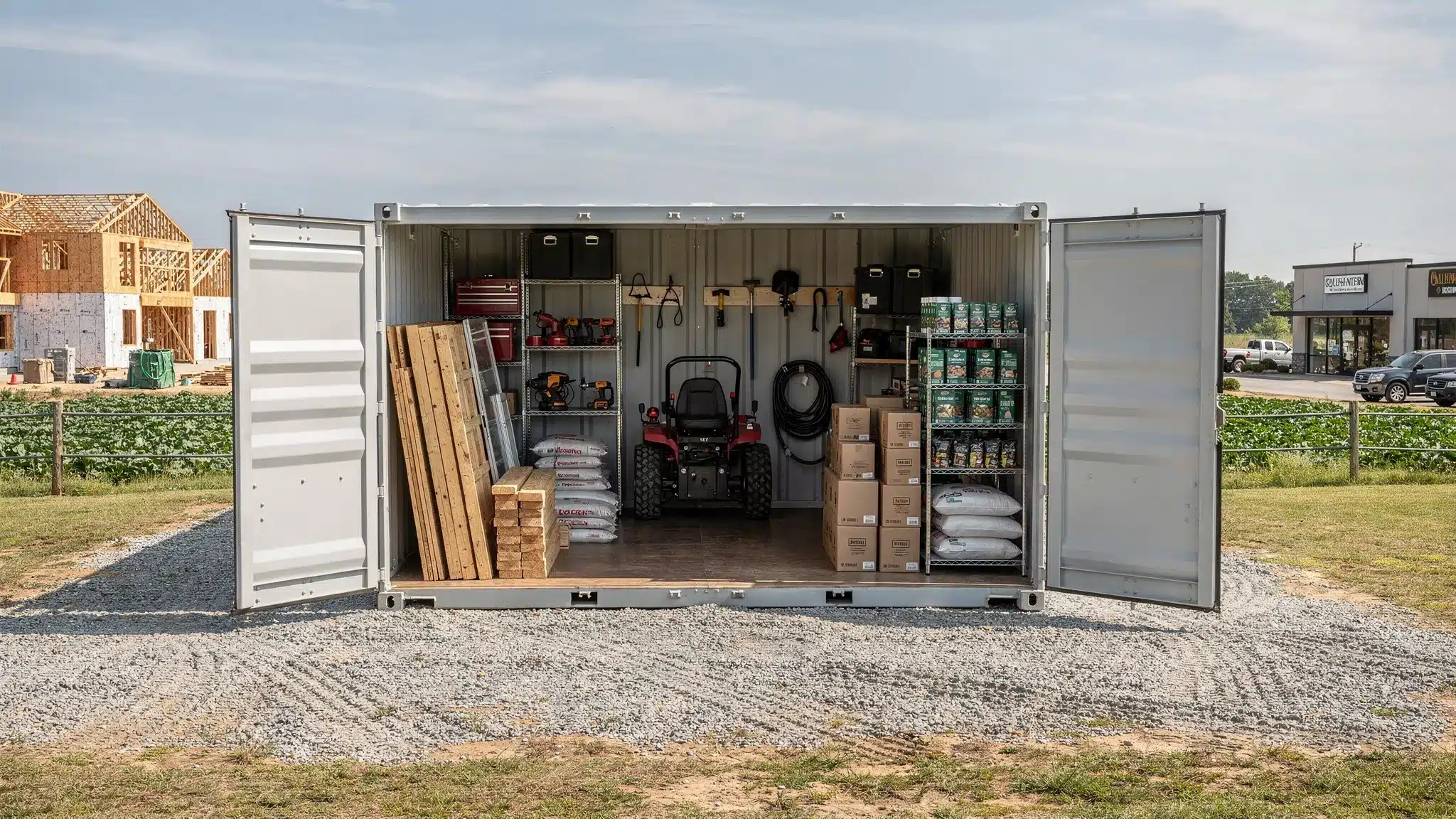
Shipping Container Storage Units: Best Uses by Industry
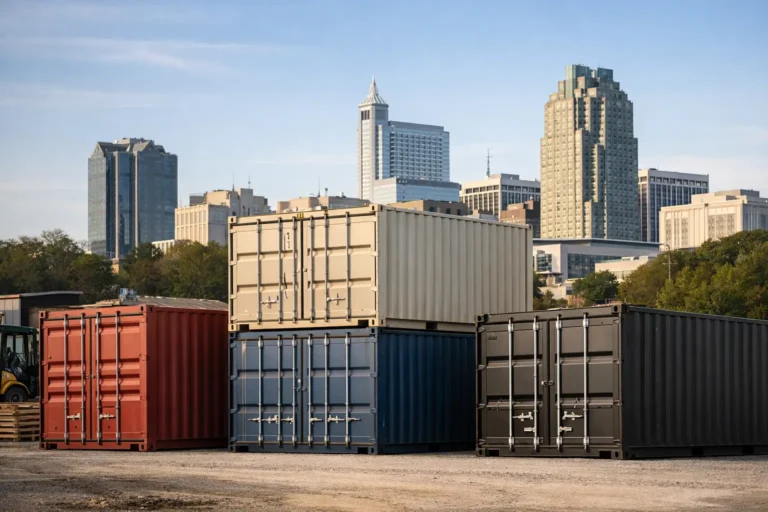
Shipping container storage units are no longer a niche solution for freight yards. Across Raleigh, North Carolina, the Southeast, and job sites nationwide, companies use containers as secure, ground-level storage for tools, inventory, equipment, cold goods, and even modular workspaces.
The key is matching the unit to the industry. A general contractor storing power tools on a muddy site has different requirements than a logistics manager preparing cargo for export or a retailer protecting seasonal inventory. Size, grade, delivery method, foundation, ventilation, and security all affect how well the container performs.
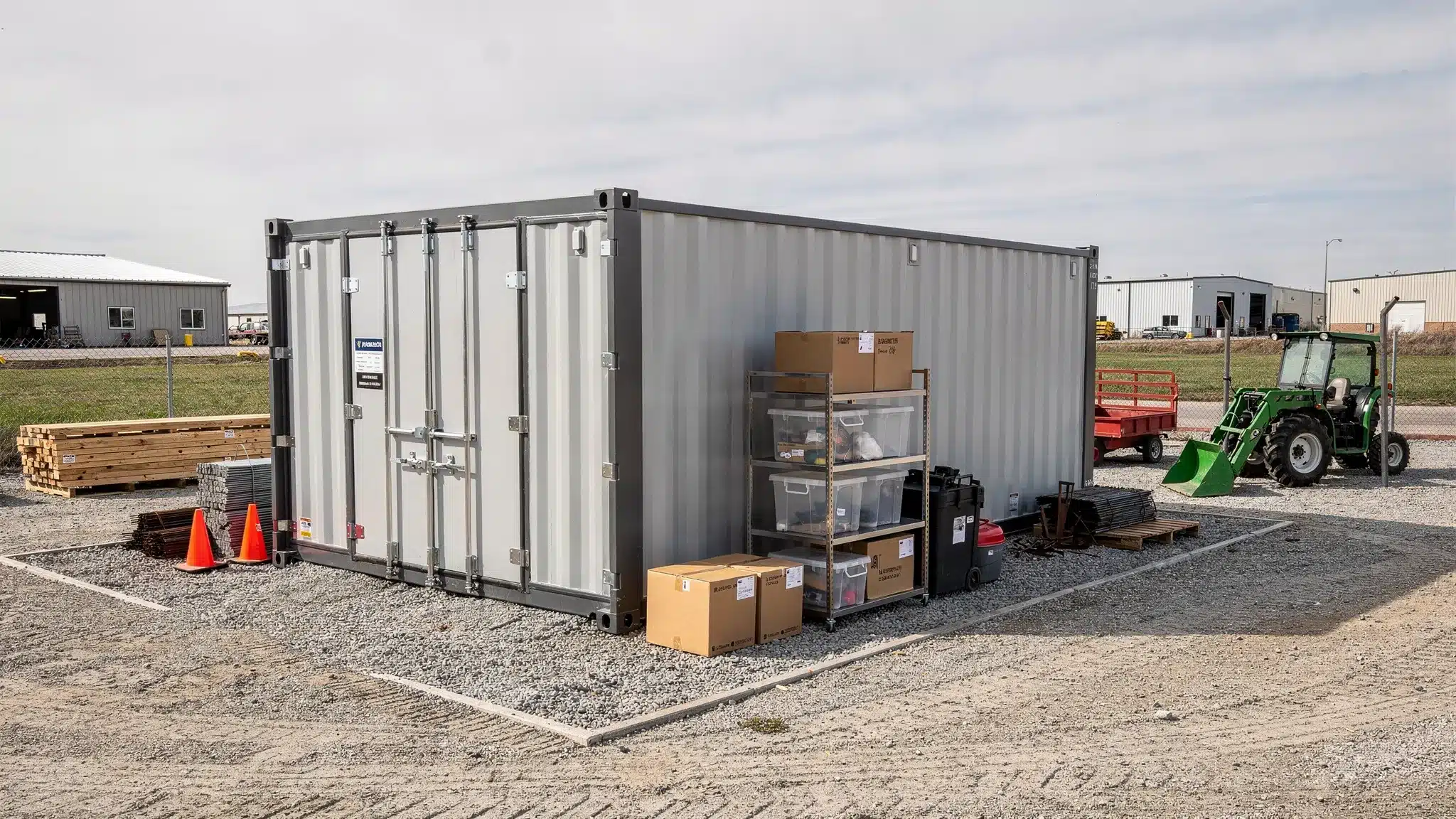
Why Shipping Container Storage Units Work Across Industries
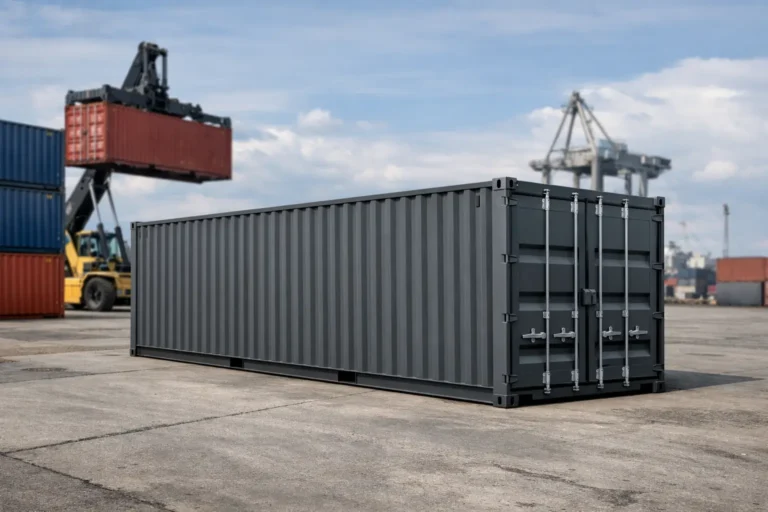
Shipping containers are built around ISO standards, which means their dimensions, corner castings, and structural design are standardized for transport, stacking, and handling. Most standard dry containers are built with corrugated Corten Steel, a weathering steel designed to resist corrosion better than ordinary mild steel when properly maintained.
That combination gives shipping container storage units several practical advantages:
- They provide secure, lockable storage at ground level.
- They can be delivered directly to job sites, farms, yards, and commercial properties.
- They are available in common sizes such as 20ft, 40ft, and 40ft High Cube.
- They can be relocated, resold, or modified depending on the project.
- They offer a fast alternative to building permanent storage from scratch.
For buyers in Raleigh and the broader Southeast, containers are especially useful because they can be deployed quickly for construction growth, agricultural storage, warehouse overflow, and storm-season preparedness. The humid climate does make drainage, airflow, and grade selection important, which is why buying the right condition matters as much as buying the right size.
First, Understand Container Grades
Before choosing by industry, start with grade. The same container size can perform very differently depending on whether it is One-Trip, Cargo Worthy, or Wind and Watertight.
| Container grade | What it means | Best fit for storage use |
|---|---|---|
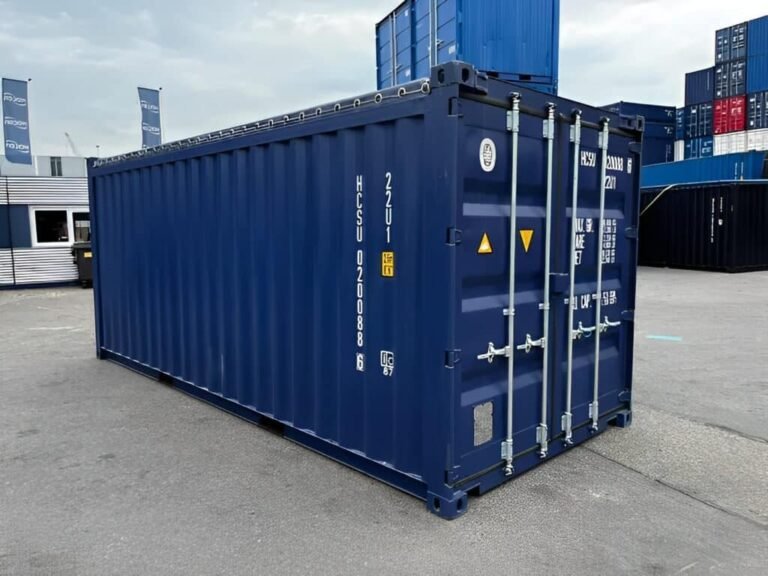
| One-Trip | A near-new container that has typically made one loaded trip from the factory before resale. Expect excellent structure, cleaner floors, better paint, and fewer cosmetic dents. | Customer-facing projects, modular conversions, long-term storage, retail use, offices, and sites where appearance matters. |
| Cargo Worthy | A used container inspected for structural soundness and suitable for cargo transport when properly documented. It may have dents and surface wear, but the frame, doors, floor, and corner castings should remain strong. | Export, intermodal movement, heavy-duty storage, equipment storage, and projects where structural integrity is more important than appearance. |
| Wind and Watertight | A used container that should keep out wind and rain, but is not necessarily certified for ocean transport. It may show more cosmetic wear. | Stationary ground storage, construction sites, farms, homeowner storage, and budget-conscious inventory overflow. |
| As-Is | A lower-condition unit sold without the same assurance of weather protection or structural performance. | Only for non-sensitive storage or repair projects after careful inspection. Not ideal for high-value contents. |
For a deeper buying framework, Lease Lane Containers provides a detailed shipping container buyer’s guide that explains grade, sizing, and delivery planning in more detail.
Best Uses for General Contractors and Home Builders
For contractors, shipping container storage units solve one of the biggest jobsite problems: keeping tools, fixtures, lumber, hardware, and equipment secure without relying on off-site storage or daily hauling.
A 20ft container is often the most practical choice for residential builders, remodelers, and trades working on tight Raleigh lots or infill projects. It offers enough room for tools, fasteners, small equipment, and job boxes while remaining easier to place than a 40ft unit. If you are comparing compact jobsite options, start with this guide to 20ft containers in Raleigh.
A 40ft container is better for larger builders, commercial contractors, roofing crews, and developers staging materials for multiple phases. For bulky products like doors, windows, conduit, pipe, insulation, and packaged fixtures, the extra length helps keep materials organized. A 40ft High Cube adds an extra foot of exterior height, which is useful for palletized goods, racking, or taller equipment. Buyers planning larger storage footprints can review this guide to 40ft containers for sale in Raleigh.
For most stationary jobsites, a Wind and Watertight container is a cost-effective choice. If tools are high-value, the site is exposed, or the unit may later be moved for freight, Cargo Worthy can be worth the upgrade. One-Trip units make sense when the container will be visible to clients, used as part of a sales center, or converted into a jobsite office.
Best Uses for Small Businesses and Retailers
Small business owners use containers for inventory overflow, seasonal stock, mobile retail, records storage, equipment storage, and temporary workspace. This is common across the Triangle area, where growing businesses may need more storage before they are ready to lease larger warehouse space.
For back-of-house inventory, a WWT or Cargo Worthy used container can be a strong value. It gives retailers, landscapers, service companies, and wholesalers a secure place to store products without committing to permanent expansion. If appearance matters, such as for a pop-up shop, event space, customer pickup area, or branded display, a One-Trip container is usually the cleaner starting point.
High Cube containers are especially useful for businesses that want to add shelving. The extra vertical space allows more efficient storage without creating cramped aisles. For customer-facing projects, High Cube units also feel less confined after insulation, lighting, wall finishes, and flooring are installed.
Business buyers should think beyond square footage. Consider how often staff will access the container, whether pallets need to fit through the doors, whether the goods are sensitive to humidity, and whether the unit may later be modified with personnel doors, vents, windows, or electrical rough-ins.
Best Uses for Homeowners, Farms, and Rural Properties
Homeowners and agricultural buyers often want dependable long-term storage without building a shed or barn. Shipping container storage units can be used for renovation storage, furniture, lawn equipment, motorcycles, ATVs, hay tools, fencing supplies, irrigation parts, and seasonal farm materials.
In rural North Carolina, placement conditions vary widely. A container may be set beside a barn, near a driveway, along a field edge, or behind a residence. That flexibility is helpful, but the unit must sit on stable, level ground with drainage around it.
For most homeowner and farm storage, WWT is the practical baseline. It is designed to keep rain and wind out, which is usually enough for tools, equipment, and general property storage. Cargo Worthy is a better fit if you are storing heavier assets, stacking materials, or want a stronger resale position. One-Trip is best when you want a cleaner look, longer service life, or plan to convert the unit into a workshop, tack room, garden room, or small utility building.
A 20ft unit is usually easier to place on residential lots, driveways, and farm lanes. A 40ft unit offers better value per square foot when space and delivery access allow. If you are considering pre-owned units, review Lease Lane’s guide to used containers in Raleigh before comparing quotes.
Best Uses for Real Estate Developers and Modular Projects
Developers use containers in two main ways: as practical storage during construction and as building blocks for modular concepts. On active developments, containers can hold tools, site signage, safety gear, fixtures, flooring, and phased materials. For modular projects, containers can become offices, retail kiosks, amenity structures, workshops, or housing concepts when properly engineered.
Grade selection becomes more important when the container will be modified. Cutting openings for windows, doors, roll-up doors, or utility penetrations changes how loads move through the steel frame. Starting with a structurally sound unit reduces surprises during fabrication.
For occupied or customer-facing modular builds, One-Trip containers are often the preferred shell because they usually have cleaner floors, better paint, fewer dents, and more predictable condition. Cargo Worthy units can also work for industrial or budget-conscious conversions if the structure is verified. WWT units may be acceptable for basic storage, but should be inspected carefully before any major modifications.
Developers in Raleigh, Wake County, and surrounding municipalities should also confirm zoning, building code requirements, setbacks, utility connections, and engineering needs before purchasing. A container used as temporary storage may be treated differently from a container used as an occupied structure.
Best Uses for Logistics, Warehousing, and Export
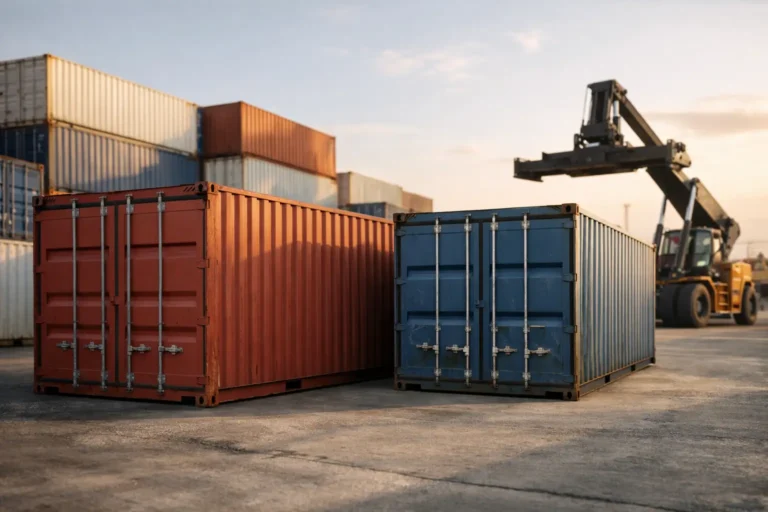
For logistics managers, the grade decision is more technical. If the container will be used for international shipping, regional transport, intermodal movement, or loaded movement on chassis, Cargo Worthy is generally the minimum grade to consider. The container should have appropriate documentation, and the CSC safety approval should be reviewed when export or ocean movement is involved.
WWT containers are not the right choice for ocean export simply because they keep out rain. WWT describes weather protection for static storage, not certification for loaded marine transport. For export cargo, verify condition, documentation, door operation, floor strength, corner castings, and compatibility with shipper and carrier requirements.
One-Trip containers are a strong option for sensitive cargo, high-value goods, pharmaceutical support operations, clean inventory, or projects where the container may move between storage and transport roles. Their cleaner condition can reduce risk when cargo condition matters.
For warehouse overflow, the best setup depends on cargo flow. A 40ft High Cube works well for palletized inventory and bulk goods. A 20ft unit can be better for controlled access, high-value parts, returns, or products that need to be separated from the main warehouse.
Best Uses for Cold Storage, Food, and Temperature-Sensitive Goods
Refrigerated shipping containers, often called reefers, serve a different purpose than standard dry containers. They are designed to maintain controlled temperatures when connected to the correct power supply and properly maintained. They are used for food distribution, agriculture, florists, event catering, beverage storage, and certain medical or laboratory support needs.
A reefer is not just a dry storage unit with insulation. Buyers need to confirm temperature range, power requirements, refrigeration unit condition, airflow needs, and delivery placement. The site must support electrical access and safe ventilation around the machinery end.
For temporary or long-term cold storage in the Southeast, reefers can be valuable because they bring capacity directly to the property. They are also useful during building renovations, peak harvest windows, holiday inventory surges, or emergency cold chain backup. If temperature control is critical, request verified performance information rather than relying on appearance alone.
Industry Match Table: Size, Grade, and Practical Fit
| Industry | Common storage use | Common size fit | Recommended grade | Key planning note |
|---|---|---|---|---|
| General contractors | Tools, fixtures, materials, job boxes | 20ft for tight sites, 40ft or High Cube for large projects | WWT, Cargo Worthy, or One-Trip for visible sites | Prioritize security, door access, and stable ground. |
| Small businesses | Retail overflow, supplies, records, pop-up storage | 20ft or 40ft High Cube | WWT for back-of-house, One-Trip for customer-facing use | Plan shelving, ventilation, and access frequency. |
| Farms and rural properties | Equipment, feed tools, fencing, seasonal goods | 20ft for compact storage, 40ft for bulk | WWT or Cargo Worthy | Use a gravel pad and keep vegetation away from the steel. |
| Real estate developers | Phase storage, sales support, modular structures | 40ft or 40ft High Cube | One-Trip or Cargo Worthy | Confirm permits, engineering, and modification plans early. |
| Logistics and export | Cargo movement, warehouse overflow, transport | 20ft, 40ft, High Cube | Cargo Worthy or One-Trip | Verify CSC documentation and carrier requirements. |
| Food and cold chain | Refrigerated inventory, event supply, harvest backup | 20ft or 40ft reefer | Tested reefer unit | Confirm power, temperature performance, and airflow. |
How to Choose the Right Size for Your Industry
A 20ft container is easier to place, easier to access in tight areas, and often ideal for contractors, homeowners, farms, and businesses with limited space. It is also a good choice when you want to separate contents by project, trade, or product category.
A 40ft container provides more storage volume and can be more efficient for bulk inventory, construction materials, agricultural supplies, and warehouse overflow. The tradeoff is that it requires more delivery space, a longer prepared pad, and more turning clearance.
A 40ft High Cube is often the best choice when vertical clearance matters. The extra foot of height improves usability for shelving, palletized goods, equipment, and office or workshop conversions. If you plan to insulate or finish the interior, High Cube height helps preserve usable headroom.
Specialty units such as reefers, open-side containers, open-top containers, and tunnel containers can solve specific access or handling problems, but they also require more planning. The more specialized the unit, the more important it becomes to verify grade, delivery method, site access, and total delivered cost.
Pro-Tip: Prepare the Site Before the Truck Arrives
A good container can perform poorly if it is placed on soft, uneven, or poorly drained ground. Before scheduling delivery in Raleigh, elsewhere in North Carolina, or anywhere in the Southeast, prepare the drop spot as part of the purchase decision.
The best practical setup for many storage applications is a compacted gravel pad that extends beyond the container footprint. Gravel promotes drainage, reduces splashback, and helps prevent the base from sitting in standing water. Concrete pads, concrete piers, and engineered footings may be better for permanent, modified, or occupied structures.
The container should be level at the corners. If the frame twists, doors may bind, gaskets may seal poorly, and water may collect where it should not. Corner support is more important than supporting every inch of the floor, because ISO containers are designed to carry loads through their corner posts and frame.
Also check access before delivery. Tilt-bed delivery usually needs a straight approach, overhead clearance, firm ground, and enough room for the truck and trailer to pull forward as the container slides into place. Low branches, power lines, narrow gates, steep slopes, and soft shoulders can all cause delays or failed delivery attempts.
For local projects, confirm permit, zoning, HOA, and setback requirements with the authority having jurisdiction. Rules vary between Raleigh, Wake County, nearby towns, rural counties, commercial properties, and residential neighborhoods. If the container will be modified, connected to utilities, or used as an occupied structure, permitting requirements may be more involved.
For more detail, read Lease Lane’s guide to shipping container delivery requirements.
Security, Ventilation, and Maintenance by Use Case
Shipping container storage units are strong, but the setup still matters. Contractors may need a lockbox, puck lock, lighting, and jobsite placement that is visible but not in the way of equipment. Retailers may need shelving, inventory aisles, and clear labeling. Farms may need vents, rodent-resistant practices, and drainage management around the unit.
Condensation is another practical concern in the Southeast. A container can be wind and watertight and still experience interior moisture if warm humid air condenses on cooler steel surfaces. Ventilation, desiccants, insulation, raised shelving, and avoiding direct floor contact for moisture-sensitive goods can help.
Routine maintenance is simple but important. Inspect door gaskets, hinges, locking bars, roof panels, corner castings, and any rust-prone areas. Touch up paint where needed, keep debris off the roof, and maintain drainage around the base. Corten Steel is durable, but it is not maintenance-free when placed in humid, shaded, or wet conditions.
Common Mistakes to Avoid
The most common buying mistake is choosing only by price. A cheaper container may cost more if it leaks, cannot be delivered to your site, requires unexpected repairs, or is the wrong grade for your use.
Another mistake is using a WWT unit for freight movement. WWT can be excellent for stationary storage, but it is not the same as Cargo Worthy. If your container will move loaded by ocean, rail, or intermodal carrier, discuss Cargo Worthy requirements and documentation before purchase.
Finally, do not wait until delivery day to think about placement. Door orientation, truck approach, slope, soil, overhead clearance, and drainage should all be decided before the container leaves the yard.
Frequently Asked Questions
What grade is best for shipping container storage units? For stationary storage, Wind and Watertight is often the best value. Choose Cargo Worthy if you need stronger structural assurance or possible transport use. Choose One-Trip for clean appearance, long service life, customer-facing projects, or modifications.
Are shipping container storage units waterproof? WWT, Cargo Worthy, and One-Trip dry containers should keep out wind-driven rain when properly inspected and maintained. However, waterproof does not mean condensation-proof. Humidity control, ventilation, and proper placement still matter.
Should I choose a 20ft or 40ft container for storage? Choose 20ft when access is tight, contents need frequent access, or you have limited placement space. Choose 40ft or 40ft High Cube when you need bulk storage, pallet space, or room for shelving and equipment.
Do I need a permit for a shipping container in Raleigh, NC? It depends on location, duration, zoning, property type, and intended use. Temporary construction storage may be treated differently from permanent storage or occupied modular space. Always confirm with the local authority, and check HOA rules when applicable.
Can used containers store high-value business inventory? Yes, if the unit is properly graded, inspected, secured, and placed on a prepared site. For high-value or sensitive inventory, Cargo Worthy or One-Trip may provide better peace of mind than a lower-cost WWT unit.
Can Lease Lane Containers deliver outside Raleigh? Lease Lane Containers is headquartered in Raleigh, NC and supports reliable nationwide delivery planning. Availability, timing, and delivery method depend on the container type, destination, and site conditions.
Talk With a Local Container Team Before You Buy
The best shipping container storage unit is the one that fits your industry, site, contents, delivery access, and long-term plan. Lease Lane Containers LLC supplies new One-Trip and used shipping containers, including Standard, High Cube, Cargo Worthy, Wind and Watertight, and refrigerated options, with clear guidance on grade and delivery preparation.
If you are planning storage for a jobsite, farm, small business, development project, or logistics operation, contact the Lease Lane Containers sales team at sales@leaselanecontainers.com or visit the Raleigh office to discuss the right container for your property.