Shipping Containers 101: Types, Grades, and Best Uses
If you are new to buying shipping containers, the biggest mistakes usually come from two things: choosing the wrong type (standard vs High Cube vs refrigerated) and misunderstanding the grade (One-Trip vs Cargo Worthy vs Wind & Watertight). This guide gives you a clear, practical foundation so you can match the container to the job, whether you’re a contractor in Raleigh, a farm owner in the Southeast, or a logistics manager shipping nationwide.
What a “shipping container” really is (and why it lasts)
Most storage and intermodal shipping containers on the resale market are ISO containers, built to standardized dimensions and corner casting geometry so they can be lifted, stacked, and transported by ships, rail, and trucks. The shells are commonly made from Corten steel (weathering steel), which is designed to resist atmospheric corrosion better than mild steel when maintained properly.
Two concepts matter right away:
- Structure: top and bottom rails, corner posts, and corner castings carry stacking and lifting loads.
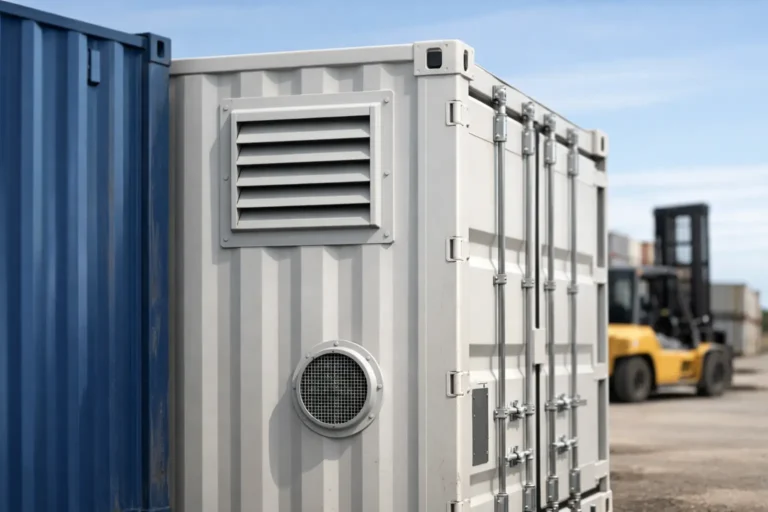
- Envelope: roof panels, side panels, door gaskets, and floor keep wind and water out (for storage use) when the unit is in good condition.
That structure and standardized form factor is why containers work so well for jobsite storage, inventory overflow, modular builds, and international transport.
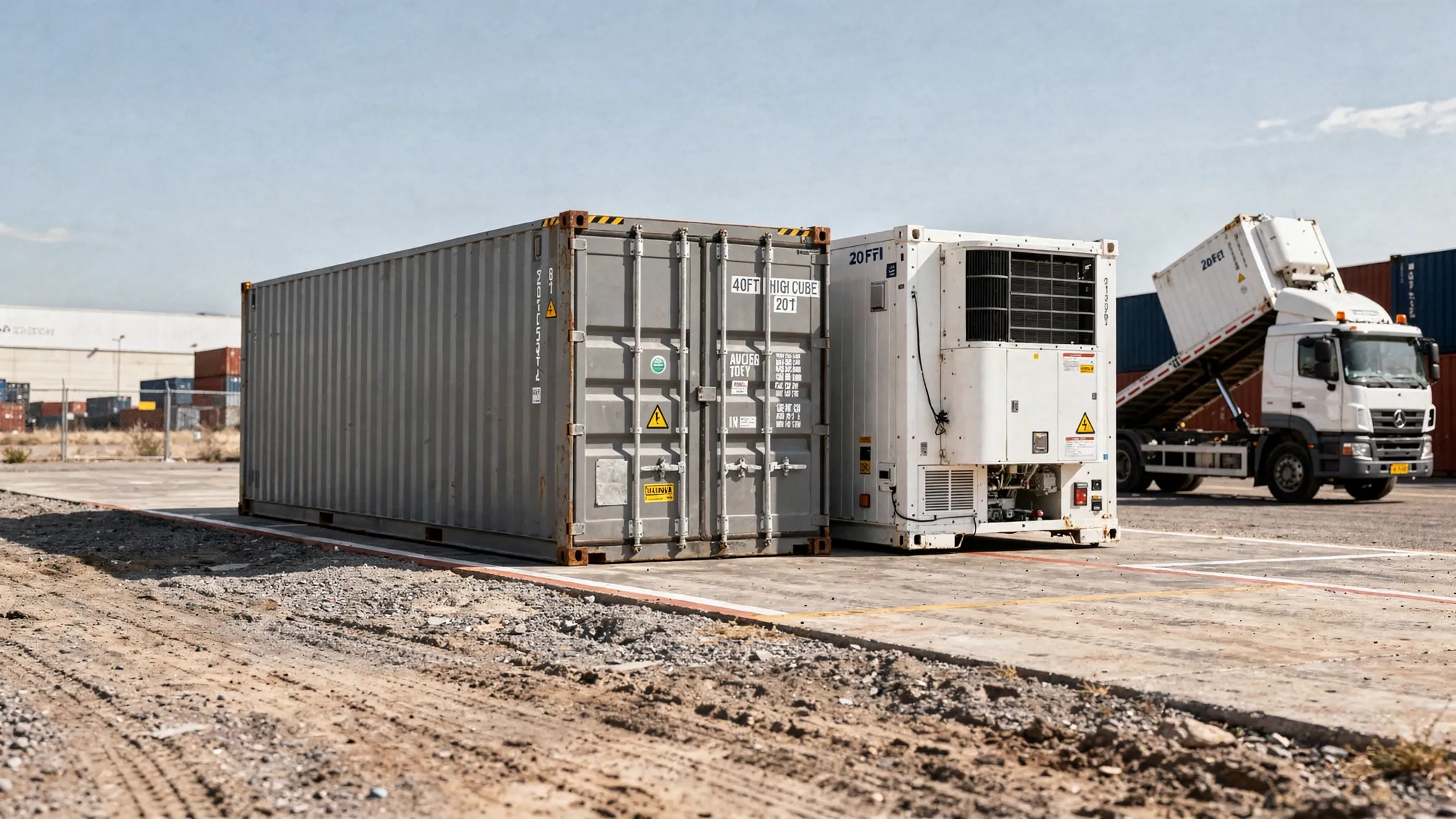
Shipping container types: the most common options (and when to use each)
Container “type” refers to the physical configuration and intended cargo. Here are the options most buyers in Raleigh and across the U.S. ask for.
Standard dry storage containers (most common)
A standard dry container (often called a “dry van”) is the go-to choice for:
- Construction tools and materials
- Household storage
- Farm supplies and equipment
- Small business inventory overflow
This is the best starting point for most buyers shopping for 20ft containers or 40ft containers.
If you are comparing sizes, see the detailed size guide: How to Choose Shipping Container Size.
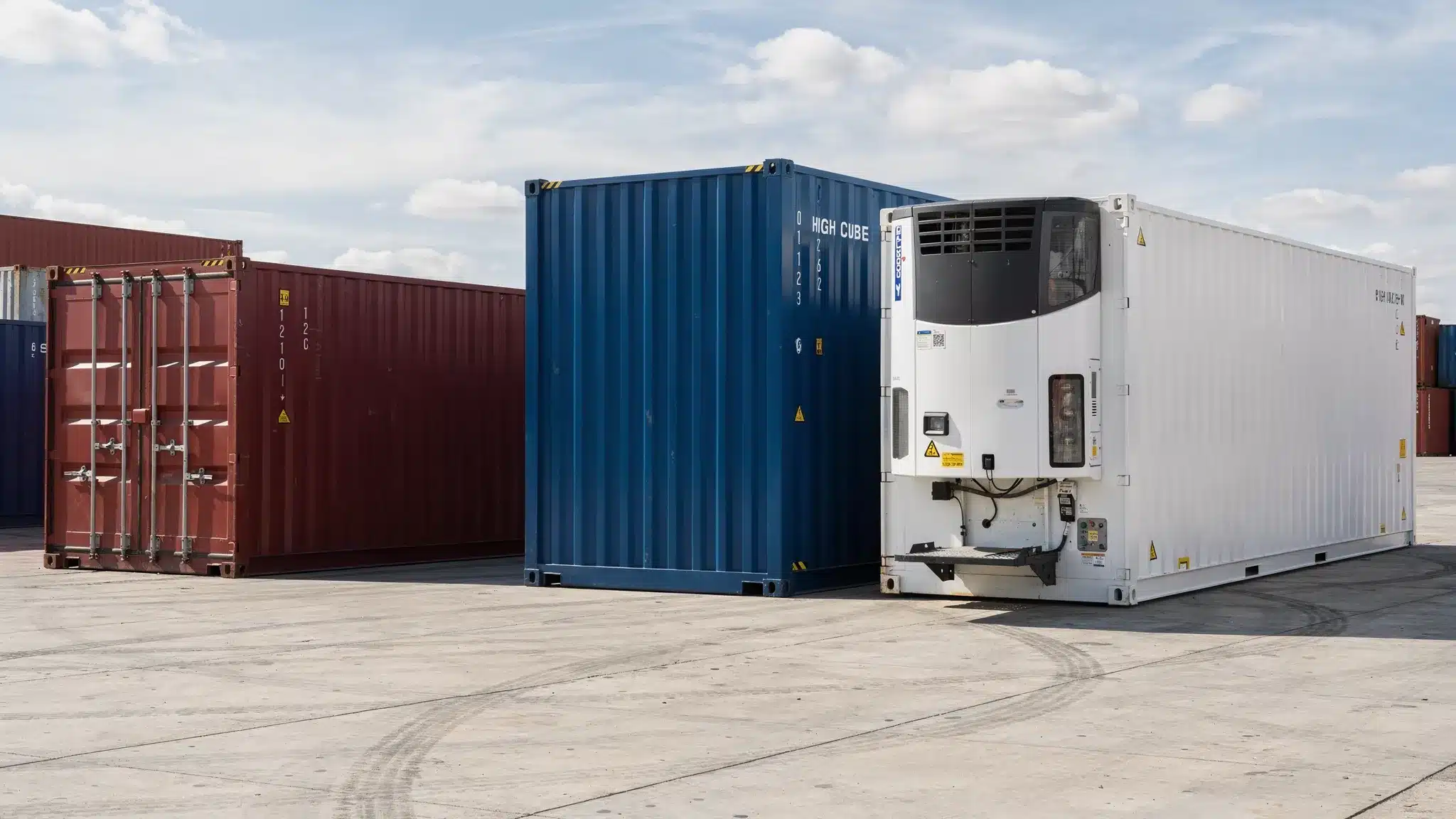
High Cube containers (extra height, big difference)
A High Cube container is typically 9'6" tall instead of the standard 8'6". That extra foot is valuable if you need:
- More vertical storage for shelving and pallet racking
- More headroom for workshops or office conversions
- Better interior volume for bulky items
For a deeper spec breakdown, reference: 40ft High Cube Container Dimensions Explained.
Refrigerated containers (Reefers)
A reefer is an insulated container with a refrigeration unit, used for temperature-controlled storage or transport. It is common for:
- Restaurants, catering, and event cold storage
- Agriculture and seed storage
- Pharma or sensitive products (site-specific requirements apply)
Reefers have different power needs, maintenance considerations, and usable interior space. Start here: Best Refrigerated Shipping Container Guide.
Open Top containers
Open tops are designed for top-loading oversized cargo (with roof bows and a tarp system instead of a solid roof). These are often chosen for:
- Machinery that cannot fit through standard doors
- Scrap and bulk materials loaded by crane
More detail: Open Top Container Guide: Loading, Tarps, and Common Uses.
Flat Rack containers
Flat racks are for heavy or irregular freight that needs side loading and lashing rather than enclosed storage. Most storage buyers do not need flat racks, but logistics teams may.
Tunnel (double-end door) containers
Tunnel containers have doors on both ends, which can be a major operational upgrade for:
- Fast access inventory (first-in, first-out)
- Jobsite organizations where you want a walk-through layout
Learn the pros and trade-offs: Tunnel Shipping Container Benefits Explained.
Standard sizes (quick reference) and what they’re best for
In the Raleigh market and across the Southeast, the two most requested sizes are 20ft and 40ft, with High Cube as a frequent upgrade.
| Size | Common use cases | Best fit for | Watch-outs |
|---|---|---|---|
| 20ft (standard) | Tools, materials, small inventory, residential storage | Tight sites, driveways, smaller footprints | Can feel cramped if you need aisle space or shelving |
| 40ft (standard) | Large jobsite storage, bulk inventory, workshops | Maximum storage per delivered unit | Requires more delivery clearance and turning room |
| 40ft High Cube | Same as 40ft, plus conversions and taller storage | Office builds, farm storage, racking | Extra height can increase clearance constraints |
If you want a dimensions-by-dimensions comparison, use: Shipping Containers Dimensions: 20ft vs 40ft vs High Cube.
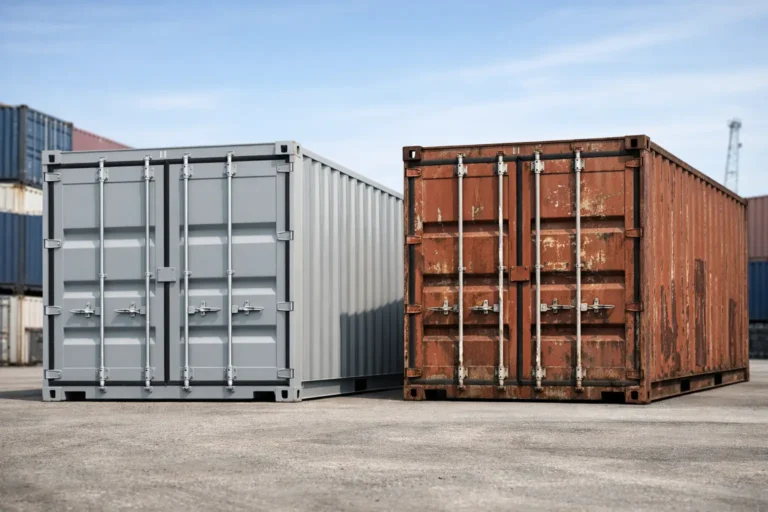
Shipping container grades: One-Trip vs Cargo Worthy vs Wind & Watertight
“Grade” describes the condition and suitability for certain uses. This is where buyers most often get misled by vague listings.
One-Trip (new, “one voyage” condition)
A One-Trip container has typically made a single loaded trip from the factory, then enters the resale market. It is usually the closest thing to new you can buy without factory-direct ordering.
Best for:
- Customer-facing projects (retail pop-ups, branded installations)
- Conversions where you want fewer repairs before cutting openings
- Long-term ownership where appearance and lifespan matter
More detail: What Is a One Trip Container?
Cargo Worthy (CW)
A Cargo Worthy container is intended to be structurally sound for transport and is commonly associated with export suitability (often tied to a valid CSC plate and inspection requirements, depending on the shipment and carrier). CW typically commands a premium because it is a better structural bet than a low-grade yard unit.
Best for:
- International shipping or intermodal use (confirm documentation needs)
- Stacking scenarios and heavier-duty projects
- Higher-value storage where long-term structure matters
More detail: What Is a Cargo Worthy Container? Key Standards Explained
Wind & Watertight (WWT)
A Wind & Watertight container is expected to keep wind and water out for stationary storage. It may have dents, surface rust, and cosmetic wear, but the roof, walls, doors, and gaskets should still perform as a weather barrier.
Best for:
- Ground-level storage (construction, farms, homeowners)
- Budget-conscious projects that do not require export certification
If you want a side-by-side comparison without guesswork, read: Cargo Worthy vs. Wind and Watertight Containers: Which to Buy?
A quick grade selection table (practical, not salesy)
| Grade | What it usually means | Typical best use | Not ideal for |
|---|---|---|---|
| One-Trip | Near-new condition, minimal wear | Conversions, retail, long-term ownership | Lowest-budget storage-only purchases |
| Cargo Worthy (CW) | Strong structural integrity for transport, often CSC-related considerations | Export, intermodal, high-value storage | Buyers who only need basic weatherproof storage |
| Wind & Watertight (WWT) | Weather-tight for static storage, cosmetic wear expected | Jobsite, farm, residential storage | Certified export or projects needing pristine appearance |
For a deeper grading breakdown, see: Used Shipping Container Grades Explained: A Buyer’s Guide.
Best uses by audience (Raleigh and nationwide)
Different buyers should optimize for different outcomes. Here’s a practical way to match types and grades to common real-world needs.
General contractors and home builders
Most contractors in Raleigh and the Research Triangle want secure, weather-resistant storage that reduces tool loss and keeps materials dry through humid North Carolina seasons.
- Best starting point: WWT 20ft or 40ft
- Upgrade path: Cargo Worthy if you need stronger structure for long-term site use or future resale
- Common add-ons: lockboxes, extra vents, shelving (as needed)
Security planning matters as much as the container itself. Reference: Secure Container Setup: Best Locks, Lighting, and Placement.
Small business owners
If your container will be customer-facing (pop-up retail) or used as a mobile office, appearance and interior condition can save time and money.
- Best starting point: One-Trip (especially for retail or office conversions)
- Consider High Cube if you need more headroom for HVAC, insulation, and finished interiors
If you are exploring office builds, start with grade selection: The Best Shipping Container Grades for an Office.
Homeowners and agriculture
For property storage in the Southeast, you want weather performance, door functionality, and a smart placement plan to manage moisture.
- Best starting point: WWT for most static storage
- Consider One-Trip if you care about appearance near a home or you want fewer repairs over time
If you are buying used, use an inspection framework: How to Check Used Shipping Container Conditions.
Real estate developers and modular construction
Developers often prioritize straight walls, minimal corrosion, and a clean starting shell for cut-outs and finish work.
- Best starting point: One-Trip (or high-quality Cargo Worthy, depending on the project)
- High Cube often makes interior layouts easier for ADU-style builds
For the purchasing process end-to-end, use: The Ultimate Shipping Container Buyers Guide.
Logistics managers (shipping and transport)
If the container is going back into transport service, documentation and compliance move to the top of the list.
- Best starting point: Cargo Worthy (and verify CSC plate requirements for your route and carrier)
- For export-focused selection: The Best Shipping Container Grades for Export
For background on the safety framework, the International Convention for Safe Containers (CSC) is administered through the IMO ecosystem. Overview reference: International Maritime Organization (IMO).
Pro-Tip: Site preparation in Raleigh (and the Southeast) to avoid door and drainage problems
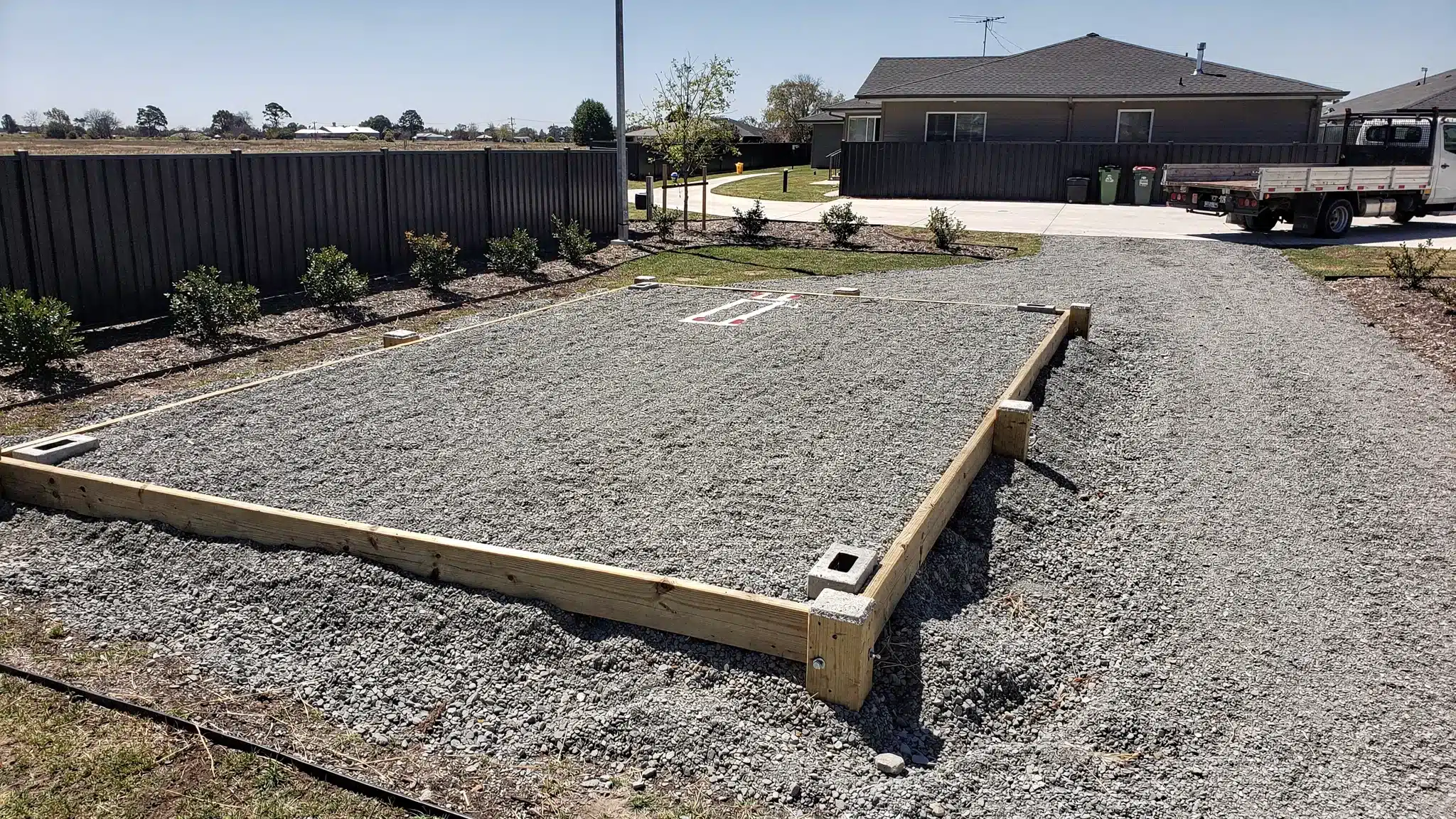
A container that is even slightly twisted can develop door misalignment, sticking locking bars, or accelerated corrosion. In North Carolina, the combination of clay soils, heavy rains, and humid summers makes site prep especially important.
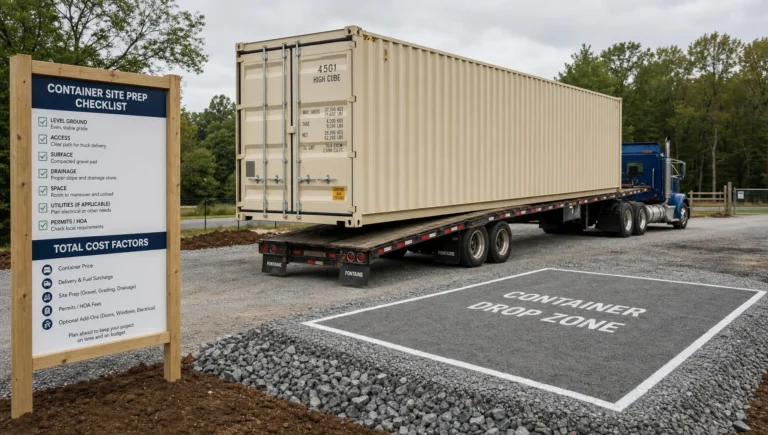
Pro-Tip (site prep checklist):
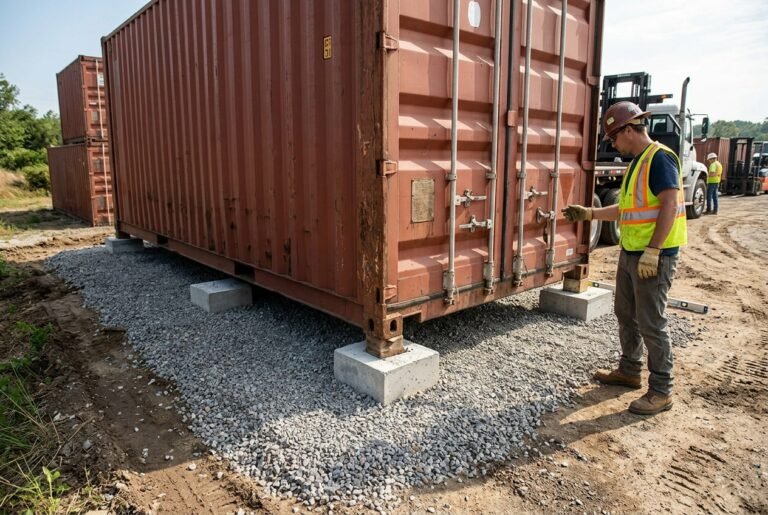
- Build a level base first: A compacted gravel pad is a common, cost-effective choice. Concrete piers or a slab can be better for permanent installations.
- Support the corners correctly: Containers are designed to load through corner castings. Poor support in the wrong spots can cause frame twist.
- Plan drainage: Keep water from pooling under the unit, standing moisture is a long-term rust accelerator.
- Think permits early: Depending on your use (storage vs office) and location (city limits, Wake County, HOA), you may need approvals.
If you want the step-by-step method, start here: 5 Steps for Proper Shipping Container Ground Preparation.
Delivery and placement: plan it like part of the purchase
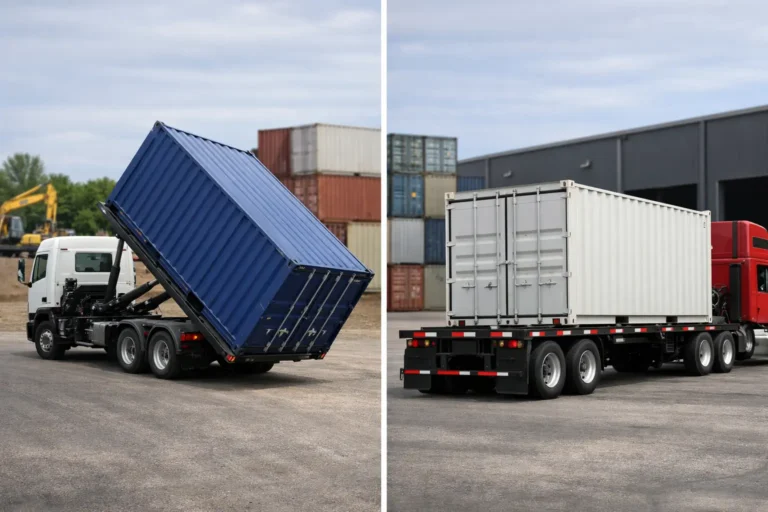
In Raleigh, failed deliveries usually come from tight turns, overhead obstructions (trees and lines), or soft ground. Nationally, the same issues apply, but they get worse when buyers skip a site check and only think about the container price.
Two helpful resources:
If you are deciding between a 20ft and 40ft because of access, this is also worth reading: Can a Shipping Container Fit in Your Driveway?
Where buyers get stuck: a simple “choose the right container” framework
If you want a fast way to narrow your options, decide in this order:
Start with use case
- Static storage on your property: WWT often makes sense.
- Conversion or customer-facing: One-Trip saves refurbishment effort.
- Shipping or intermodal: Cargo Worthy (verify CSC and carrier needs).
Then choose size
- Need easy access, smaller footprint: 20ft containers
- Need maximum volume per unit: 40ft containers
- Need more headroom: High Cube (especially for racking or finished interiors)
Then choose new vs used
Used can be a strong value when the grade is clearly defined and the unit is inspected. If you are comparing options, start here: New vs Used Shipping Container: Which Fits?. For used condition specifically, see: used containers.
Frequently Asked Questions
What are the main types of shipping containers for sale? The most common are standard dry containers (storage), High Cube containers (extra height), refrigerated reefers (temperature control), open tops (top loading), flat racks (heavy/irregular freight), and tunnel containers (double-end doors).
What is the difference between One-Trip, Cargo Worthy, and WWT? One-Trip is near-new and best for clean projects and conversions. Cargo Worthy is structurally suited for transport and higher-duty use (often tied to CSC considerations). WWT is intended for stationary storage, weather-tight but with cosmetic wear.
Do I need a Cargo Worthy container for storage in Raleigh? Usually not. For most ground storage uses (tools, farm supplies, household items), a Wind & Watertight container is sufficient if it passes basic inspection. Cargo Worthy is more relevant for transport, stacking, or higher structural expectations.
Are shipping containers made of Corten steel? Many ISO shipping container shells are made from Corten or comparable weathering steel, which helps resist corrosion better than mild steel when maintained and kept out of standing water.
What’s the most common delivery issue in North Carolina? Site access and leveling. Tight turns, overhead clearance (trees, power lines), and soft or wet ground often cause failed deliveries or poor placement, which can lead to door problems later.
Get expert help choosing the right container (Raleigh-based, nationwide delivery)
If you want help selecting the right type and grade for your project, Lease Lane Containers LLC can walk you through options, pricing, and delivery planning in Raleigh, across North Carolina, and nationwide.
Contact our team at sales@leaselanecontainers.com or visit our Raleigh, NC office to discuss availability, grades, and site preparation before you schedule delivery.