The Best Shipping Container Grades for an Office
Table of Contents
- Table of Contents
- Understanding Shipping Container Grading Systems
- Common Industry Terms and Standards
- How Grading Impacts Structural Integrity
- One-Trip Containers: The Gold Standard for Modern Offices
- Aesthetic Benefits and Minimal Preparation
- Long-Term Value and Resale Potential
- Cargo Worthy (CWO) Containers for Budget-Friendly Builds
- Balancing Structural Safety with Cost Savings
- The Risks of Wind and Water Tight (WWT) Grades
- Addressing Cosmetic Issues and Surface Rust
- Necessary Repairs Before Converting to Office Space
- Why ‘As-Is’ Containers are Unsuitable for Workspaces
- Critical Factors Beyond the Grade Label
- Flooring Safety and Chemical Contamination
- Insulation Requirements for Different Grades
- Final Verdict: Selecting the Right Grade for Your Project
- Final Checklist
Table of Contents
- Understanding Shipping Container Grading Systems
- Common Industry Terms and Standards
- How Grading Impacts Structural Integrity
- One-Trip Containers: The Gold Standard for Modern Offices
- Aesthetic Benefits and Minimal Preparation
- Long-Term Value and Resale Potential
- Cargo Worthy (CWO) Containers for Budget-Friendly Builds
- Balancing Structural Safety with Cost Savings
- The Risks of Wind and Water Tight (WWT) Grades
- Addressing Cosmetic Issues and Surface Rust
- Necessary Repairs Before Converting to Office Space
- Why ‘As-Is’ Containers are Unsuitable for Workspaces
- Critical Factors Beyond the Grade Label
- Flooring Safety and Chemical Contamination
- Insulation Requirements for Different Grades
- Final Verdict: Selecting the Right Grade for Your Project
Choosing a shipping container for an office conversion is a very different decision than buying one for storage. You’re selecting the shell of a workspace where people will spend eight or more hours a day, so the grade of the container directly affects comfort, safety, build costs, and long-term durability. A container that’s perfectly fine for holding tools or seasonal inventory may be completely wrong for insulation, electrical work, and daily occupancy.
The challenge is that grading terminology in the container industry isn’t always standardized. Sellers use different labels, and buyers often don’t know what separates a “one-trip” from a “cargo worthy” unit in practical terms. That confusion leads to costly mistakes: buying too low a grade and spending thousands on repairs, or overpaying for a condition level that doesn’t match the project. This guide breaks down every major container grade, explains what each means for an office build, and gives you a clear framework for picking the right one. If you’re trying to identify the best shipping container grade for an office conversion, the answer depends on your budget, your timeline, and how much prep work you’re willing to take on.
Understanding Shipping Container Grading Systems
Shipping container grades exist because containers live hard lives. A standard 20ft or 40ft steel container may cross oceans dozens of times, endure salt spray, tropical humidity, and the stress of being stacked six units high on a cargo vessel. By the time a container is retired from shipping service, its condition can range from near-perfect to barely functional. Grading systems attempt to categorize that spectrum so buyers can make informed decisions.
The problem is that no single governing body enforces universal grading language across all sellers. The Institute of International Container Lessors (IICL) sets inspection standards for containers in active shipping use, and the Convention for Safe Containers (CSC) governs structural certification for transport. But once a container leaves the shipping fleet and enters the resale market, grading becomes more informal. Different suppliers may describe the same condition using slightly different terms.
Common Industry Terms and Standards
Four grades dominate the resale market, and understanding each one is essential before committing to an office project:
- One-Trip: A container manufactured overseas (typically in China) and shipped to the U.S. with a single cargo load. It arrives in near-new condition with minimal cosmetic wear.
- Cargo Worthy (CWO): A used shipping container that has passed a CSC inspection and is still certified for international ocean transport. It’s structurally sound but shows visible use.
- Wind and Watertight (WWT): A retired container that no longer holds CSC certification but still keeps out wind and rain. Cosmetic damage, dents, and surface rust are common.
- As-Is: Sold with no guarantees about condition. May have holes, severe rust, damaged doors, or compromised structural members.
Lease Lane Containers provides transparent grading guidance across these categories, helping buyers understand exactly what they’re getting before delivery day.
How Grading Impacts Structural Integrity
Grade isn’t just about appearance. It’s a direct indicator of how much useful life remains in the container’s corrugated steel walls, corner castings, and cross members. A one-trip container retains essentially 100% of its original structural capacity: roughly 67,200 lbs of stacking strength for a standard 20ft unit. A cargo worthy container has been inspected and confirmed to still meet minimum structural thresholds for ocean transport, which means it can safely bear the loads an office conversion will impose.
Below cargo worthy, the picture gets murkier. A WWT container may have localized corrosion that has thinned wall panels or weakened floor cross members. An as-is unit could have structural deficiencies that make it unsafe to cut openings for windows and doors, which is a critical step in any office build. Every window or door cutout removes steel from the container’s load-bearing shell, so starting with compromised steel compounds the risk.
One-Trip Containers: The Gold Standard for Modern Offices
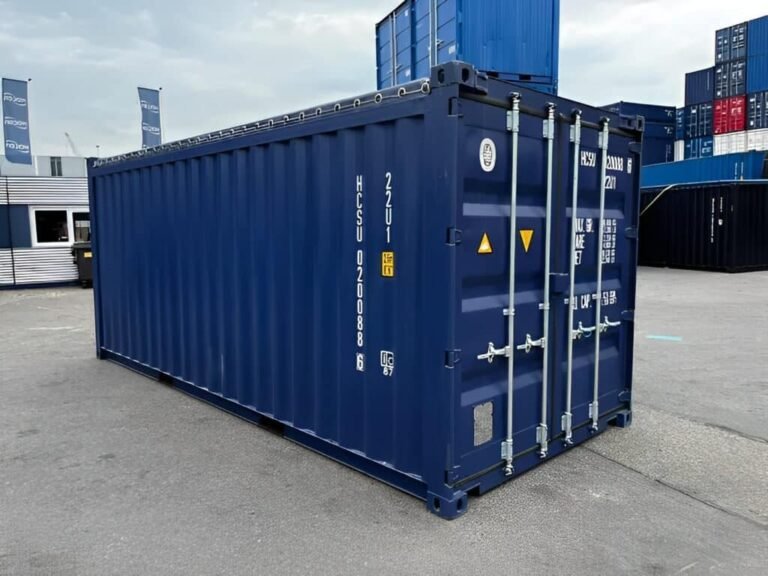
If budget allows, a one-trip container is the strongest starting point for any office conversion. These units have made a single voyage from the manufacturing facility to a U.S. port, typically carrying a load of goods that helped offset the shipping cost. They arrive with factory-fresh Corten steel, intact paint coatings, clean interiors, and fully operational doors and locking mechanisms.
For office projects, this matters enormously. You’re not just building a shed: you’re creating an enclosed workspace that needs to meet building codes, pass inspections in many jurisdictions, and provide a comfortable environment year-round. Starting with a one-trip container means your builder spends time on the conversion itself rather than on remediation work.
Aesthetic Benefits and Minimal Preparation
One-trip containers arrive with consistent paint, no significant dents, and clean corrugation lines. This gives architects and designers a blank canvas. If your office will have an exposed exterior, the clean look of a one-trip unit eliminates the need for extensive bodywork, grinding, or repainting before applying your final finish.
Interior prep is equally straightforward. The marine-grade plywood flooring (typically 28mm Apitong or Keruing) is clean and undamaged. Wall panels are free of deep corrosion pits. This means insulation, framing, and interior finishes can go directly against the container shell without first addressing rust, patching holes, or treating contaminated surfaces. On a typical 40ft high cube office conversion, starting with a one-trip container can save 40 to 80 labor hours compared to refurbishing a lower-grade unit.
Long-Term Value and Resale Potential
One-trip containers hold their value better than any other grade. A standard 20ft one-trip unit purchased for $3,500 to $5,500 (depending on market conditions and location) will retain 70% to 85% of its value over a decade if maintained properly. That’s a meaningful consideration for business owners who may relocate or repurpose the office in the future.
The structural longevity also reduces maintenance costs. Corten steel is designed to form a protective patina that resists further corrosion, but this only works well when the original mill finish and paint are intact. A one-trip container starts this process from a position of strength, meaning you won’t be chasing rust patches five years into your office’s life. For anyone serious about finding the ideal container grade for an office conversion, one-trip is the benchmark.
Cargo Worthy (CWO) Containers for Budget-Friendly Builds
Not every office project has a one-trip budget, and that’s where cargo worthy containers become the smart middle ground. A CWO-rated container has been inspected by a certified surveyor and confirmed to meet the structural and weatherproofing standards required for international ocean freight. That certification, stamped on the container’s CSC plate, means the unit is structurally sound enough to be loaded onto a ship and stacked with other containers.
For an office conversion, CWO provides the critical assurance you need: the steel frame, corner castings, floor cross members, and wall panels are all within acceptable tolerances. You’ll see cosmetic wear, including dents, scratches, faded paint, and minor surface oxidation, but nothing that compromises the container’s ability to serve as a building envelope.
Balancing Structural Safety with Cost Savings
A cargo worthy 40ft high cube container typically costs $1,500 to $3,000 less than an equivalent one-trip unit. That savings can be redirected into the conversion itself: better insulation, higher-quality windows, upgraded electrical panels, or HVAC systems. For small business owners and contractors working within fixed budgets, this trade-off often makes more financial sense than paying premium prices for cosmetic perfection that will be covered by interior finishes anyway.
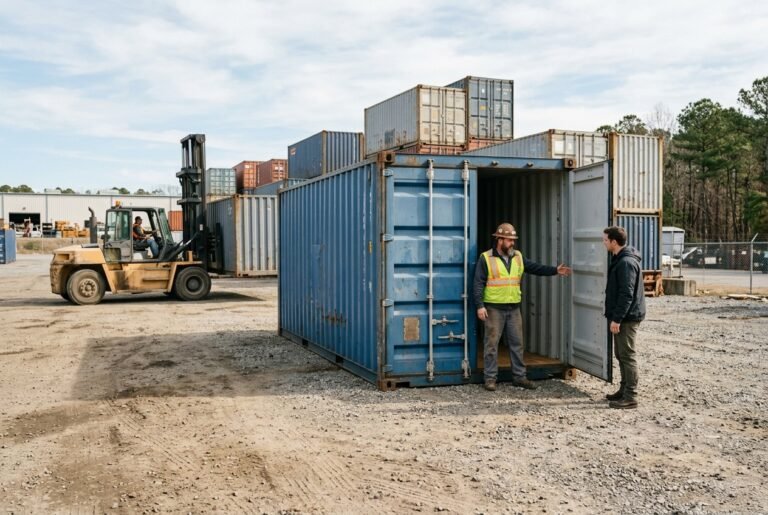
The key is inspection. Before purchasing a CWO container for office use, verify the CSC plate is current and examine the unit in person or request detailed photos of the interior floor, roof panels, corner posts, and door seals. Look for any corrosion that penetrates fully through the steel, check that doors open and close smoothly, and confirm the rubber door gaskets still create a proper seal. At Lease Lane Containers, our Raleigh-based team provides honest grading explanations and helps buyers understand exactly what level of prep work a specific CWO unit will require before conversion begins.
A good rule of thumb: budget an extra $1,000 to $2,500 for surface prep, minor rust treatment, and cosmetic repairs on a CWO container destined for office use. Even with that added cost, total project spend typically comes in below a one-trip build.
The Risks of Wind and Water Tight (WWT) Grades
WWT containers occupy a gray area that trips up a lot of first-time buyers. The label sounds reassuring: wind and watertight. But what it actually means is that the container keeps out the elements in its current state, with no guarantee about structural certification or long-term durability. These units have been retired from shipping service and no longer carry a valid CSC rating.
For storage applications, WWT containers can be perfectly adequate. For an office conversion, they introduce risks that need to be carefully evaluated.
Addressing Cosmetic Issues and Surface Rust
WWT containers typically show 10 to 15 years of hard service. Expect significant denting on wall panels, faded or peeling paint, surface rust across large areas, and possibly some pitting on the roof where standing water has accelerated corrosion. Door operation may be stiff, and gaskets are often degraded.
Surface rust on Corten steel isn’t automatically a structural problem. Corten is engineered to develop a stable rust layer (patina) that protects the underlying metal. But if rust has progressed beyond the surface, particularly on the roof or lower wall panels where moisture collects, you may be dealing with thinned steel that won’t hold fasteners well or support the weight of insulation and interior framing. Use a simple test: press a screwdriver tip firmly against any rust spot. If it pushes through or the metal flexes noticeably, that section needs repair or replacement.
Necessary Repairs Before Converting to Office Space
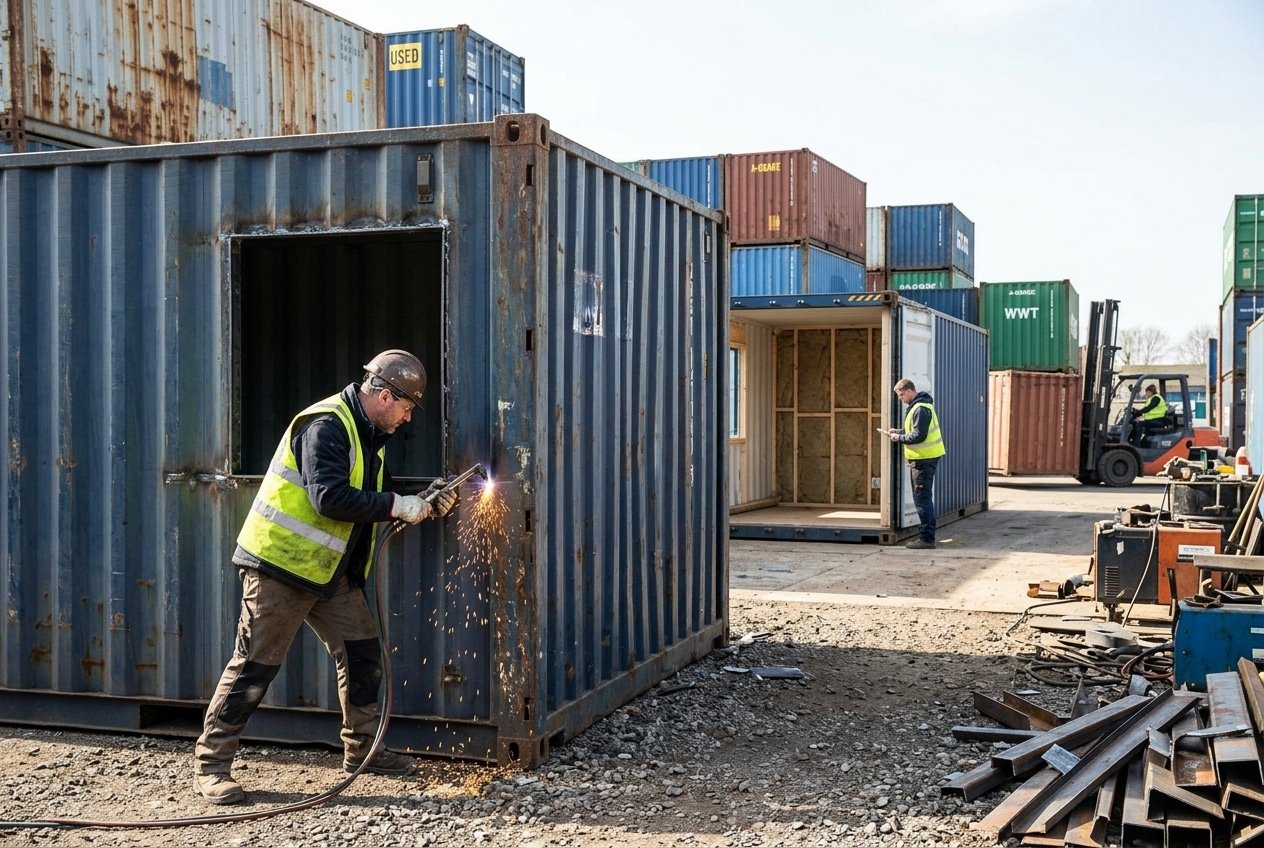
Converting a WWT container into an office almost always requires significant prep work. Common repairs include grinding and treating rust, welding patch plates over corroded sections, replacing door gaskets, and applying fresh primer and paint to the entire exterior. Roof repairs are especially critical because even a small leak will destroy insulation, wiring, and interior finishes over time.
Budget $3,000 to $6,000 in remediation costs for a WWT-to-office conversion on a 40ft unit. At that price point, the initial savings over a CWO container often evaporate. The timeline also extends: remediation work can add two to four weeks before your builder even begins the conversion. For projects with tight deadlines, this delay alone may justify stepping up to a cargo worthy or one-trip grade.
Why ‘As-Is’ Containers are Unsuitable for Workspaces
As-is containers are sold with zero guarantees. The seller makes no claims about weatherproofing, structural integrity, door function, or interior condition. These units are typically end-of-life containers pulled from depots, sometimes with visible holes in walls or roofs, severe corrosion on structural members, damaged corner castings, or floors that have rotted through.
For an office conversion, as-is containers are a non-starter. Cutting window and door openings into a container with compromised structural steel is dangerous. The container’s rigidity depends on its corrugated wall panels and corner post framework working as an integrated system. Remove steel from a unit that’s already weakened, and you risk collapse or deformation under wind loads, snow loads, or even the weight of rooftop-mounted HVAC equipment.
The only scenario where an as-is container enters an office conversation is as a source of spare parts: harvesting doors, lock rods, or hardware for use on a higher-grade unit. Even then, inspect every component carefully. The price tag on an as-is container ($800 to $1,500 for a 40ft unit) looks attractive until you realize the cost of making it habitable exceeds the price of buying a better grade from the start.
Critical Factors Beyond the Grade Label
A grade label tells you a lot, but it doesn’t tell you everything. Two containers with identical CWO ratings can present very different challenges for an office conversion depending on their cargo history, flooring treatment, and geographic exposure. Before you finalize a purchase, dig deeper than the grade.
Flooring Safety and Chemical Contamination
Standard shipping container floors are constructed from 28mm marine-grade hardwood, typically Apitong or Keruing, treated with pesticides and sometimes insecticides to meet international phytosanitary (ISPM-15) requirements. Some containers, particularly older units, had floors treated with chemicals containing heavy metals or volatile organic compounds.
For a storage application, this is a non-issue. For an office where people will be present daily, it’s a real concern. The 80% rule applies here: roughly 80% of used shipping containers on the resale market have floors that need some level of remediation before office use. Options include sealing the existing floor with an epoxy barrier, overlaying with a vapor barrier and new subfloor, or completely removing and replacing the original plywood. Full floor replacement on a 40ft container runs $1,200 to $2,000 in materials alone.
Ask your supplier about the container’s cargo history. Units that carried food-grade goods or dry consumer products are generally lower risk than those that transported industrial chemicals or raw materials.
Insulation Requirements for Different Grades
Container grade directly affects insulation strategy and cost. A one-trip container with intact paint and no rust can receive spray foam insulation directly against the interior walls and ceiling, which is the most efficient method for achieving the R-values needed for year-round office comfort (R-13 to R-19 for walls, R-30 for ceilings in most U.S. climate zones per OSHA 29 CFR 1926.51 general workplace standards and local energy codes).
A CWO container may need spot treatment of surface rust before spray foam application. If rust is present under the foam, it will continue to spread invisibly, eventually compromising both the insulation bond and the steel panel. Proper prep means wire-brushing affected areas, applying a rust converter, and priming before insulation goes on.
WWT containers often require the most extensive insulation prep. Large areas of surface oxidation need full treatment, and any sections with thinned steel should be reinforced before adding the thermal load of insulation. In humid climates like North Carolina’s, condensation management becomes critical: improperly insulated containers develop interior moisture problems that lead to mold, which is a deal-breaker for any occupied workspace.
Final Verdict: Selecting the Right Grade for Your Project
The best container grade for your office conversion comes down to three variables: budget, timeline, and intended use duration.
For permanent or long-term office installations where professional appearance and minimal maintenance matter, one-trip containers are the clear winner. The upfront premium pays for itself in reduced prep costs, lower long-term maintenance, and stronger resale value. For budget-conscious projects where the exterior will be clad and the interior fully finished, a cargo worthy container delivers the structural integrity you need at a lower entry price. WWT containers can work for temporary or seasonal office setups, but only with thorough inspection and a realistic remediation budget. As-is containers should be avoided entirely for any occupied workspace.
Before purchasing, get clear answers on cargo history, floor treatment, and the specific condition of roof panels, door seals, and corner posts. A grade label is a starting point, not a complete assessment.
If you’re ready to compare options, browse Lease Lane Containers’ current inventory to see available sizes, grades, and pricing. Our team provides straightforward guidance on matching the right container to your office project, including delivery planning for your specific site.
Final Checklist
- Confirm the container grade matches your budget and project timeline
- Inspect or request detailed photos of the roof, floor, walls, doors, and corner posts
- Ask about cargo history and floor chemical treatments
- Budget for insulation, floor remediation, and surface prep based on grade
- Verify CSC plate currency for any container sold as cargo worthy
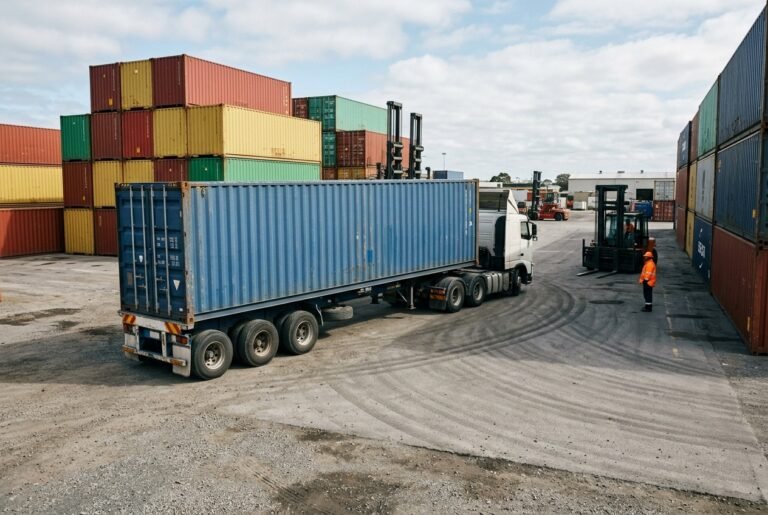
- Plan delivery access: confirm turning radius, overhead clearance, and ground conditions at your site
- Consult local building codes and permit requirements before starting conversion work