

High Cube Shipping Containers for Sale in Raleigh, NC
If you’re searching for a high cube shipping container for sale in Raleigh, NC, you’re likely weighing questions about size, condition, pricing, and how to actually get a 9’6″ tall steel box onto your property. The extra foot of interior height makes high cubes the preferred choice for everything from construction storage to container home conversions, and demand across the Triangle has been climbing steadily. Whether you’re a contractor staging equipment near a Wake County job site, a homeowner planning a backyard workshop, or a small business owner who needs overflow inventory space, the right container purchase starts with understanding what you’re buying and what to expect during delivery. This guide covers dimensions, grading, local applications, inspection tips, delivery logistics, and pricing factors so you can make a confident decision without surprises.
Table of Contents
- Understanding High Cube Containers in the Raleigh Market
- Dimensions and the One-Foot Advantage
- Why High Cubes are the Top Choice for North Carolina Storage
- New vs. Used High Cube Inventory in Wake County
- One-Trip Containers for Aesthetics and Longevity
- Cargo Worthy and Wind/Watertight Surplus Options
- Common Applications for Raleigh Businesses and Homeowners
- Vertical Storage for Industrial and Construction Equipment
- High-Ceiling Modifications for Tiny Homes and Workshops
- Key Features to Inspect Before Purchasing Locally
- Delivery and Logistics for the Triangle Area
- Site Preparation and Clearance Requirements
- Tilt-Bed vs. Flatbed Delivery Services
- Pricing Factors and Availability in Central North Carolina
- Securing Your Investment: Maintenance and Modification Tips
Understanding High Cube Containers in the Raleigh Market
High cube shipping containers follow the same ISO standards as standard containers but add roughly one extra foot of vertical interior space. That single foot changes the math on what you can store, how you can modify the interior, and whether the container fits your project goals. In a market like Raleigh, where construction activity, small business growth, and residential property projects all drive container demand, high cubes have become the default choice for most buyers.
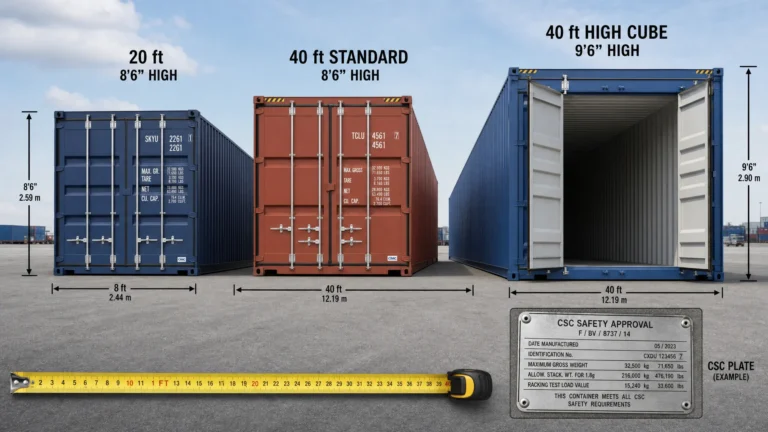
Standard shipping containers measure 8’6″ tall on the exterior. High cubes stand 9’6″ tall. That distinction matters more than the numbers suggest once you start loading shelving, installing insulation, or framing out interior walls.
Dimensions and the One-Foot Advantage
A 40-foot high cube shipping container typically measures 40′ long x 8′ wide x 9’6″ tall on the outside, with interior dimensions of approximately 39’5″ x 7’8″ x 8’10”. Compare that to a standard 40-foot container’s interior ceiling height of roughly 7’10”, and you gain a full 12 inches of usable vertical space.
That foot of clearance matters in practical terms. If you’re stacking pallets two high, the extra room prevents damage to the top layer. If you’re building out a container office or workshop, you can install drop ceilings, HVAC ducting, or overhead lighting without making the space feel cramped. For residential conversions, an 8’10” interior ceiling height approaches the 9-foot ceilings common in modern homes, which makes the finished space feel livable rather than industrial.
Twenty-foot high cubes are also available, though less common. They offer the same 9’6″ exterior height in a shorter footprint, which works well for tighter residential lots or single-bay storage needs.
Why High Cubes are the Top Choice for North Carolina Storage
North Carolina’s climate plays a role in container selection. Summers in Raleigh regularly push past 90°F with high humidity, and any container used for storage or workspace benefits from better airflow. The taller interior of a high cube allows for ceiling-mounted ventilation fans or turbine vents without sacrificing headroom.
Construction and development activity across Wake County, Durham, and the broader Triangle area also drives demand. Contractors need containers that can hold large equipment like scaffolding sections, concrete forms, or mechanical lifts. The extra height accommodates taller items that simply won’t fit in a standard container without disassembly. For homeowners in areas like North Raleigh, Apex, or Holly Springs, a high cube provides enough room for a proper workshop with wall-mounted tool storage and overhead shelving.
New vs. Used High Cube Inventory in Wake County
The condition of a high cube container affects its price, appearance, structural integrity, and expected lifespan. Understanding the common grading system helps you match the right container to your budget and intended use.
One-Trip Containers for Aesthetics and Longevity
A one-trip container has made a single ocean voyage, typically carrying cargo from the manufacturing facility in Asia to a U.S. port. These containers are essentially new. They arrive with minimal cosmetic wear, factory-applied paint, intact rubber door seals, and no dents or patches.
If your project requires a clean appearance, such as a retail pop-up, a customer-facing storage facility, or a residential conversion, one-trip containers are the right call. They’re also the best option for long-term investments where you want 25 or more years of service life with minimal upkeep. Expect to pay a premium over used options, but the trade-off is a container that looks sharp and won’t need immediate repairs. Lease Lane Containers carries one-trip high cube inventory and can walk you through specs before you commit.
Cargo Worthy and Wind/Watertight Surplus Options
Used high cube containers generally fall into two grades. Cargo worthy containers have been inspected and certified as structurally sound enough for ocean transport. They may show surface rust, minor dents, or paint wear, but the floor, walls, roof, and doors remain functional. These are solid choices for job site storage, farm equipment, or any application where cosmetics aren’t the priority.
Wind and watertight containers are a step below cargo worthy. They’ll keep rain and wind out, but they may have more visible wear, older door gaskets, or patched sections. They’re not certified for ocean shipping, but for stationary ground-level storage, they perform well at a lower price point. Always ask for photos and a clear condition report before purchasing a used container in either grade.
Common Applications for Raleigh Businesses and Homeowners
High cube containers serve dozens of practical purposes across the Triangle. The extra height opens up applications that standard containers can’t handle as well.
Vertical Storage for Industrial and Construction Equipment
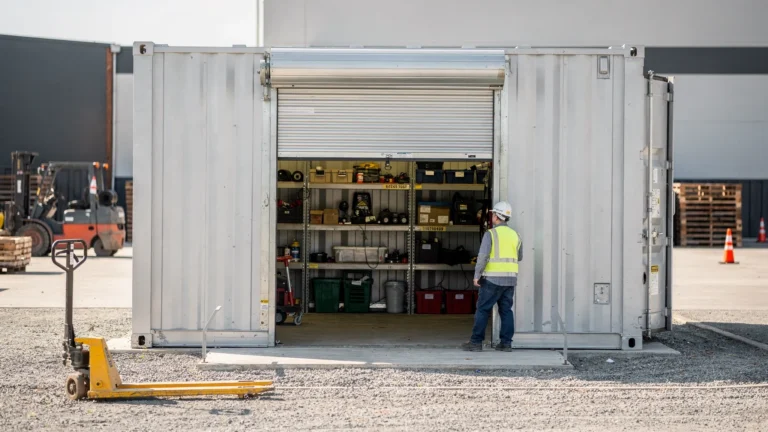
Construction firms across Wake County use high cube containers to store items that need vertical clearance: extension ladders, scaffolding frames, tall tool cabinets, and mechanical equipment. A standard container forces you to lay long items flat, wasting floor space. The high cube’s taller interior lets you store items upright and use the full volume of the container.
Warehousing and distribution businesses also benefit. Two-high pallet stacking becomes practical with the added headroom, and you can install three-tier shelving systems without crowding the top shelf against the ceiling. For seasonal inventory overflow, a high cube on your property can function as a cost-effective annex to your main warehouse.
High-Ceiling Modifications for Tiny Homes and Workshops
Container-based tiny homes and accessory dwelling units have gained traction in North Carolina, and high cubes are the foundation of choice. After framing, insulation, and interior finishing, you’ll lose 4 to 6 inches of ceiling height. Starting at 8’10” interior height means your finished ceiling still clears 8 feet, which meets most residential building codes and feels comfortable.
Workshops and maker spaces benefit from the same principle. If you’re running a woodworking shop, an art studio, or a small fabrication space, overhead clearance matters for safety and comfort. Ceiling-mounted dust collection, pendant lighting, and overhead cranes all require vertical room that standard containers can’t easily provide.
Key Features to Inspect Before Purchasing Locally
Before committing to any high cube purchase, inspect or request documentation on several critical areas. The roof is the most important surface to check: ponding water, rust-through spots, or patched sections can lead to leaks that damage stored contents. Run your hand along the interior ceiling and look for discoloration or bubbling paint, both signs of moisture intrusion.
Door operation matters more than most buyers realize. High cube container doors are heavy, and if the hinges are worn or the frame is slightly twisted, they won’t seal properly. Open and close both doors fully during inspection. The rubber gaskets should compress evenly when the doors latch, and the locking bars should engage smoothly without excessive force.
Check the flooring by walking the full length of the container. Standard marine-grade plywood flooring should feel solid underfoot with no soft spots. Soft areas indicate moisture damage from below, often caused by underside corrosion that allows water to wick up into the wood. On the exterior, inspect the bottom rails and corner castings for heavy rust or structural damage, as these are the load-bearing points during transport and stacking.
Delivery and Logistics for the Triangle Area
Getting a 40-foot high cube container from a depot to your property involves more planning than most buyers expect. The container itself weighs roughly 8,500 to 9,000 pounds empty, and the truck and chassis add significantly to the total footprint.
Site Preparation and Clearance Requirements
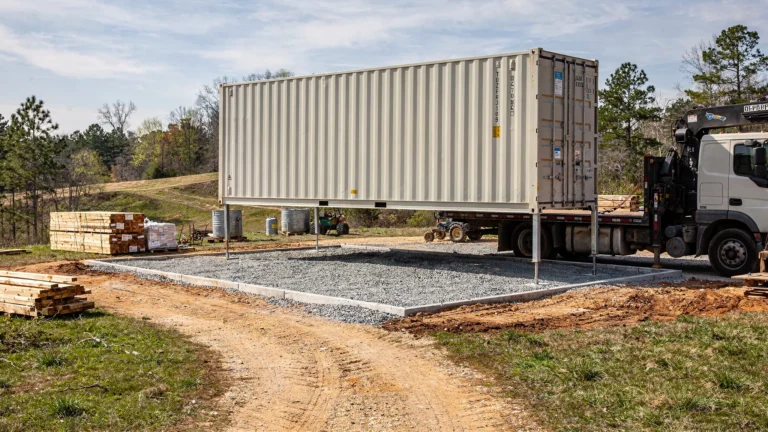
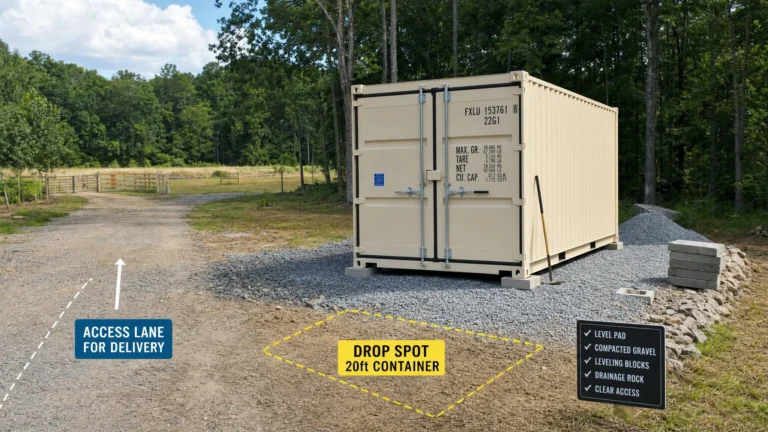
Your delivery site needs a firm, level surface. Gravel pads, compacted earth, and concrete slabs all work. Bare grass or soft soil can cause the container to settle unevenly over time, which warps the frame and makes doors difficult to operate. A good rule of thumb: if a loaded pickup truck would leave ruts, the ground isn’t ready for a container.
Overhead clearance is another common issue. A high cube on a delivery truck sits roughly 14 feet off the ground, which means low-hanging power lines, tree branches, and carport overhangs can block access. Measure the clearance along your entire delivery path, not just at the final placement spot. Lease Lane Containers provides delivery planning support to help you assess access, turning radius, and overhead clearance before scheduling a drop-off.
Tilt-Bed vs. Flatbed Delivery Services
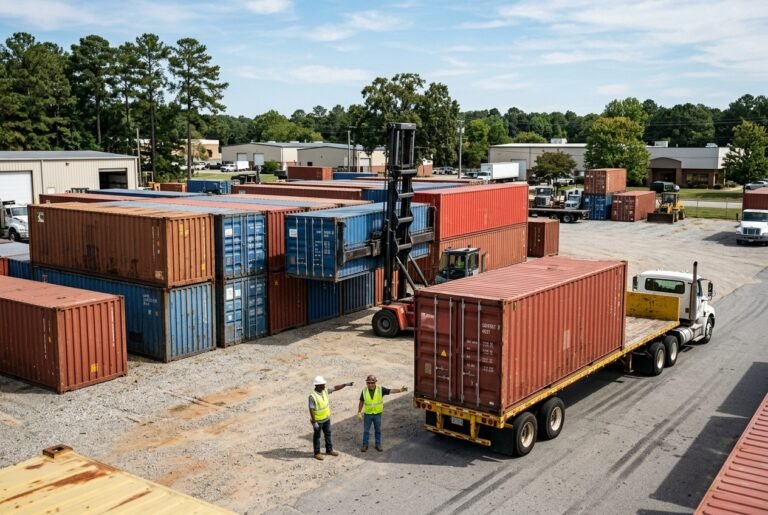
Tilt-bed trucks, sometimes called rollback or tilt-deck trucks, are the most common delivery method for residential and small commercial sites. The truck bed tilts hydraulically, and the container slides off the back onto the ground. This method requires roughly 100 feet of straight clearance behind the truck for a 40-foot container.
Flatbed delivery with a crane or side-loader is the alternative for tight spaces. A crane can lift the container over obstacles and place it precisely, but crane delivery costs more and requires a separate equipment setup. If your site has limited straight-line access but open overhead space, crane delivery may be the only practical option. Discuss both methods with your supplier early in the process to avoid day-of complications.
Pricing Factors and Availability in Central North Carolina
High cube container prices in the Raleigh area depend on several variables: container length (20-foot vs. 40-foot), condition grade, current supply levels, and delivery distance. As a general benchmark, one-trip 40-foot high cubes typically cost more than their used counterparts by $1,500 to $3,000 or more, depending on market conditions.
Supply fluctuates with global shipping patterns. When ocean freight volumes drop, more containers enter the domestic resale market, which can push prices down. When freight demand spikes, fewer containers are available for ground sale, and prices rise. Raleigh’s position along the I-40 and I-95 corridors gives it reasonable access to port surplus from both Wilmington and Norfolk, which helps stabilize local availability compared to more inland markets.
Delivery fees vary based on distance from the container depot to your site. Most suppliers charge a flat rate within a certain radius and add per-mile fees beyond that. Always request an all-in quote that includes delivery so you can compare total costs accurately.
Securing Your Investment: Maintenance and Modification Tips
A well-maintained high cube shipping container can last 25 years or longer in stationary use. The biggest threat is corrosion, so annual inspections should focus on any areas where paint has chipped or scratched. Touch up bare metal with a rust-inhibiting primer and marine-grade paint before oxidation takes hold. Budget roughly $100 to $200 per year for basic maintenance supplies.
- Inspect roof panels and seams every six months for pooling water or rust spots
- Lubricate door hinges and locking rod mechanisms with white lithium grease twice a year
- Check underside rails for ground contact corrosion, especially if the container sits on bare earth
- Verify that door gaskets remain pliable and replace them if they crack or harden
- Clear debris from the roof and around the base to prevent moisture trapping
If you’re planning modifications like adding windows, HVAC, electrical, or insulation, work with a fabricator experienced in container builds. Cutting openings in corrugated steel requires proper reinforcement to maintain structural integrity, and any penetration through the walls or roof needs weatherproof sealing to prevent leaks.
Buying a high cube container in the Raleigh area is a practical investment for storage, workspace, or conversion projects, but the right purchase depends on matching the grade, size, and delivery plan to your specific site and goals. Take time to compare conditions, ask for detailed photos of used units, and plan your delivery logistics before signing. If you’re ready to see what’s available, browse current inventory at Lease Lane Containers to compare sizes, grades, and pricing. Their Raleigh-based team can help you sort through options and plan delivery so your container arrives without complications.

One Comment