High Cube vs Standard Container
A container that looks right on paper can become the wrong buy the moment it reaches your site. That is usually where the high cube vs standard container decision matters most – not in a spec sheet, but in how you plan to load it, place it, modify it, and live with it for years.
For some buyers, the extra foot of interior height in a high cube is a clear advantage. For others, it adds cost, creates delivery constraints, or simply does not solve a real problem. The right choice depends on cargo dimensions, access to the drop site, intended modifications, and how much tolerance you have for wasted space.
High cube vs standard container: the actual difference
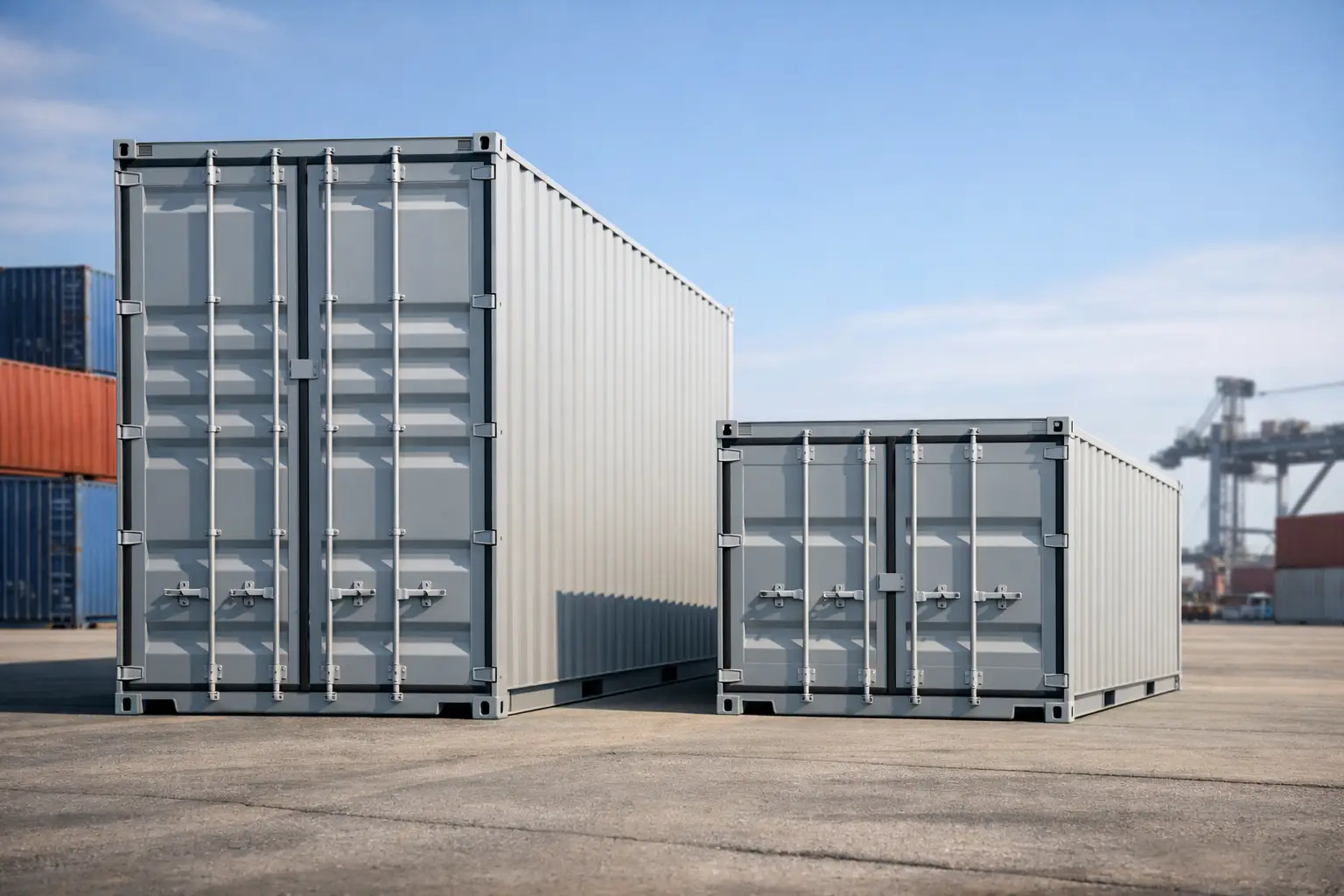
The main difference is height. A standard shipping container is typically 8 feet 6 inches tall on the exterior, while a high cube container is usually 9 feet 6 inches tall. That one-foot increase sounds minor until you account for interior clearance, flooring, insulation, lighting, shelving, or equipment.
In common 20-foot and 40-foot sizes, both container types are built to ISO standards and are designed for strength, stackability, and transport. They are generally made from Corten steel, which resists corrosion better than ordinary steel and holds up well in long-term outdoor use.
From a practical buying standpoint, footprint stays the same. A 40-foot standard and a 40-foot high cube take up roughly the same ground space. What changes is vertical volume. If your storage or buildout benefits from height, a high cube gives you more usable room without asking for a larger pad.
When a standard container makes more sense
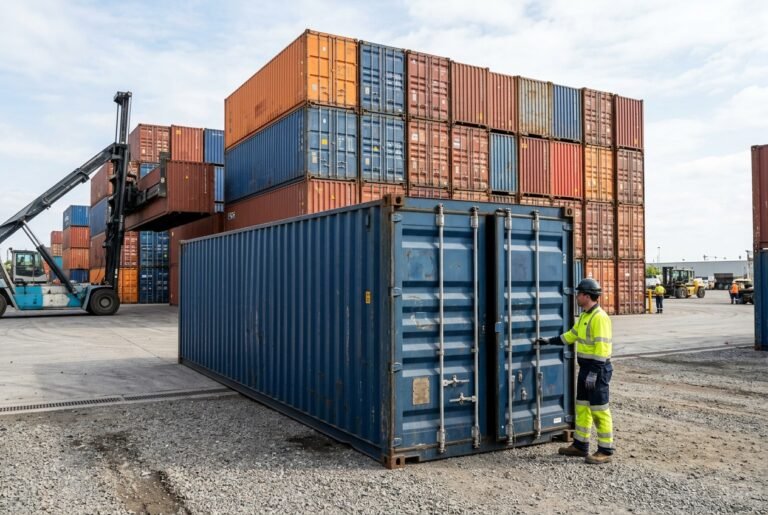
Standard containers remain a strong fit for straightforward storage. If you are storing palletized goods, tools, boxed inventory, seasonal materials, or equipment that does not need extra headroom, a standard unit often does the job without added expense.
This is especially true on job sites where the priority is secure, weather-resistant storage and quick placement. Contractors often care more about door function, floor condition, and structural integrity than about gaining extra height they may never use.
A standard container can also be the simpler delivery choice. The lower overall height may help on routes with tighter clearance concerns, tree cover, or site access limitations. Delivery planning is always site-specific, but taller equipment leaves less margin for overhead obstructions.
There is also the cost question. In many markets, high cube containers carry a premium over standard units, especially in one-trip condition. If the extra cubic capacity does not improve how you use the container, that premium may not return much value.
When a high cube container earns its keep
High cube containers make sense when vertical clearance has real operational value. That includes storing taller materials, adding racking systems, accommodating oversized equipment, or creating a more comfortable interior for people working inside the unit.
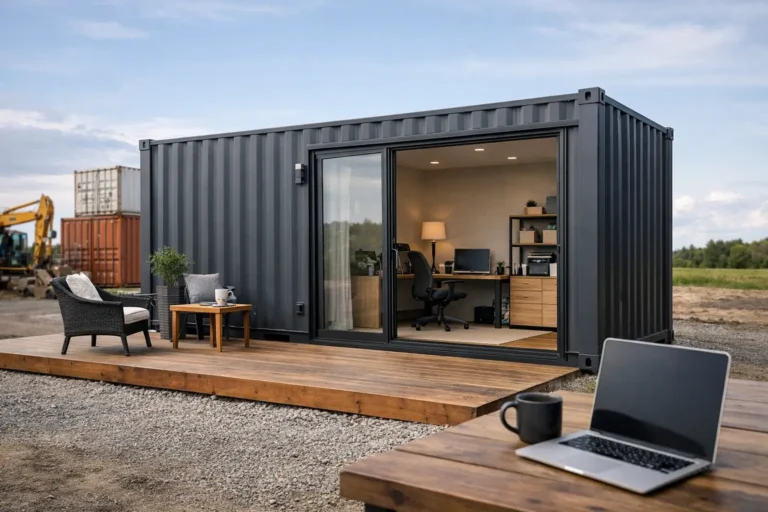
For container modifications, high cubes are often the better shell. If you are planning a workshop, mobile office, retail pop-up, or container home conversion, that extra foot can offset the space lost to insulation, framing, HVAC runs, and finished ceilings. A standard container can feel tight once those layers go in.
Agricultural operators also tend to see the value quickly. Tall feed pallets, bulky supplies, and certain machinery components are easier to load and organize when you are not fighting for headroom. The same applies to businesses using containers for inventory overflow, especially if shelving needs to run higher to maximize storage density.
In short, the added height matters when you need more than a locked steel box. It matters when you need a usable interior.
Size, volume, and loading trade-offs
The reason buyers compare high cube vs standard container options is usually volume. A high cube gives you more cubic feet without increasing length or width. On paper, that is efficient. In practice, it is only useful if your contents can take advantage of vertical space.
Heavy dense cargo is a good example. If your materials hit weight limits before filling the container by volume, extra height may not help much. Tools, metal parts, stone products, or compact machinery often fall into this category.
Lighter or bulkier cargo tells a different story. Furniture, fixtures, retail stock, packed agricultural goods, and renovation materials can benefit from the extra vertical room. Better stacking can mean fewer damaged items and easier access.
Loading method matters too. If forklifts, pallet jacks, or hand-loading crews are involved, interior height affects maneuverability. A container that feels adequate when empty can become frustrating once shelving, tie-downs, or work surfaces are installed.
Delivery and site planning are part of the decision
This is where many buyers get surprised. The container itself may fit your site, but the delivery path may not.
A high cube sits taller on the truck, and the truck already adds substantial height. Overhead utility lines, tree limbs, gate entrances, and uneven approaches can all become issues. That does not mean a high cube is difficult to deliver. It means the route and placement area need to be evaluated honestly.
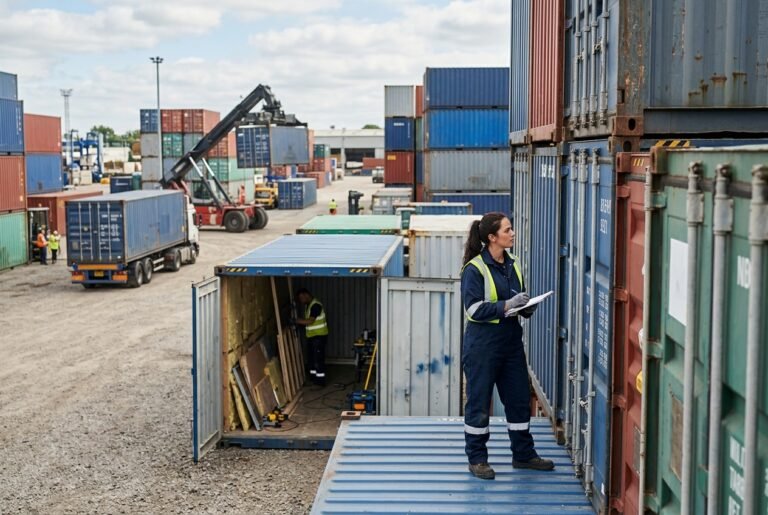
Ground conditions matter as well. Whether you are using a tilt-bed or another placement method, the site should be level, accessible, and stable enough to support the container over time. A poorly prepared site can affect door alignment, drainage, and long-term structural performance no matter which height you choose.
For customers who want zero surprises, this is one of the biggest reasons to work with a seller that asks detailed delivery questions upfront. The best container on the wrong site creates costs that were avoidable.
Condition, grade, and appearance still matter
Height is only one part of the purchase. Buyers should compare condition grades with the same level of care.
A used standard container in Cargo Worthy condition may be a better fit than a cheaper high cube with more wear than you expect. Likewise, a one-trip high cube may be the right move if appearance, door seal condition, and long service life are priorities for a retail build, office conversion, or residential property.
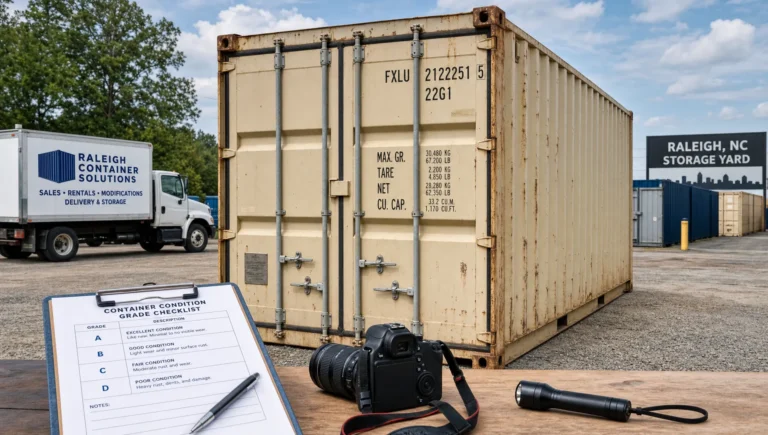
Wind & Watertight means the container is suitable for storage and keeps out weather, but it does not mean cosmetic perfection. Cargo Worthy generally indicates the unit is fit for international shipping use, though grading can vary by seller. That is why verified specifications and clear condition disclosures matter.
If you are comparing quotes, make sure you are comparing the same container grade, same delivery scope, and same size class. A lower price often reflects a different condition level, not a better deal.
Which buyers usually choose which option?
General contractors often choose standard containers for secure job-site storage unless they need tall shelving, interior office buildout, or oversized equipment access. It keeps the purchase practical and the delivery straightforward.
Agricultural buyers more often lean toward high cubes when the container will store bulk supplies, taller pallet loads, or mixed equipment. The extra headroom helps with organization and future flexibility.
Homeowners and rural property owners usually split based on use. If the goal is basic long-term storage, a standard unit is often enough. If the goal is a workshop, hobby space, or conversion shell, a high cube tends to feel less restrictive.
Retail and logistics users often prefer high cubes for inventory overflow or custom interiors because the added vertical space supports shelving, lighting, and a more functional working environment.
How to choose without overbuying
Start with the contents, not the container. Measure your tallest stored items, your preferred shelving layout, and any interior systems you plan to add later. Then consider the site and delivery path with the same seriousness you give the container specs.
If you need a pure storage box and want to manage cost, a standard container is often the cleaner answer. If you need flexibility, better interior comfort, or room for buildout, a high cube usually justifies the premium.
It also helps to think beyond day one. Buyers often underestimate how quickly storage needs change. A container that is merely adequate now may feel undersized after one season, one project expansion, or one equipment upgrade. On the other hand, paying extra for unused volume is not efficient either.
A good supplier should help you sort through those trade-offs plainly – no fine print, no vague grading language, and no guessing on delivery constraints.
If you are still deciding between the two, the best next step is simple: match the container to the way you will actually use it six months from now, not just the way you need it this week.