Storage Container Prices in 2026: What Impacts Your Quote
Storage container prices can feel inconsistent in 2026. One quote looks “too high,” another looks “too good,” and the difference often comes down to details that are easy to miss, like container grade, delivery method, or how prepared your site is.
At Lease Lane Containers LLC (based in Raleigh, North Carolina), we see the same pattern across the Southeast and nationwide delivery requests: the fastest way to get a fair, apples-to-apples price is to understand what’s actually being quoted. This guide breaks down the real factors that impact your storage container quote, so you can budget correctly and avoid surprise fees.
First, define what you are buying (and why that changes price)
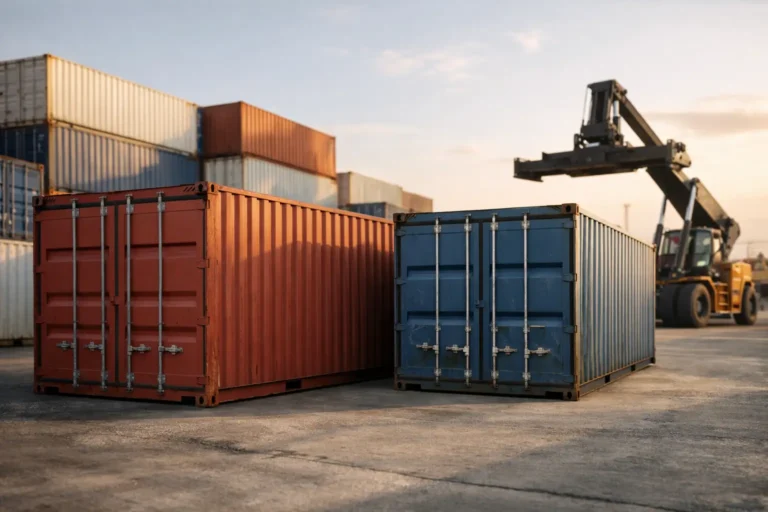
Most “storage containers” used for job sites, farms, and business overflow are ISO intermodal shipping containers. They are built to ISO standards for handling, stacking, and transport, typically using Corten steel (weathering steel designed to resist corrosion better than ordinary carbon steel).
But not every container in the market is equivalent. When you request quotes, you will typically choose across:
- Size: most commonly 20ft or 40ft
- Height: Standard vs. High Cube (9'6" tall)
- Type: Dry storage vs. refrigerated (reefer)
- Grade/condition: One-Trip vs. Cargo Worthy vs. Wind & Watertight
Those last two points, type and grade, are where “storage container prices” vary the most.
Quick grade definitions (the pricing foundation)
If you remember nothing else, remember this: container grade is not just cosmetic, it changes lifecycle cost and suitability.
- One-Trip: A near-new container that has made one loaded trip from the factory, typically the best option for long-term ownership, customer-facing projects, or modifications. (More on One-Trip basics here: What Is a One Trip Container?)
- Cargo Worthy (CW): Structurally sound and suitable for intermodal transport, often tied to having a valid CSC plate for shipment requirements. Great for export, frequent moving, or higher structural assurance. (Deep dive: What Is a Cargo Worthy Container?)
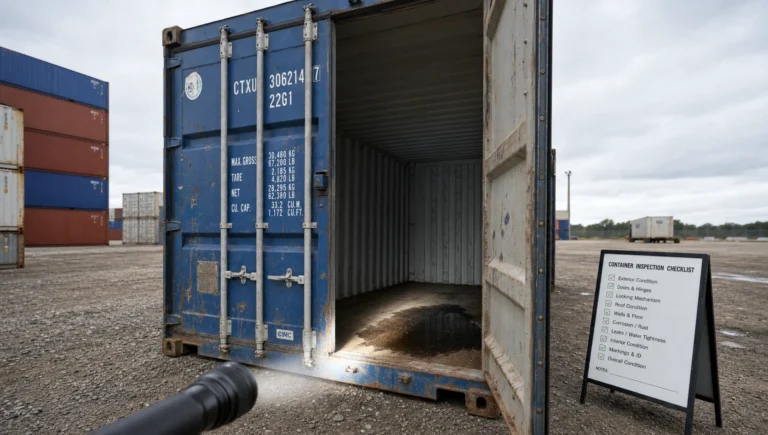
- Wind & Watertight (WWT): Weatherproof for stationary storage, typically with more cosmetic wear than One-Trip. Ideal for farms, construction storage, and homeowners who want function over appearance.
If you want the most detailed breakdown between CW and WWT specifically, see: Cargo Worthy vs. Wind and Watertight Containers.
What impacts storage container prices in 2026 (the quote drivers)
In a typical quote, the container itself is only one part of the total cost. Here are the biggest variables that change pricing in 2026.
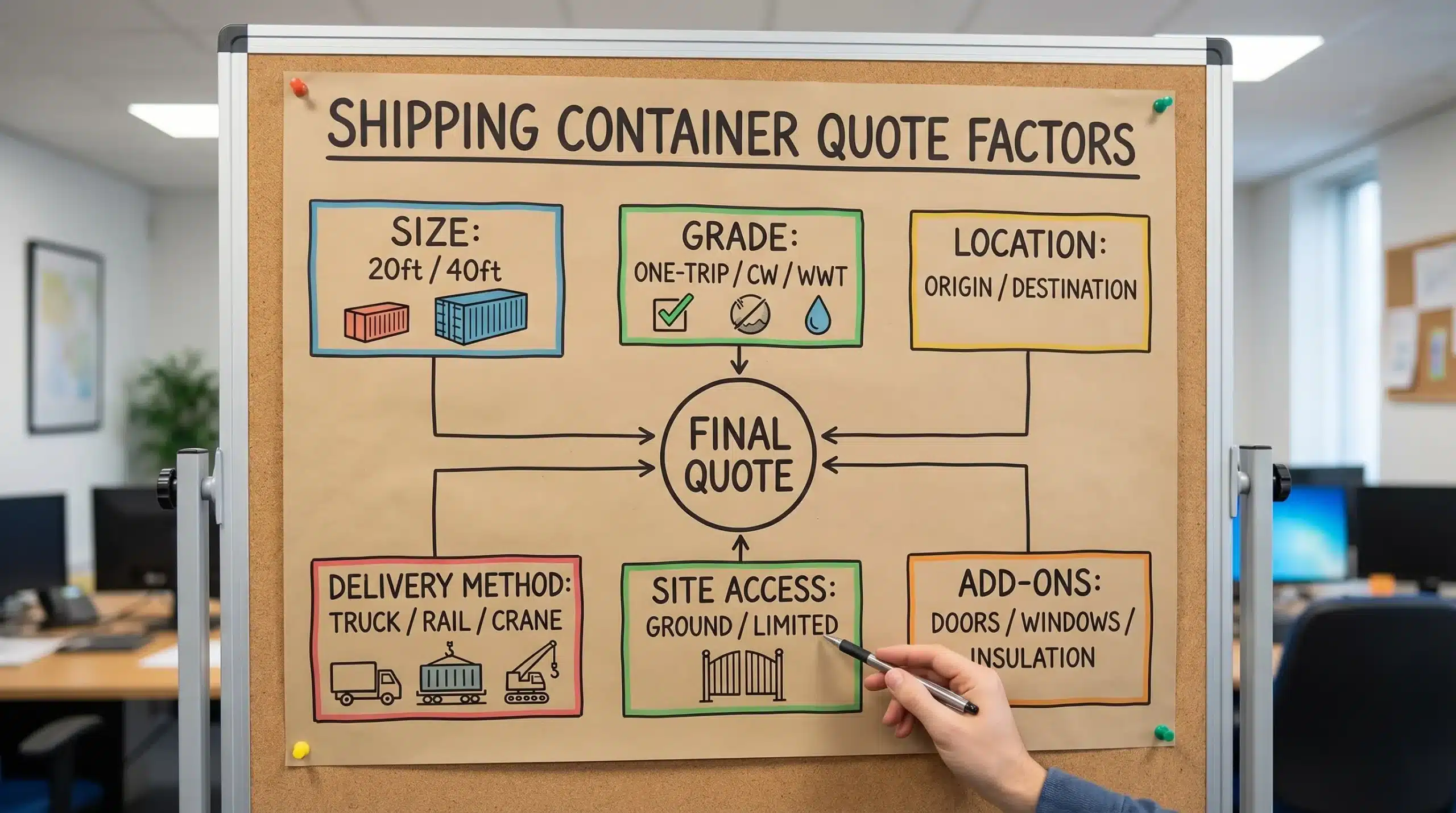
1) Size and configuration (20ft vs 40ft vs High Cube)
Bigger is not just “more expensive,” it is more complex to source and deliver.
- 20ft containers: Often easier to place on tight residential properties or constrained job sites. Learn more pricing specifics here: 20ft Shipping Container Price: What to Expect.
- 40ft containers: Usually deliver a better cost per square foot, but require more turning radius and a longer, cleaner drop zone. See: What Is the Cost of a 40ft Shipping Container?.
- High Cube: A High Cube adds height (and usability), which is valuable for racking, workshop conversions, and many builds. It can also increase delivery constraints because of overhead clearance requirements. If you are evaluating height, start with: Shipping Containers Dimensions: 20ft vs 40ft vs High Cube.
Why it changes your quote: availability and transport constraints vary by size and height, especially when you are farther inland from ports and depots.
2) Grade/condition (One-Trip vs Cargo Worthy vs WWT)
This is often the biggest “why are these quotes so different?” factor.
- A One-Trip unit usually costs more upfront because you are paying for less wear, cleaner interiors, fewer repairs, and a longer expected service life.
- A Cargo Worthy unit often carries a premium over WWT because it is evaluated for structural integrity in a way that supports shipping and stacking requirements.
- A WWT unit is frequently the best value for stationary storage, but WWT is not “brand new,” and cosmetic dents, surface rust, and prior repairs are normal.
Why it changes your quote: you are not just buying steel, you are buying remaining useful life, structural assurance, and the probability of needing repairs.
If you are shopping specifically for used units, this guide helps you compare grades correctly: Used Shipping Container Grades Explained.
3) Container type (dry vs refrigerated reefer)
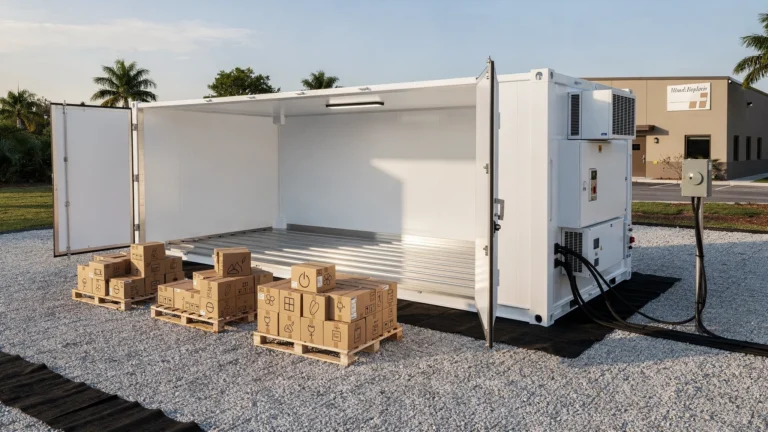
A refrigerated container (reefer) is a specialty unit with insulation and a refrigeration system. Even if you plan to use it as storage, a reefer’s components, power requirements, and testing expectations affect price.
If cold storage is part of your plan, start here: Best Refrigerated Shipping Container Guide.
Why it changes your quote: reefers are more expensive to acquire, maintain, and verify, and they often require specific delivery and electrical planning.
4) Where the container is coming from (and where it is going)
Lease Lane Containers is headquartered in Raleigh, NC, and we regularly coordinate deliveries across North Carolina and the Southeast, plus nationwide.
Pricing can shift based on:
- Distance to the nearest depot or supply lane
- Whether inventory is tight in your region
- Lane costs for trucking (which can swing with fuel and capacity)
Local example: Raleigh buyers often see pricing influenced by regional flows tied to Southeast ports and inland depots. Even when the container price looks similar, inland delivery can vary widely based on distance and access.
5) Delivery method and offloading requirements
The delivery line item is where many “cheap container” deals become expensive.
Common delivery methods include:
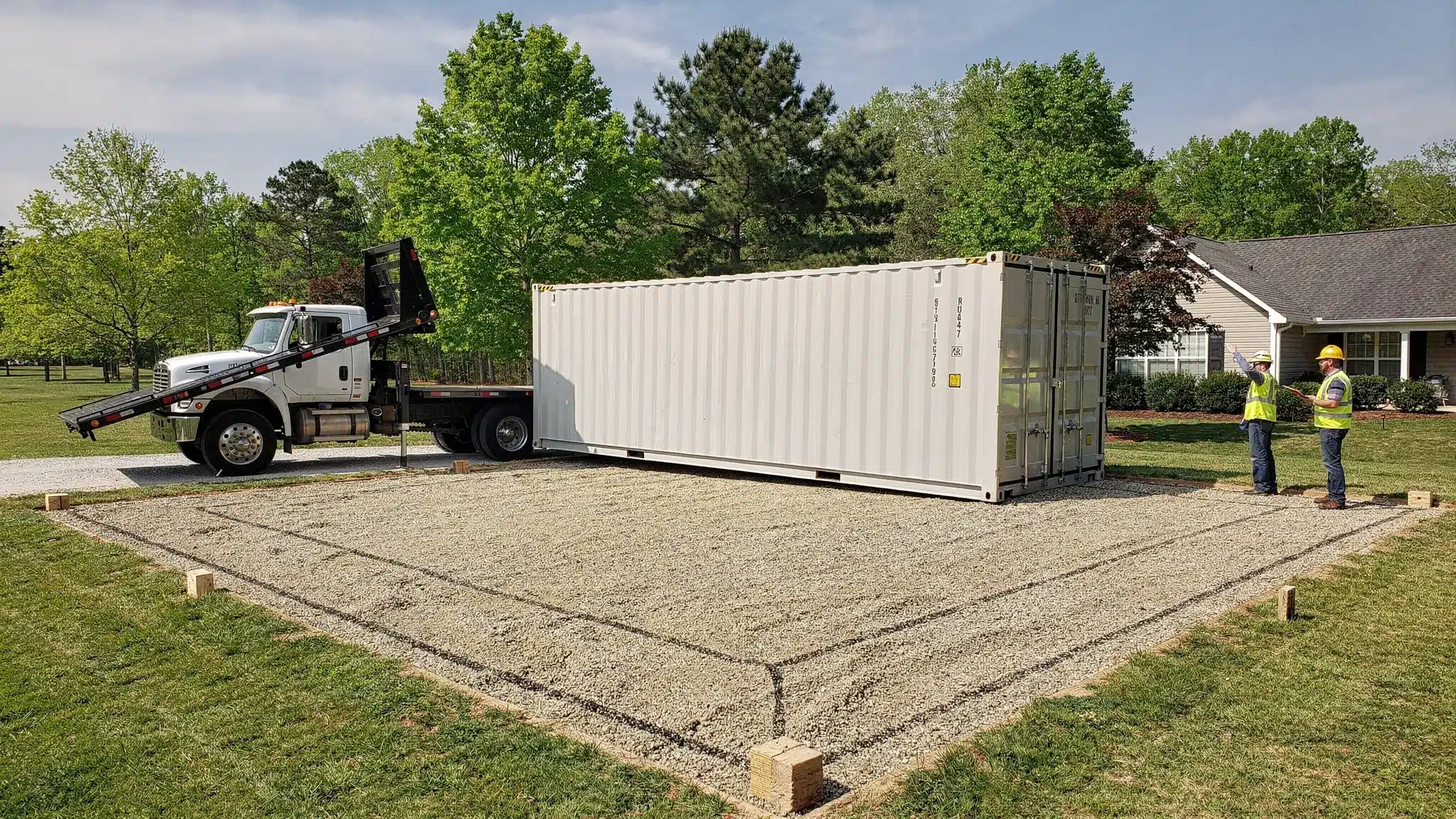
- Tilt-bed (rollback) delivery: Often used for residential and job sites, but requires enough straight clearance to slide the container off.
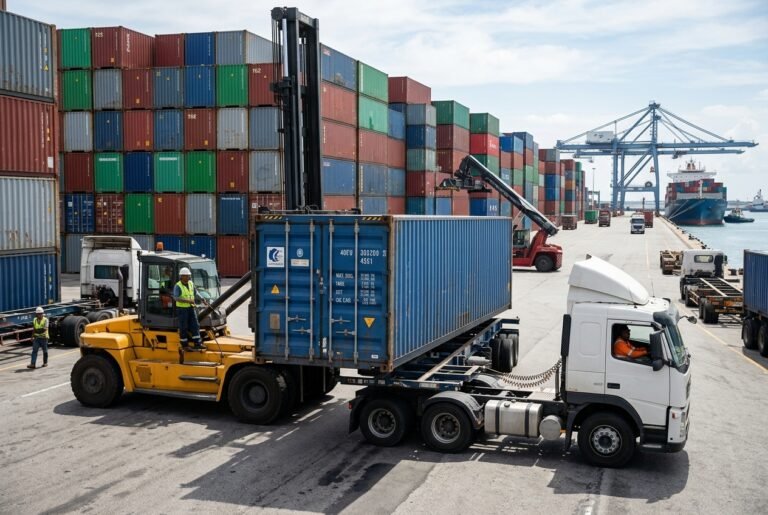
- Flatbed/chassis delivery: May require customer-provided offload (forklift, crane) depending on the situation.
- Crane delivery: Used when access is tight or precise placement is needed, but can add significant cost.
To understand what your site must support, see: Shipping Container Delivery Requirements.
Why it changes your quote: equipment, labor time on site, and the risk of a failed delivery are real cost drivers.
6) Site access and ground conditions (this affects cost more than people expect)
Two customers can buy the same 40ft WWT container at similar pricing, but have very different totals because:
- One site has a wide entrance, firm ground, and clear overhead
- The other site has soft shoulders, a slope, tight turns, or low branches and power lines
This is especially common around the Triangle region (Raleigh, Durham, Chapel Hill) where properties may have mature tree canopies, narrow driveways, or HOA constraints.
Why it changes your quote: difficult access can require different equipment, additional labor, or a different delivery plan.
7) Add-ons, refurbishment, and modifications
A quote can change if you want:
- Lockboxes, additional vents, or upgraded door hardware
- Fresh paint (and whether it is cosmetic only or includes rust prep)
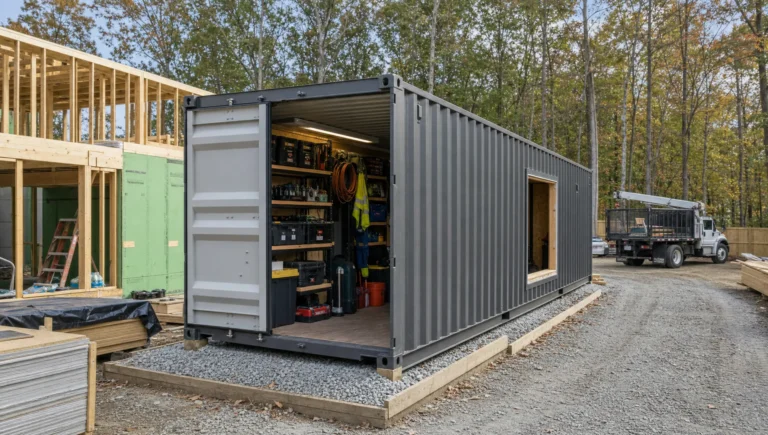
- Shelving, lighting, electrical packages, or roll-up doors
If you are planning a conversion, it is often worth starting with a higher grade (One-Trip or strong Cargo Worthy) because cutouts and modifications are easier when the base container is straighter and cleaner.
Why it changes your quote: modifications are labor and materials intensive, and some add-ons require additional planning for delivery and placement.
A practical way to read your quote (what line items to expect)
Use this table to pressure-test whether you are comparing the same thing across suppliers.
| Quote item | What it usually includes | What to verify before you approve |
|---|---|---|
| Container base price | Container size, type (dry/reefer), grade (One-Trip/CW/WWT) | Exact grade definition, photos of the actual unit (or representative units), floor condition, door operation |
| Delivery/transport | Trucking to site and standard placement method | Delivery method (tilt-bed, chassis, crane), delivery window, what counts as “standard” placement |
| Site complexity fees (possible) | Extra labor time, special equipment, difficult access | Gate width, turning radius, slope, overhead clearance, soft ground risk |
| Redelivery/failed delivery (possible) | Applies if truck cannot place container | What triggers a failed delivery fee and what you can do to prevent it |
| Taxes/fees | Local tax rules and any processing fees | Whether tax is included in the quote or added later |
| Modifications/add-ons | Lockbox, vents, paint, doors, electrical, etc. | Scope of work, lead time, warranty terms (if any) |
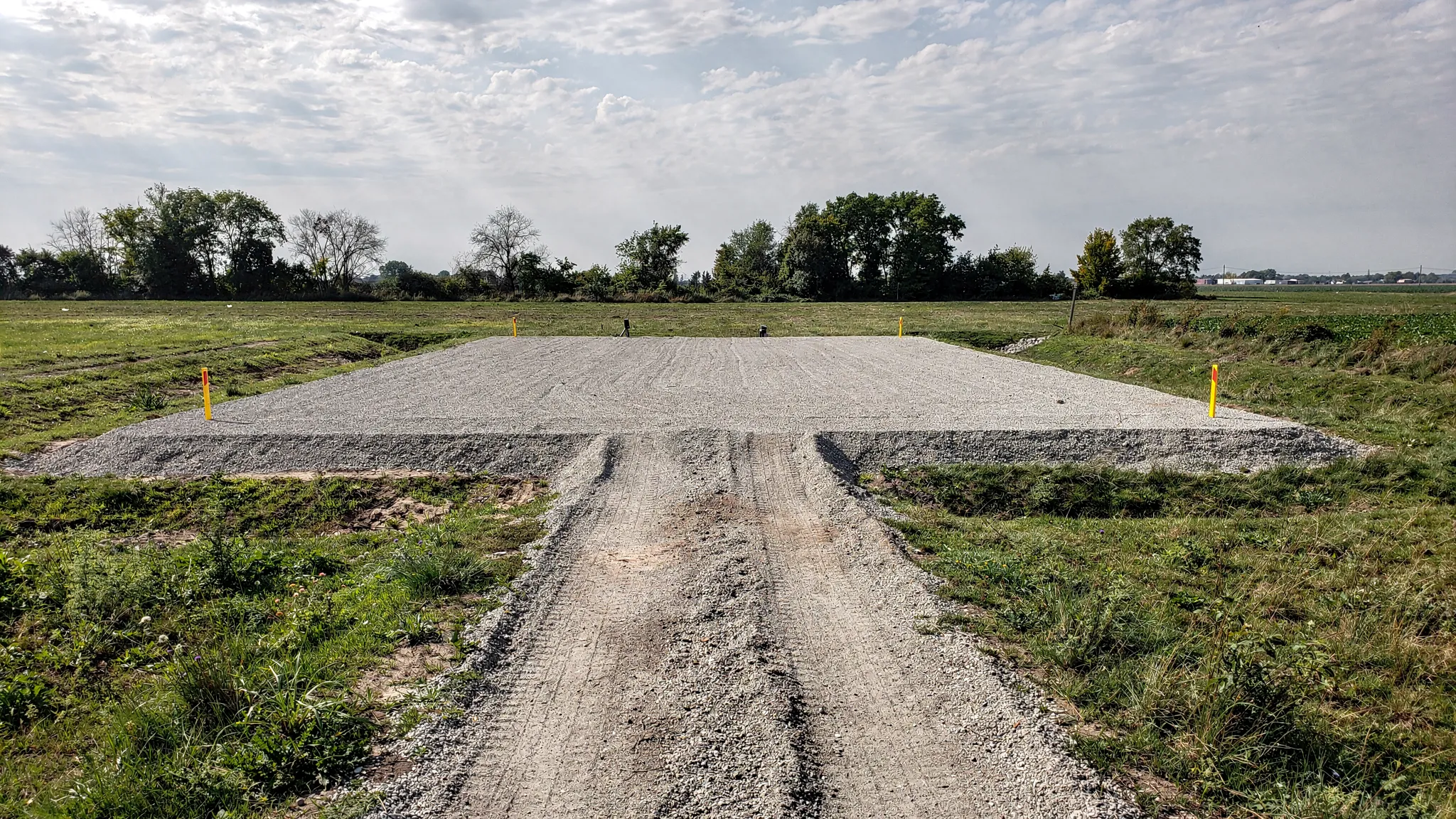
Pro-Tip: Prepare the site first, not after you buy
If you want the most accurate quote and the fewest delivery surprises, treat site prep as part of the purchase.
Here is the simplest “pro” approach we recommend across Raleigh, Wake County, and the broader Southeast climate:
- Build a compacted gravel pad (or use properly supported piers/blocks) so the container stays level and drains well.
- Level matters: twisted frames cause door binding, and that can turn into a service call or a “container problem” that is actually a foundation problem.
- Plan drainage: standing water under a container accelerates corrosion, even with Corten steel.
- Check permits and HOA rules early: rules vary by jurisdiction and neighborhood.
For a step-by-step walkthrough, see: 5 Steps for Proper Shipping Container Ground Preparation.
How to get a fast, accurate quote (and avoid surprises)
When you request pricing, the more specific you are, the more accurate your quote will be. At minimum, be ready with:
- Delivery ZIP code and whether the site is residential, commercial, or active construction
- Container size preference (start here if you are unsure: How to Choose Shipping Container Size)
- Grade target (One-Trip vs Cargo Worthy vs WWT)
- Any must-have requirements (lockbox, color, shelves, vents, etc.)
- A quick description of site access (tight driveway, overhead lines, soft ground, slope)
If you already have photos of the entrance and the drop zone, that can dramatically reduce back-and-forth and help prevent failed delivery situations.
How to compare storage container prices the right way
If you are reviewing multiple offers, do not compare “20ft container price” vs “20ft container price.” Compare these instead:
Match the grade definitions exactly
A WWT container from one seller may be closer to “as-is but doesn’t leak,” while another seller’s WWT might be cleaner and straighter. Ask what standards and checks support the grade.
If you want a structured inspection approach, reference: How to Spot Quality Containers Before You Buy.
Match the delivery assumptions
Two quotes can differ by hundreds (or more) simply because one includes placement and the other assumes you will unload.
For planning and measurement guidance, use: How Much Room Do You Need to Deliver a Container?.
Ask for transparency on “too good to be true” pricing
The lowest quote is not always the lowest total cost. Common risk areas include vague grade language, missing delivery details, and a lack of clear policies on redelivery or site access constraints.
If you are buying locally in the Triangle, this checklist can help vet the seller: How to Vet a Shipping Container Company in Raleigh, NC.
Frequently Asked Questions
Why do storage container prices vary so much in 2026? Prices vary mainly due to container grade (One-Trip vs Cargo Worthy vs WWT), size (20ft vs 40ft, Standard vs High Cube), regional availability, and delivery complexity (access, offload method, distance).
Is Wind & Watertight (WWT) good enough for long-term storage in North Carolina? Often, yes. WWT is commonly the best value for stationary storage in Raleigh and across the Southeast, provided the roof, door seals, and floor are solid and the site is well-drained and level.
When should I pay more for a Cargo Worthy container instead of WWT? Choose Cargo Worthy when you need structural assurance for transport, export, stacking, or a more demanding use case where certification and frame integrity are critical.
Does a High Cube cost more than a standard container? Typically yes, because High Cubes are in high demand and provide more usable interior volume. They can also require more overhead clearance planning during delivery.
What is the biggest “hidden cost” when buying a storage container? Delivery and site preparation. Access constraints (tight turns, soft ground, overhead obstacles) can force a different delivery method or cause redelivery fees if not planned correctly.
Get a clear 2026 quote from a Raleigh-based team
If you want accurate storage container prices without guesswork, our team at Lease Lane Containers LLC can help you choose the right grade (One-Trip vs Cargo Worthy vs WWT), confirm the right size, and plan a clean delivery.
Email us at sales@leaselanecontainers.com to request a quote, or visit our Raleigh, North Carolina office to talk through your project and delivery plan.