How to Buy Used Container the Right Way
A used shipping container can solve a storage problem fast – but only if you buy the right unit for the job. If you’re researching how to buy used container options for a job site, farm, retail overflow, or residential property, the real work starts before you compare prices. Grade, condition, delivery method, and site access all affect what you should buy and what you will actually pay.
The most common mistake is shopping by price alone. A container that looks like a bargain online may arrive with more exterior wear than expected, limited door function, or delivery requirements that were never explained upfront. A better approach is to match the container’s condition and specifications to your use case, then verify the delivery plan before you commit.
How to buy used container units without surprises
Start with the purpose. A contractor storing power tools and copper wire needs something different from a homeowner building a workshop, and both differ from a retailer setting up overflow inventory storage. Before you ask for a quote, define three things clearly: what you are storing, how long you plan to use the container, and whether appearance matters.
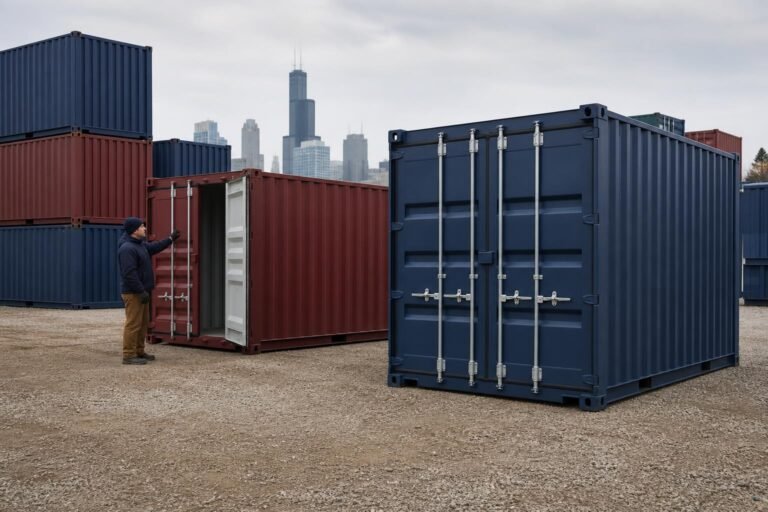
If the container is strictly for secure storage, a standard used Wind & Watertight unit may be the right fit. Wind & Watertight, often shortened to WWT, means the container is structurally sound enough to keep out normal wind and rain, though it will usually show visible wear, patches, dents, and surface rust from prior service. For many construction and agricultural buyers, that cosmetic wear is acceptable if the floor, doors, and frame are solid.
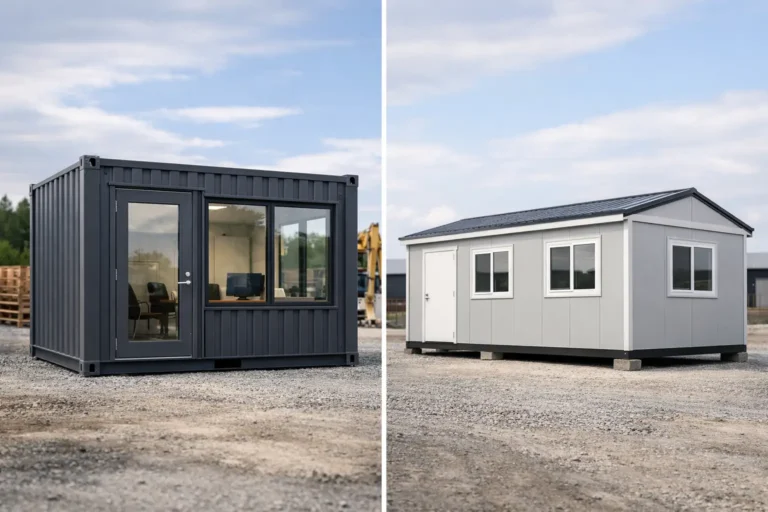
If you need a container for international shipping, not just storage, ask for Cargo Worthy condition. That grade generally indicates the unit meets a higher standard for structural integrity and may be suitable for transport, subject to current inspection requirements. If appearance matters – for a retail site, office conversion, or residential project – a refurbished or one-trip unit may deliver better value than a heavily worn used box that needs cleanup and paint.
The point is simple: the right container is not always the cheapest one on the quote sheet. It is the one that fits the job without creating repair, access, or delivery problems later.
Know the size before you ask for pricing
Most buyers start with either a 20-foot or 40-foot container. A 20-foot unit is easier to place on tighter sites and is often enough for tools, seasonal inventory, or personal storage. A 40-foot unit gives you significantly more room for pallets, equipment, and long-term overflow, but it requires more delivery space and a better-planned site.
Height matters too. A standard-height container works well for most storage needs, but a high-cube container adds about one extra foot of interior height. That can make a real difference if you are storing tall equipment, planning shelving, or converting the unit into a workspace.
Specialty units are available for specific applications. Reefer containers are insulated and mechanically cooled, though buyers should verify whether the refrigeration system is operational and what power requirements apply. Open-top containers help with oversized loading, and tunnel containers provide doors at both ends for better access. These options can solve real operational issues, but they should be chosen for a defined reason, not just because they are available.
What to inspect when buying a used container
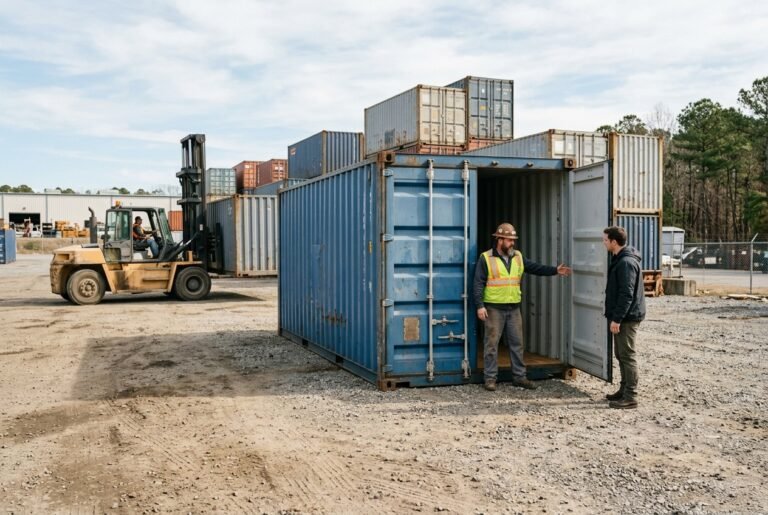
A used container does not need to look perfect, but it does need to perform. Ask for recent photos of the actual unit whenever possible, not just stock images. Exterior dents are common and often harmless. What matters more is whether the corner posts, roof, side panels, and door frame remain structurally sound.
Pay close attention to the doors. They should open and close fully, and the locking bars should operate without excessive force. Hard-to-open doors can point to frame distortion or poor placement conditions. Also inspect the flooring. Most used containers have marine-grade plywood floors over steel cross-members. You want a floor that feels solid, without major delamination, soft spots, or contamination concerns.
Surface rust is normal on used steel equipment, especially around weld points and lower rails. Deep corrosion that affects structural areas is a different issue. Ask the seller to explain the difference between cosmetic rust and structural rust, and make sure the grading reflects that condition honestly.
Odor can matter more than first-time buyers expect. If the container will be used for furniture, paper goods, apparel, or a workshop, ask what it previously carried and whether it has been cleaned or refurbished. A low price does not help if the unit is unsuitable for your materials.
Pricing is more than the container cost
When buyers ask how to buy used container inventory at the best price, the answer is usually this: compare total delivered cost, not just base unit price. Container pricing changes by market, size, grade, and local availability. A 40-foot WWT unit in one region may cost more than a similar unit elsewhere simply because depot supply and trucking conditions are different.
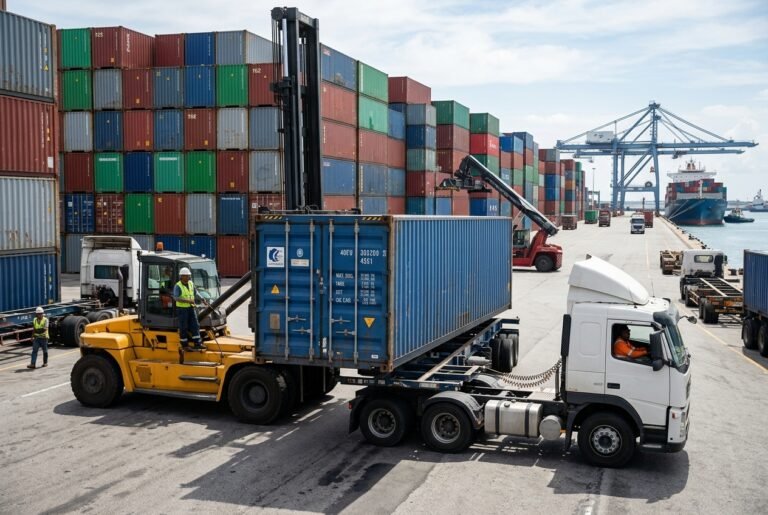
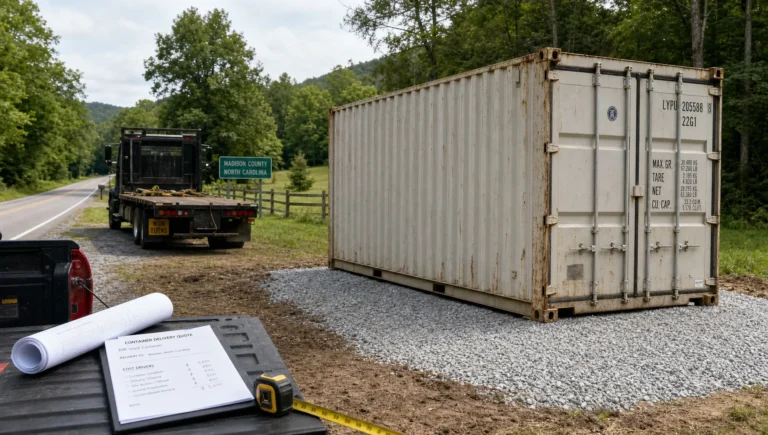
Delivery is often where confusion starts. Ask whether the quoted price includes transport, fuel, dispatch, and the actual unloading method. Tilt-bed delivery is common for many residential and light commercial placements because the trailer tilts and slides the container into position. Ground-level delivery can be useful when site conditions allow. In tighter or more complex locations, additional equipment or a different delivery setup may be required.
Clear pricing should also address taxes, any redelivery charges if the site is not ready, and whether there are wait-time fees if the truck is held on site. This is where experienced container sellers add real value. They should be able to explain the full delivery scope in plain terms before you place the order.
Site prep can make or break the purchase
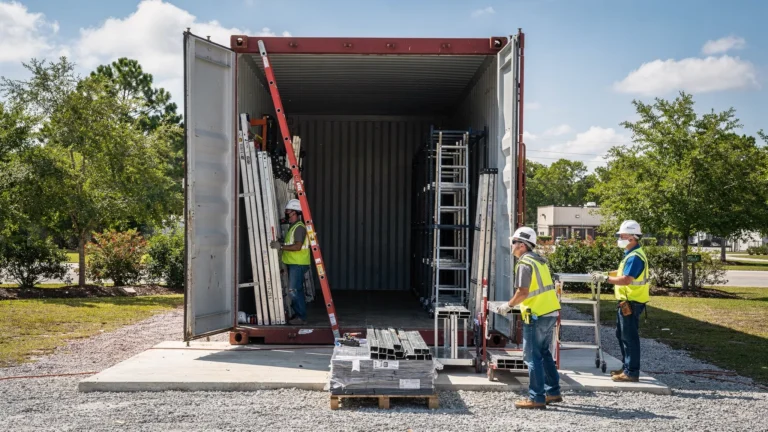
A structurally sound container still needs a proper landing area. The site should be level, stable, and accessible for both the truck and the container footprint. Common foundation choices include gravel pads, railroad ties, concrete piers, or a full concrete slab, depending on the use and local conditions.
For simple storage, many buyers use compacted gravel with support points under the corners. For office conversions, workshops, or long-term installations, more formal support may make sense. The key is to keep the container level enough for door operation and elevated enough to support drainage.
Access is just as important as the pad. A delivery truck needs room to enter, maneuver, and unload safely. Low branches, soft ground, narrow gates, overhead wires, and sharp turns are common reasons deliveries get delayed. If your site is in a dense neighborhood, a rural field entrance, or an active commercial yard, discuss that early. Good sellers will ask for photos and dimensions because they are trying to prevent failed delivery, not complicate the sale.
Choose a seller who explains grading clearly
Not every container seller uses grading terms the same way, and that creates avoidable risk. Ask the seller how they define Wind & Watertight, Cargo Worthy, refurbished, and one-trip. Then ask what level of dents, rust, patches, and floor wear is typical within each grade.
A dependable supplier should be comfortable discussing Corten steel construction, ISO dimensions, age-related wear, and expected cosmetic condition without hiding behind vague language. They should also be direct about what they cannot guarantee. Used equipment varies. Honest sellers explain the range you should expect rather than promising an unrealistic “like new” result.
This is especially important if appearance matters. A homeowner may accept a few dents but not large company logos, mismatched paint, or heavy patchwork. A contractor may care very little about cosmetic condition but care deeply about door reliability and theft resistance. The quote should reflect those priorities.
Questions worth asking before you buy
Before placing the order, ask what exact size and grade you are getting, whether photos are of the actual unit, what delivery method is included, and what site conditions are required. Confirm lead time, payment terms, and what happens if the truck arrives and cannot complete the drop.
If you are planning a modification later, mention it now. Adding doors, vents, shelving, insulation, or electrical work can influence which container is the best starting point. A container with a straighter frame and cleaner interior may cost more upfront but save money if you are turning it into a mobile office, workshop, or modular build shell.
For buyers in North Carolina and across the Southeast, where weather and site conditions can vary widely, this level of planning is not overkill. It is how you avoid wasted time, extra trucking costs, and a unit that does not match the job.
Buying used container equipment should feel straightforward. If the seller is transparent about grade, verified specifications, delivery logistics, and total price, you are much more likely to end up with a container that works hard from day one – without fine print, guesswork, or expensive surprises later.