How to Compare Cargo Containers for Sale
Cargo containers for sale can look nearly identical in photos, but two units with the same length can differ significantly in structural condition, certification, delivery cost, usable life, and long-term value. That is why the best comparison is not simply 20ft versus 40ft or cheapest versus most expensive. It is a practical match between the container, your site, and your intended use.
For buyers in Raleigh, across North Carolina, and throughout the Southeast, that comparison is especially important. Humidity, clay soils, stormwater, jobsite access, and local zoning can all affect which container is the better purchase. A clean one-trip High Cube may be ideal for a retail conversion, while a properly inspected Wind and Watertight unit may be the smarter choice for tool storage on a construction site.
This guide gives you a clear framework for comparing cargo containers before you buy, whether you need secure storage, a modular shell, a refrigerated unit, or an export-ready container.
What Matters Most When Comparing Cargo Containers for Sale
A fair comparison starts with the job the container needs to do. A logistics manager preparing cargo for ocean transport is not shopping by the same criteria as a homeowner storing equipment behind a barn. A general contractor may prioritize fast delivery and lockable jobsite storage, while a small business owner may care more about curb appeal and modification potential.
Before comparing quotes, define these four points:
- Use case: Storage, export shipping, workshop, mobile office, retail pop-up, farm storage, cold storage, or modular construction.
- Required condition: One-Trip, Cargo Worthy, Wind and Watertight, refurbished, or As-Is.
- Site constraints: Space, truck access, surface stability, drainage, door swing, and local permit requirements.
- Total delivered cost: Container price, delivery, unloading method, taxes, prep work, and any modifications.
If a seller cannot clearly identify size, grade, condition, delivery method, and what is included in the quote, you are not comparing cargo containers accurately. You are comparing incomplete offers.
Compare the Right Container Size First
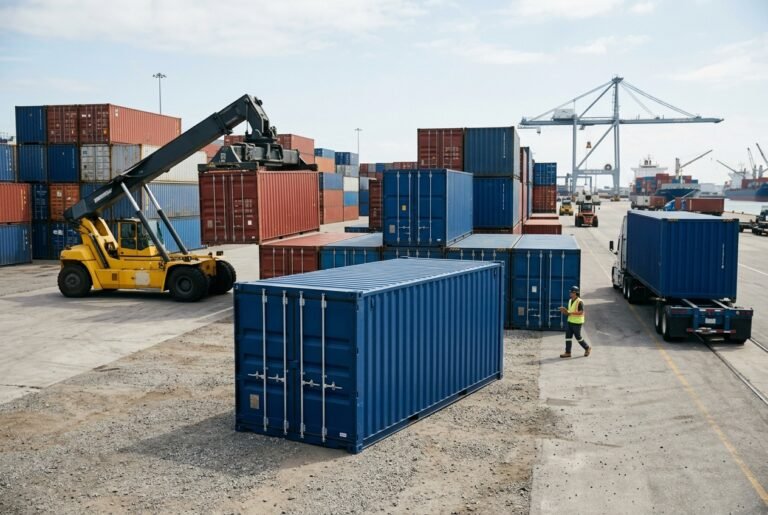
Most buyers start with size, and that is the right first step. Standard ISO cargo containers are built around international freight dimensions, which is why 20ft and 40ft units are the most common. These containers use Corten Steel, corner castings, crossmembers, and door assemblies designed around intermodal transport standards.
For many Raleigh contractors and homeowners, 20ft containers are easier to place on tighter lots and residential driveways. For businesses, farms, and developers needing more cubic capacity, 40ft containers often provide better cost per square foot, as long as the site can handle delivery.
| Container type | Typical exterior size | Best for | Key comparison point |
|---|---|---|---|
| 20ft standard | 20 ft x 8 ft x 8 ft 6 in | Residential storage, contractors, small inventory, farms | Easier placement and maneuvering |
| 40ft standard | 40 ft x 8 ft x 8 ft 6 in | Bulk storage, construction materials, commercial inventory | More capacity, needs more delivery room |
| 40ft High Cube | 40 ft x 8 ft x 9 ft 6 in | Workshops, offices, racking, equipment, conversions | Extra interior height improves usability |
| Refrigerated container | Commonly 20ft or 40ft | Food, flowers, pharmaceuticals, temperature-sensitive goods | Requires power, tested refrigeration performance, and airflow planning |
A High Cube container deserves special attention if you plan to add insulation, lighting, shelving, HVAC, or interior framing. The extra foot of exterior height can make the interior feel much more usable after modifications.
For pure ground-level storage, standard height may be enough. For an office, workshop, retail unit, or equipment storage with tall shelving, High Cube often compares better even if the upfront price is higher.
Compare Container Grades, Not Just Paint
Container grade is one of the most important comparison points. Fresh paint can hide surface rust, dents, or patchwork, but it does not guarantee structural integrity. A good seller should explain the grade clearly and show how that grade matches the unit's intended use.
The most common grades are One-Trip, Cargo Worthy, and Wind and Watertight. You may also see As-Is containers, but those require extra caution because condition can vary widely.
| Grade | What it usually means | Best use cases | What to verify |
|---|---|---|---|
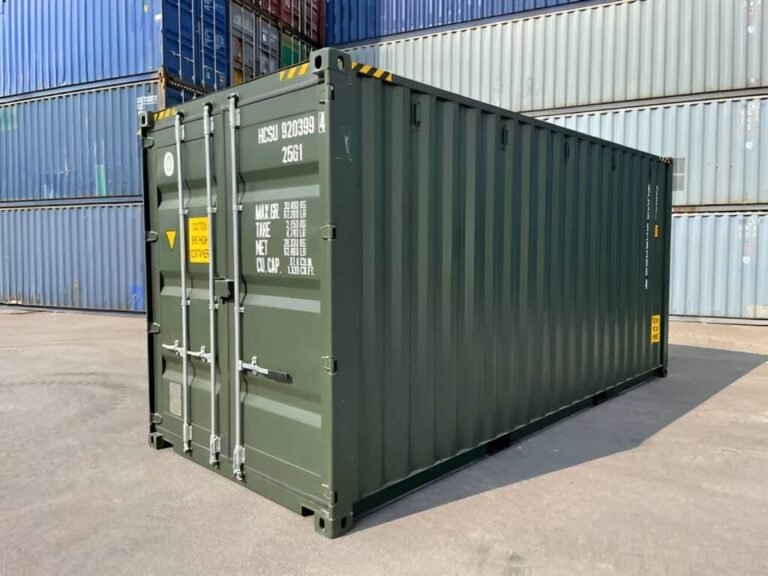
| One-Trip | Nearly new container that has typically made one loaded ocean trip from the factory | Premium storage, offices, retail conversions, modular builds, long-term property use | Factory paint, clean doors, strong floor, minimal dents, container number |
| Cargo Worthy | Used container that is structurally suitable for cargo transport when properly inspected | Export, domestic freight, stacking, high-value storage, logistics | CSC plate status, survey documentation when needed, frame and corner castings |
| Wind and Watertight | Used container that keeps out wind and rain but is not necessarily certified for shipping | Stationary storage, jobsite tools, farm equipment, household storage | Door seals, roof, floor, light test, corrosion level |
| As-Is | No reliable condition guarantee | Low-risk storage or repair projects only | Full inspection, repair budget, leak risk, floor safety |
A One-Trip container is usually the closest option to new in the resale market. It should have minimal wear, clean flooring, strong door gaskets, and fewer cosmetic issues. It is often the preferred choice for visible commercial sites, offices, container cabins, and modifications where starting with a cleaner shell saves labor later.
A Cargo Worthy container is a used unit that has enough structural integrity for transport. If you need to ship internationally, certification and documentation matter. The International Maritime Organization's International Convention for Safe Containers helps define safety requirements for containers used in international transport. For export, do not assume Wind and Watertight is enough.
A Wind and Watertight container is often the best value for stationary storage. It may have dents, older paint, repairs, or surface rust, but the doors should close, the roof should shed water, and the interior should stay dry under normal conditions. For many contractors and property owners in the Southeast, WWT is the practical budget choice.
For a deeper look at how used grades are evaluated, compare used containers by structural condition, seals, floors, and documentation before you commit.
Look Past the Sticker Price
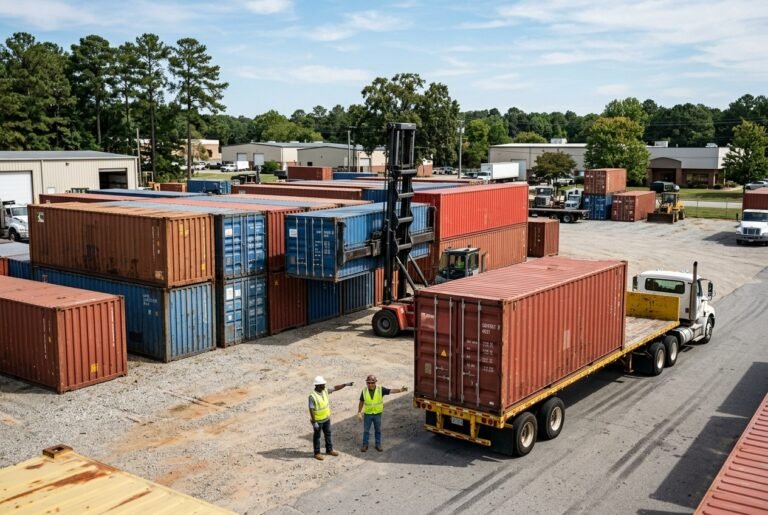
The lowest advertised price is not always the lowest total cost. Delivery distance, unloading method, grade accuracy, site access, and prep work can change the real number quickly. A cheap container sitting several states away may cost more delivered than a better-matched container available through a Raleigh or Southeast regional supplier.
When comparing quotes, ask each seller to break out the same cost categories. That makes it easier to see whether the difference is real value or missing details.
| Quote item | Why it matters | Buyer question to ask |
|---|---|---|
| Container size and type | 20ft, 40ft, High Cube, reefer, and specialty units price differently | Is this the exact size and configuration I requested? |
| Grade and condition | One-Trip, Cargo Worthy, and WWT are not interchangeable | What grade is the unit, and how was that determined? |
| Delivery location | Distance from depot affects freight cost | Is delivery included to my ZIP code or quoted separately? |
| Delivery method | Tilt-bed, flatbed, crane, or chassis delivery can affect price and access | What equipment will be used to place the container? |
| Taxes and fees | Some quotes omit items until checkout | Is this the total delivered price? |
| Modifications | Vents, lockboxes, doors, windows, and electrical work add cost | Are modifications included or separate? |
| Site requirements | Poor access can cause delays or failed delivery | What clearance and ground prep do I need? |
For a broader view of delivered pricing, Lease Lane's container shipping prices breakdown explains how container cost, transport, and placement combine into the final purchase.
Inspect the Structure Like a Buyer, Not a Browser
Photos are helpful, but they are not a substitute for a condition explanation. A cargo container is a structural steel product, and the areas that matter most are often not the areas that look best in a listing photo.
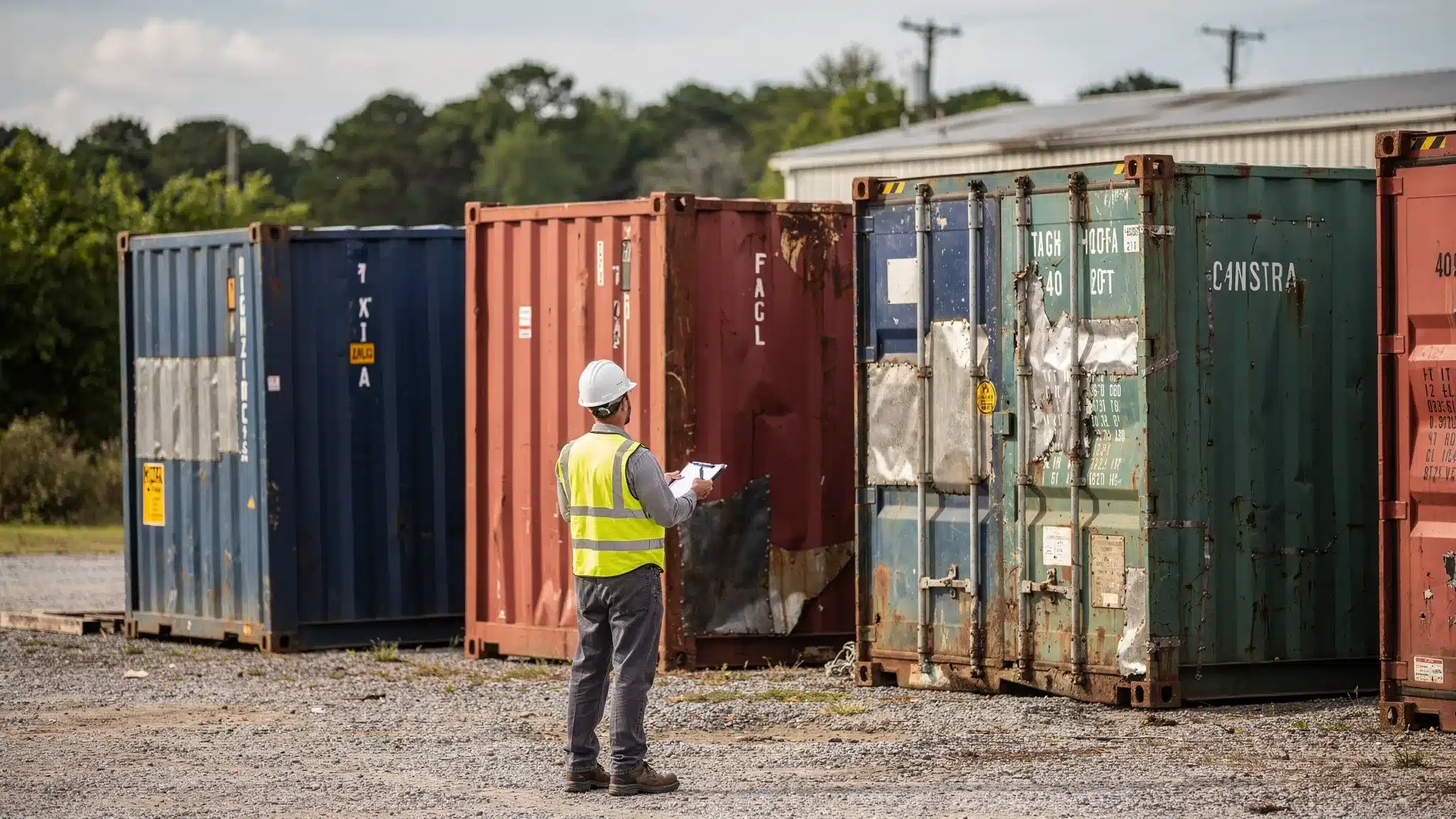
Corten Steel is designed to resist weathering by forming a protective oxide layer, so some surface rust on a used container can be normal. The concern is deeper corrosion around bottom rails, door frames, crossmembers, corner posts, and roof panels. Rust that flakes, holes in the roof, soft flooring, or misaligned doors can reduce the unit's value and suitability.
Focus your inspection on these areas:
- Roof: Look for dents that hold water, pinholes, patches, and heavy corrosion.
- Doors: Check hinges, locking rods, cam keepers, gaskets, and whether the doors open and close without forcing.
- Floor: Inspect for soft spots, delamination, chemical odors, major gouges, or water damage.
- Walls and rails: Separate cosmetic dents from structural damage near rails and posts.
- Corner castings: Confirm they are intact, especially for transport, lifting, or stacking applications.
- Interior light test: Close the doors during daylight and look for pinholes or gaps where light enters.
If you cannot inspect the unit in person, request recent photos of all four sides, roof views when available, interior floor, door seals, container number, and any areas with damage. For more inspection detail, review Lease Lane's guide on how to spot quality containers before you buy.
Match the Container Grade to the Use Case
The best container is the one that fits the job without overpaying for features you do not need. A polished One-Trip unit may be excessive for short-term jobsite storage, while a heavily worn WWT unit may be a poor starting point for a customer-facing office conversion.
| Use case | Better grade to compare first | Why |
|---|---|---|
| General contractor jobsite storage | WWT or Cargo Worthy | Secure, weather-resistant storage for tools and materials |
| Residential property storage | WWT or One-Trip | WWT for budget storage, One-Trip for cleaner appearance and longer life |
| Retail pop-up or mobile showroom | One-Trip or high-quality Cargo Worthy | Better appearance and fewer repairs before modification |
| Mobile office or workshop | One-Trip or Cargo Worthy High Cube | Strong shell, cleaner interior, better modification platform |
| Agriculture and farm storage | WWT or Cargo Worthy | Good value for feed, tools, parts, and equipment when moisture is managed |
| International shipping | Cargo Worthy or One-Trip | Requires transport-suitable structure and proper documentation |
| Cold storage | Tested refrigerated unit | Refrigeration performance, electrical compatibility, and insulation matter most |
| Modular housing or developer project | One-Trip High Cube or carefully inspected Cargo Worthy | Cleaner structure, easier build-out, better long-term shell quality |
In Raleigh and the surrounding Triangle region, contractors often choose WWT containers for secure site storage because the unit does not need to go back into ocean service. Developers, small businesses, and homeowners planning finished spaces often compare One-Trip and Cargo Worthy units because repair time and appearance matter more.
Compare Standard, High Cube, Reefer, and Specialty Options
Not every cargo container for sale is a standard dry storage unit. If your quote seems higher or lower than another, confirm that you are comparing the same configuration.
A standard dry container is the most common choice for storage and general freight. A High Cube container adds height, which is valuable for pallet racking, tall equipment, and interior build-outs. A refrigerated container, also called a reefer, is a different category entirely. It requires power, tested machinery, insulation performance, and a site plan that allows service access and airflow.
Specialty containers such as open top, flat rack, double-door, or side-opening units can be excellent for specific applications, but they should be evaluated differently than standard boxes. For example, an open top container may be ideal for machinery loaded by crane, while a tunnel container with doors on both ends can improve access for inventory rotation.
If your use case is specialized, compare the operational benefit against availability, delivery complexity, weather protection, and security. Specialty units can be harder to source and may not always be necessary.
Delivery and Site Readiness Can Decide the Best Deal
A container that looks perfect on paper can become the wrong purchase if it cannot be delivered safely. Delivery planning is especially important in Raleigh neighborhoods, rural North Carolina properties, and active construction sites where slopes, soft soil, trees, gates, and overhead wires can create access problems.
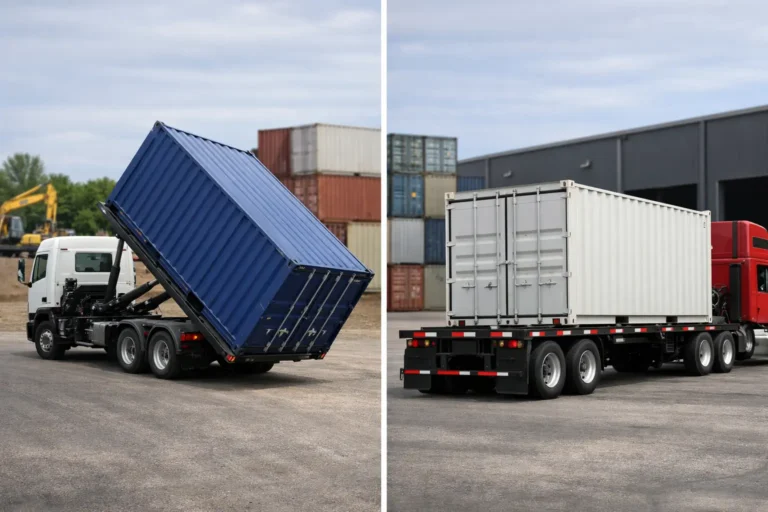
Tilt-bed delivery is common for ground placement, but it requires enough straight-line space for the truck and trailer to pull out from under the container. Flatbed or chassis delivery may require a crane, forklift, or other equipment to unload. A 40ft High Cube also needs more vertical clearance than a standard-height unit, especially during unloading.
Review the shipping container delivery requirements before you compare final quotes. A lower container price may not help if the seller has not accounted for your drop location, surface conditions, or unloading needs.
Pro-Tip: Prepare the Drop Spot Before You Pay
Before purchasing, identify the exact container footprint and prepare a level, well-drained surface. For many Southeast properties, a compacted gravel pad is a practical choice because it improves drainage and reduces under-container corrosion. The pad should be level side to side and end to end, with support under the corner castings or continuous support along the rails depending on the installation.
Avoid placing a container directly on soft soil, standing water, or uneven ground. A twisted container can make doors hard to operate, and poor drainage can accelerate rust on the underside. If the container will be permanent, modified, placed near property lines, or used as an occupied structure, check Raleigh, Wake County, HOA, or local municipal requirements before delivery. Permits and zoning rules vary by location and use.
Compare Suppliers by Evidence and Accountability
A reliable seller should make comparison easier, not harder. Look for clear grading language, recent photos, delivery planning, and a willingness to explain trade-offs. If a seller avoids details about condition, uses vague grade labels, or pressures you to buy without confirming delivery access, slow down.
Lease Lane Containers LLC is headquartered in Raleigh, NC, and focuses on high-quality new One-Trip and used shipping containers, trailers, and custom modular solutions. For buyers in North Carolina and nationwide, the value is not only the container itself. It is also grade transparency, help choosing the right size, delivery coordination, and practical site preparation advice.
| Seller question | What a strong answer includes |
|---|---|
| What grade is this container? | Clear identification as One-Trip, Cargo Worthy, WWT, or another defined grade |
| Can I see recent photos? | Exterior, interior, doors, roof when possible, floor, and damaged areas |
| Is it suitable for export? | CSC status or survey guidance for Cargo Worthy requirements |
| What delivery method will be used? | Tilt-bed, flatbed, chassis, crane coordination, or other placement plan |
| What site prep is required? | Access measurements, level pad advice, drainage, clearance, and door orientation |
| What is included in the quote? | Container, delivery assumptions, taxes or fees, and any modifications or accessories |
For buyers comparing several suppliers, the best choice is usually the company that helps you avoid surprises. A transparent quote may look slightly higher at first, but it can be the better deal once delivery, condition, and site readiness are included.
A Simple Scoring Method for Comparing Containers
If you have two or three cargo containers under consideration, score each one using the same categories. This keeps the decision grounded in practical value instead of price alone.
| Category | Suggested weight | What to evaluate |
|---|---|---|
| Grade fit | 25% | Does the condition match storage, export, modification, or cold-chain needs? |
| Structural evidence | 20% | Are photos, inspection details, and documentation strong enough? |
| Delivery fit | 20% | Can the seller place it safely at your site with the right equipment? |
| Total delivered cost | 20% | Does the quote include container, freight, unloading assumptions, and fees? |
| Supplier support | 15% | Does the team answer questions clearly and help with site planning? |
A cheap WWT unit may score high for temporary jobsite storage but low for a customer-facing office. A One-Trip High Cube may score lower on upfront price but higher for a long-term modular build. The best score depends on your actual use case.
Frequently Asked Questions
Are cargo containers for sale the same as shipping containers? In most buying contexts, yes. Buyers often use cargo container, shipping container, storage container, and ISO container to describe the same steel container family. The key is verifying size, grade, and intended use.
What is the best grade of cargo container to buy? It depends on the job. One-Trip is best for clean appearance, long service life, and modifications. Cargo Worthy is best for transport or higher structural requirements. Wind and Watertight is often the best value for stationary storage.
Is a Wind and Watertight container good enough for storage? Usually, yes, if it passes inspection and you only need stationary storage. Confirm the roof, doors, gaskets, floor, and light test. WWT does not mean export certified, and it does not eliminate condensation risk.
Do I need a Cargo Worthy container for international shipping? Yes, for export or ocean freight you should compare Cargo Worthy or One-Trip units and confirm proper CSC status or survey requirements. Do not use a basic WWT storage unit for international cargo unless it has been inspected and approved for that purpose.
Should I buy a 20ft or 40ft container? Choose 20ft if placement space is tight, access is limited, or you need moderate storage. Choose 40ft if you need more capacity and your site can handle delivery. High Cube is worth comparing if interior height matters.
How do I compare container quotes accurately? Compare the same size, grade, configuration, delivery ZIP code, unloading method, and included fees. Ask for recent photos and clarify whether the quote includes delivery, taxes, modifications, and site-specific placement assumptions.
What should Raleigh and Southeast buyers watch for? Plan for humidity, drainage, soft ground, storms, and local rules. A gravel pad, level corner support, clear truck access, and permit checks can prevent delivery delays and long-term corrosion problems.
Ready to Compare Cargo Containers With a Local Expert?
If you are evaluating cargo containers for sale in Raleigh, across North Carolina, or anywhere in the USA, Lease Lane Containers LLC can help you compare size, grade, condition, delivery access, and total cost before you buy. Our team can walk you through One-Trip, Cargo Worthy, Wind and Watertight, Standard, High Cube, and Refrigerated options so you can choose the right unit for your site and budget.
For help comparing containers or planning a delivery, contact the Lease Lane Containers sales team at sales@leaselanecontainers.com or visit our Raleigh office.