New vs Used Shipping Containers
A container that looks fine in a listing can become a problem the moment it reaches your site. That is why the choice between new vs used shipping containers matters more than most buyers expect. Price is part of it, but the real decision usually comes down to condition, appearance, structural reliability, and whether the container needs to perform as simple storage or as the base for something more specialized.
If you are storing tools on a job site, protecting feed or equipment on rural property, or planning a retail or modular build, the right answer is rarely just “buy the cheapest box.” It depends on how visible the container will be, how long you plan to keep it, and how much risk you are willing to accept on repairs, cosmetics, and future modifications.
New vs used shipping containers: what changes in practice
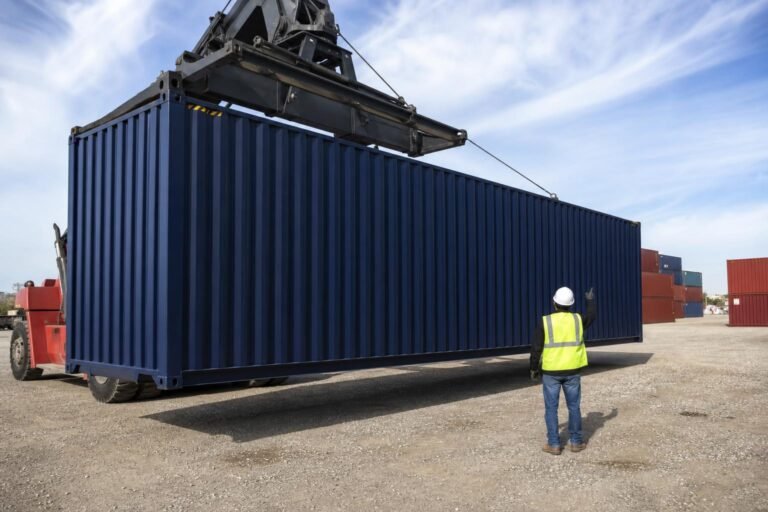
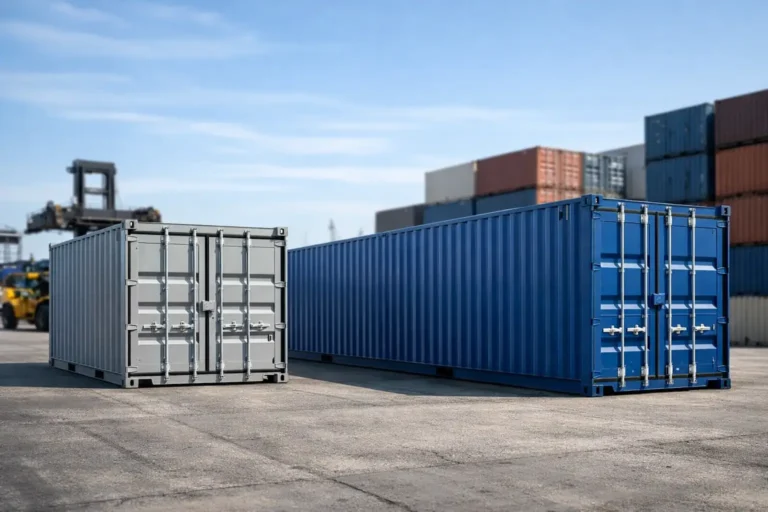
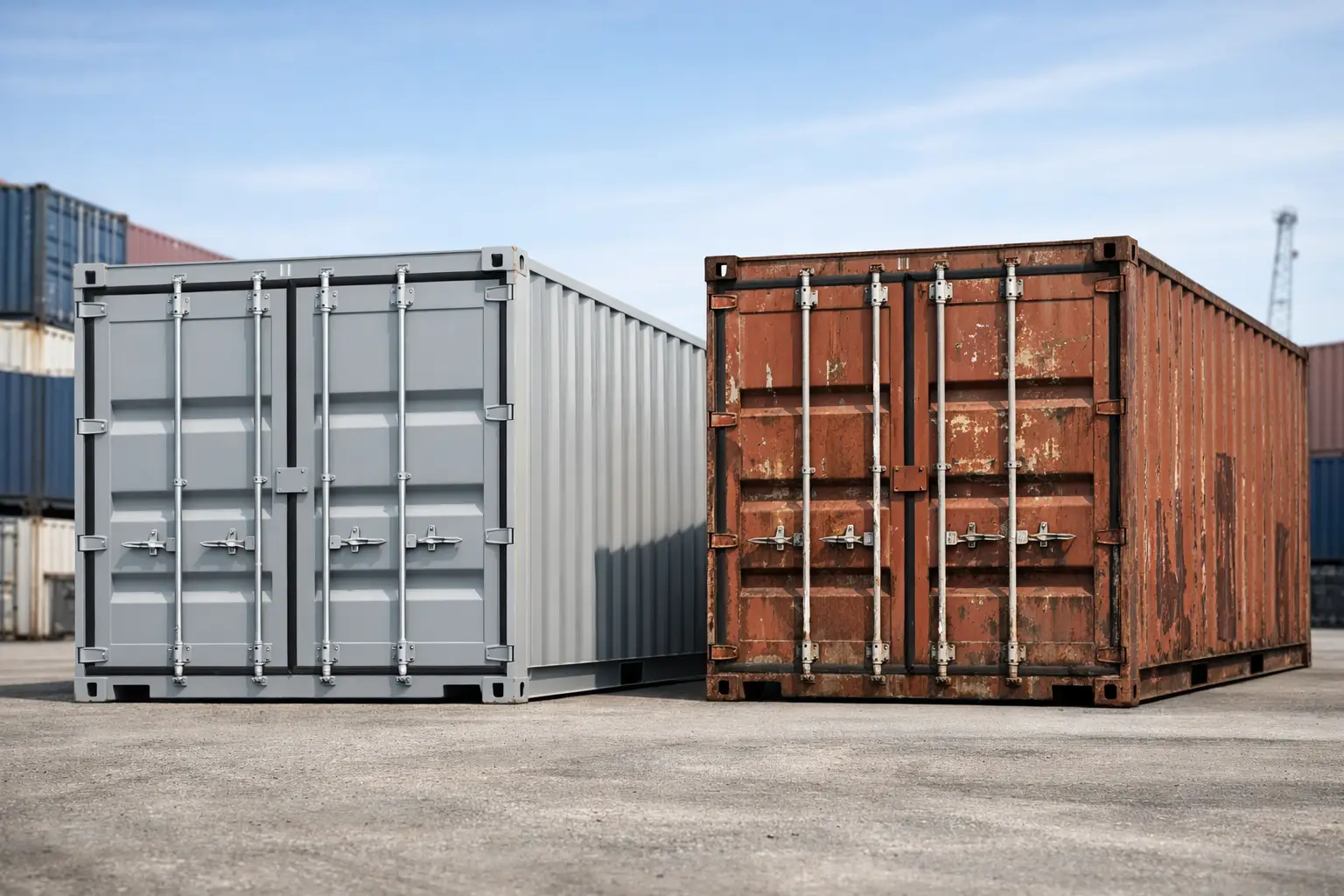
A new shipping container is usually sold as a one-trip container. That means it was manufactured overseas, loaded once for transport, and then made available for sale in the US. It is not technically factory-fresh in the way a new vehicle is, but it is as close as the container market gets to new condition.
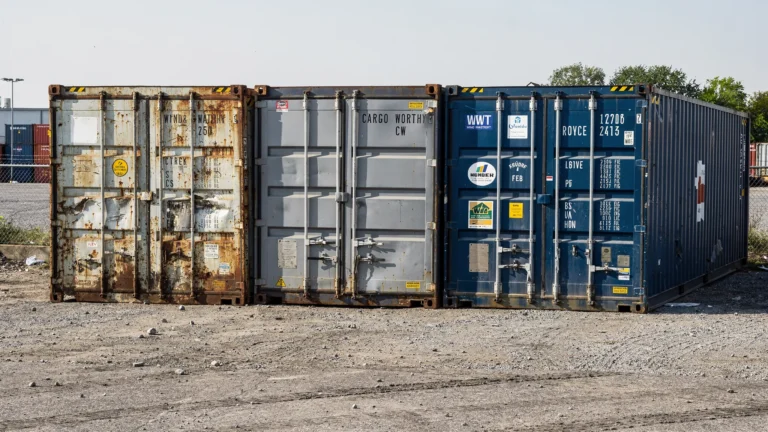
A used container has been in active service, sometimes for years. It may still be fully functional and structurally sound, but it will show the normal wear of freight handling, stacking, weather exposure, and repeated loading cycles. That wear can include dents, surface rust, patched areas, faded paint, or doors that require more effort to open and close.
The key point is this: used does not automatically mean poor quality, and new does not automatically mean necessary. A Wind & Watertight unit can be the right fit for secure storage even if it is not cosmetically clean. On the other hand, a one-trip container may save time and money later if your project depends on appearance, easier modification, or a longer service life with less maintenance.
When a new container makes more sense
New containers are typically the better choice when appearance matters, when you want the longest possible lifespan, or when the container will be modified into something more than storage. A one-trip unit usually has straighter panels, cleaner flooring, tighter door seals, and fewer structural imperfections to work around.
For commercial uses, that cleaner condition matters. If the container will sit in front of a retail site, serve as a mobile office, or be converted into a branded pop-up space, dents and mismatched repair patches can create extra prep work. The same applies to homeowners who want a workshop or tiny home shell and do not want to spend additional time correcting cosmetic issues before painting or finishing.
New containers also make planning easier. Dimensions are more predictable, doors tend to operate more smoothly, and there is less chance of inherited repairs from prior service. If your project includes framing, insulation, window cutouts, roll-up doors, or electrical work, starting with a cleaner shell often reduces labor and surprises.
There is also the matter of lifespan. Most one-trip containers are built from Corten steel, which is designed for corrosion resistance in harsh environments. A used container can still last for years, but a newer box gives you more remaining service life before maintenance becomes a regular concern.
Best-fit uses for new containers
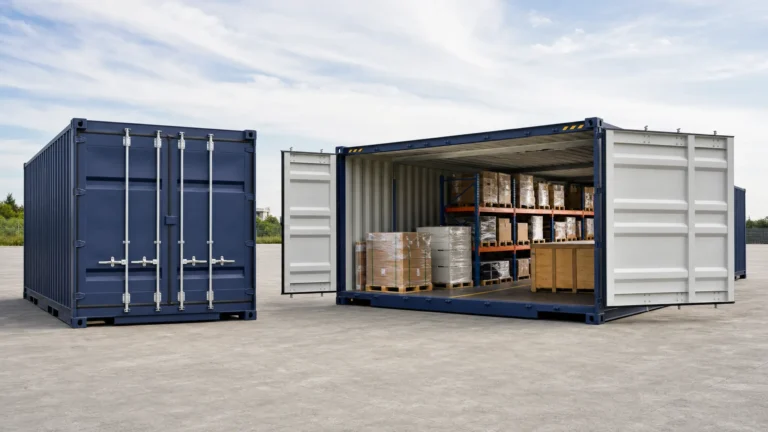
New containers usually make sense for visible commercial applications, long-term residential storage, custom builds, and customers who want a cleaner exterior from day one. They are also a strong choice when the delivered container needs to look professional without follow-up repairs or repainting.
When a used container is the smarter buy
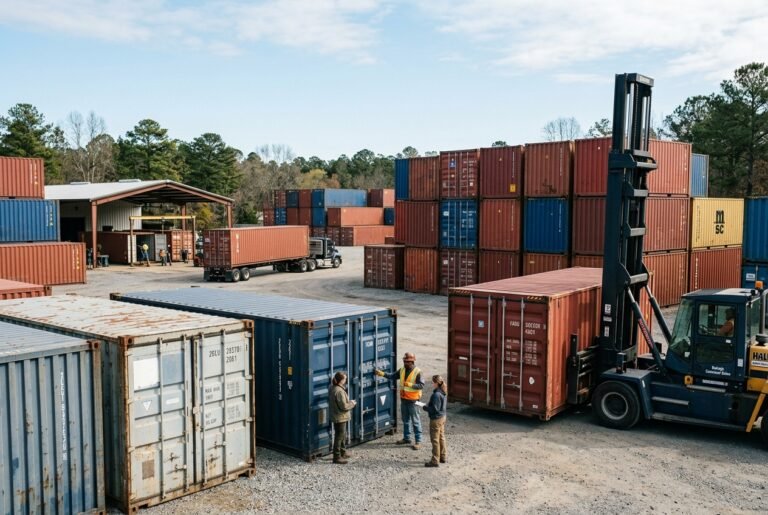
Used containers are often the most practical option for buyers who care more about function than finish. On a construction site, in an equipment yard, or on agricultural property, a container’s job is usually simple: stay secure, stay weather-resistant, and hold up under daily use.
That is where a properly graded used unit can deliver strong value. A Cargo Worthy container is generally suitable for transport and structural use, while a Wind & Watertight container is typically chosen for static storage where keeping out water and weather is the main priority. For many contractors and property owners, either grade can meet the need at a significantly lower cost than one-trip inventory.
Used containers also make sense for temporary or budget-sensitive projects. If you need fast overflow storage for six months, or you are adding secure space during a seasonal demand spike, paying a premium for cleaner cosmetics may not improve the outcome.
That said, grade matters. A low-priced container that needs door work, floor repair, or patching can erase any upfront savings. This is where grading transparency matters more than marketing language. Buyers should know exactly whether they are getting a WWT unit, a Cargo Worthy unit, or a refurbished container with documented repairs and updated paint.
Cost is only one part of new vs used shipping containers
Most buyers start with price, which is reasonable. New containers usually cost more than used ones, sometimes by a substantial margin depending on size, market availability, and delivery distance. But purchase price alone does not tell you which option is cheaper over the life of the container.
A used container may cost less upfront, but if you need to repaint it, replace door gaskets, grind and treat rust, or work around damaged panels during a build-out, the total project cost can rise quickly. A one-trip container may cost more at delivery yet reduce labor, maintenance, and downtime.
The reverse can also be true. If the container is going behind a warehouse or on a farm where appearance is irrelevant, paying extra for near-new condition may not add any practical value. In that case, a solid used container is often the better financial decision.
A reliable quote should separate the cost of the container from the cost of delivery. That is especially important when access conditions require specialized placement methods like Tilt-Bed or Ground-Level delivery. Clear pricing matters because a cheap advertised unit can become expensive if the site is difficult to reach.
Condition, grading, and what buyers should verify
The safest way to compare containers is by verified condition, not by general labels like “great shape” or “good used.” Ask how the container is graded and what that grade means in plain language.
Wind & Watertight means the container is suitable for storage and designed to keep out normal weather. Cargo Worthy generally means the container is structurally sound for shipping use, though standards and inspection details should be confirmed. Refurbished can mean anything from cosmetic repainting to more meaningful repairs, so buyers should ask what work was actually completed.
For first-time buyers, the most important checks are simple. Confirm that the doors open and seal properly. Ask about visible rust, floor condition, and any welded repairs. Verify size, height, and whether the unit is standard or high-cube. If the container will support a conversion project, ask whether the roof, corner posts, and side rails are straight enough for modification without extra fabrication.
Delivery can change the right decision
A container is not just purchased. It has to be delivered and placed successfully. That reality affects whether new or used is the better choice.
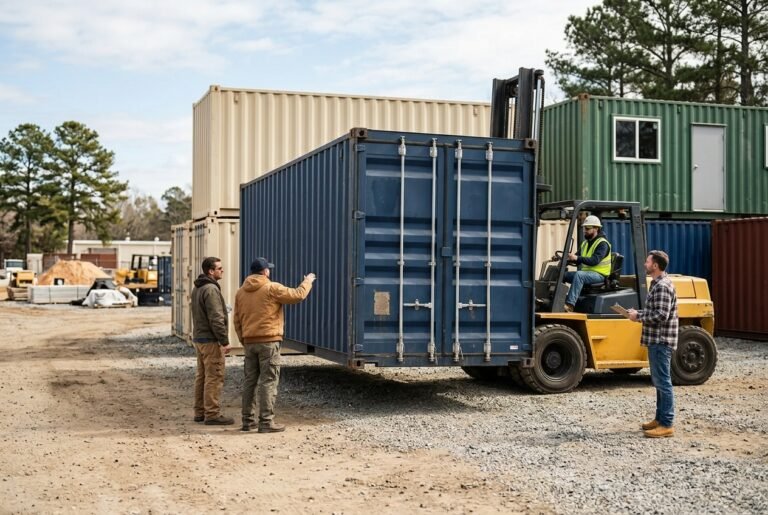
If your site has tight access, soft ground, overhead wires, or limited clearance, you need to account for delivery equipment and placement method before choosing a unit. A contractor using a container for immediate job-site storage may prioritize fast availability in a used grade over waiting for a specific one-trip color or configuration. A homeowner planning a workshop may do the opposite and wait for a cleaner container because it will remain visible for years.
This is also where working with a logistics-focused seller pays off. The right container on paper is still the wrong container if it cannot be delivered where you need it without extra cost or delay.
So which should you buy?
If you want the best appearance, the longest expected lifespan, easier modification, and fewer unknowns, buy new. If you need dependable storage, care more about utility than cosmetics, and want to control upfront cost, buy used – but only with clear grading and verified condition.
For many buyers, the answer sits in the middle. A refurbished or cleaner Cargo Worthy unit can offer a practical compromise between budget and presentation. That is often the sweet spot for businesses that need a professional look without paying full one-trip pricing.
The best container is the one that fits the job, the site, and the timeline without hidden repair costs or delivery surprises. If your seller can explain the grade clearly, verify the specifications, and walk you through placement before the truck is scheduled, you are already much closer to the right decision.