Container Prices in 2026: What Changes Your Quote
Container prices in 2026 are not determined by the box alone. A quote reflects the container’s size, grade, availability, delivery distance, offloading method, site conditions, and any modifications you need before it reaches your property.
That is why two buyers in Raleigh, North Carolina can ask for “a 40ft container” and receive very different numbers. One may need a used Wind and Watertight unit for tool storage on a level jobsite. Another may need a One-Trip High Cube with clean walls, extra height, and a delivery route that requires special equipment. Both are buying shipping containers, but they are not buying the same project.
If you are comparing container prices in 2026, the goal is not simply to find the lowest advertised number. The goal is to understand what is included, what is excluded, and what can change the final delivered price.
What a Container Quote Usually Includes
A reliable shipping container quote should make the total scope clear. At minimum, it should identify the container size, condition grade, delivery assumptions, and whether add-ons or placement services are included.
| Quote factor | Why it changes price | What to confirm before buying |
|---|---|---|
| Size and height | 20ft, 40ft, and High Cube units have different availability, capacity, and transport requirements | Exterior size, interior clearance, door opening, and whether it is standard height or High Cube |
| Grade and condition | One-Trip, Cargo Worthy, and Wind and Watertight units are priced differently based on age, certification, and appearance | Grade definition, photos, inspection notes, and intended use |
| Container type | Dry containers, refrigerated reefers, open tops, and specialty units have different supply levels and equipment needs | Dry storage, cold storage, export, conversion, or specialty loading requirements |
| Delivery distance | Trucking time, fuel, route complexity, and depot location affect the delivered cost | Whether delivery is included, mileage assumptions, and drop location |
| Offloading method | Tilt-bed, flatbed, crane, side-loader, and chassis delivery carry different costs | Who provides offloading equipment and what access is required |
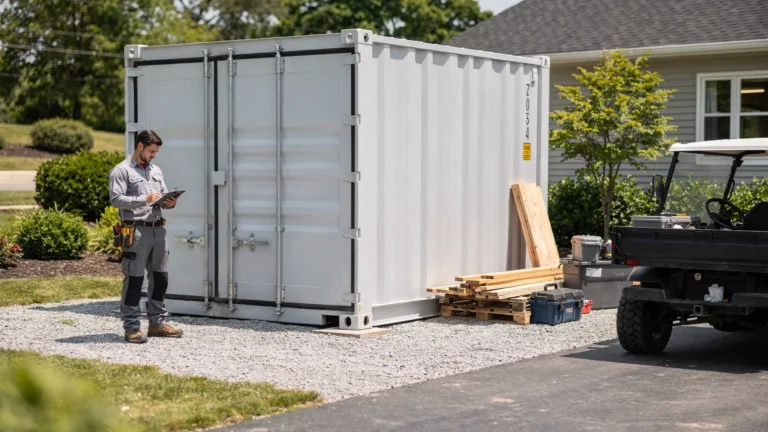
| Site conditions | Soft ground, slopes, tight turns, tree limbs, power lines, and poor drainage can create delays or added fees | Photos, measurements, foundation plan, and delivery-day access |
| Modifications | Doors, vents, windows, electrical, insulation, lockboxes, and paint add labor and material cost | Scope, lead time, and whether work is completed before delivery |
| Permits and local rules | Residential, commercial, HOA, and municipal rules vary by location | Raleigh, Wake County, or local jurisdiction requirements before delivery |
For a deeper overview of buying terms, sizes, and grade expectations, Lease Lane Containers also provides a full shipping container buyer’s guide.
Size Is the First Major Price Driver
The first question behind any quote is simple: what size container do you need?
A 20ft unit is often the practical choice for residential storage, small business inventory overflow, farms, and general contractors with limited site space. It is easier to place on tighter properties and may require less straight-line delivery room than a 40ft unit. If you are comparing smaller units, review what affects 20ft containers before relying on a single advertised price.
A 40ft unit provides roughly double the length and is popular for construction sites, commercial storage, equipment staging, and larger agricultural operations. The unit itself may offer better cost per square foot, but delivery and placement can be more demanding. Buyers comparing larger options should look at the practical considerations for 40ft containers before assuming the lowest shell price is the best value.
High Cube containers add another layer. A standard shipping container is typically 8ft 6in tall externally, while a High Cube is typically 9ft 6in tall externally. That extra foot matters for pallet stacking, workshop conversions, mobile offices, and equipment with height clearance needs. High Cube units are especially common in 40ft configurations, and the extra volume can justify a higher quote when you need usable interior height.
Most standard dry containers are built around international ISO standards for freight container dimensions and corner casting compatibility. That standardization is one reason containers are so useful across trucking, rail, ocean shipping, and static storage. Still, exact interior measurements can vary slightly by manufacturer, flooring, insulation, and whether the unit is standard or High Cube.
Grade and Condition Can Change the Quote More Than Size
Condition grade is one of the most important variables in container prices. A lower quote may simply reflect a lower grade, more cosmetic wear, limited documentation, or a unit that is not suitable for your intended use.
One-Trip Containers
A One-Trip container is usually the closest practical option to new. It has typically made one loaded ocean voyage from the factory before entering the resale market. These units usually have cleaner paint, better floors, tighter door seals, newer gaskets, and fewer dents than multi-trip used containers.
One-Trip units are often preferred for customer-facing projects, container offices, retail pop-ups, residential uses, modular construction, and long-term storage where appearance and lifespan matter. They are usually built from Corten Steel, a weathering steel designed to resist corrosion better than ordinary mild steel when properly maintained.
Because of their condition and remaining service life, One-Trip units command a premium. In 2026, that premium can be worth it when a cleaner shell reduces repair work, prep labor, or cosmetic upgrades.
Cargo Worthy Containers
A Cargo Worthy container is a used unit that is structurally sound enough for cargo transport when properly inspected and documented. For export or intermodal movement, buyers often need a valid CSC plate and, depending on the shipment, a survey confirming the container is fit for service.
Cargo Worthy units are typically less visually clean than One-Trip containers, but they should have strong corner castings, functional doors, solid floors, and structural integrity appropriate for transport. They are a strong fit for logistics managers, exporters, regional transport operations, and buyers who want a structurally dependable used container.
If your container will be moved loaded, stacked, or used for international shipping, do not treat Wind and Watertight as the same thing as Cargo Worthy. The grade difference matters.
Wind and Watertight Containers
Wind and Watertight, often shortened to WWT, means the container is intended to keep out normal wind and rain when the doors are closed and the unit is properly maintained. WWT containers are common for stationary storage on jobsites, farms, commercial yards, and residential properties.
A WWT unit may have dents, surface rust, paint fading, patches, and a worn interior, but it should not have active leaks. It is usually more affordable than Cargo Worthy or One-Trip, which makes it attractive for tool storage, lumber, seasonal inventory, and farm supplies.
The key limitation is certification. WWT does not automatically mean the container is approved for ocean export or loaded transport. For buyers comparing used containers, the intended use should drive the grade decision.
| Grade | Typical best use | Quote impact |
|---|---|---|
| One-Trip | Premium storage, offices, conversions, retail, long lifespan projects | Highest standard dry container price due to newer condition |
| Cargo Worthy | Export, transport, higher-value storage, structurally demanding uses | Mid to high range depending on certification and condition |
| Wind and Watertight | Stationary storage for tools, materials, equipment, and household goods | Often the best budget option for static storage |
Local Availability in Raleigh and the Southeast Matters
Container pricing is national in some ways, but local availability still matters. Raleigh buyers are affected by inventory moving through the Southeast, including regional depot supply, trucking lanes, port proximity, and construction demand across North Carolina, South Carolina, Virginia, and Georgia.
A container located close to Raleigh may cost less to deliver than a similar unit sitting several states away. On the other hand, if a specific size or grade is scarce locally, a supplier may need to source from a farther depot, which can raise the delivered quote.
Seasonality also matters. Construction activity, storm recovery demand, agricultural cycles, retail inventory peaks, and fuel markets can all affect availability and trucking costs. In practical terms, the quote you receive in March may not match the quote you receive in September, especially for High Cube units, reefers, or clean One-Trip inventory.
This is why a professional quote should be time-sensitive and tied to actual availability. A vague “starting at” price is not the same as a confirmed delivered quote for your property.
Delivery Can Be the Difference Between a Good Quote and a Bad One
Delivery is often where container quotes separate themselves. A low container price can become expensive if delivery assumptions are unrealistic.
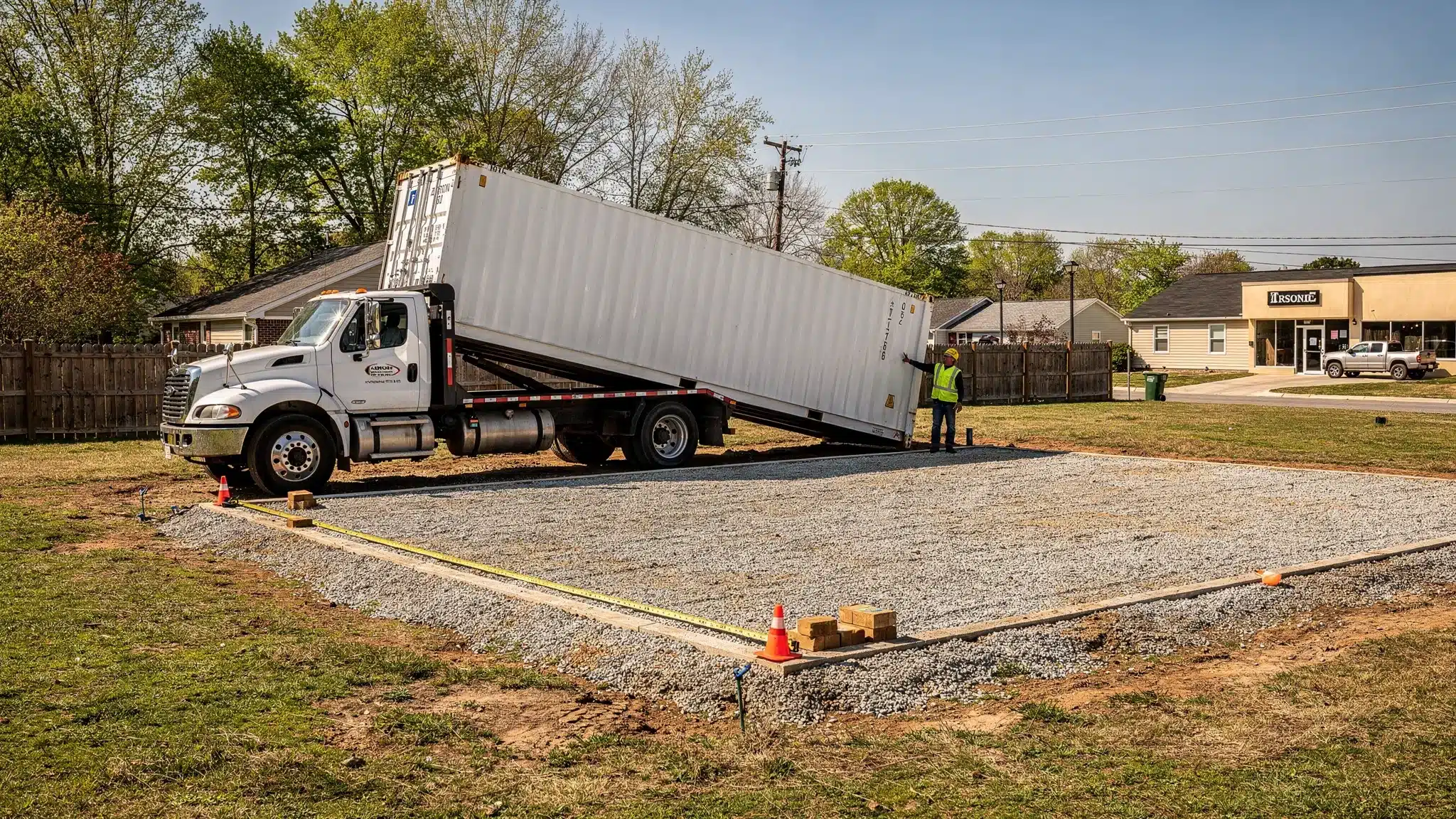
Tilt-bed delivery is common for ground placement. The truck backs into position, tilts the trailer, and slides the container into place. This works well when there is adequate straight-line clearance, firm ground, and a clear drop zone.
Flatbed delivery may require a crane, forklift, or other equipment to unload the container. This can be necessary for tight sites, elevated placement, cross-fence placement, or areas where a tilt-bed truck cannot safely maneuver.
Chassis delivery is different again. A container on chassis may be appropriate for transport or temporary staging, but it does not automatically mean ground-level placement is included.
For Raleigh-area homeowners, contractors, and small businesses, the most common delivery issues are narrow driveways, low tree limbs, overhead utility lines, soft ground after rain, and insufficient turning space. Review shipping container delivery requirements before ordering so your quote matches the actual site.
Modifications Add Value, but They Also Change the Quote
Modifications can turn a standard ISO container into a much more useful asset. They can also change price, lead time, delivery planning, and grade requirements.
Common upgrades include lockboxes, vents, roll-up doors, personnel doors, windows, interior framing, insulation, electrical packages, paint, shelving, and HVAC planning. Refrigerated containers, also called reefers, add another layer because they include refrigeration machinery, electrical requirements, and performance checks.
For office or retail conversions, starting with a One-Trip or strong Cargo Worthy shell often makes financial sense. You are cutting into the structure, adding finishes, and investing labor into the container. Saving money on a heavily worn shell can backfire if corrosion, floor damage, or door problems create extra work.
For jobsite storage, a WWT unit with a lockbox and proper placement may be the better value. The right container is the one that matches the use case, not necessarily the newest one.
How to Compare Container Prices Correctly
When comparing quotes, make sure each supplier is pricing the same thing. The container industry uses familiar terms, but not every seller defines them with the same precision.
Ask these questions before choosing a quote:
- Is the unit 20ft, 40ft, standard height, or High Cube?
- Is the grade One-Trip, Cargo Worthy, Wind and Watertight, refurbished, or As-Is?
- Are photos of the actual unit available, or are they sample photos?
- Is delivery included, and if so, to what ZIP code and drop conditions?
- What delivery method is assumed?
- Are taxes, fuel charges, permits, wait time, or difficult-access fees included?
- Is offloading included, or do you need to provide a crane or forklift?
- What happens if the truck arrives and the site is not ready?
- Are modifications completed before delivery or after placement?
- Is there any written condition guarantee or inspection documentation?
A quote that answers these questions clearly is usually more valuable than a cheaper quote that leaves major details open.
Pro-Tip: Prepare the Site Before You Ask for a Final Quote
Pro-Tip: The fastest way to get an accurate 2026 container quote is to prepare your site details before contacting the sales team. Measure the route, photograph the drop location, check overhead clearance, and decide the door direction before the delivery plan is priced.
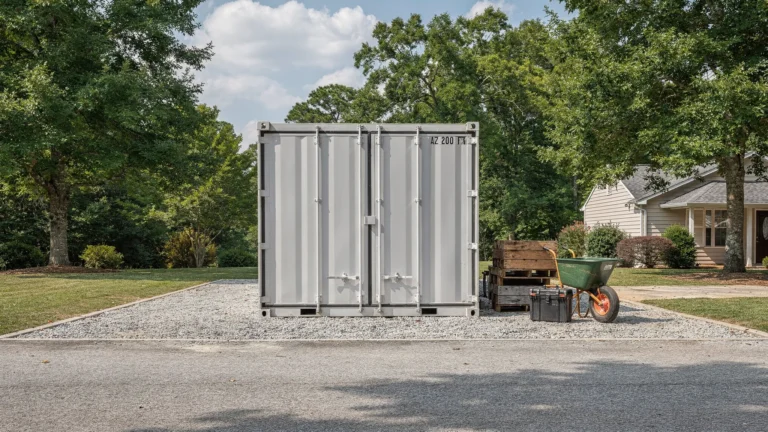
For most ground-level storage containers in Raleigh and the Southeast, a compacted gravel pad is a strong practical option. It helps drainage, reduces mud, and supports the container’s corner castings. The site should be level from corner to corner because even a slight twist in the frame can make container doors harder to open and close.
Avoid placing the container directly on soft soil if you expect long-term use. Poor drainage can accelerate underbody corrosion, even on Corten Steel units. Gravel, concrete piers, railroad ties, or properly placed blocks can help keep the container elevated and stable.
Before delivery, confirm permits, HOA rules, zoning restrictions, and utility locations. In North Carolina, contacting NC 811 before digging or installing foundations is a smart step when site work may disturb the ground.
Quote Scenarios: What Changes the Final Number?
The best way to understand container pricing is to think in scenarios rather than generic averages.
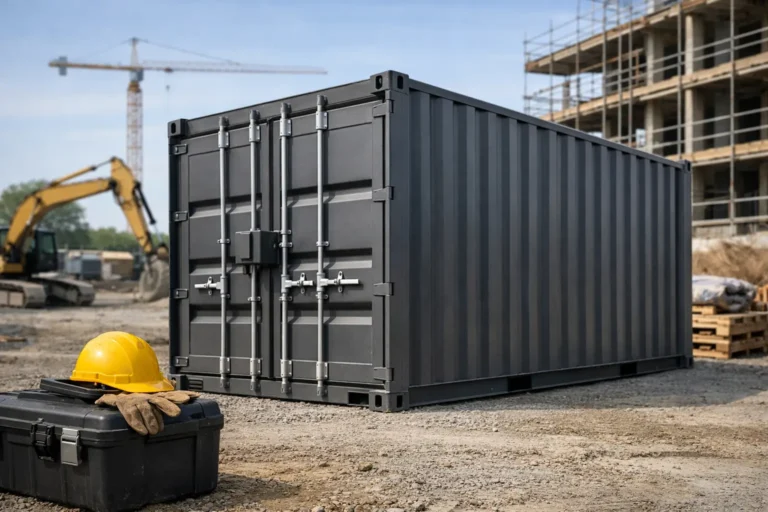
A general contractor in Raleigh needing secure tool storage may choose a 20ft WWT unit with a lockbox. The quote will likely depend on used inventory, delivery distance, and whether the jobsite has enough room for a tilt-bed truck.
A small business planning a customer-facing retail pop-up may choose a 40ft High Cube One-Trip container. The quote will be higher because the shell is cleaner, the height is more desirable, and modifications such as windows, doors, insulation, electrical work, or paint may be part of the scope.
A logistics manager preparing cargo for export may need a Cargo Worthy container with proper documentation. The quote should account for grade verification, structural condition, and whether the container needs to meet shipping-line or survey requirements.
A homeowner using a container for long-term property storage may compare a WWT unit with a One-Trip unit. The WWT container may have the lower upfront cost, while the One-Trip unit may offer better appearance, less maintenance, and stronger resale value.
In each case, “container price” means something different because the job is different.
Frequently Asked Questions
Why do container prices vary so much between suppliers? Quotes vary because suppliers may be pricing different grades, delivery distances, container conditions, offloading methods, and availability. One quote may include delivery and inspection, while another may only reflect a depot pickup price.
Is a Wind and Watertight container good enough for storage? Yes, WWT is often a practical choice for stationary storage if the unit has solid floors, working doors, intact gaskets, and no active leaks. It is not the same as Cargo Worthy certification for shipping or loaded transport.
Do High Cube containers always cost more? High Cube containers often cost more because the extra height is desirable and availability can be tighter. The premium may be worth it for pallet stacking, equipment storage, workshops, and office conversions.
Should I buy One-Trip or used in 2026? Choose One-Trip if appearance, long lifespan, and modification quality matter. Choose Cargo Worthy for transport or export needs. Choose WWT for cost-effective stationary storage when cosmetic wear is acceptable.
Is delivery usually included in container prices? Sometimes, but not always. Always confirm whether the quote includes delivery to your ZIP code, ground placement, fuel charges, wait time, difficult-access conditions, and any special equipment.
Do I need a permit for a shipping container in Raleigh? Permit requirements depend on property type, use, duration, zoning, and local rules. Raleigh, Wake County, HOAs, and nearby municipalities may treat containers differently, so confirm before scheduling delivery.
Get a Clear 2026 Container Quote
Container prices in 2026 depend on more than size. Grade, Corten Steel condition, ISO configuration, High Cube availability, delivery method, Raleigh-area access, site preparation, and modifications all shape the final quote.
If you want a clear, practical number for your project, Lease Lane Containers LLC can help you compare One-Trip, Cargo Worthy, and Wind and Watertight options for storage, construction, agriculture, retail, logistics, and modular uses.
For current availability and a delivered quote, contact the Lease Lane Containers sales team at sales@leaselanecontainers.com or visit the Raleigh office to discuss your container size, grade, delivery plan, and site requirements.