What Delivered to Your Home Really Means for Containers
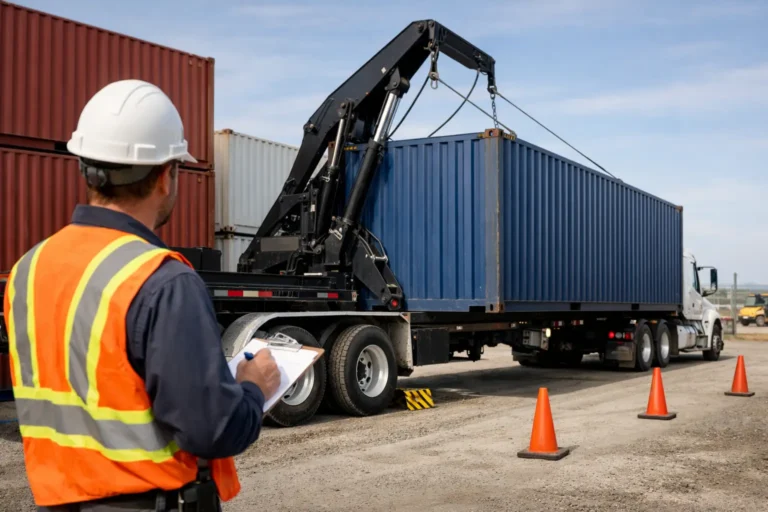
When a supplier says a shipping container can be delivered to your home, it sounds simple. You choose a container, a truck shows up, and the unit lands where you want it. In practice, home delivery means a coordinated heavy-equipment move involving container size, grade, truck access, ground conditions, local rules, and a clear plan for placement.
That does not mean the process needs to be difficult. It means buyers should understand what is included, what is not included, and what needs to happen before the driver arrives. Whether you are a homeowner outside Raleigh, a contractor in Wake County, a farm owner in the Southeast, or a small business ordering nationwide delivery, the phrase delivered to your home should come with specific expectations.
What delivered to your home actually includes
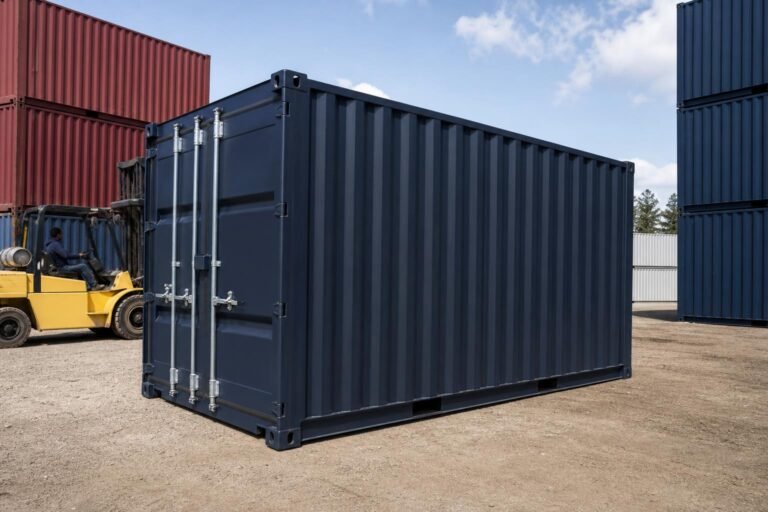
For shipping containers, delivered to your home usually means the supplier coordinates transportation from a depot, yard, or seller location to your property and arranges for the container to be unloaded at an accessible drop spot. This is very different from parcel delivery. A container is a full-size ISO steel structure, often made from Corten Steel, and it requires commercial trucking equipment to move safely.
A complete home delivery plan should clarify four things before you pay:
- The exact container size, type, and grade being delivered.
- The delivery method, such as tilt-bed, roll-off, flatbed, crane, or side-loader.
- The access assumptions, including driveway width, turning room, overhead clearance, and surface stability.
- The placement expectation, including door direction, final orientation, and whether the unit is being set at ground level.
A reputable supplier should also confirm whether the quoted price is a container-only price, a delivered price, or a delivered and placed price. These terms matter because a container that is inexpensive at the yard can become costly if delivery requires a crane, a second truck, or a rescheduled appointment due to poor site access.
Lease Lane Containers LLC is headquartered in Raleigh, NC, and helps customers across North Carolina, the Southeast, and the wider U.S. match the right container with the right delivery plan. That local knowledge is especially useful in areas with sloped driveways, wooded lots, red clay soil, HOA restrictions, and tight residential streets.
Home delivery is a logistics job, not a package drop-off
Shipping containers are standardized for global freight under ISO standards, but they are still large, heavy steel structures. Even an empty unit requires planning because the truck, trailer, and offloading angle often need more space than the container footprint itself.
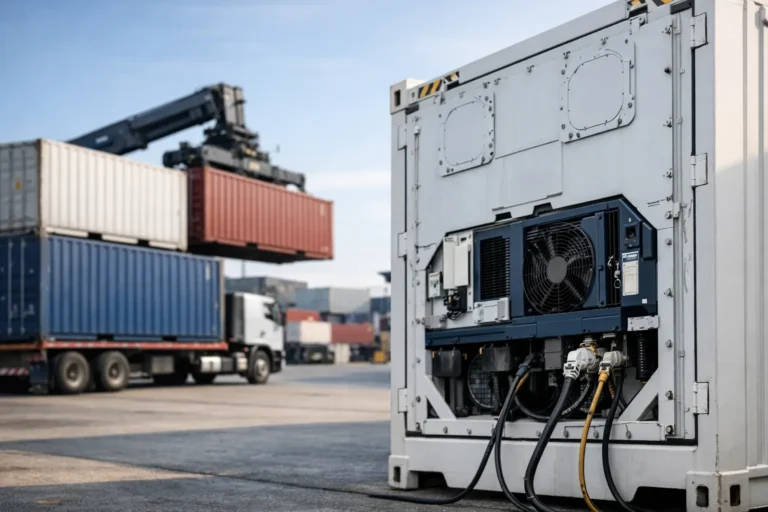
Here are common dry container sizes and what they typically mean for residential delivery. Exact dimensions and tare weights vary by manufacturer, age, floor type, and special configuration, especially for refrigerated units.
| Container type | Typical exterior size | Approximate empty weight | Home delivery considerations |
|---|---|---|---|
| 20ft standard | 20 ft x 8 ft x 8 ft 6 in | 4,800 to 5,200 lb | Often the most manageable size for driveways, farms, and smaller residential lots. |
| 40ft standard | 40 ft x 8 ft x 8 ft 6 in | 8,000 to 8,800 lb | Requires more straight-line unloading room and a stronger access path. |
| 40ft High Cube | 40 ft x 8 ft x 9 ft 6 in | 8,600 to 9,200 lb | Adds one foot of height, useful for storage and conversions, but overhead clearance matters more. |
If you are comparing 20ft containers, remember that the container footprint is only part of the calculation. A tilt-bed truck needs room to pull forward as the container slides off the trailer. For 40ft containers, the extra length can make a residential delivery more sensitive to turns, slopes, low branches, and soft ground.
The container grade still matters when it is delivered
Home delivery only solves the transportation side of the purchase. The condition of the container itself still determines how well it will perform for storage, conversion, export, or job-site use. Buyers should understand the grade before the unit arrives, then inspect it again at delivery.
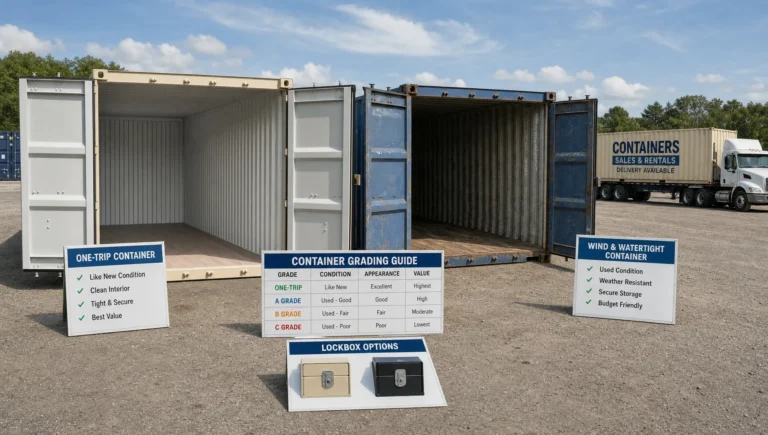
One-Trip containers are the closest commonly available option to new. They are manufactured overseas, used for one loaded voyage, then sold into the resale market. One-Trip units typically have excellent structural condition, clean interiors, newer door gaskets, strong factory paint, and minimal handling marks. They are a good choice for customer-facing storage, home offices, retail pop-ups, and modular projects where appearance and long-term value matter.
Cargo Worthy (CW) containers are used containers that remain structurally suitable for cargo transport. A CW unit should have sound corner castings, rails, roof structure, floors, doors, and locking gear. For international shipping, documentation such as a valid CSC plate and, when required, a survey should be verified. CW containers are often a practical choice for logistics managers, exporters, and buyers who need more than basic static storage.
Wind & Watertight (WWT) containers are used containers that should keep out rain and wind when doors are closed, but they are typically sold for ground storage rather than ocean transport. A WWT unit may show cosmetic wear, dents, surface rust, and older paint, but it should not have active leaks. For many homeowners, farms, and contractors, WWT can be a cost-effective storage grade when export certification is not needed.
If you are considering used containers, ask for clear grading language, recent photos, and confirmation of whether the unit is One-Trip, Cargo Worthy, or WWT. Vague terms such as good condition are not enough. The grade should match the use case.
Common ways containers are delivered to a home
The delivery method determines how much room you need and how accurately the container can be placed. Not every method is available in every market, and the best choice depends on the property layout.
| Delivery method | How it works | Best fit | Key limitation |
|---|---|---|---|
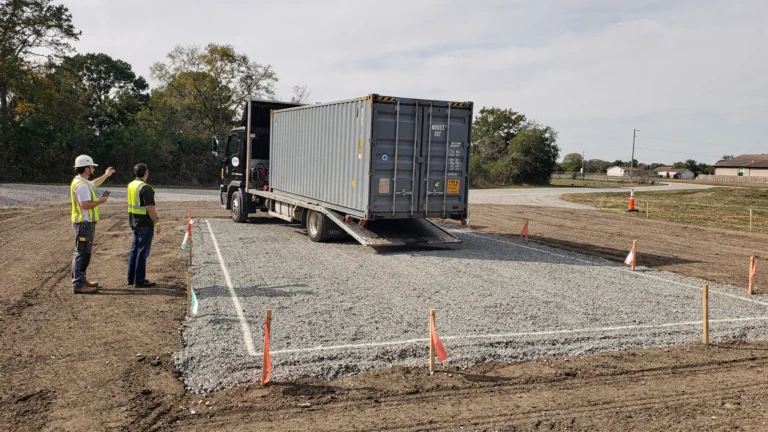
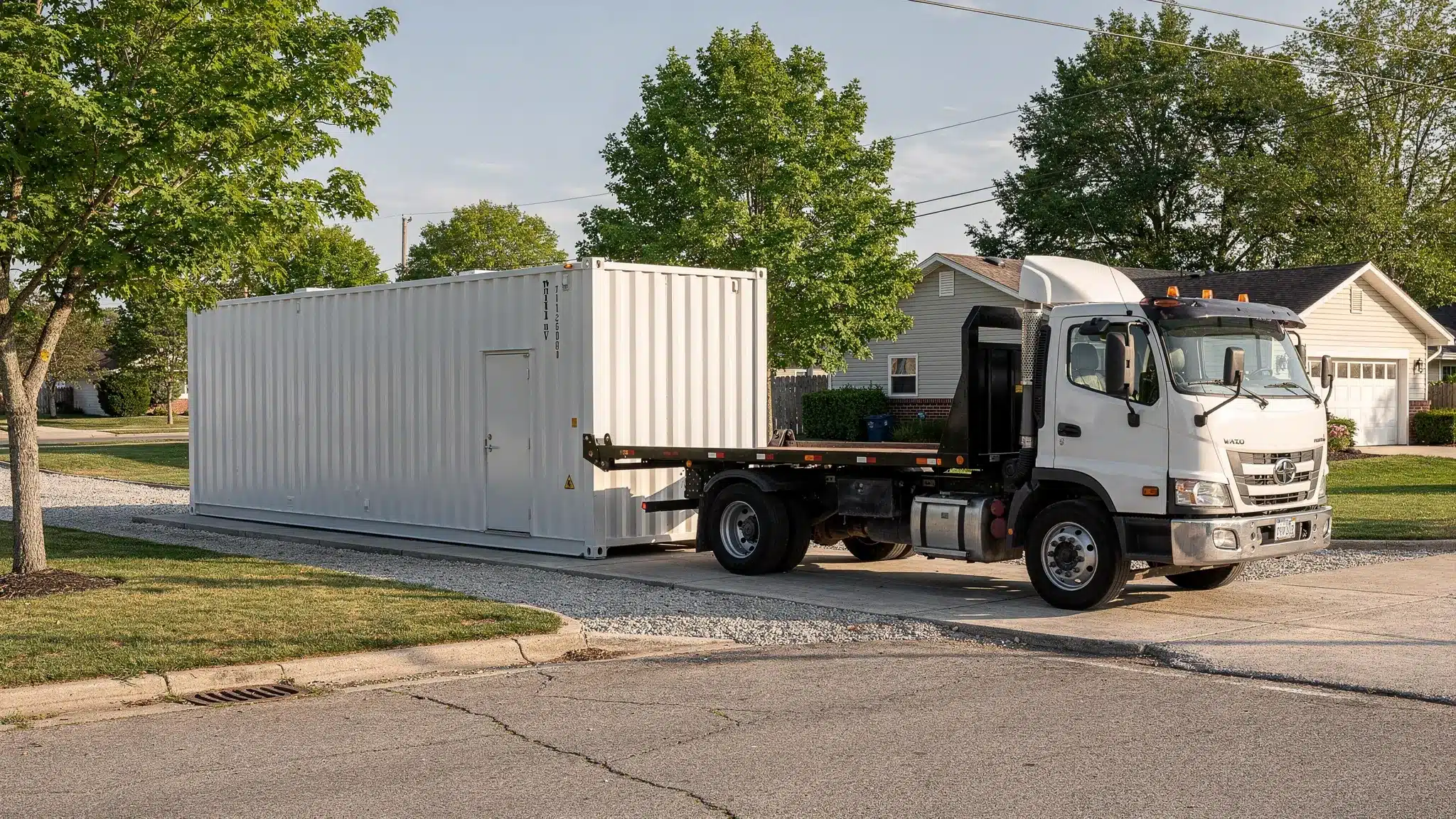
| Tilt-bed or roll-off | Trailer tilts and the container slides onto the ground as the truck pulls forward. | Driveways, open lots, farms, construction sites. | Needs straight-line space and stable ground. |
| Flatbed with crane | Container arrives on a flatbed and is lifted into place by crane. | Tight sites, over-fence placement, obstacles, precise positioning. | Higher cost and more coordination. |
| Side-loader | Equipment unloads the container from the side of the truck. | Sites with limited rear unloading room. | Availability varies by region. |
| Chassis delivery | Container remains on a chassis rather than being placed on the ground. | Temporary freight staging or transport use. | Not the same as ground-level placement. |
For many residential customers, tilt-bed delivery is the most common and efficient option. However, the driver generally cannot bend the laws of physics. If the driveway is too narrow, the turn is too sharp, the ground is saturated, or power lines cross the route, the delivery may need to be rescheduled or upgraded to a different method.
Lease Lane Containers often recommends sharing site photos and measurements early in the quote process. A few photos of the driveway entrance, route, overhead clearance, and intended drop spot can prevent expensive surprises.
What is usually not included in home delivery
Delivered to your home should never be confused with full site construction or installation unless those services are specifically listed in writing. A container delivery quote may include transportation and offloading, but many related items remain the buyer’s responsibility.
Common items that may not be included are permit applications, HOA approvals, tree trimming, grading, gravel pad construction, concrete work, crane rental, utility relocation, fencing removal, and relocation after the first placement. If a driver arrives and the site is blocked, too soft, too steep, or unsafe, a failed delivery or wait-time fee may apply depending on the carrier.
This is why total delivered cost matters more than the container sticker price. A slightly cheaper unit from far away can cost more once freight, difficult access, equipment upgrades, and rescheduling are added. When comparing quotes, ask each supplier to define the delivery method, offload assumptions, taxes, placement limitations, and any potential add-on fees.
For a more detailed checklist, review Lease Lane Containers’ guide to shipping container delivery requirements.
Pro-Tip: prepare the drop spot before the truck arrives
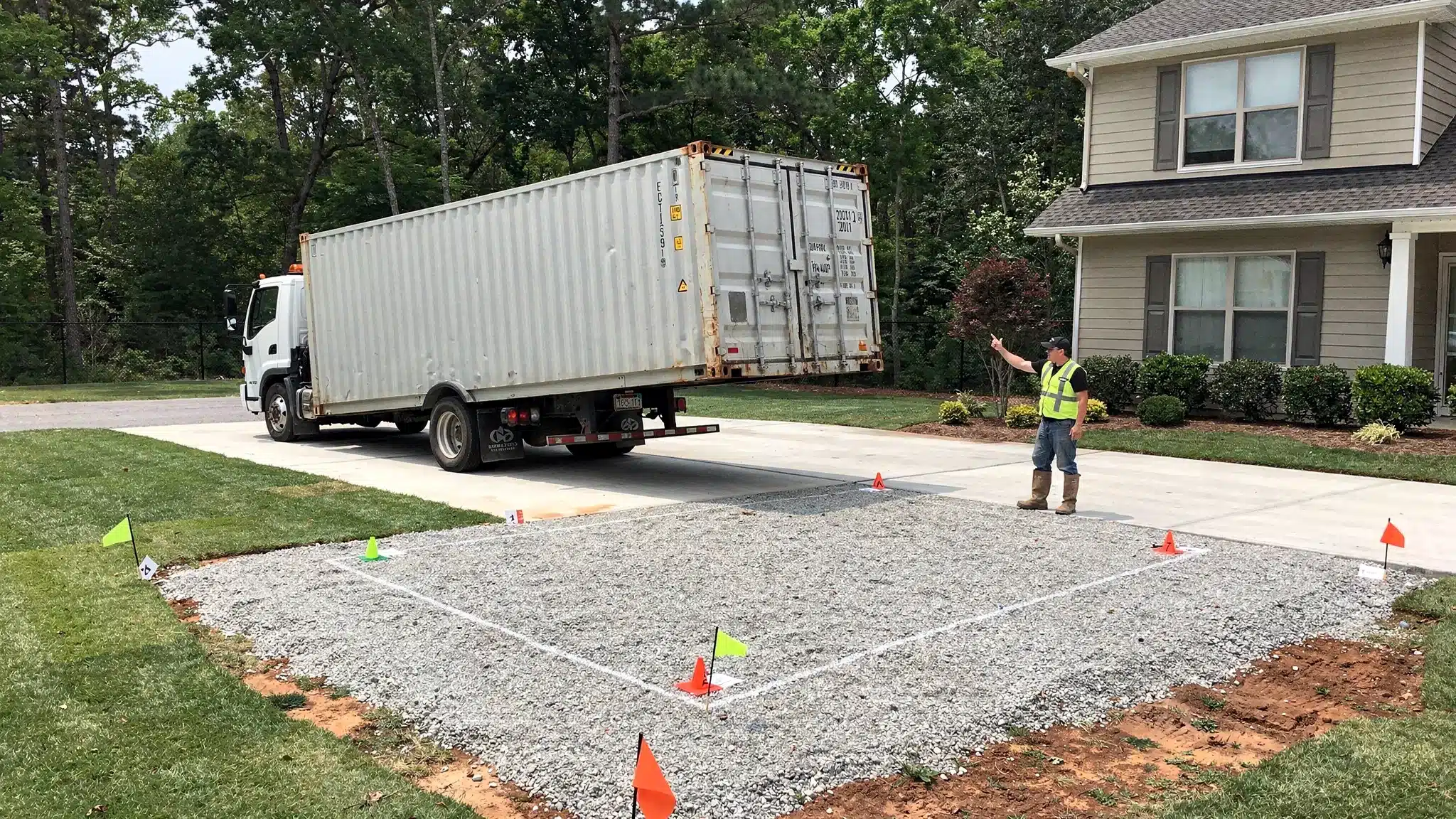
A good container can still become hard to use if it is placed on an uneven or poorly drained surface. Before delivery, prepare a level base with stable bearing points under the container’s corners. Compacted gravel is often a strong choice for residential and agricultural sites because it drains well, spreads weight, and can be adjusted more easily than soil.
Avoid setting a container directly on soft grass, wet clay, or low areas where water collects. In Raleigh and much of North Carolina, red clay soils can become slick and unstable after heavy rain. A gravel pad with geotextile fabric, proper drainage, and compacted stone can help prevent settling, door misalignment, and underfloor corrosion.
The container does not need a full foundation for every storage use, but it does need level corner support. If one corner sinks, the steel frame can twist slightly, which may make the cargo doors difficult to open. For longer-term placement, concrete piers, a concrete slab, or engineered footings may be appropriate, especially for modified offices, workshops, or container-based structures.
Before digging, call 811 to locate underground utilities. For Raleigh, Wake County, HOA communities, and nearby municipalities, also confirm zoning, setback, and permit requirements before scheduling delivery.
Delivery day: what should happen
A well-planned container delivery should feel organized, not rushed. The driver needs a clear route, a prepared landing area, and one responsible person on site who can confirm final placement.
A typical delivery day follows this sequence:
- The driver confirms the route, driveway access, and drop spot before entering the property.
- The buyer confirms door orientation, usually doors facing the easiest loading direction.
- The driver positions the trailer and begins the offload using the agreed method.
- The container is placed on the prepared base, blocks, pad, or support points.
- The buyer inspects the container exterior, interior, doors, gaskets, floor, roof, and locking bars before signing off.
Do not wait until later to inspect. Open and close the doors while the driver is still there. If the doors are hard to operate, the issue may be a grade problem, but it may also be the base. A container sitting out of level can make otherwise functional doors feel jammed.
Take photos of all sides, the roof if safely visible, the interior, the floor, the CSC plate if relevant, and the locking hardware. This documentation is especially important for Cargo Worthy units, rental containers, and any unit intended for modification.
Raleigh and Southeast delivery considerations
In the Raleigh area, the best container delivery plan accounts for local conditions. Mature trees, narrow residential roads, drainage ditches, sloped lots, and HOA-controlled neighborhoods can all affect where a container can be placed. In the broader Southeast, humidity and heavy rainfall make drainage and airflow especially important.
Corten Steel is designed to resist weathering better than ordinary steel, but it is not maintenance-free. Standing water, trapped leaves, soil contact, and poor drainage can accelerate corrosion over time. Even a One-Trip unit benefits from smart placement that keeps the underside dry and allows air to circulate.
For contractors and home builders, a 20ft or 40ft WWT container can provide secure on-site storage for tools, fixtures, and materials. For homeowners, a One-Trip or clean WWT unit may be suitable for long-term property storage. For exporters and logistics teams, a Cargo Worthy unit is the more appropriate grade when the container may re-enter intermodal service.
Quick checklist before ordering a container delivered to your home
Before you approve a quote, confirm the fundamentals. This short checklist will help you avoid the most common delivery problems.
- Confirm the size, including standard height or High Cube height.
- Confirm the grade, such as One-Trip, Cargo Worthy, or Wind & Watertight.
- Ask whether the quoted price includes delivery and ground-level placement.
- Measure driveway width, turning room, overhead clearance, and straight-line unloading space.
- Prepare a level gravel pad, concrete surface, piers, or stable corner supports.
- Decide door direction before the truck arrives.
- Check HOA, zoning, setback, and permit requirements.
- Share photos with the supplier before scheduling delivery.
If anything looks questionable, ask before the truck is dispatched. A five-minute review with a knowledgeable local team can save a missed delivery, property damage, or a unit placed in the wrong orientation.
Frequently Asked Questions
Can a shipping container really be delivered to a home? Yes, many shipping containers can be delivered to residential properties if there is safe truck access, adequate clearance, stable ground, and a legal place to set the unit. Driveways, gravel pads, farms, and open lots are common delivery locations.
Does delivered to your home mean the container will be installed? Usually no. Delivery typically means transportation and offloading at an accessible drop spot. Site work, foundations, grading, permits, utility work, and later relocation are usually separate unless specifically quoted.
What grade should I choose for home storage? For basic static storage, a Wind & Watertight container is often sufficient if it passes inspection. For cleaner appearance, longer service life, or conversion projects, a One-Trip unit is often the better choice. Cargo Worthy containers are best when export suitability or higher structural assurance matters.
Can a 40ft High Cube container be delivered to a residential driveway? Sometimes, but it requires more space than a 20ft unit and more overhead clearance because a High Cube is typically 9 ft 6 in tall before trailer height is considered. Always confirm truck access, slope, turns, and unloading room before ordering.
Do I need a permit for a container at my home in Raleigh or North Carolina? It depends on your municipality, zoning, placement duration, intended use, and HOA rules. A temporary storage container may be treated differently than a modified office or permanent structure. Always confirm with your local planning or permitting office before delivery.
What should I inspect when the container arrives? Check the doors, gaskets, locking bars, floor, roof, side panels, corner castings, vents, and signs of daylight inside the container. For Cargo Worthy containers, verify relevant documentation and CSC information if the unit will be used for transport.
Get clear guidance before your container is delivered
Delivered to your home should mean more than getting a container onto a truck. It should mean choosing the right size, verifying the right grade, planning the right delivery method, and preparing the right drop spot before the driver arrives.
Lease Lane Containers LLC supplies One-Trip, Cargo Worthy, Wind & Watertight, High Cube, standard, refrigerated, and custom container solutions from Raleigh, NC with delivery support across North Carolina, the Southeast, and nationwide. To plan your delivery, compare options, or confirm whether your property is ready, contact the sales team at sales@leaselanecontainers.com or visit the Raleigh office for local guidance.