Shipping Container for Construction Site Storage
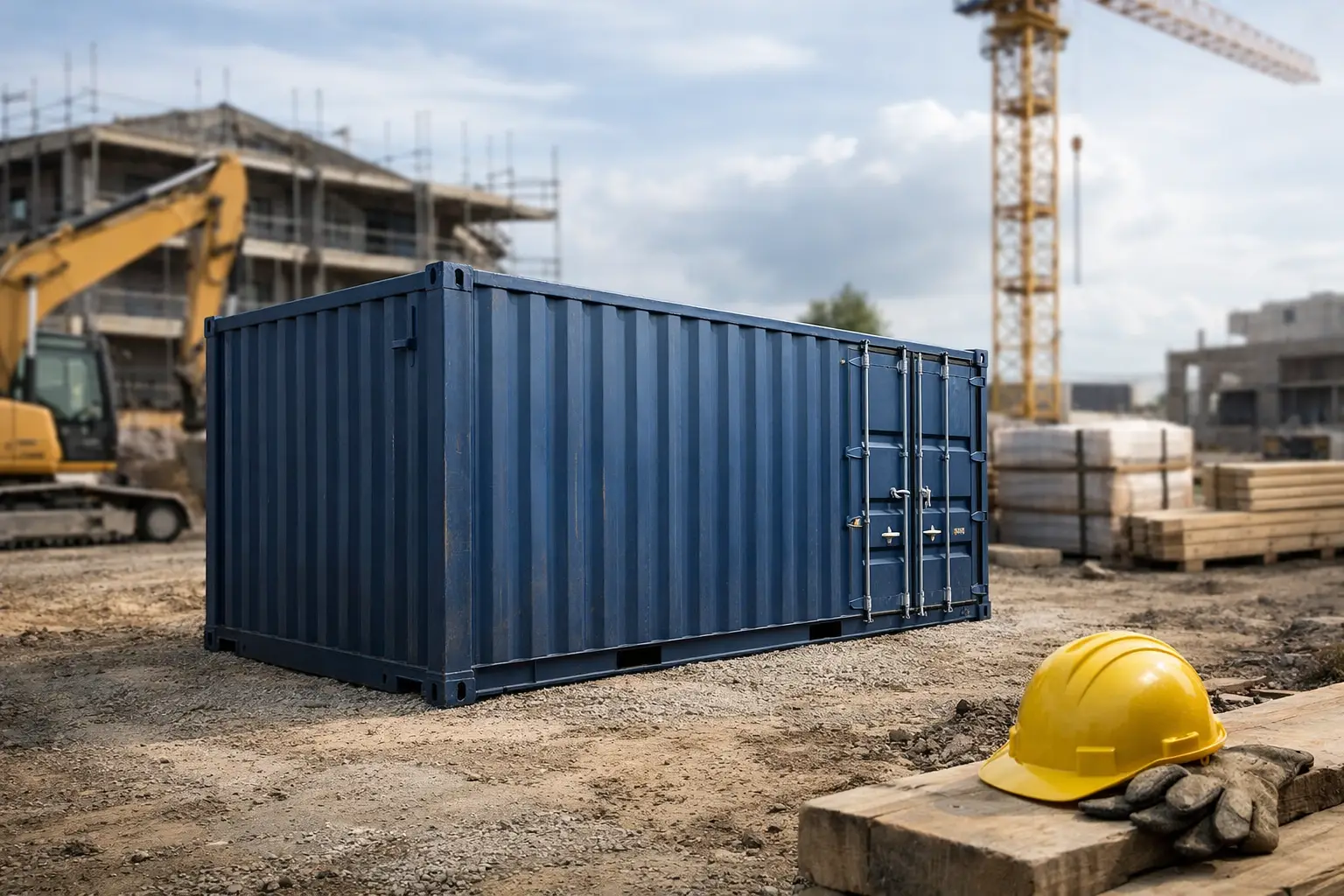
A missing pallet of copper, rain-damaged tools, and crews wasting time hunting for materials can cost more than the container meant to prevent it. A shipping container for construction site storage solves a very practical problem: keeping equipment, supplies, and job-site inventory secure, dry, and easy to access without building a permanent structure.
For contractors, the value is not just storage capacity. It is predictability. If the container arrives on time, sits level, opens properly, and matches the condition promised, it becomes part of the workflow instead of one more problem to manage. That is why choosing the right unit matters more than simply finding the lowest advertised price.
Why a shipping container for construction site storage works
Construction sites are hard on storage. Conditions change fast, weather is unpredictable, and valuable materials often arrive before they are installed. Standard sheds and temporary enclosures can work for some sites, but they usually do not match the security and structural durability of a steel container built to ISO dimensions.
Most shipping containers are made from Corten steel, a weathering steel designed to handle harsh transport conditions. In plain terms, that means the box was built to survive ocean freight, stacking loads, and rough handling. On a construction site, that translates into a storage unit that stands up well to wind, rain, and repeated use.
There is also a labor advantage. With a container on site, crews know where materials live. Tools are locked up at the end of the day. Consumables such as fasteners, electrical components, and plumbing supplies stay organized and dry. That can reduce replacement costs and cut down on delays caused by damaged or missing inventory.
Choosing the right size for job-site storage
The best size depends on what you are storing, how often crews need access, and how much room the site has for delivery and placement.
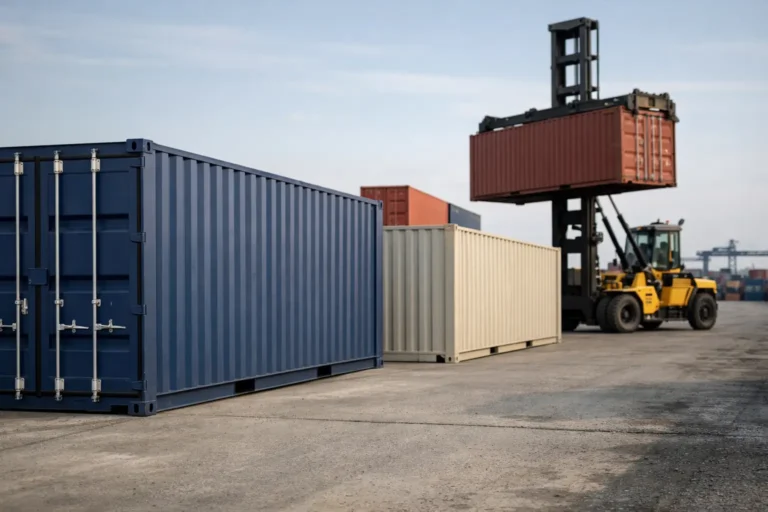
A 20-foot container is often the most practical option for active construction sites. It offers a strong balance of storage capacity and placement flexibility. If the site is tight or located in a developed area where truck maneuvering is limited, a 20-foot unit is usually easier to deliver and position.
A 40-foot container makes sense when the project involves larger material volumes, multiple trades, or long-duration storage. It gives you more usable floor space, but it also demands more room for delivery and swing clearance at the doors. On congested sites, that trade-off matters.
High-cube containers add roughly one extra foot of interior height. That does not sound like much on paper, but it can make a real difference if you are storing shelving, taller equipment, or stacked inventory. If vertical storage is part of your plan, a high-cube unit may be worth the added cost.
New, used, or refurbished: what condition should you buy?
This is where many buyers run into avoidable surprises. Not every container listed for sale is suited for secure job-site storage, and condition labels can be vague if the seller is not transparent.
For construction use, a Wind & Watertight container is often the minimum standard worth considering. WWT means the unit is structurally sound enough to keep out normal wind and water intrusion. It may have dents, surface rust, patches, or visible signs of prior service, but it should still function as a dry storage box.
Cargo Worthy containers are generally inspected to meet shipping-related structural standards. If you may need to move the container later or want a stronger condition baseline, Cargo Worthy can be a sensible choice. Just keep in mind that cargo certification and cosmetic appearance are not the same thing.
One-trip containers are the cleanest option. These are newer units that have typically made a single loaded trip from the manufacturer. They usually have the best doors, the fewest repairs, and the most uniform appearance. For high-visibility sites, premium equipment storage, or buyers who want the longest service life with minimal maintenance, they are often the right fit.
Refurbished containers fall somewhere in the middle. If the refurbishment is done properly, they can offer a good blend of performance and appearance. The key is asking what was actually refurbished. Fresh paint alone is not the same as verified floor, door, and structural repairs.
Security matters more than most buyers expect
A steel box is a strong starting point, but not all containers are equally secure in day-to-day use. Door condition matters. So does hardware quality.
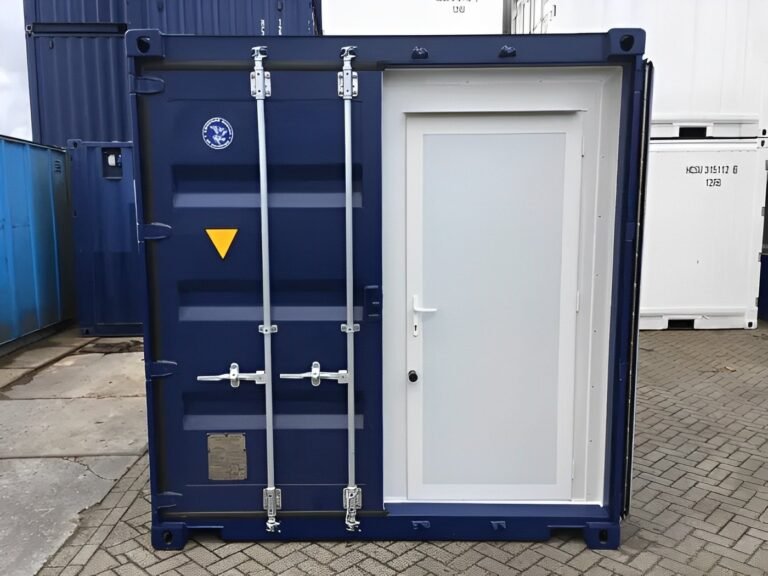
Look for solid door seals, functioning locking gear, and doors that open and close without excessive force. If the container is slightly racked from wear or poor placement, it may become frustrating fast. On a busy site, that friction turns into lost time.
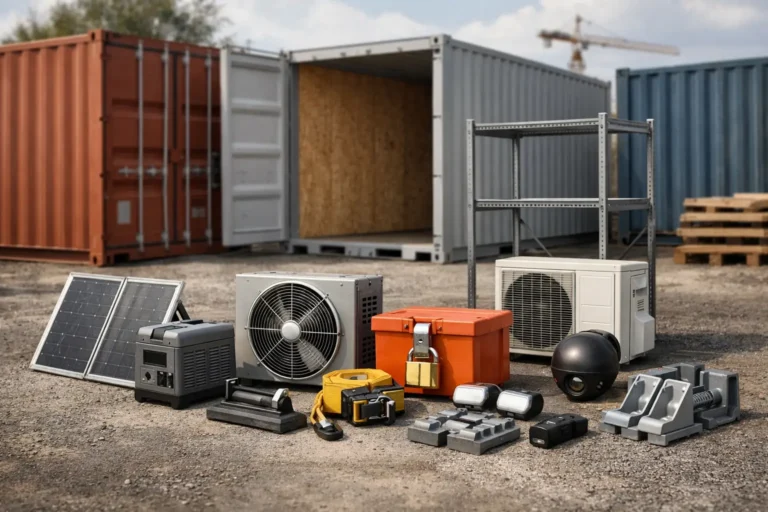
Many contractors add a lockbox, which is a welded steel housing that shields the padlock from bolt cutters and tampering. For tools, power equipment, and high-theft materials, that upgrade is often worth it. Interior lighting, shelving, and ramps can also improve usability, especially if the container will serve as an active supply point rather than passive storage.
Security is also about placement. If possible, position the container where supervisors can see it, but where it does not interfere with traffic flow. A container tucked behind stockpiles may be harder for thieves to access, but it can also be harder for your own crews to use efficiently.
Site preparation and delivery can make or break the job
The container itself is only part of the purchase. Delivery conditions are just as important, and this is where experienced vendors separate themselves.
A shipping container for construction site storage needs stable, level support. That does not always mean a full concrete pad, but it does mean the ground must be prepared to carry the load and keep the frame from twisting. Common support options include compacted gravel, railroad ties, concrete piers, or blocks placed under the corner castings and key structural points.
If the container sits out of level, door operation is usually the first problem. Water drainage can become another issue. Over time, poor support can create avoidable stress on the frame.
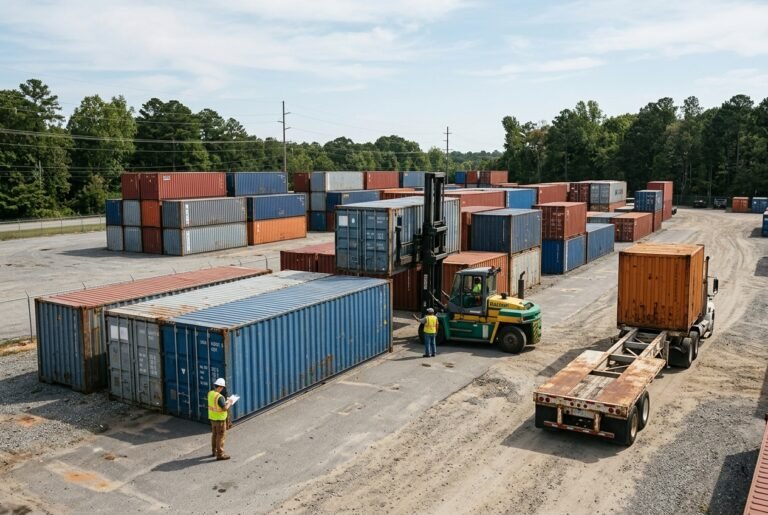
Delivery access should be reviewed before the truck is dispatched. Think about gate width, turning radius, overhead power lines, soft ground, and whether a Tilt-Bed or Ground-Level delivery method is appropriate. A low advertised container price loses its appeal quickly if redelivery, crane coordination, or site delays enter the picture.
For buyers in fast-growing areas such as Raleigh and the broader Southeast, tight job schedules and limited urban access can make delivery planning even more important. Clear communication about truck requirements, placement direction, and site readiness helps avoid costly downtime.
Common mistakes to avoid
The most common mistake is buying based on price alone. A cheaper container with poor doors, hidden floor damage, or unclear grade can cost more once repairs, work interruptions, and security issues are factored in.
Another mistake is oversizing. A 40-foot unit is not automatically better than a 20-foot unit. If it blocks circulation, exceeds the usable footprint, or complicates delivery, the extra space may not help the project.
Buyers also underestimate site conditions. Mud, slope, or limited access can turn a routine drop into a problem. A dependable supplier should ask detailed questions before delivery, not after the truck is already on the road.
Finally, some buyers do not think through the storage layout. If the crew has to unload half the container to reach what they need, productivity suffers. Shelving, aisle space, and planned inventory zones matter more than many people expect.
What to ask before you order
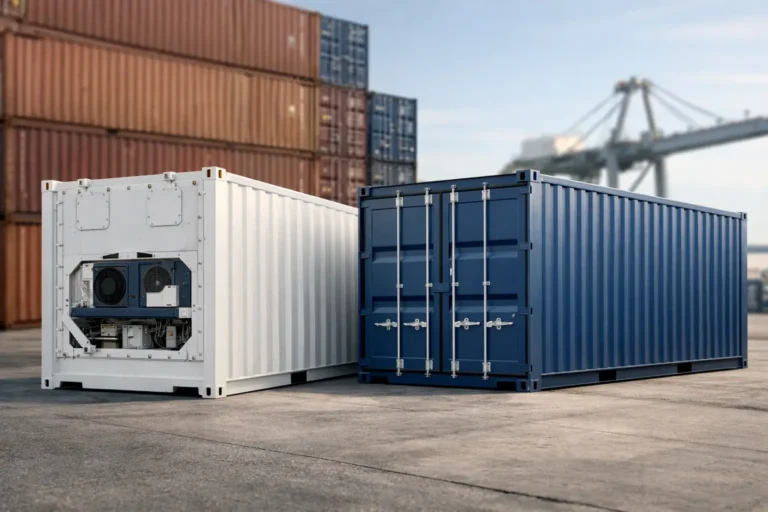
Ask for verified container dimensions, grade definitions, and clear photos of the actual unit or the exact condition standard being sold. Confirm whether the container is WWT, Cargo Worthy, one-trip, or refurbished, and ask what that means in practical terms.
You should also ask about floor condition, door operation, lockbox options, delivery equipment, and who is responsible if the site is not accessible on arrival. Clear pricing matters. So do clear delivery expectations.
A reliable seller should be able to explain the trade-offs plainly. If you need a clean-looking container for a client-facing project, that is different from needing a basic secure box on a rough commercial site. The right recommendation should reflect the job, not just the inventory on hand.
On most projects, the best storage solution is the one that arrives as promised, fits the site, and performs without drama. When the container grade is clear, the delivery plan is realistic, and the unit matches the way your crew actually works, storage stops being a site headache and starts doing its job quietly every day.