How to Choose the Right 20 Ft Storage Container
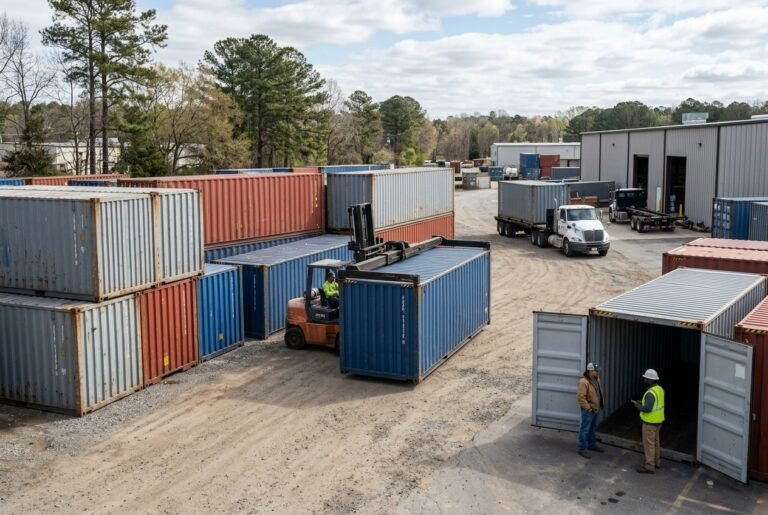
A 20 ft storage container is one of the most practical choices for secure, ground-level storage. It is large enough for tools, inventory, equipment, furniture, feed, or renovation materials, yet compact enough to fit many job sites, farms, driveways, and small business properties across Raleigh, North Carolina and the Southeast.
The key is choosing the right unit, not just the cheapest one. A good purchase depends on the container’s grade, height, condition, delivery access, site preparation, and how long you plan to use it. Here is how to evaluate your options before you buy.
Why a 20 ft storage container is often the right size
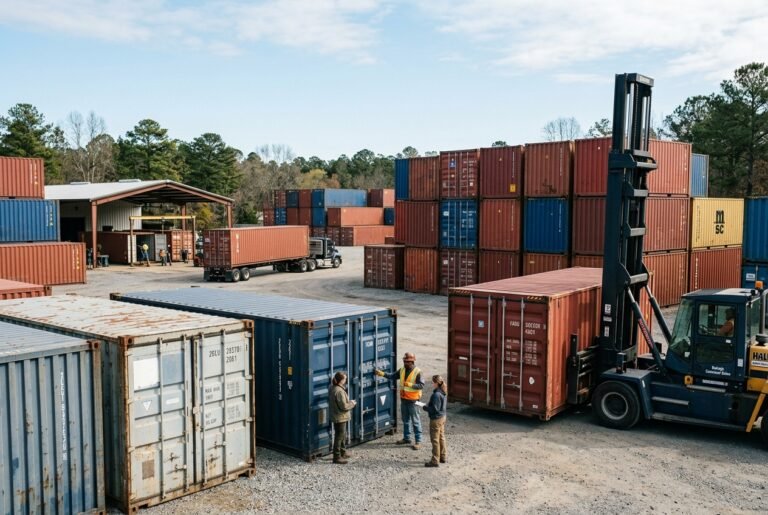
A standard 20 ft container typically has an exterior footprint of about 20 feet long by 8 feet wide, giving you roughly 160 square feet of ground-level storage. Because it is shorter than a 40 ft unit, it is often easier to deliver into tighter areas, including residential driveways, compact construction sites, and farm lanes.
For many contractors and homeowners, a 20 ft storage container offers the best balance between capacity and placement flexibility. It can store jobsite tools, lumber, plumbing supplies, seasonal equipment, household overflow, landscaping gear, or business inventory without requiring the larger turning and drop space often needed for a 40 ft container.
If you are still comparing sizes, review Lease Lane Containers’ guide to shipping container dimensions for 20ft, 40ft, and High Cube units before you commit. The right size should match your access route and loading needs, not just your storage volume.
Start with what you plan to store
The best 20 ft storage container for a general contractor may not be the best choice for a homeowner, farm, retailer, or logistics manager. Before comparing prices, write down what will go inside, how often you will access it, and whether appearance matters.
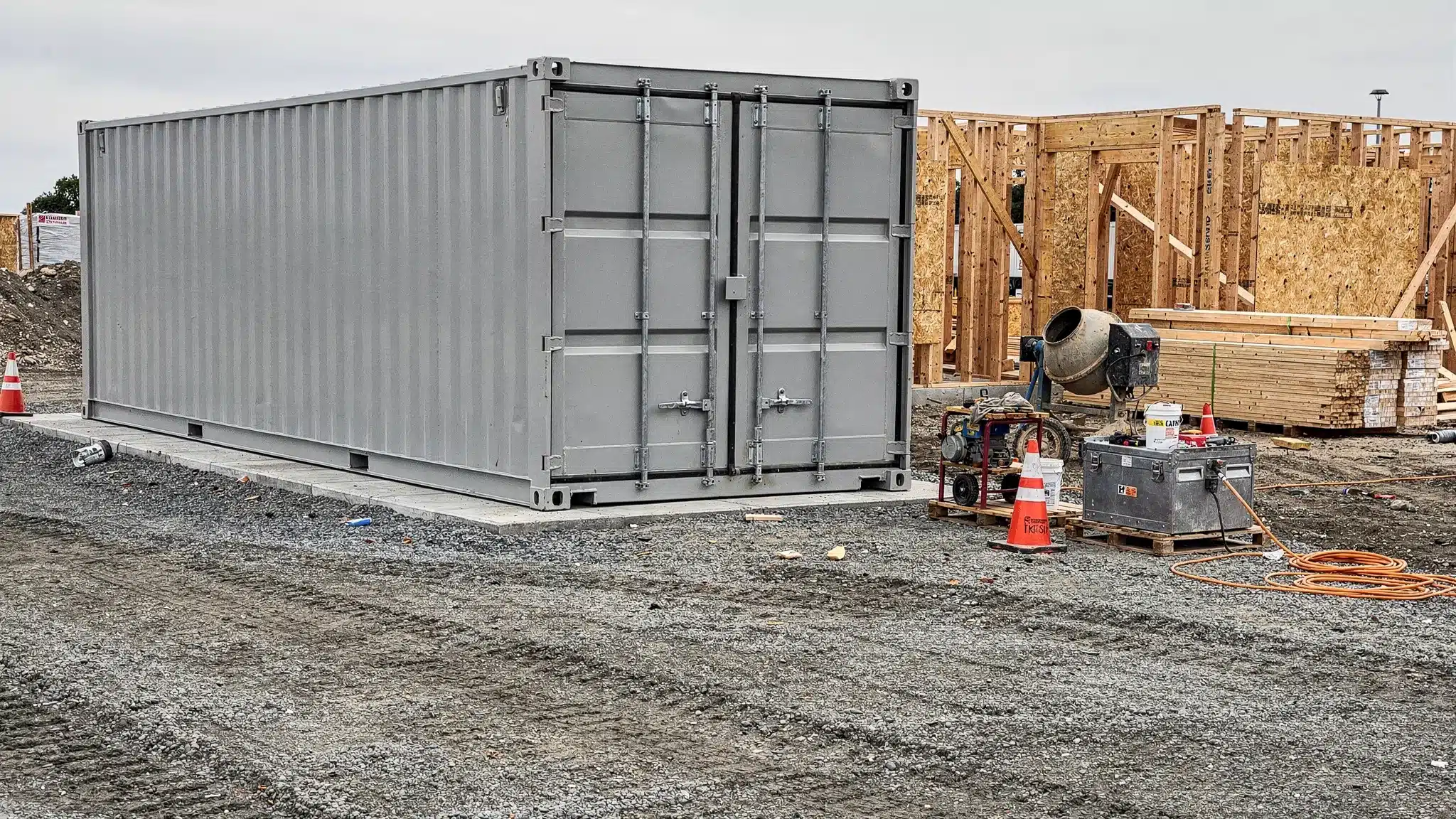
For construction storage, the priority is usually strength, weather protection, and security. A Wind and Watertight or Cargo Worthy unit may be sufficient if the container will stay on a jobsite and hold tools, fasteners, equipment, or building materials.
For small business inventory, especially if customers, staff, or vendors will see the unit, cosmetic condition becomes more important. Retailers, event vendors, and service businesses may prefer a cleaner One-Trip container because it looks more professional. Presentation matters in customer-facing industries, just as it does for polished service brands like Kingdom Cute Hair Salon, where the customer experience starts with a clean, intentional environment.
For homeowners and agriculture users, a used Wind and Watertight unit can be a cost-effective choice for mowers, feed, seasonal furniture, tools, and long-term property storage. If you are storing valuable belongings, moisture-sensitive items, or equipment for many years, a cleaner Cargo Worthy or One-Trip unit may deliver better long-term value.
For export or intermodal shipping, do not buy based on storage grade alone. You will typically need a Cargo Worthy container with appropriate documentation, and the CSC plate and inspection status should be verified before loading cargo.
Understand container grades before comparing quotes
Container grade is one of the biggest factors in price, condition, and suitability. Two 20 ft containers may look similar in photos, but their structural condition and intended use can be very different.
Most ISO shipping containers are built with corrugated Corten Steel, a weathering steel designed to resist harsh transport conditions. They also use standardized corner castings, structural rails, forklift pockets, locking bars, and marine-grade plywood floors. The grade tells you how much service life and certification confidence remain.
| Grade | What it means | Best for | What to verify |
|---|---|---|---|
| One-Trip | Nearly new container that has typically made one loaded voyage from the factory | Clean storage, customer-facing uses, modifications, offices, long-term ownership | Minor handling marks, intact factory paint, straight doors, clean flooring |
| Cargo Worthy, or CW | Used container inspected as structurally suitable for cargo transport | Export, intermodal use, high-value storage, tougher jobsite needs | CSC plate status, structural rails, corner castings, floor condition, door seals |
| Wind and Watertight, or WWT | Used container that keeps out wind and water but is not certified for ocean cargo | Static storage, farms, construction sites, household overflow | Light test, roof condition, door gaskets, floor softness, corrosion points |
| As-Is | No reliable weatherproof or structural guarantee | Parts, scrap, short-term noncritical storage only | Avoid for valuable goods unless you inspect thoroughly |
If you want a deeper breakdown, read Lease Lane Containers’ guide on how to choose the right shipping container grade. Grade clarity is essential when comparing sellers because “used container” can mean anything from a solid WWT unit to a heavily worn As-Is box.
Choose the right configuration: standard, High Cube, or reefer
Most buyers looking for a 20 ft storage container choose a standard dry container. It is widely available, rugged, and suitable for most non-temperature-controlled storage needs. However, there are cases where a High Cube or refrigerated unit makes more sense.
A 20 ft High Cube container is one foot taller than a standard unit. High Cube units are often more common in 40 ft lengths, but 20 ft High Cube options may be available depending on market supply. The extra height can matter if you plan to add insulation, shelving, lighting, or a finished ceiling for a workshop or office conversion.
A 20 ft refrigerated container, often called a reefer, is built for cold storage and includes insulated walls plus refrigeration equipment. Reefers are not the best choice for basic tool storage, but they are valuable for businesses that need controlled temperatures for food, floral products, pharmaceuticals, or specialty inventory. They also require proper electrical planning.
| 20 ft container type | Typical exterior size | Typical interior consideration | Best use |
|---|---|---|---|
| Standard dry container | 20' x 8' x 8'6" | About 7'10" interior height, varies by manufacturer | Tools, equipment, household goods, inventory |
| 20 ft High Cube | 20' x 8' x 9'6" | About one extra foot of height | Shelving, modifications, workshops, taller cargo |
| 20 ft reefer | Similar exterior footprint | Less usable interior space due to insulation and machinery | Temperature-sensitive storage |
Exact measurements can vary slightly by manufacturer, floor thickness, and refrigeration equipment. Always confirm the container’s unit-specific dimensions before buying, especially if you are storing tall equipment or building interior framing.
Inspect the structure, not just the paint
Fresh paint can make a container look better, but paint alone does not prove quality. A reliable 20 ft storage container should have a solid frame, working doors, intact flooring, and no active leaks.
Start with the roof. Look for deep dents that hold water, heavy rust, patches, or pinholes. Then check the side walls and end wall for major impacts or bowed panels. Cosmetic dents are common on used containers, but structural deformation around the rails, posts, or corner castings deserves closer attention.
The doors are one of the most important inspection points. They should open and close without excessive force. Locking bars should rotate properly, hinges should not be seized, and rubber gaskets should be flexible enough to seal. If the container is not level during inspection, doors may behave differently after delivery, which is why site preparation matters.
Inside the container, check the floor for soft spots, delamination, chemical odors, or oil staining. Used containers commonly have marine-grade plywood floors, and some wear is normal, but rotten or spongy areas can become expensive problems.
A simple light test is also useful. Step inside the container during daylight, close the doors safely, and look for sunlight coming through the roof, seams, or wall panels. Any visible pinholes may indicate leak risk. If you cannot inspect in person, ask for recent interior, exterior, roof, floor, door, and CSC plate photos. Lease Lane Containers’ guide on how to spot quality containers before you buy walks through these inspection points in more detail.
Match the grade to your use case
A common mistake is overbuying or underbuying. You may not need a One-Trip container for basic lawn equipment, but choosing a bargain As-Is unit for valuable inventory can cost more in repairs, leaks, or replacement.
| Use case | Recommended 20 ft container | Why it fits |
|---|---|---|
| Construction jobsite storage | WWT or Cargo Worthy | Strong, secure, practical for tools and materials |
| Home renovation storage | WWT or clean used unit | Cost-effective for furniture, boxes, and temporary overflow |
| Long-term farm storage | WWT or Cargo Worthy | Durable Corten Steel shell handles outdoor conditions when properly placed |
| Retail overflow or pop-up use | One-Trip or clean Cargo Worthy | Better appearance and cleaner interior |
| Office or workshop conversion | One-Trip, preferably High Cube if available | Better starting condition for insulation, framing, and cutouts |
| Export shipping | Cargo Worthy or One-Trip | Structural condition and CSC documentation matter |
| Temperature-sensitive inventory | 20 ft reefer | Provides controlled cold storage when powered correctly |
For most stationary storage in Raleigh and the wider Southeast, a WWT container is often the most budget-conscious option. For international shipping, structural modifications, premium appearance, or high-value goods, step up to Cargo Worthy or One-Trip.
Plan delivery before you buy
A container that fits your storage needs still has to fit your property. Delivery planning is especially important in Raleigh, Wake County, and rural North Carolina properties where tree canopies, soft red clay, narrow driveways, drainage ditches, and overhead lines can complicate placement.
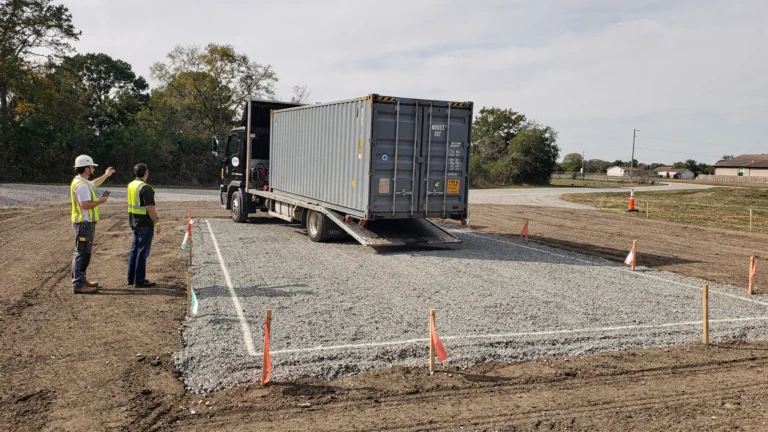
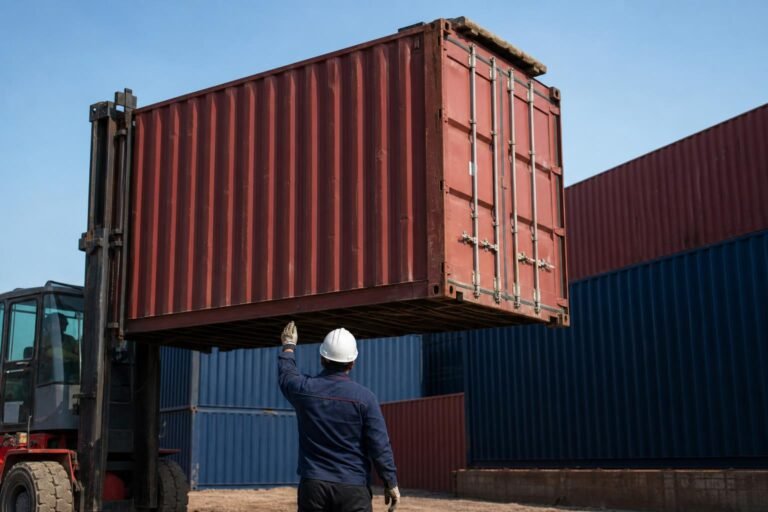
Most 20 ft containers are delivered by tilt-bed, roll-off, flatbed, side-loader, or crane depending on the site and equipment availability. Tilt-bed delivery is common, but it requires enough straight-line space for the truck, trailer, and container to unload safely. The ground also needs to support the delivery vehicle, not just the container after placement.
Before ordering, confirm the approach route, gate width, turning space, overhead clearance, slope, and final drop location. Also decide which direction the doors should face. If the doors face a fence, building, ditch, or slope, the container may technically be delivered but still be frustrating to use.
For detailed space and access guidance, review Lease Lane Containers’ shipping container delivery requirements before scheduling a drop.
Pro-Tip: Prepare the pad before the truck arrives
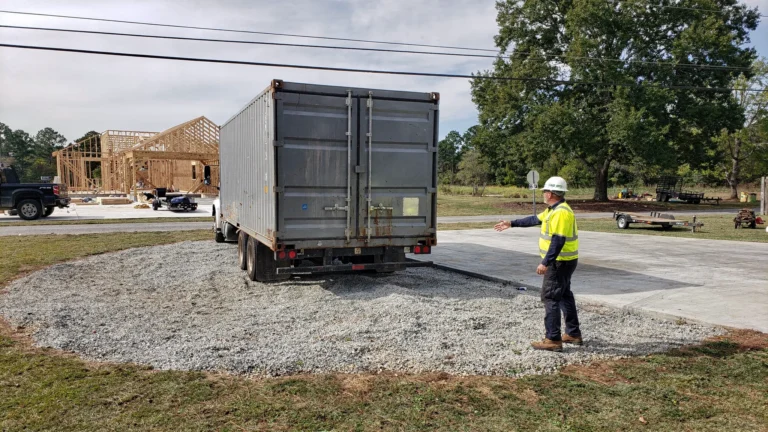
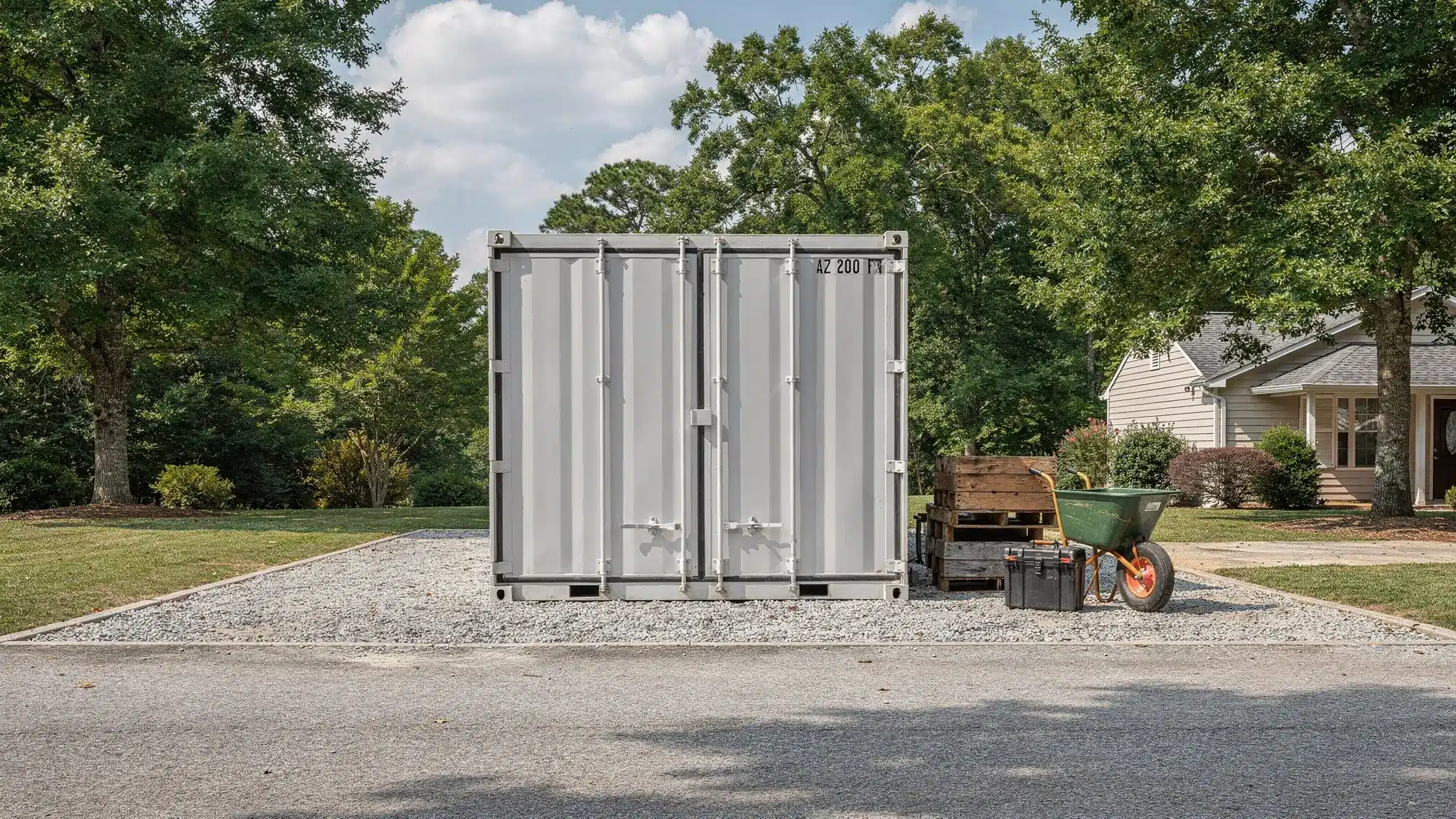
For a 20 ft storage container, the best site is level, firm, and well-drained. A compacted crushed-stone pad over geotextile fabric is a strong option for many Raleigh-area properties because it helps with drainage and reduces settling. Concrete pads, piers, pavers, and properly placed railroad ties can also work when designed for the site.
Avoid placing a container directly on soft soil, grass, or areas where water pools. When the corners sink unevenly, the frame can twist, doors can become hard to open, and moisture can accelerate corrosion underneath the container.
Before delivery, mark the four corners, verify the door swing area, clear low branches, and keep the route free of parked vehicles. If you are placing the unit in a neighborhood, commercial lot, or farm with access roads, check zoning, HOA rules, and any local permit requirements before the delivery date.
Think through security and access
A 20 ft container is naturally secure because of its steel shell and locking doors, but the right setup makes a major difference. For jobsite tools and business inventory, consider a lockbox, high-quality puck lock, lighting near the door, and placement where the unit is visible but not blocking operations.
Interior organization matters too. Shelving, hooks, bins, and a clear center aisle make the container easier to use. Heavy items should stay low and evenly distributed, while frequently used items should be close to the doors. If you need daily access, a clean floor and good ventilation are worth prioritizing.
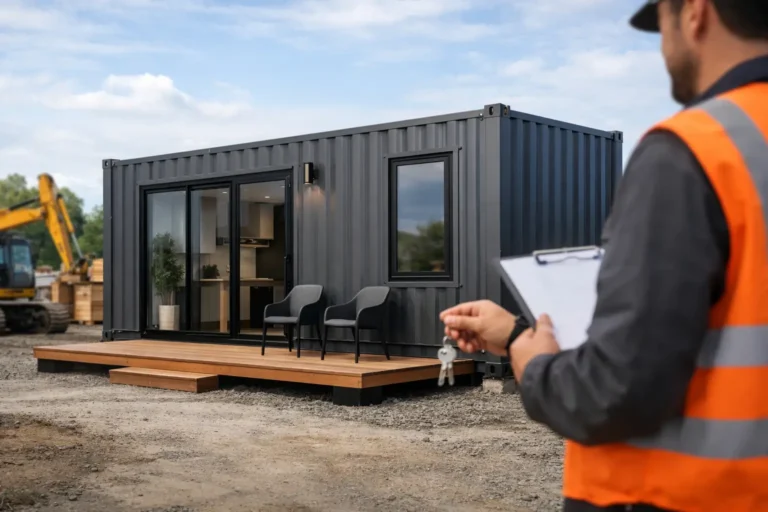
If you plan to add vents, windows, personnel doors, electrical service, insulation, or roll-up doors, start with a better-condition container. Structural cutouts require careful reinforcement, and a straighter One-Trip or Cargo Worthy unit usually gives fabricators a better shell to work from.
Budget for total delivered value, not just the container price
The lowest advertised price is not always the best deal. A proper quote should account for the container grade, size, delivery distance, offloading method, site conditions, taxes, and any modifications or accessories.
A used WWT unit may have the lowest upfront cost, but a One-Trip unit may make more sense if you want a cleaner interior, better exterior appearance, easier modification, or stronger resale value. A Cargo Worthy unit can be the right middle ground when you need stronger structural confidence than WWT but do not need a nearly new container.
If you are budgeting now, compare current market factors in Lease Lane Containers’ guide to 20ft shipping container price expectations. For Raleigh buyers, remember that delivered cost can vary based on distance from inventory, fuel, site difficulty, and equipment requirements.
Raleigh and Southeast climate considerations
North Carolina humidity, summer storms, and wet ground conditions make drainage and airflow important. Corten Steel is durable, but it is not meant to sit in standing water. Keeping the container elevated on a proper base helps preserve the floor rails and underside.
Condensation can also occur when warm, moist air meets cooler steel surfaces. If you are storing cardboard boxes, paper files, textiles, furniture, or electronics, consider ventilation, desiccants, raised pallets, or interior moisture-control products. For highly sensitive goods, a standard dry container may need modifications, or a climate-controlled solution may be more appropriate.
In storm-prone or flood-prone areas, place the container on higher ground when possible. Also consider door orientation. Doors facing prevailing rain or low-lying runoff areas may need extra attention to drainage and maintenance.
Final checklist for choosing your 20 ft storage container
Use this quick checklist before placing an order:
- Confirm that a 20 ft footprint provides enough storage and access space.
- Choose the correct grade: One-Trip, Cargo Worthy, or Wind and Watertight.
- Verify standard height, High Cube availability, or reefer requirements.
- Inspect or request photos of the roof, doors, gaskets, floor, walls, and corner castings.
- Confirm whether export use requires Cargo Worthy status and CSC documentation.
- Measure delivery access, overhead clearance, turning space, and final placement area.
- Prepare a level, drained base before delivery.
- Compare total delivered cost, not just the advertised container price.
A 20 ft storage container should make your property more organized, secure, and efficient. The right one will fit your space, protect your contents, and arrive with no surprises.
Frequently Asked Questions
Is a 20 ft storage container big enough for a construction site? Yes, for many contractors it is the ideal size for tools, hardware, small equipment, and building materials. Larger jobsites may need a 40 ft container, but a 20 ft unit is easier to place on tight lots and smaller projects.
Should I buy a One-Trip or used 20 ft container? Choose One-Trip if appearance, cleanliness, long-term value, or modifications matter. Choose a used WWT or Cargo Worthy unit if you want durable storage at a lower upfront cost. For export shipping, confirm Cargo Worthy status and CSC documentation.
What does Wind and Watertight mean? Wind and Watertight means the container is expected to keep out wind and rain during stationary storage. It does not mean the unit is certified for ocean cargo. WWT containers are popular for jobsites, farms, and home storage.
Can a 20 ft storage container be delivered to a driveway in Raleigh? Often, yes, but it depends on driveway width, slope, overhead clearance, truck access, and surface strength. Confirm access before ordering, especially if there are low branches, power lines, tight turns, or soft ground.
Is a 20 ft High Cube container worth it? It can be worth it if you need extra vertical clearance for shelving, tall equipment, insulation, or a workshop conversion. Availability varies by market, so ask your supplier what is currently available.
Do I need a permit for a storage container in Raleigh or Wake County? Requirements depend on property type, location, duration, zoning, and HOA rules. Always check with local authorities or your HOA before delivery, especially for long-term placement or commercial use.
Get help choosing the right 20 ft storage container
Lease Lane Containers LLC helps buyers in Raleigh, across North Carolina, throughout the Southeast, and nationwide choose clean, properly graded shipping containers for storage, construction, business, agriculture, and logistics needs.
If you want help comparing One-Trip, Cargo Worthy, and Wind and Watertight options, contact our local sales team at sales@leaselanecontainers.com or visit the Lease Lane Containers Raleigh office to discuss inventory, delivery, site preparation, and clear pricing.