Best Shipping Container for Backyard Storage
A backyard storage project usually looks simple until the container arrives and the gate is too narrow, the grade is rougher than expected, or the 40-foot unit overwhelms the lot. If you are trying to choose the best shipping container for backyard storage, the right answer usually comes down to four factors: size, condition, site access, and how polished you want the container to look.
For most residential properties, a 20-foot standard-height container is the safest starting point. It offers meaningful storage capacity without creating the delivery and placement problems that come with longer units. That said, “best” is not one-size-fits-all. A homeowner storing seasonal equipment has different needs than a contractor securing tools behind a residence, and both are different from a rural property owner creating a workshop shell.
What makes the best shipping container for backyard storage?
The best container is not just the biggest one you can fit in the budget. It is the one that arrives in the condition you expect, fits the site without expensive workarounds, and holds up for years in outdoor use.
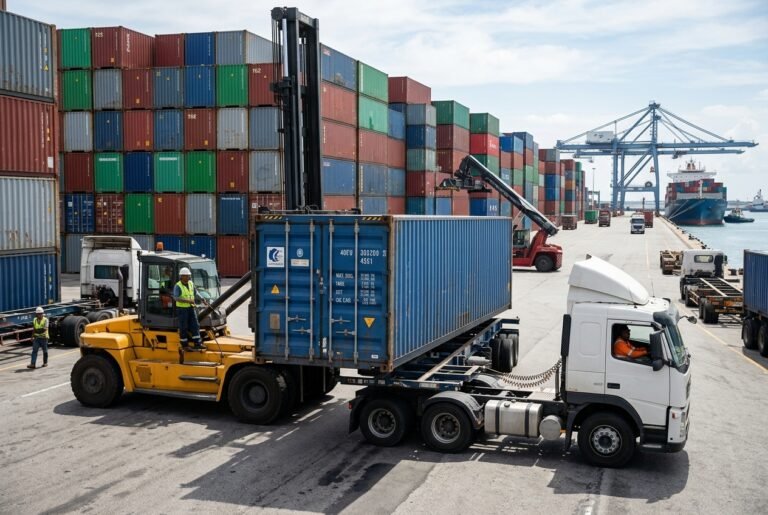
Shipping containers are built from Corten steel and designed for cargo service under ISO standards. That matters because even used units are engineered for heavy-duty, stacked transport. For backyard storage, that translates into a strong steel shell, lockable cargo doors, and resistance to wind, rain, and pests when the container is properly graded and maintained.
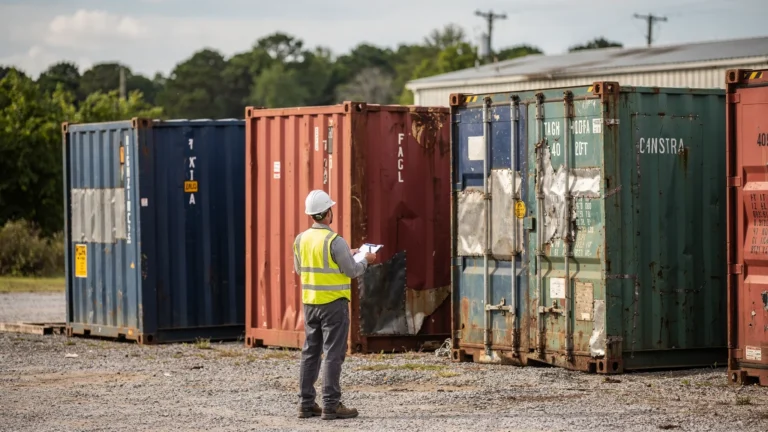
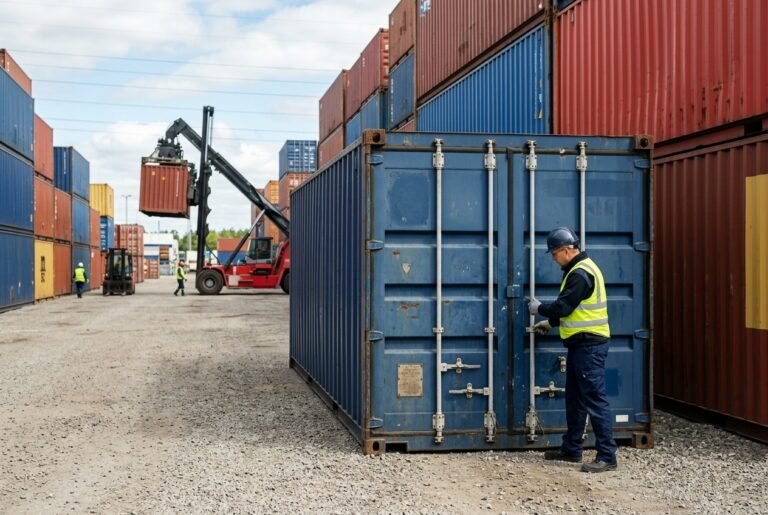
The grade matters more than many first-time buyers realize. A Wind & Watertight container, often shortened to WWT, is a practical option when function matters more than cosmetics. It is designed to keep out wind and water, but it may show dents, patched areas, and surface rust from prior service. A one-trip container has made one loaded cargo journey after manufacture and typically has the cleanest appearance, tighter door operation, and the longest remaining service life. If the container will sit near a home, patio, or visible property line, that cleaner exterior often justifies the higher upfront cost.
Start with size before you compare prices
If you shop by price alone, you can end up with a container that is cheap to buy but difficult to place. Backyard sites rarely offer the same access as a commercial lot.
20-foot container
For most homeowners, this is the best balance of storage volume, access, and delivery flexibility. A 20-foot unit is large enough for lawn equipment, motorcycles, tools, outdoor furniture, inventory, or job-site materials, but compact enough for many side-yard or rear-yard placements. It is also easier to organize because items are less likely to get buried deep inside.
A 20-foot container is often the right fit when the property has a standard residential driveway, moderate turning space, and a need for secure long-term storage without dominating the yard.
40-foot container
A 40-foot container works well when storage needs are substantial and the site can support delivery. It is a strong choice for contractors storing equipment at a residence, agricultural users with large rural lots, or homeowners who want space for both storage and a workbench area.
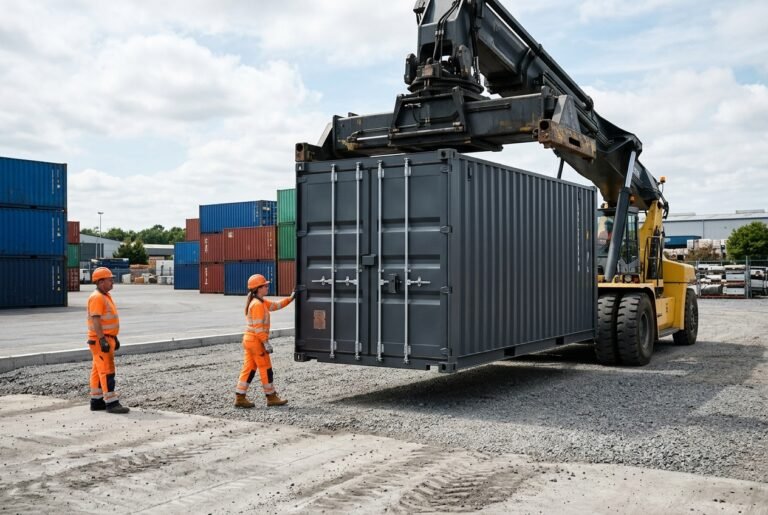
The trade-off is placement. A 40-foot container requires more room for truck approach, turn radius, and drop-off. Even when the backyard itself is large enough, the delivery path may not be. On many residential properties, access is the real limit.
45-foot container
A 45-foot unit can be useful for specialized commercial overflow or large rural properties, but it is rarely the best shipping container for backyard storage. The extra length increases delivery complexity, and many homeowners do not actually need the added capacity. Unless you have wide-open access and a very specific storage plan, this size is usually more container than a backyard requires.
Standard height or high cube?
This choice depends on what you are storing and how you plan to use the space over time.
A standard container is typically 8 feet 6 inches tall. It handles most backyard storage needs well and keeps the overall profile lower, which can matter for neighborhood appearance and local restrictions.
A high-cube container adds about one extra foot of interior height. That extra height is useful if you are storing taller equipment, installing shelving, or planning to convert part of the unit into a workshop. It also makes the interior feel less cramped. The downside is visual scale. In a tight residential setting, a high cube can feel more imposing.
If the container will simply hold boxed goods, tools, and seasonal equipment, standard height is usually sufficient. If you want flexibility for future modifications, the high cube earns a closer look.
New, used, or refurbished?
Condition should match the use case, not just the budget.
One-trip containers
These are often the best option when appearance, door function, and long service life matter most. For a backyard near a home, one-trip containers usually offer the fewest cosmetic surprises. Paint is cleaner, floors tend to be in better condition, and doors are generally easier to open and seal. They cost more, but they also reduce the risk of buying a container that looks out of place in a residential setting.
Used WWT containers
A used Wind & Watertight container is often the most economical choice for pure storage. If your main concern is securing tools, equipment, feed, or supplies, a good WWT unit can provide dependable service at a lower price point. The key is to buy from a seller who explains the grade clearly and does not blur the line between structurally sound and cosmetically clean.
Refurbished containers
Refurbished units can make sense when you want the lower cost of a used container with improved appearance. Depending on the work performed, refurbishment may include rust treatment, repainting, floor repair, and door service. This can be a smart middle ground for homeowners who want a presentable unit without paying one-trip pricing. Just make sure the refurbishment details are specific and verified.
Delivery can make or break the project
This is where many backyard container purchases go sideways. A container may fit on paper but still be difficult to deliver.
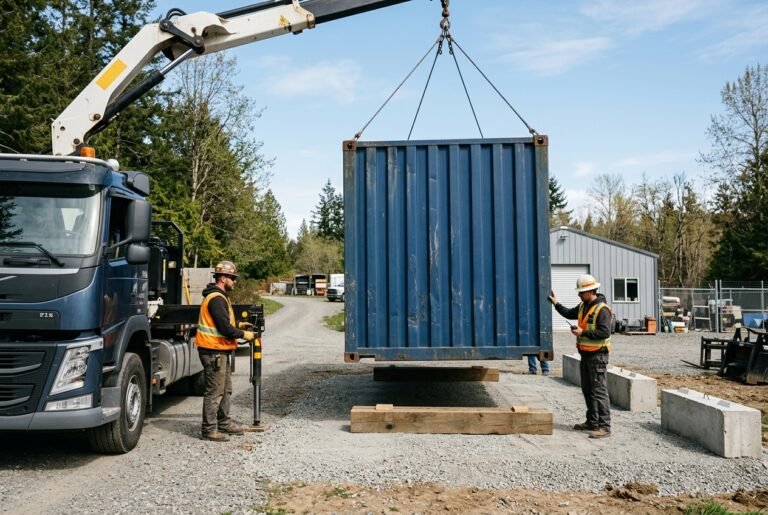
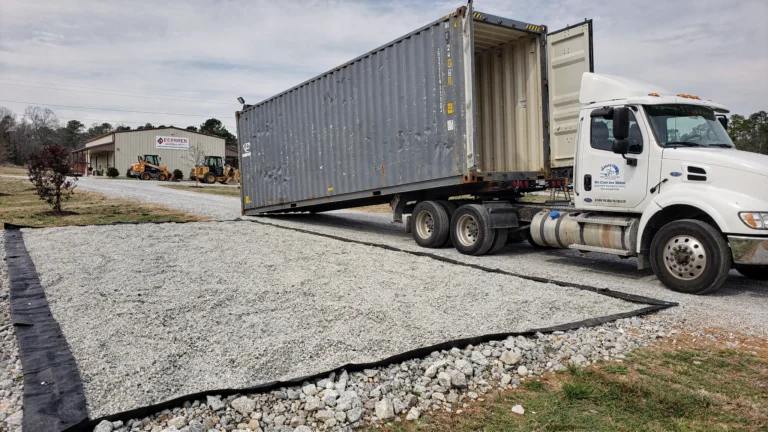
Tilt-bed delivery is common for residential sites because it allows the container to slide off the truck directly onto the prepared area. Ground-level placement is convenient, but it requires enough linear space for the truck and the container during unloading. Trees, fences, utility lines, soft ground, and slope all matter.
Before you choose a container, check gate width, overhead clearance, driveway strength, and the exact path to the placement area. A shorter container that can be delivered cleanly is often the better investment than a larger one that requires crane work, fence removal, or multiple attempts.
This is one reason transparent logistics support matters. A dependable supplier should discuss delivery method, truck access, and site conditions before the order is finalized. No fine print, no surprises.
The best shipping container for backyard storage by use case
If you want the most reliable all-around choice, start with a 20-foot one-trip standard-height container. It gives you clean appearance, strong structural integrity, and manageable delivery requirements. For many homeowners, that is the right answer.
If budget is the main driver and appearance is secondary, a 20-foot used WWT container is often the value pick. It provides secure, weather-resistant storage without paying for a near-new exterior.
If you need more vertical room for shelving, workshop use, or taller items, a 20-foot high cube is a practical upgrade. If your storage volume is large and your lot has excellent access, a 40-foot unit may be worth the added complexity.
For most backyards, the decision tree is fairly simple. Choose 20 feet unless you know you need 40. Choose one-trip if appearance matters. Choose WWT if function and cost matter more. Choose high cube if height will actually be used.
A few backyard-specific details people miss
Local zoning or HOA restrictions can matter, especially in suburban neighborhoods. Some properties allow storage containers only in rear yards or for limited durations. Rural properties tend to offer more flexibility, but it is still worth checking before delivery is scheduled.
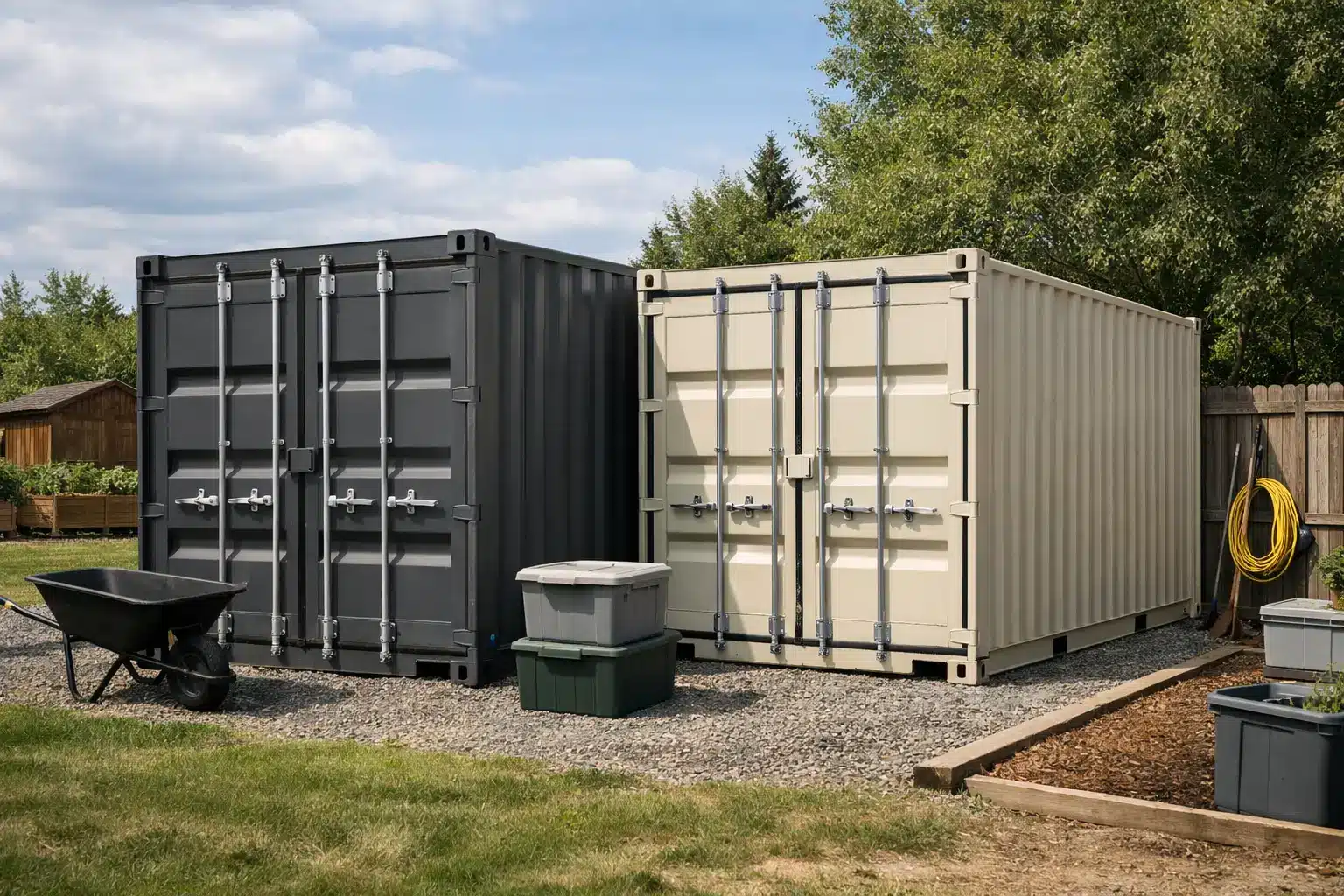
The foundation also deserves attention. You do not always need a full concrete pad, but you do need a stable, level base. Gravel, railroad ties, concrete piers, or precast blocks can all work depending on the site and the container size. The goal is to keep the corner castings supported and the frame level enough for the doors to operate correctly.
Ventilation is another practical point. Containers are secure, but they can trap heat and moisture if packed tightly in humid climates. If you are storing sensitive items, ask about vents, moisture control, and whether a light refurbishment or modification would improve long-term performance.
A backyard container should solve a storage problem, not create a maintenance problem. That is why verified specifications and honest grading matter more than a flashy listing.
If you are still weighing options, the best next step is not chasing the lowest advertised price. It is confirming the container grade, the actual dimensions, and the delivery plan for your specific site. That is how you end up with a container that works on day one and still works years from now.