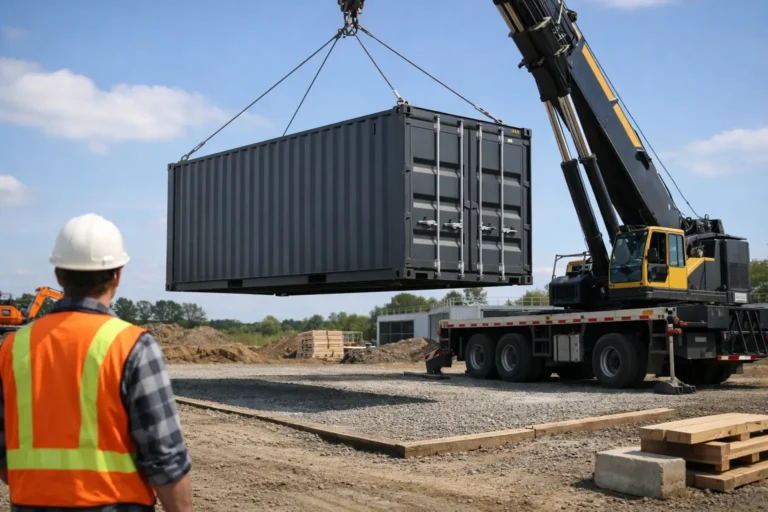
How to Inspect a Used Shipping Container
A used container can look solid from 20 feet away and still give you expensive problems the day it arrives. The difference usually comes down to inspection. If you are wondering how to inspect used shipping container inventory before you buy, focus less on paint and more on structure, weather resistance, and whether the unit matches your actual use.
That matters whether you need job-site storage for tools, overflow inventory for a retail operation, or a workshop shell on rural property. Cosmetic wear is normal on used containers. Structural defects, active leaks, and bent door frames are where costs start to add up.
How to Inspect a Used Shipping Container Without Missing the Big Issues
The fastest way to make a bad purchase is to inspect a container like a car. Dents and scratches are not the first concern. Start with the parts that determine whether the unit is still secure, stackable, and weather-resistant.
Before you look at details, ask what grade you are buying. A Wind and Watertight container is generally suited for static storage, while a Cargo Worthy unit is expected to meet a higher standard for structural condition and transport suitability. Those terms are useful only if the seller explains them clearly. If grading language feels vague, that is a warning sign by itself.
A practical inspection moves in this order: frame, roof, walls, doors, floor, then signs of prior repairs. That sequence helps you identify defects that affect performance, not just appearance.
Start with the Corner Posts and Frame Rails
The corner posts and top and bottom rails carry the structure. If these are badly bent, twisted, or crushed, the container may no longer sit level or handle normal loading the way it should. Look closely at all four corners, especially the lower areas where impact damage and corrosion tend to show up first.
Some surface rust is expected on used Corten steel containers. What you do not want is scaling rust that flakes deeply, holes around welds, or areas that appear patched over without explanation. A straight frame matters even more if the container will be delivered onto a tight site, placed next to another unit, or used as the base for a conversion.
If one corner looks lower than the others, ask whether the unit sits square on level ground. A container that is out of square often shows up later as doors that stick, gaps in seals, or difficulty during placement.
Check the Roof Carefully, Not Quickly
Roof damage is easy to miss because most buyers do not climb up and inspect it closely. That is a mistake. Small roof dents can be acceptable, but deep depressions can hold standing water. Over time, standing water increases corrosion risk and raises the odds of leaks.
From the exterior, look for sagging sections, punctures, and heavy rust. From the interior, stand inside with the doors closed if possible and look for pinholes of daylight. Even tiny light penetration can mean moisture entry during heavy rain. Water stains on interior walls or the floor are another clue that the roof or door seals have been compromised.
If the container is for long-term storage, especially for tools, electrical materials, paper goods, or furniture, roof condition should carry more weight than cosmetic sidewall dents.
Doors Tell You a Lot About Container Condition
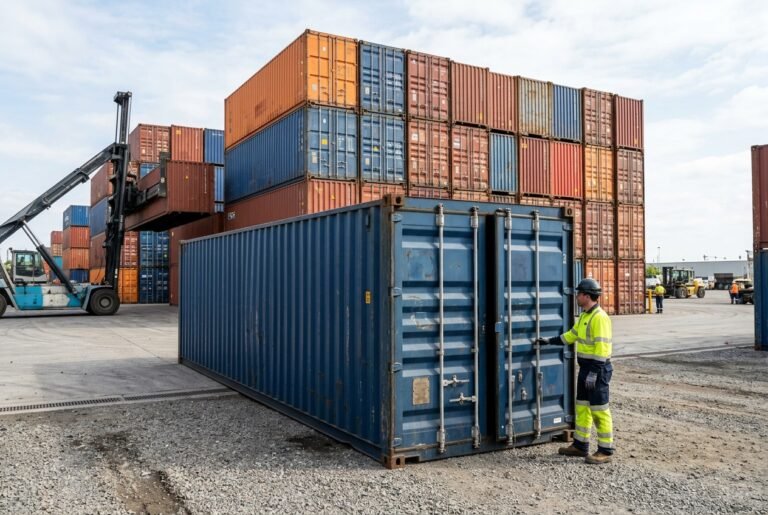
Doors are one of the clearest indicators of whether a container remains square. Open and close both doors fully. They should operate without excessive force. If the locking bars bind badly, the frame may be twisted, the hinges may be damaged, or the container may not be sitting level.
Inspect the door gaskets for cracks, missing sections, or hardened rubber that no longer seals tightly. Good seals are what keep a Wind and Watertight unit dry. If the doors shut but daylight shows around the edges, expect water intrusion sooner or later.
Also check the cam keepers, handle retainers, and hinges. These parts should feel secure, not loose or improvised. Security matters on construction sites and commercial properties, so a container that closes properly but cannot lock reliably is still a problem.
Look for Signs the Doors Were Forced or Repaired Poorly
Used containers often have repair history, and repair itself is not automatically bad. In fact, a professionally repaired unit can be a smart buy. The issue is whether the repair preserved structural integrity.
Look at welds around hinge mounts, door frames, and lock boxes. Clean, consistent welds are one thing. Heavy blobs, mismatched metal, or obvious grinding marks can indicate rough repair work. Ask what was repaired and why. A transparent seller should be able to explain that without hesitation.
Inspect the Floor for More Than Wear
Most used containers have marine-grade plywood floors over steel cross members. Scuffs, stains, and old fastener marks are common. That alone is not a reason to reject the unit. What matters is softness, delamination, chemical contamination, or damage severe enough to affect loading.
Walk every section of the floor slowly. Pay attention to soft spots, bounce, or uneven areas. If a forklift was used heavily in the container’s previous life, check near the door end and common travel paths for excess wear. Also inspect underneath if possible. Damaged cross members can turn a decent-looking floor into a structural issue.
Ask whether the floor has been repaired, replaced, or treated. For agricultural use, workshop conversion, or residential storage, some buyers also want to know what cargo the container previously carried. That is especially relevant if you plan to store feed, household goods, or materials sensitive to residue.
Sidewalls Matter, But Context Matters Too
Dents in side panels are common on used shipping containers. The key question is whether those dents are cosmetic or evidence of deeper structural stress. A few moderate ripples in the corrugated panels are usually manageable. Sharp creases, split seams, or damage near corner castings deserve more scrutiny.
For basic static storage, a container with visible sidewall wear may still perform well if it remains dry and structurally sound. For a pop-up retail build, office conversion, or any project where finish appearance matters, cosmetic condition becomes more important because bodywork and repainting add cost fast.
This is where honest grading helps. A lower-priced used unit may be the right answer for secure job-site storage, while a cleaner one-trip or refurbished unit can make more sense for customer-facing applications.
Smell, Moisture, and Interior Condition
The interior can tell you things the exterior cannot. A strong mildew smell suggests past or current moisture intrusion. Chemical odors may indicate prior cargo issues. Condensation is not unusual in certain climates, but active dampness, mold growth, or staining along seams points to ventilation or leak concerns that should be addressed before purchase.
Check the interior walls for fresh paint used to hide rust or staining. Refurbishment is not a problem if it is disclosed. The problem is cosmetic cover-up presented as condition. Buyers who want zero surprises should ask directly whether the container was repainted, patched, or resealed.
Ask for Verification, Not Just Verbal Reassurance
A good inspection is not only visual. It also includes documentation and direct questions. Ask for the container size, grade, age if known, and recent photos of the exact unit or a true representative unit. Confirm whether the unit is sold as-is, Wind and Watertight, or Cargo Worthy.
If delivery logistics are part of the purchase, verify dimensions, door clearance, and placement requirements in advance. A structurally acceptable container can still become a costly mistake if your site is soft, sloped, or too tight for the delivery method. This is one reason experienced dealers put as much emphasis on drop-off planning as they do on the container itself.
For buyers in North Carolina and across the Southeast, where weather swings can expose weak seals quickly, clear grading and delivery prep tend to matter even more than cosmetic appearance.
When to Walk Away
Some flaws are negotiable. Others are not. Surface rust, scrapes, and ordinary dents can be acceptable depending on price and use. But if you see major frame distortion, severe corrosion, widespread floor failure, or doors that do not seal, walking away is usually cheaper than fixing the wrong container.
The best used container is not the prettiest one in the yard. It is the one that fits your use case, arrives as described, and does not create surprise repair costs after delivery. Inspect it with that standard, and the buying decision gets much simpler.
A careful inspection is really about protecting your timeline as much as your budget. If the seller can explain the grade clearly, verify the condition honestly, and help you think through delivery before the truck rolls, you are already on the right track.