Choosing a Container Delivery Service Without Overpaying
The cheapest-looking delivery quote is not always the least expensive way to get a shipping container onto your property. In Raleigh, across North Carolina, and throughout the Southeast, overpaying often happens when buyers compare only the delivery line item instead of the full delivered-and-placed cost.
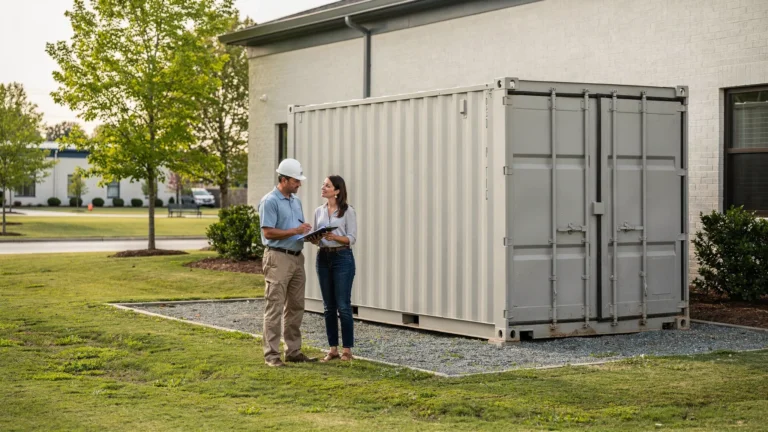
A reliable container delivery service should help you confirm the right container, the correct trailer, safe access, and a realistic drop plan before the truck is dispatched. That matters whether you are a general contractor securing tools on a Wake County jobsite, a small business adding overflow storage, a farm owner preparing a long-term pad, or a logistics manager buying a Cargo Worthy unit for transport.
Below is a practical way to compare container delivery options without paying for the wrong equipment, surprise fees, failed delivery attempts, or a container grade that does not match your use case.
Start With Total Delivered Value, Not the Lowest Delivery Fee
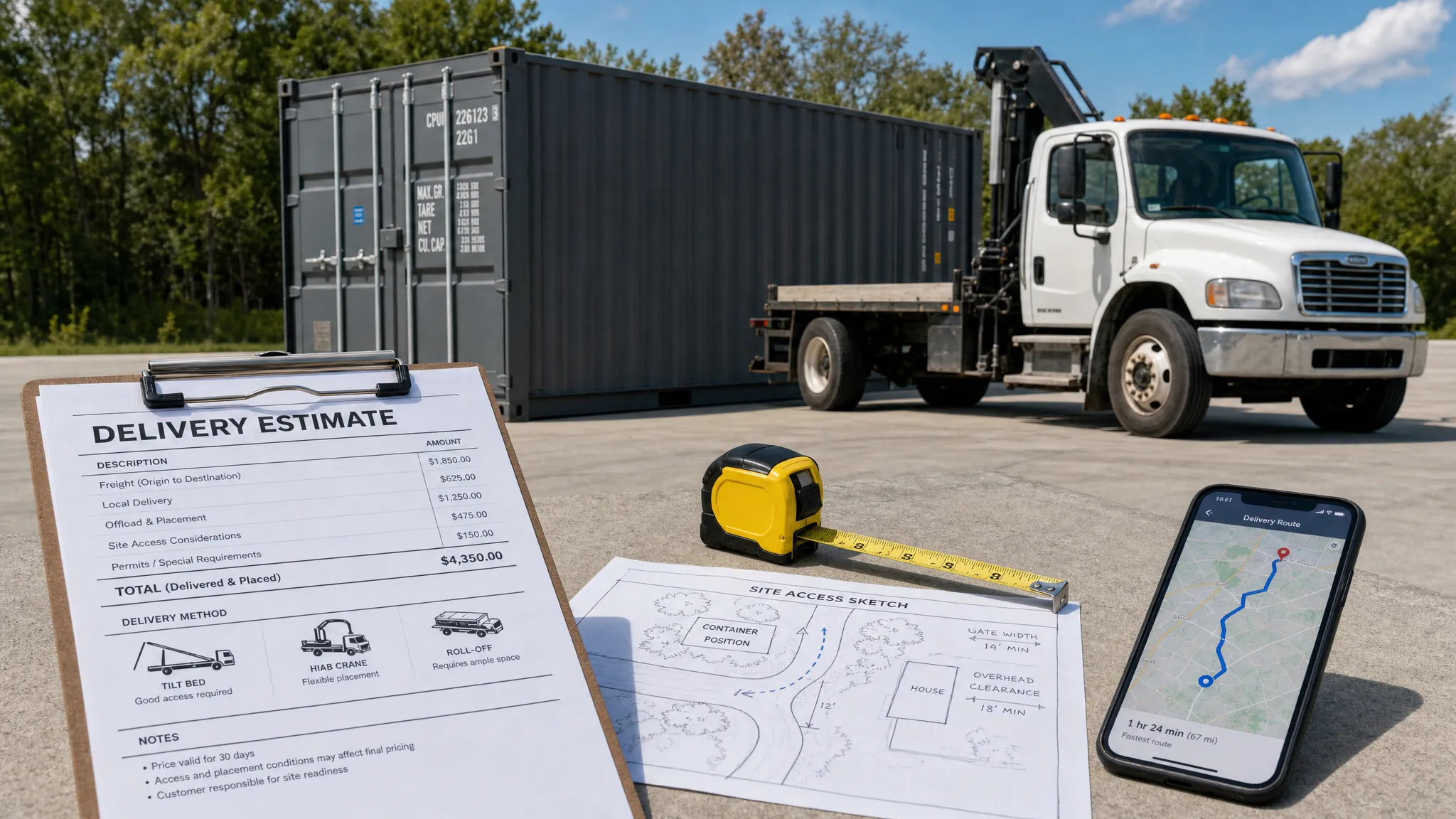
A container purchase has three major cost areas: the unit itself, the transportation, and the site conditions required to place it safely. A low delivery fee can become expensive if it excludes fuel, placement, difficult-access charges, crane coordination, permits, or a second delivery attempt.
The best comparison is the total delivered-and-placed quote. That means the quote should clearly identify the container size, grade, delivery ZIP code, delivery method, unloading assumptions, taxes or fees, and any conditions that could change the price.
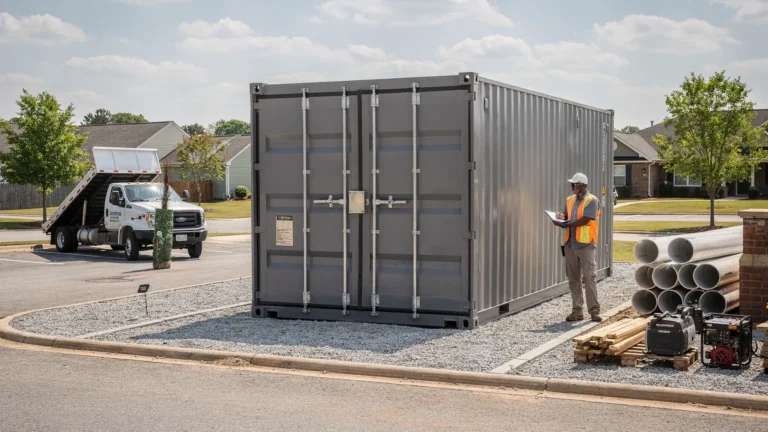
For example, a 20ft unit placed on a prepared gravel pad with clear truck access is usually simpler than a 40ft High Cube delivered behind a building with tight turns, soft soil, and low tree limbs. The first job may work well with a tilt-bed trailer. The second may require a different approach, more planning, or equipment with added cost.
If you want to understand how delivery variables affect a quote, Lease Lane Containers covers the key cost drivers in its guide to shipping container delivery cost.
Make Sure the Container Grade Matches the Price
One of the easiest ways to overpay is to compare delivery quotes attached to different container grades. A quote for a clean One-Trip unit is not the same as a quote for a heavily used Wind & Watertight unit, even if both are listed as the same size.
Shipping containers are built from Corten Steel, a corrosion-resistant weathering steel, and manufactured around ISO standards for dimensions, corner castings, and intermodal handling. But the grade tells you how much service life, structure, and cosmetic quality you should expect.
| Grade | What it means | Best fit | Cost risk if misunderstood |
|---|---|---|---|
| One-Trip | Made overseas, loaded once, then sold into the resale market. Usually the closest practical option to new. | Customer-facing storage, modifications, offices, long-term property use, clean inventory. | Paying One-Trip pricing for a unit with more wear than expected. |
| Cargo Worthy (CW) | Structurally suitable for cargo transport and typically tied to CSC inspection requirements. May have dents and cosmetic wear. | Export, regional transport, stacking, higher-value storage, stronger used-unit value. | Buying WWT when you actually need a CW unit for shipping or structural use. |
| Wind & Watertight (WWT) | Weather-tight for stationary storage, with functional doors and seals, but not certified for ocean cargo. | Jobsite tools, farm supplies, household storage, non-export use. | Paying CW pricing for a WWT unit, or expecting export suitability from a storage-grade container. |
| As-Is | No reliable guarantee of weather-tightness or structural performance. | Parts, very low-budget projects, repair projects. | Paying delivery on a unit that needs costly repairs after arrival. |
For stationary storage in Raleigh or the broader Southeast, WWT can be a smart value if the unit is honestly represented and inspected. For export or intermodal transportation, Cargo Worthy is the safer standard. For a container office, retail pop-up, or highly visible property installation, a One-Trip container often provides better long-term value because the doors, flooring, paint, gaskets, and appearance are typically in better condition.
If you are comparing used containers, review Lease Lane Containers’ detailed guide to used shipping container grades before accepting the lowest quote.
Confirm the Size Before You Compare Delivery Costs
A delivery quote for a 20ft container should not be compared directly with a quote for a 40ft or 40ft High Cube. Size affects trailer selection, turning radius, weight, access requirements, and placement flexibility.
A 20ft container is often easier to place on residential driveways, smaller commercial lots, farms, and tight jobsites. It still needs a stable pad and adequate truck access, but it gives the delivery driver more flexibility than a longer unit. Buyers comparing smaller units can use the Lease Lane guide to 20ft containers to understand size, price, and delivery planning.
A 40ft container offers significantly more storage capacity, but it needs more straight-line space, wider turns, and stronger site preparation. If it is a High Cube, it has an exterior height of about 9 ft 6 in, which makes overhead clearance even more important during transport and placement. For buyers comparing larger units, the guide to 40ft containers is a useful starting point.
Refrigerated containers, also called reefers, introduce additional planning requirements. They are heavier, require appropriate electrical service, and should be placed level so the refrigeration system can operate properly. A cheap delivery quote that ignores reefer placement and power access is not a complete quote.
Know Which Delivery Method You Are Paying For
A professional container delivery service should explain how the container will be unloaded. The method affects cost, site requirements, and the risk of a failed drop.
| Delivery method | How it works | Best for | Cost considerations |
|---|---|---|---|
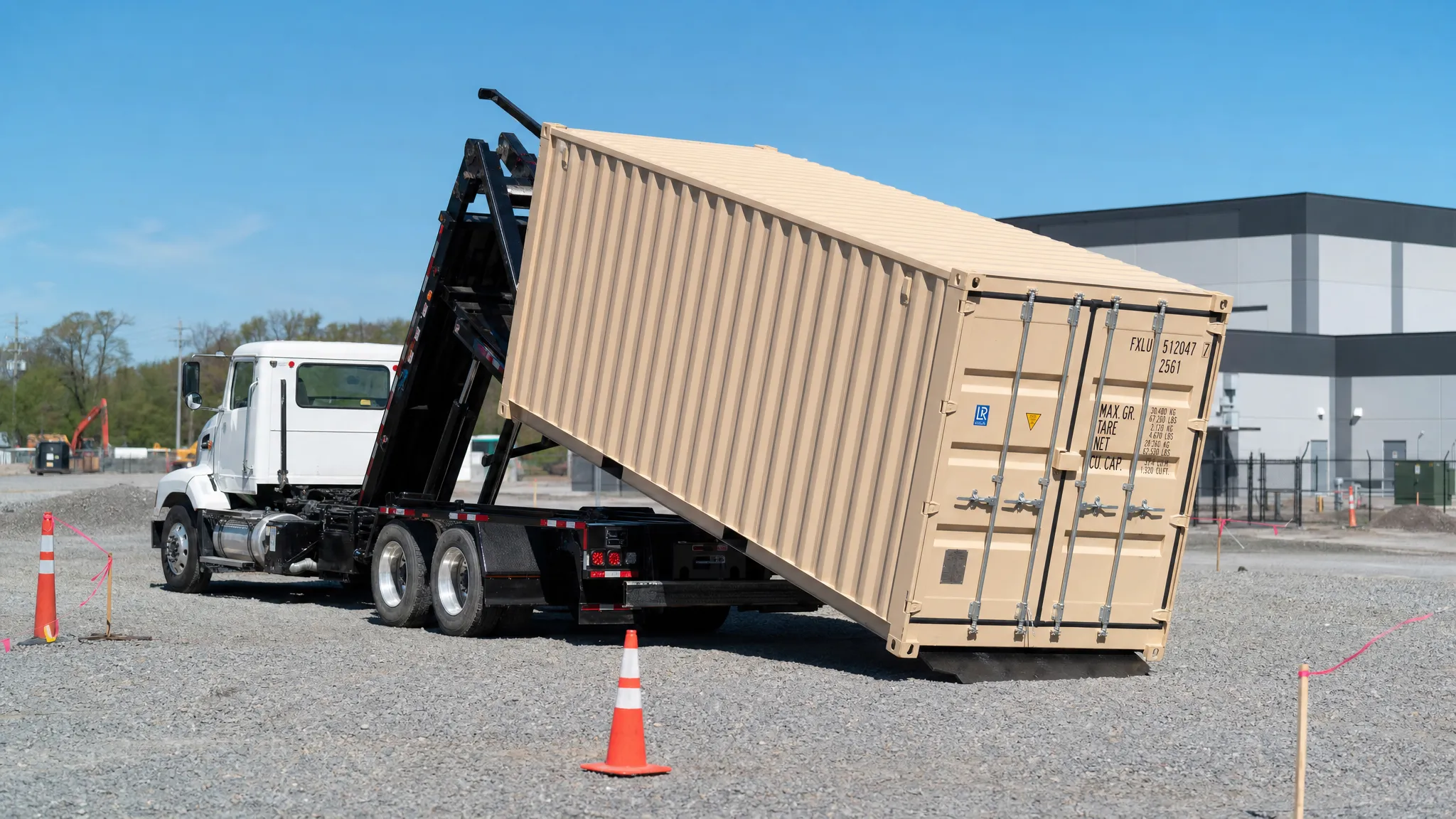
| Tilt-bed or roll-off | Trailer tilts and the container slides to ground level as the truck pulls forward. | Many 20ft and 40ft ground placements with straight access. | Efficient when access is clear, but needs enough straight-line room. |
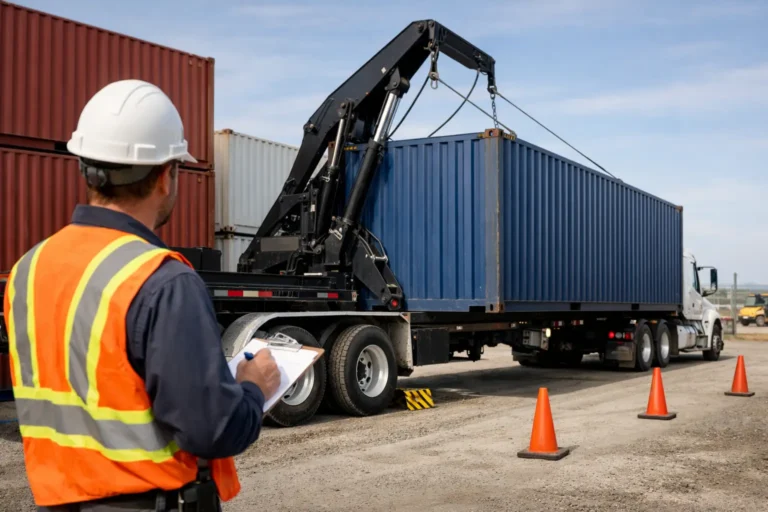
| Flatbed with crane or forklift | Container arrives on a flatbed and separate equipment lifts it off. | Tight sites, precise placement, obstacles, unusual orientations. | Usually higher cost due to equipment and coordination. |
| Side-loader | Specialized truck lifts the container off the side. | Sites where side placement is practical and accessible. | Limited reach, may not fit every driveway or jobsite. |
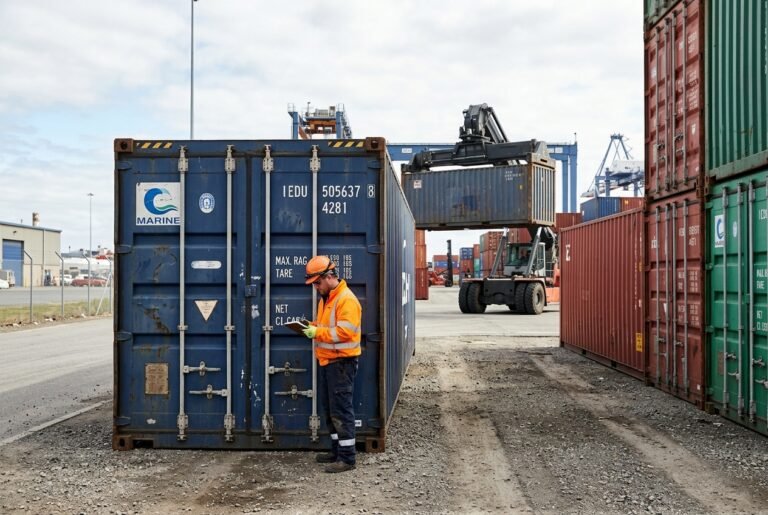
| Chassis delivery | Container stays on or is delivered with a chassis for transport use. | Logistics, temporary cargo movement, some commercial operations. | Not the same as ground-level storage placement unless offloading is arranged. |
Tilt-bed delivery is often cost-effective, but it is not magic. The driver needs room to line up with the final drop location. If the truck cannot pull forward as the container slides down, the delivery may fail or the container may end up in a compromise location.
Crane delivery can solve access problems, but it usually costs more. That does not mean it is a bad choice. If a crane prevents property damage, avoids a failed delivery, or places the unit exactly where it needs to go for a modular build, it may be the better value.
Watch for Quote Details That Lead to Overpaying
Container buyers often overpay because they accept vague quotes. The seller may advertise a low container price, then add delivery later. Another company may advertise delivery included, but only within a narrow mileage range or only for easy-access sites.
Before you approve a quote, ask whether it includes these items:
- Container size, height, and type, including standard, High Cube, refrigerated, open side, or specialty configuration.
- Container grade, such as One-Trip, Cargo Worthy, Wind & Watertight, or As-Is.
- Delivery ZIP code, mileage assumptions, fuel or access charges, and whether placement is included.
- Delivery method, including tilt-bed, flatbed, side-loader, crane, or chassis.
- Requirements for ground conditions, straight-line access, overhead clearance, and driver approval.
- Policy for failed deliveries, rescheduling, cancellations, and site changes.
A transparent quote does not need to be complicated. It simply needs to remove guesswork. If a provider cannot explain what grade is being delivered, what equipment is being used, and what site conditions are required, the low price may not protect you.
Raleigh and Southeast Factors That Affect Delivery Cost
Raleigh-area deliveries often involve a mix of residential driveways, active construction sites, wooded lots, farms, clay soil, and fast-growing commercial corridors. The same container may be easy to deliver to one Wake County property and difficult to place at another only a few miles away.
In the Southeast, weather and soil matter. Heavy rain can soften access roads and gravel lanes. Red clay can rut under truck weight. Humidity and poor drainage can increase long-term corrosion risk if the container sits directly on soil. These conditions do not mean delivery is difficult, but they do mean site preparation should be part of the budget from the beginning.
Local rules also matter. Raleigh, Wake County, nearby municipalities, HOAs, and commercial property managers may treat containers differently depending on duration, visibility, zoning, and intended use. A temporary jobsite storage container may be treated differently than a container office or residential accessory structure. Always confirm local requirements before delivery, especially if the container will be visible from the street or used for occupancy.
For a broader checklist of access, clearance, and ground conditions, review Lease Lane Containers’ guide to shipping container delivery requirements.
Pro-Tip: Prep the Pad Before You Pay for Delivery
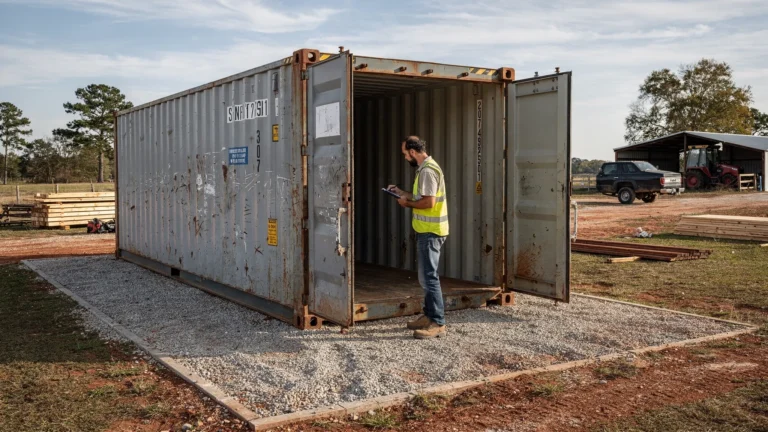
The fastest way to waste money on delivery is to invite a truck to a site that is not ready. A level, compacted pad protects the container, improves door operation, and helps the driver place the unit safely the first time.
For many storage applications, a compacted gravel pad is a practical balance of cost, drainage, and durability. The pad should extend beyond the container footprint, shed water away from the unit, and provide firm support at the corner castings. Concrete pads or piers may be better for permanent installations, heavy commercial use, offices, or modular projects.
Do not place a container directly on soft soil if you can avoid it. Uneven settlement can twist the frame, bind the cargo doors, and trap moisture under the Corten Steel floor structure. Even a Wind & Watertight container can develop problems if the site causes standing water or poor airflow under the unit.
Before delivery day, mark the four corners of the placement area, confirm door orientation, clear low branches, remove parked vehicles, and check for overhead utilities. For digging, trenching, or foundation work, contact NC 811 before disturbing the ground so underground utilities can be marked.
Compare Providers With a Simple Scorecard
When choosing a container delivery service, use a scorecard instead of relying on price alone. A slightly higher quote from a provider that verifies site conditions, explains grades, and uses the right equipment can be cheaper than a low quote that results in a failed delivery.
| What to compare | Strong provider | Risky provider |
|---|---|---|
| Grade transparency | Defines One-Trip, CW, and WWT clearly, with photos when available. | Uses vague labels like good condition or storage grade without detail. |
| Delivery planning | Asks about access, pad, slope, turns, overhead clearance, and door orientation. | Schedules delivery without reviewing site conditions. |
| Pricing | Shows container, delivery, placement, taxes, and possible extra charges. | Advertises low pricing but adds freight, fuel, or placement later. |
| Equipment match | Recommends tilt-bed, crane, side-loader, or other method based on the site. | Uses one delivery method for every property. |
| Local knowledge | Understands Raleigh, North Carolina, Southeast soil, weather, and access realities. | Ships from far away with limited local placement support. |
| Documentation | Provides quote details, delivery expectations, and inspection guidance. | Avoids written details or pressures fast payment. |
This is especially important for contractors and builders. A jobsite container may be moved, accessed daily, and loaded with tools, lumber, equipment, and high-value materials. Saving a small amount on delivery is not worth losing days to rescheduling, poor placement, or doors that do not operate correctly because the unit was dropped out of level.
For small business owners, the risk is different. Inventory access, customer visibility, and security may matter more than raw storage volume. A clean One-Trip or strong Cargo Worthy container placed correctly can support retail overflow or operations better than a cheaper unit delivered into an inconvenient spot.
For farms and rural properties, access roads, drainage, and long-term ground contact are the big issues. Paying for delivery once to a well-prepared pad is almost always better than paying later to reposition a container that has settled into soft ground.
Do Not Let Delivery Hide a Bad Container Decision
Delivery is only one part of the purchase. A good delivery price cannot fix the wrong container grade.
If you are storing basic tools or farm supplies, a WWT unit may be a cost-effective choice. If you are shipping goods internationally, you should be discussing Cargo Worthy condition, CSC documentation, and inspection standards. If you are creating a container office, retail unit, or modular structure, a One-Trip container may reduce repair work and improve finished appearance.
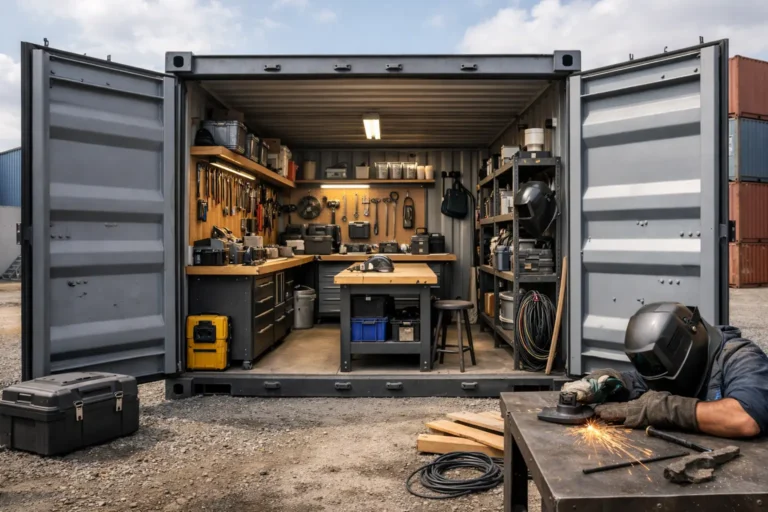
High Cube containers can be excellent for workshops, equipment storage, and conversions because the added interior height improves comfort and usability. But that extra height also affects delivery clearance. The truck, trailer, container, and tilt angle all matter. A provider should help you verify those conditions before the delivery date, not after the driver arrives.
Lease Lane Containers works with buyers in Raleigh, across North Carolina, throughout the Southeast, and nationwide to match the unit, grade, and delivery plan to the actual site. The goal is not simply to get a container to your property. The goal is to get the right container placed correctly without avoidable fees.
Questions to Ask Before You Book Delivery
Before committing to any container delivery service, ask direct questions. A reputable provider should be comfortable answering them.
- Is the quoted container One-Trip, Cargo Worthy, Wind & Watertight, or another grade?
- Is delivery included in the total price, and does it include placement on the ground?
- What trailer or equipment will be used for unloading?
- How much straight-line space, width, and overhead clearance does the truck need?
- What happens if the site is too soft, too steep, blocked, or inaccessible?
- Are there added fees for waiting time, failed delivery, rescheduling, fuel, or difficult access?
- Should I prepare gravel, concrete, piers, or another base before delivery?
If the answers are vague, keep comparing. A professional answer should account for the container size, your ZIP code, the delivery route, the ground surface, and the final placement area.
Frequently Asked Questions
What is the best way to avoid overpaying for a container delivery service? Compare total delivered-and-placed quotes, not just delivery fees. Make sure each quote includes the same container size, grade, delivery method, placement assumptions, site requirements, and potential extra charges.
Is free container delivery really free? Sometimes delivery is built into the container price, which can be fine if the total cost is transparent. Ask whether the quote includes fuel, placement, difficult-access conditions, taxes, and what happens if the delivery fails because the site is not ready.
Which container grade is best for basic storage? Wind & Watertight is often a practical value for stationary storage if the unit has functional doors, sound seals, a solid floor, and no active leaks. Cargo Worthy is better for transport or export, while One-Trip is preferred for cleaner, longer-term, or customer-facing uses.
Does a 40ft High Cube cost more to deliver than a 20ft container? It can, depending on distance, equipment, access, and clearance. A 40ft High Cube requires more room, more height clearance, and careful placement planning, so the site review matters more than with many 20ft deliveries.
Do I need a permit for a shipping container in Raleigh, NC? It depends on location, duration, use, zoning, HOA rules, and whether the container is used for storage, business, construction, or occupancy. Check with the appropriate local authority before scheduling delivery.
Can I save money by preparing the site myself? Yes, if you prepare it correctly. A level gravel pad, clear access route, marked placement area, and confirmed overhead clearance can reduce the risk of failed delivery, repositioning costs, and long-term container problems.
Get a Clear Delivery Plan Before You Buy
Choosing a container delivery service without overpaying comes down to clarity: the right grade, the right size, the right delivery method, and the right site preparation. If you want help comparing One-Trip, Cargo Worthy, or Wind & Watertight containers for a property in Raleigh, the Southeast, or anywhere in the U.S., Lease Lane Containers can help you plan the quote and the drop.
Contact the Lease Lane Containers sales team at sales@leaselanecontainers.com for a clear delivered quote, or visit the Raleigh office to discuss your container size, grade, delivery access, and site preparation plan.