Secure Container Storage for Contractors
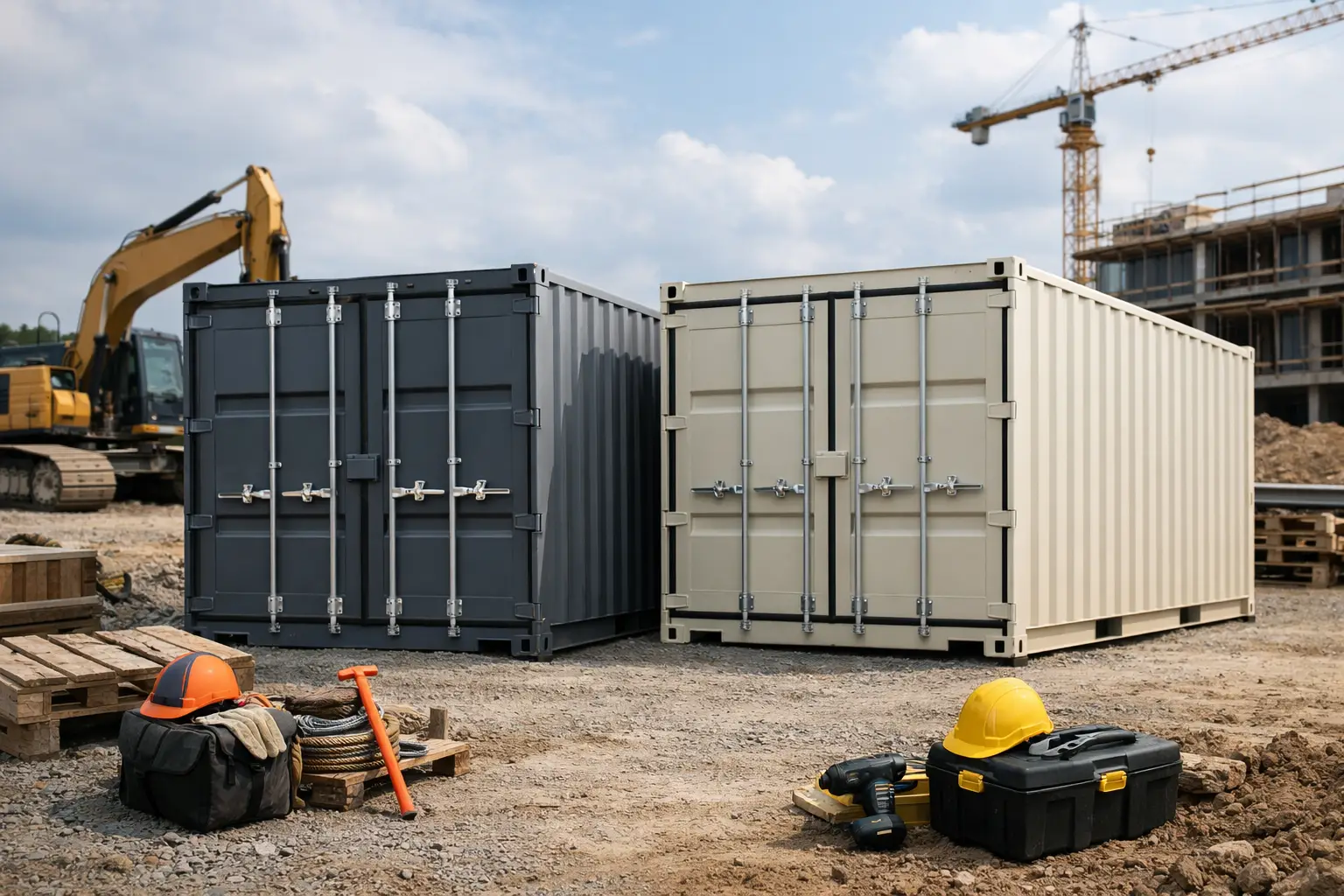
A stolen laser level, a missing pallet of copper, or a soaked box of finish materials can throw off a job faster than most crews expect. Secure container storage for contractors is not just about having a locked box on-site. It is about controlling risk, protecting schedules, and keeping expensive equipment where your team left it.
For many contractors, the real cost of poor storage is not the replacement bill alone. It is the downtime, the change in workflow, the extra supplier run, and the pressure it puts on the next phase of the build. A shipping container works well in that environment because it is designed to handle hard use, weather exposure, and repeated transport. But not every container, lock setup, or delivery plan fits every site.
Why secure container storage for contractors solves real job-site problems
A job site rarely stays static for long. One week you need room for rough-in materials, the next week you are protecting finish products that cannot get wet or disappear overnight. Traditional sheds and temporary enclosures can help, but many do not offer the same combination of steel construction, mobility, and interior capacity as a shipping container.
A standard ISO container gives contractors a practical storage footprint with a structure built from Corten steel, heavy-duty doors, and a frame intended for demanding freight environments. That matters on active sites where abuse is part of the equation. Forklifts get close. Materials shift. Weather changes quickly. You need storage that holds up without constant maintenance.
Security is only part of the value. Good container storage also improves organization. When tools, fittings, PPE, and job-critical materials are staged in a predictable place, crews spend less time hunting for what they need. That operational gain is easy to overlook until a site has none of it.
What makes a container truly secure
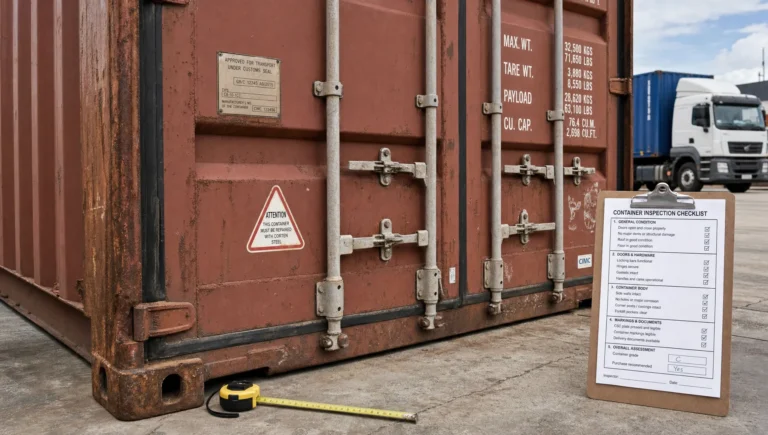
A steel container is a strong starting point, but security depends on more than the box itself. The condition of the doors, the integrity of the locking bars, the flooring, and the placement on-site all affect performance.
For contractor storage, Wind and Watertight containers are often a practical option when appearance is secondary and basic structural integrity is the priority. A WWT container is expected to keep out wind and water and have functional doors and a usable floor. For contractors storing high-value items, Cargo Worthy units may also make sense if you want a stricter standard tied to structural transport suitability. The right grade depends on whether your main concern is secure stationary storage, resale value, or future redeployment.
Door condition matters more than many buyers expect. If the doors are hard to open, misaligned, or the gaskets are compromised, daily use becomes frustrating and water intrusion becomes more likely. A container can look acceptable from a distance and still create problems if the doors do not seal correctly.
Lock protection matters too. Many contractors add a puck lock and lock box for better resistance against bolt cutters and tampering. That is usually a better choice than a basic exposed padlock. If theft risk is elevated because of the site location or the value of stored tools, that upgrade is a sensible one.
Choosing the right size for contractor storage
The most common decision is 20-foot versus 40-foot storage. A 20-foot container works well for tighter sites, urban infill jobs, and crews that need secure storage without taking up too much laydown area. It is easier to place, easier to access on smaller lots, and often enough for tool storage plus a controlled material inventory.
A 40-foot unit gives you more room to separate categories of materials and create better interior workflow. That matters when multiple trades need access, or when the container is doing double duty for tools, job consumables, and weather-sensitive products. The trade-off is site space and delivery clearance. A larger box that cannot be positioned where the crew needs it is not much of an upgrade.
High-cube containers can be useful when storing taller equipment, palletized stock, or shelving systems. The extra foot of height sounds minor on paper, but it can improve stacking flexibility and reduce the cramped feel inside the unit. Still, if your storage profile is mostly hand tools and boxed materials, a standard-height unit may be all you need.
Site placement matters as much as the container
A good container can perform poorly on a bad pad. The surface should be level, stable, and able to support the load of both the container and its contents. Uneven placement can affect door operation, create drainage issues, and accelerate wear.
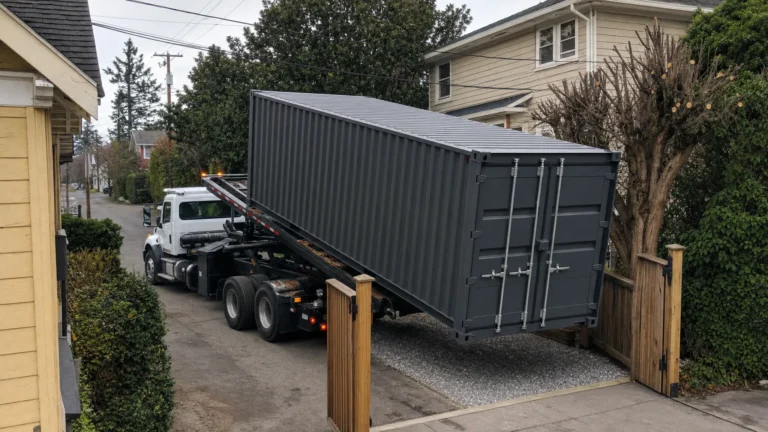
Contractors should also think about traffic flow before delivery day. The best spot is not always the closest open space. You want forklift access if needed, practical crew access at the start and end of shifts, and enough clearance for the delivery equipment to place the unit safely. Tilt-bed and ground-level delivery methods can simplify placement, but they still require planning around overhead wires, fencing, soft ground, and turning radius.
Drainage is another factor that gets missed. If water collects around the container after a storm, the site becomes harder to access and the surrounding ground can soften. Containers are built for weather, but daily use suffers when the approach turns into mud.
New, used, or refurbished – what contractors should buy
There is no universal answer here. It depends on budget, appearance requirements, and how long the storage unit will stay in service.
A new one-trip container is the best choice when you want the longest service life, the cleanest appearance, and the lowest chance of dealing with prior wear. For contractors using containers on high-visibility commercial projects or planning long-term fleet use across multiple sites, that premium can make sense.
A used WWT container is often the value option for straightforward job-site storage. If verified correctly, it can provide the security and weather protection most contractors need at a lower cost. The key is transparency around condition. Buyers should know whether the unit has patches, floor wear, door repairs, or surface rust and whether any of that affects performance.
A refurbished container sits somewhere in the middle. It may be a good fit if you want improved appearance and corrected wear points without paying for a one-trip unit. But refurbishment varies from seller to seller. Fresh paint alone is not the same as structural repair and verified usability.
How to avoid hidden costs with secure container storage for contractors
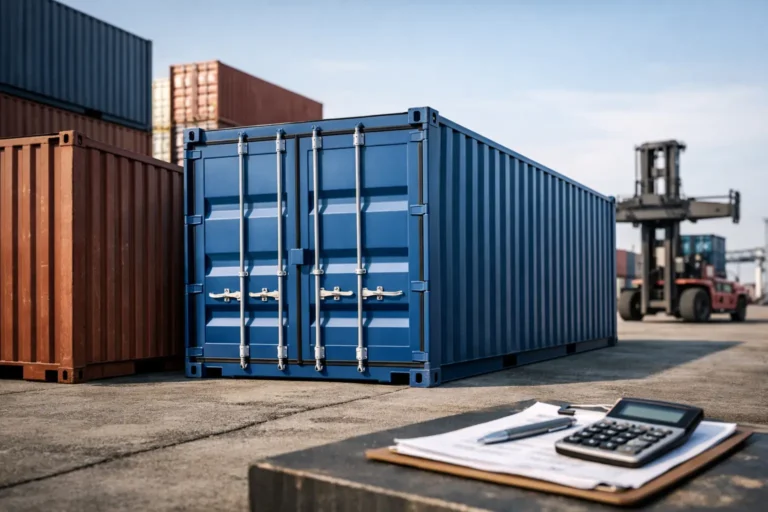
The container price is only one part of the purchase. Delivery logistics can change the actual cost quickly, especially on active job sites with limited access. If the site needs a specific drop orientation, tighter placement tolerance, or special scheduling, those details should be discussed before dispatch, not after the truck arrives.
Grade confusion is another common source of surprise. Contractors should ask for verified specifications and plain-language explanations of what the grade means in real use. A seller should be able to explain whether the unit is suitable for secure storage, whether the doors seal properly, and what cosmetic or structural wear is present.
It is also worth discussing flooring. Many used containers have marine-grade plywood floors that perform well, but condition varies. If you are rolling heavy equipment inside or storing sensitive products, the floor should be inspected for soft spots, contamination concerns, or excessive damage.
When container customization is worth it
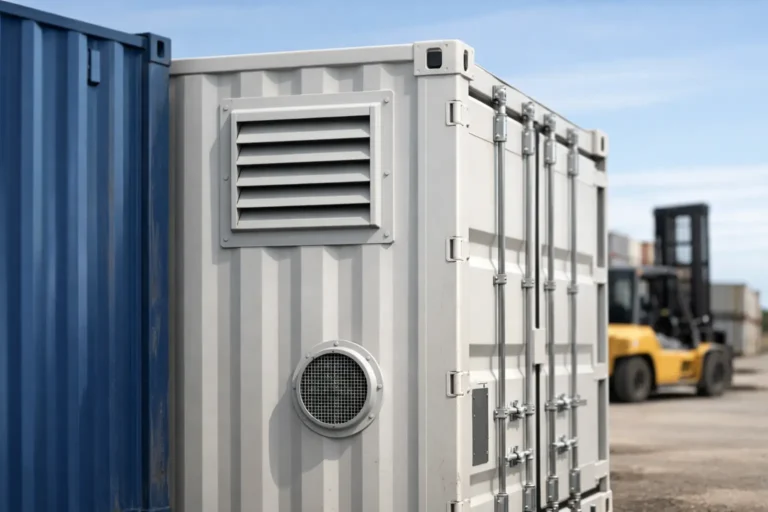
Not every contractor needs modifications. In many cases, a standard container with proper locking hardware does the job well. But customization can be worthwhile if the container will stay on-site for an extended project or serve multiple functions.
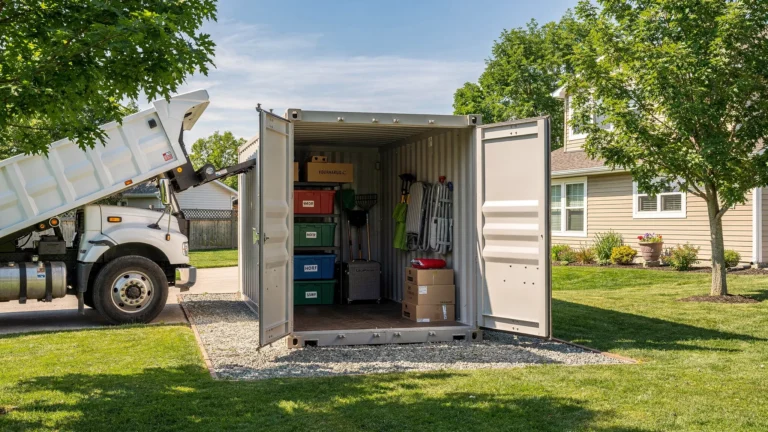
Shelving can improve organization and reduce material damage. Interior lighting helps with early-morning access or enclosed sites with poor visibility. Personnel doors can improve convenience, though every added opening changes the security profile and should be framed properly to preserve structural integrity.
For some projects, a container office-storage combo makes operational sense. Supervisors get a secure space for plans and equipment, while crews use the storage section for tools and materials. That setup is especially useful on longer-duration commercial builds where site efficiency matters day after day.
What contractors should ask before ordering
The right supplier should be able to answer direct questions without vague language. Ask what grade the container is, whether it is Wind and Watertight or Cargo Worthy, what the door condition is, what delivery method is planned, and what site conditions are required. Ask for clear pricing and realistic delivery timing.
If a provider cannot explain the difference between cosmetic wear and structural concerns, or treats delivery access as an afterthought, that is usually a sign to keep looking. Contractors do not need polished sales talk. They need a container that arrives as described, fits the site, and works on day one.
That is why many buyers prefer a supplier that treats the order like a logistics job, not just a product sale. Companies such as Lease Lane Containers focus on grading transparency and delivery planning because those are the details that prevent expensive surprises.
The best storage decision is usually the one that feels uneventful after delivery. The container shows up on time, lands where it should, locks properly, stays dry, and lets your crew get back to work. For a contractor, that kind of reliability is rarely flashy, but it is exactly the point.