Shipping Container Modifications That Add Real Value
A shipping container modification adds real value when it does more than look good. The right upgrade should improve daily usability, protect what is inside, reduce long-term maintenance, and preserve the container’s structural integrity. For contractors in Raleigh, small business owners across North Carolina, agricultural users in the Southeast, and logistics teams shipping nationwide, that value looks different depending on how the unit will be used.
The mistake many buyers make is starting with the modification first. They ask for windows, doors, insulation, or electrical service before confirming whether the base container is the right size, grade, and condition. A well-planned modification starts with the container itself, then adds features that support the job.
Shipping containers are built from Corten Steel, a weathering steel designed to resist corrosion in harsh marine environments. They are also manufactured around ISO standards, including standardized corner castings and dimensions that make them transportable by ship, rail, and truck. Once you cut walls, add openings, or install interior systems, those changes can affect strength, water resistance, cargo certification, resale value, and delivery requirements.
Start With the Right Container Grade
Before discussing doors, insulation, offices, shelving, or HVAC, it is important to understand the condition grade. A modification on the wrong container can cost more than it saves.
| Container grade | What it means | Best fit for modifications |
|---|---|---|
| One-Trip | A newer container that has typically made one cargo trip from the manufacturer. It usually has cleaner walls, newer paint, better doors, and fewer dents. | Offices, retail pop-ups, customer-facing spaces, workshops, and high-end storage conversions. |
| Cargo Worthy | A used container inspected as suitable for cargo transport. It should be structurally sound for shipping use, subject to inspection standards. | Logistics, export use, jobsite storage that may later need transport certification, and industrial modifications with minimal structural cutting. |
| Wind & Watertight, or WWT | A used container that keeps out wind and water but is not necessarily certified for cargo transport. | Cost-effective ground storage, farm storage, tool storage, and budget-conscious modifications where shipping certification is not required. |
For a Raleigh home builder storing tools on a jobsite, a WWT unit may be the smartest choice if the goal is secure, dry storage. For a business converting a container into a customer-facing office or mobile retail space, a One-Trip container is often easier to finish cleanly because the shell starts in better cosmetic condition.
Cargo Worthy containers require special attention. If you plan to ship the container loaded after modification, talk through the design before cutting. Large side openings, extra doors, windows, vents, or welded additions can affect whether the unit remains suitable for transport under cargo inspection standards.
The Modifications That Usually Add the Most Value
The most valuable shipping container modifications tend to fall into five categories: access, security, climate control, interior productivity, and code-ready utility. Not every container needs all five. In fact, overbuilding a unit can reduce value if the modifications do not match the intended use.
A general contractor may benefit most from a lockbox, shelving, vents, and a roll-up door. A small business owner may need insulation, windows, electrical, and finished walls. A farm owner may prioritize ventilation, easy equipment access, and a gravel pad. A real estate developer exploring modular container concepts may need engineering, reinforcement, and code coordination before any visible finish work begins.
Access Upgrades: Doors, Roll-Up Doors, and Open Side Designs
Access is one of the first places where modifications can pay off. Standard cargo doors are secure and durable, but they are not always convenient for daily entry. Adding a personnel door can make frequent access easier, especially for offices, tool rooms, and workshops.
Roll-up doors can also add value when the container is used for equipment, palletized inventory, lawn care tools, event supplies, or building materials. They allow faster loading from the side or end, but they also require proper framing and weather sealing. If you are deciding whether the convenience is worth the tradeoff, Lease Lane’s guide to whether a roll-up door is the right access upgrade explains the key structural and security considerations.
For some buyers, it may be smarter to choose a specialty container rather than cut a standard unit. A 20Ft Open Side/ Full Side Access Shipping Container can make loading and organizing materials significantly easier because the full side opens for access. That can be valuable for contractors, event companies, farms, and businesses that need to reach inventory without unloading the entire container.
Open side containers are especially useful when storage density matters. Instead of stacking materials in a narrow tunnel, you can access the length of the container from the side. The tradeoff is that additional door systems may require more clearance on site and careful maintenance of seals and hinges. For a deeper look at when this design makes sense, compare the practical pros and tradeoffs of open side shipping containers.
Security Modifications: Small Upgrades With High Practical Value
Security is often one of the highest-return modification categories, especially on construction sites in Raleigh and across the Southeast where tools, copper, small equipment, and materials may sit unattended overnight.
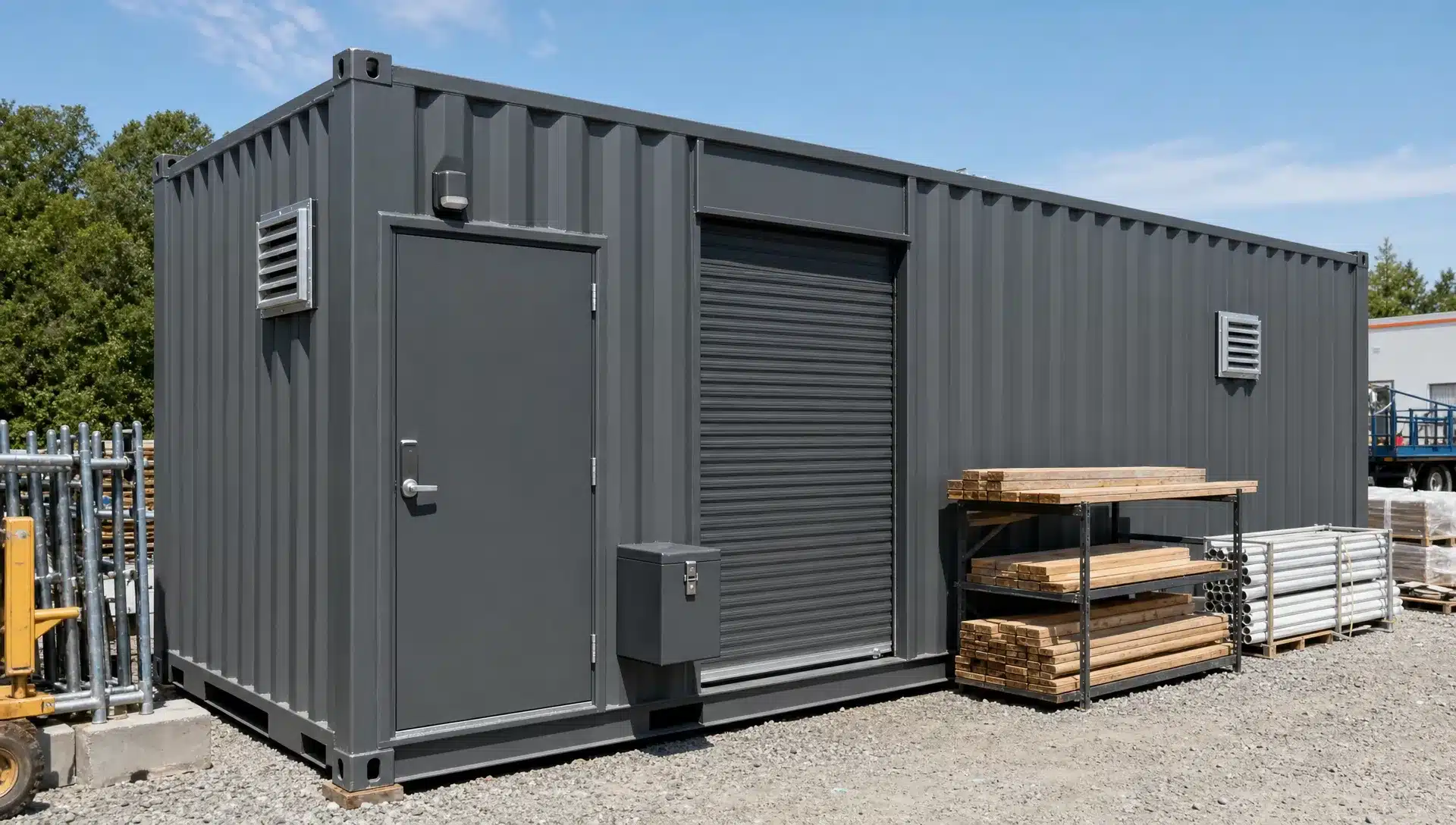
A lockbox is one of the simplest upgrades. It shields the padlock from bolt cutters and makes forced entry more difficult. Heavy-duty puck locks, welded hasps, steel security bars, and motion lighting can also improve protection. For high-value contents, fewer openings are usually better. Every window, vent, and secondary door should be selected with security in mind.
Security value is not only about theft prevention. It also affects insurance conversations, employee workflow, and peace of mind. A container that crews can lock quickly at the end of the day is more likely to be used correctly.
Ventilation and Moisture Control: Critical in North Carolina Humidity
In the Southeast, moisture control is not optional. A Wind & Watertight container can keep rain out, but that does not mean it will automatically prevent condensation. Temperature swings, humid air, stored lumber, cardboard, textiles, and equipment can all contribute to moisture inside the box.
Ventilation is a high-value modification for storage containers because it helps air move through the unit. Passive vents, louvered vents, turbine vents, and powered exhaust fans can all be useful depending on the contents. If the container will store tools, mowers, motorcycles, seasonal goods, or inventory, ventilation can help reduce musty odors and moisture-related damage.
Insulation and ventilation should be planned together. A poorly insulated container without enough airflow can trap moisture. A well-insulated container with thermal breaks, sealed penetrations, and controlled air exchange performs much better over time.
Insulation and Climate Control: Best for Offices, Retail, and Workshops
Insulation adds real value when people will spend time inside the container or when temperature-sensitive contents need protection. It is especially important for mobile offices, workshops, labs, retail spaces, and modular living concepts.
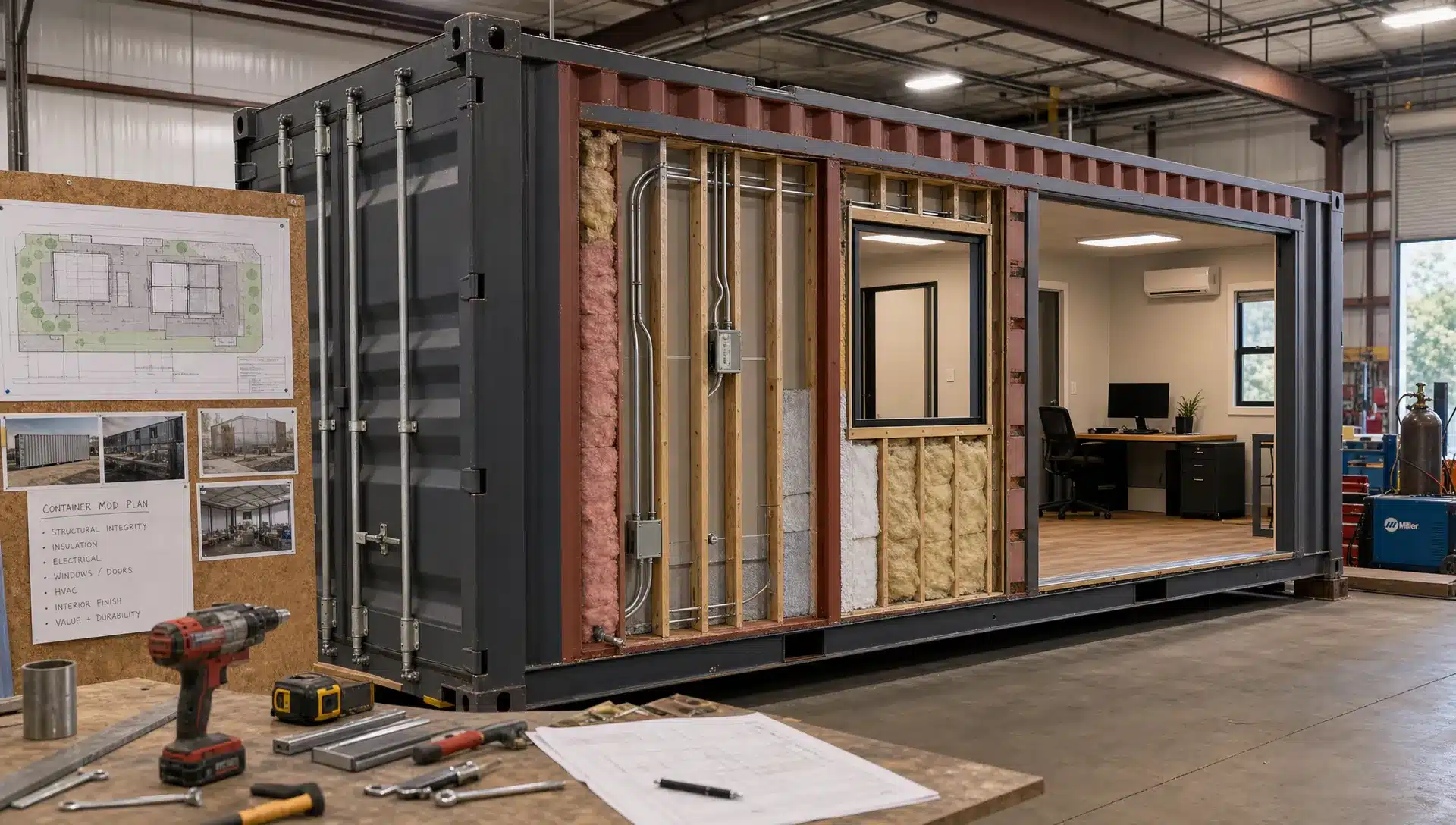
Common insulation approaches include spray foam, rigid foam board, mineral wool, and framed wall assemblies. Spray foam can help seal gaps and reduce condensation risk, but it must be installed correctly. Rigid foam can work well when paired with proper framing and vapor control. Finished interiors should account for thermal bridging, because steel conducts heat and cold quickly.
High Cube containers are often a strong candidate for insulated conversions. A standard container is typically 8 feet 6 inches tall on the exterior, while a High Cube is typically 9 feet 6 inches tall. That extra height helps when adding floor build-up, ceiling insulation, lighting, ducting, or a finished interior ceiling.
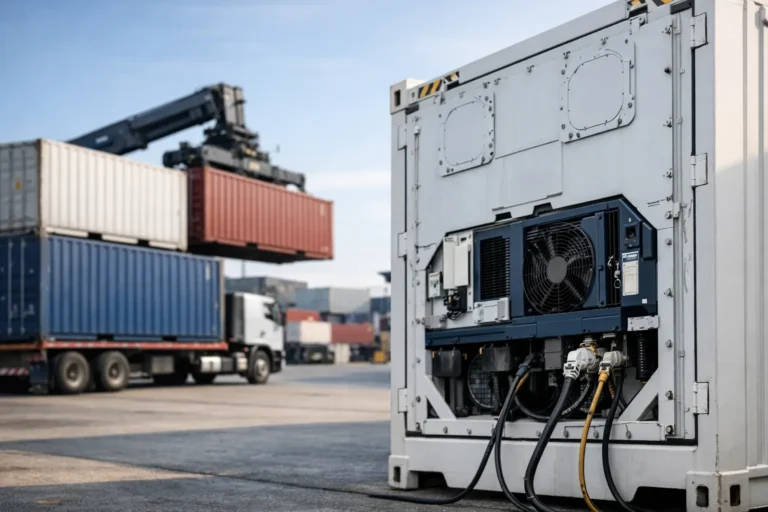
Climate control can include mini-split systems, wall-mounted HVAC, exhaust fans, or specialized systems for refrigerated use. For true cold-chain storage, a Reefer container is a different category from a standard dry container conversion. Reefers are designed with insulated walls and refrigeration equipment, while a dry container modified with insulation and HVAC is better suited for comfort cooling or general temperature moderation.
Electrical, Lighting, and Data: Valuable When Installed Correctly
Electrical modifications can make a container dramatically more useful, but they should be planned professionally. Lighting, outlets, breaker panels, exterior receptacles, data runs, and HVAC connections all affect safety and code compliance.
For jobsite storage, simple LED lighting and a few outlets may be enough. For a mobile office, you may need a service panel, interior outlets, exterior-rated fixtures, HVAC circuits, emergency lighting, and data access. In Raleigh and surrounding municipalities, electrical work and occupancy-related modifications may trigger permit requirements, so it is wise to confirm local rules before buildout begins.
The value of electrical work comes from reliability. Exposed cords and temporary fixes can create hazards. A clean electrical buildout can make the container safer, more professional, and easier to use every day.
Interior Buildouts: When Function Creates Value
Interior buildouts add value when they reduce wasted time or create usable workspace. Shelving, workbenches, partitions, finished walls, flooring, cabinetry, and desks can turn a steel shell into a productive asset.
For contractors, interior shelving and tool organization can prevent lost time searching for materials. For small businesses, partitions can separate inventory from customer-facing areas. For farms, wall-mounted racks can keep tools off the floor and reduce clutter. For developers, interior framing and finish systems can demonstrate the potential of modular container construction.
A finished office conversion is one of the clearest examples of functional value. A Converted 40ft Shipping Container | Open Plan Office | Portable Container Building shows how a larger container footprint can support a practical workspace with mobility, security, and flexibility. If you are still weighing whether an office conversion is the right investment, Lease Lane’s article on when a shipping container home office makes financial sense is a useful next step.
Structural Reinforcement: The Hidden Value Behind Good Modifications
The most important modification may be the one customers notice least: reinforcement. Shipping containers are strong because their structural loads run through the corner posts, rails, floor crossmembers, and corrugated steel walls. When you cut a large opening for a window, side door, roll-up door, or service hatch, you may remove part of that structural system.
Proper reinforcement around openings helps maintain strength and reduces the risk of warping, leaks, and door alignment problems. This is especially important for 40ft containers, High Cube units, open-plan offices, and any container that may be moved after modification.
Structural planning also protects resale value. A clean, reinforced modification is easier for future buyers to trust. A poorly cut opening with weak welds, rough edges, or bad seals can make a container harder to sell and more expensive to repair.
Which Modifications Add Value by Use Case?
Different buyers should prioritize different upgrades. A modification that makes sense for a retail pop-up may not matter for farm storage, and a jobsite storage container does not need the same finish level as an office.
| Use case | Highest-value modifications | Why they matter |
|---|---|---|
| General contractors and home builders | Lockbox, shelving, vents, roll-up door, lighting | Protects tools, speeds up access, and keeps materials organized on site. |
| Small business storage | Personnel door, shelving, ventilation, electrical, inventory zones | Improves daily workflow and protects overflow inventory. |
| Mobile office or sales office | Insulation, HVAC, windows, electrical, finished walls, personnel door | Creates a comfortable, professional workspace. |
| Farm and agricultural storage | Open side access, vents, ramps, equipment racks, gravel foundation | Makes bulky tools, feed, and equipment easier to access. |
| Logistics and shipping | Cargo Worthy grade, minimal structural cutting, secure locks, tie-down planning | Preserves transport readiness and cargo utility. |
| Modular development | One-Trip or High Cube base, engineering, insulation, reinforcement, utilities | Supports long-term durability, code review, and finish quality. |
For many Raleigh-area buyers, the best value comes from a focused package rather than a long list of upgrades. A lockbox, vents, basic shelving, and proper site preparation can outperform a more expensive buildout if the container’s primary role is secure storage.
Pro-Tip: Site Preparation Can Make or Break the Modification
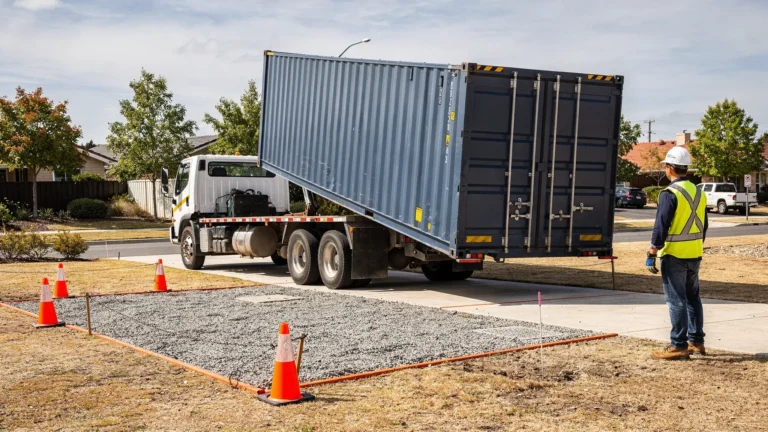
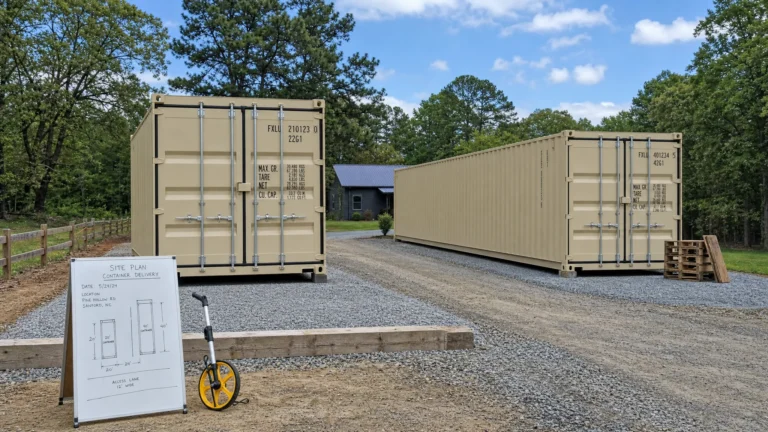
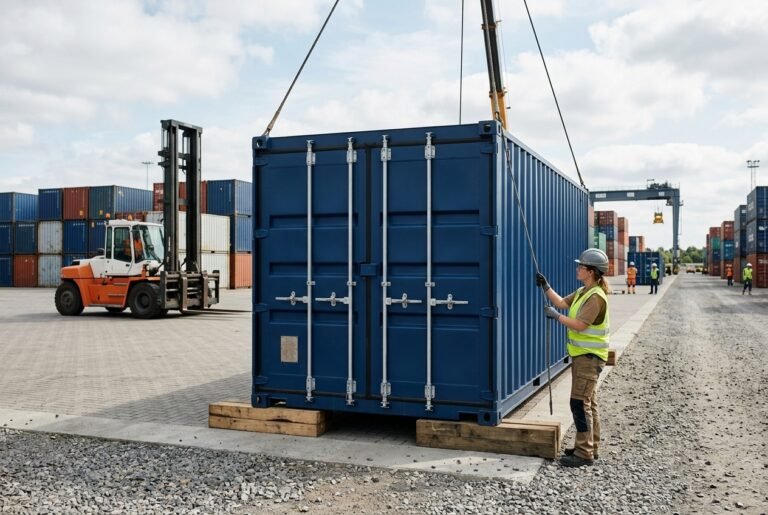
Even the best modification package can underperform if the container is placed on poor ground. Before delivery, choose a level, accessible, well-drained location. A compacted gravel pad is often a smart option because it helps drainage and reduces direct soil contact with the underside of the container.
Avoid placing a container where water pools after rain. In North Carolina’s humid climate, standing water and poor airflow can accelerate corrosion, create muddy access, and make doors harder to operate. The container should sit level so cargo doors, personnel doors, and roll-up doors open smoothly.
Also think about delivery access. Tilt-bed trucks and other delivery equipment need room to approach, maneuver, and unload safely. Overhead branches, soft ground, narrow gates, steep grades, and low wires can all complicate delivery. For High Cube containers, remember that the added height affects overhead clearance.
Before installation, check local zoning, HOA rules, and permit requirements. Requirements can vary between Raleigh, Wake County, nearby towns, and rural properties. If digging, grading, or anchoring is involved, contact North Carolina 811 before disturbing the ground.
Modifications That May Not Add Value
Not every upgrade is worth the cost. Some modifications reduce flexibility or make the container harder to resell. Highly customized interior layouts, unusual window placement, non-standard exterior finishes, and oversized openings may work for one owner but limit future use.
The same is true for modifications that are not weather-sealed properly. A cheap window or poorly framed door can turn a Wind & Watertight unit into a leak-prone container. Cutting into Corten Steel without proper reinforcement, primer, and sealing can create long-term rust points.
If resale value matters, choose modifications that most buyers understand: secure access, ventilation, clean electrical work, insulation where appropriate, and durable interior organization. If the container will stay on one property permanently, more specialized modifications may still be worthwhile, but they should be judged against your actual daily use.
How to Plan a Value-Driven Modification
A practical modification plan starts with five questions. What will be stored or done inside the container? How often will people enter it? Will it be moved again? Does it need to remain Cargo Worthy? Will people occupy the space for work, retail, or living-related use?
Once those answers are clear, the size and grade become easier to choose. A 20ft container is easier to place on tighter residential, farm, and jobsite locations. A 40ft container offers more capacity and is often better for offices, workshops, and larger inventory needs. A High Cube is valuable when interior height matters, especially after insulation and ceiling finishes are added.
The most cost-effective path is usually to buy the container that already fits the job as closely as possible, then modify only what improves performance. For example, choosing an open side unit may be more efficient than cutting multiple new access points. Choosing a One-Trip container for a finished office may reduce cosmetic repair and prep work. Choosing WWT used containers for basic storage may free up budget for security and ventilation.
Frequently Asked Questions
What shipping container modifications add the most value? The most valuable modifications are usually access upgrades, lockboxes, ventilation, insulation, electrical service, shelving, and professionally reinforced openings. The right mix depends on whether the container is used for storage, office space, retail, agriculture, or shipping.
Does modifying a container affect Cargo Worthy status? It can. Cargo Worthy containers are suitable for cargo transport when they meet inspection requirements, but structural cuts, added openings, or welded changes may affect certification. If you need to ship the container loaded after modification, confirm the plan before work begins.
Is a One-Trip container better for modifications? A One-Trip container is often better for customer-facing or finished conversions because it typically has cleaner walls, newer paint, and less wear. Used WWT containers can still be excellent for storage and practical jobsite modifications.
Should I choose a standard container or a High Cube for an office conversion? A High Cube is often preferred for offices because the extra height helps accommodate insulation, lighting, ceiling finishes, and HVAC while keeping the interior more comfortable.
Do I need permits for shipping container modifications in Raleigh? Permit requirements depend on location, use, utilities, foundation, occupancy, and duration. Raleigh-area buyers should check city, county, and HOA rules before delivery or buildout, especially for electrical work or occupied spaces.
Plan a Container Modification That Holds Its Value
The best shipping container modifications are practical, durable, and matched to the grade of the container. Whether you need secure jobsite storage in Raleigh, an open side unit for faster loading, a 40ft office conversion, or a custom solution delivered elsewhere in the Southeast or nationwide, Lease Lane Containers LLC can help you choose the right starting point.
To discuss container grades, site preparation, delivery access, and modification options, contact the Lease Lane Containers sales team at sales@leaselanecontainers.com or visit the Raleigh office.