Shipping Container Dimensions Guide for 20ft and 40ft
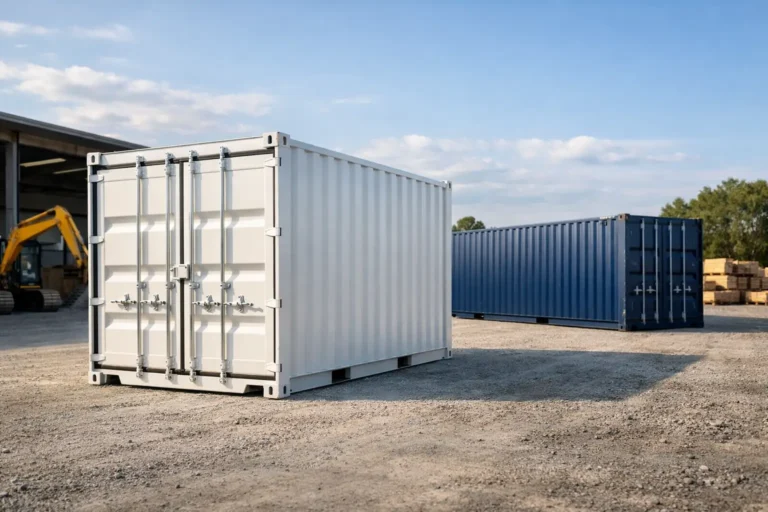
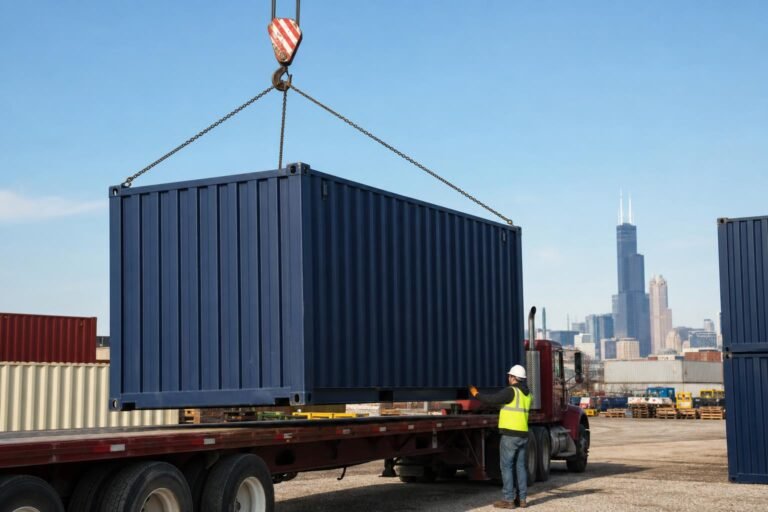
Standard 20ft and 40ft containers are built around a simple idea: a strong, ISO-compatible steel box that can move through global logistics and still serve as dependable ground-level storage. The details, however, matter. A few inches of interior height, door clearance, or delivery space can determine whether a container works for a Raleigh jobsite, a farm in eastern North Carolina, a retail pop-up in the Southeast, or a logistics lane anywhere in the United States.
This guide breaks down the shipping container dimensions buyers most often ask about, with practical notes on grades, site preparation, and how to choose between a 20ft and 40ft unit.
Quick reference: 20ft vs 40ft shipping container dimensions
Most dry storage containers are 8 ft wide and 8 ft 6 in tall on the exterior. A 40ft container is not wider than a 20ft container, it is simply twice the exterior length. Interior dimensions are smaller because the steel walls, roof, doors, and marine-grade plywood floor take up space.
Exact measurements can vary slightly by manufacturer, age, door style, floor thickness, and whether the unit is Standard, High Cube, or Refrigerated. Always confirm the specific unit dimensions before purchase, especially if you need to fit equipment, racking, pallets, or machinery.
| Container type | Exterior dimensions | Approx. interior dimensions | Approx. door opening | Typical volume |
|---|---|---|---|---|
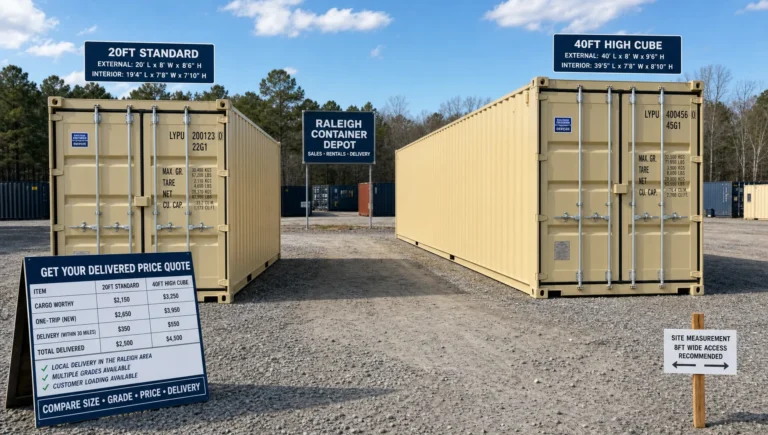
| 20ft Standard dry container | 20 ft L x 8 ft W x 8 ft 6 in H | 19 ft 4 in L x 7 ft 8 in W x 7 ft 10 in H | 7 ft 8 in W x 7 ft 5 in H | About 1,170 cu ft |
| 40ft Standard dry container | 40 ft L x 8 ft W x 8 ft 6 in H | 39 ft 5 in L x 7 ft 8 in W x 7 ft 10 in H | 7 ft 8 in W x 7 ft 5 in H | About 2,390 cu ft |
| 40ft High Cube dry container | 40 ft L x 8 ft W x 9 ft 6 in H | 39 ft 5 in L x 7 ft 8 in W x 8 ft 10 in H | 7 ft 8 in W x 8 ft 5 in H | About 2,690 cu ft |
These sizes follow the general format used in ISO container standards, including the globally recognized 8 ft width. For a deeper technical comparison that includes High Cube use cases, see Lease Lane’s guide to 20ft vs 40ft vs High Cube shipping container dimensions.
What each dimension means for real-world use
When buyers compare shipping container dimensions, they often focus on exterior length. That is important for delivery and placement, but interior length and door clearance are just as important for day-to-day use.
Exterior dimensions tell you how much physical space the container occupies on your property. This matters for driveways, fence lines, staging areas, loading docks, farms, commercial yards, and municipal setbacks.
Interior dimensions tell you what actually fits inside. For contractors and home builders, interior space affects whether you can store lumber, pipe, equipment, fasteners, jobsite tools, and seasonal materials without blocking access.
Door opening dimensions determine whether forklifts, pallets, shelving, ATVs, mowers, appliances, or machinery can pass through the container doors. A standard container may have plenty of interior height, but the door opening is lower than the interior ceiling.
Weight ratings matter if the container will move loaded. A storage-only container placed on a Raleigh-area jobsite may never approach its maximum payload, while a logistics manager shipping freight needs to review the CSC plate, gross weight, tare weight, and payload capacity.
20ft shipping container dimensions and best uses
A 20ft Standard container is the most versatile choice when space is limited. It is easier to place on residential properties, smaller commercial lots, farms, construction sites, and tight urban locations around Raleigh. Because it is shorter, it typically requires less straight-line delivery clearance than a 40ft unit.
The standard exterior size is 20 ft long, 8 ft wide, and 8 ft 6 in high. Inside, you usually get roughly 19 ft 4 in of length, 7 ft 8 in of width, and 7 ft 10 in of height. That makes a 20ft unit a strong fit for secure tool storage, household overflow, landscaping equipment, small business inventory, and farm supplies.
For buyers who need a practical ground-storage option, Lease Lane’s 20ft Standard Wind and Watertight Shipping Container for Sale is relevant because WWT units are commonly chosen when the priority is dry, secure storage rather than active international shipping certification.
A 20ft container is often the right size when you need access more than bulk capacity. If you plan to walk in regularly, install shelving along the walls, or keep jobsite materials separated by project phase, a 20ft unit can be easier to organize than a longer container.
40ft shipping container dimensions and best uses
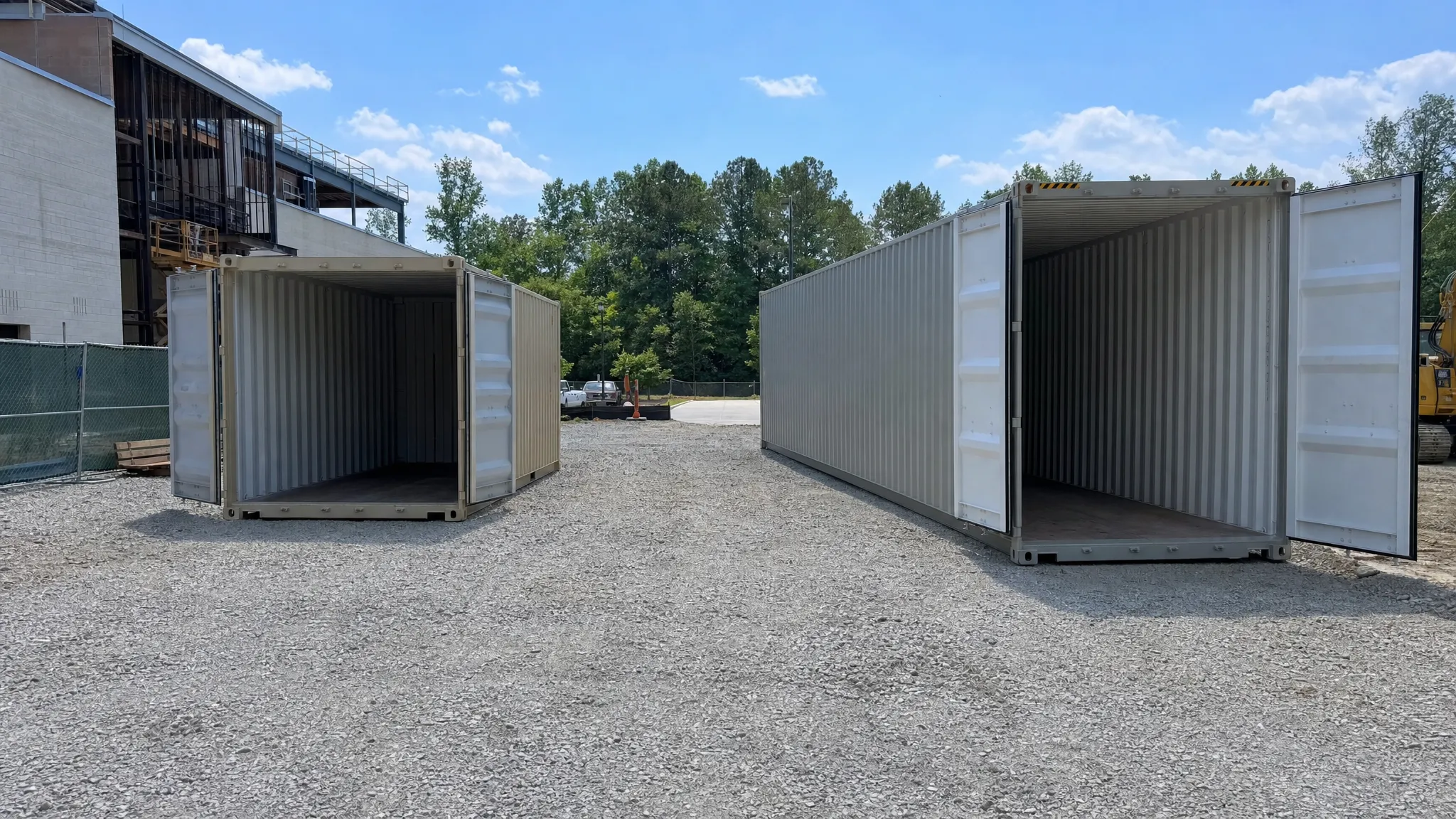
A 40ft Standard container doubles the exterior length while keeping the same standard width and height. The exterior dimensions are 40 ft long, 8 ft wide, and 8 ft 6 in high. Interior dimensions are typically around 39 ft 5 in long, 7 ft 8 in wide, and 7 ft 10 in high.
The extra length makes a 40ft container ideal for larger jobsite storage, bulk inventory, construction materials, equipment staging, agricultural storage, and warehouse overflow. General contractors in North Carolina often choose 40ft units when they need to secure multiple trades’ materials in one place, especially on longer builds.
For buyers comparing larger used containers, Lease Lane’s 40ft Standard Shipping Container for Sale – Secure Steel Storage Container is a useful reference point for understanding the size and storage profile of a standard 40ft steel container.
The tradeoff is delivery and placement. A 40ft container requires more straight access, more turning room, and a larger level pad. If your site has trees, utility lines, narrow gates, slopes, septic areas, or limited truck access, confirm placement conditions before ordering.
When a High Cube or refrigerated container changes the math
Standard containers work well for most storage needs, but some projects need more vertical clearance. A High Cube container adds 1 ft of exterior height, increasing total exterior height to 9 ft 6 in. Inside, that usually provides about 8 ft 10 in of interior height, which is valuable for taller equipment, stacked inventory, taller shelving, mobile office conversions, and modular buildouts.
A 40ft High Cube is especially popular for modifications because the extra headroom makes insulation, interior framing, HVAC, lighting, and finished ceiling systems more practical. If height is one of your main constraints, review the more detailed breakdown of 40ft High Cube container dimensions before choosing a standard-height unit.
Refrigerated containers, also called reefers, have different usable interior dimensions because insulation, refrigeration machinery, and interior wall systems reduce the cargo space. A reefer may be the right choice for cold storage, food distribution, pharmaceutical support, or temperature-sensitive inventory, but buyers should never assume a refrigerated 40ft container has the same usable interior space as a dry 40ft container.
Container grades: One-Trip vs Cargo Worthy vs WWT
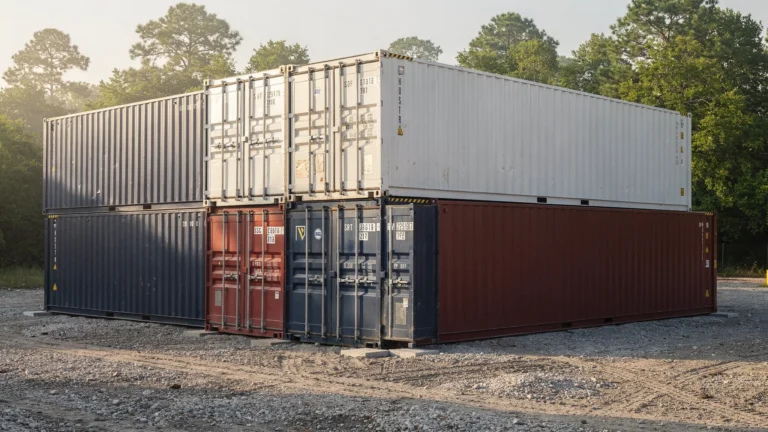
Dimensions tell you what fits. Grade tells you what condition and use case the container is suited for. This distinction is critical, especially when comparing prices on used containers.
| Grade | What it usually means | Best for | Key caution |
|---|---|---|---|
| One-Trip | Newer container that has typically made one cargo trip from the manufacturer | Clean storage, retail, offices, modifications, customer-facing projects | Higher cost than used options |
| Cargo Worthy | Used container inspected as suitable for cargo transport | Export, intermodal transport, logistics, freight movement | Confirm CSC plate status and inspection requirements |
| Wind and Watertight | Used container that keeps out wind and water for ground storage | Construction storage, farm storage, household storage, inventory overflow | Not automatically certified for ocean cargo |
A One-Trip container is usually the cleanest option, with fewer dents, less surface rust, and a more uniform appearance. These containers are often preferred for modifications, retail activations, offices, and projects where appearance matters.
A Cargo Worthy container is a used unit that remains structurally suitable for cargo movement. Logistics managers should look closely at the CSC plate, floor condition, door operation, corner castings, and any required inspection documentation. Cargo Worthy does not mean cosmetically perfect, it means the container can meet transport-related requirements when properly documented.
A Wind and Watertight container, often shortened to WWT, is typically chosen for static storage. It should keep out weather when doors are closed, but it is not the same as a Cargo Worthy unit. For homeowners, farms, contractors, and small businesses using containers for ground-level storage in the Southeast, WWT can be a cost-effective choice.
Most containers are built with Corten Steel, a weathering steel designed to resist corrosion better than ordinary mild steel. That does not make a container maintenance-free. Door gaskets, roof dents, floor repairs, old patches, rust spots, and prior cargo use should still be reviewed before purchase. For more detail on what to inspect beyond size, Lease Lane’s overview of shipping container specifications every buyer should know is a helpful companion to this dimensions guide.
How to choose the right size for your project
The best container size depends less on the label and more on how you will use the space. A 20ft container can be the better choice even when a 40ft unit offers more cubic feet, especially if the site is tight or you need frequent access to smaller items.
| Use case | Often better fit | Why |
|---|---|---|
| Residential storage | 20ft Standard | Easier to place on driveways, farms, and rural properties |
| Small contractor tool storage | 20ft Standard | Secure, compact, and easier to access daily |
| Large construction materials | 40ft Standard | More room for long materials, pallets, and bulk supplies |
| Warehouse overflow | 40ft Standard or 40ft High Cube | Higher capacity for inventory and racking |
| Mobile office or modified space | 40ft High Cube | Extra height helps with insulation and interior finish work |
| Export or freight movement | Cargo Worthy 20ft or 40ft | Grade and certification matter as much as dimensions |
For small business owners, the decision often comes down to layout. If you need a pop-up retail shell, workshop, or modular office, think beyond empty cubic feet. Plan for doors, insulation, electrical pathways, ventilation, shelving, customer flow, and local permit requirements.
For general contractors and home builders, consider how often crews will enter the unit. A 40ft container can store more, but without a clear aisle it can become difficult to access materials at the back. In many cases, two smaller containers placed strategically on a site can outperform one large unit.
For logistics managers, dimensions must be paired with weight ratings and grade. A 20ft container can carry dense cargo efficiently, while a 40ft container is better for lighter, bulkier freight. Confirm the actual container’s data plate and current condition before loading for transport.
Pro-Tip: prepare your site before delivery
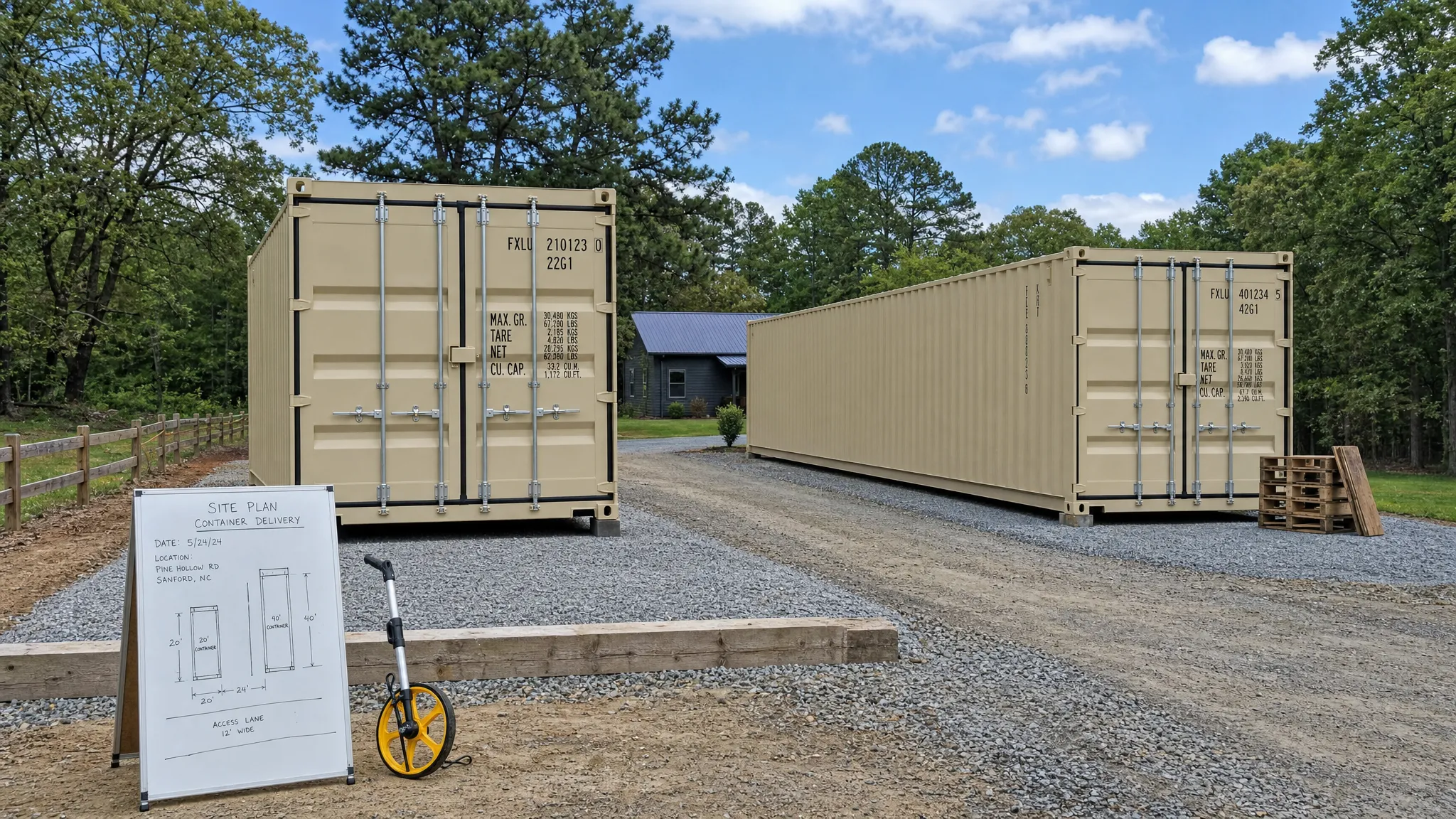
A container performs best when it sits level, drains properly, and can be delivered without risky maneuvering. This is especially important in Raleigh and across the Southeast, where clay soils, heavy rain, and uneven terrain can create settling and drainage problems.
Before delivery, plan for these site requirements:
- Choose a firm, level surface with enough space for the truck to approach in a straight line.
- Use a compacted gravel pad, concrete strip footings, railroad ties, or level blocking to keep the container off soft soil.
- Slope the surrounding grade away from the container so water does not pool under the floor.
- Verify overhead clearance for trees, power lines, roof edges, and gate structures.
- Check local zoning, HOA rules, and permit requirements before placing a container permanently.
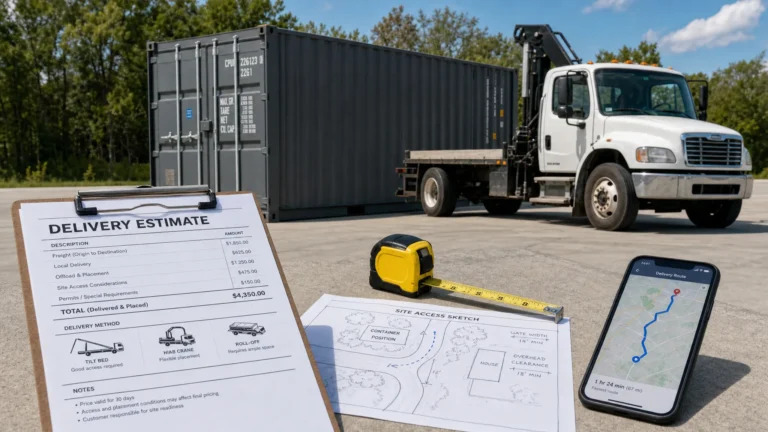
As a general planning rule, a 20ft tilt-bed delivery often needs roughly 60 to 75 ft of straight clearance, while a 40ft delivery may need roughly 100 to 120 ft. These are planning estimates, not guarantees. Actual requirements depend on truck type, site grade, driveway width, turning radius, and obstacles.
If your site is tight, send photos, measurements, and a sketch to the sales team before scheduling delivery. A few minutes of planning can prevent failed delivery attempts, property damage, or placement in the wrong spot.
Common measurement mistakes to avoid
One of the biggest mistakes is measuring only the container footprint. You also need room for door swing, walking access, loading equipment, and drainage. Standard cargo doors swing outward, so do not place the door end directly against a fence, wall, tree line, or steep slope.
Another mistake is assuming interior height equals door height. The interior ceiling of a standard container is typically higher than the door opening. If you are moving tall equipment, machinery, or framed assemblies, confirm both dimensions.
A third mistake is choosing a container based only on price. A cheaper WWT unit may be perfect for dry ground storage, but it may not be acceptable for export. A clean One-Trip container may cost more, but it can save time and labor on customer-facing modifications. Cargo Worthy may be required if the container is going back into transport.
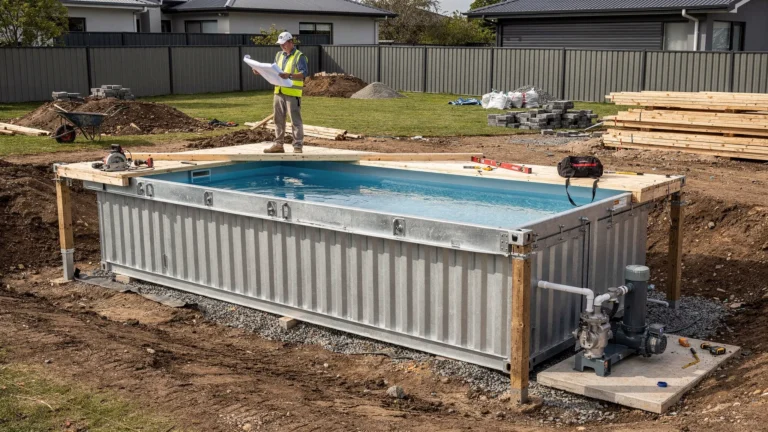
Finally, remember that modifications reduce interior space. Insulation, framing, wall panels, flooring upgrades, electrical chases, HVAC units, and shelving all take up room. If the finished interior matters, start with the final required dimensions, then work backward to choose the right container.
Frequently Asked Questions
What are the standard shipping container dimensions for a 20ft container? A standard 20ft dry container is typically 20 ft long, 8 ft wide, and 8 ft 6 in high on the exterior. Interior dimensions are usually about 19 ft 4 in long, 7 ft 8 in wide, and 7 ft 10 in high, but exact measurements vary by unit.
What are the standard shipping container dimensions for a 40ft container? A standard 40ft dry container is typically 40 ft long, 8 ft wide, and 8 ft 6 in high on the exterior. Interior dimensions are commonly about 39 ft 5 in long, 7 ft 8 in wide, and 7 ft 10 in high.
Is a 40ft container twice as large as a 20ft container? It is twice the exterior length, but usable space is not always exactly double in practice. Door access, aisle space, shelving layout, and how cargo is loaded can affect real storage efficiency.
What is the difference between Standard and High Cube containers? A Standard container is usually 8 ft 6 in high on the exterior. A High Cube container is usually 9 ft 6 in high, giving about 1 additional foot of vertical clearance, which is useful for modifications, tall equipment, and higher stacking.
Do I need a Cargo Worthy container for storage? Usually no. For static ground storage, a Wind and Watertight container may be enough. If the container will be used for export, intermodal freight, or loaded transport, ask about Cargo Worthy condition and CSC documentation.
Can Lease Lane deliver containers outside Raleigh? Lease Lane Containers LLC is headquartered in Raleigh, North Carolina and supports buyers across the Southeast and nationwide. Delivery planning depends on location, access, container size, and site conditions.
Get the right container dimensions before you buy
The right container is not just 20ft or 40ft. It is the size, grade, door clearance, condition, and delivery plan that fit your project. Whether you need jobsite storage in Raleigh, farm storage in North Carolina, business inventory overflow in the Southeast, or Cargo Worthy equipment for transport, Lease Lane Containers LLC can help you compare options clearly.
For help choosing the right size, planning your drop spot, or confirming container grade, contact the Lease Lane Containers sales team at sales@leaselanecontainers.com or visit the Raleigh office to speak with a local container specialist.