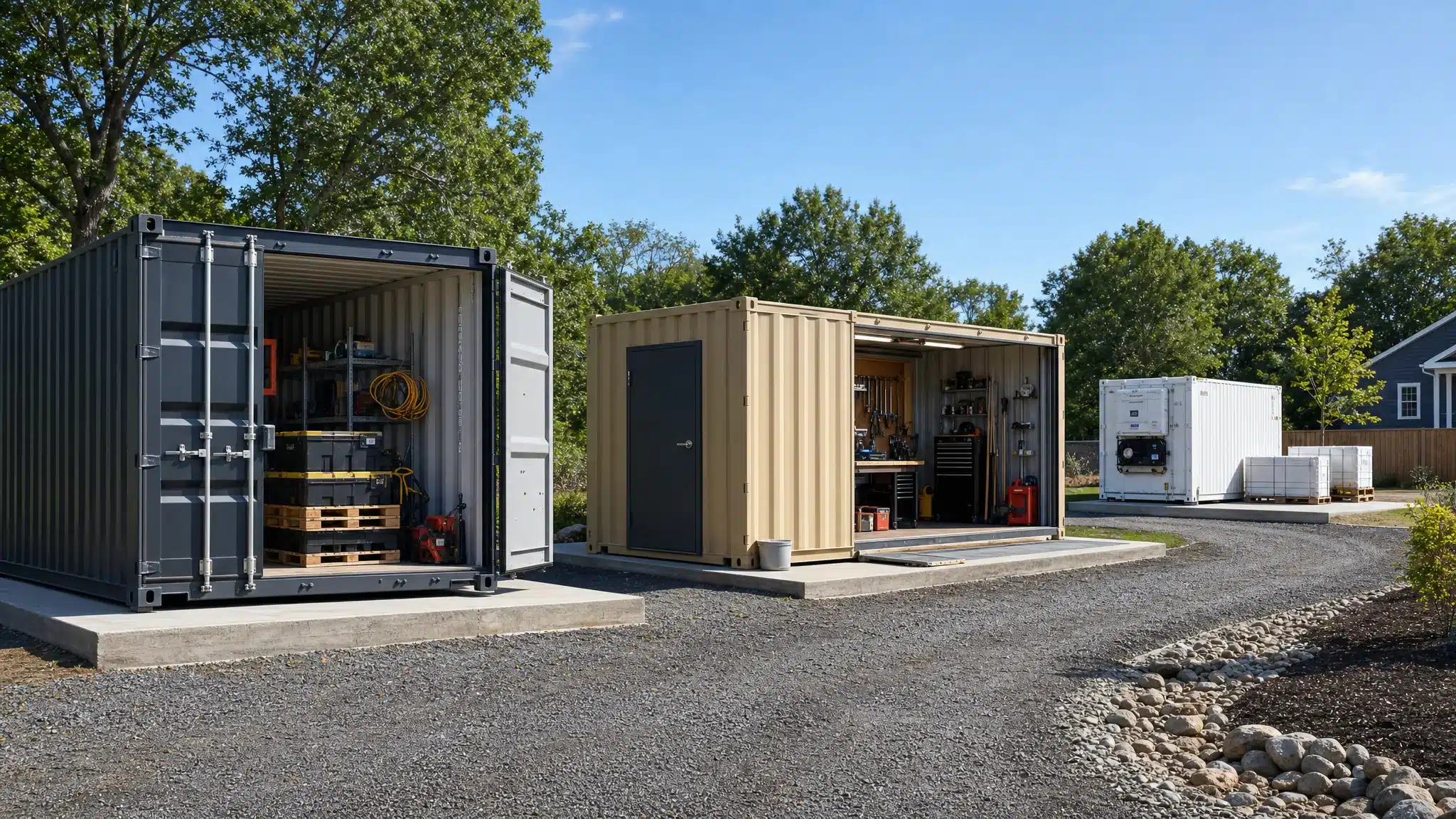
Storage Shipping Containers: 7 Smart Uses on Your Property
Storage shipping containers have become one of the most practical ways to add secure, weather-resistant space to a property without building a permanent structure from the ground up. For homeowners, contractors, farms, small businesses, and developers around Raleigh and the Southeast, a well-chosen container can solve storage problems quickly, while still offering the strength of an ISO-style steel unit built for demanding transport environments.
The key is choosing the right container for the job. A unit used for basic lawn equipment does not need the same grade as a container used for high-value inventory, a customer-facing retail setup, or cold storage. Size, condition, placement, ventilation, access, and local permitting all matter.
Below are seven smart ways to use storage shipping containers on your property, plus practical guidance on grades, site preparation, and choosing between 20ft, 40ft, High Cube, and refrigerated options.
Start with the right container grade
Most standard shipping containers are built with Corten steel, a corrosion-resistant steel designed to withstand harsh marine and freight environments. They are also built around common ISO standards, including standardized dimensions and corner castings that make them strong, stackable, and transportable. The ISO 668 container standard defines key dimensions and ratings for Series 1 freight containers.
For property storage, however, condition grade is just as important as size. Here is the practical difference:
| Container grade | What it means | Best property uses |
|---|---|---|
| One-Trip | A near-new container that has typically made one loaded trip from the factory before resale | Visible storage, offices, workshops, retail, high-value contents, long-term ownership |
| Cargo Worthy | A used container that is structurally sound for transport when properly inspected and documented | Heavy-duty storage, logistics, equipment, export potential, higher-value inventory |
| Wind & Watertight, WWT | A used container that keeps out wind and rain but is not certified for ocean transport | Jobsite storage, farm storage, household overflow, budget-conscious stationary storage |
| As-Is | A container sold without a condition guarantee | Only for non-critical storage after careful inspection |
For most stationary storage on a property, WWT can be a smart value. For export, stacking, or frequent transport, Cargo Worthy is the safer grade. For clean appearance, longer service life, or modifications, One-Trip is often worth the premium. If you are comparing used containers, make sure the seller clearly defines the grade and provides condition details before delivery.
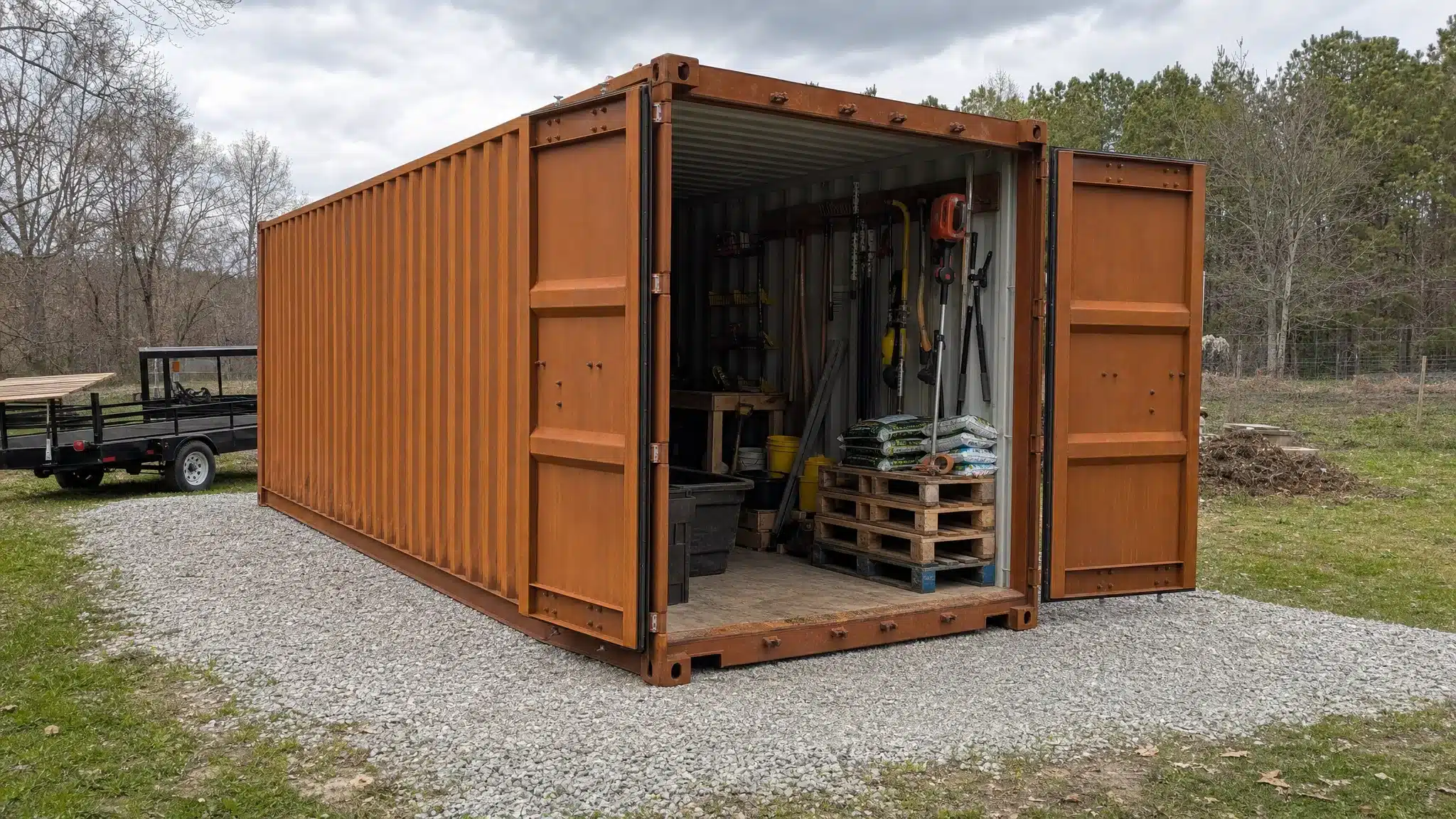
Quick guide: matching use, size, and grade
| Property use | Common size | Recommended grade | Key planning point |
|---|---|---|---|
| Contractor storage | 20ft or 40ft | WWT or Cargo Worthy | Prioritize security, access, and door orientation |
| Home renovation storage | 20ft | WWT or One-Trip | Check driveway access, HOA rules, and flooring condition |
| Farm storage | 40ft or 40ft High Cube | WWT or Cargo Worthy | Add ventilation and keep the unit off wet soil |
| Business inventory | 20ft or 40ft | One-Trip or Cargo Worthy | Plan aisles, shelving, and moisture control |
| Workshop or hobby space | 20ft High Cube or 40ft High Cube | One-Trip or Cargo Worthy | Plan insulation, electrical, and safe modifications |
| Cold storage | 20ft or 40ft reefer | Tested refrigerated unit | Confirm power, temperature range, and service access |
| Emergency supplies | 20ft | WWT or Cargo Worthy | Place above low spots and organize for fast access |
1. Secure jobsite storage for tools and materials
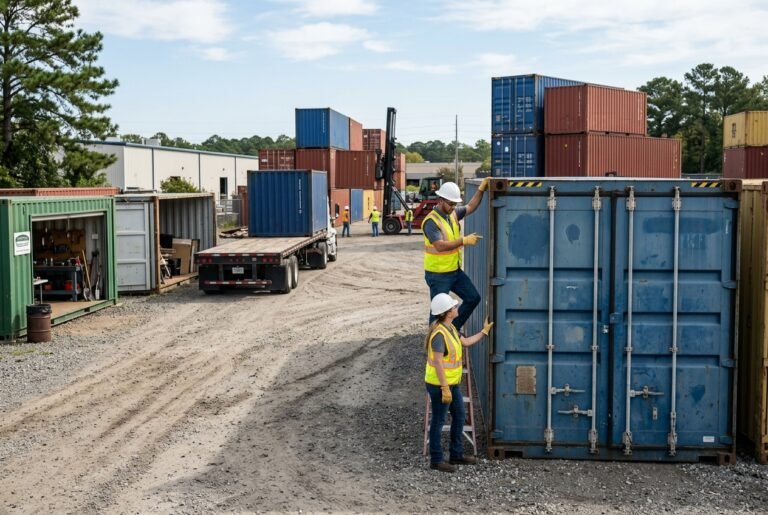
General contractors and home builders in Raleigh, Durham, Cary, and across North Carolina often need secure storage before a building is dried in. A shipping container can keep tools, fasteners, lumber, fixtures, pipe, wire, and jobsite equipment close to the work area instead of scattered between trucks, garages, and off-site warehouses.
A 20ft container is usually enough for compact residential job sites where access is limited. A 40ft container makes more sense for larger builds, multi-phase projects, or crews storing bulkier materials. If you are deciding between the two, review practical size and pricing considerations for 20ft containers and 40ft containers before ordering.
For jobsite storage, WWT units are often cost-effective because cosmetic dents and faded paint are less important than weather protection and security. Cargo Worthy units are a stronger fit if the container may be moved from site to site, loaded heavily, or later used for transport. One-Trip units make sense for developers or builders who want a cleaner, more professional appearance on visible projects.
Security also matters. A lockbox, high-quality puck lock, interior shelving, and clear inventory zones can turn a basic steel box into a functional jobsite storage system.
2. Home renovation and moving storage
A storage container can make a home remodel much easier. Instead of renting multiple off-site storage units or filling every spare room with furniture, homeowners can place a container on a driveway, side yard, or prepared pad and keep belongings close at hand.
For most residential projects, a 20ft container is the practical starting point. It offers substantial storage capacity while being easier to place on tighter properties. A 40ft unit can work well for whole-home renovations, estate cleanouts, or long-term household storage, but it requires more delivery clearance and a larger level area.
Container grade should match the value and sensitivity of what you are storing. WWT is usually suitable for tools, patio furniture, boxes, and durable household goods. A One-Trip container may be the better choice for furniture, antiques, clean inventory, or contents that could absorb odors from an older unit. Always inspect the floor, interior walls, door gaskets, and roof before storing anything valuable.
In Raleigh neighborhoods and planned communities, also check HOA rules, driveway restrictions, and municipal requirements before scheduling delivery. A short-term remodel container may be treated differently than a long-term accessory structure.
3. Farm, acreage, and rural property storage
For farms and rural properties in the Southeast, shipping containers are a strong alternative to light-duty sheds. They can store tools, fencing supplies, tractor attachments, irrigation parts, seasonal equipment, seed, feed bins, and maintenance supplies. The steel shell helps protect against weather, rodents, and opportunistic theft.
A 40ft container or 40ft High Cube container is often ideal for agricultural use because long tools, attachments, and palletized supplies take up space quickly. A High Cube unit adds an extra foot of exterior height compared with a standard-height container, which is helpful for tall shelving, bulky equipment, and better overhead clearance inside.
Ventilation and moisture control are especially important in North Carolina’s humid climate. Even a sealed container can develop condensation when temperatures swing. Keep feed in sealed containers, store items on pallets, add vents when appropriate, and place the container on a raised, well-drained pad rather than directly on soil.
WWT units are usually appropriate for basic farm storage. Cargo Worthy can be a better choice if the container will hold heavy equipment, be transported later, or support more demanding modifications.
4. Small business inventory overflow
Retailers, e-commerce sellers, trades, landscapers, restaurants, event companies, and service businesses often run out of backroom or warehouse space long before they are ready to sign a larger lease. A storage shipping container can provide overflow capacity on a commercial property, behind a shop, at a warehouse, or on a prepared yard.
For small businesses, the right grade depends on visibility and contents. A WWT container may be perfect for boxed supplies, packaging materials, non-sensitive equipment, and seasonal displays stored behind a building. A One-Trip or clean Cargo Worthy container is usually better for customer-facing locations, branded pop-up use, or inventory where appearance and interior cleanliness matter.
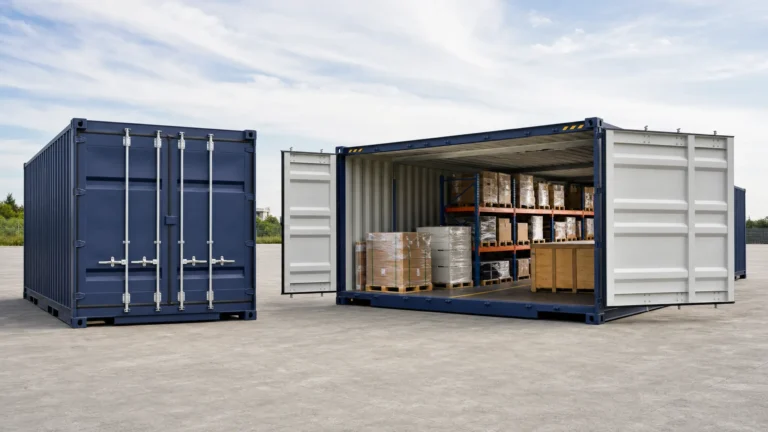
Think about daily workflow before choosing size. A 20ft unit can be easier to organize for frequent access. A 40ft unit offers more total capacity, but it should be arranged with shelving, labels, pallet zones, and a clear aisle. If items will be picked often, leave space to move safely rather than packing the container wall to wall.
For temperature-sensitive products, a standard dry container may not be enough. Heat can build inside a steel container in summer, especially in the Southeast. Ventilation, shade, insulation, or a refrigerated solution may be needed depending on what you store.
5. Workshops, hobby rooms, and tool sheds
A container can do more than store items. With planning, it can become a workshop, tool room, hobby space, maintenance bay, or maker area. The steel structure gives you a durable shell, while the rectangular footprint makes it easy to plan benches, shelves, racks, and work zones.
High Cube containers are especially useful for workshops because the extra height improves headroom and gives more space for lights, insulation, and overhead storage. For a more detailed look at usable height and door specs, see this guide to High Cube container dimensions.
If you plan to add windows, man doors, roll-up doors, insulation, electrical service, or HVAC, start with a better grade. One-Trip containers are typically cleaner and have fewer dents, which makes them a good foundation for modifications. Cargo Worthy units can also work well if the frame, rails, corner posts, roof, and floor are solid.
Avoid cutting structural members without a proper reinforcement plan. Containers get much of their strength from the corner posts, rails, corrugated panels, and corner castings. A qualified fabricator can help preserve structural integrity while adding the features you need.
6. Refrigerated storage for food, florals, and temperature-sensitive goods
Refrigerated containers, also called reefers, are a smart property storage option for farms, food distributors, caterers, florists, breweries, pharmaceutical support operations, and seasonal businesses that need controlled temperatures. They are also useful during renovations when an existing walk-in cooler is offline.
A reefer is not just a dry container with an air conditioner. It has an integrated refrigeration unit, insulated walls, specialized flooring, and electrical requirements that must be planned before delivery. Buyers should confirm the unit has been tested, understand the temperature range, and verify power availability at the site.
In Raleigh and across the Southeast, reefer placement should allow access for service, airflow around the machinery end, and safe electrical hookup. Level placement matters because poor positioning can affect doors, drainage, and serviceability. Before purchasing, review the key questions to ask when shopping for refrigerated containers.
For cold chain use, do not choose by price alone. Temperature performance, documentation, service access, and total operating cost are more important than saving a small amount upfront.
7. Emergency, storm, and long-term property readiness
Property owners in North Carolina and the broader Southeast know that severe storms, flooding, ice events, and power outages can disrupt normal operations quickly. A container can be used as a readiness hub for generators, fuel-safe accessories, pumps, tarps, chainsaws, spare fencing, safety gear, bottled water, and maintenance supplies.
For homeowners, farms, and commercial properties, a 20ft WWT or Cargo Worthy container is often enough for emergency gear. The goal is not simply to store supplies, but to make them accessible when time matters. Use shelves, waterproof bins, labels, and a clear walkway from the doors.
Placement is critical. Do not put emergency supplies in the lowest, wettest part of the property. Choose a location with drainage, vehicle access, and enough clearance to open the doors fully even after heavy rain or debris. If the container will remain in place for years, plan for maintenance inspections, especially around door gaskets, roof dents, and any areas where water can collect.
Pro-Tip: Prepare the site before the container arrives
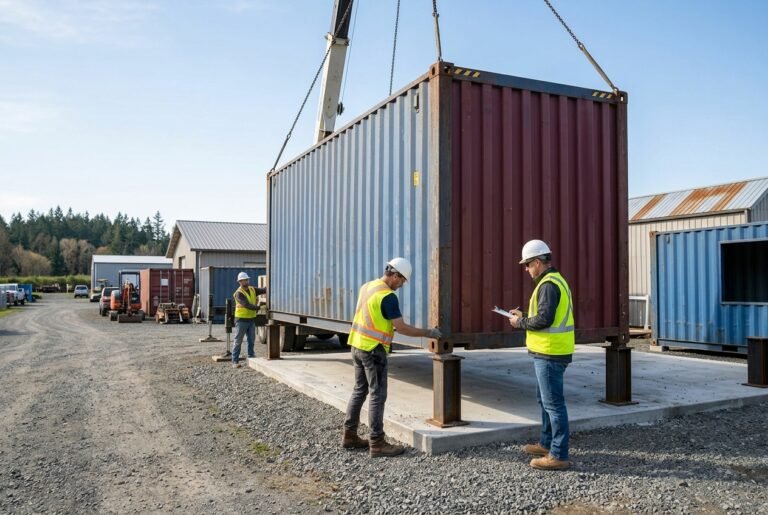
A good container can perform poorly if it is dropped on the wrong surface. Site preparation is not just a delivery detail, it affects door operation, rust prevention, drainage, safety, and long-term usability.
For most storage uses, a compacted gravel pad is one of the most practical options. It drains better than bare soil, is usually more affordable than a full concrete slab, and helps keep the underside of the container dry. Concrete pads, piers, and engineered footings may be better for offices, workshops, reefers, or permanent installations.
Before delivery, confirm these basics:
- The footprint is level, stable, and not in a low drainage area.
- The container corners will be supported, not left to sink into soft soil.
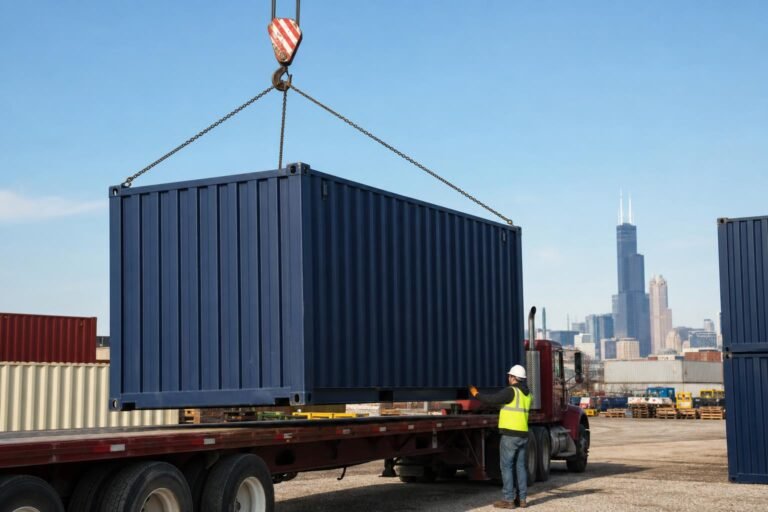
- The delivery truck has enough width, height, turning space, and straight-line unloading room.
- Doors are oriented toward the direction you will actually use.
- Raleigh, Wake County, municipal, or HOA requirements have been checked.
- Underground utilities are marked if digging, grading, trenching, or anchoring is planned.
If you are unsure what the driver will need, review this guide on site preparation for container delivery and the main shipping container delivery requirements. If excavation is involved, contact 811 before work begins.
Even a small twist in the container frame can make doors difficult to open. Taking time to level the pad before delivery is almost always cheaper than trying to correct placement problems afterward.
How to choose the best container for your property
The best container is the one that fits your use, not just the one with the lowest price. Start by asking what will be stored, how often you need access, how long the container will stay on site, and whether it may be modified later.
If you need simple, weather-resistant stationary storage, WWT is often enough. If you need structural strength, transport potential, or higher resale value, choose Cargo Worthy. If appearance, cleanliness, modifications, or long-term value matter most, choose One-Trip.
Size follows use. A 20ft container is easier to place on residential lots, tight jobsites, and small business properties. A 40ft container provides better cost per cubic foot if you have the space. A 40ft High Cube is the preferred option when height, shelving, equipment, or conversion work matters. A reefer is the right tool when temperature control is not optional.
Finally, compare delivered value, not just the container price. A clean quote should account for container grade, size, delivery distance, unloading method, site conditions, and any special placement needs.
Frequently Asked Questions
Can I put a storage shipping container in my backyard in Raleigh? Often, yes, but it depends on zoning, HOA rules, neighborhood restrictions, and how long the container will remain on the property. Always check local requirements before scheduling delivery.
Is a WWT container good enough for household storage? In many cases, yes. A Wind & Watertight container is designed to keep out wind and rain, making it suitable for many stationary storage needs. For furniture, high-value items, or long-term clean storage, a One-Trip unit may be a better choice.
What size container is best for a residential property? A 20ft container is usually the most manageable residential size because it requires less room for placement and delivery. A 40ft container can work well for large renovations, acreage, or long-term storage if the site has enough access.
Do shipping containers get condensation inside? They can, especially in humid climates like North Carolina. Ventilation, desiccants, pallets, insulation, and good site drainage can help reduce moisture problems.
Should I choose Cargo Worthy for property storage? Cargo Worthy can be a strong choice when you want better structural condition, plan to move the container later, or may use it for transport. For basic stationary storage, WWT may be sufficient.
Can Lease Lane Containers help outside Raleigh? Lease Lane Containers LLC is headquartered in Raleigh, NC and supports buyers with container selection, delivery planning, and site preparation guidance across North Carolina, the Southeast, and nationwide.
Talk with a Raleigh-based container team
Whether you need storage for a construction site, farm, home renovation, business inventory, workshop, or cold storage project, the right container starts with the right size, grade, and delivery plan.
Lease Lane Containers LLC supplies high-quality One-Trip and used shipping containers, including 20ft, 40ft, High Cube, Cargo Worthy, Wind & Watertight, and refrigerated options. For help choosing the best storage shipping container for your property, email the sales team at sales@leaselanecontainers.com or visit the Raleigh office to start planning your delivery.