Container Lease vs Buy: Which Makes More Sense
For most contractors, homeowners, and business owners, the lease-versus-buy decision comes down to one question: how long will you need the container, and how much control do you need over it? A short container lease can be the right move for a temporary jobsite or seasonal inventory surge. Buying usually makes more sense when the unit will stay on your property, be modified, support daily operations, or hold value for resale.
The details matter. A 20ft Wind & Watertight storage box for a Raleigh remodel is a very different decision from a 40ft High Cube One-Trip container for a modular office, or a Cargo Worthy unit headed into international shipping. This guide breaks down the practical, financial, and technical factors so you can choose the option that fits your project.
What Does a Container Lease Usually Include?
A container lease, often called a rental in the portable storage market, typically gives you use of a shipping container for a set period without taking ownership. The supplier retains ownership, and you pay based on the term, delivery, pickup, and any applicable fees.
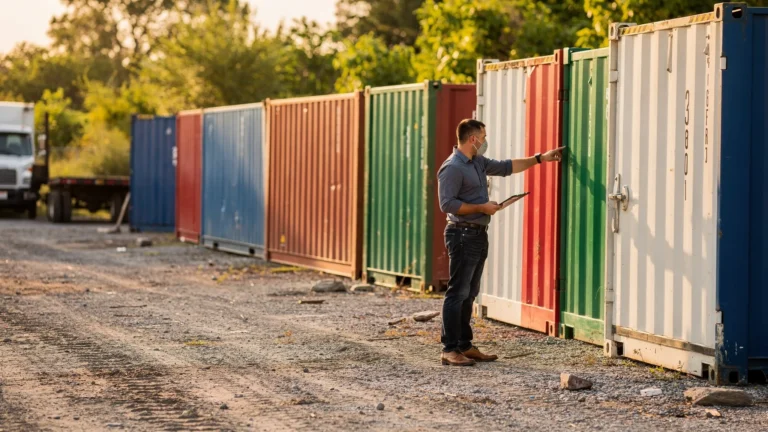
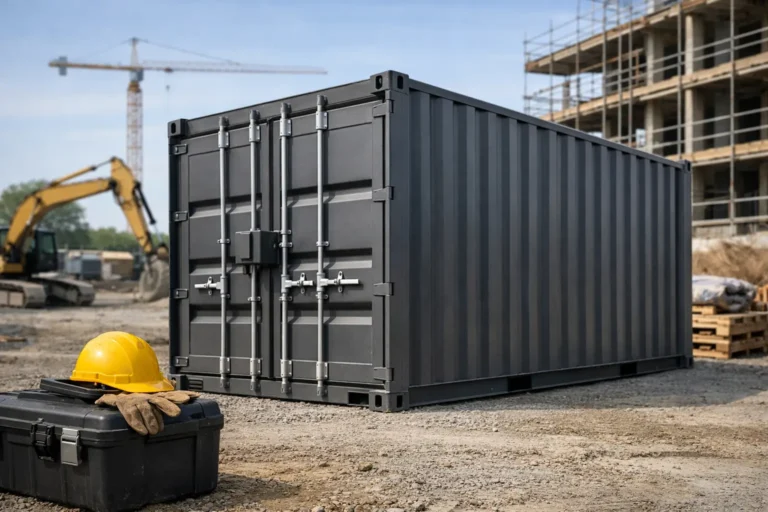
A lease can work well when you need storage for a defined period, such as a construction phase, renovation, event, seasonal retail overflow, or temporary farm storage. In Raleigh, Durham, Cary, and across the Southeast, many jobsite users lease because project timelines can change and they may not want to own equipment after the work is finished.
Before signing, confirm what is included. Ask about delivery, pickup, minimum term, relocation fees, lockbox availability, damage responsibility, cleaning fees, and whether the quoted container is a true ISO shipping container or a lighter portable storage unit.
What Changes When You Buy a Shipping Container?
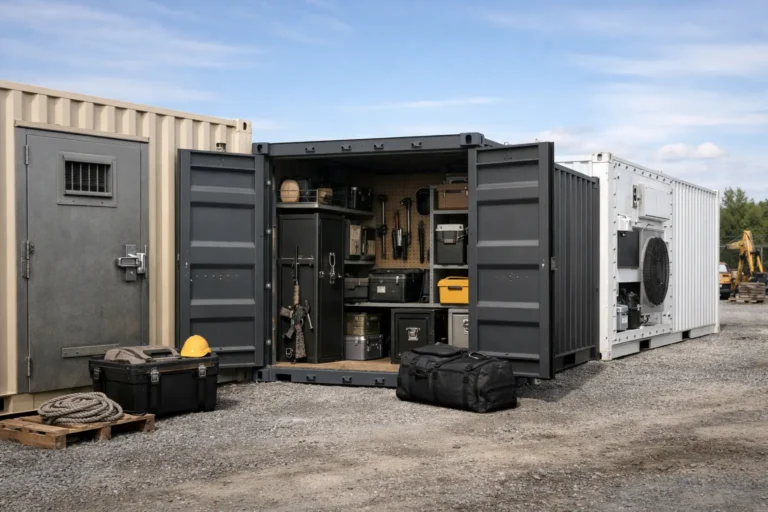
Buying gives you full control. You can keep the container as long as needed, modify it, paint it, add vents, install shelving, convert it into a mobile office, or resell it later. The upfront cost is higher than a monthly container lease, but the long-term cost can be lower if you use the unit for many months or years.
Ownership also lets you choose the exact grade and configuration. For example, buyers can compare 20ft containers for compact jobsite storage, 40ft containers for larger inventory needs, or High Cube units when the extra foot of interior height makes loading and modifications easier.
For buyers considering used containers, the key is understanding condition. A lower upfront price is only a good deal if the container is structurally appropriate for your use.
Container Lease vs Buy: Quick Comparison
| Factor | Leasing may make more sense | Buying may make more sense |
|---|---|---|
| Timeline | Short-term or uncertain use | Long-term or repeat use |
| Cash flow | Lower upfront cost | Higher upfront cost, possible lower lifetime cost |
| Modifications | Usually limited or prohibited | Full control for doors, vents, insulation, offices, and branding |
| Condition choice | Depends on rental fleet availability | You can select One-Trip, Cargo Worthy, or WWT |
| Resale value | No resale value to you | You may recover value later |
| Responsibility | Supplier usually retains ownership | You maintain and secure the unit |
| Best fit | Temporary jobsites, seasonal storage, events | Permanent storage, conversions, farms, business operations, export |
The Cost Question: When Does Buying Beat Leasing?
The simplest way to compare the two is to look at total cost over the expected use period, not just the monthly lease payment or purchase price.
For a container lease, include:
- Monthly lease rate
- Delivery charge
- Pickup charge
- Minimum term
- Damage or cleaning fees
- Relocation fees if the container must move during the project
- Charges for locks, ramps, or accessories if applicable
For a purchase, include:
- Container price
- Delivery and placement
- Site preparation
- Taxes or local fees
- Maintenance over time
- Optional modifications
- Potential resale value
A practical break-even formula is:
Purchase break-even months = net ownership cost ÷ monthly lease cost
Net ownership cost means the delivered purchase cost minus any realistic resale value. If you plan to use a container for only a few months, leasing may win. If you expect to use it for a year or more, or across multiple jobs, buying often deserves a serious look.
For general contractors in the Triangle, this is especially important. A container used across several Raleigh-area jobsites can become an owned asset rather than a recurring rental expense. For small businesses, the same logic applies if the container becomes part of ongoing inventory overflow, equipment storage, or a customer-facing pop-up.
Container Grades Matter Whether You Lease or Buy
Not all containers are equal. The grade affects price, lifespan, appearance, transport eligibility, and whether the container is suitable for modifications. Shipping containers are built from Corten Steel, a weathering steel designed to resist corrosion better than ordinary steel when properly maintained. Standard units are built around ISO dimensions and corner castings so they can be handled in intermodal transport systems.
Here is the practical grading language to know:
| Grade | What it means | Best use cases | Watch-outs |
|---|---|---|---|
| One-Trip | A nearly new container that has typically made one loaded ocean voyage from the factory | Premium storage, offices, retail, homes, long-term ownership, visible sites | Higher upfront cost |
| Cargo Worthy (CW) | Structurally sound and suitable for cargo transport when properly certified, often tied to CSC inspection requirements | Export, logistics, heavy storage, stacking, long-term commercial use | More cosmetic wear than One-Trip |
| Wind & Watertight (WWT) | Keeps out wind and water for stationary storage but is not necessarily certified for ocean cargo | Jobsite storage, farms, household storage, equipment protection | May have dents, patches, rust, or cosmetic wear |
| As-Is | No strong condition guarantee, may have leaks or structural issues | Salvage, non-critical projects, repairs by experienced buyers | Highest risk, not ideal for valuable contents |
The International Convention for Safe Containers helps govern safety approval for containers used in international transport. If you need to ship cargo overseas, ask specifically about Cargo Worthy status, CSC plate validity, and whether a current survey is required by your carrier.
If you only need stationary storage on a farm outside Raleigh or a construction site in the Southeast, a WWT unit may be sufficient. If you plan to cut openings, insulate, add HVAC, or build a finished office, a One-Trip or strong Cargo Worthy unit is usually the safer starting point.
When a Container Lease Makes More Sense
A container lease is usually the better choice when flexibility is more valuable than ownership. This is common for short, temporary, or uncertain projects.
Leasing is often a strong fit for:
- Construction jobs with a clear start and end date
- Residential renovations where storage is needed for a few months
- Seasonal retail inventory overflow
- Temporary event storage
- Short-term agricultural harvest or equipment storage
- Pilot projects where you are testing whether a container setup works
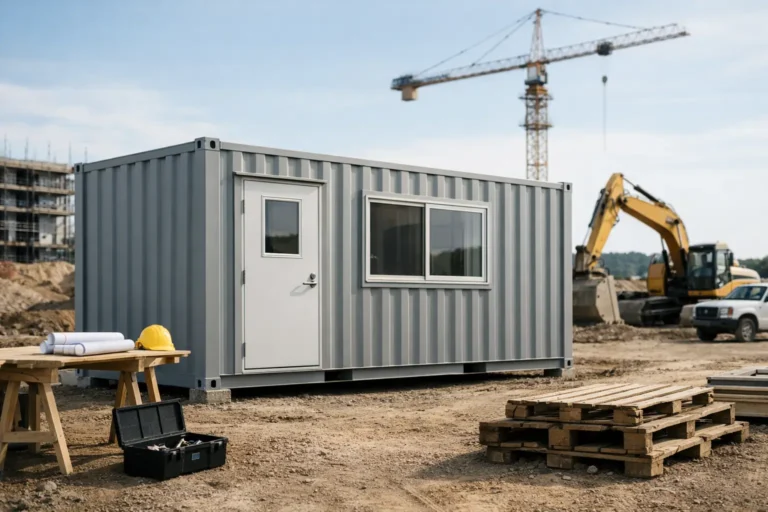
Leasing can also help when you do not want to handle resale, long-term maintenance, or relocation after a project ends. For example, a home builder in Wake County may lease a 20ft container for tools and materials during framing and finishing, then have it picked up when the home is complete.
The trade-off is control. Many lease agreements restrict modifications, painting, welding, drilling, and permanent attachments. If you need a custom door, electrical package, insulation, or branding, buying will usually give you more freedom.
When Buying a Container Makes More Sense
Buying makes more sense when the container becomes part of your operation or property. If the container will be used for years, moved between jobs, modified, or stored on your land permanently, ownership can deliver better value.
Buying is often the better fit for:
- Contractors who need recurring tool and material storage
- Farms that need durable equipment, feed, or supply storage
- Small businesses using containers for inventory, pop-ups, or back-of-house storage
- Developers planning modular construction or container-based builds
- Logistics managers needing Cargo Worthy units for transport
- Homeowners who want long-term storage without monthly payments
Ownership also gives you more control over grade selection. A One-Trip High Cube container can be an excellent shell for a mobile office or finished workshop because it offers cleaner steel, better appearance, and extra vertical space. A Cargo Worthy container can be a smart choice when structural integrity matters but cosmetics are less important. A WWT container can be cost-effective for stationary storage when you do not need export certification.
For a broader purchasing framework, see Lease Lane’s Ultimate Shipping Container Buyers Guide.
Use-Case Recommendations by Buyer Type
| Buyer type | Lease is usually better when | Buy is usually better when |
|---|---|---|
| General contractors | The job is short and the container will leave after completion | You use containers on multiple jobsites year-round |
| Home builders | You need temporary material storage during one build | You manage multiple builds or want reusable secure storage |
| Small businesses | You need seasonal overflow or a temporary pop-up | You need ongoing inventory, workshop, or branded storage space |
| Homeowners | You are renovating or moving temporarily | You need long-term property storage or a workshop shell |
| Agriculture | Storage need is seasonal and temporary | You need year-round feed, tool, or equipment protection |
| Real estate developers | You are testing a concept or staging materials | You are building modular units or long-term site infrastructure |
| Logistics managers | You need short-term domestic storage | You need Cargo Worthy units for transport or export |
Raleigh and Southeast Factors That Can Affect the Decision
In Raleigh and the wider North Carolina market, delivery logistics can shift the economics of leasing versus buying. A container may be delivered by tilt-bed, flatbed, side-loader, or crane depending on access, placement, and container size. Tight urban lots, wooded rural properties, soft clay soils, and sloped driveways can all affect placement cost.
The Southeast climate also matters. North Carolina humidity and heavy rain make drainage, airflow, and roof condition important. A WWT container may keep out water today, but if it sits directly on wet soil with poor airflow underneath, corrosion can accelerate. A properly placed Corten Steel container on a compacted gravel pad or concrete supports will generally perform better over time.
Permits and zoning should be checked before committing to either option. In Raleigh, Wake County, and surrounding municipalities, container rules may vary depending on whether the unit is temporary jobsite storage, residential accessory storage, a commercial structure, or part of a modified building project. HOAs may also have restrictions. Leasing does not automatically remove those obligations.
Pro-Tip: Prepare the Site Before You Compare Quotes
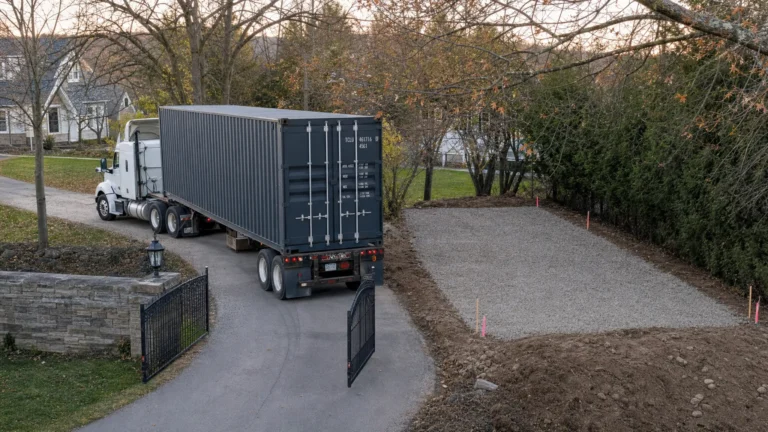
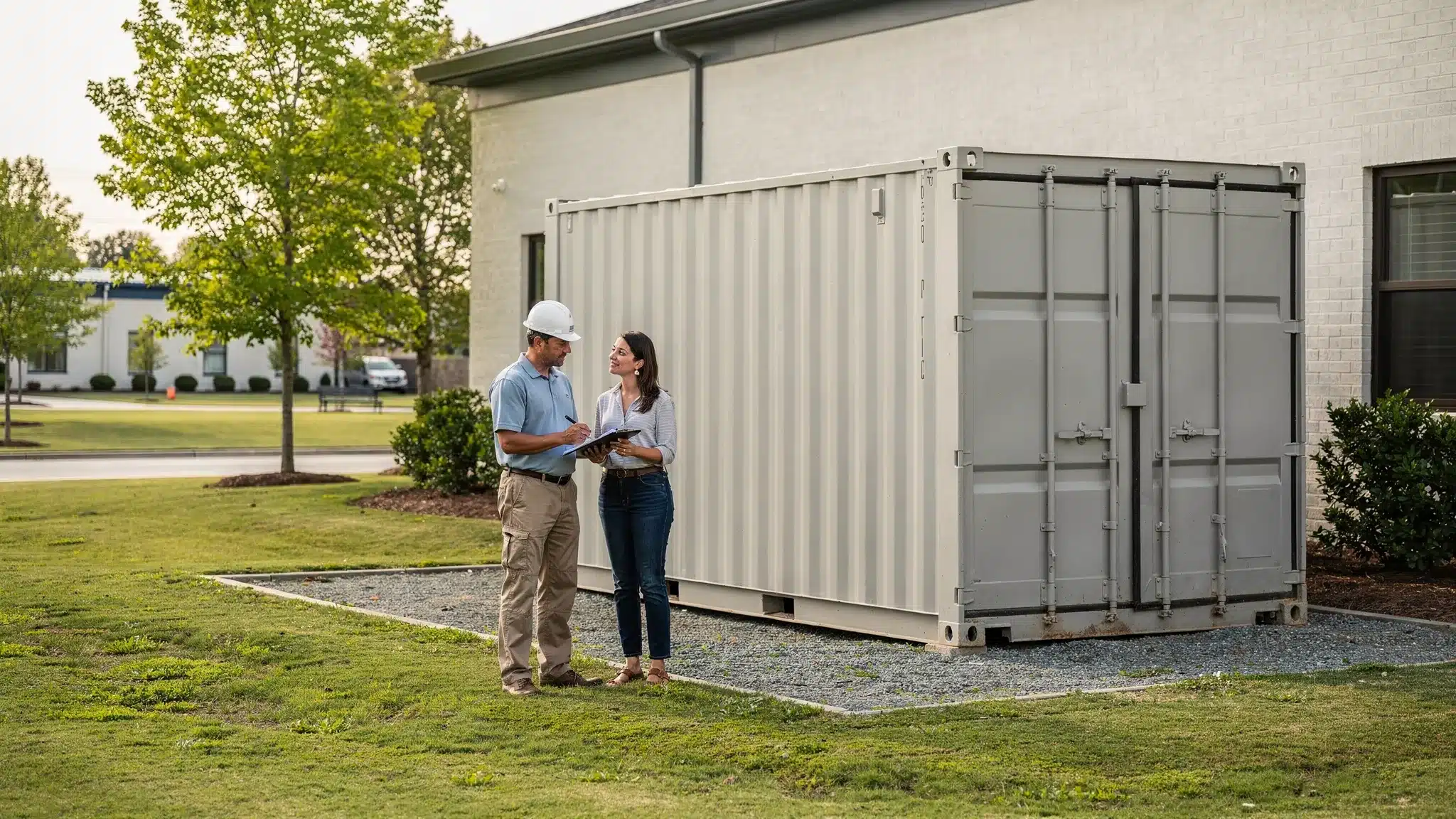
Before choosing a container lease or purchase, prepare the drop site on paper first. Measure access width, overhead clearance, turning space, slope, and the exact landing area. A level, compacted gravel pad with good drainage is often the most practical base for storage containers in Raleigh and across the Southeast. Concrete pads, piers, and railroad ties can also work when designed and placed correctly.
Keep the container supported at the corners and avoid setting it directly on soft soil. Poor leveling can twist the frame, make doors hard to operate, and create low spots where water collects. If you are unsure about access, take photos from the street, driveway, gate, and final placement location, then share them with the supplier before delivery. For more detail, review this guide on how to prepare your site for container delivery.
Questions to Ask Before You Lease or Buy
Whether you lease or buy, the best decision starts with the same core questions:
- What grade is the container: One-Trip, Cargo Worthy, WWT, or As-Is?
- Is it a standard-height unit or a High Cube?
- Is it an ISO shipping container with Corten Steel construction?
- Are delivery and pickup included in the quote?
- What happens if the delivery truck cannot access the site?
- Are modifications allowed?
- Who is responsible for maintenance, damage, cleaning, and security?
- If buying, what photos or inspection details are available before delivery?
- If shipping cargo, is the container Cargo Worthy and properly documented?
- Are local permits, HOA approvals, or zoning checks required?
The more clearly a supplier answers these questions, the easier it is to compare the true value of each option.
Frequently Asked Questions
Is a container lease cheaper than buying? It can be cheaper for short-term use, especially if you only need storage for a few months. Buying may be more cost-effective for long-term use because you avoid ongoing monthly payments and may retain resale value.
How long should I use a container before buying makes sense? There is no universal cutoff because lease rates, delivery fees, purchase price, and resale value vary. A good approach is to calculate the break-even point using total lease cost versus net ownership cost.
Can I modify a leased shipping container? Usually, permanent modifications are restricted unless the lease agreement specifically allows them. If you need doors, windows, vents, insulation, electrical work, or branding, buying is usually the better path.
What container grade is best for leasing? For temporary stationary storage, Wind & Watertight is often sufficient if the unit is secure and leak-free. For transport or export, ask for Cargo Worthy status. For clean, visible, or customer-facing uses, a One-Trip unit may be preferable.
Should I buy a High Cube container? A High Cube container adds one foot of exterior height compared with a standard container, which improves headroom and storage flexibility. It is especially useful for offices, workshops, bulky inventory, and many modification projects.
Do I need a permit for a leased container in Raleigh? Possibly. Permit and zoning requirements depend on location, duration, use, and property type. Check with the City of Raleigh, Wake County, your municipality, or your HOA before delivery.
Get Help Choosing the Right Option
If you are comparing a container lease against buying a 20ft, 40ft, High Cube, refrigerated, One-Trip, Cargo Worthy, or WWT unit, Lease Lane Containers LLC can help you think through grade, size, delivery access, and site preparation. Contact the sales team at sales@leaselanecontainers.com or visit the Raleigh office to discuss the best container solution for your project in North Carolina, the Southeast, or nationwide.