Shipping Container for Tiny Home: What Fits
If you are shopping for a shipping container for tiny home use, the first big decision is not paint color or floor plan. It is whether the container you buy gives you enough structural integrity, interior height, and delivery access to support the build without creating avoidable costs later.
That matters because container homes look simple from the outside, but the buying decision is technical. A container can be an excellent shell for a compact dwelling, office, or guest space. It can also become an expensive workaround if the wrong size, grade, or delivery method is chosen at the start. For most buyers, the smartest approach is to treat the container as a structural component first and a design project second.
Is a shipping container for tiny home projects a good fit?
Sometimes yes, sometimes no. A container gives you a durable steel shell made from Corten steel, built to ISO standards for stacking and transport. That translates into strength, security, and a predictable footprint. For rural properties, workshops with living quarters, or accessory structures where durability matters, that can be a real advantage.
The trade-off is that a shipping container was not originally designed as a residence. Once you start cutting openings for windows, doors, and utility penetrations, you change the way loads move through the structure. Add insulation, framing, and mechanical systems, and the usable interior space shrinks faster than many first-time buyers expect.
So the answer depends on your priorities. If you want a compact shell with strong weather resistance and a clean rectangular footprint, a container can work well. If your main goal is maximum interior width for the lowest finished cost, a conventional stick-built tiny home may pencil out better.
Start with the right size and height
The container size you choose affects nearly every downstream decision, from layout to delivery to insulation strategy.
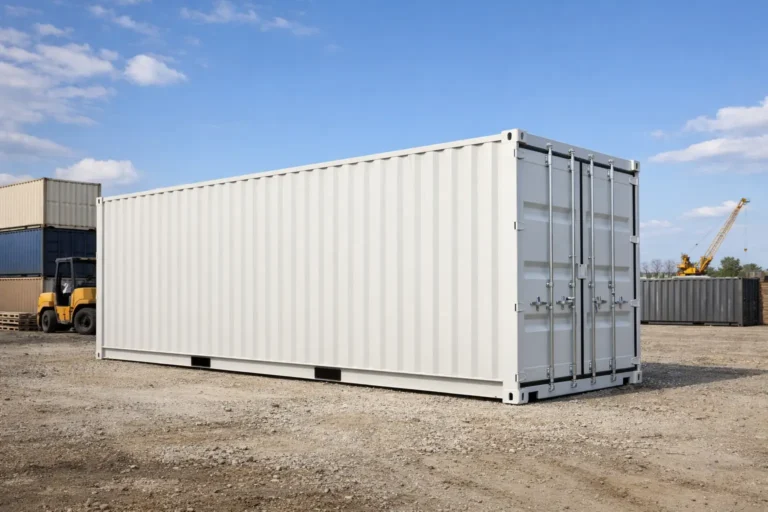
A 20-foot container is the most common entry point for a tiny home shell. It is easier to place on tighter sites, often less expensive to transport, and works well for a studio-style layout, office, or guest unit. The limitation is obvious. Space is tight, especially after insulation and interior finishes are installed.
A 40-foot container gives you far more flexibility for a full-time living layout. You have more room for a separate sleeping area, a larger bathroom, or a more practical kitchen. The trade-off is delivery access. A 40-foot unit needs more turning room, more placement clearance, and a better-prepared site.
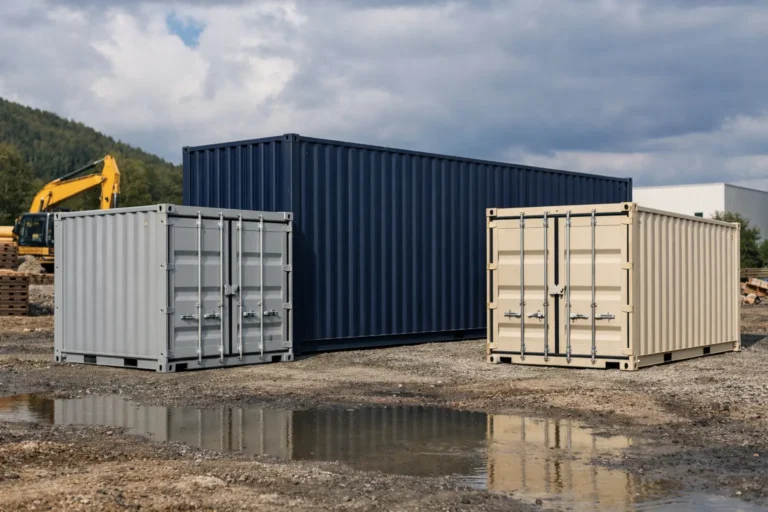
High-cube containers are often the better fit for residential conversion. They are typically 9 feet 6 inches tall on the exterior instead of the standard 8 feet 6 inches. That extra foot matters. Once you account for subfloor work, ceiling framing, insulation, and finished surfaces, every inch counts.
Why high-cube often makes more sense
A standard-height container can feel cramped after insulation is installed. Spray foam, furring, wiring runs, and interior finishes reduce the space quickly. In a high-cube unit, you have more room to build a code-conscious ceiling assembly and still maintain a more comfortable interior feel.
For buyers planning a tiny home shell rather than simple storage, high-cube is usually worth serious consideration even if the upfront price is higher.
New, used, or refurbished?
This is where many buyers either save money intelligently or create risk they did not budget for.
A one-trip container is typically the cleanest option for a tiny home project. These containers are manufactured overseas, loaded once with cargo, and then sold after that initial trip. They usually have the best cosmetic condition, the least corrosion, and fewer unknowns. If appearance matters or you want to minimize patchwork before framing begins, this is often the most straightforward route.
A used container can still work, but the grade matters. Wind & Watertight, often shortened to WWT, generally means the container is structurally serviceable for storage and keeps out normal weather. That does not mean it is cosmetically clean, free of surface rust, or ideal for a visible residential project. Cargo Worthy indicates the unit is fit for international shipping standards at the time of inspection, but again, that is not the same thing as being residential-ready.
Refurbished containers sit in the middle. Depending on the work performed, they may offer better aesthetics and a more consistent exterior than a standard used unit. The key is verification. Ask what was repaired, whether the flooring was addressed, and how the current condition is being represented. Clear grading descriptions help avoid surprises.
Structural changes are where costs move fast
A shipping container is strongest at the corners and along its main structural rails. Cutting one door opening is manageable when planned properly. Cutting multiple large openings for windows, sliding doors, or a connected multi-container layout is a different level of engineering.
This is where buyers sometimes underestimate the real build path. The steel box itself may feel affordable, but reinforcement for cutouts, welding, insulation, HVAC, plumbing, and code compliance can easily exceed the cost of the container. None of that makes the project a bad idea. It just means the container purchase should be made with the full build scope in mind.
If you plan to combine two containers or create a large open interior, involve a qualified engineer early. Structural modifications need to be thought through before the unit is delivered and placed if you want to avoid rework.
Delivery can make or break the project
A container that looks perfect on paper can still become the wrong buy if your site cannot accept delivery cleanly.
For tiny home projects, delivery planning is just as important as container selection. You need to confirm access width, overhead clearance, turning radius, ground conditions, and the final placement orientation. Tilt-bed delivery is common and efficient, but it requires enough linear space for the truck to unload the container. Ground-level placement can be useful when site conditions allow, but the area still has to be level and accessible.
In parts of North Carolina, including the Raleigh area and surrounding rural properties, site access can vary a lot between suburban lots and open land. That same issue applies nationwide. Trees, utility lines, soft ground, and narrow driveways create delays and extra handling costs if they are not identified in advance.
Prepare the site before delivery day
A tiny home shell needs more than a place to sit. It needs a stable foundation plan, room for equipment access, and drainage considerations. Even if the final foundation system will be piers or a slab, the site should be graded and ready before the container arrives. Moving a container twice is usually avoidable and rarely cheap.
This is one reason buyers work with suppliers who are transparent about delivery methods and placement requirements. Clear communication upfront saves money later.
Insulation, moisture, and interior comfort
Steel behaves differently than wood framing. It transfers heat and cold quickly, which means insulation design is not optional in most climates.
For a container tiny home, the main challenge is condensation control. Warm indoor air meeting cold steel can create moisture problems if the wall and roof assemblies are not designed correctly. Spray foam is common because it helps air seal and insulate in one step, but it reduces interior dimensions. Other insulation systems can work, but they need to be planned around moisture management and thermal bridging.
Ventilation also matters. A compact steel structure with a bathroom, kitchen, and sleeping area needs a deliberate strategy for fresh air and humidity control. If you are budgeting only for the shell, make sure you are not underestimating what it takes to make that shell comfortable year-round.
What buyers should check before ordering
The best container purchase decisions are boring in the best possible way. The specifications are verified, the grade is clearly defined, and the delivery path is realistic.
Before you buy, confirm the exact container size, exterior condition, door operation, floor condition, and grade. Ask whether the unit is one-trip, used WWT, Cargo Worthy, or refurbished. Confirm whether you are getting a standard or high-cube unit. If appearance matters for a visible residential build, ask for current photos of the actual container or representative inventory standards.
You should also talk through your intended use. A supplier who regularly handles custom modular builds or job-site logistics can often identify issues a first-time buyer may miss, especially around placement and condition expectations. Lease Lane Containers, for example, emphasizes verified specifications and clear delivery planning because those details prevent hidden costs.
When a container makes sense – and when it does not
A shipping container for tiny home use makes the most sense when you want a secure steel shell, a simple footprint, and a project that starts with a structurally durable base. It is a practical choice for guest units, backyard offices, rural retreats, and utility-forward living spaces where durability matters as much as design.
It makes less sense when the budget only covers the shell and not the conversion realities, or when the site has difficult access that turns delivery into a special operation. It can also be the wrong fit if you need wide-open interior space without substantial structural modification.
The strongest projects usually begin with realistic expectations. Buy the right container grade. Choose the right height. Verify delivery access before the truck is scheduled. Then build from a shell that supports the plan instead of fighting it.
A good tiny home project is not about forcing a container into the role. It is about knowing when the container is the right tool, and buying one with no fine print and no surprises.