Weatherproof Container Storage Solutions That Work
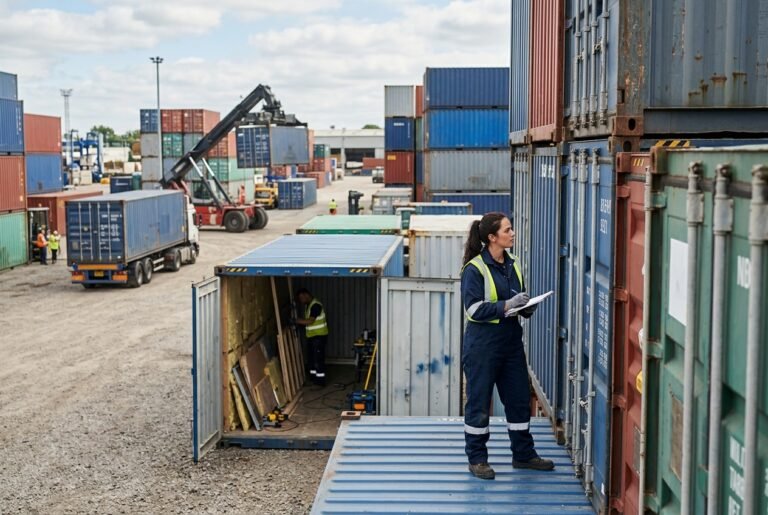
A shipping container can keep tools, inventory, seed, records, and equipment protected through hard rain and long humid summers – but only when the container grade, site, and delivery plan match the job. Effective weatherproof container storage solutions are not just about buying a steel box. They depend on a dry interior, sound doors and seals, proper drainage, and enough clearance for the delivery truck to place the unit correctly.
For a contractor, that may mean a 20-foot unit positioned near the job trailer without blocking material deliveries. For a farm, it may mean a 40-foot container elevated above seasonal runoff. For a homeowner, the priority may be a clean-looking unit that will stay dry while storing furniture, vehicles, or workshop supplies. The right answer depends on what goes inside, how long it will stay there, and the conditions at the site.
Start With the Right Container Condition
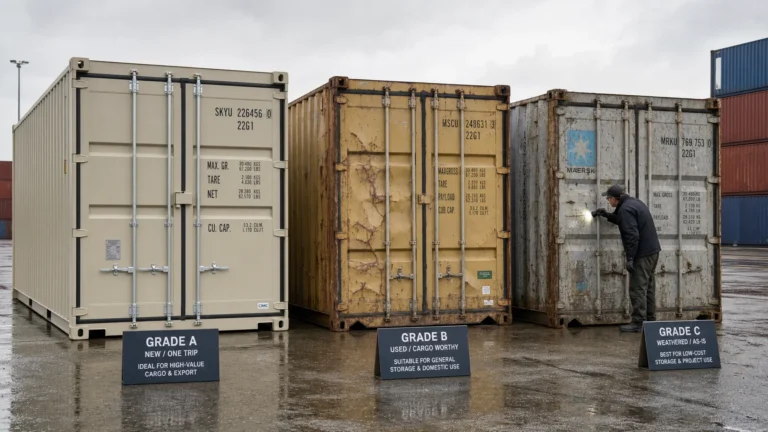
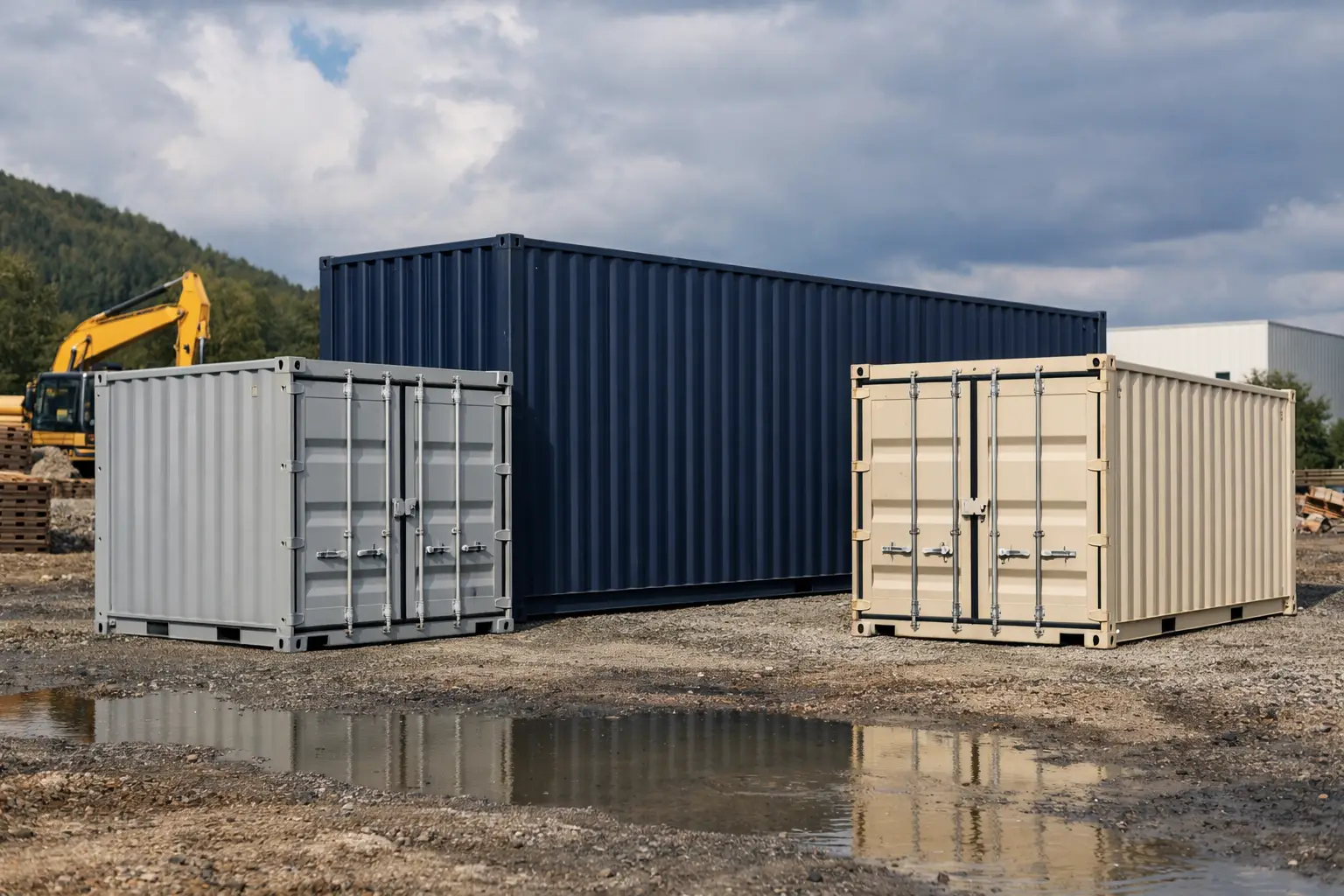
Container condition is the first decision because it sets expectations for appearance, structural integrity, and budget. A new one-trip container has made one loaded trip from the manufacturer. It generally offers the cleanest exterior, newer door hardware, and the fewest cosmetic dents. It is often the preferred choice for retail inventory, finished materials, residential properties, and conversion projects where appearance matters.
A used Wind and Watertight, or WWT, container is built around function. It may show surface rust, repairs, patches, dents, or prior shipping labels, but the roof, walls, floor, doors, and seals should protect the interior from normal weather. WWT is usually a practical fit for job-site tools, agricultural supplies, maintenance equipment, and general inventory where appearance is secondary to dependable dry storage.
Cargo Worthy containers meet an inspection standard suitable for international shipping. That does not automatically make one a better storage purchase than a WWT unit. If the container will remain on your property, a properly inspected WWT unit can be the cost-effective option. If future overseas transport is part of the plan, Cargo Worthy certification may be worth the additional cost.
Ask for verified specifications and a clear explanation of the grade being quoted. A low price without a stated condition can create expensive surprises, especially if the unit needs roof repair, door work, or corrosion treatment before it can protect valuable contents.
What Makes Container Storage Weatherproof?
Shipping containers are made from Corten Steel, a weathering steel designed for demanding marine and freight environments. They are engineered to stack, travel by rail and ship, and handle heavy loads. That strength is a major advantage over lightweight sheds, but steel alone does not solve every moisture problem.
The roof is the first area to inspect. Minor roof dents are common on used containers, but standing water in a deep depression can shorten the life of coatings and eventually create a leak path. A sound container should have no visible holes or active leaks. If a repair has been made, it should be welded and sealed rather than covered with temporary patch material.
Doors deserve equal attention. Container cargo doors use heavy locking bars, cam keepers, hinges, and perimeter gaskets. When closed correctly, the gaskets compress against the door frame to keep out rain and wind-driven debris. Worn or damaged seals can be replaced, but they should be identified before delivery rather than after sensitive inventory is already inside.
The floor matters as well. Most standard containers have marine-grade plywood flooring mounted over steel crossmembers. It is durable, but it should be inspected for soft areas, chemical contamination, or damage if you plan to store food-related products, textiles, furnishings, or anything that requires a particularly clean interior. A one-trip container is often the simpler choice for these uses.
Site Preparation Prevents Most Storage Problems
A weatherproof container can still develop problems when it sits directly in mud, low ground, or a location where roof runoff collects around the base. Good site preparation keeps water moving away from the unit, provides stable support, and preserves access to the doors.
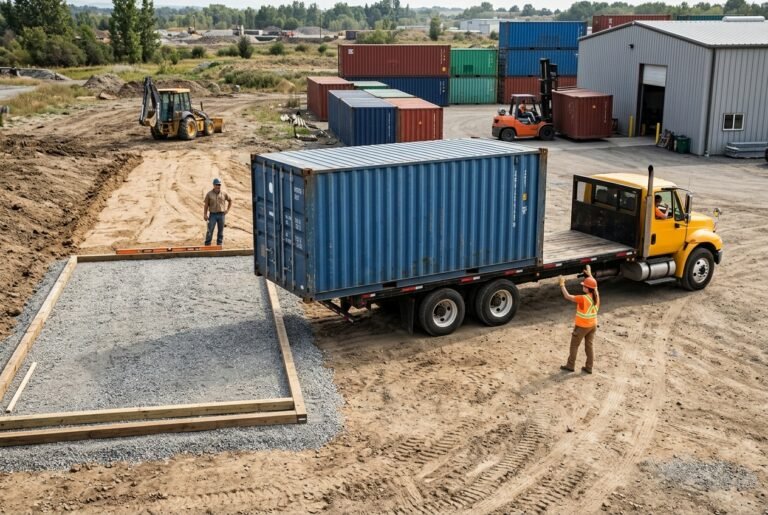
Choose a level, well-drained location with a compacted gravel base, concrete pad, or properly sized support points. Full concrete slabs are not required for every storage application, but the container must be supported at its structural corner castings. These are the reinforced corners designed to carry the load. Placing supports under weak or uneven areas can twist the frame and make doors difficult to operate.
For many 20-foot and 40-foot containers, compacted gravel with concrete blocks, piers, or railroad-tie-style supports placed at the corners can work well when designed for the soil conditions and load. The goal is to keep the unit out of standing water and allow airflow beneath the floor. If you expect to store concentrated weight, such as palletized parts, dense metal stock, or a compact tractor, confirm that the base and the ground can support it.
Grade the surrounding ground so water drains away. Avoid putting a container at the bottom of a slope or directly below a roof valley. In the Southeast, where heavy rain and humidity can arrive together, a few inches of elevation and a clear drainage path can prevent many avoidable issues.
Control Condensation, Not Just Rain
A container can be watertight and still develop interior moisture. Condensation forms when warm, humid air meets cooler steel surfaces. This is sometimes called container rain because droplets can form on the underside of the roof and fall onto stored items.
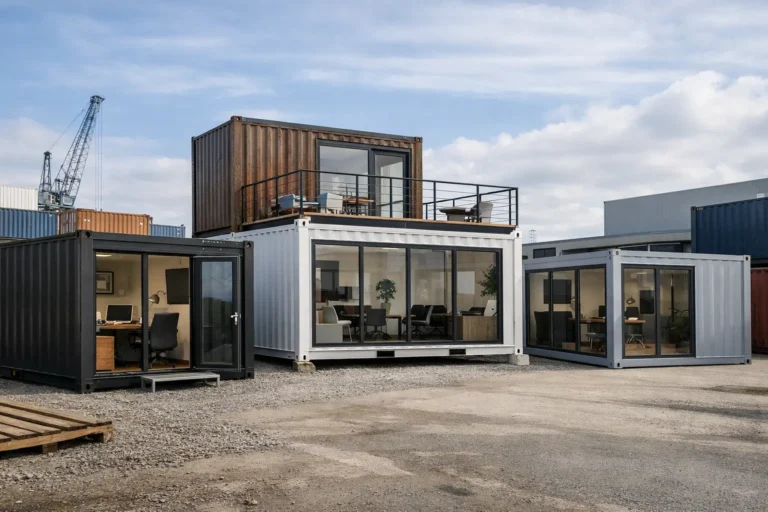
The right solution depends on how the container is used. For general equipment storage, passive vents placed high on opposing walls can improve air exchange. For tools, electronics, paper goods, or finished products, consider moisture absorbers, a dehumidifier with appropriate power access, or insulation and interior lining. Insulation is especially useful when the container will be used as a workshop, office, or long-term storage area for moisture-sensitive materials.
Ventilation has a trade-off. More airflow can reduce trapped humidity, but vents must be installed and flashed correctly to prevent water intrusion and preserve security. A poorly cut opening can undermine the weather protection you paid for. Any modification should account for the container’s steel structure, wall reinforcement, and intended use.
Do not store wet items in a closed container and expect the building to solve the problem. Allow tarps, lumber, equipment, and machinery to dry first whenever possible. Leave space between stored goods and container walls so air can circulate, and keep cartons on pallets rather than directly on the floor.
Size and Configuration Should Fit the Work
A 20-foot container is often the most flexible choice for residential properties and tight construction sites. It provides substantial secure storage while requiring less placement room than a 40-foot unit. A 40-foot container makes more sense for large equipment, long materials, agricultural operations, or inventory overflow where fewer access points and more uninterrupted floor space are valuable.
High-cube containers add roughly one foot of interior height. That extra headroom can matter for shelving, tall equipment, retail fixtures, or a future modular conversion. It also gives a little more vertical clearance for airflow above stored goods.
Standard cargo doors work well when you need full-width access at one end. Tunnel containers have doors at both ends, which can simplify loading long materials or create separate access paths on active job sites. Open-top containers are designed for specialized loading needs, but they are not the default choice for dry, long-term storage because their cover system requires more attention than a fixed steel roof.
Refrigerated containers are another specialized option. A reefer has insulation and an interior liner, which may be useful for temperature-controlled applications when the refrigeration system is operational and suitable power is available. For ordinary dry storage, however, a reefer can add complexity and cost without delivering a practical benefit.
Plan Delivery Before You Place the Order
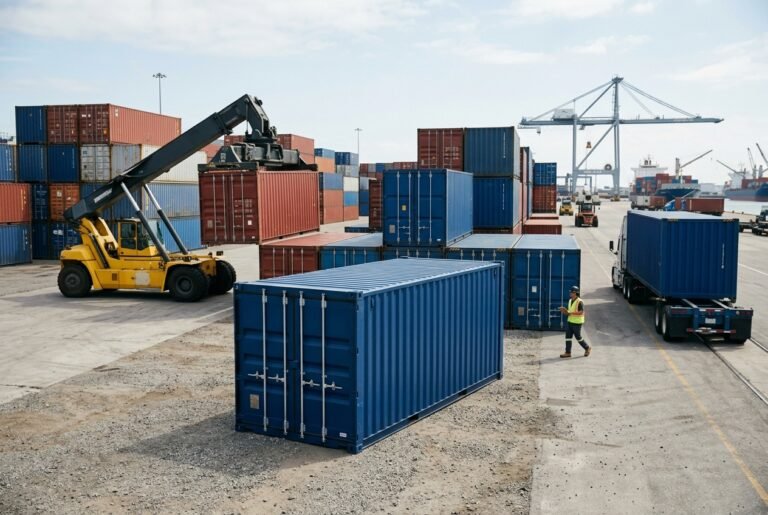
Delivery logistics affect whether the container arrives safely and lands where you need it. A Tilt-Bed truck typically needs room to pull forward while sliding the container off the trailer. A ground-level delivery provides convenient placement, but it requires a straight, firm approach and enough length for the truck, trailer, and container.
Before scheduling, measure gate widths, driveway turns, overhead branches, utility lines, and the final approach to the pad. Confirm that the surface can support a loaded truck without rutting or becoming inaccessible after rain. A 40-foot container requires substantially more maneuvering room than a 20-foot unit, and a tight rural driveway or active job site may call for a different delivery method.
Also decide which end should face outward before placement. Once loaded, turning a container around is not a simple task. Door orientation affects daily access, drainage patterns, security camera coverage, and whether equipment can be loaded without crossing traffic areas.
Security Completes the Storage Plan
Weather protection and security work together. Doors that close squarely and lock properly are less likely to admit water and less inviting to tamper with. A steel lockbox can shield the padlock shackle, while interior lighting and organized shelving reduce the time doors must remain open during loading.
For high-value job-site tools or retail inventory, place the container where it is visible from the work area but does not interfere with truck movement. Keep vegetation trimmed away from the doors and sidewalls. This improves access, allows routine inspection for corrosion or storm damage, and removes concealed areas around the unit.
The best weatherproof container storage solutions are planned from the ground up: select the appropriate grade, prepare a dry and stable pad, manage interior humidity, and verify delivery access before the truck is dispatched. When those details are handled early, the container becomes what it should be – dependable storage with clear pricing, verified condition, and no fine print or surprises.