Shipping Container Condensation Solutions
A container can be Wind & Watertight and still have a moisture problem. That catches a lot of buyers off guard. The most effective shipping container condensation solutions start with understanding where that water is coming from, because in many cases the container is not leaking at all.
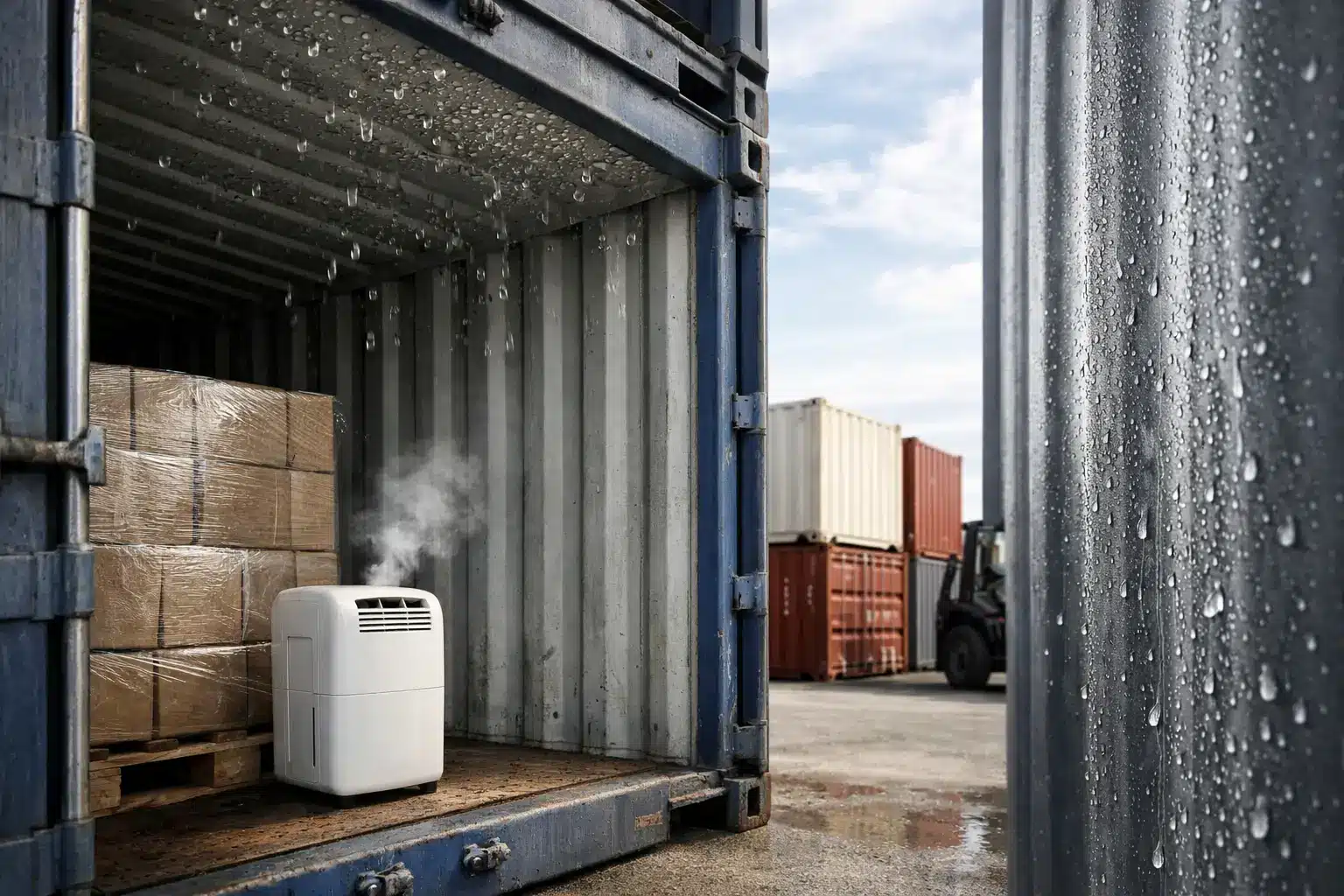
Condensation forms when warm, humid air hits a cooler steel surface and turns into water droplets. In a shipping container, that usually happens on the roof and upper wall panels, then drips onto stored goods, flooring, tools, cardboard, and framing materials. Contractors see it on job sites when temperatures swing between day and night. Homeowners notice it when using a container for seasonal storage or as the shell for a workshop. Either way, the fix is not one-size-fits-all.
Why container condensation happens
Steel reacts quickly to outdoor temperature changes. During a cool night, the container shell drops in temperature fast. When warmer air enters the next morning, or when moisture is trapped inside from stored materials, that air meets a cold metal surface and condenses.
The source of that moisture varies. Sometimes it comes from the climate, especially in the Southeast where humidity stays high for long stretches. Sometimes it comes from what is stored inside, such as freshly cut lumber, damp tools, equipment brought in during rain, or pallets wrapped in plastic that trap moisture. Poor site placement also adds to the problem. A container set in deep shade with little airflow around it often stays cooler longer, which can increase interior sweating.
This is why buyers should not assume condensation means a failed container. A Cargo Worthy or WWT container can be structurally sound and still develop interior moisture if the setup is wrong.
Shipping container condensation solutions that actually work
The right approach depends on how the container is being used. A container holding dry boxed inventory needs a different strategy than one storing landscaping equipment or one being converted into an insulated office.
Improve ventilation first
For basic storage, ventilation is usually the first and most cost-effective step. Standard containers have limited passive airflow, and that may not be enough in humid climates or with frequent door openings. Adding properly placed vents helps humid air escape instead of collecting under the roof.
This works best when the container stores relatively dry items and the goal is to reduce trapped humidity. It is less effective if wet materials are constantly being brought in, or if the container is sealed tightly for temperature-sensitive use. More ventilation can lower moisture, but it also means more outside air exchange. In a humid region, that trade-off matters.
Use desiccants for enclosed storage
Desiccants absorb moisture from the air and are useful when ventilation needs to stay limited. This is common for electronics, documents, textiles, and boxed goods. They are also helpful in containers that are opened infrequently, where humidity can build up over time.
The limitation is scale. Small desiccant packs may help with localized moisture, but they will not solve a whole-container problem if the interior air volume is large or the contents themselves are damp. For active job-site storage, desiccants tend to work best as a support measure rather than the main fix.
Add insulation for long-term use
If a container is being converted into a workspace, mobile office, workshop, or finished storage unit, insulation becomes one of the strongest long-term shipping container condensation solutions. Insulation reduces the temperature difference between the steel shell and the interior air, which cuts down on condensation risk.
Spray foam is often the most effective option because it insulates and helps create an air barrier. Rigid board can also work, though it requires careful detailing to avoid gaps where moisture can form behind the panels. Fiberglass is usually the weakest option in a container unless moisture control is handled very carefully, because once it gets damp, performance drops fast.
For buyers planning electrical, framing, or interior finishes, this is where doing the job in the right order matters. Insulating after moisture damage starts is more expensive than building the moisture strategy into the conversion from day one.
Control the floor and site conditions
Condensation does not only come from the roof. Ground moisture around and under the container can also affect the interior environment, especially over long periods. A container placed directly on wet ground or in a low-lying area is more likely to deal with damp conditions overall.
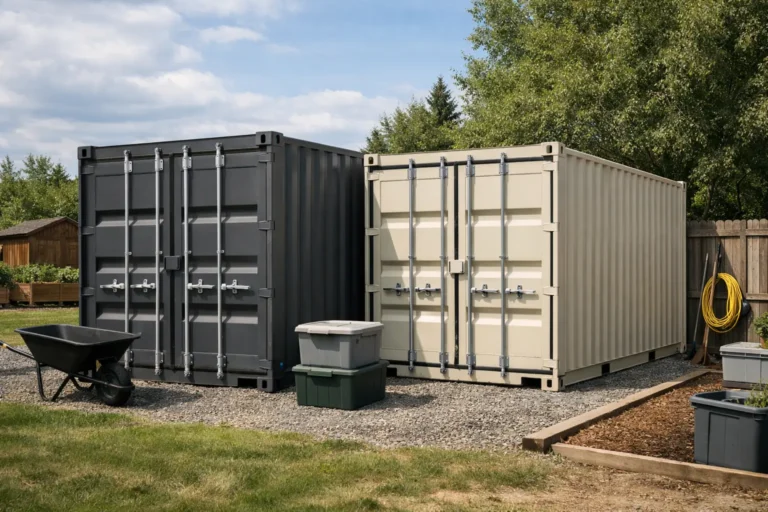
A stable, well-drained base helps. Gravel pads, concrete piers, railroad ties in the right application, or other approved support methods can improve airflow under the unit and reduce standing water nearby. Site grading matters too. If water collects around the container after rain, you are increasing moisture exposure before you even load the first pallet.
For buyers who want zero surprises, this is one of the most overlooked decisions. A good container on a poor site will create avoidable problems.
Matching the solution to the container use case
Job-site storage for contractors
Contractors often use containers for power tools, copper, fixtures, adhesives, and boxed materials. In that setting, a practical setup usually includes upgraded ventilation, a dry storage policy for incoming materials, and a base that keeps the unit out of standing water. If crews are loading wet equipment at the end of the day, no vent package will fully solve the issue on its own.
For higher-value items or climate-sensitive materials, insulation may be worth the added cost, especially if the container doubles as a secure field office or tool room.
Agricultural and rural storage
Agricultural operators often store feed, seed, tack, repair parts, and equipment with varying moisture exposure. Here, the challenge is usually a mix of humidity, dirt, and repeated access. Ventilation is important, but so is keeping wet gear out when possible. A container near tree cover or in a poorly drained area will typically see more moisture problems than one set on open, well-drained ground.
In rural settings, a simple improvement in placement can make a major difference.
Container conversions and workshops
For workshops, offices, and container homes, insulation is not optional if you want reliable moisture control. Finished interiors hide problems until they become expensive. Water trapped behind wall coverings can lead to mold, rust, and damaged framing.
That is why condensation planning should happen before interior build-out. Venting, insulation, vapor control, and how the unit will be heated or cooled all need to work together.
What does not work well
A few common fixes sound good but fall short in real-world use. Leaving the doors cracked open may increase airflow, but it also compromises security and can bring in more humid air. Household dehumidifiers can help in powered setups, but they are not a dependable answer for remote job sites unless power is stable and drainage is handled properly. Painting over damp interior surfaces without solving the moisture source is cosmetic, not corrective.
The same goes for assuming every used container will have a condensation problem. Condition matters, but usage matters more. A properly graded used container in the right setup can perform very well.
How to choose the right solution before you buy
The best time to address condensation is before delivery. Buyers should think through what is being stored, how often the doors will open, whether power is available, and what the site drainage looks like. If the container will stay basic storage, ventilation and site prep may be enough. If it will become occupied or finished space, insulation should be part of the initial scope.
It also helps to be clear about container grade and intended service life. A one-trip container may offer a cleaner starting point for custom builds or appearance-sensitive uses. A used WWT or Cargo Worthy unit can still be an excellent choice for secure storage if the structure is sound and the moisture plan is realistic.
This is where a transparent container supplier adds value. Clear grading, verified specifications, and straightforward delivery planning help buyers solve the whole storage problem, not just the purchase.
Condensation is manageable when the solution fits the use case. If you treat it as a site, airflow, and temperature issue instead of just a container issue, you are far more likely to protect what is inside and avoid preventable damage later.