How to Purchase Storage Containers Without Overpaying
If you are planning to purchase storage containers, the lowest sticker price is rarely the best deal. The real goal is to buy the right container grade, size, and delivery package for the job, without paying for capacity or certifications you do not need.
That matters whether you are a general contractor storing tools on a Raleigh jobsite, a small business adding inventory space, a homeowner building long-term property storage, or a logistics manager buying a Cargo Worthy unit for freight. A smart purchase starts with total value, not just the unit price.
Start with the job the container must do
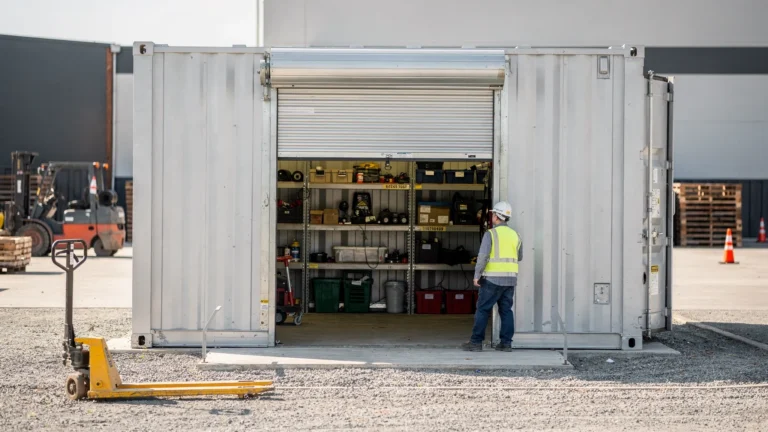
Before comparing quotes, define exactly how the container will be used. A storage container sitting behind a workshop in North Carolina has different requirements than a container going back into international cargo service. Likewise, a retail pop-up or mobile office conversion may require a cleaner exterior, better doors, and more predictable interior condition than basic equipment storage.
A good supplier should ask about use case, site access, desired lifespan, and delivery location before recommending a unit. If a seller pushes only the cheapest container, you may end up paying later for repairs, modifications, or a second delivery.
| Use case | Sensible starting point | When to upgrade |
|---|---|---|
| Contractor tool and material storage | WWT used container | Upgrade if appearance, flooring, or frequent access is critical |
| Home or farm storage | WWT used or One-Trip container | Upgrade for cleaner condition or longer expected service life |
| Retail pop-up or office conversion | One-Trip or cleaner used container | Upgrade to High Cube for more interior height |
| Domestic inventory overflow | WWT or Cargo Worthy, depending on handling needs | Upgrade if the unit may be transported loaded |
| International shipping | Cargo Worthy container | Confirm inspection status and CSC requirements before booking freight |
| Cold storage | Refrigerated reefer container | Confirm power needs, temperature range, and service condition |
This first step prevents the most common overpayment mistake: buying a container that is either too rough for the purpose or overqualified for simple static storage.
Understand container grades before comparing prices
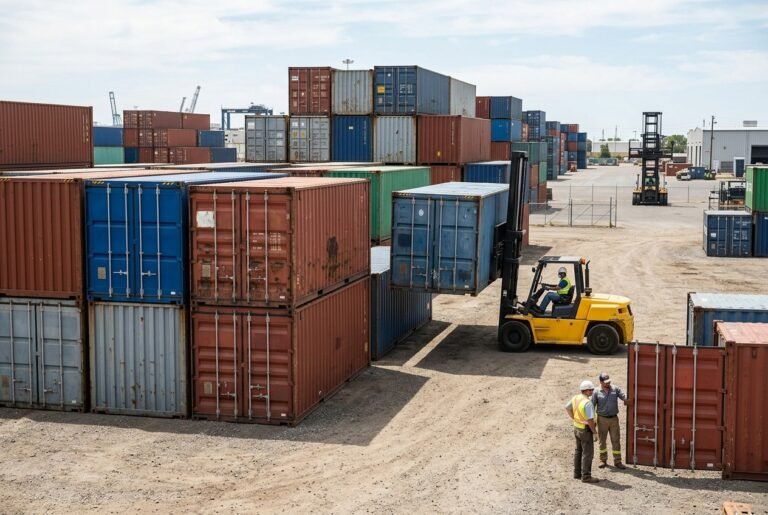
Container grade is one of the biggest drivers of price. Two 40ft containers can look similar in a quote but have very different value if one is a One-Trip unit and the other is a heavily used Wind & Watertight unit.
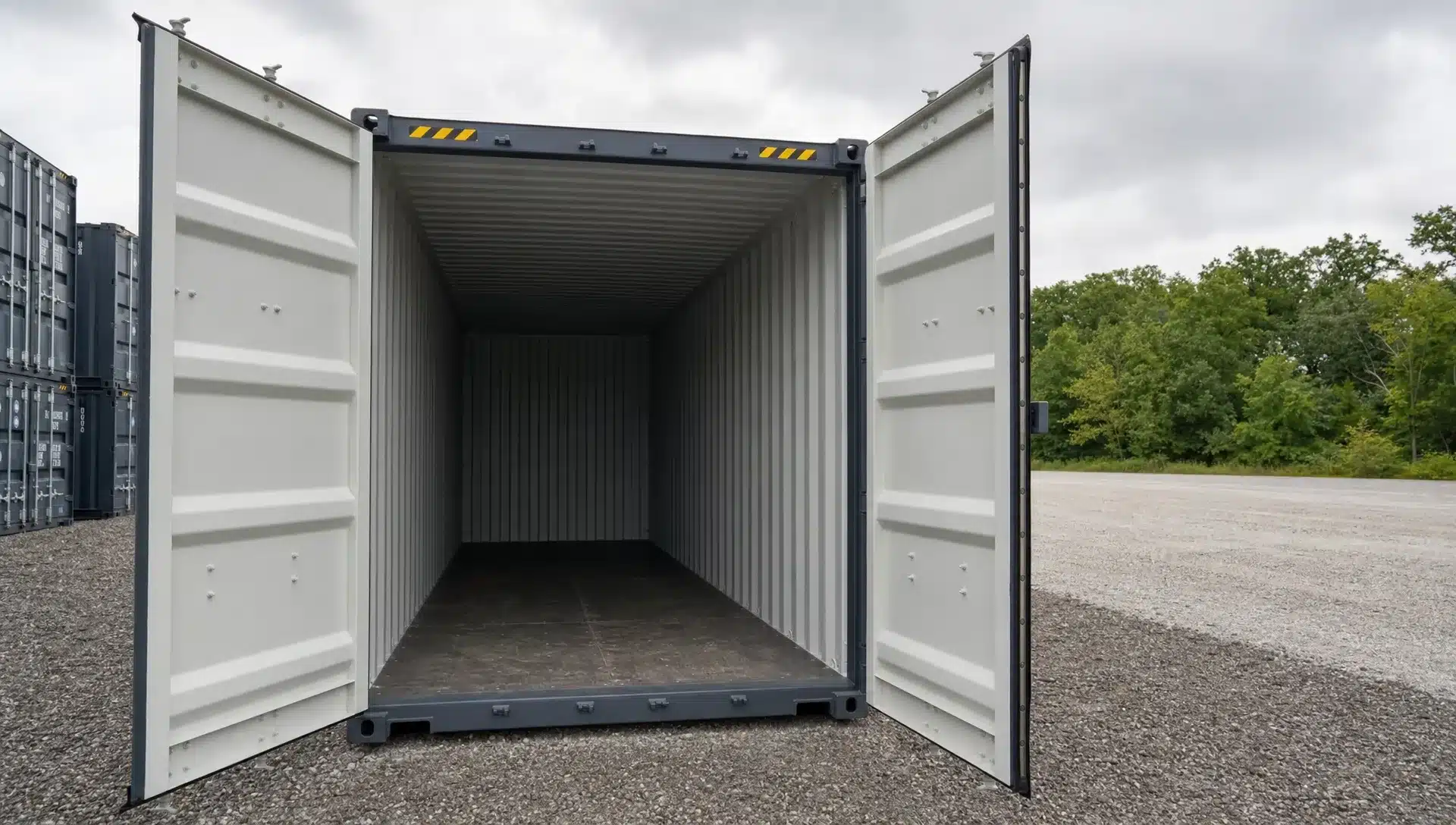
One-Trip containers are newer units that have typically made one loaded trip from the manufacturer. They are built to ISO standards, usually made from Corten Steel, and tend to have cleaner walls, floors, doors, and paint. They cost more, but that premium can make sense for customer-facing projects, modifications, mobile offices, retail uses, or buyers who want maximum service life with fewer cosmetic concerns.
Cargo Worthy containers are used containers considered suitable for transporting cargo. They should have sound structural components, including corner posts, corner castings, cross members, doors, and flooring. If you need the container for international shipping, confirm whether the unit has the correct inspection documentation and current CSC plate status required by your carrier or port. Cargo Worthy is often unnecessary if the container will only sit on private property for storage.
Wind & Watertight, or WWT, containers are used units that should keep out wind and rain when doors are closed properly. They are typically the best value for static storage, especially for contractors, farms, homeowners, and businesses that need secure space but do not need a container certified for cargo transport.
As-Is containers are the highest-risk category. They may have leaks, damaged floors, heavy corrosion, bent doors, or structural issues. They can work for certain fabrication projects, but they are not usually the best option if your goal is reliable, dry storage.
Corten Steel is designed to develop a protective rust-like patina, which helps it resist weathering better than ordinary steel. That does not mean every rust spot is harmless. Surface rust is normal on many used containers, but deep corrosion, holes, separated seams, or soft flooring can turn a low price into a repair bill.
| Grade | What it means | Best value for | Overpayment risk |
|---|---|---|---|
| One-Trip | Newer, cleaner unit with minimal cargo history | Long-term storage, offices, retail, premium projects | Paying extra when basic storage is all you need |
| Cargo Worthy | Structurally suitable for cargo movement | Shipping, loaded transport, logistics | Buying transport-grade condition for stationary storage |
| WWT | Keeps out wind and rain for static storage | Jobsites, farms, homes, inventory overflow | Assuming it is certified for ocean freight |
| As-Is | No strong condition guarantee | Repairs, fabrication, non-critical uses | Underestimating leaks, doors, floors, or rust repair |
Choose the right size and height
Most buyers compare 20ft and 40ft containers first. A standard 20ft container is easier to place on tight residential lots, smaller farms, and urban jobsites around Raleigh. A 40ft container gives much more storage capacity, but it needs more room for truck access, turning, and final placement.
High Cube containers add extra height, with an exterior height of about 9 ft 6 in rather than the standard 8 ft 6 in. That extra vertical space can be valuable for palletized inventory, construction materials, shelving, office conversions, or any project where headroom matters.
Do not choose size based only on price per square foot. A 40ft unit may appear more economical, but it can become more expensive if your site cannot handle delivery or if you only use half the space. On the other hand, buying a container that is too small can force you to rent additional storage or purchase a second unit.
A useful rule is to think in terms of access, not just volume. If you need to reach tools, seasonal inventory, or equipment often, leave aisle space and plan shelving before deciding that the smallest option will work.
Compare total delivered cost, not just unit price
The cheapest quote often excludes something important. Delivery distance, equipment type, fuel, tolls, placement difficulty, taxes, permits, site prep, and optional modifications can all change the real cost.
For a practical breakdown, review what changes the total price of a storage container before you commit. The best comparison is a delivered-and-placed quote that explains the container grade, size, delivery method, and any conditions that could add charges.
| Cost factor | Why it matters | How to avoid overpaying |
|---|---|---|
| Container grade | Higher grades cost more but may reduce repair risk | Match grade to use, not to guesswork |
| Delivery distance | A cheaper unit far away may cost more delivered | Compare final delivered price, not yard price |
| Site access | Tight turns, slopes, or soft ground can complicate placement | Share photos and measurements before scheduling |
| Modifications | Doors, vents, windows, insulation, and electrical add cost | Decide what is needed now versus later |
| Permits and HOA rules | Local rules can delay or restrict placement | Check requirements before delivery |
| Repairs after purchase | Leaks, bad doors, or floor damage reduce real value | Inspect or request detailed photos before paying |
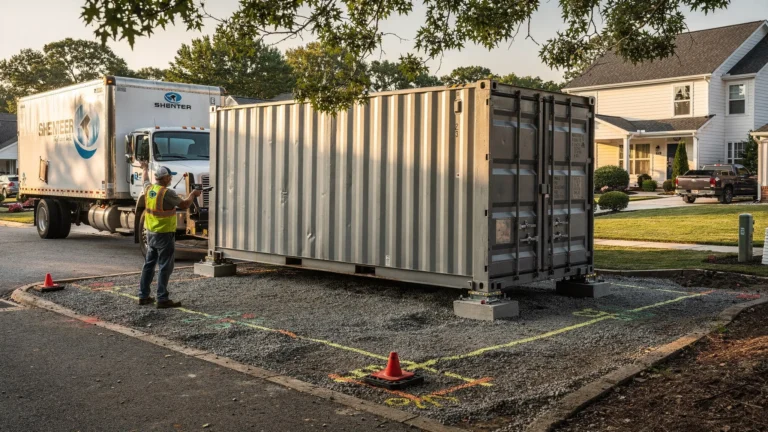
In Raleigh and across the Southeast, delivery logistics can vary from dense urban streets to rural properties with long drives, clay soil, and seasonal rain. A transparent supplier should help you understand whether tilt-bed delivery is appropriate, whether a crane or specialized equipment may be needed, and what clearances are required.
If delivery is a major part of your budget, the guide to choosing a container delivery service without overpaying can help you compare quotes more accurately.
Inspect the container before you commit
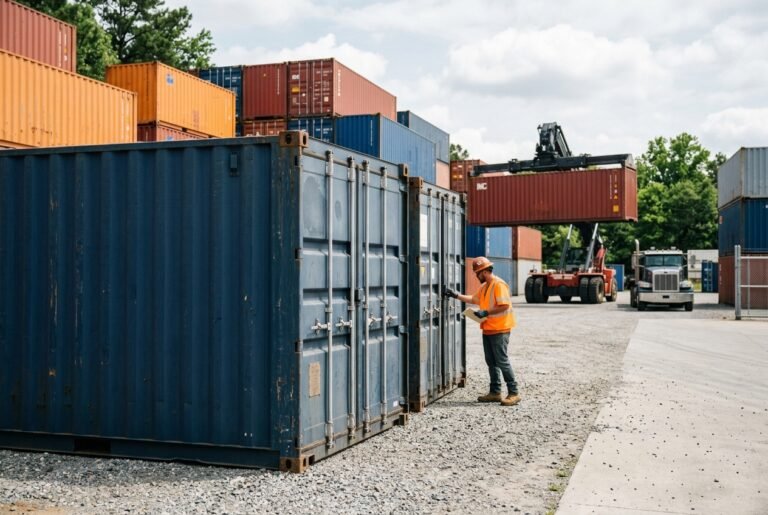
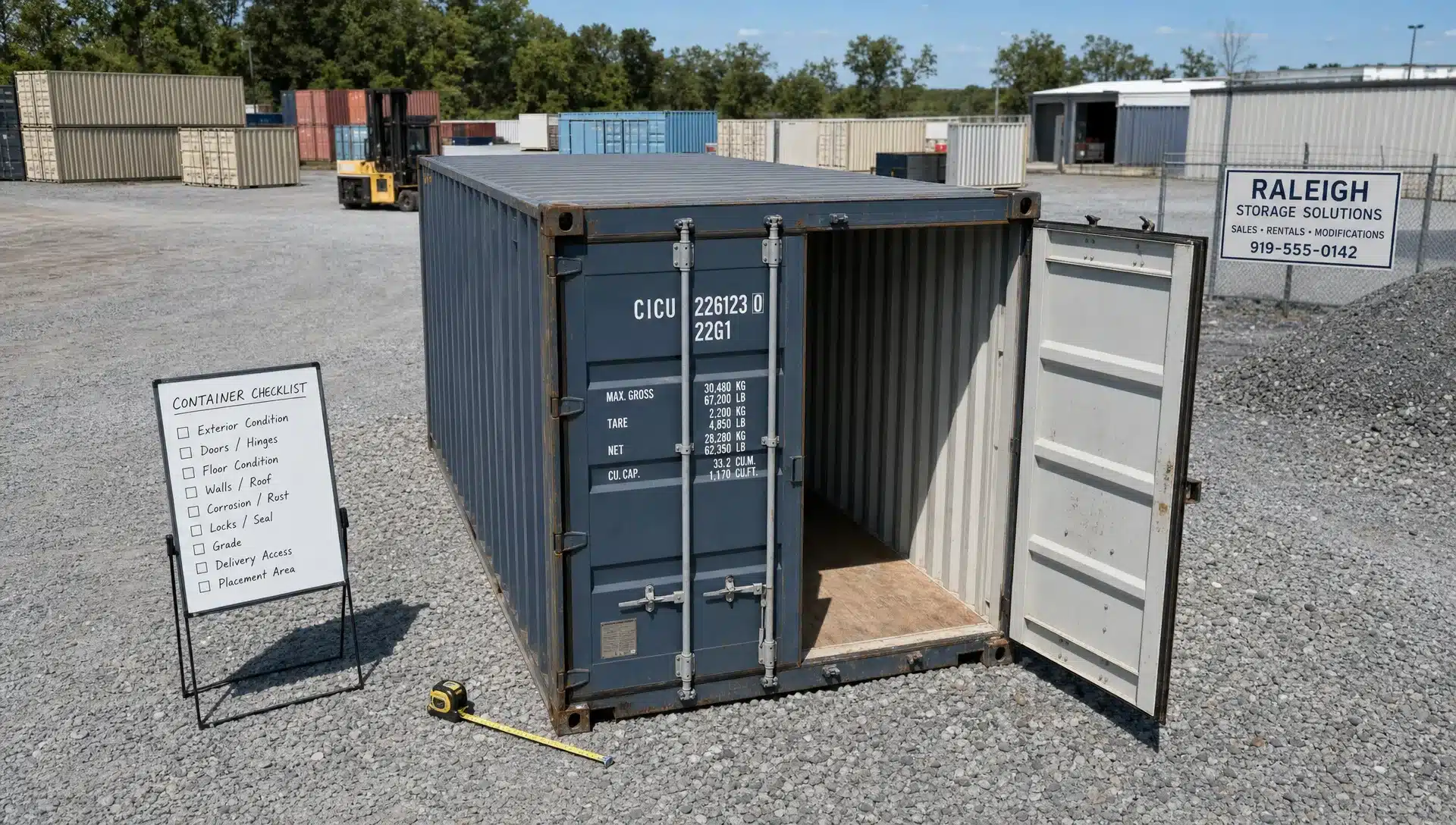
For used containers, inspection is where many buyers save the most money. Ask whether photos show the exact unit you will receive, especially for WWT and Cargo Worthy containers. Representative photos can be useful, but they do not replace unit-specific details when condition matters.
Focus on the areas that affect function and lifespan:
- Roof condition: Look for dents that hold water, holes, patches, and heavy corrosion.
- Door operation: Make sure doors open, close, latch, and seal without excessive force.
- Gaskets and seals: Dry, cracked, or missing gaskets can allow water intrusion.
- Flooring: Check for soft spots, delamination, chemical odors, and major gouges.
- Corner posts and castings: These are critical ISO structural components, especially for transport.
- Underside and cross members: Corrosion underneath can be harder to spot but expensive to fix.
If you are evaluating used containers, this used storage containers for sale buyer checklist gives a more detailed inspection framework.
Avoid the most common overpayment traps
One common mistake is buying Cargo Worthy when WWT would do. If the container will sit behind a shop, on a farm, or at a construction site for static storage, Cargo Worthy certification may not add useful value. You may be better off buying a solid WWT unit and investing the savings in a lockbox, vents, shelving, or site prep.
Another mistake is buying purely on appearance. Fresh paint can hide poor repairs, heavy rust, or weak floors. Cosmetic condition matters for public-facing uses, but structural integrity, dry interior condition, and door function matter more for storage.
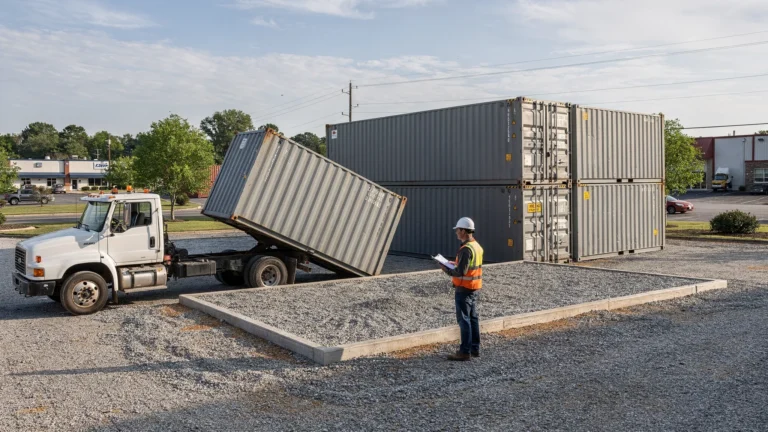
A third mistake is ignoring delivery restrictions. A 40ft High Cube may be a great container, but not if the delivery truck cannot reach the pad or safely tilt the unit into place. Ask the seller how much straight-line clearance is needed and whether overhead wires, trees, fences, gates, or slopes could create problems.
Finally, be cautious with unusually low prices, pressure to pay immediately, unclear seller identity, vague grading language, or refusal to provide documentation. Reputable suppliers should be willing to explain condition, delivery process, and total cost in plain language.
Pro-Tip: prepare the site before the truck arrives
The best container purchase can still become expensive if the site is not ready. Poor site prep can cause delivery delays, extra trips, door alignment issues, standing water, and premature corrosion.
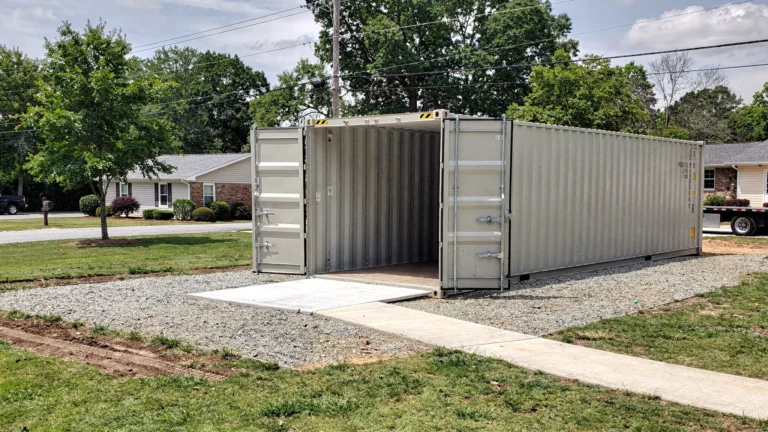
For most storage uses in Raleigh, North Carolina, and the wider Southeast, a level, well-drained base is worth the effort. Compacted crushed stone is often a practical choice because it supports weight while allowing drainage. Concrete pads or piers can also work well when designed for the load.
Use these site-prep basics before delivery day:
- Create a level base: A container that twists out of level may have doors that bind or fail to seal properly.
- Improve drainage: Keep the unit out of standing water, especially in humid or rainy climates.
- Use gravel or proper supports: Avoid setting steel directly into mud or soil for long-term storage.
- Confirm truck clearance: Tilt-bed delivery often requires significant straight-line space, plus overhead and side clearance.
- Check permits and rules: Raleigh, Wake County, nearby municipalities, rural counties, and HOAs may treat containers differently.
Permit requirements can depend on zoning, duration of placement, visibility, foundation type, commercial use, and whether the container is modified. Always verify local rules before delivery, especially for business sites, construction projects, or containers visible from a street.
Questions to ask before you pay
The right questions can reveal whether a quote is complete and whether the seller understands your project. Use them before sending a deposit or scheduling delivery.
| Question | Why it matters | Strong answer |
|---|---|---|
| What exact grade is the container? | Prevents confusion between One-Trip, Cargo Worthy, WWT, and As-Is | The seller states the grade clearly and explains what it means |
| Is this the exact unit I will receive? | Used containers vary widely | Photos, unit number, or clear condition expectations are provided |
| What is included in delivery? | Delivery can change the total cost | Quote includes placement method, delivery area, and possible access limits |
| What site clearance do I need? | Prevents failed delivery attempts | Seller explains truck access, turning radius, and overhead clearance |
| Are repairs or modifications included? | Avoids surprise costs | Quote separates base unit, delivery, and add-ons |
| Do I need Cargo Worthy status? | Prevents paying for unneeded certification | Seller matches grade to transport or storage use |
Lease Lane Containers LLC is headquartered in Raleigh and works with buyers who need clean shipping containers, trailers, refrigerated units, and custom modular solutions. The right conversation should cover grade, size, site access, delivery, and intended use before a recommendation is made.
Frequently Asked Questions
What is the cheapest way to purchase storage containers without overpaying? The cheapest reliable approach is to match the grade to the use case, compare total delivered pricing, and inspect condition before payment. For static storage, a solid WWT used container is often a better value than a Cargo Worthy unit you do not need.
Is a One-Trip container worth the higher price? A One-Trip container can be worth it when appearance, cleanliness, longevity, or modifications matter. For basic jobsite or farm storage, a good WWT used unit may provide better value.
What is the difference between WWT and Cargo Worthy? WWT means the container should keep out wind and water for storage. Cargo Worthy means the container is structurally suitable for cargo transport. If you plan international shipping, confirm inspection and CSC requirements with your carrier.
Should I buy a 20ft or 40ft container? A 20ft container is easier to place on tighter sites and is often enough for homeowners or smaller jobsites. A 40ft container offers more storage capacity but requires more delivery space. High Cube models add height for shelving, pallets, or conversions.
Do I need a permit for a storage container in Raleigh? It depends on the property, zoning, placement duration, visibility, and intended use. Check with the City of Raleigh, Wake County, your municipality, or your HOA before scheduling delivery.
Can storage containers be delivered outside North Carolina? Yes. Lease Lane Containers LLC is based in Raleigh, NC, and offers reliable nationwide delivery, with guidance on site preparation and container selection for buyers across the Southeast and the wider United States.
Ready to purchase the right container at the right value?
If you are ready to purchase storage containers without hidden costs or grade confusion, talk with a local team that understands Raleigh, North Carolina, the Southeast region, and nationwide delivery. Lease Lane Containers LLC can help you compare One-Trip, Cargo Worthy, WWT, High Cube, 20ft, 40ft, reefer, and used options based on your site and budget.
Email sales@leaselanecontainers.com to discuss pricing and delivery, or visit the Raleigh office to speak with the Lease Lane Containers LLC sales team in person.