Should You Add a Roll Up Door for Shipping Container Use
Adding a roll up door for shipping container use can make a container far more convenient, especially when you are loading tools, pallets, equipment, retail inventory, or farm supplies every day. Instead of wrestling with heavy ISO cargo doors and needing several feet of swing clearance, a roll-up door gives you quick vertical access in tight spaces.
But it is not the right upgrade for every container. A roll-up door changes the container shell, affects weather sealing and security, and may reduce suitability for transport unless the work is engineered and inspected properly. For buyers in Raleigh, across North Carolina, and throughout the Southeast, the decision should come down to how the container will be used, where it will sit, and what grade of container you are starting with.
What a Roll-Up Door Changes About a Shipping Container
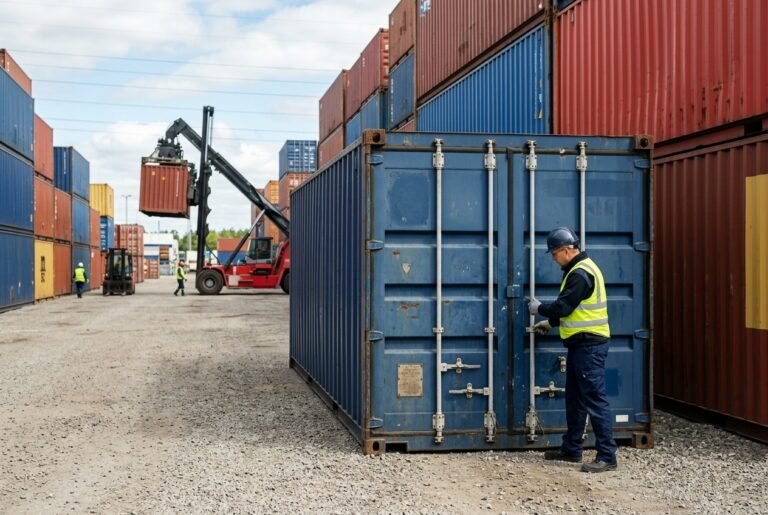
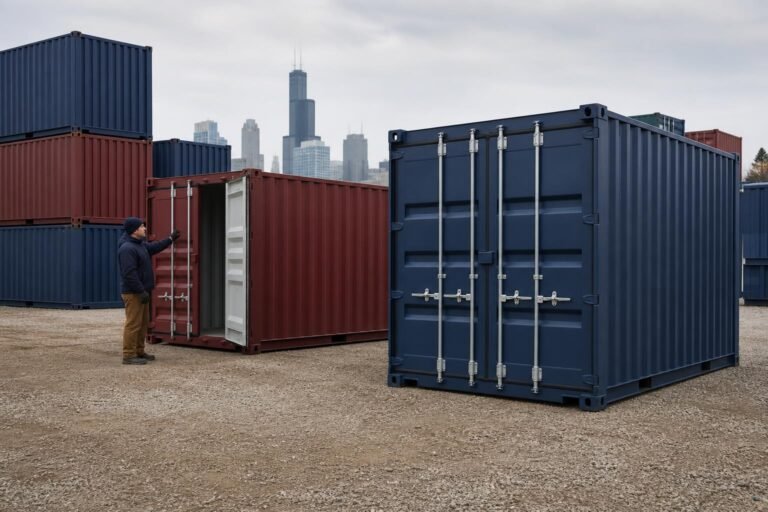
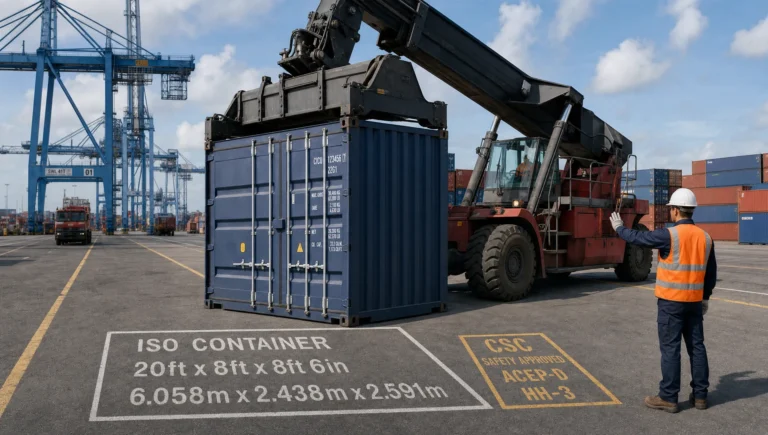
A standard shipping container is built as an ISO-style steel box with corner castings, Corten steel panels, structural rails, and heavy cargo doors at one end. Those original cargo doors are designed for transport, stacking, and secure closure. They are strong, but they are not always convenient for daily storage access.
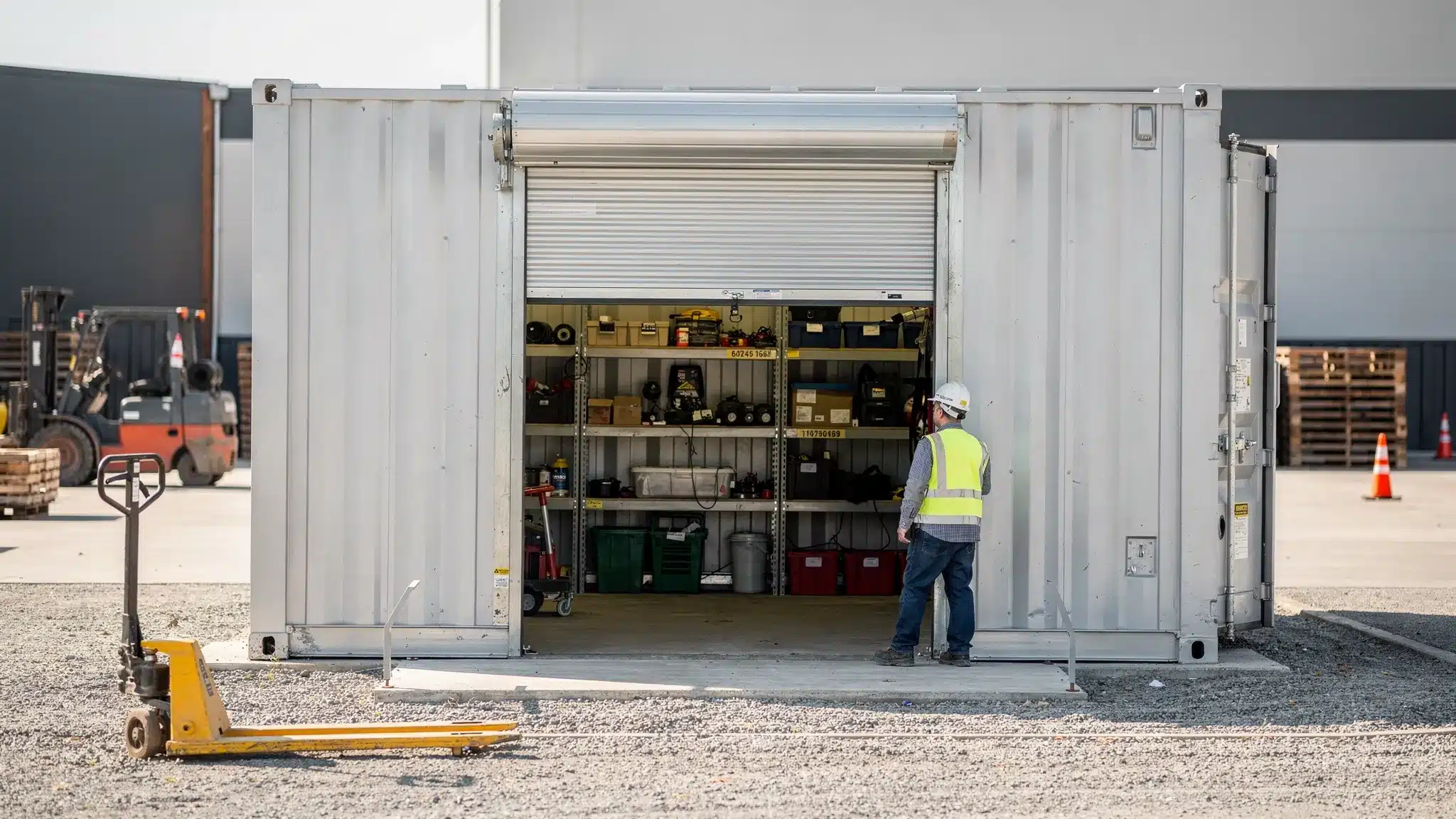
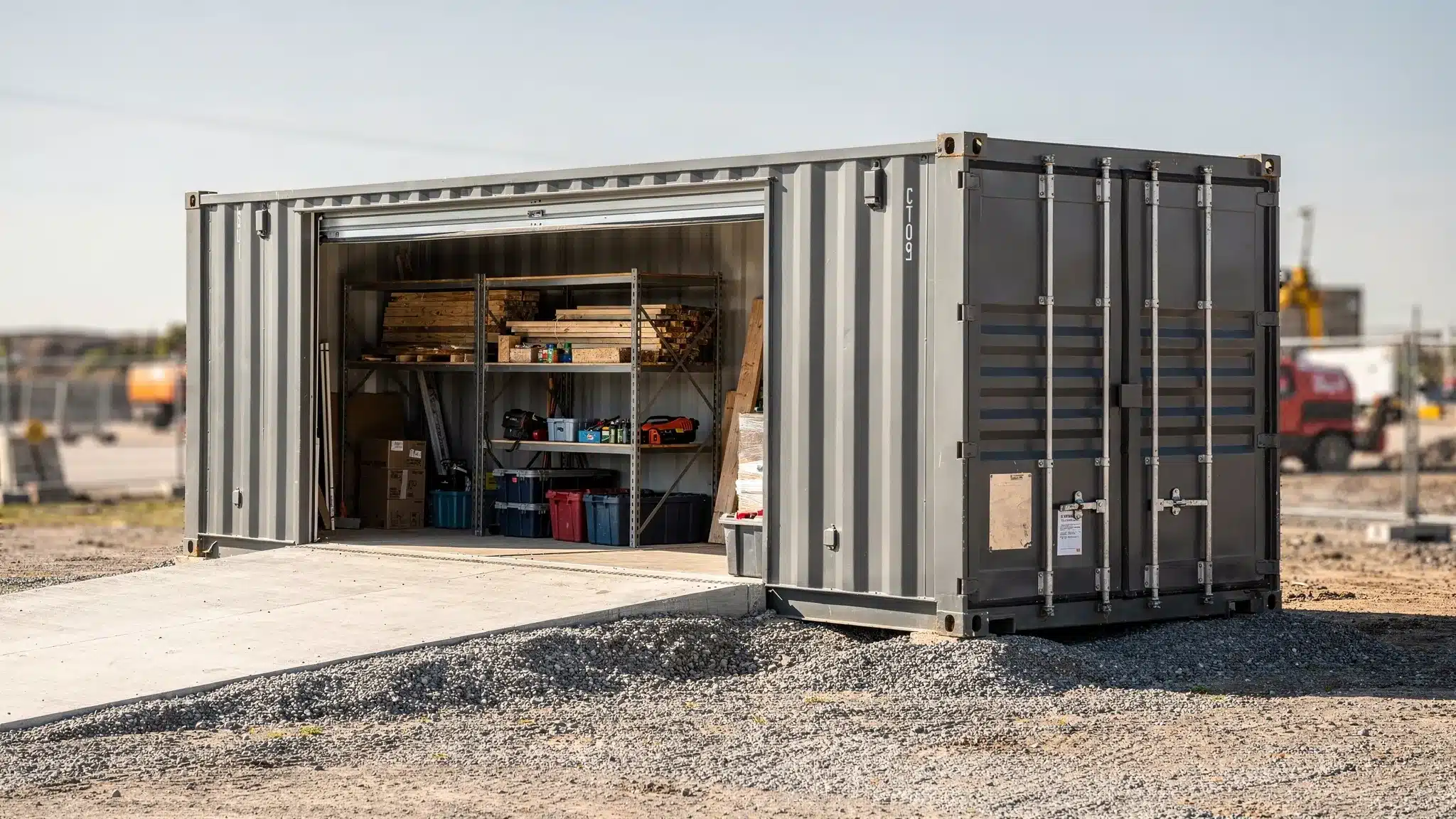
A roll-up door is typically installed by cutting an opening into the side wall or end wall of the container, then adding a framed steel opening and a coiling overhead door. This can turn a standard storage container into something that functions more like a jobsite storage unit, mini warehouse, concession shell, workshop, or mobile retail space.
The trade-off is important: once you cut into a container, you are modifying part of the shell. The corrugated Corten steel panels help the unit resist racking forces, weather, and impact. Any large opening needs proper reinforcement around the header, jambs, and sill so the container remains stable and safe for its intended use.
When a Roll-Up Door Makes Sense
A roll-up door is most useful when frequent access matters more than preserving the container’s original transport configuration. For general contractors in Raleigh, Durham, Cary, and other fast-growing jobsite markets, a side roll-up door can make it easier to access tools without unloading the entire container from one end.
Small business owners also benefit when containers are used for overflow inventory, seasonal stock, mobile retail, or event storage. A roll-up door can create a customer-friendly or forklift-friendly access point, depending on the door width and site layout. Farms and rural properties across North Carolina may use a modified container as a feed room, equipment shed, tack room, or parts storage unit where quick access saves time.
A roll-up door may be worth considering if you need:
- Faster daily access than standard cargo doors provide
- A door opening on the long side of the container
- Better access to shelving, bins, pallets, or equipment
- Less exterior swing clearance in front of the opening
- A cleaner workflow for crews, retail staff, or farm operations
For example, a contractor storing ladders, saws, pipe, and boxed materials in a 20ft container may prefer a side roll-up door because it shortens the distance workers need to walk inside the unit. A business using a 40ft container for inventory may choose multiple access points to keep stock organized by category.
When You Should Not Add One
A roll-up door is not always the best choice. If your primary goal is international shipping, intermodal transport, or resale as a cargo-ready unit, cutting into the container can create problems. Cargo Worthy containers are inspected for structural integrity and suitability for transport. Once a large modification is made, that original status may no longer apply unless the container is evaluated and certified again by qualified professionals.
This is especially relevant for logistics managers. If you need a container for export, focus on a Cargo Worthy unit with appropriate documentation, a valid CSC plate where required, and unaltered structural components. The International Maritime Organization’s guidance on the International Convention for Safe Containers highlights why container safety approval matters for transport.
You may also want to avoid a roll-up door if the container will sit in a high-exposure location with heavy wind-driven rain, if maximum theft resistance is the top priority, or if the container will only be accessed occasionally. In those cases, standard ISO cargo doors can be more durable, more secure, and less expensive to maintain.
Start With the Right Container Grade
The success of a roll-up door modification starts with the condition of the container. A clean, structurally sound unit is easier to modify and more likely to perform well long term.
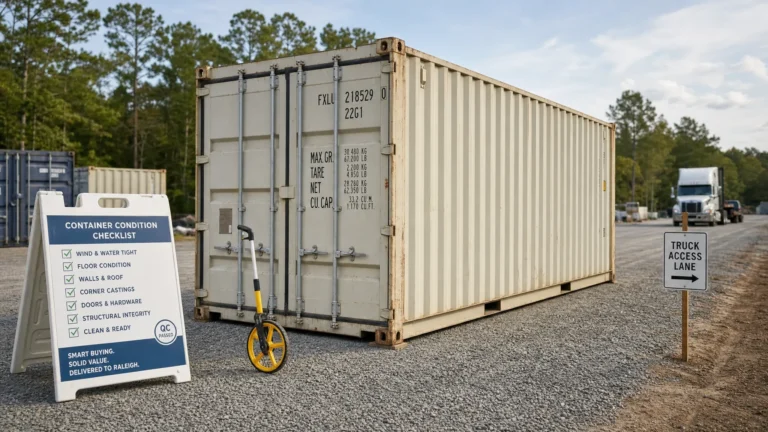
Lease Lane Containers LLC helps buyers evaluate common grades such as One-Trip, Cargo Worthy, and Wind and Watertight. These terms matter because a roll-up door should not be installed into a container with severe corrosion, twisted rails, compromised corner posts, or weak flooring.
| Container grade | What it means | Roll-up door suitability |
|---|---|---|
| One-Trip | Nearly new container that has typically made one loaded trip from the factory | Best for clean conversions, retail-facing uses, offices, and long-term projects |
| Cargo Worthy | Used container inspected for structural suitability for cargo transport | Good structural starting point, but modifications may affect transport certification |
| Wind and Watertight | Used container that keeps out wind and water but is generally intended for static storage | Practical for budget storage modifications if the walls, roof, rails, and doors inspect well |
| As-Is | No reliable condition guarantee, may have leaks, corrosion, or structural issues | Risky for roll-up door work unless thoroughly repaired first |
For most modified storage or workspace projects, a One-Trip container is the premium starting point. The cleaner Corten steel, better paint condition, and straighter structure make it a strong fit for professional-looking conversions. A Cargo Worthy unit can also work well if you want a structurally sound used unit, but you should be clear that modification can change its certification status. A Wind and Watertight unit can be a good value for stationary storage, especially if your budget is tighter, but inspection is critical.
If you are comparing used containers, inspect the exact area where the roll-up door will be installed. Rust around lower side panels, bottom rails, or floor edges can increase fabrication complexity and reduce long-term durability.
Side Roll-Up Door vs. End Roll-Up Door
A roll-up door can be installed in different positions, and the location affects how the container functions.
A side roll-up door is popular for jobsite and business storage because it improves access to the middle of the container. Instead of entering from one end and walking past everything, workers can reach tools, shelves, or pallets directly from the side. This can be especially useful on 40ft containers and High Cube containers, where the interior length and height support shelving, racking, or partitioned storage.
An end roll-up door may be used when a buyer wants to replace or supplement the original cargo door access with a simpler vertical door. This can help in tight spaces where swing doors are inconvenient. However, removing or altering original cargo doors can reduce the container’s traditional security and transport value.
| Door location | Best for | Main caution |
|---|---|---|
| Side wall | Contractors, inventory access, retail, workshops, farm storage | Requires careful structural reinforcement around the cutout |
| End wall | Tight front clearance, quick storage access, simplified loading | May reduce the benefit of original ISO cargo doors |
| Multiple roll-up doors | Organized inventory zones, tool cribs, multi-user access | More cuts mean more reinforcement, sealing, and cost |
The best choice depends on how people, forklifts, pallet jacks, or equipment will move around the container. Before deciding, sketch the interior layout and mark where shelves, electrical components, vents, and stored items will go.
Technical Issues to Plan Before Cutting
A roll-up door is not just a door. It is a structural modification. The quality of the frame, welds, sealants, flashing, and paint determines whether the container remains useful in North Carolina humidity, summer heat, and storm conditions.
Structural reinforcement
Shipping containers are built to ISO dimensional standards and rely on corner posts, top rails, bottom rails, crossmembers, and corrugated steel panels for strength. A door opening removes part of that steel. A proper modification should include a welded steel frame around the opening, with a header strong enough to transfer loads around the door.
Avoid cutting into corner posts, corner castings, or major rails unless an engineer has reviewed the design. This is especially important for stacked containers, modular construction, or any project where the container supports additional loads.
Door size and usable height
Common roll-up door dimensions vary, but bigger is not always better. A wider opening can improve access, but it also removes more wall area and requires more reinforcement. A taller door needs enough interior headroom for the roll coil above the opening.
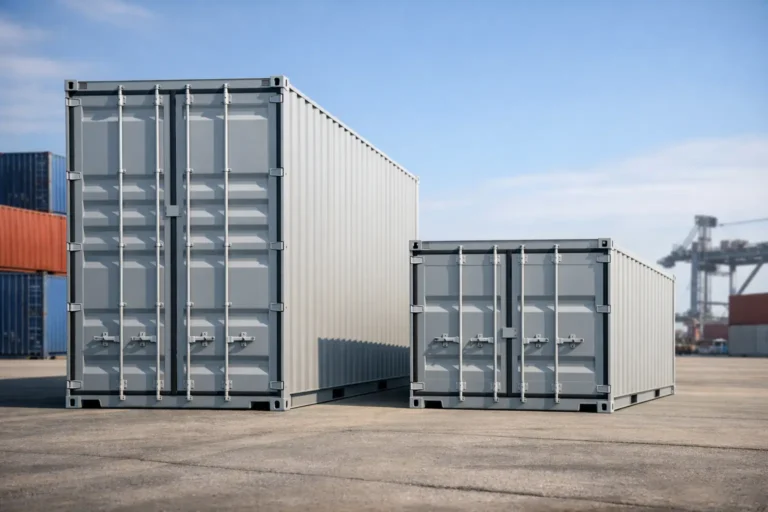
This is one reason buyers often consider a High Cube container. A High Cube unit is typically 9 feet 6 inches tall externally, compared with about 8 feet 6 inches for a standard-height container. That extra foot can help when planning roll-up doors, insulation, lighting, or overhead storage. For exact height and door planning, review High Cube container dimensions before ordering.
Weather sealing
A roll-up door can be weather-resistant, but it is rarely as robust as a well-maintained original cargo door with intact gaskets and locking bars. In the Southeast, wind-driven rain, humidity, pollen, and condensation all matter. A good installation should address side seals, bottom seals, drip edges, threshold details, and drainage away from the opening.
If you are storing high-value tools, paper inventory, furniture, or moisture-sensitive products, plan for ventilation and condensation control. A Wind and Watertight container can still experience interior condensation if warm humid air meets a cool steel surface.
Security
Roll-up doors are convenient, but convenience can create new security considerations. The door curtain, latch, guide tracks, and bottom bar should be evaluated for tamper resistance. For jobsite storage, consider a shrouded lock setup, a welded lockbox where appropriate, exterior lighting, and smart placement with the door visible from a house, office, or security camera.
If theft resistance is the top priority, compare the roll-up door hardware against the original ISO cargo doors. Standard cargo doors with locking bars, heavy hinges, and a lockbox often provide excellent security for static storage.
Paint and corrosion protection
Corten steel performs well in harsh conditions, but cut edges, welds, and drilled areas need proper preparation. Bare steel should be cleaned, primed, sealed, and painted to reduce corrosion risk. In Raleigh and the wider Southeast, this is not a cosmetic detail. Moisture and heat accelerate rust when modifications are left unfinished.
How a Roll-Up Door Affects Cost and Value
The cost of adding a roll-up door depends on several variables, including door size, material, installation location, structural reinforcement, paint, weather sealing, and whether any electrical work is needed for lighting or powered operation. The container grade also affects the final economics.
A One-Trip container costs more upfront, but it often makes sense for customer-facing or long-term modifications because the shell is cleaner and typically needs less prep. A Wind and Watertight used container can keep costs lower for basic equipment storage, but repairs may be needed before modification. A Cargo Worthy container may be valuable if you want a structurally strong used unit, though the roll-up door modification may limit future transport use.
The real question is not just, “What does the door cost?” It is, “Will the door save labor, improve access, reduce damage to stored materials, or make the container more useful for the next several years?” For contractors, landscapers, event companies, and small businesses, the productivity benefit can justify the upgrade. For occasional household storage, standard cargo doors may be enough.
Permits, Codes, and Local Rules in Raleigh
For simple storage on private property, requirements vary by location, zoning district, duration, and whether the container is considered temporary or permanent. In Raleigh, Wake County, and nearby municipalities, you should check local zoning, building department rules, HOA restrictions, and commercial site requirements before placing or modifying a container.
Permits become more likely when the container is used as an occupied space, retail unit, office, workshop, or permanent accessory structure. Electrical systems, HVAC, windows, insulation, plumbing, customer access, ADA considerations, and fire separation can all affect code requirements.
A roll-up door can also influence how the site is reviewed. For example, a retail or workshop container may need safe access, proper landing surfaces, lighting, and compliant egress planning. Do not assume that a modified container will be treated the same as a closed storage box.
Pro-Tip: Prepare the Site Before You Choose the Door
Before ordering a modified container, decide exactly where the roll-up door will face. Door placement should be planned together with delivery access, drainage, security, and daily workflow.
For most storage uses in Raleigh and the Southeast, a compacted gravel pad with good drainage is a practical foundation. Concrete slabs or piers may be better for permanent installations, offices, retail applications, or heavy forklift traffic. The container must sit level, especially near the door opening. If the container twists because the corners are uneven, doors can bind, seals can gap, and the roll-up track can wear prematurely.
Also plan the clear area in front of the roll-up door. Leave room for workers, pallet jacks, carts, or forklifts, and slope the grade so water runs away from the threshold. If the container is being delivered by tilt-bed, flatbed, or crane, confirm overhead clearance, turning space, and final orientation before the truck arrives. Lease Lane’s shipping container delivery requirements guide is a helpful starting point for planning a smooth drop.
Quick Decision Guide
A roll-up door is usually a smart upgrade when the container will function like an active storage unit, tool room, retail shell, workshop, or small warehouse. It is less attractive when the container’s primary value is export certification, maximum weather resistance, or lowest possible purchase price.
| Your situation | Recommendation |
|---|---|
| Daily jobsite access for tools and materials | Consider a side roll-up door on a 20ft or 40ft unit |
| Retail pop-up or customer-facing project | Start with a One-Trip or clean Cargo Worthy container |
| International shipping or intermodal transport | Avoid major modifications unless recertification is planned |
| Low-cost static farm or household storage | Compare roll-up convenience against a standard WWT unit |
| Tall shelving, overhead lighting, or workshop use | Consider a High Cube container for extra clearance |
| High-theft-risk location | Review lock protection and compare against original cargo doors |
Frequently Asked Questions
Can you add a roll-up door to a used shipping container? Yes, if the used container is structurally sound. Inspect the side panels, bottom rail, roof, floor, and door area before cutting. Wind and Watertight and Cargo Worthy used containers can work for static storage modifications, but severe rust or frame damage should be avoided.
Will a roll-up door make my container less waterproof? It can, if the installation is poor. A quality roll-up door should include proper seals, flashing, a protected threshold, and drainage away from the opening. Even then, it may not seal as tightly as original cargo doors in extreme wind-driven rain.
Does adding a roll-up door affect Cargo Worthy status? Usually, yes. A Cargo Worthy container is evaluated for transport suitability in its existing condition. Once you cut a large opening, the container may no longer qualify without additional inspection, engineering, or certification. For export, confirm requirements before modifying.
Is a High Cube container better for a roll-up door? Often, yes. The extra height of a High Cube container can make it easier to fit the roll coil, lighting, insulation, and shelving while preserving usable interior clearance. It is especially helpful for workshops, offices, and inventory storage.
Do I need a permit for a shipping container with a roll-up door in Raleigh? It depends on your property, zoning, duration, and use. A temporary storage container may be treated differently than a modified office, retail unit, or permanent structure. Always check with the local authority having jurisdiction, and review HOA or site rules before delivery.
Plan the Right Container Before You Modify
A roll up door for shipping container use can be a strong investment when it is matched to the right grade, size, layout, and site. For jobsite storage, small business inventory, farm operations, and modular projects, the added convenience can make a container far more practical. For export, high-security storage, or occasional use, standard cargo doors may still be the better choice.
Lease Lane Containers LLC supplies high-quality One-Trip and used shipping containers, including 20ft, 40ft, Standard, High Cube, and refrigerated options, with transparent grade guidance for Wind and Watertight and Cargo Worthy units. If you are planning a roll-up-door-ready storage unit or custom modular project in Raleigh, North Carolina, the Southeast, or anywhere in the USA, our team can help you choose the right starting container and plan delivery conditions clearly.
Contact the Lease Lane Containers sales team at sales@leaselanecontainers.com or visit the Raleigh office to discuss your container size, grade, modification goals, and site preparation plan.