Storage Container Cost: What Changes the Total Price
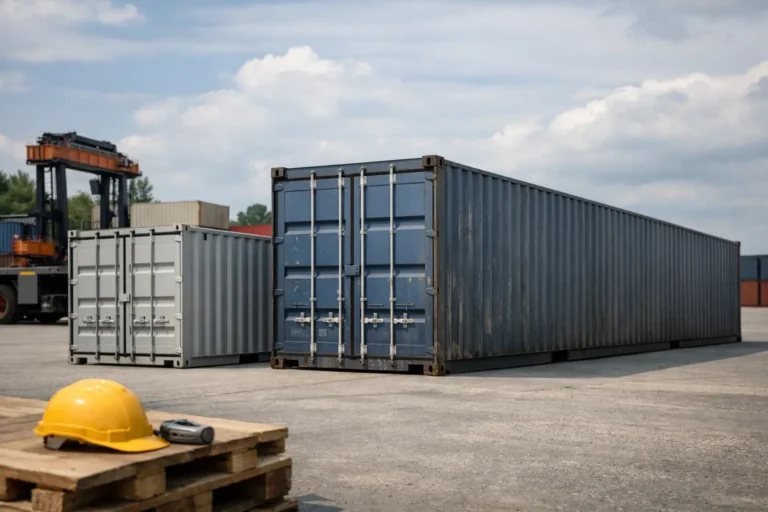
A storage container can look simple from the outside: a steel box, a set of locking doors, and a delivery truck. But the total price is shaped by far more than length alone. For contractors in Raleigh, homeowners across North Carolina, small businesses in the Southeast, and logistics teams buying nationwide, the smartest way to evaluate storage container cost is to understand every line item before the container arrives on site.
The biggest mistake buyers make is comparing only the advertised unit price. A low container price may not include delivery, placement, grade verification, site limitations, modifications, or permit-related costs. A higher quote may actually be the better value if it includes a cleaner unit, a reliable delivery plan, and fewer surprises.
Below is a practical breakdown of what changes the total price and how to compare quotes like a professional buyer.
What “total cost” really means
When you request a storage container quote, the total cost generally includes three categories: the container itself, the logistics required to deliver and place it, and any site or usage requirements that apply to your project.
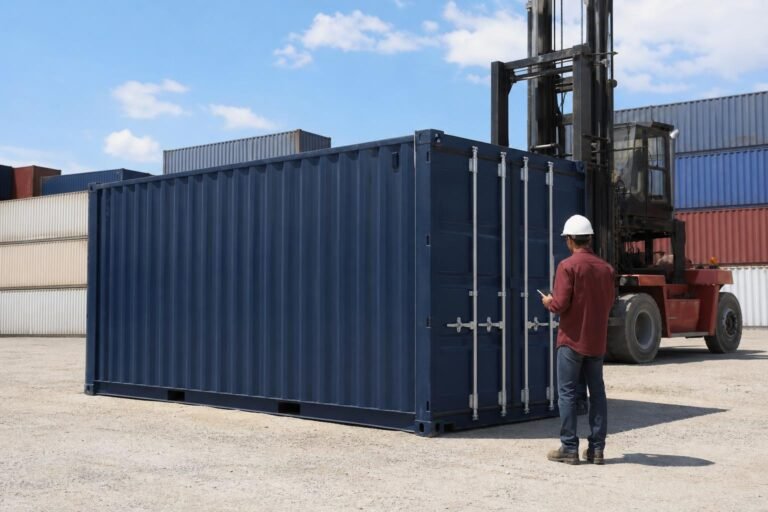
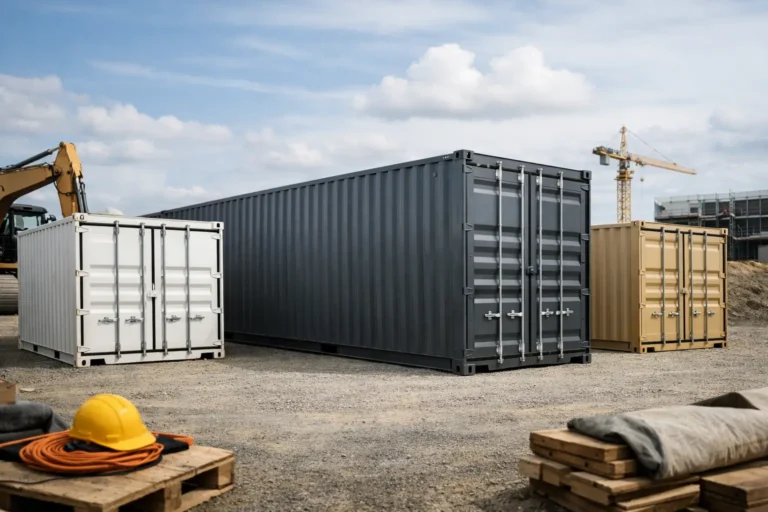
For example, a general contractor storing tools near downtown Raleigh may need a 20ft Wind & Watertight unit with ground-level delivery. A logistics manager preparing freight for export may need a Cargo Worthy unit that meets shipping requirements. A farm owner outside the Triangle may need a 40ft High Cube for equipment storage, plus extra site preparation so the unit stays level and dry.
Each buyer is purchasing a different outcome, even if each one simply asks for “a storage container.”
| Cost factor | How it changes the total price | Why it matters |
|---|---|---|
| Size | 20ft, 40ft, and High Cube units price differently | Larger containers offer more capacity but may require more delivery space |
| Grade | One-Trip, Cargo Worthy, and WWT units vary by condition and certification | Grade affects appearance, durability expectations, and shipping eligibility |
| Type | Standard dry, refrigerated, and modified containers have different cost structures | Specialty equipment costs more to source and maintain |
| Delivery | Distance, truck type, access, and placement affect the final quote | A difficult drop site can cost more than a straightforward delivery |
| Site prep | Gravel pads, leveling, drainage, and permits can add cost | Good preparation protects the container and reduces future issues |
| Modifications | Doors, vents, insulation, windows, electrical, and offices increase total cost | Custom work should match the container’s intended use |
Container size: 20ft, 40ft, and High Cube options
Size is one of the most visible pricing factors, but bigger is not always better. A 40ft container usually offers more storage per square foot, while a 20ft container can be easier to place on tighter job sites, residential properties, and small business lots.
A 20ft unit is often a practical choice for contractors who need secure tool storage, homeowners managing renovations, or retailers storing seasonal inventory. It is shorter, easier to maneuver, and often simpler to fit into driveways or compact commercial spaces.
A 40ft unit is better when you need significant volume, such as construction materials, agricultural equipment, palletized inventory, or long-term business storage. The tradeoff is that delivery requires more clearance, a longer drop zone, and more careful site planning.
High Cube containers add extra vertical clearance, typically about one additional foot of height compared with standard containers. That extra space is valuable for bulky inventory, mobile office conversions, racking systems, and modular builds. However, High Cube units can cost more because of demand, availability, and transport considerations.
If you are comparing sizes in detail, Lease Lane’s guide to container cost by size, grade, and delivery is a helpful companion to this total-cost overview.
Container grade: the condition behind the price
Two containers can both be 40ft units and still carry very different prices because grade matters. Grade tells you what condition the container is in, how it can be used, and what level of performance you should expect.
One-Trip containers
A One-Trip container is often considered the closest option to new in the shipping container market. These containers are manufactured overseas, loaded with cargo once, shipped to the United States, and then sold. They are typically made from Corten Steel, a weathering steel designed to resist corrosion, and built to ISO standards for intermodal shipping.
One-Trip units usually cost more than used containers because they have minimal wear, cleaner interiors, better exterior appearance, and longer expected service life. They are often preferred for retail conversions, mobile offices, customer-facing storage, modular projects, and buyers who want a cleaner-looking container on a visible property.
Cargo Worthy containers
Cargo Worthy, often abbreviated as CW, refers to a used container that is suitable for transporting cargo. These units generally meet the structural expectations needed for shipping use, although exact documentation requirements can vary depending on carrier, route, and inspection needs.
Cargo Worthy containers usually cost less than One-Trip containers but more than basic storage-grade units. They are a good fit for logistics managers, exporters, and buyers who may need the container for both storage and transport.
Wind & Watertight containers
Wind & Watertight, commonly abbreviated as WWT, means the container is designed to keep out wind and water under normal storage conditions. A WWT unit is commonly used for job site storage, farm storage, household storage, and business overflow.
WWT containers usually cost less than Cargo Worthy units because they are not necessarily certified for international shipping. For many Raleigh contractors and North Carolina property owners, WWT offers the best balance of affordability and practical storage performance.
If you are focused specifically on secondhand units, Lease Lane has a deeper breakdown of what drives used shipping container cost and how to evaluate condition before buying.
Standard dry containers vs. refrigerated and specialty units
Most storage buyers choose standard dry containers. These are the familiar steel boxes used for secure storage, construction materials, household goods, tools, and inventory. They are usually the most cost-effective option because they are widely available and simple to transport.
Refrigerated containers, also called reefers, are different. A reefer includes refrigeration machinery, insulation, electrical requirements, and more complex maintenance considerations. These containers are essential for cold chain needs, food storage, pharmaceuticals, agricultural products, and temperature-sensitive inventory, but they cost more than standard dry units.
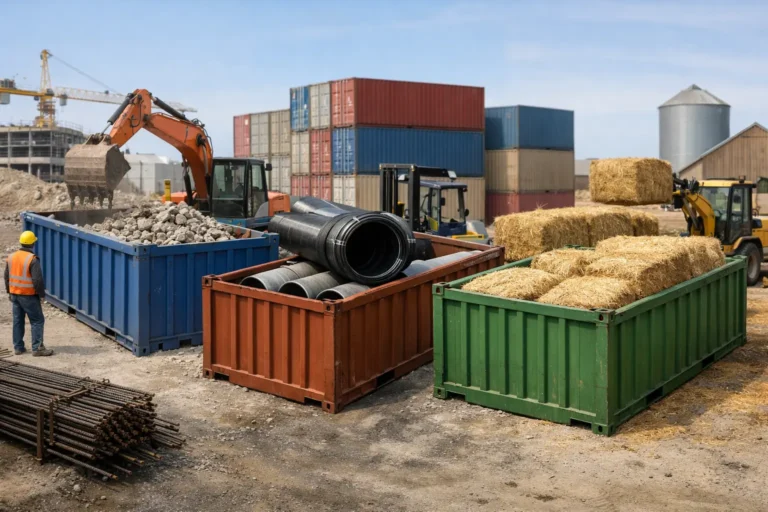
Modified containers also increase the total price. Adding roll-up doors, personnel doors, windows, vents, insulation, shelving, electrical packages, or office buildouts changes both the material cost and labor cost. For a small business planning a retail pop-up or a developer exploring modular construction, modifications can be the most important part of the budget.
Delivery distance and placement difficulty
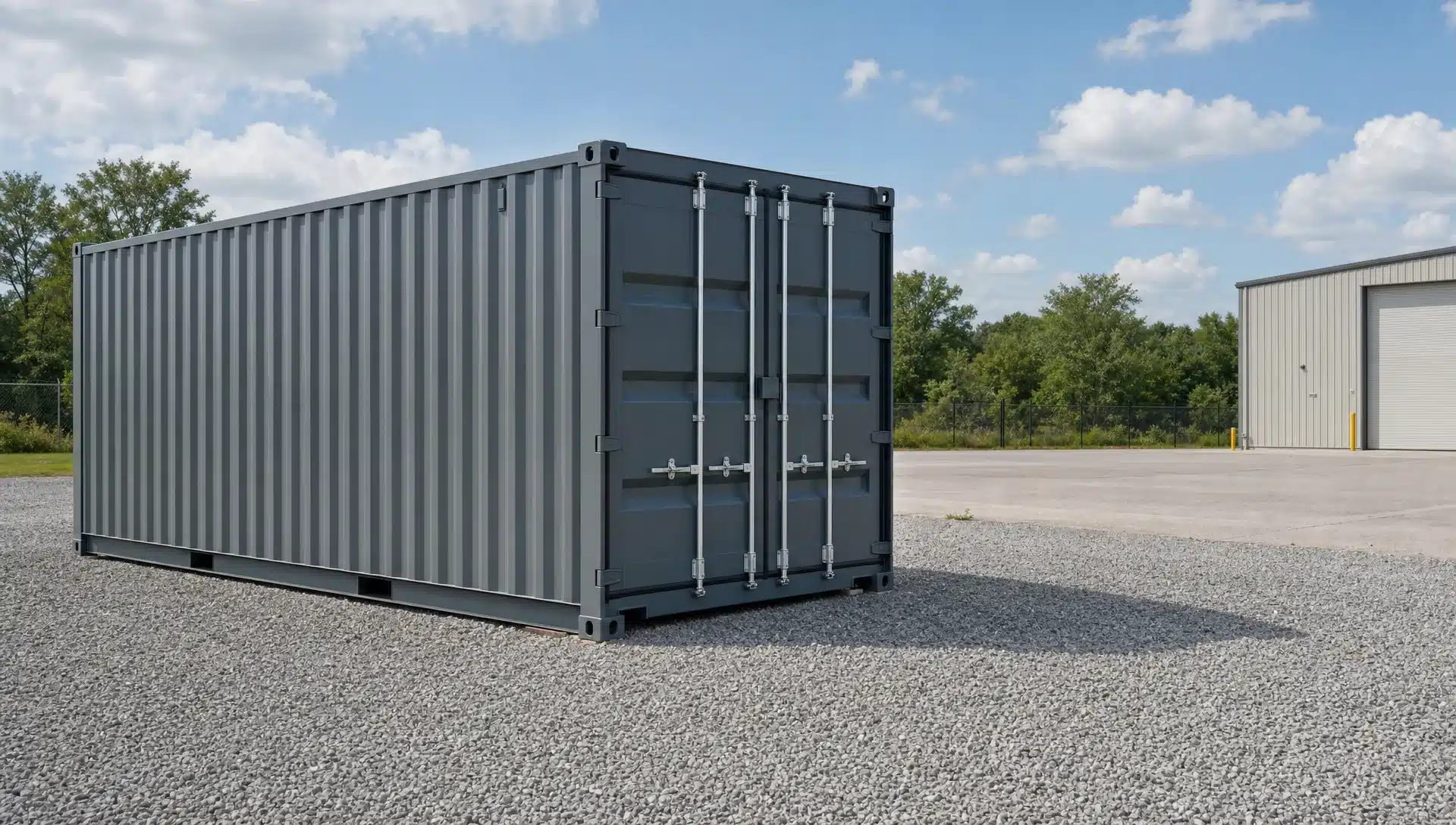
Delivery is one of the most common reasons a container quote changes. A container sitting at a depot has one price. A container delivered to a tight residential driveway, rural farm lane, or active construction site has another.
In Raleigh and across the Southeast, delivery cost can be affected by distance from the container yard, fuel, truck availability, traffic conditions, and whether the route requires special handling. Nationwide delivery adds additional variables, especially if the unit must travel a long distance or cross regions where equipment availability is limited.
Placement also matters. A straightforward ground-level delivery on a flat, accessible lot is typically simpler than a drop requiring tight turns, soft ground, overhead clearance checks, or coordination with an active job site. Tilt-bed trucks need room to lower and slide the container into place. Larger containers require more straight-line space than many first-time buyers expect.
If delivery is a major concern for your project, review Lease Lane’s explanation of shipping container delivery cost before finalizing your budget.
Site access: the hidden cost factor buyers overlook
Site access can turn a simple delivery into a complicated one. Before ordering a container, think about how the truck will enter, turn, unload, and exit. This is especially important for residential properties, urban lots, wooded land, farms, and construction sites with temporary fencing or equipment in the way.
Common site access issues include low tree limbs, narrow gates, steep driveways, low utility lines, soft soil, sharp turns, parked vehicles, and insufficient drop-zone length. Even if the container itself fits, the delivery truck may need significantly more room to maneuver.
For a 40ft container, the truck and trailer combination can require a long, straight unloading path. A 20ft container is more flexible, but it still needs a stable and accessible drop area. If a delivery attempt fails because the site is not ready, redelivery or rescheduling can increase the total cost.
Pro-Tip: prepare the drop site before delivery day
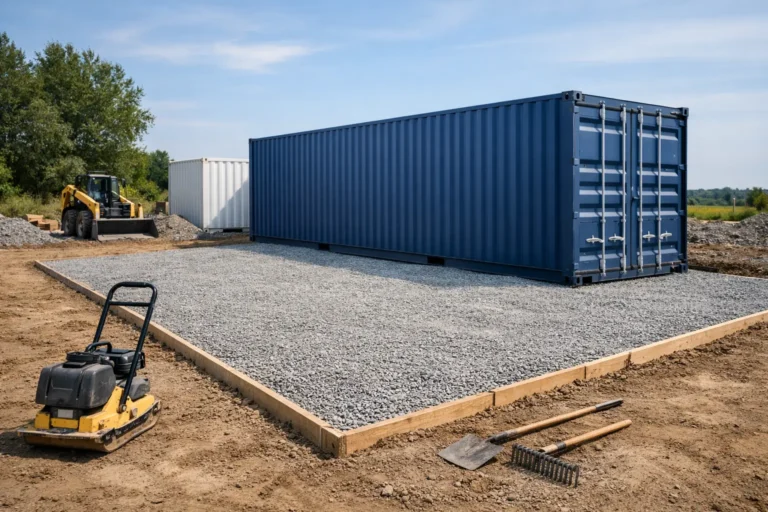
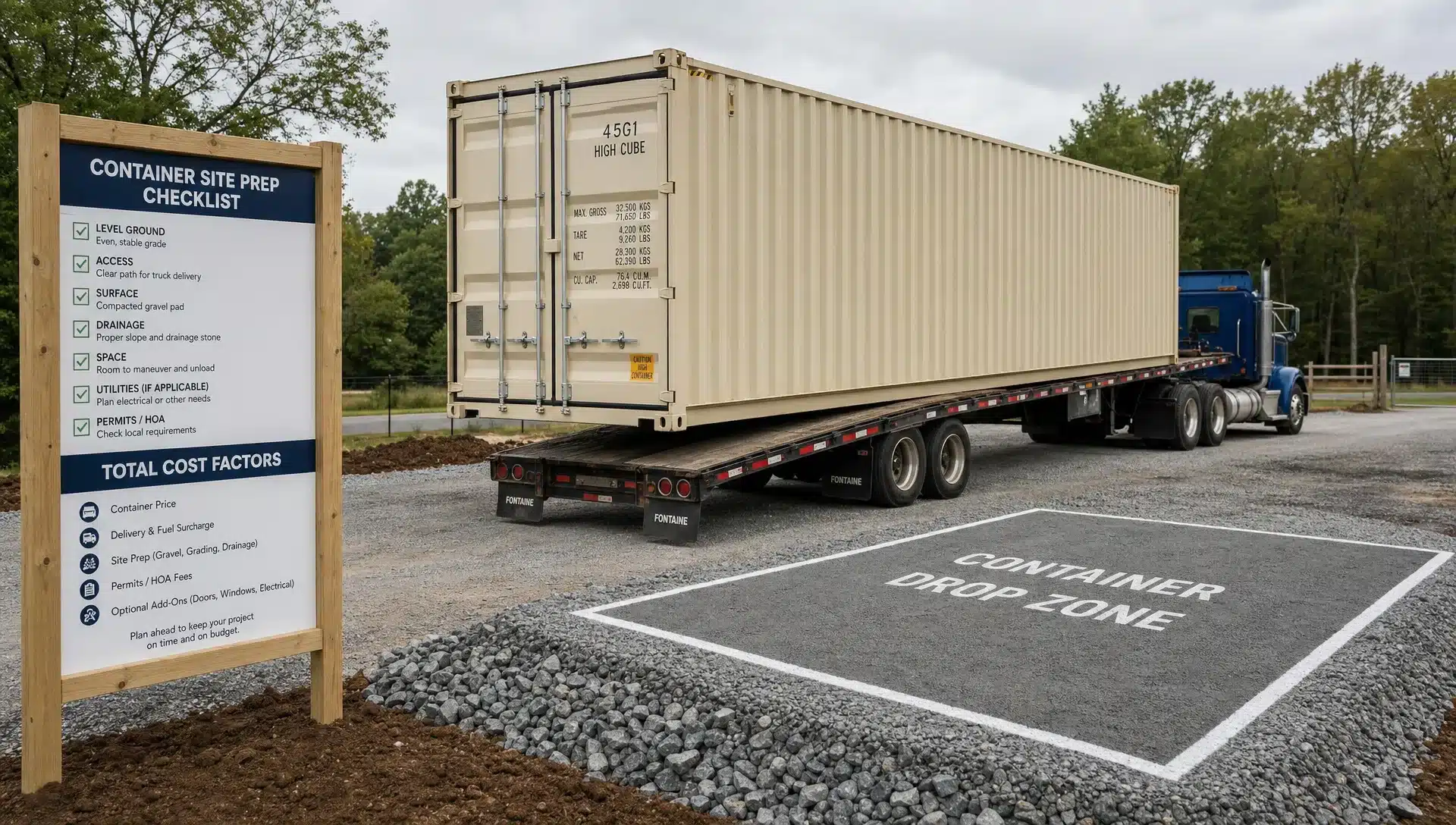
The cheapest container delivery is usually the one that happens once, safely, and without delays. Before your scheduled drop, prepare a level, stable surface with good drainage.
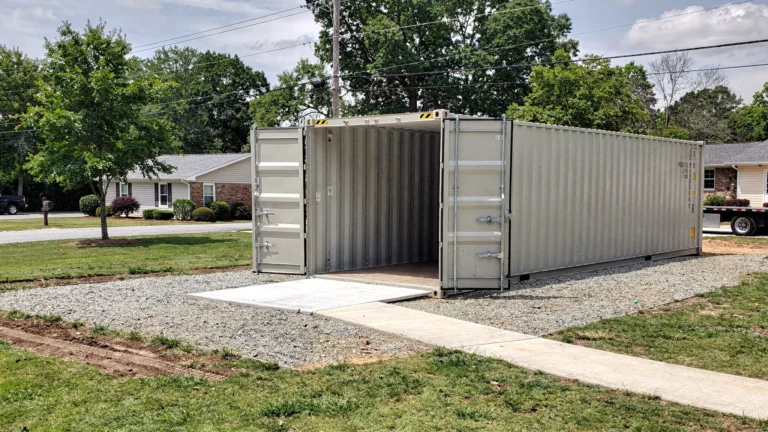
A gravel pad is often a strong choice for North Carolina properties because it helps water drain away from the container floor and reduces contact with wet soil. Concrete pads can work well for permanent placements, while railroad ties or concrete blocks may help support the corners when properly installed. The key is to keep the container level and allow air to circulate beneath it.
Also check local requirements before delivery. In Raleigh and surrounding municipalities, rules may vary depending on zoning, property type, visibility, duration of placement, and whether the container is temporary or permanent. Contractors should also coordinate with site supervisors so the container does not block emergency access, staging areas, or utility work.
A few hours of site preparation can prevent door alignment issues, standing water, failed delivery attempts, and unnecessary service calls.
Permits, zoning, and neighborhood rules
Permit costs are not always part of the container quote, but they can affect the total project budget. Requirements depend on where the container will be placed and how it will be used.
A temporary construction storage container may be treated differently than a permanent storage structure. A container used as a mobile office may raise different questions than a basic WWT storage unit. A residential neighborhood with an HOA may have restrictions even if the city or county allows the placement.
In Raleigh, Wake County, and other parts of North Carolina, it is wise to check with the relevant local authority before delivery. For commercial projects, your general contractor or site manager may already have permitting procedures in place. For homeowners and small businesses, a quick review before purchase can prevent costly relocation later.
Market availability and timing
Storage container cost also changes with supply and demand. Container availability can shift based on port activity, trade flows, seasonal demand, construction cycles, and regional inventory. In the Southeast, demand can increase when construction is strong, storm recovery creates storage needs, or businesses prepare for seasonal inventory surges.
One-Trip containers, High Cube units, and refrigerated containers are more sensitive to availability than common used dry containers. If a specific size, grade, or door configuration is limited, the total price can rise. Buyers who have flexible timing or are open to comparable grades may have more options.
The best approach is to be clear about your must-haves and your preferences. For example, if you need a clean container for a customer-facing retail site, a One-Trip unit may be worth the premium. If you need secure storage behind a construction fence, a WWT unit may deliver the best value.
Modifications and accessories
Modifications can transform a storage container into a more useful asset, but they should be budgeted separately from the base unit. A simple lockbox or vent package is very different from a full mobile office conversion.
Common additions include lockboxes, security bars, shelving, lighting, electrical outlets, roll-up doors, personnel doors, windows, spray foam insulation, HVAC, and partition walls. Each upgrade affects cost, lead time, and sometimes the grade of container you should start with.
For example, if you plan to build a mobile office or retail pop-up, starting with a cleaner One-Trip or High Cube container may reduce cosmetic work and create a better finished product. If the unit will remain basic storage for tools or materials, a used WWT container may be more cost-effective.
Buying vs. renting: duration changes the math
The total cost also depends on how long you need the container. Buying often makes sense for long-term storage, repeated job site use, agricultural storage, business inventory overflow, or conversion projects. Renting may be better for short-term construction jobs, temporary moves, seasonal inventory, or projects where the future need is uncertain.
A buyer should compare more than the monthly number. Consider delivery, pickup, minimum rental terms, damage fees, maintenance responsibility, and whether the container grade matches the job. A purchased container can be moved, modified, resold, or kept indefinitely. A rental provides flexibility but may cost more over a long timeline.
How to compare storage container quotes fairly
When reviewing quotes, ask what is included and what is excluded. A professional quote should make it easy to understand the container size, grade, delivery assumptions, and any optional services.
A strong quote comparison should answer these questions:
- Is the container One-Trip, Cargo Worthy, or Wind & Watertight?
- Is it a standard-height or High Cube unit?
- Does the price include delivery to your exact ZIP code?
- What type of truck will be used for delivery?
- Is ground-level placement included?
- Are taxes, permits, modifications, or accessories included?
- What happens if the site is not accessible on delivery day?
This is where working with a knowledgeable local team matters. A Raleigh-based buyer may need different guidance than a customer in a rural area or a logistics manager arranging nationwide delivery. Clear answers upfront help you avoid paying for the wrong container or underestimating the real cost of placement.
Frequently Asked Questions
Why do two storage containers of the same size cost different amounts? Size is only one factor. Grade, age, condition, location, delivery distance, availability, and modifications can all change the total price. A 40ft One-Trip High Cube will usually cost more than a used 40ft WWT unit because it is newer, cleaner, taller, and often in higher demand.
Is a 20ft or 40ft container more cost-effective? A 40ft container often provides more storage capacity for the money, but a 20ft container can be more cost-effective when space is limited or delivery access is tight. The best choice depends on your site, storage volume, and placement constraints.
What is the difference between Cargo Worthy and Wind & Watertight? Cargo Worthy containers are generally suitable for cargo transport and may be used for shipping when they meet required inspection standards. Wind & Watertight containers are intended to keep out normal wind and water for storage use, but they are not necessarily certified for international shipping.
Do I need a permit for a storage container in Raleigh? It depends on the property, location, duration, and intended use. Temporary construction storage, residential storage, commercial use, and modified containers may be treated differently. Always check with the appropriate local authority or project manager before scheduling delivery.
Can site preparation reduce my total cost? Yes. A level gravel pad, clear access route, adequate truck clearance, and good drainage can reduce the risk of failed delivery, door alignment issues, water problems, and future repositioning costs.
Get a clear storage container quote
The total storage container cost depends on the container you choose, the condition you need, how it will be delivered, and how well your site is prepared. Lease Lane Containers LLC helps buyers in Raleigh, across North Carolina, throughout the Southeast, and nationwide compare options clearly, from One-Trip and Cargo Worthy units to WWT storage containers, High Cube containers, reefers, trailers, and modular solutions.
For help choosing the right size, grade, and delivery plan, contact the Lease Lane Containers sales team at sales@leaselanecontainers.com or visit the Raleigh office to discuss your project with a local container specialist.