Shipping Container Buildings: Best Uses and Key Costs
Shipping container buildings can solve a practical problem: how to add secure, durable, modular space without starting every project from scratch. For contractors in Raleigh, small businesses across North Carolina, farms in the Southeast, and developers evaluating modular construction, containers offer a strong steel shell, predictable dimensions, and flexible placement options.
The key is understanding what you are really buying. A shipping container building is not just a box with a door. Once you add windows, insulation, electrical service, plumbing, HVAC, interior finishes, or structural openings, the project becomes a building system that must be planned around code, site conditions, delivery access, and long-term use.
Below is a practical guide to the best uses for shipping container buildings, the cost drivers that matter most, and how to choose the right container grade before you invest.
What Counts as a Shipping Container Building?
A shipping container building is any structure that uses one or more intermodal shipping containers as the primary shell. These containers are typically built with corrugated Corten Steel, steel corner castings, crossmembers, marine-grade plywood or bamboo flooring, and standardized dimensions designed around ISO standards for freight movement and stacking.
That industrial origin is exactly what makes containers attractive. They are strong, portable, weather-resistant, and available in common sizes such as 20ft and 40ft. High Cube containers add extra interior height, which can make a major difference when installing insulation, lighting, ceiling panels, ductwork, or a finished floor.
However, a container that works well for storage does not automatically make a code-ready office, retail space, or dwelling. Cutting large wall openings, combining multiple containers, or adding occupancy systems can change the load paths and trigger engineering requirements. For a deeper look at the anatomy of containers, Corten Steel, floors, corner posts, and structural considerations, Lease Lane’s guide to shipping container construction basics is a useful starting point.
Best Uses for Shipping Container Buildings
The best container building projects take advantage of what containers already do well: security, mobility, modularity, and fast deployment. The weakest projects tend to ignore drainage, ventilation, insulation, permitting, or structural reinforcement.
1. Jobsite Offices and Contractor Support Space
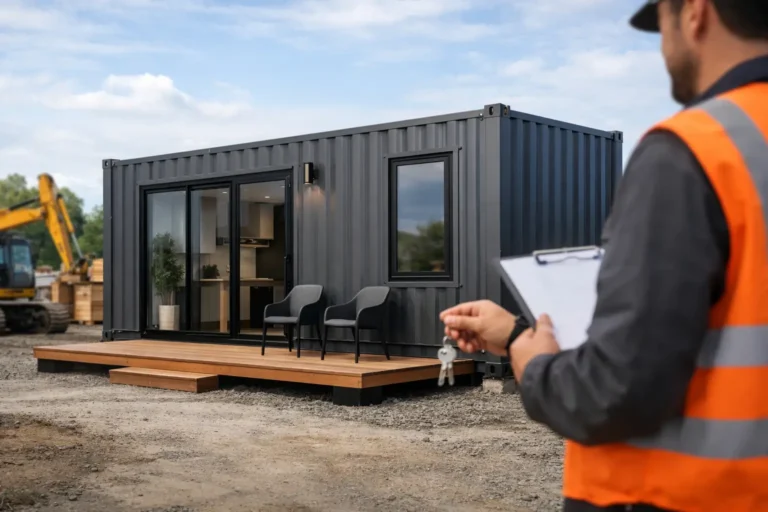
General contractors and home builders often need an office that can be placed near active work, moved when the project changes, and secured after hours. A 20ft unit may work for a compact plan desk and document area, while a 40ft unit can support a larger office, meeting space, tool check-in area, or combined office-storage layout.
For buyers who want a more finished solution rather than starting with an empty shell, a ready conversion such as a Converted 40FT Shipping Container Office can be a practical reference point for what a portable container building can become.
In Raleigh and the wider Triangle region, this use case is especially common for builders managing infill projects, subdivisions, remodels, and commercial upfits where secure on-site coordination space saves time.
2. Pop-Up Retail, Food Support, and Small Business Space
Small business owners use shipping container buildings for seasonal retail, mobile showrooms, coffee stands, inventory overflow, and customer-facing pop-ups. Containers are compact enough to fit on many commercial sites, yet durable enough for repeated use.
The major cost drivers for retail are usually not the steel shell itself. They are customer access, storefront openings, electrical service, climate control, interior finish, signage, ADA considerations, and local approval. In North Carolina’s hot, humid climate, insulation and ventilation should be planned early rather than treated as afterthoughts.
3. Home Offices, Studios, and Guest Spaces
Backyard offices and studios are among the most popular residential uses for shipping container buildings. A container can separate work from home life, provide secure storage for equipment, or create a quiet hobby space.
Residential-style projects require more planning than basic storage. Buyers should confirm setbacks, zoning rules, utility connections, foundation requirements, and whether the structure is considered an accessory building, office, or dwelling. For more compact layouts, 20ft containers used on homesites and jobsites can be a smart fit when access, budget, or available space is limited.
4. Container Homes, Villas, and Guesthouses
Container-based housing is attractive because it looks modern and uses an existing steel structure. Still, the finished cost depends heavily on code compliance, engineering, insulation, windows, MEP systems, interior finishes, and foundation design.
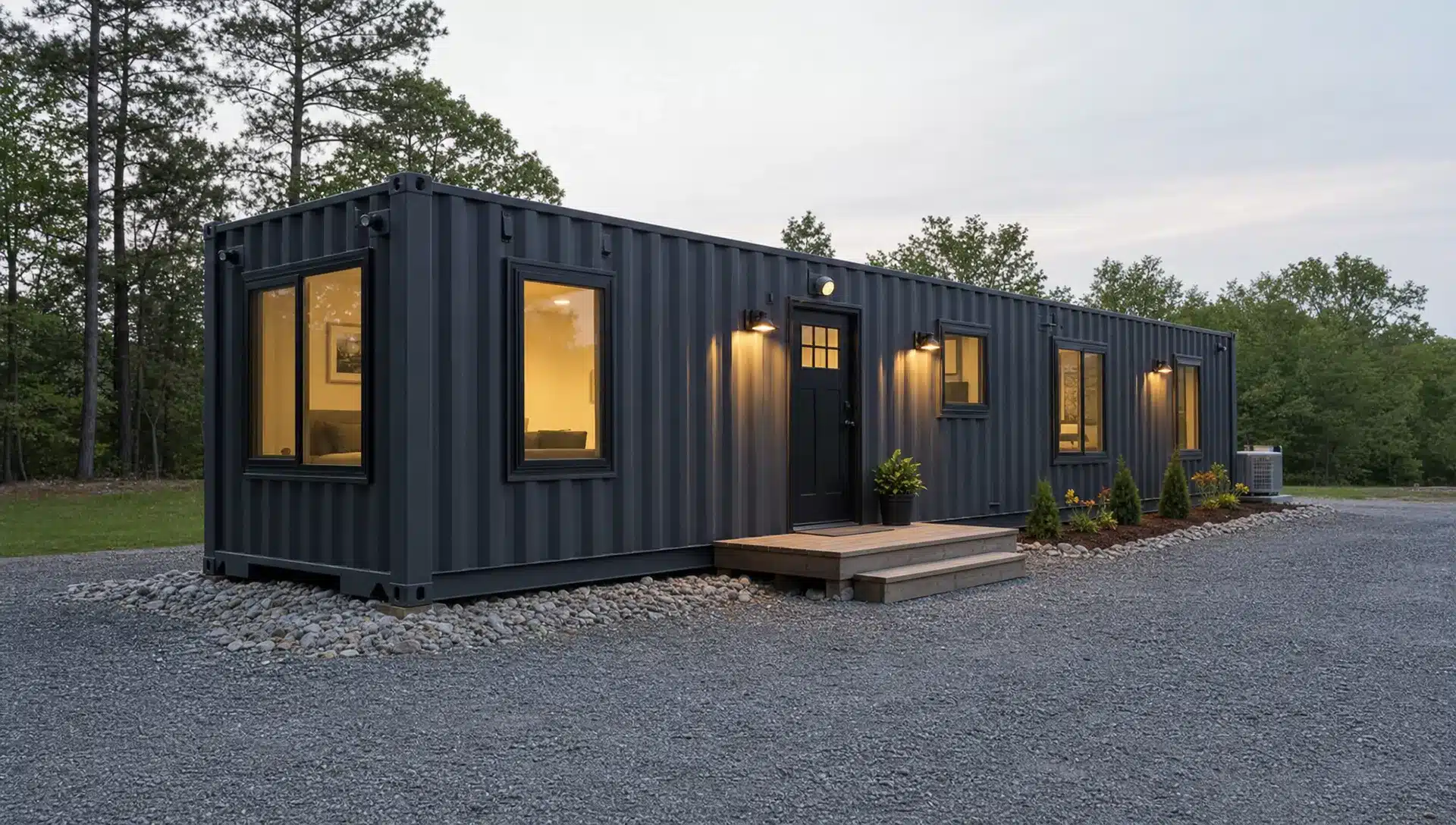
A product such as the 40FT Ready-Made Villa Design Container House shows how a 40ft unit can be adapted into a more residential-style concept. For developers or homeowners, this type of approach can be useful for guesthouse planning, rural property improvements, or modular living concepts, but the permitting path should be confirmed before purchase.
5. Agricultural Buildings and Rural Property Storage
For farms, nurseries, ranches, and rural properties, shipping container buildings can serve as tack rooms, feed storage, equipment shelters, workshop space, or seasonal operations offices. The main advantages are pest resistance, lockable steel walls, and long-term durability.
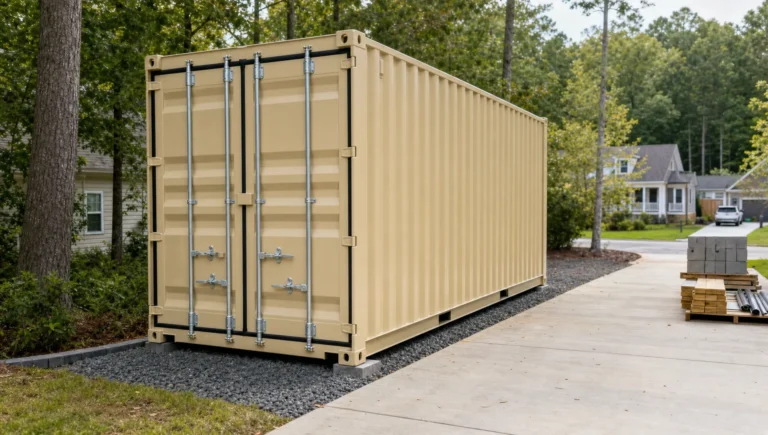
In agricultural settings across the Southeast, site preparation is often the deciding factor. A container set directly on soft soil may settle, twist, or trap moisture underneath. A level gravel pad, concrete strip footings, or properly placed piers can protect the container and make the doors easier to operate over time.
6. Modular Development and Multi-Container Structures
Real estate developers may use multiple containers for modular housing, hospitality units, workforce housing, commercial pods, or mixed-use concepts. These projects can be visually impressive, but they are also the most technical.
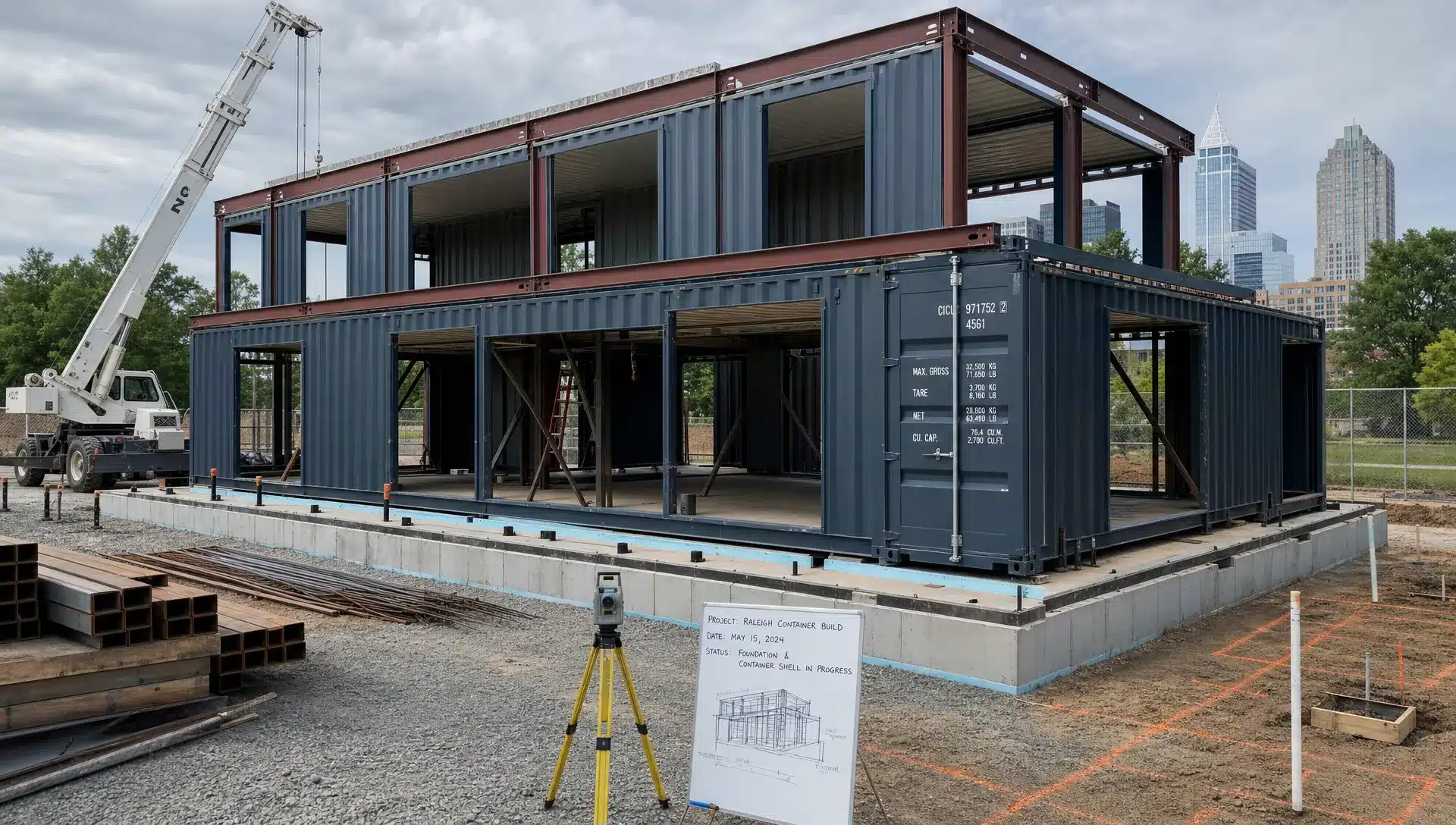
Multi-container structures require careful engineering because removing walls, stacking units, adding stair systems, or creating large spans can compromise the original container structure. Design teams should coordinate early with a structural engineer, local code officials, and an experienced container supplier.
| Use case | Common container choice | Best grade to consider | Main cost drivers |
|---|---|---|---|
| Jobsite office | 20ft, 40ft, or 40ft High Cube | One-Trip or Cargo Worthy | Doors, windows, HVAC, electrical, delivery access |
| Pop-up retail | 20ft or 40ft | One-Trip for appearance | Storefront openings, finishes, signage, customer access |
| Home office or studio | 20ft or 40ft High Cube | One-Trip or clean WWT | Insulation, interior finish, electrical, foundation |
| Guesthouse or villa | 40ft or multi-container | One-Trip or engineered Cargo Worthy | Code compliance, plumbing, HVAC, structural work |
| Farm or rural building | 20ft or 40ft | WWT or Cargo Worthy | Site pad, ventilation, security, access roads |
| Modular development | 40ft High Cube or multiple units | One-Trip or Cargo Worthy | Engineering, cranes, foundations, permits, finishes |
Why Container Grade Matters Before You Build
Container grade affects appearance, structural confidence, modification cost, and long-term value. At Lease Lane Containers LLC, the most common buyer conversations involve three categories: One-Trip, Cargo Worthy, and Wind & Watertight.
A One-Trip container is typically the cleanest option. It has usually made a single cargo trip before being sold, so it tends to have fewer dents, cleaner floors, better paint, and a more uniform appearance. For offices, retail projects, homes, and customer-facing buildings, One-Trip units are often preferred because less cosmetic repair is needed.
A Cargo Worthy container is used, but it is inspected for freight suitability. It should be structurally sound enough for cargo transport when proper documentation, inspection status, and CSC plate requirements are satisfied. For building projects, Cargo Worthy units can be a strong choice when structure matters more than cosmetics.
A Wind & Watertight container, often called WWT, is a used container that keeps out wind and water under normal conditions. It is commonly used for storage, workshops, and cost-conscious builds. WWT does not mean the container is certified for cargo movement, and it does not guarantee a clean appearance. Buyers should inspect floors, roof bows, door seals, corrosion, patches, and prior repairs.
| Grade | What it means | Best building uses | What to inspect |
|---|---|---|---|
| One-Trip | Newer container with minimal prior use | Offices, retail, studios, villas, high-visibility projects | Paint condition, door operation, floor condition, delivery scuffs |
| Cargo Worthy | Used container inspected for cargo transport suitability | Structural conversions, relocatable buildings, projects needing stronger used units | CSC plate status, corner posts, crossmembers, roof, corrosion |
| WWT | Used container that is wind and watertight | Storage buildings, farm use, workshops, budget builds | Door gaskets, roof pinholes, floor soft spots, dents, rust |
Key Costs That Shape a Shipping Container Building Budget
There is no universal price for shipping container buildings because the container is only one part of the project. Two identical 40ft shells can have very different final costs depending on engineering, site work, finishes, utilities, and code requirements.
For 2026 planning, the safest approach is to build a line-item budget rather than relying on a single average number. Start with the shell, then add the real project costs around it.
Container Shell, Size, and Availability
The base container cost depends on size, grade, availability, and delivery distance. One-Trip containers generally cost more than used containers, while WWT units are often selected for storage or simpler utility buildings. If you are deciding between a cleaner new unit and a budget-friendly used shell, compare condition, appearance, and intended use before committing. Lease Lane’s guide on new vs used shipping containers explains those tradeoffs in more detail.
Size also matters. A 20ft unit is easier to place on tight residential or urban lots, while a 40ft unit gives more usable floor area per delivery. High Cube containers add height, which is especially valuable for occupied buildings. If you are comparing standard height and High Cube layouts, review the practical differences in a 40ft High Cube shipping container before finalizing your plan.
Structural Engineering and Reinforcement
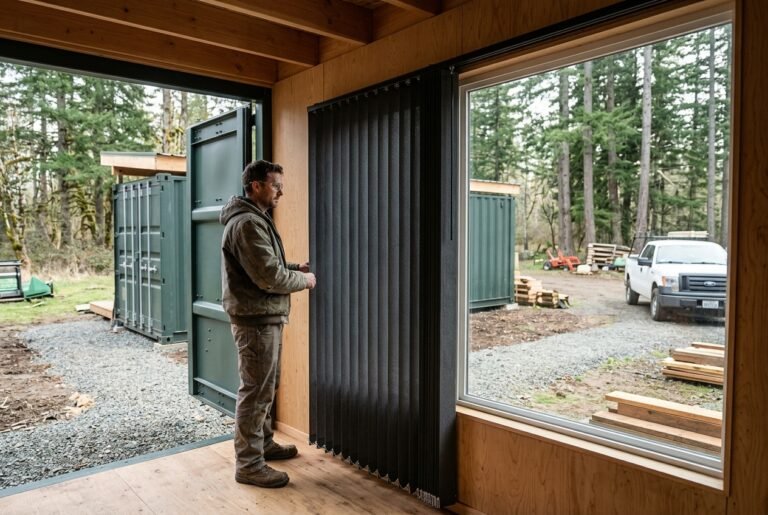
Shipping containers are strong at the corner posts and frame, but the corrugated walls are part of the structure. When you cut out walls for glass storefronts, roll-up doors, wide pass-throughs, or multi-container connections, reinforcement may be required.
Engineering costs can include stamped drawings, beam sizing, welding details, foundation coordination, wind load review, snow or roof load considerations, and local code responses. This is especially important for occupied buildings, stacked structures, and coastal or storm-prone areas of the Southeast.
Openings, Doors, Windows, and Weatherproofing
Every opening adds labor and complexity. A simple personnel door is very different from a wide storefront, garage opening, or multi-panel glass wall. The budget should include cutting, framing, welding, flashing, sealing, painting, and hardware.
Weatherproofing matters in Raleigh and across North Carolina because wind-driven rain, humidity, and temperature swings can expose weak details. Poorly sealed openings can lead to condensation, water intrusion, corrosion, and interior finish damage.
Insulation, HVAC, and Condensation Control
A steel box heats up quickly in summer and cools quickly in winter. If people will occupy the building, insulation and HVAC are not optional comfort upgrades. They are central to usability.
Common insulation approaches include spray foam, rigid foam, mineral wool systems, and framed wall assemblies. The right choice depends on climate, budget, interior finish expectations, and condensation risk. In the Southeast, humidity control is just as important as temperature control.
Electrical, Plumbing, and Interior Finish
Electrical service, lighting, outlets, panels, data lines, plumbing, restrooms, sinks, water heaters, drywall, flooring, cabinetry, and ceiling systems can exceed the cost of the shell in more finished projects. This is normal. The container provides the structure, but the building systems determine how the space functions.
If the building will serve customers, employees, tenants, or guests, discuss code requirements early. The International Code Council’s model codes are widely used as a foundation for building regulation, but local enforcement and amendments determine what applies to your project.
Delivery, Placement, and Equipment
Delivery cost depends on distance, truck type, access, site conditions, and whether additional equipment is needed. A ground-level delivery with a tilt-bed truck is different from a crane set over a fence, a tight urban placement, or a multi-container stack.
Before ordering, confirm driveway width, turning radius, overhead utility lines, tree limbs, slope, soil conditions, and whether the truck can safely enter and exit. For rural North Carolina properties, recent rain can make an otherwise simple delivery difficult if the access road is soft.
| Cost category | What it includes | Why it changes the budget |
|---|---|---|
| Container shell | Size, grade, condition, availability | One-Trip, Cargo Worthy, and WWT units have different condition and value levels |
| Engineering | Structural review, drawings, reinforcement details | Required more often for occupied, stacked, or heavily modified buildings |
| Site work | Gravel pads, piers, concrete, drainage, grading | Poor sites need more preparation before safe placement |
| Modifications | Doors, windows, framing, welding, paint | Large openings and customer-facing finishes increase labor |
| Building systems | Electrical, plumbing, HVAC, insulation | Occupied buildings need more code-compliant systems |
| Permits and inspections | Local approvals, plan review, inspections | Requirements vary by city, county, use, and duration |
| Delivery and placement | Trucking, crane, forklift, access planning | Distance, tight sites, and difficult terrain increase complexity |
Pro-Tip: Prepare the Site Before the Container Arrives
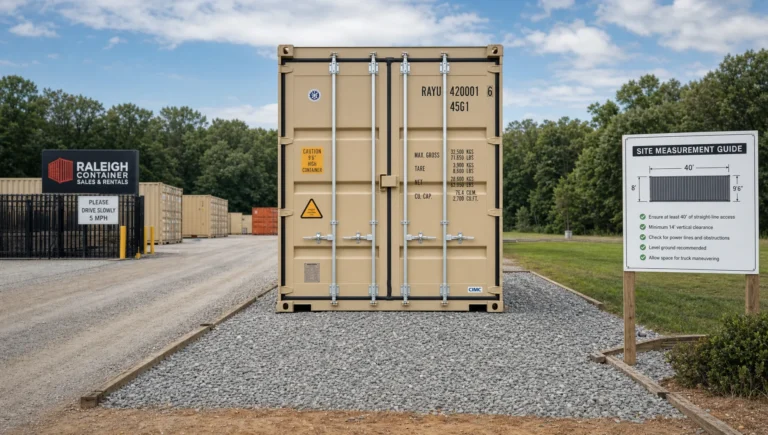
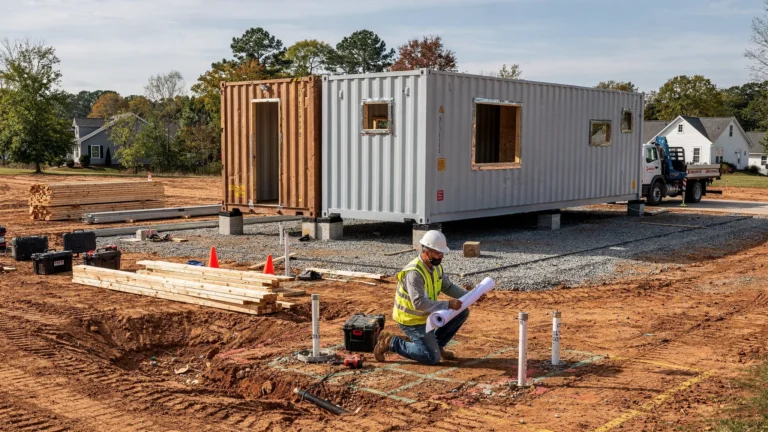
A container building is only as good as the surface under it. Before delivery, create a level, stable pad with positive drainage away from the container. For many Raleigh-area properties, a compacted gravel pad is a practical option because it helps with drainage and keeps the steel frame off wet soil. For permanent or occupied buildings, concrete piers, strip footings, or a slab may be required by the design professional or local authority.
Support the container at the corner castings and avoid twisting the frame. If the container is out of level, the doors may bind and the structure may not sit correctly. Leave enough room for the delivery truck to align, unload, and pull away safely. Also check overhead wires, low branches, fences, septic fields, soft shoulders, and steep driveways.
Permit requirements should be verified before purchase. In Raleigh, Wake County, and other North Carolina jurisdictions, rules can vary based on whether the container is temporary storage, an accessory structure, a commercial building, or an occupied dwelling. If you plan to add utilities, customers, tenants, employees, or sleeping space, assume the approval process will be more detailed.
How to Plan a Container Building Without Overspending
The most cost-effective shipping container buildings start with clear priorities. Before you request pricing, define what the building must do on day one and what could be added later.
A contractor field office might need electricity, HVAC, a personnel door, windows, and desks, but may not need premium interior finishes. A pop-up retail shop may need strong curb appeal, customer entry, lighting, and signage, but limited plumbing. A guesthouse or villa concept may need full residential systems, code review, insulation, and a more permanent foundation.
A good planning sequence looks like this:
- Define the use first, including storage, office, retail, agricultural, or residential-style occupancy.
- Choose the size and height based on interior layout, delivery access, and ceiling needs.
- Select the grade based on appearance, structural expectations, and budget.
- Identify required modifications before buying the shell.
- Confirm site preparation, permitting, and delivery access before scheduling placement.
This sequence prevents one of the most common mistakes: buying the cheapest available container, then discovering it needs more repair, reinforcement, or finish work than expected.
Frequently Asked Questions
Are shipping container buildings cheaper than traditional construction? Sometimes, but not always. The steel shell can be cost-effective, especially for storage, offices, and modular uses, but engineering, insulation, utilities, foundations, permits, and finishes can make the final budget similar to other construction methods.
What is the best container grade for a building? One-Trip containers are usually best for high-visibility offices, retail spaces, and residential-style projects because they are cleaner and newer. Cargo Worthy units are strong used options when structure matters. WWT units can work for storage, farm buildings, and budget projects, but they should be carefully inspected.
Do I need a permit for a shipping container building in Raleigh? It depends on use, duration, size, utilities, foundation, and occupancy. Temporary storage may be treated differently from an office, retail space, or dwelling. Always check with the City of Raleigh, Wake County, or your local authority before purchase and placement.
Is a High Cube container worth it for a building? Often, yes. The extra height can make insulation, ceilings, lighting, HVAC, and overall comfort easier to manage. High Cube units are especially useful for offices, studios, homes, and any space where people will spend extended time.
Can shipping container buildings be delivered outside North Carolina? Yes. Lease Lane Containers LLC is headquartered in Raleigh, NC, and supports buyers across the Southeast and nationwide with container sourcing, delivery planning, and site preparation guidance.
Planning a shipping container building in Raleigh, elsewhere in North Carolina, or across the U.S.? Contact Lease Lane Containers LLC at sales@leaselanecontainers.com or visit the Raleigh office to talk through size, grade, delivery access, site preparation, and clear pricing before you buy.