Shipping Container Market Trends in 2026
A buyer who paid one price for a 40ft container six months ago may see a very different quote today, even in the same region. That is the reality behind current shipping container market trends. Prices, availability, delivery lead times, and even preferred container grades are moving with freight cycles, steel costs, domestic storage demand, and local logistics constraints.
For contractors, growers, retailers, and property owners, the market is no longer just about finding a box. It is about finding the right specification, in the right condition, with a delivery method that fits the site and the budget. The buyers who avoid delays and surprise costs are usually the ones who understand what is driving the market before they request a quote.
What is shaping shipping container market trends right now
The biggest factor is that the container market serves two different realities at once. One is global trade, where containers are transportation assets tied to shipping lines, port activity, and import-export volume. The other is domestic resale and reuse, where containers become secure storage, mobile workspaces, refrigerated inventory support, and modular construction shells.
Those two realities do not always move together. A slowdown in ocean freight can increase the supply of used containers in some markets, but local demand for job-site storage or agricultural use can still keep prices firm. That is why buyers sometimes expect a national price drop and do not see it reflected in their local quote.
Steel pricing also matters. New one-trip containers are manufactured from Corten steel to ISO dimensions, and factory costs rise and fall with raw material pricing, labor, and overseas production conditions. When new inventory becomes more expensive, many buyers shift toward Cargo Worthy or Wind & Watertight units, which puts pressure on the used market.
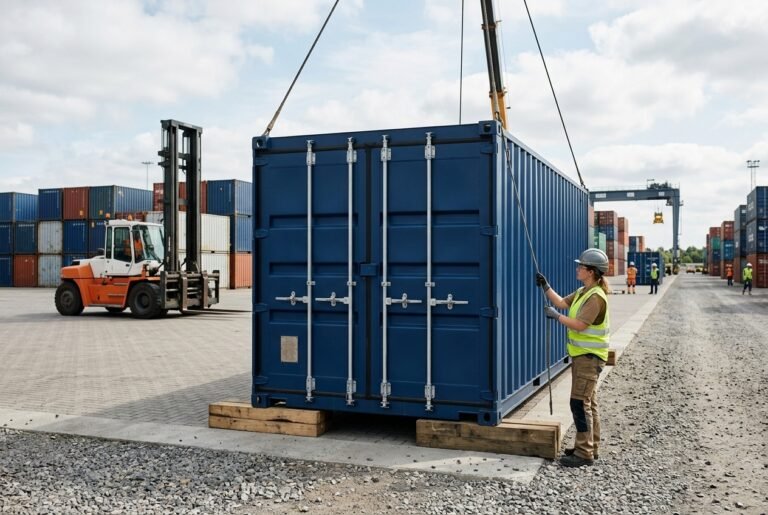
Delivery is another market driver that gets overlooked. The container itself may be available, but the final price depends on distance, equipment, and site accessibility. Tight access, soft ground, slope, overhead wires, and offloading requirements can all affect lead time and cost. In practical terms, logistics conditions can shape the market almost as much as inventory supply.
Pricing trends: more segmented than many buyers expect
One of the clearest shipping container market trends is price segmentation by condition and use case. Buyers are no longer looking at a single market price for a 20ft or 40ft unit. They are comparing one-trip containers, WWT units, Cargo Worthy units, high-cube formats, reefers, and specialty configurations such as open-top or tunnel containers.
That matters because the cheapest unit is not always the lowest-cost purchase. A used container with heavy cosmetic wear may still serve well for basic equipment storage. But if the project calls for weather-sensitive inventory, customer-facing appearance, or future modification into an office or workshop, a cleaner grade often reduces repair and retrofit expense later.
One-trip containers have remained attractive because they offer predictable condition. Minimal corrosion, straighter panels, better door alignment, and a cleaner floor simplify planning for long-term use. They cost more upfront, but they also reduce the uncertainty that can come with older inventory.
Used inventory still has strong demand, especially in construction, agriculture, and industrial settings where appearance is secondary to structural integrity. Here, grading transparency matters more than low headline pricing. A buyer who understands the difference between Wind & Watertight and Cargo Worthy is less likely to overpay for features they do not need, or underbuy and end up with repair costs.
Demand is shifting beyond transport into fixed-site use
A major trend in the US market is that many containers are not going back into international circulation. They are being repurposed as long-term assets on farms, job sites, commercial properties, and residential land.
For general contractors, the appeal is straightforward. A container provides immediate lockable storage for tools, wire, fixtures, and high-value materials without waiting on permanent structures. In agriculture, containers are being used for feed storage, equipment protection, chemical storage planning, and seasonal overflow. For retailers and logistics operators, they can support pop-up operations, backroom inventory overflow, and refrigerated storage.
This fixed-site demand creates a more stable resale market than many people assume. Even when freight rates cool, demand from domestic buyers can remain strong because the container is solving a local storage or operational problem, not a shipping problem.
That shift also explains the popularity of high-cube containers. The extra foot of interior height may sound minor on paper, but it improves usability for palletized goods, shelving systems, workspace conversions, and bulky equipment storage. For many buyers, especially commercial ones, the upgrade is easy to justify.
Specialty units are gaining attention
Standard dry containers still dominate volume, but specialty inventory is getting more attention as buyers become more specific about operational needs.
Refrigerated containers, or reefers, remain in demand where temperature control affects revenue or compliance. Food businesses, agricultural operators, and event-based operations often use them as flexible cold storage. The trade-off is that reefer purchases require more planning around power supply, mechanical condition, and maintenance expectations.
Open-top containers appeal to buyers loading oversized equipment or materials from above. Tunnel containers, with doors at both ends, can improve access and workflow when inventory needs to be rotated quickly. These are not universal solutions, but they are becoming more relevant as businesses look for containers that fit a process rather than forcing a process to fit a standard box.
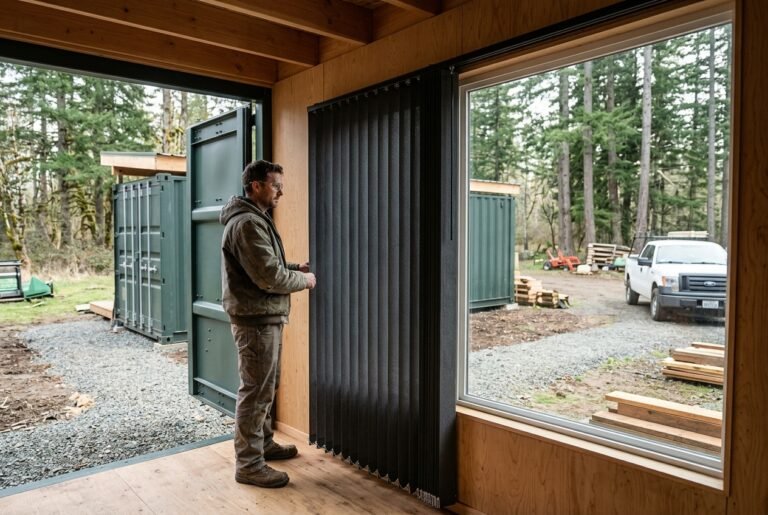
Custom modifications are also part of the market trend. Mobile offices, concession setups, and modular shells continue to draw interest. But this is where buyers need to be especially careful. A structurally sound base container, verified dimensions, and realistic delivery planning matter before any cutouts or interior buildout begins.
Regional availability still matters
National headlines can suggest that containers are either plentiful or scarce, but real availability is regional. Markets near major ports may have better access to certain sizes or grades, while inland areas may face tighter supply or higher repositioning costs.
In the Southeast, demand often stays healthy because of construction activity, agriculture, manufacturing, and port-linked distribution. Buyers in and around growth corridors such as Raleigh and the broader North Carolina market may find that speed of delivery depends less on national supply and more on whether a supplier has verified local inventory and practical offloading options.
This is one reason buyers should be cautious about chasing unusually low online prices. A quote that excludes delivery complexity, grade verification, or actual local availability can stop looking competitive very quickly.
Buyer expectations are changing with the market
Another important trend is that buyers are asking better questions. They want verified specifications, clear grading definitions, recent unit photos when available, and direct explanations of delivery requirements. That is a healthy shift.
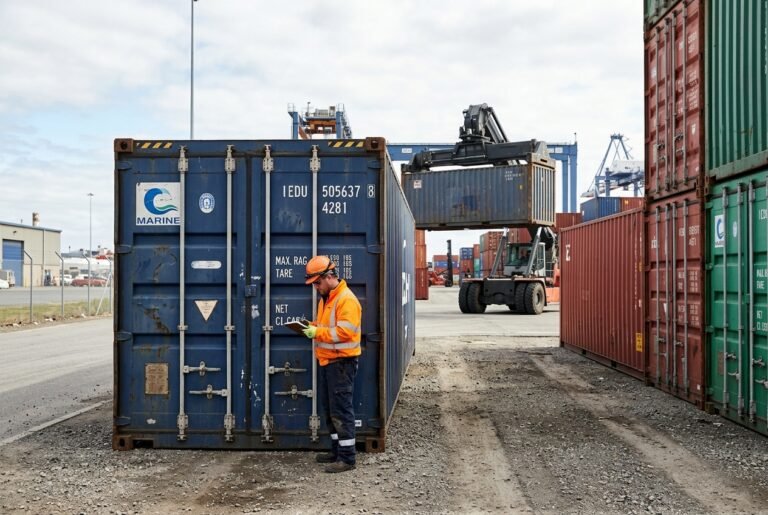
In earlier stages of the resale market, some buyers treated containers as interchangeable. They are not. Floor condition, door seal integrity, corner castings, roof straightness, and signs of prior repair all affect the value of the unit for a specific application. A contractor storing copper wire has different requirements than a homeowner planning a workshop conversion.
This is where transparent sellers stand out. Clear pricing, realistic lead times, and straightforward grading language reduce friction because they reduce risk. For a high-ticket storage asset, that matters more than aggressive marketing language.
How to read the market before you buy
The smartest way to respond to shipping container market trends is not to time the market perfectly. It is to match the unit to the job with as few assumptions as possible.
Start with use case. If the container is for basic secure storage on an active job site, a used WWT or Cargo Worthy unit may be the right fit. If the container will sit on a visible commercial property, support a customer-facing build, or serve for many years with minimal modification, a one-trip container may be worth the premium.
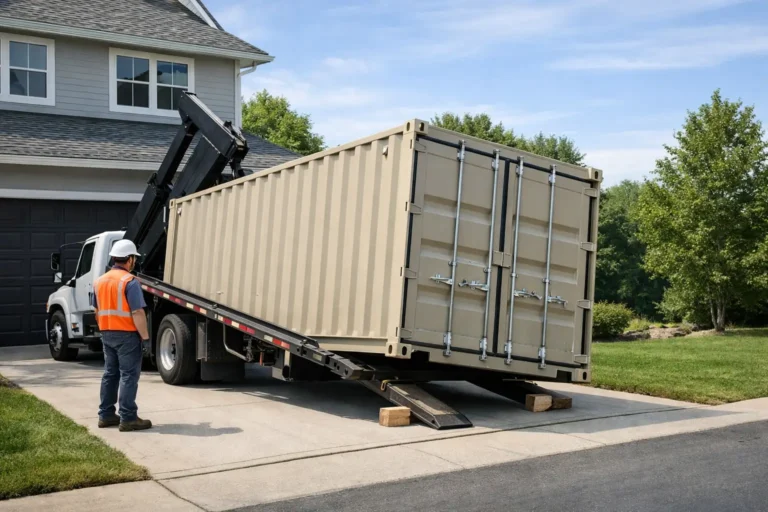
Then look at site conditions before you ask for delivery. Ground firmness, gate width, turning radius, slope, and overhead clearance will influence what delivery method is practical. Tilt-Bed and Ground-Level delivery can simplify placement, but only if the site is prepared properly.
Finally, buy from a seller who explains grade, dimensions, and logistics in plain terms. No fine print, no vague condition labels, no guesswork about access. A lower quote that ignores site realities is not a savings.
The market will keep moving. Freight cycles will change, steel pricing will change, and regional inventory will tighten or loosen. What tends to hold steady is the value of a container that arrives as described, fits the site, and performs the way the buyer expected. That is usually the difference between a quick transaction and a good decision.