How to Compare a Used Conex Box for Sale
Comparing a used Conex box for sale is not the same as comparing two ordinary storage sheds. A Conex box is an ISO-style shipping container built for intermodal transport, typically with Corten Steel panels, structural rails, corner castings, heavy doors, and a marine-grade floor. Those details matter because the lowest listed price may not be the best value once you factor in grade, condition, delivery, site access, and the intended use.
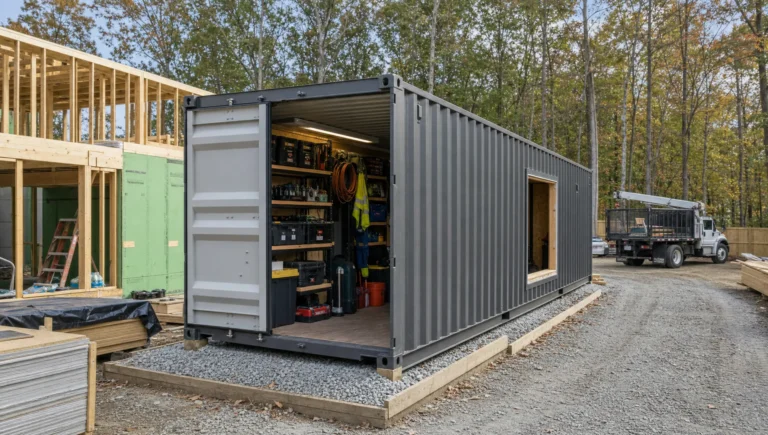
For buyers in Raleigh, across North Carolina, and throughout the Southeast, a good comparison starts with one question: what job does this container need to do? A general contractor securing tools on a jobsite has different requirements than a logistics manager preparing a unit for international cargo, and a homeowner using a container as long-term property storage may not need the same grade as a business converting one into a mobile office.
Use the framework below to compare used Conex boxes with confidence before you commit.
Start with the use case, not the sticker price
A used Conex box can look like a simple steel rectangle, but its value depends on how well it fits your use case. Before you compare listings, define the outcome you need.
For stationary storage, your priorities are usually leak resistance, secure doors, a solid floor, and a delivery plan that gets the unit safely onto your property. For cargo transport, you need a structurally sound unit that can meet carrier or port requirements. For modular construction, retail pop-ups, or mobile offices, you may care more about straight walls, cleaner cosmetics, interior height, and modification potential.
This is why comparing only by price can be misleading. A less expensive unit may need door work, floor repairs, additional site prep, or a different delivery method. A slightly higher-grade unit may cost more upfront but save time and risk once it arrives.
Compare container grades first
Container grade is the most important comparison point because it tells you what the seller is actually promising. Used containers can have dents, scrapes, surface rust, faded paint, and prior repair marks. That is normal. The key is whether the unit is structurally suitable for your intended use.
| Grade | What it means | Best fit | Key question to ask |
|---|---|---|---|
| One-Trip | A newer container that has typically made one cargo trip before resale | Clean storage, retail, offices, modifications, buyers wanting the best cosmetics | Is the added cost justified by appearance and condition? |
| Cargo Worthy, or CW | A used container considered structurally suitable for cargo transport, often requiring inspection documentation for shipping use | International or intermodal shipping, logistics, higher-confidence storage | Is there current survey or CSC-related documentation if shipping is required? |
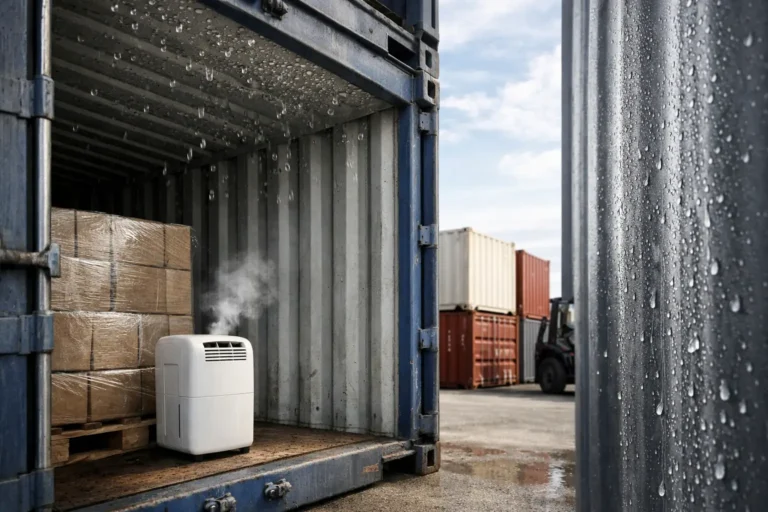
| Wind & Watertight, or WWT | A used container guaranteed to keep out wind and water under normal storage use, but not necessarily certified for cargo | Jobsite storage, farm storage, homeowner storage, inventory overflow | Are the roof, doors, gaskets, and floor sound enough for your storage needs? |
| As-Is | Sold without a condition guarantee | Budget projects where repairs are acceptable | What defects are known, and are you prepared to fix them? |
One-Trip containers are not usually the target when someone searches for a used Conex box for sale, but they are a useful benchmark. They help you understand what you give up in cosmetics and what you gain in savings when choosing a used unit.
Cargo Worthy units are the safer comparison point when the container may move freight. They should retain the structural integrity expected from an ISO container, including strong corner castings, rails, and door systems. If the unit is going into international service, ask about the CSC plate, survey status, and any carrier requirements before purchase.
Wind & Watertight units are often the practical choice for ground-level storage. They may have dents and exterior wear, but they should protect contents from normal rain and wind. For many Raleigh contractors, agricultural users, and small businesses, WWT is the value sweet spot.
If you are deciding whether a newer unit is worth the premium, Lease Lane Containers has a helpful guide comparing a new vs used shipping container in more detail.
Compare size and configuration
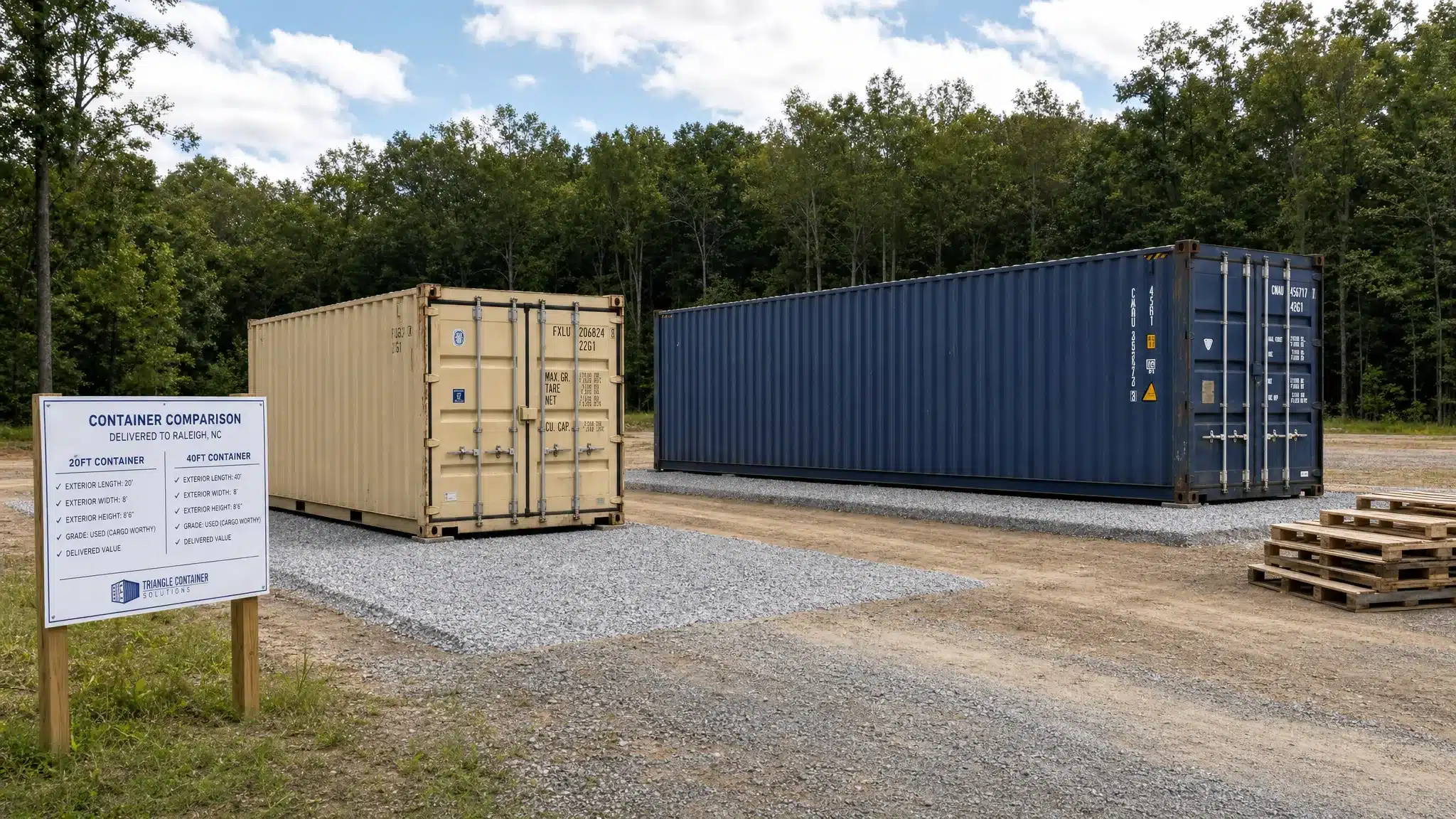
After grade, compare dimensions. Most buyers narrow the decision to 20ft or 40ft containers, with High Cube models entering the conversation when extra height is needed.
A 20ft container is easier to place on tighter properties, smaller job sites, farms, and residential driveways. It offers strong storage capacity without requiring as much straight-line delivery access. This makes it popular around Raleigh, Durham, Cary, and other areas where space can be limited.
A 40ft container provides more storage per delivered unit and is often better for large contractors, warehouses, developers, and agriculture operations with room to maneuver. A 40ft High Cube adds roughly one extra foot of exterior height compared with a standard-height unit, which can be valuable for racking, equipment, taller inventory, or modular buildouts.
Refrigerated containers, also called reefers, are a separate category. They are designed for temperature-controlled storage and cold chain needs, not ordinary dry storage. If you only need secure space for tools, materials, furniture, or inventory, a dry van container is typically the more economical and straightforward option.
For example, a buyer who needs a compact used unit that is still suited for cargo-focused requirements may compare a 20ft Used Cargo-Worthy Shipping Container for Sale – Dry Van against WWT options. If the goal is stationary storage and cargo certification is not required, a 20Ft Used Shipping Container – Wind & Watertight may be the more practical fit.
Inspect structure before cosmetics
Paint can distract buyers. A freshly painted container may still have door issues, roof dents, floor damage, or poor repairs. A faded container with honest wear may be structurally stronger than a shiny unit with hidden problems.
Corten Steel is designed to resist corrosion better than ordinary steel, but it is not rust-proof. Surface rust is common on used containers. The concern is deep corrosion, flaking steel, holes, or rust concentrated around seams, lower rails, door sills, and roof patches.
When comparing photos or inspecting in person, focus on these areas:
- Roof condition: Look for dents that can hold standing water, visible patches, pinholes, or heavy rust along seams.
- Door operation: Doors should open and close without excessive force, and locking bars should engage properly.
- Gaskets and seals: Rubber seals should be intact enough to keep out rain and wind during normal use.
- Floor condition: Check for soft spots, delamination, oil saturation, chemical odor, or major gouges.
- Corner castings and rails: These are structural areas, especially important for Cargo Worthy units.
- Interior light test: With the doors closed during daylight, visible light can reveal holes or gaps.
For a deeper inspection checklist, review Lease Lane Containers’ guide on what to check before you buy used Conex boxes. It is especially useful if you are comparing multiple units from different sellers.
Compare total delivered cost
A used Conex box is not fully priced until you know the delivered cost. A low advertised number can lose its advantage once delivery, distance, equipment, site conditions, and optional modifications are included.
Ask each seller to quote the same basis so you can compare apples to apples. At minimum, confirm the container grade, size, delivery location, delivery method, taxes or fees, and whether any site visit or special equipment is needed.
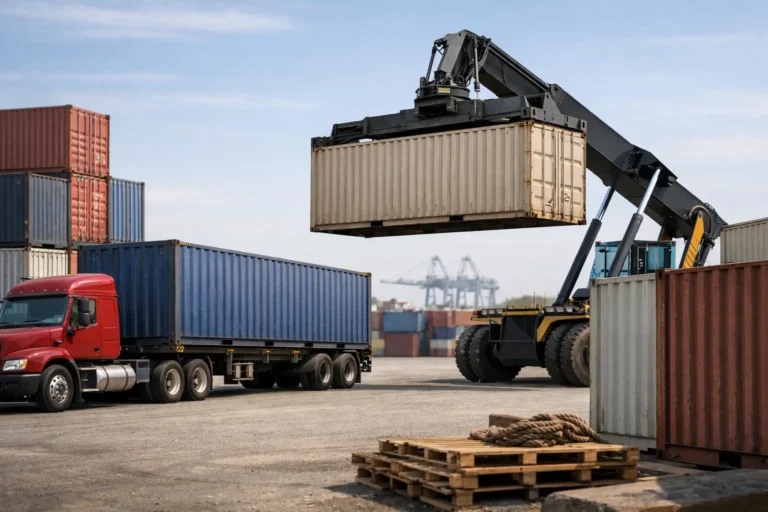
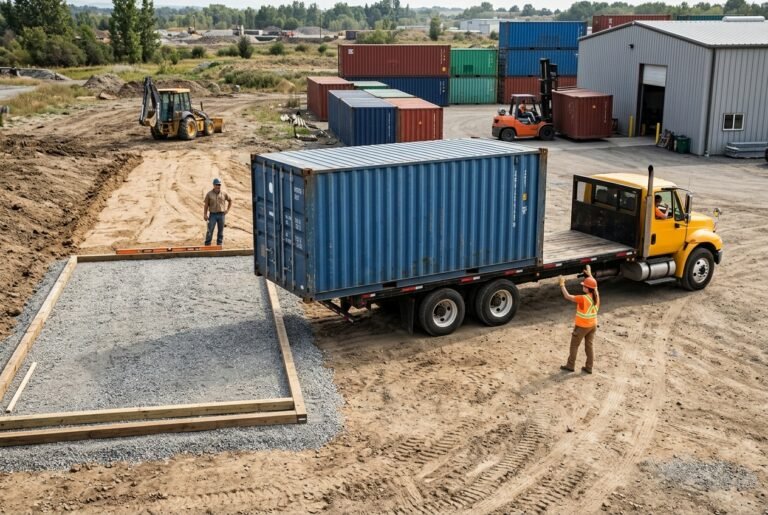
Delivery method matters. Many containers are delivered on tilt-bed or roll-off style trucks, which need enough straight-line clearance to unload safely. If your property has narrow gates, steep driveways, low branches, soft soil, overhead wires, or limited turning radius, delivery may require additional planning.
Buyers in the Southeast should also account for weather and ground conditions. A site that looks firm during a dry week can become difficult after heavy rain. Gravel pads, compacted stone, and proper drainage can prevent settling and door misalignment after placement.
If you are budgeting and want to understand what affects the final number, see Lease Lane Containers’ breakdown of Conex container prices. The most important takeaway is simple: compare delivered value, not just the listed price.
Match the grade to the buyer type
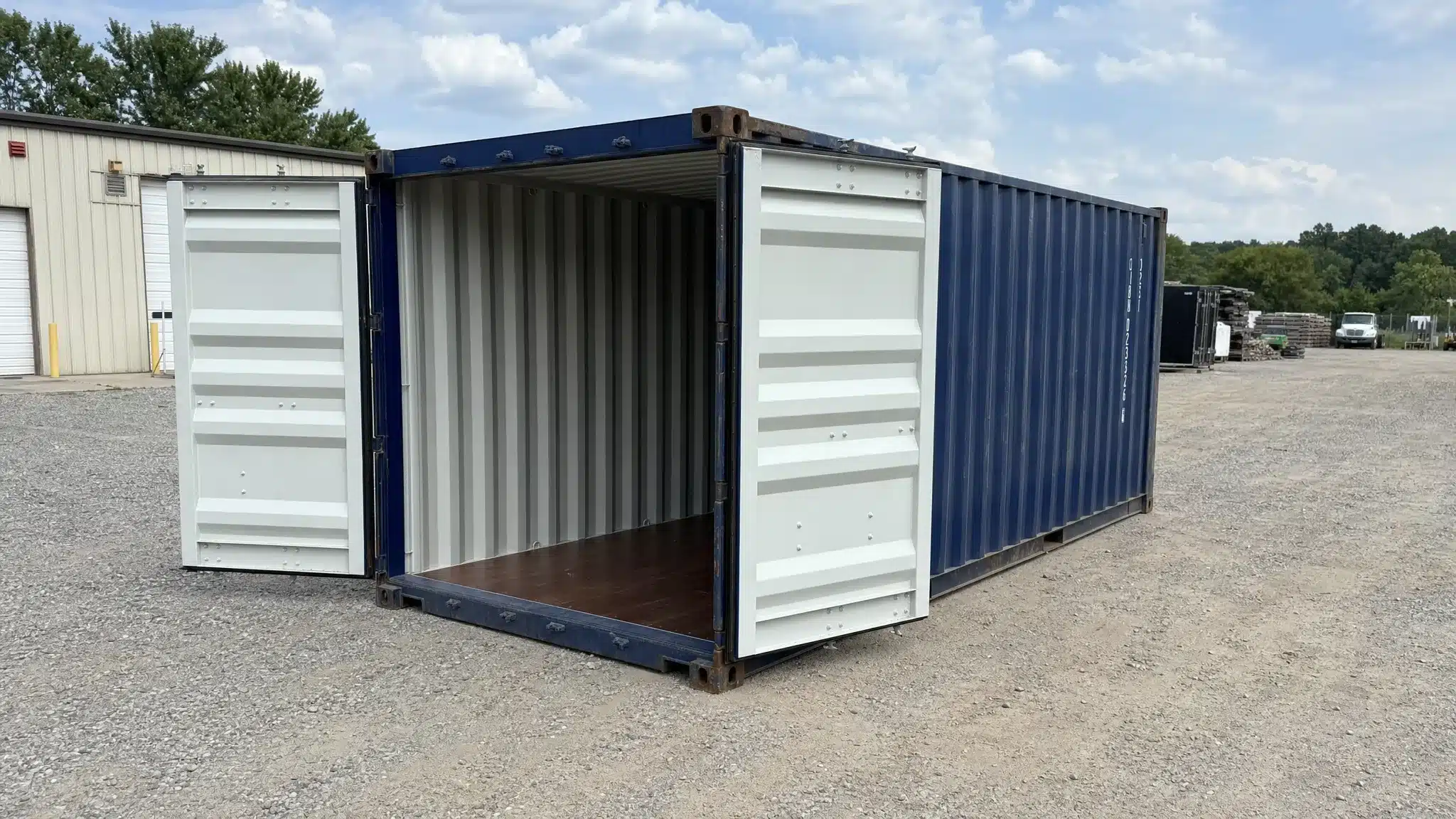
The right used Conex box depends on who is buying and why. A Raleigh home builder may prioritize fast access and tool security, while a logistics manager may need documentation for transport. The table below gives a practical starting point.
| Buyer type | Common need | Recommended comparison focus |
|---|---|---|
| General contractors and home builders | Secure storage for tools, lumber, fixtures, and jobsite materials | WWT or CW condition, door function, delivery timing, jobsite access |
| Small business owners | Inventory overflow, seasonal storage, retail pop-up or mobile office base | Cleaner cosmetics, floor condition, modification potential, size |
| Homeowners and agriculture users | Long-term property storage, feed, equipment, household overflow | WWT grade, roof condition, drainage, lockbox compatibility |
| Real estate developers | Modular construction, temporary sales office, site storage | One-Trip or higher-quality used unit, straight walls, High Cube option |
| Logistics managers | Regional or international freight movement | Cargo Worthy grade, CSC plate status, survey documentation, ISO compatibility |
For most stationary storage buyers in North Carolina, Wind & Watertight is often enough. For freight movement, Cargo Worthy is usually the starting point. For customer-facing projects, One-Trip or a cleaner used container may be easier to modify and present professionally.
Verify documentation and seller transparency
A trustworthy seller should be clear about what is being sold. Used containers vary widely, so transparency protects both the buyer and the seller.
Ask for the container size, grade, approximate age if available, photos of the actual unit or representative inventory, delivery terms, and written confirmation of any guarantee. If a listing claims Cargo Worthy condition, ask what documentation supports that claim. If a listing claims WWT condition, ask whether the unit is guaranteed wind and watertight at delivery.
For shipping use, the container’s CSC plate and inspection status can matter. A CSC plate identifies key manufacturing and safety approval information, but the plate alone does not automatically mean every carrier will accept the unit in its current condition. Requirements can vary by route, carrier, port, and inspection status.
Also check how the seller handles delivery coordination. A local Raleigh team with Southeast delivery experience can help you avoid issues such as poor placement, inaccessible drop areas, or misquoted freight. Lease Lane Containers also supports nationwide delivery, which matters when buyers need consistent container sourcing beyond North Carolina.
Pro-Tip: prepare your site before the truck arrives
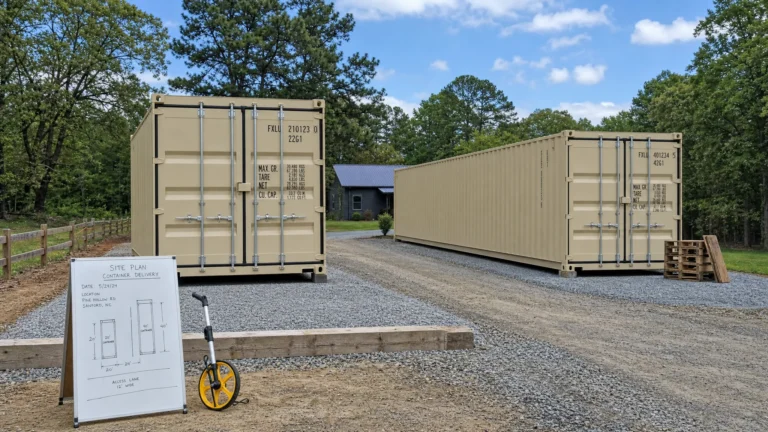
Site preparation is one of the easiest ways to protect your investment. Even a strong ISO container can rack slightly if it is placed on uneven ground, which can make doors harder to operate over time.
For most storage uses, prepare a level, well-drained surface before delivery. A compacted gravel pad is often a practical choice because it helps drainage and reduces settling. Concrete pads can also work well, especially for long-term commercial use. Avoid placing the container directly in low areas where water collects.
Plan for access as carefully as you plan the pad. Delivery trucks need room to enter, turn, unload, and exit. Clear low branches, confirm gate width, mark underground utilities, and identify overhead wires before the delivery date. If the container will sit near a property line, driveway, easement, or public right-of-way, verify local rules first.
Permit requirements vary by city, county, zoning district, duration, and intended use. In Raleigh, Wake County, and surrounding municipalities, temporary construction storage may be treated differently than a permanent structure or modified container office. Always check with your local permitting office or HOA before purchase if placement is long-term, visible from the street, or part of a commercial project.
Watch for common red flags
A used Conex box can be an excellent value, but the market includes listings that are vague, incomplete, or risky. Slow down if you see any of these warning signs.
- No clear grade: A seller should state whether the unit is One-Trip, Cargo Worthy, Wind & Watertight, or As-Is.
- No delivered quote: A low pickup price may not reflect your real cost in Raleigh, the Southeast, or another delivery region.
- Stock photos only: Representative photos can be acceptable, but the seller should explain what condition you can expect.
- Vague leak claims: WWT should mean the unit is guaranteed to keep out wind and water under normal storage use.
- Pressure to pay quickly: Be cautious with sellers who rush payment before confirming grade, delivery, and company details.
- No discussion of site access: Delivery planning is part of a professional container sale.
A good seller will help you match the container to the application, not simply push the cheapest box available.
Frequently Asked Questions
Is a used Conex box the same as a used shipping container? In most buying situations, yes. Conex box is a common term for a steel shipping container used for storage, transport, or modifications. The important comparison points are size, grade, condition, and delivery.
Is Wind & Watertight good enough for jobsite storage? Usually, yes. A WWT container is commonly used for tools, materials, inventory, farm storage, and household storage. It should protect contents from normal wind and rain, but it is not the same as Cargo Worthy certification for freight movement.
Do I need a Cargo Worthy container for international shipping? If the container will move cargo internationally or through intermodal networks, start with a Cargo Worthy unit and confirm documentation requirements with your carrier or freight forwarder. You may also need a current inspection or CSC-related approval depending on the route and carrier.
Should I buy a 20ft or 40ft used Conex box? Choose a 20ft unit when access is tight or storage needs are moderate. Choose a 40ft unit when you need more capacity and have enough room for delivery and placement. Consider a High Cube if extra interior height is important.
Can I place a used Conex box on bare ground? You can, but it is not ideal for long-term use. A level gravel or concrete pad improves drainage, reduces settling, and helps keep the doors aligned. In wet areas of North Carolina and the Southeast, drainage is especially important.
What should I ask before buying from a seller? Ask for the grade, size, photos, delivered price, delivery method, condition guarantee, and any documentation for Cargo Worthy units. Also confirm whether the seller can advise on site preparation and access requirements.
Ready to compare a used Conex box with an expert?
Lease Lane Containers LLC helps buyers in Raleigh, across North Carolina, throughout the Southeast, and nationwide compare used containers by grade, size, condition, and delivered value. If you are looking at a used Conex box for sale and want help choosing between Cargo Worthy, Wind & Watertight, One-Trip, standard, High Cube, or refrigerated options, our team can walk you through the tradeoffs.
Contact the sales team at sales@leaselanecontainers.com or visit the Raleigh office to discuss your site, delivery plan, and the right container for your project.