Container Storage Units for Sale: What Matters Most
Shopping for container storage units for sale can look simple at first. You compare a few photos, ask for a price, and pick the steel box that seems to fit. In practice, the best purchase depends on more than length and price. Grade, door function, floor condition, delivery access, site preparation, and long-term use all determine whether a container becomes a smart investment or an expensive headache.
For contractors in Raleigh, home builders across North Carolina, small businesses in the Southeast, farms, developers, and logistics teams shipping nationwide, the right container should match the job from day one. A container used for jobsite tools has different requirements than a refrigerated unit for food inventory or a Cargo Worthy unit intended for transport.
Here is what matters most before you buy.
Start With the Job the Container Must Do
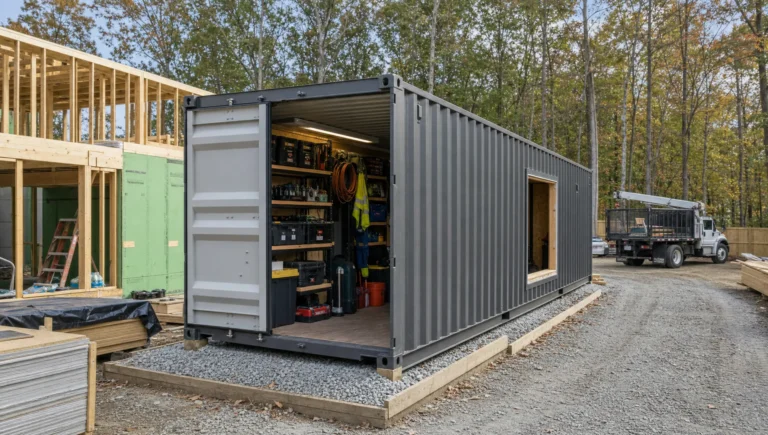
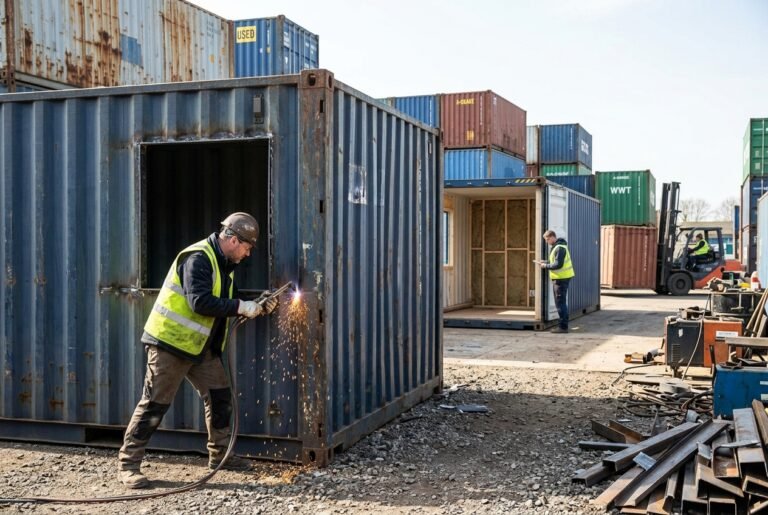
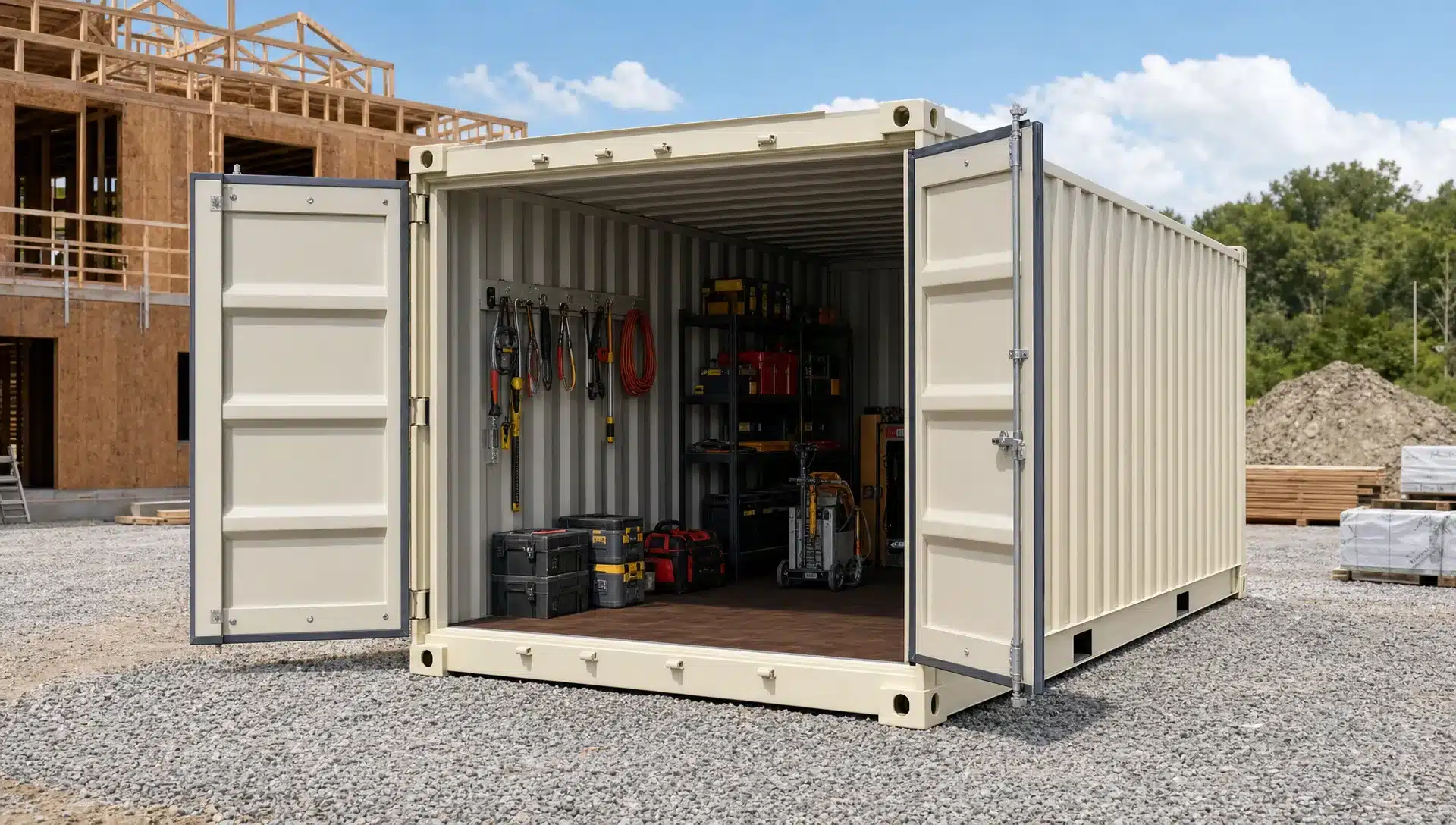
Before comparing units, define the role of the container. A storage container for a residential renovation may only need to keep furniture dry for a few months. A contractor storing power tools on a Raleigh jobsite needs secure doors, a dry interior, and reliable placement close to work areas. A logistics manager may need a unit that can meet transportation requirements, not just sit behind a warehouse.
This use-first approach prevents overbuying and underbuying. One-trip containers cost more than most used units, but they can be worth it for clean inventory, customer-facing use, or modifications. A Wind & Watertight unit may be the best value for basic equipment storage. A Cargo Worthy unit may be necessary if the container will move freight.
| Buyer need | Common container fit | What matters most |
|---|---|---|
| Construction storage | 20ft or 40ft WWT or Cargo Worthy | Door function, lockbox, floor strength, delivery access |
| Retail overflow | One-trip or clean used 20ft or 40ft | Appearance, cleanliness, security, easy access |
| Farm or property storage | WWT used container | Dry interior, ventilation options, level placement |
| Modular office or build-out | One-trip or structurally strong used container | Straight walls, roof condition, modification potential |
| Shipping or transport | Cargo Worthy container | Structural integrity, CSC plate status, ISO compatibility |
| Cold storage | Refrigerated reefer container | Cooling system condition, electrical needs, temperature range |
Size and Configuration Matter More Than You Think
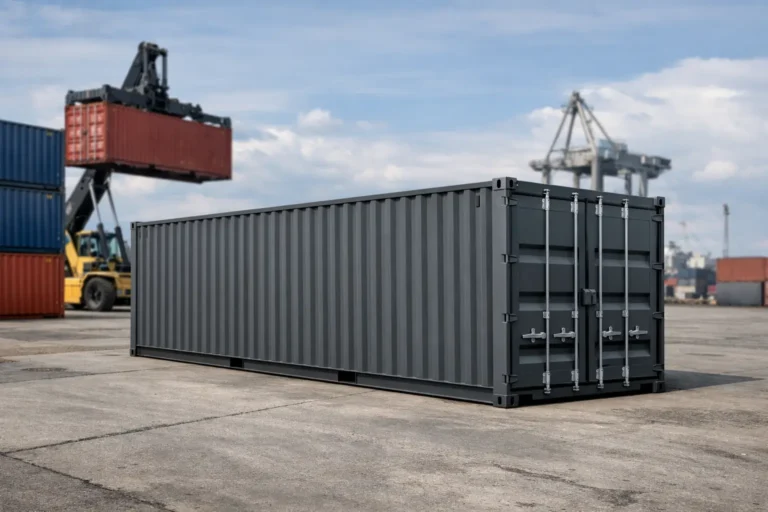
Most buyers start with a 20ft or 40ft unit. Both are built around ISO container standards, which help make shipping containers consistent for transport and handling. ISO 668 defines key classification, dimension, and rating standards for Series 1 freight containers, although exact usable interior dimensions can vary slightly by manufacturer, age, and flooring.
A 20ft container is often easier to place in tight residential areas, smaller commercial lots, and active construction sites. It works well when access is limited or when the stored items need to be close to the work zone. If you are comparing compact options, our guide to choosing a 20 ft storage container for sale covers size, condition, and delivery considerations in more detail.
A 40ft container is better when you need maximum storage per delivery. General contractors, distributors, agricultural operations, and retail businesses often choose 40ft units for lumber, pallets, seasonal inventory, machinery, or bulk materials.
High Cube containers add another important option. A standard container is typically 8ft 6in tall on the exterior, while a High Cube is typically 9ft 6in tall. That extra foot can make a meaningful difference for shelving, taller equipment, ventilation space, or future modifications. If vertical clearance is a priority, the 40ft High Cube size and best uses guide explains when that added height is worth it.
Refrigerated containers, often called reefers, are a separate category. They are designed for temperature-controlled storage and usually require appropriate electrical service. They are commonly used for food, beverage, floral, pharmaceutical, and event operations where temperature consistency matters.
Container Grade Is the Core Buying Decision
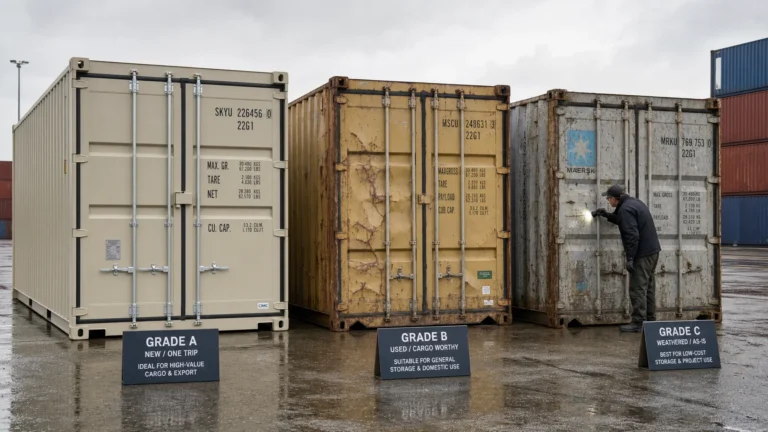
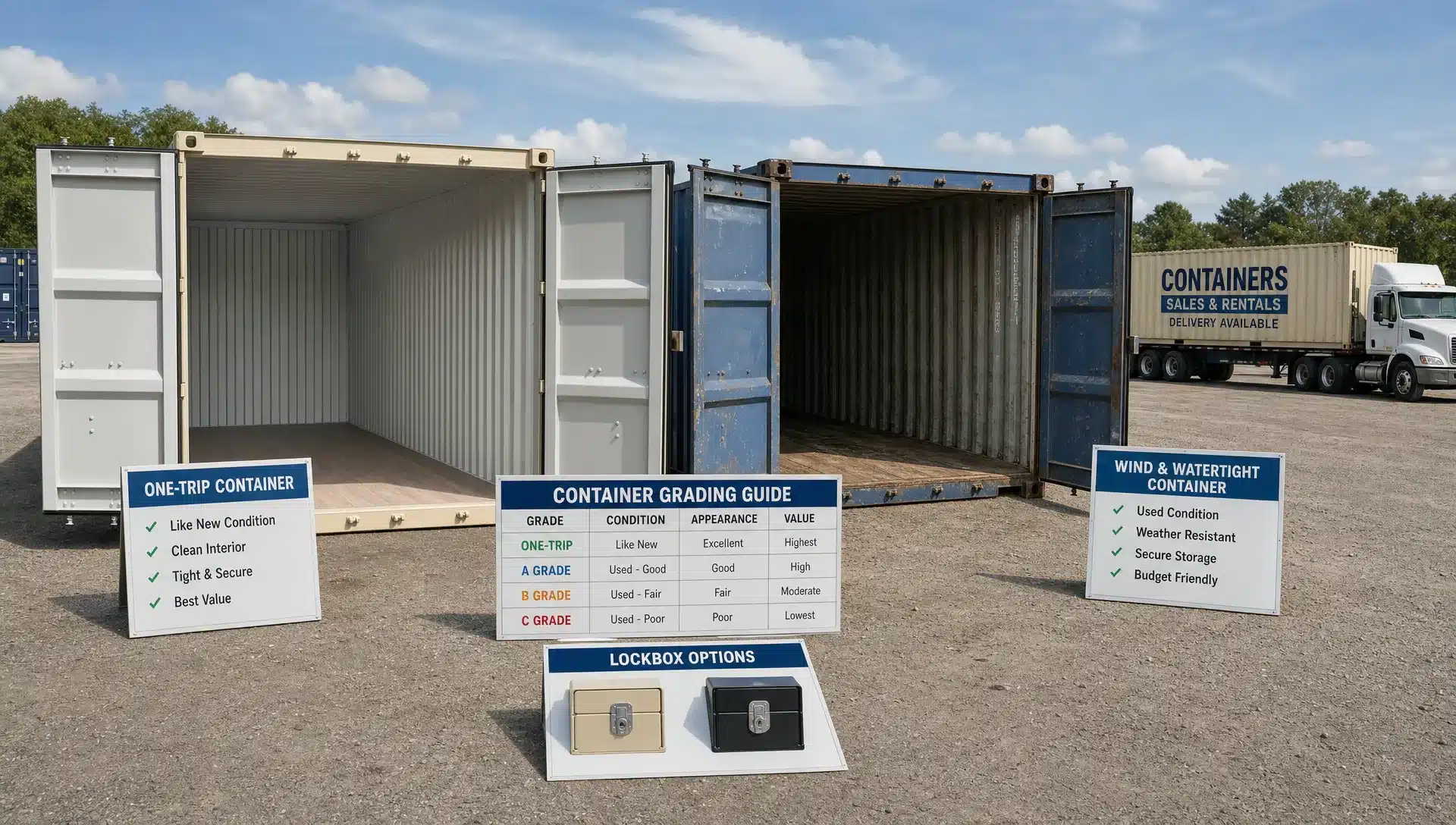
The most important technical factor is grade. A good seller should clearly explain whether a container is One-Trip, Cargo Worthy, Wind & Watertight, or As-Is. These grades are not just labels. They tell you what kind of condition, reliability, and use case you should expect.
One-Trip Containers
A One-Trip container is a new container that has typically made one loaded trip from the manufacturing region before being sold. These units usually have the cleanest floors, best paint, strongest appearance, and least wear. They are often preferred for retail storage, office conversions, modular projects, and buyers who want a long service life with minimal cosmetic issues.
Most shipping containers are built with Corten Steel, a weathering steel designed to resist atmospheric corrosion better than ordinary steel. Corten Steel does not mean a container is rust-proof, but it does help the steel perform well in outdoor environments when properly maintained.
Cargo Worthy Containers
A Cargo Worthy container is a used unit that is structurally suitable for cargo transport when properly inspected and approved. It should have sound corner castings, walls, roof, doors, and flooring. Cargo Worthy is a higher functional standard than basic storage grade because the unit may be used in intermodal transport, subject to inspection requirements and documentation.
Cargo Worthy can be a strong choice for logistics managers, exporters, and buyers who expect to move the container again. It can also be a good storage option when you want a used container with stronger structural assurance than a basic WWT unit.
Wind & Watertight (WWT) Containers
A Wind & Watertight container is a used storage-grade container that should keep out wind and water under normal conditions. It may have dents, patches, surface rust, faded paint, or prior repairs, but it should not have active leaks.
WWT units are popular for contractors, homeowners, farms, and small businesses because they often provide the best value for stationary storage. However, WWT does not mean Cargo Worthy, and it does not guarantee a clean cosmetic appearance. If looks matter, ask for photos and be clear about your expectations.
As-Is Containers
As-Is containers are usually the riskiest option. They may have leaks, damaged floors, hard-to-open doors, rust-through, or structural issues. They can be useful for certain low-value or noncritical applications, but they are usually not the right choice for tools, inventory, household goods, or anything that must stay dry.
| Grade | Typical condition | Best for | Key caution |
|---|---|---|---|
| One-Trip | Newer, clean, minimal wear | Long-term storage, modifications, retail, offices | Higher upfront cost |
| Cargo Worthy | Used but structurally fit for cargo use | Shipping, transport, strong storage applications | Confirm inspection and documentation needs |
| WWT | Used, dry storage condition | Jobsite storage, farms, property storage | Cosmetic wear is common |
| As-Is | Variable, may need repair | Low-value storage or repair projects | May leak or have structural problems |
Inspect Condition, Not Just Photos
Even when a container grade is clear, condition still matters. Two WWT units can look very different. One may have smooth doors and a clean floor. Another may be dry but heavily dented, hard to operate, or rough inside.
Ask for photos of the doors, door gaskets, roof, interior walls, floor, lower rails, and all four sides. The roof is especially important because standing water and dents can create future leak points. Door operation is also critical. A container that technically closes but requires two people and a pry bar will become frustrating quickly.
For used containers, look for daylight showing through the roof or walls, soft spots in the floor, severe corrosion near the bottom rails, and doors that do not seal evenly. If you are comparing local used inventory around Raleigh or elsewhere in North Carolina, our article on how to spot value in used containers for sale near you walks through the details worth checking before you commit.
Delivery Can Change the Real Cost and Feasibility
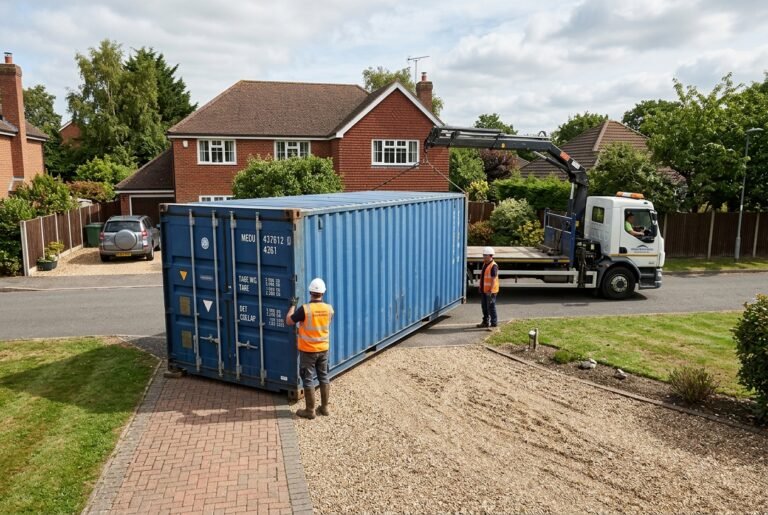
Delivery is where many container purchases succeed or fail. A container may be the perfect size and grade, but if the truck cannot safely reach the drop spot, the site plan needs to change.
Buyers in Raleigh, the Triangle, and the broader Southeast should think about driveway width, overhead branches, utility lines, slope, turning radius, soil conditions, and whether the truck can pull straight out after placement. National buyers should also confirm whether delivery is quoted to the property, to a terminal, or under another freight arrangement.
The most common storage container deliveries require enough straight-line space for the truck and trailer to position the unit. A 40ft container typically requires significantly more approach space than a 20ft unit. Soft ground, steep grades, sharp turns, and low overhead clearance can delay delivery or increase costs.
When you request a quote, share photos or measurements of the drop area. A reputable container seller should help you think through access before the truck arrives.
Pro-Tip: Prepare the Site Before Delivery Day
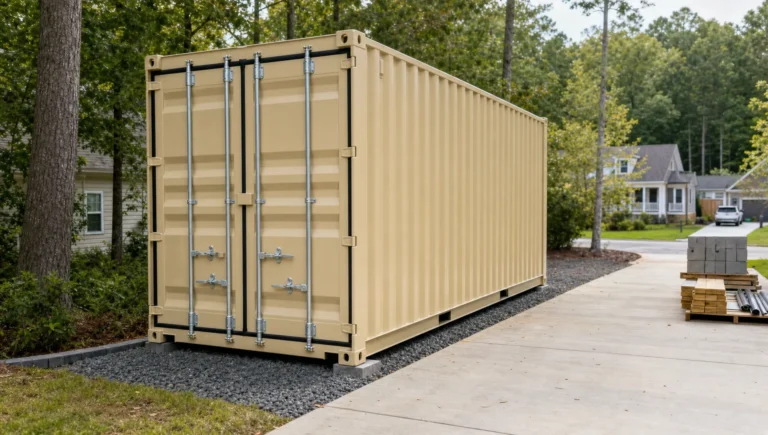
A container should sit level, supported, and slightly elevated from standing water. For most storage uses, a compacted gravel pad is a practical choice because it improves drainage and helps reduce ground contact. Railroad ties, concrete footings, or concrete pads may also work depending on soil, budget, and local requirements.
Avoid placing a container directly on soft dirt if you can. Over time, the unit can settle unevenly, which may make doors harder to open and close. Uneven placement can also create low spots where water collects near the steel frame.
In Raleigh and many North Carolina municipalities, permit rules can depend on zoning, duration, property type, visibility, setbacks, and intended use. HOAs, commercial landlords, industrial parks, and construction sites may have their own rules as well. Before delivery, check local requirements and confirm whether temporary or permanent placement changes your obligations.
Think in Terms of Total Value, Not Lowest Price
The lowest advertised price is not always the lowest total cost. A cheaper container that needs repairs, has delivery surprises, or does not match your storage needs can cost more over time than a better-selected unit.
When comparing container storage units for sale, evaluate the full picture: container grade, age, condition, delivery distance, placement complexity, lockbox needs, ventilation, shelving, repainting, site preparation, and expected service life. For businesses, also consider downtime. If a container arrives late, leaks, or cannot be placed where needed, operations may be disrupted.
One-trip units often win when appearance, cleanliness, and modification potential are important. WWT used containers often win when you need practical storage at a lower cost. Cargo Worthy units make sense when transport readiness or stronger structural condition is important.
Security and Access Are Practical Priorities
A storage container is only useful if it protects what you put inside and remains easy to access. Construction crews need quick entry without sacrificing security. Retail businesses may need organized inventory access. Homeowners may need to store furniture, tools, motorcycles, or seasonal equipment for years.
Look closely at the locking rods, handles, gasket condition, and whether a lockbox is included or can be added. A lockbox helps shield the padlock from bolt cutters. For high-value equipment, consider site lighting, cameras, fencing, and placement where the container doors are visible but not in the way.
Ventilation is another overlooked detail. Standard containers are secure and weather resistant, but temperature swings can create condensation in some environments. In humid areas of North Carolina and the Southeast, ventilation, desiccants, raised shelving, and airflow planning can help protect sensitive materials.
Modifications Should Start With the Right Shell
If you plan to add personnel doors, windows, electrical, HVAC, insulation, shelving, roll-up doors, or office features, start with a container shell that is worth modifying. One-trip containers are often preferred because they are cleaner and straighter. Strong used containers can also work, especially when the budget is more important than cosmetics.
Do not assume every used container is a good candidate for modification. Heavy roof dents, twisted frames, severe rust, or damaged floors can complicate build-outs. If you are planning a mobile office, retail pop-up, workshop, or container cabin, ask about structural condition before buying.
Questions to Ask Before You Buy
A clear seller should be able to answer practical questions without vague promises. Before you commit, ask:
- What grade is the container, One-Trip, Cargo Worthy, WWT, or As-Is?
- Are photos of the actual unit available, or are they representative photos?
- Does the unit have any known leaks, floor damage, roof dents, or door issues?
- Is the container built with ISO-compatible dimensions and corner castings?
- What delivery method will be used, and how much space is required?
- Are delivery fees included in the quote or listed separately?
- What site preparation is recommended for my property?
- If I need shipping use, what documentation or inspection is available?
The answer quality often tells you as much as the price. Transparent grading, clear delivery planning, and practical site advice are signs that you are working with a professional supplier.
Frequently Asked Questions
What is the best grade for basic storage? For many stationary storage needs, a Wind & Watertight container offers strong value because it should keep stored items dry under normal conditions. If appearance, cleanliness, or long-term modification potential matters, a One-Trip container may be a better fit.
Is a Cargo Worthy container better than WWT? Cargo Worthy generally indicates a used container is structurally suitable for cargo transport when properly inspected, while WWT is focused on dry storage. Cargo Worthy is often the better choice if the unit may be shipped or moved in freight service.
Should I buy a 20ft or 40ft storage container? Choose a 20ft container when space is tight, access is limited, or you need compact jobsite storage. Choose a 40ft container when you need more storage volume and have enough room for delivery and placement.
Do shipping containers need a foundation? They do not always need a full concrete foundation, but they should sit level and drain well. A compacted gravel pad, concrete supports, or other stable base can help prevent settling and door alignment problems.
Do I need a permit for a shipping container in Raleigh? Permit requirements vary by property type, zoning, duration, and intended use. Before delivery in Raleigh or elsewhere in North Carolina, check with the local permitting office, HOA, landlord, or site manager.
Ready to Compare Container Storage Units for Sale?
The right container is the one that fits your use case, grade requirements, site conditions, and delivery plan. Lease Lane Containers LLC helps buyers in Raleigh, across North Carolina, throughout the Southeast, and nationwide compare new One-Trip units, used WWT containers, Cargo Worthy options, High Cube units, reefers, trailers, and custom modular solutions with clear grading and practical delivery guidance.
To discuss container storage units for sale, contact the Lease Lane Containers sales team at sales@leaselanecontainers.com or visit our Raleigh office to talk through the best fit for your property, project, or operation.