Shipping Container Prices Explained
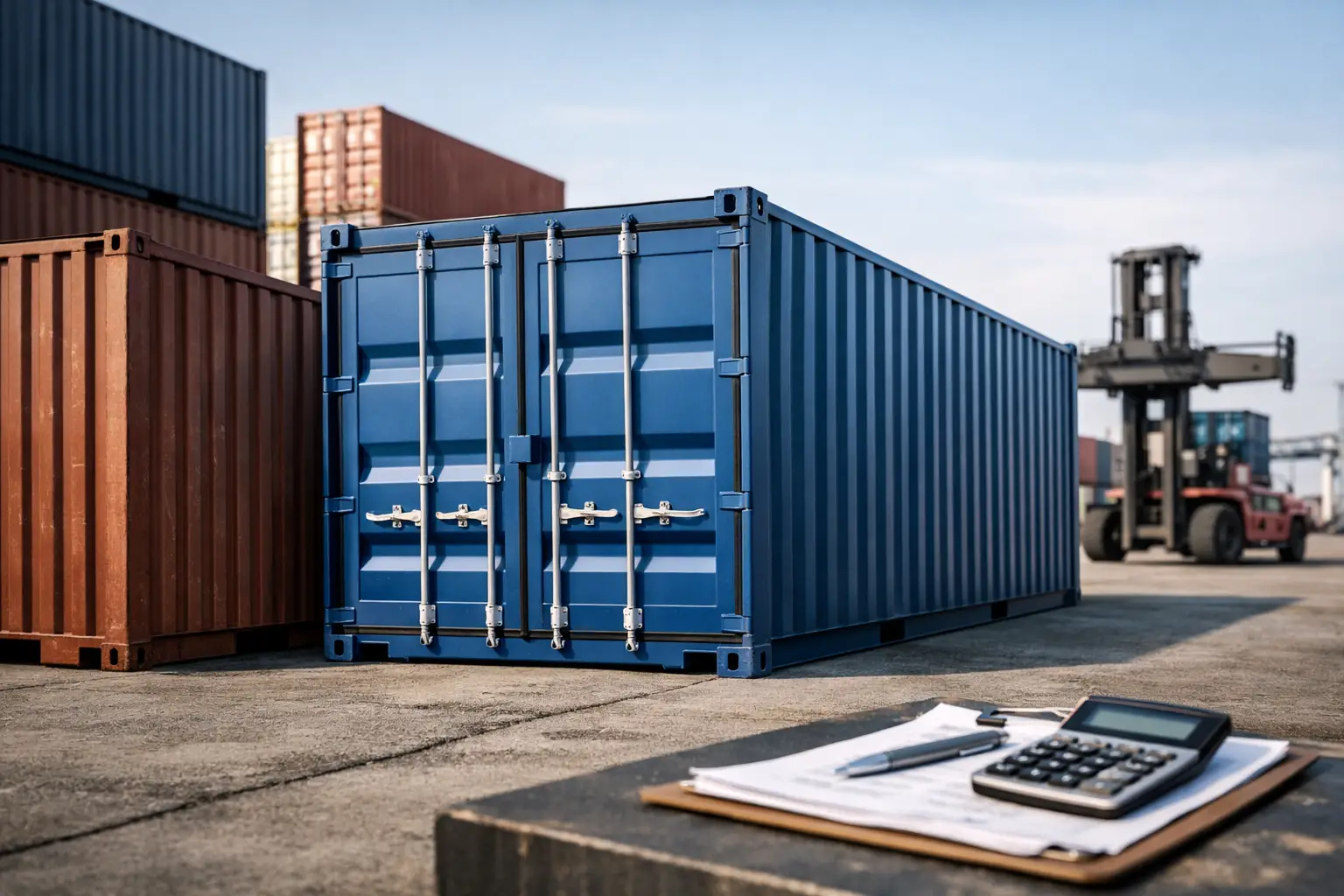
A 20-foot container quoted at one price can end up costing far more by delivery day if the grade is vague, the drop site is tight, or the seller leaves out logistics. That is why shipping container prices need to be looked at as a full project cost, not just a base unit price.
For contractors, growers, business owners, and homeowners, the goal is usually the same: get a structurally sound container delivered when promised, with no surprises on condition or access. The price matters, but the reason behind the price matters just as much.
What affects shipping container prices?
The biggest driver is condition. A new one-trip container typically costs more than a used unit because it has made only a single loaded trip after manufacture, usually has cleaner exterior panels, straighter corrugation, and a longer service life for appearance-sensitive projects. A used container can save money up front, but its value depends on grade, remaining lifespan, and how much cosmetic wear you are willing to accept.
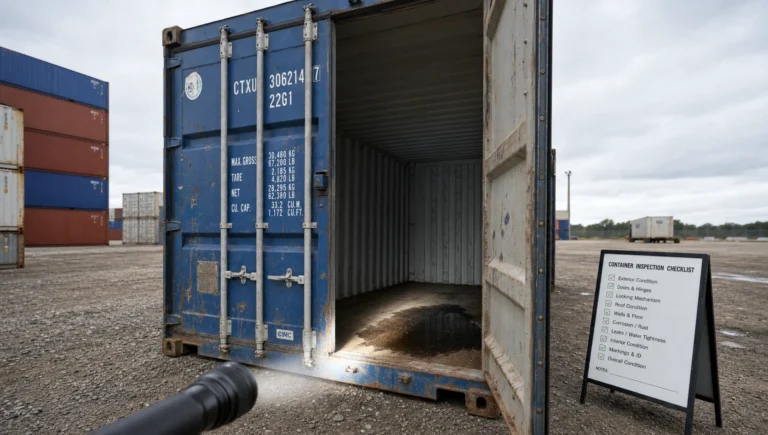
Grade terms matter here. Wind and Watertight, often shortened to WWT, generally means the container keeps out wind and water and the doors operate, but it may still show patches, dents, surface rust, and a rougher floor. Cargo Worthy usually means the container meets a higher standard for structural integrity and may be suitable for continued transport use, though inspection details can vary. If a quote does not clearly state the grade, the lower price may not be a better deal.
Size is the next major factor. A 40-foot container usually costs more than a 20-foot unit because there is more steel, more cubic capacity, and greater demand for full-length storage. A 45-foot container can be priced even higher, particularly in markets where supply is limited. High-cube containers also command a premium because that extra foot of height adds useful volume for shelving, oversized equipment, or conversion projects.
Container type changes pricing quickly. Standard dry vans are the most common and usually the most straightforward to source. Refrigerated containers, open-top units, and tunnel containers cost more because they are more specialized. Reefers are a good example. Even if the refrigeration machinery is not your priority, you are still paying for a more complex box with insulated walls, specialized flooring, and electrical components.
Typical price ranges by container type
Exact numbers move with market conditions, but practical budgeting starts with broad ranges. In many US markets, a used 20-foot standard container may fall somewhere around the low-to-mid thousands, while a one-trip 20-foot can run notably higher. A used 40-foot standard container often starts higher than a 20-foot and rises based on grade and regional availability. One-trip 40-foot high-cube containers usually sit near the top of the standard storage market because they combine strong condition with maximum everyday utility.
Specialty units can step outside those ranges fast. Reefers may cost several thousand dollars more than a comparable dry container. Open-top and tunnel containers also tend to carry a premium because they serve narrower use cases and are less common in yard inventory.
Those ranges are useful for planning, but they are not a replacement for a real quote. Shipping container prices in the Southeast can differ from prices in the Midwest or on the West Coast because repositioning inventory is part of the equation. Local supply, port activity, fuel costs, and trucking demand all influence what a buyer will actually pay.
Why delivery can change the real cost
Many first-time buyers focus on the unit and underestimate the delivery. In practice, logistics can be the difference between a straightforward purchase and an expensive problem.
Distance from the depot affects trucking cost, but site conditions matter just as much. A standard tilt-bed delivery needs enough room for the truck to maneuver and enough clear length to slide the container off safely. A ground-level drop can be ideal for job sites and residential properties, but it requires proper overhead and side clearance. Low branches, soft ground, narrow gates, septic fields, and steep grades can all complicate delivery.
If a seller gives a low base price without asking detailed site questions, there is a good chance the final invoice changes later. Clear pricing starts with access verification. Buyers should expect questions about gate width, turn radius, surface condition, and intended placement direction. That is not sales friction. It is how hidden fees get avoided.
New, used, or refurbished?
The right choice depends on how the container will be used.
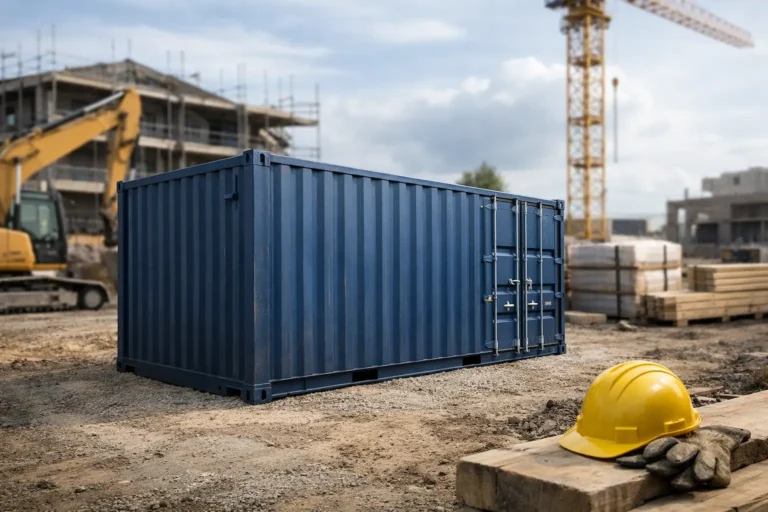
For construction storage, used WWT or Cargo Worthy containers often make sense. If the job site needs secure storage for tools, copper, electrical materials, or rented equipment, structural reliability and door function matter more than cosmetic perfection. A clean one-trip unit may still be worth the premium if the container will move from project to project for years, but many contractors do well with a verified used unit.
For agricultural use, the decision often comes down to exposure and longevity. On rural properties, containers may sit in place for a long time and protect feed, machinery parts, seed, and supplies through changing weather. A buyer who wants lower upfront cost may choose used, but should pay attention to floor condition, door seals, and roof integrity.
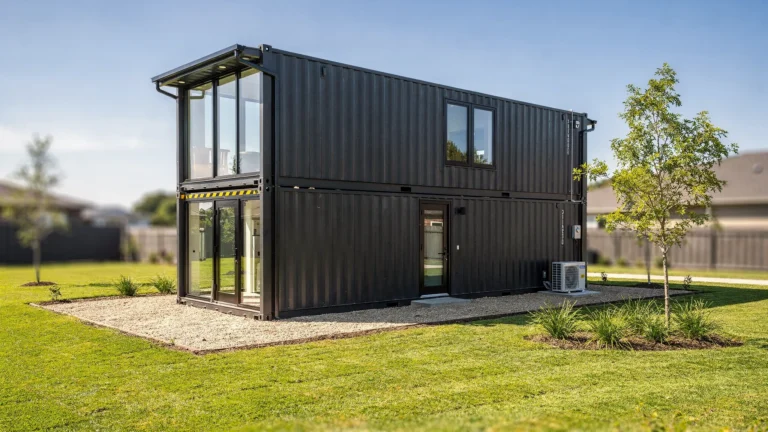
For homeowner storage, workshops, or office conversions, refurbished and one-trip containers can be worth the extra cost because appearance becomes part of the decision. A refurbished unit may offer a cleaner look and fresh paint, but buyers should still ask what was actually refurbished. Paint alone is not the same as verified structural work.
How to compare quotes without missing hidden costs
A useful quote should tell you more than the unit size and a dollar amount. It should identify whether the container is standard or high-cube, list the condition grade, explain delivery method, and outline any assumptions about site access.
It should also clarify whether the floor is marine-grade plywood, whether repairs or patches are present, and whether the doors and locking gear are fully operational. If a container is described only as “used” or “good condition,” the quote is incomplete. Those terms are too broad to support a high-ticket purchase.
For appearance-sensitive projects, ask whether the container color is guaranteed or based on current inventory. For business use, ask whether exterior dents are purely cosmetic or if they affect door alignment or interior clearance. For modification projects, ask whether the roof, corner castings, and frame rails are straight enough for fabrication plans.
A reliable seller should be able to explain why one unit costs more than another in plain language. At Lease Lane Containers, that kind of transparency is part of how buyers avoid paying twice – once for the container and again for preventable delivery or repair issues.
When the lowest shipping container prices are not the best value
A cheap container can become expensive if it arrives with severe floor wear, hard-to-operate doors, or a delivery setup that does not match the site. The same is true when buyers select a smaller unit to save money, then outgrow it within months and have to add another container.
The better question is not always, “What is the cheapest box available?” It is, “What container will do the job reliably for the next five to ten years?” On a busy job site or working farm, downtime, theft exposure, and replacement costs usually outweigh a modest difference in purchase price.
That is also why one-trip containers remain popular despite higher upfront cost. They are not right for every budget, but for secure long-term storage, customer-facing retail use, or container conversions, their cleaner condition can reduce maintenance and improve results.
A smarter way to budget for container cost
If you are planning a purchase, start with the use case, not the headline price. Decide whether the container is for raw storage, finished appearance, transport compliance, or a future build-out. Then match the grade and type to that purpose.
From there, budget for the full package: container, delivery, site prep, and any accessories like lock boxes, shelving, vents, or doors cut in after delivery. For many buyers, the smartest move is to spend slightly more on the right grade and delivery plan rather than chase the lowest number on paper.
Shipping container prices will always vary with inventory, region, and logistics. What should not vary is the quality of the information behind the quote. If the specifications are clear, the grading is honest, and the delivery plan is verified, you are much more likely to end up with a container that fits the site, protects your assets, and does exactly what you bought it to do.