How to Vet a Shipping Container Company in Raleigh, NC
Choosing a shipping container is often a straightforward decision, until it is not. A container that looks fine online can arrive with door issues, hidden floor damage, or delivery constraints that cost you time and money on day one. If you are buying in Raleigh (or anywhere in the Southeast), vetting the company matters as much as picking a 20ft vs 40ft.
This guide walks you through how to evaluate a shipping container company in Raleigh, NC using the same criteria contractors, logistics teams, and experienced buyers use: grade definitions, ISO standards, inspection evidence, delivery planning, and pricing clarity.
1) Verify the company is real, local, and accountable
Start with basic due diligence. Reputable dealers are happy to confirm who they are, where inventory is staged, and how they handle delivery coordination.
What to check (and why it matters)
- Physical presence and service area: A Raleigh address and a team that understands local access constraints (tight subdivisions, construction sites, rural driveways) is a strong sign. Even if the company delivers nationwide, local operational knowledge reduces delivery-day surprises.
- Business identity: Confirm the legal business name matches invoices, quotes, and payment instructions. Be cautious with mismatched names or last-minute payment destination changes.
- Track record: Look for reviews that mention the specific things that can go wrong with containers: grade accuracy (WWT vs CW), delivery success, responsiveness, and post-delivery support.
If you are comparing multiple providers, ask each one the same two questions:
- Where is the container currently located, and can you provide current photos of that exact unit?
- Who handles delivery scheduling, and what information do you need from me to confirm my site is accessible?
2) Make sure they define container grades correctly (One-Trip vs CW vs WWT)
A trustworthy shipping container company should explain grades in plain language, and also use industry terms accurately. If a seller is vague about grades, you are buying a description, not a container.
The three most common grades you will see
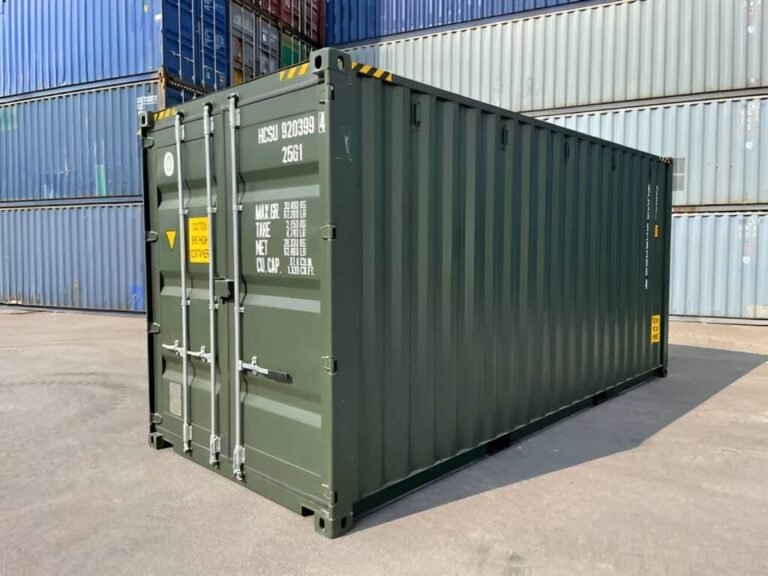
- One-Trip (New): These are typically containers that have made one loaded trip (often from the factory overseas to the U.S.). They are usually the best choice when appearance matters, when you want maximum remaining service life, or when you plan to modify the unit (office build-out, doors, windows). One-trip containers are commonly built from Corten steel (weathering steel used for many ISO containers).
- Cargo Worthy (CW): A CW container is generally suitable for transport and shipping use. CW is often associated with meeting functional requirements for moving cargo (buyers may also ask about CSC related documentation depending on use case). If you are a logistics manager or you may export, CW is a common baseline.
- Wind & Watertight (WWT): WWT typically means the container keeps wind and rain out when closed, making it a popular option for jobsite storage, farms, and homeowners. WWT does not automatically mean it is ideal for international shipping.
To keep the comparison simple, here is a practical reference you can use when vetting quotes.
| Grade | Best for | Typical expectations | Ask the seller to confirm |
|---|---|---|---|
| One-Trip (New) | Long-term ownership, visible placements, modifications | Clean appearance, minimal wear, smoother doors | Build type, condition photos, any factory lockbox, exact dimensions (Standard vs High Cube) |
| Cargo Worthy (CW) | Shipping or transport use, export-adjacent needs | Structurally sound, functional doors, suitable for cargo movement | Whether it is intended for shipping use, condition of corner castings, door operation |
| Wind & Watertight (WWT) | On-site storage, construction, agriculture | No active leaks, doors seal properly, solid floor | How leaks are checked, floor condition, door gasket condition |
Confirm ISO dimensions and “High Cube” details
A competent dealer should be comfortable discussing ISO container standards and common dimensions.
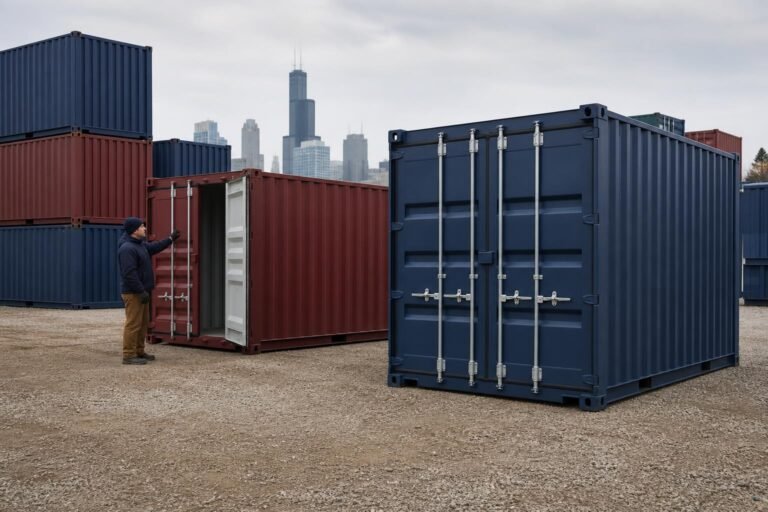
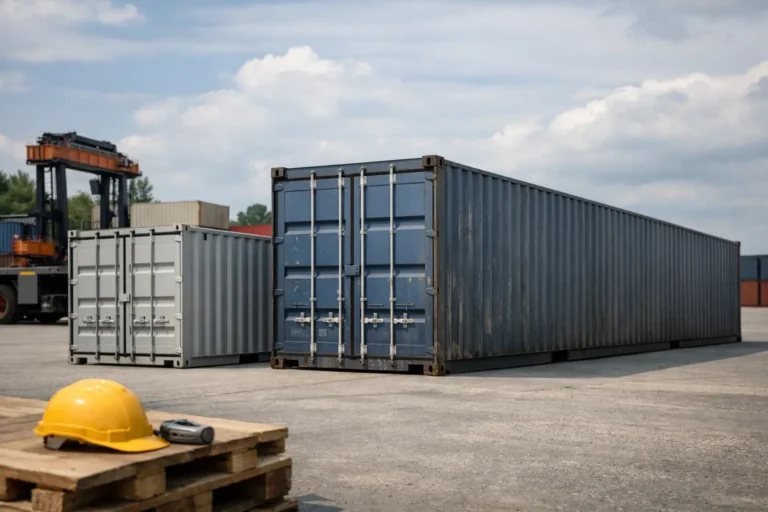
- Standard 20ft and 40ft containers are the most common.
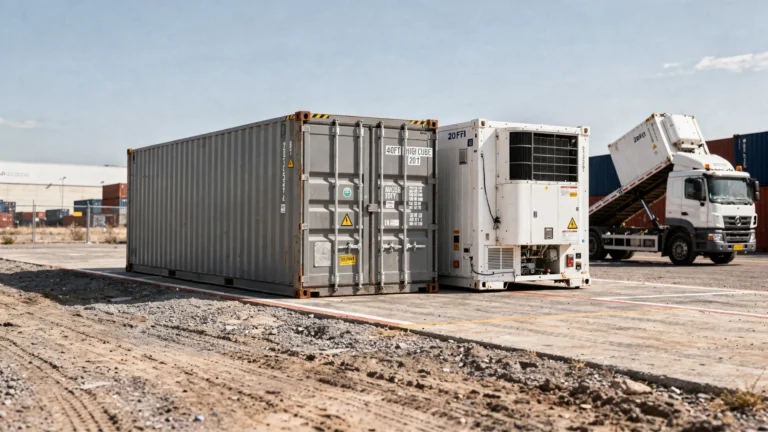
- High Cube containers are taller than standard (commonly used when you want extra interior height for storage, workshops, or conversions).
When you are ready to compare sizes, a reputable company should point you to current inventory and talk through tradeoffs.
- For availability and common use cases, review current options for 20ft containers and 40ft containers (filter by size and condition).
3) Require evidence: photos, a checklist, and transparent grading
If a seller cannot show you what you are buying, you are taking on unnecessary risk.
What “good” looks like
At a minimum, ask for recent photos of the exact unit (not stock photos), including:
- All four exterior sides
- Close-ups of corner castings and any dents
- Roofline shots (or an elevated roof photo if available)
- Door gasket area and locking bars
- Interior walls and ceiling
- Floor close-ups, especially at the rear and near the door
If you are buying used, ask for a quick walk-through video. It is one of the easiest ways to confirm door operation and interior condition.

A fast inspection checklist you can use when comparing companies
Use these questions to evaluate both the container and the seller’s honesty:
- Doors: Do they open and close smoothly? Do locking bars align? Are cam keepers intact?
- Seals: Are door gaskets continuous and pliable, or brittle and missing sections?
- Roof: Any visible dents on top (especially deep “ponding” dents that can hold water)?
- Walls: Any perforation rust (holes) or structural buckling?
- Floor: Soft spots, delamination, heavy staining, chemical odors?
- Odor and residues: Any strong chemical smell, visible spills, or signs of prior contamination?
A credible company will also explain what “acceptable wear” means for each grade. For example, a WWT container can have cosmetic dents and still be a great storage unit, but the doors must seal and the roof must not leak.
4) Evaluate delivery capability in Raleigh (and across the Southeast)
Delivery is where many container purchases go wrong. The best shipping container companies do not treat delivery as an afterthought. They ask detailed questions up front, and they explain the difference between delivery methods.
Delivery methods you should hear explained clearly
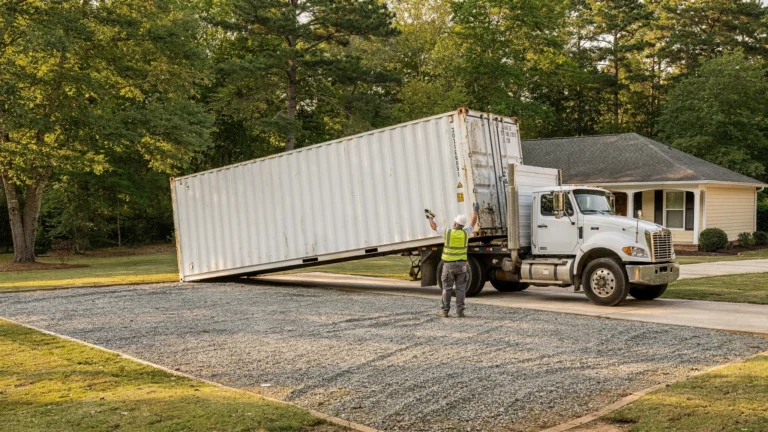
- Tilt-bed (roll-off) delivery: Common for placing containers at homes, farms, and jobsites. The truck needs room to maneuver, and it needs adequate overhead clearance.
- Chassis (container on trailer) delivery: Often used when the site can unload with equipment, or when working with specific logistics constraints.
Even if you do not need the full logistics detail, the company should ask about:
- Driveway width, grade, and turning radius
- Soft ground conditions after rain (common in parts of North Carolina)
- Tree branches and overhead lines
- Gate access and HOA restrictions
If a dealer does not ask these questions, you may become the delivery planner by default.
Pro-Tip: Prep your drop spot like a contractor (even if you are a homeowner)
Site preparation is the easiest way to avoid delivery failure and long-term container problems like racking (twisting) that can make doors stick.
- Start with level: Your container should sit on a level base. Out-of-level placement can cause door misalignment.
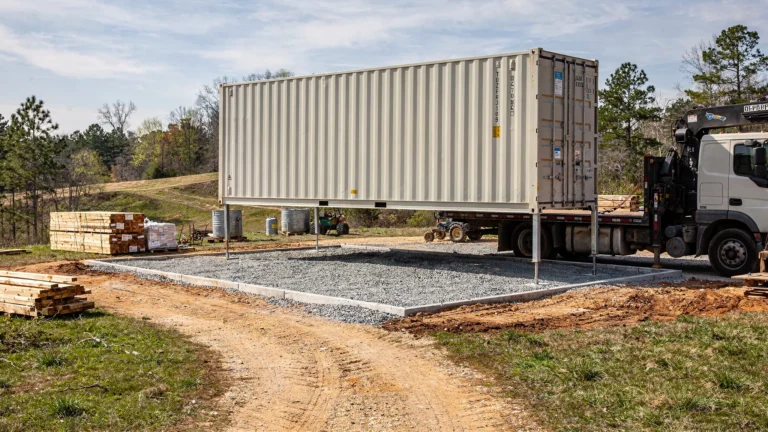
- Use a gravel pad when possible: A compacted gravel pad improves drainage and helps prevent sinking, especially after heavy rain.
- Support the corners: Many buyers use concrete blocks or footings at the corners to reduce ground contact and improve airflow under the unit.
- Think about permits and setbacks: In Raleigh and surrounding jurisdictions, rules can vary by zoning, placement duration, and whether the container is considered a structure. When in doubt, confirm with your local planning department before delivery.
A company that routinely delivers around Raleigh should be able to review photos of your site and advise on access and placement.
5) Demand clear pricing and “all-in” delivery expectations
A professional quote is itemized and easy to understand. Vague quotes often lead to surprise charges.
Ask whether pricing includes:
- Container cost by grade (One-Trip vs CW vs WWT)
- Delivery to your address (and what assumptions it is based on)
- Any fuel, distance, or access surcharges
- Any special placement requests (tight access, long driveway, difficult drop)
For used inventory in particular, pricing should correlate to grade and condition. If you are shopping for value, compare used containers by grade and photos, not just by the headline price.
6) Understand what “quality” means for shipping containers (materials and standards)
Most ISO shipping containers are built using weathering steel commonly referred to as Corten steel, designed for harsh marine environments and long service life. A good seller will explain that the container’s durability comes from a combination of material and structure:
- Steel panels and frame
- Corner castings used for lifting and stacking
- Weld integrity
- Door hardware and gasket condition
If you want to go deeper on safety and shipping-related requirements, you will hear references to international frameworks like the Convention for Safe Containers (CSC), administered through the International Maritime Organization (IMO). Not every buyer needs CSC-related documentation, but a company selling CW units should be able to discuss what the grade is intended to support.
7) Compare support: the best companies help you choose, not just pay
In Raleigh, buyers range from custom home builders who need secure tool storage to small businesses creating pop-ups, and each use case changes what “best container” means.
A strong dealer will ask about your intended use and recommend accordingly:
- Construction storage: WWT is often a smart cost-performance choice.
- Retail, office, or customer-facing: One-trip is commonly preferred for appearance and modification potential.
- Shipping and logistics: CW is usually the starting point.
- Space constraints: 20ft containers can fit more properties easily, while 40ft containers maximize storage per dollar if you have room.
If the company cannot explain these tradeoffs, you are likely not getting expert guidance.
8) Red flags when vetting a shipping container company
Not every bad experience comes from a bad container. Many come from misrepresentation, unclear grading, or poor delivery planning.
Watch for:
- Stock photos only, or refusal to provide current photos of the actual unit
- Grade labels that sound invented, or definitions that change mid-conversation
- “Cheapest in Raleigh” claims with no condition proof
- Pressure to pay quickly via unusual payment methods
- No questions about site access, overhead clearance, or ground conditions
A reputable seller welcomes your questions because informed buyers have fewer problems.
Frequently Asked Questions
How do I know I am getting a One-Trip container and not just a clean used unit? Ask for the unit’s condition documentation and current photos, including close-ups of door hardware, corner castings, and interior. One-trip containers typically show minimal wear and cleaner interiors compared to used grades.
What is the difference between Cargo Worthy (CW) and Wind & Watertight (WWT)? WWT generally focuses on keeping out wind and rain for storage. CW is generally intended for cargo movement and shipping-related use. If you may ship or export, ask specifically whether the unit is being sold for that purpose.
Do I need a High Cube container? High Cube is useful when you want more interior height for storage, shelving, workshops, or conversions. If you are placing the container near trees or power lines, confirm overhead clearance before choosing taller equipment.
Can a shipping container be delivered to a residential driveway in Raleigh? Often yes, but it depends on turning radius, slope, surface strength, and overhead clearance. A good company will ask for site photos and recommend tilt-bed vs chassis delivery.
Should I put a container on gravel or concrete? Either can work. Compacted gravel is a common, cost-effective base for drainage and leveling. Concrete can be ideal for permanent placements. In both cases, prioritize level support, especially at the corners.

Talk to a Raleigh team that will answer the hard questions
If you want transparent grading (One-Trip vs Cargo Worthy vs WWT), clear pricing, and delivery guidance from a local team, contact Lease Lane Containers LLC. Email sales@leaselanecontainers.com to discuss your project, or visit the Raleigh, NC office to talk through sizing, site prep, and nationwide delivery options.
7 Comments