Best 40ft shipping container in Miami, Florida | 2026 Guide
Table of Contents
- Table of Contents
- Miami 40ft Shipping Container Quick Facts
- 40ft Shipping Container in Miami: What You Need to Know
- Top 40ft Shipping Container Options in Miami
- Budget-Friendly: Wind and Watertight Grade
- Mid-Range: Cargo Worthy Grade
- Premium: One-Trip Containers
- How to Choose the Right 40ft Shipping Container in Miami
- Define Your Use Case First
- Verify the Supplier’s Grading Standards
- Check Florida Licensing and Permit Requirements
- Plan Your Delivery Access
- Ask the Right Questions
- Miami 40ft Shipping Container Market in 2026
- Miami 40ft Shipping Container FAQ
- How much does a 40ft shipping container cost in Miami?
- Do I need a permit to place a shipping container on my property in Miami?
- How long does delivery take?
- Can a 40ft container fit in a residential driveway?
- What should I look for when inspecting a used 40ft container?
- Is a high cube container worth the extra cost?
- Get 40ft Shipping Container in Miami Today
- Final Checklist
Table of Contents
- Miami 40ft Shipping Container Quick Facts
- 40ft Shipping Container in Miami: What You Need to Know
- Top 40ft Shipping Container Options in Miami
- How to Choose the Right 40ft Shipping Container in Miami
- Miami 40ft Shipping Container Market in 2026
- Miami 40ft Shipping Container FAQ
- Get 40ft Shipping Container in Miami Today
- Final Checklist
Miami’s commercial and residential growth shows no signs of slowing, and the demand for large-format storage and staging solutions has followed right behind it. Whether you’re a contractor managing materials across multiple job sites in Doral, a small business owner storing inventory near the port, or a homeowner in Homestead looking for serious on-site storage, a 40ft shipping container is one of the most practical investments you can make. The sheer interior volume, roughly 2,390 cubic feet, handles everything from furniture and equipment to palletized goods and building materials. But finding the right container at the right price in South Florida requires more than a quick internet search. Pricing, condition, delivery logistics, and local permitting all vary significantly depending on where you buy and who you work with. This 2026 guide breaks down exactly what Miami buyers need to know: real pricing tiers, condition grades, delivery requirements, and the questions worth asking before you commit. Companies like Lease Lane Containers offer practical buying guidance and nationwide delivery, including to South Florida, which gives Miami buyers access to competitive pricing beyond just the local port resellers. The goal here is simple: help you make a confident, informed purchase without overpaying or ending up with a container that doesn’t fit your site or your needs.
Miami 40ft Shipping Container Quick Facts
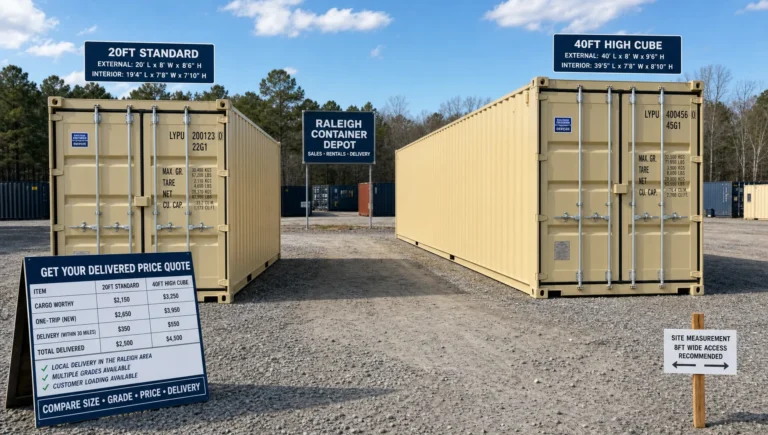
A 40ft shipping container measures 40 feet long by 8 feet wide by 8 feet 6 inches tall (or 9 feet 6 inches for a high cube shipping container). That translates to roughly 2,390 cubic feet of interior space in a standard unit and about 2,700 cubic feet in a high cube. The empty weight sits around 3,700 to 4,000 kg depending on the build.
Pricing in Miami for 2026 falls into predictable ranges. Budget-tier used shipping containers in wind and watertight condition run between $2,200 and $3,500. Mid-range cargo worthy units typically land between $3,500 and $5,500. One-trip containers, which are essentially new with only a single overseas voyage, range from $5,500 to $8,500 depending on availability and features.
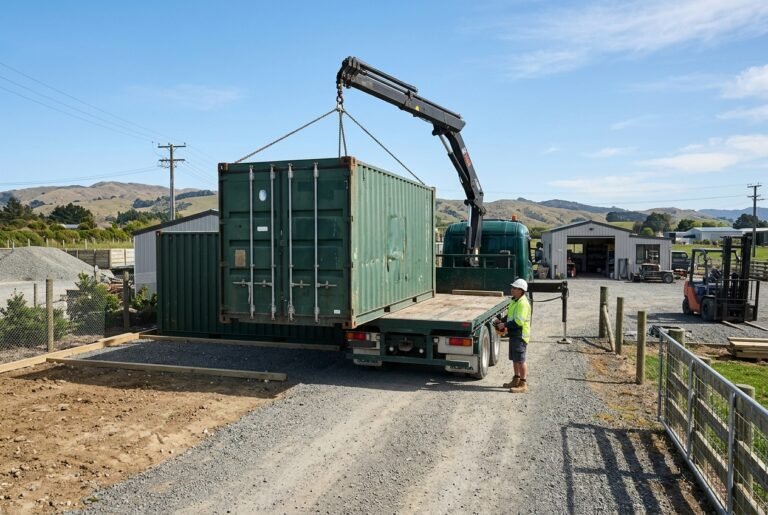
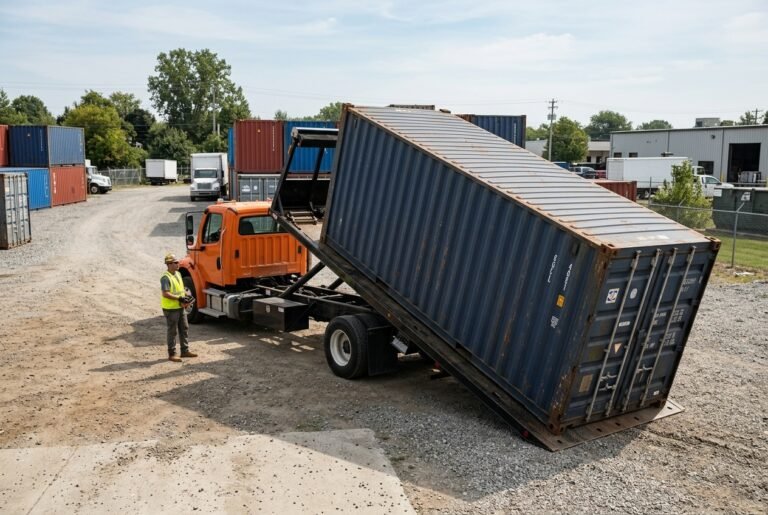
Delivery timelines in the Miami metro area generally run 5 to 14 business days from order confirmation, depending on inventory location and site readiness. Delivery itself requires a minimum of 100 feet of straight-line access for a tilt-bed truck, plus overhead clearance of at least 14 feet. Many Miami neighborhoods, particularly in older sections of Little Havana, Coconut Grove, and parts of Miami Beach, have tight streets and overhead utility lines that complicate placement.
What makes local providers stand out is their familiarity with Miami-Dade County’s permitting requirements and the specific challenges of delivering to flood zone properties. The best suppliers will walk you through site prep, zoning, and delivery logistics before you spend a dollar.
40ft Shipping Container in Miami: What You Need to Know
Miami sits at the crossroads of international trade and rapid urban development, which creates a unique container market. PortMiami is one of the busiest cargo ports in the country, and that proximity means a steady flow of used shipping containers cycling out of service. This supply keeps prices competitive compared to inland cities, but it also means buyers need to be more careful about condition. Containers coming off international routes through tropical waters often show more corrosion than those used on Pacific or North Atlantic lanes.
The services available to Miami buyers span the full spectrum. You can purchase containers outright for permanent storage, rent them for short-term construction staging, or buy modified units set up as container offices, workshops, or retail spaces. The modification market in South Florida has grown substantially, driven by Miami’s food truck culture, pop-up retail scene, and the construction boom stretching from Brickell to North Miami Beach.
Location matters more than most buyers realize. A 40ft container destined for a job site in Hialeah faces different delivery challenges than one going to a rural property in Redland or a commercial lot near Miami International Airport. Street width, overhead clearance, ground conditions, and HOA restrictions all vary by neighborhood. Properties in flood zones, which cover large portions of Miami-Dade County, may require the container to be elevated on concrete piers or a raised gravel pad to meet local building code requirements.
Buyers working with companies that offer container delivery planning support can avoid costly mistakes. The difference between a smooth drop and a failed delivery often comes down to whether someone measured the turning radius and checked for low-hanging power lines before the truck arrived.
Top 40ft Shipping Container Options in Miami
Budget-Friendly: Wind and Watertight Grade
Wind and watertight containers are the most affordable option, typically priced between $2,200 and $3,500 in the Miami market. These units have cosmetic wear: surface rust, dents, faded paint, and possibly patched floor sections. They’re structurally sound enough to keep rain and wind out, but they won’t pass an intermodal shipping inspection.
This tier works well for on-site storage of non-sensitive materials, agricultural equipment storage on properties south of Homestead, or temporary staging during construction projects. If you’re storing power tools, lumber, or landscaping equipment and don’t need the container to look presentable, this is where your dollar stretches furthest.
The trade-off is clear: you’re accepting cosmetic imperfections and potentially shorter remaining lifespan. Inspect the door seals, floor integrity, and corner posts carefully, or ask your supplier for detailed photos and a condition report.
Mid-Range: Cargo Worthy Grade
Cargo worthy containers fall between $3,500 and $5,500 and represent the sweet spot for most Miami buyers. These units have been inspected and certified as fit for international shipping, which means the structural integrity, door operation, and weather sealing all meet ISO standards.
For small businesses needing inventory overflow storage, contractors running multi-month projects in Doral or Kendall, or property owners wanting a container that will last 15 or more years on-site, cargo worthy is the right call. The condition matters as much as the size, and this grade gives you confidence without paying for a brand-new unit.
Premium: One-Trip Containers
One-trip containers are manufactured overseas, typically in China, loaded with a single cargo shipment, and then sold domestically. They arrive in near-new condition with minimal wear, fresh paint, and factory-installed floors. Expect to pay $5,500 to $8,500 in Miami.
These are ideal for visible placements: retail conversions in Wynwood, container offices on commercial properties, or long-term storage where appearance and longevity justify the premium. If you’re planning modifications like roll-up doors, windows, or insulation, starting with a one-trip container gives you the cleanest canvas. Lease Lane Containers provides transparent grading guidance that helps buyers compare one-trip, cargo worthy, and wind and watertight options side by side.
How to Choose the Right 40ft Shipping Container in Miami
Picking the right container comes down to five practical decisions, and getting any one of them wrong can turn a straightforward purchase into an expensive headache.
Define Your Use Case First
A container for storing restaurant equipment in a Wynwood parking lot has different requirements than one holding construction materials on a cleared lot in Opa-locka. Storage-only applications can often use a lower grade. Containers destined for modification into workspaces or retail units should start at cargo worthy or better. Write down what’s going inside, how long the container will stay, and whether anyone will be working in it regularly.
Verify the Supplier’s Grading Standards
Not every seller uses the same grading terminology consistently. Ask specifically what “cargo worthy” or “wind and watertight” means to them. Reputable suppliers provide photo documentation of the actual unit you’ll receive, not stock photos. They should be able to tell you the container’s age, previous use, and any repairs that have been made.
Red flags include sellers who won’t provide photos of the specific unit, pricing that seems dramatically below market, and companies that can’t explain their grading criteria. If a deal looks too good to be true in Miami, it usually involves a container with significant hidden damage or a bait-and-switch on delivery.
Check Florida Licensing and Permit Requirements
Miami-Dade County requires permits for containers placed on residential and commercial properties for extended periods. The specific requirements depend on your zoning classification. Contact the Miami-Dade Department of Regulatory and Economic Resources at (786) 315-2000 or visit their website to confirm what applies to your property. Containers in unincorporated Miami-Dade face different rules than those within city limits of Miami, Hialeah, or Coral Gables.
Plan Your Delivery Access
This is where many Miami purchases go sideways. A 40ft container requires a tilt-bed or flatbed truck with a minimum of 100 feet of straight approach. The truck needs at least 14 feet of overhead clearance and a firm, level surface for the drop. Gravel, compacted soil, or concrete all work. Soft grass or sandy soil will not support the weight.
Measure your access route, check for low branches and power lines, and confirm that the truck can make any necessary turns. Properties accessed through narrow residential streets or gated communities often need advance coordination. Lease Lane Containers’ delivery planning support covers these specifics before scheduling, which prevents failed deliveries and the re-delivery fees that come with them.
Ask the Right Questions
Before committing to any supplier, get clear answers on these points:
- What is the exact age and origin of the container?
- Can you provide photos of the actual unit, not representative stock images?
- What does your delivery fee include, and are there additional charges for placement?
- Do you offer any warranty or return policy if the container doesn’t match the described condition?
- What is the estimated delivery window, and what happens if the site isn’t ready?
Miami 40ft Shipping Container Market in 2026
The Miami container market in 2026 reflects several converging trends. Construction activity across Miami-Dade County remains strong, driven by residential development in areas like Edgewater and Midtown and commercial expansion along the Dolphin Expressway corridor. This sustained building activity keeps demand for job-site storage containers consistently high, particularly for 40ft units that can hold a full project’s worth of materials and equipment.
PortMiami’s container throughput continues to grow, which maintains a healthy supply of retired shipping containers entering the secondary market. This supply-demand balance has kept pricing relatively stable compared to 2024 and 2025, though one-trip container prices have crept up slightly due to increased manufacturing costs overseas and higher trans-Pacific freight rates.
Seasonal patterns affect availability and pricing in predictable ways. Hurricane season, running from June through November, drives a spike in demand for secure storage as property owners and businesses seek to protect equipment and inventory. Buying before June typically gets you better pricing and faster delivery. The winter months see increased demand from snowbird residents and seasonal businesses setting up temporary operations.
Miami’s market differs from the rest of Florida in a few important ways. Pricing tends to run 10 to 15 percent higher than markets in Jacksonville, Tampa, or Orlando due to higher delivery costs within the congested metro area and stronger demand from the construction sector. The modification market is also more developed in Miami, with several local fabricators offering container-to-office and container-to-retail conversions that aren’t as readily available in smaller Florida metros.
Regulatory changes worth noting: Miami-Dade County updated its temporary structure guidelines in late 2025, clarifying that containers used as permanent storage on commercial properties require a building permit and must meet wind load requirements for the High Velocity Hurricane Zone. This applies to all of Miami-Dade and Broward counties. Buyers placing containers on commercial property should budget for permit fees, which typically run $200 to $500, and potential tie-down or anchoring requirements.
Miami 40ft Shipping Container FAQ
How much does a 40ft shipping container cost in Miami?
Pricing in 2026 ranges from approximately $2,200 for a wind and watertight used unit to $8,500 for a one-trip container. Delivery fees within Miami-Dade County typically add $300 to $800 depending on distance from the depot and site accessibility. The total landed cost for a mid-grade cargo worthy container with delivery usually falls between $4,000 and $6,000.
Do I need a permit to place a shipping container on my property in Miami?
Yes, in most cases. Miami-Dade County requires permits for containers placed on both residential and commercial properties for more than a temporary period, typically defined as 30 days. Zoning restrictions vary by area. Contact the Miami-Dade Department of Regulatory and Economic Resources or your local municipality’s building department to confirm requirements for your specific property.
How long does delivery take?
Most suppliers can deliver within 5 to 14 business days of order confirmation, assuming the container is in stock and your site is ready. Rush delivery may be available for an additional fee. The biggest variable is site readiness: if your property needs grading, a gravel pad, or access improvements, factor that time into your planning.
Can a 40ft container fit in a residential driveway?
Rarely. A 40ft container is just over 40 feet long and 8 feet wide, which exceeds the length of most residential driveways in Miami. You’ll also need the full truck length for delivery, which means 60 to 70 feet of total approach space. Most residential buyers in Miami place containers on side yards, rear lots, or dedicated storage areas rather than driveways. A 20ft container is often a better fit for residential properties with limited space. Check available container sizes to compare options.
What should I look for when inspecting a used 40ft container?
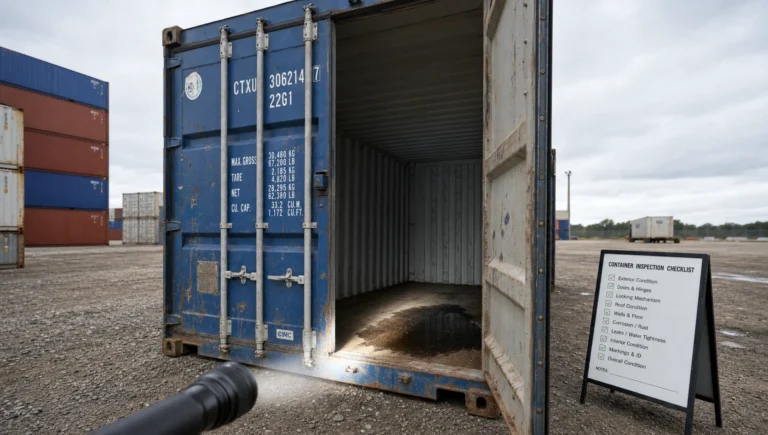
Focus on five areas: door operation and seal integrity, floor condition including any soft spots or water damage, roof panels for rust-through or patched areas, corner post integrity, and the overall condition of the corrugated wall panels. Surface rust is normal and cosmetic. Structural rust that has eaten through the steel is a deal-breaker. Ask for a detailed condition report and photos of the specific unit before purchasing.
Is a high cube container worth the extra cost?
High cube shipping containers add 12 inches of interior height, bringing the total to 9 feet 6 inches. For applications involving shelving, overhead lighting, insulation on the ceiling, or any use where people will be standing inside regularly, the extra headroom is well worth the typical $300 to $800 premium. For ground-level storage of palletized goods or equipment, standard height is usually sufficient.
Get 40ft Shipping Container in Miami Today
Starting the buying process is straightforward once you’ve done the groundwork. Have your property address, intended use, preferred container grade, and site measurements ready before contacting a supplier. Knowing your access route dimensions, including any gates, turns, or overhead obstructions, saves time and prevents surprises.
Request quotes from at least two suppliers, and make sure each quote includes the container grade, age, delivery fee, and any placement charges. Ask whether the quote is for a specific unit or a general price range, since pricing can shift based on the actual container assigned to your order.
The expected timeline from first contact to container on-site runs roughly 7 to 21 days for most Miami deliveries. That includes order processing, container assignment, transport scheduling, and the delivery itself. If you need a container before hurricane season or for a construction project with a hard start date, build in a buffer of at least two weeks beyond your ideal delivery date.
Buyers who want to compare grades, sizes, and pricing before committing can browse available inventory from Lease Lane Containers. Their Raleigh-based team handles delivery planning nationwide, including into the Miami metro area, and provides clear guidance on container grades so you know exactly what you’re getting.
Final Checklist
Before you finalize your 40ft shipping container purchase in Miami, run through these steps:
- Confirm your property’s zoning allows container placement and determine permit requirements
- Measure your delivery access route: length, width, overhead clearance, and turning radius
- Decide on your container grade based on use case and budget
- Request photos and a condition report of the specific unit, not generic stock images
- Get a written quote that includes container price, delivery fee, and any placement charges
- Verify the delivery surface is firm and level: gravel pad, compacted soil, or concrete
- Check for HOA restrictions if applicable
- Plan for anchoring or tie-downs if required by Miami-Dade’s High Velocity Hurricane Zone standards
- Schedule delivery with a buffer of at least two weeks before your hard deadline
The right 40ft container at the right price is out there. Doing this homework upfront means fewer surprises, lower total costs, and a container that actually fits your site and your project. If you have questions about sizing, grading, or delivery logistics, contact us to talk through your options with someone who handles these decisions every day.