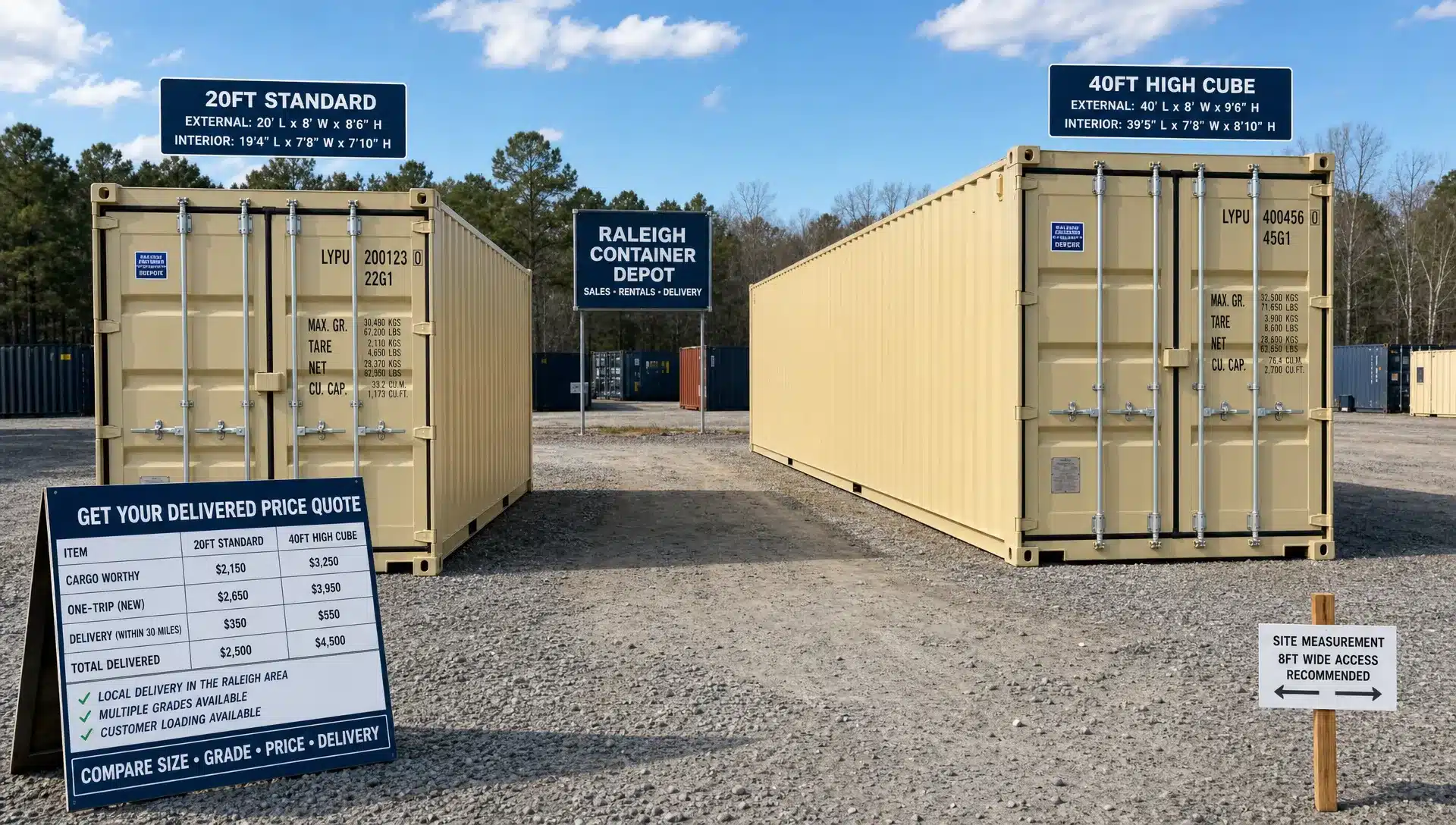
How to Compare Conex Containers for Sale in Your Area
When you search for conex containers for sale near me, the options can look nearly identical at first glance. A 20ft steel box in Raleigh may be advertised at one price, a 40ft High Cube in another listing may look like a better deal, and a used unit from a national seller may seem cheaper until delivery is added.
The right comparison is not just about the sticker price. It is about the container’s size, grade, structural condition, delivery method, site requirements, and whether the seller can explain exactly what you are buying. For general contractors, homeowners, farms, small businesses, logistics managers, and developers across North Carolina and the Southeast, those details determine whether a Conex container becomes a reliable asset or an expensive headache.
Start by comparing your actual use case
Before you compare listings, define what the container must do. A jobsite storage container for tools and building materials does not need the same grade as a Cargo Worthy unit intended for international shipping. A retail pop-up, mobile office, or refrigerated inventory unit has different requirements than a backyard storage box.
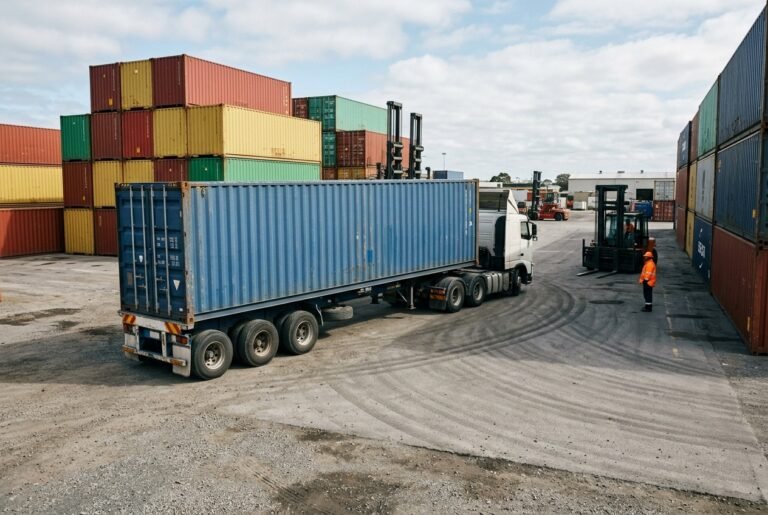
For many Raleigh-area buyers, the first decision is size. A 20ft container is easier to place on tighter residential lots, construction sites, and farm lanes. A 40ft container offers much more floor space and is often more cost-effective per square foot, but it needs additional room for delivery and placement. High Cube containers add one extra foot of exterior height, which can be valuable for shelving, equipment, modifications, and taller cargo.
| Container type | Typical best fit | Key comparison point |
|---|---|---|
| 20ft Standard | Residential storage, compact jobsites, farms, small business inventory | Easier placement and maneuvering |
| 40ft Standard | Contractors, warehouses, large property storage, bulk materials | More storage per delivered unit |
| 40ft High Cube | Modular projects, mobile offices, tall equipment, palletized storage | Extra interior height |
| Refrigerated container | Food, floral, pharmaceutical, and temperature-sensitive inventory | Requires power and mechanical inspection |
If you are still weighing 20ft containers against 40ft containers, Lease Lane’s guide to which size and grade fit your needs can help you narrow the choice before requesting quotes.
Compare grades, not just photos
Container grade is one of the most important factors in a fair comparison. Two used Conex containers may look similar in a small online photo, but one may be suitable for storage only while another may be structurally fit for cargo transport.
A professional seller should clearly explain the grade, not just say “good condition” or “nice box.” The most common grades include One-Trip, Cargo Worthy, Wind & Watertight, and As-Is.
| Grade | What it generally means | Best for | Watch for |
|---|---|---|---|
| One-Trip | Newer container that has typically made one loaded trip from the factory | Buyers who want clean appearance, long service life, fewer dents, modifications | Higher upfront cost |
| Cargo Worthy | Structurally sound for cargo use and may be certifiable for shipping when properly inspected | Logistics, export, regional transport, heavy-duty storage | Confirm documentation needs before shipping |
| Wind & Watertight (WWT) | Keeps out wind and water, but not necessarily approved for ocean cargo | Jobsite storage, farm storage, household goods, inventory overflow | Cosmetic wear, dents, and patches may be present |
| As-Is | No strong guarantee of weather resistance or structural condition | Parts, low-budget temporary use, projects where repairs are acceptable | Leaks, door problems, floor damage, heavy corrosion |
A One-Trip container is usually built from Corten Steel, also called weathering steel, and designed around ISO standards for dimensions, corner castings, and stacking strength. It is often the best choice when appearance matters, such as a customer-facing pop-up, office conversion, or residential property installation.
A Cargo Worthy container should be structurally suitable for freight service, but buyers should confirm whether a current inspection, survey, or documentation is needed for their specific shipping route. A Wind & Watertight container can be excellent for storage, but it should not be assumed to be valid for international cargo movement.
For a deeper explanation of grade terminology and practical use cases, see Lease Lane’s overview of Conex containers for sale by grades, prices, and uses.
Compare the delivered price, not the advertised price
The lowest advertised price is not always the lowest total cost. Local container listings often exclude delivery, fuel, difficult-site charges, taxes, crane service, or additional handling. In Raleigh, Durham, Cary, Chapel Hill, Fayetteville, Greensboro, and other parts of the Southeast, delivery access can change the final price significantly.
Ask each seller for a written delivered quote. The quote should identify the container size, grade, condition, delivery ZIP code, delivery method, and any assumptions about access. This helps you compare apples to apples instead of comparing a yard price from one seller against a fully delivered price from another.
| Quote item | Why it matters |
|---|---|
| Container size and height | A 40ft High Cube usually costs and delivers differently than a 20ft Standard |
| Grade | One-Trip, Cargo Worthy, and WWT containers should not be priced as if they are the same |
| Delivery distance | Freight cost can change quickly outside major metro areas |
| Delivery method | Tilt-bed, roll-off, chassis, or crane placement may have different requirements |
| Site conditions | Mud, slope, low branches, and tight turns can affect delivery feasibility |
| Taxes and fees | A clear quote should show the full expected cost |
A good seller will not pressure you to buy based on a vague “limited time” number. They will help you understand the total cost and whether the unit is appropriate for your location and intended use.
Inspect structural condition like a professional
Even if you are not a container expert, you can compare condition with a focused inspection. Start with the frame. The corner posts, corner castings, crossmembers, and side rails are more important than minor dents in the side panels. A container can have cosmetic wear and still perform well, but deep structural deformation, heavy corrosion, or twisted doors can signal larger problems.
Look closely at the roof. Water should not pond heavily on top, and any patching should be clean and sealed. Surface rust is common on used containers, especially in humid regions, but scale rust, holes, and rust around seams deserve closer attention.
Doors are another major comparison point. They should open and close without extreme force. Check the locking rods, hinges, gaskets, and lower door area. Damaged gaskets can allow water intrusion even if the steel walls look solid.
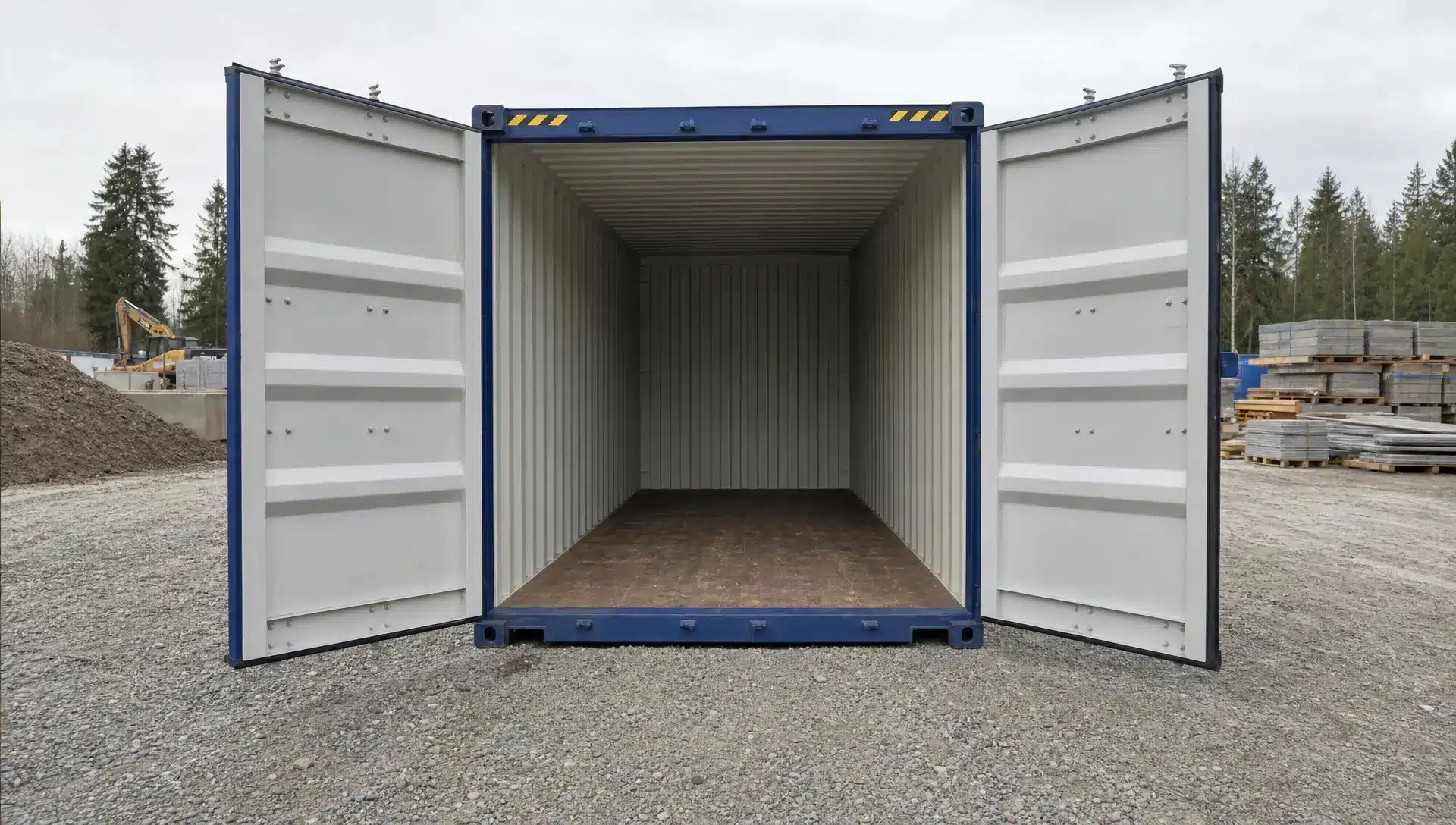
Inside, inspect the floor for soft spots, strong chemical odors, oil stains, delamination, or visible daylight. Many containers have heavy-duty wood floors, but the condition of that floor matters if you plan to store equipment, furniture, feed, retail goods, or construction materials.
For buyers focused specifically on used containers, Lease Lane’s checklist on what to check before you buy used Conex boxes is a useful companion before you inspect photos or visit a yard.
Evaluate seller transparency and local support
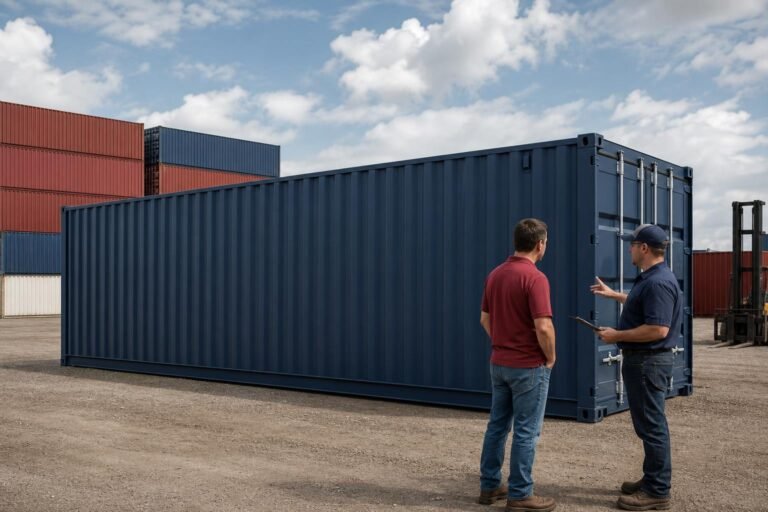
A reliable seller should be able to answer direct questions about inventory, grade, condition, and delivery. If a listing does not identify whether the unit is One-Trip, Cargo Worthy, or Wind & Watertight, ask before you commit. If the seller cannot provide representative photos or explain the difference between grades, be cautious.
For local buyers in Raleigh and the broader North Carolina market, regional knowledge is a major advantage. Delivery in the Southeast often involves clay soil, seasonal rain, wooded properties, narrow subdivision streets, active construction entrances, and rural driveways. A seller who understands these conditions can help you avoid placement delays and unexpected costs.
Good questions to ask include:
- What exact grade am I being quoted?
- Is the container One-Trip, Cargo Worthy, WWT, or As-Is?
- Are the photos of the actual unit or representative inventory?
- Is delivery included in the quoted price?
- What truck type will be used for delivery?
- How much clear space is needed for placement?
- Are there any site conditions that could prevent delivery?
The answers should be specific. If you are buying for a jobsite, ask whether the unit is suitable for secure tool storage. If you are buying for shipping, ask about Cargo Worthy condition and documentation. If you are buying for a mobile office or retail conversion, ask whether a One-Trip or High Cube container would reduce modification issues.
Compare security, modifications, and long-term value
Security is one of the main reasons contractors, builders, and businesses choose steel containers. Corten Steel walls, lockable cargo doors, and rugged ISO-style construction make containers practical for tools, materials, equipment, and inventory. Still, not every unit offers the same level of usable security.
Check whether the door hardware is aligned and whether a lockbox is available or already installed. A lockbox helps protect the padlock from bolt cutters and is especially valuable on construction sites or remote properties.
If you plan to modify the container, compare the starting condition carefully. A One-Trip unit may cost more upfront, but it can save time on cleaning, patching, repainting, and cosmetic repair. For mobile offices, retail pop-ups, workshops, and modular construction, cleaner steel and better door function can make the project smoother.
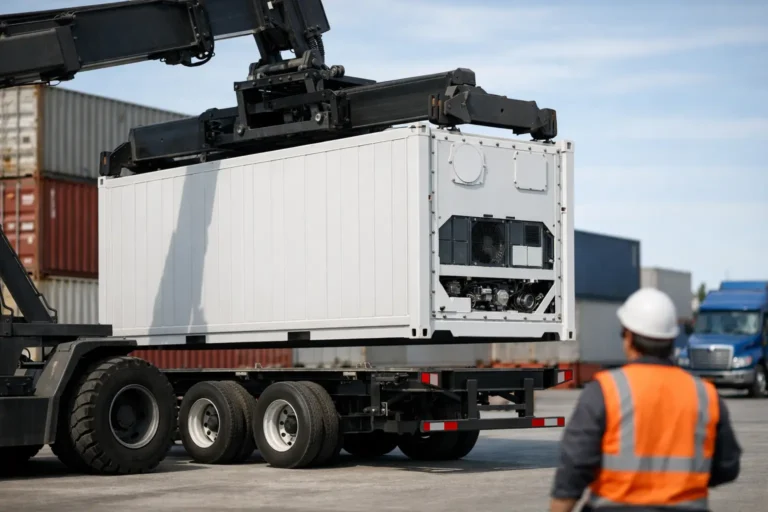
For refrigerated containers, compare more than the box. A reefer unit includes insulation, machinery, electrical requirements, and temperature-control components. Confirm the operating condition, power needs, and intended temperature range before purchase. A reefer that is perfect for cold storage may be unnecessary for basic dry storage, while a dry container cannot replace a true refrigerated solution for cold-chain needs.
Pro-Tip: prepare the site before the truck arrives
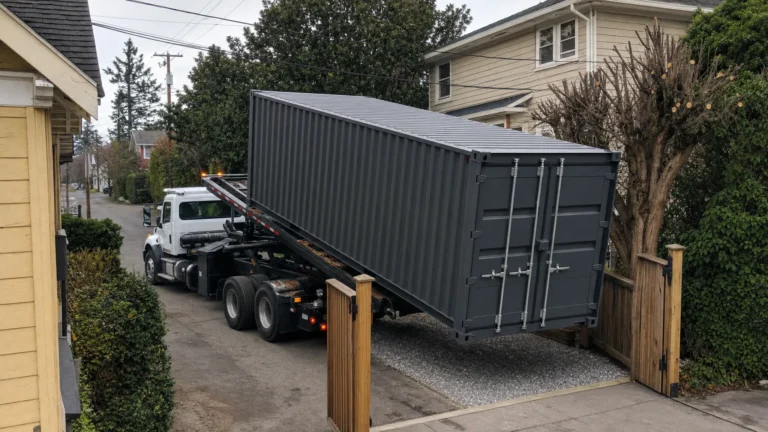
The best container purchase can still go wrong if the site is not ready. Before delivery, choose a drop spot that is level, accessible, and firm enough to support the container and delivery vehicle. A gravel pad is often a practical choice because it improves drainage and helps prevent the unit from settling into soft soil.
For a 20ft container, you still need room for the truck to approach, tilt, and pull forward. For a 40ft container, plan for substantially more straight-line clearance. Low branches, overhead wires, fences, tight gates, steep slopes, and soft ground can all interfere with delivery.
In Raleigh and surrounding municipalities, also check whether permits, zoning rules, HOA restrictions, screening requirements, or temporary-use limits apply. Requirements can vary by city, county, neighborhood, and property type. A container used temporarily on an active construction site may be treated differently than a permanent storage container on residential property.
A simple site-prep checklist should include level ground, adequate drainage, enough delivery clearance, stable access roads, no overhead obstructions, and confirmation of local requirements. If the ground is questionable, consider a compacted gravel base, concrete blocks at the corners, railroad ties, or another stable support method recommended for your site conditions.
Red flags when comparing local listings
Some container deals are worth avoiding, even if the price looks attractive. Be careful with listings that use only stock images, refuse to identify the grade, or advertise a container as “shipping ready” without explaining Cargo Worthy status. Also be cautious if delivery terms are vague or if the seller cannot describe access requirements.
Another red flag is a price that seems far below the local market without a clear reason. The container may be As-Is, heavily damaged, located far from your area, or missing delivery costs. In some cases, buyers discover too late that the unit has door issues, roof leaks, severe rust, or an interior condition unsuitable for their use.
Trustworthy sellers do not need to hide details. They can explain why a WWT unit is right for storage, why a Cargo Worthy unit is better for transport, or why a One-Trip container makes sense for a clean, long-term installation.
A simple comparison framework
When you have multiple quotes, use the same framework for each seller. This makes the decision clearer and helps you avoid choosing based only on price.
| Comparison factor | Better choice usually provides |
|---|---|
| Grade clarity | Clear One-Trip, Cargo Worthy, WWT, or As-Is designation |
| Condition evidence | Actual photos, representative photos, or inspection details |
| Fit for purpose | Size and grade matched to storage, shipping, business, or modification needs |
| Delivery quote | Full delivered pricing to your property or jobsite |
| Site guidance | Advice on access, leveling, gravel pads, and placement |
| Local support | Knowledge of Raleigh, North Carolina, Southeast delivery, and national logistics |
The best value is the container that meets your purpose with the least uncertainty. For a homeowner, that might be a clean WWT 20ft unit delivered to a prepared gravel pad. For a general contractor, it may be a secure 40ft unit for jobsite materials. For a logistics manager, it may be a Cargo Worthy container with the right documentation path. For a developer, it may be a One-Trip High Cube suitable for modification.
Frequently Asked Questions
What is the best grade of Conex container to buy? The best grade depends on your use. One-Trip containers are best when appearance, cleanliness, and long service life matter. Cargo Worthy containers are preferred for transport and shipping needs. Wind & Watertight containers are often a strong value for storage. As-Is units are only appropriate when you accept repair risk.
Are used Conex containers worth buying? Yes, used Conex containers can be a strong value if the grade and condition match your needs. A WWT used unit can work very well for jobsite, farm, business, or household storage. Inspect the roof, doors, seals, frame, floor, and rust before buying.
How much space do I need for delivery? Delivery space depends on container length, truck type, and site layout. A 40ft container typically needs much more straight clearance than a 20ft container. Ask your seller about truck access, overhead clearance, slope, and turning room before scheduling delivery.
Do I need a permit for a shipping container in Raleigh, NC? You may need approval depending on the property, duration, location, and intended use. Raleigh, nearby towns, counties, and HOAs can have different rules. Always verify local zoning, building, and neighborhood requirements before delivery.
Should I choose a 20ft or 40ft container? Choose a 20ft container when space is limited or when you need flexible placement. Choose a 40ft container when you need maximum storage and have enough room for delivery. A High Cube version is helpful when extra height matters.
Ready to compare Conex containers with a local expert?
Lease Lane Containers LLC helps buyers in Raleigh, across North Carolina, throughout the Southeast, and nationwide compare clean shipping containers by size, grade, condition, and delivery requirements. Whether you need a 20ft WWT unit for property storage, a 40ft High Cube for a jobsite, a Cargo Worthy container for transport, or a One-Trip unit for a custom project, our team can help you choose confidently.
To discuss current availability and delivered pricing, contact the sales team at sales@leaselanecontainers.com or visit the Raleigh-based Lease Lane Containers team.