Conex Containers for Sale: Grades, Prices, and Uses
Buying a Conex container is straightforward once you understand three things: grade, size, and delivery conditions. Those three factors determine how much you should spend, what kind of unit will fit your project, and whether the container will perform as expected once it lands on your property.
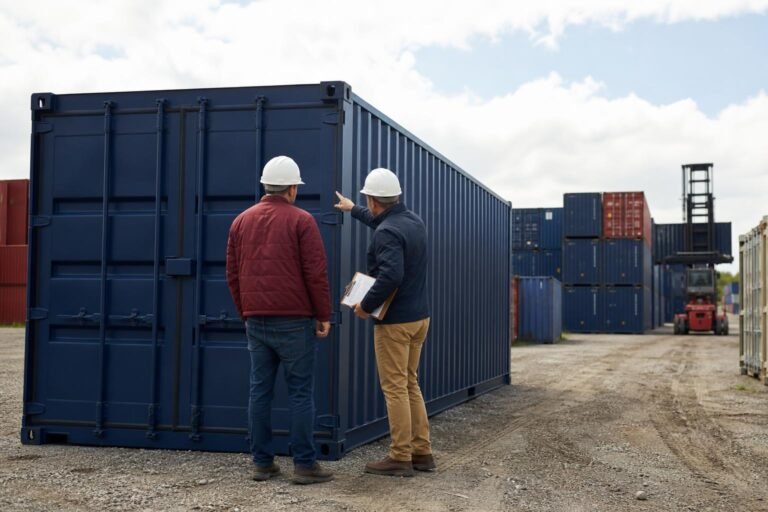
For buyers in Raleigh, North Carolina, and across the Southeast, Conex containers are used for everything from jobsite tool storage to farm equipment protection, retail pop-ups, mobile offices, and cargo transport. Nationally, they remain one of the most durable storage and logistics assets available because they are built from Corten steel, designed around ISO standards, and made to withstand harsh marine environments.
Still, not every container for sale is equal. A clean One-Trip unit, a Cargo Worthy container, and a Wind & Watertight used container can all be good purchases, but they serve different needs. This guide breaks down what each grade means, how pricing works, and which Conex container uses make the most sense for your property, business, or project.
What Is a Conex Container?
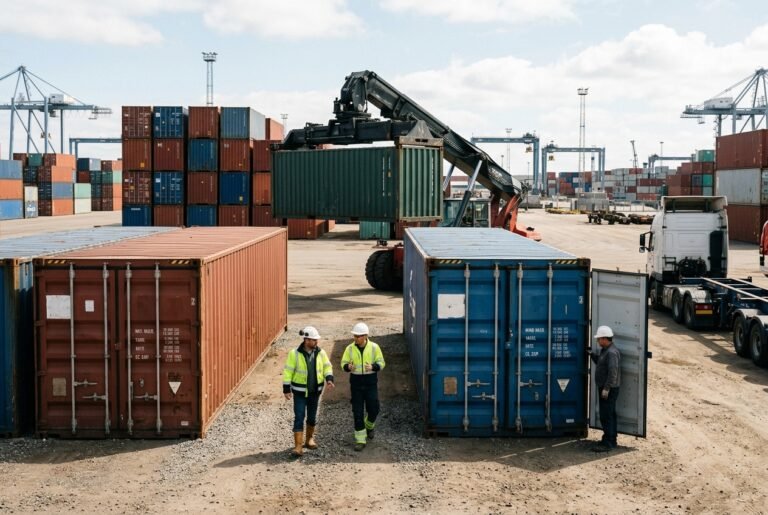
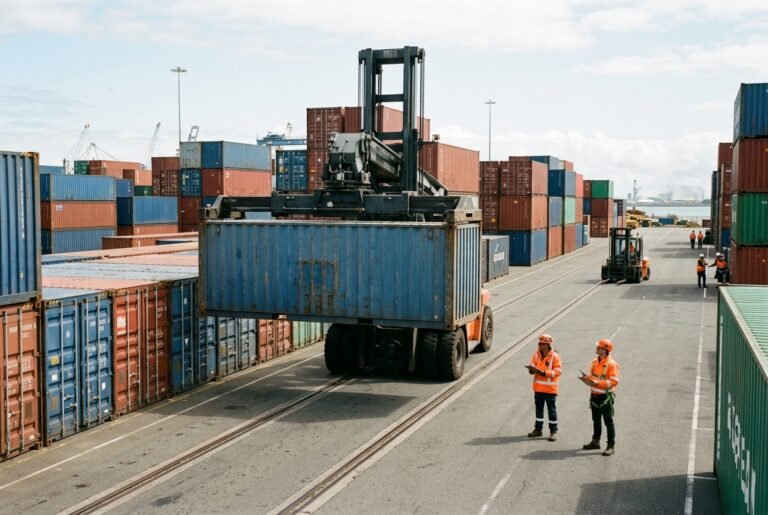
A Conex container is a steel intermodal shipping container originally designed for freight transport by ship, rail, and truck. The term “Conex” is commonly used in construction, agriculture, military, and storage markets to describe standard steel shipping containers.
Most Conex containers are built to international dimensional standards, which is why they can move through ports, stack safely, and fit standard chassis equipment. Common dry container sizes include 20ft and 40ft lengths, with standard-height and High Cube options. High Cube containers are typically one foot taller than standard units, which gives buyers more interior clearance for shelving, equipment, office buildouts, or bulky inventory.
The strength of these containers comes from their structural frame, corrugated Corten steel walls, locking cargo doors, marine-grade plywood floors, and corner castings. That combination makes them especially useful for buyers who need secure storage without building a permanent structure.
Conex Container Grades Explained
Grade is the first thing to understand before comparing Conex containers for sale. It tells you what condition the container is in, what it can reasonably be used for, and whether it is suitable for transport, storage, or modification.
If you want a deeper inspection checklist before buying, Lease Lane Containers has a helpful guide on what to check before you buy a used Conex box. For a quick comparison, here are the main grades buyers should know.
| Grade | Typical condition | Best for | Key buying note |
|---|---|---|---|
| One-Trip | Newer unit used for one cargo trip | Retail use, home storage, modifications, offices, premium appearance | Highest condition, usually higher price |
| Cargo Worthy (CW) | Structurally sound and suitable for cargo transport | Export, regional freight, secure storage, logistics | Should meet transport standards when properly certified |
| Wind & Watertight (WWT) | Used unit that keeps out normal wind and rain | Jobsite storage, farm storage, inventory overflow | Great value for static storage, not necessarily certified for shipping |
| As-Is | Significant wear or defects possible | Projects where appearance and weather sealing are not critical | Requires careful inspection and repair planning |
| Refurbished | Used unit repaired and often repainted | Customer-facing storage, business use, cleaner appearance | Confirm what repairs were completed |
One-Trip Containers
A One-Trip container is typically the cleanest and most visually appealing option. These containers have usually carried cargo only once before being sold into the storage market. They often have fewer dents, cleaner paint, better door operation, and a longer remaining service life than older used units.
One-Trip containers are popular with homeowners, small business owners, retail operators, and developers planning modifications. If you want a container for a mobile office, backyard storage, pop-up shop, or clean inventory space, this grade is often worth the premium.
Cargo Worthy Containers
A Cargo Worthy container is a used unit considered structurally fit for cargo transportation. In practical terms, that means the frame, corner castings, doors, floors, and panels should be in condition suitable for shipping when properly inspected and documented.
Logistics managers, exporters, manufacturers, and regional transport companies should pay close attention to this grade. If you plan to load the container and move it through freight channels, do not assume that any used container is Cargo Worthy. Ask for confirmation, documentation, and inspection details.
Wind & Watertight Containers
A Wind & Watertight container is one of the most common choices for storage. These units are used, but they should keep out normal rain and wind when the doors are closed and the container is properly placed.
WWT containers are a practical option for general contractors, home builders, agricultural buyers, and small businesses that need secure stationary storage. They may show dents, surface rust, patches, decals, or older paint, but they can still provide dependable protection for tools, materials, seasonal equipment, or overflow inventory.
As-Is Containers
An As-Is container is sold in its existing condition, often with no guarantee that it is watertight or structurally ready for your intended use. This grade can be useful for certain fabrication projects, barrier applications, or buyers who are comfortable repairing steel, doors, floors, or roof panels.
For most buyers looking for storage in Raleigh or elsewhere in the Southeast, As-Is containers should be approached carefully. A lower purchase price can be attractive, but repairs, leaks, difficult doors, and floor damage can erase the savings quickly.
Common Conex Container Sizes and Options
Size affects price, placement, usability, and delivery planning. The two most common choices are 20ft and 40ft containers.
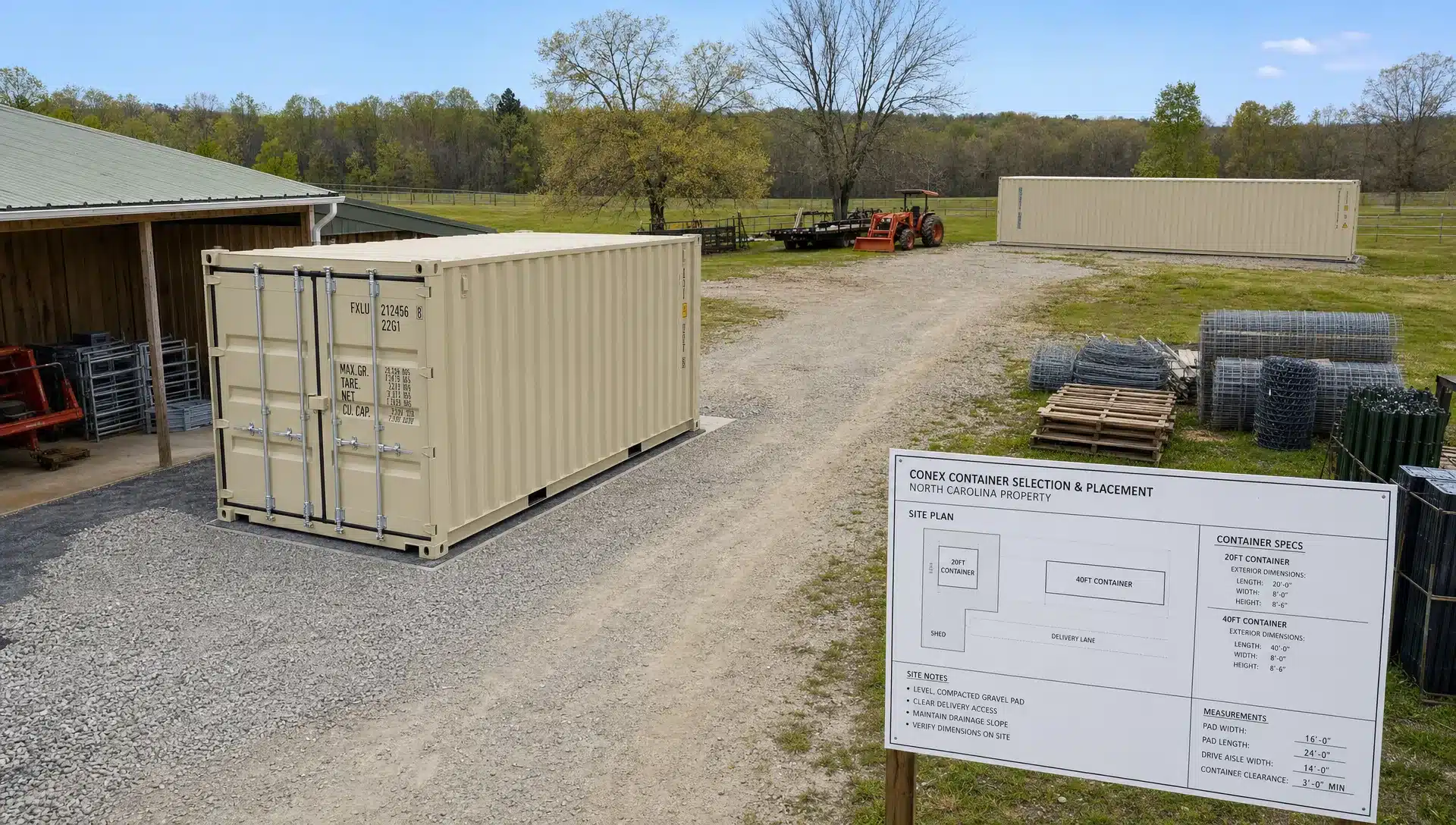
A 20ft container is easier to place in tighter spaces, which makes it popular for residential properties, small jobsites, farms, and compact business storage. A 40ft container provides significantly more storage volume and is often the better value per square foot when there is enough room for delivery and placement.
For a broader overview of container types, including dry vans, reefers, High Cubes, and specialty equipment, see this guide to shipping container types, grades, and best uses.
| Container type | Common buyer | Main advantage | Typical consideration |
|---|---|---|---|
| 20ft standard dry container | Homeowners, contractors, farms | Compact footprint and strong storage | Less total volume than a 40ft unit |
| 40ft standard dry container | Builders, businesses, warehouses | More space for materials and inventory | Requires more delivery room |
| 40ft High Cube container | Modular builders, office conversions, bulk storage | Extra interior height | May cost more than standard height |
| Refrigerated container | Food, floral, pharmaceutical, cold-chain users | Temperature-controlled storage | Requires power and maintenance planning |
| Modified container | Offices, kiosks, workshops, retail | Built around a specific use case | Requires design, permitting, and site planning |
High Cube containers are especially useful when height matters. Contractors can store taller equipment, small businesses can install better shelving, and modular builders get more comfortable interior proportions for office or living-space concepts.
What Affects Conex Container Prices?
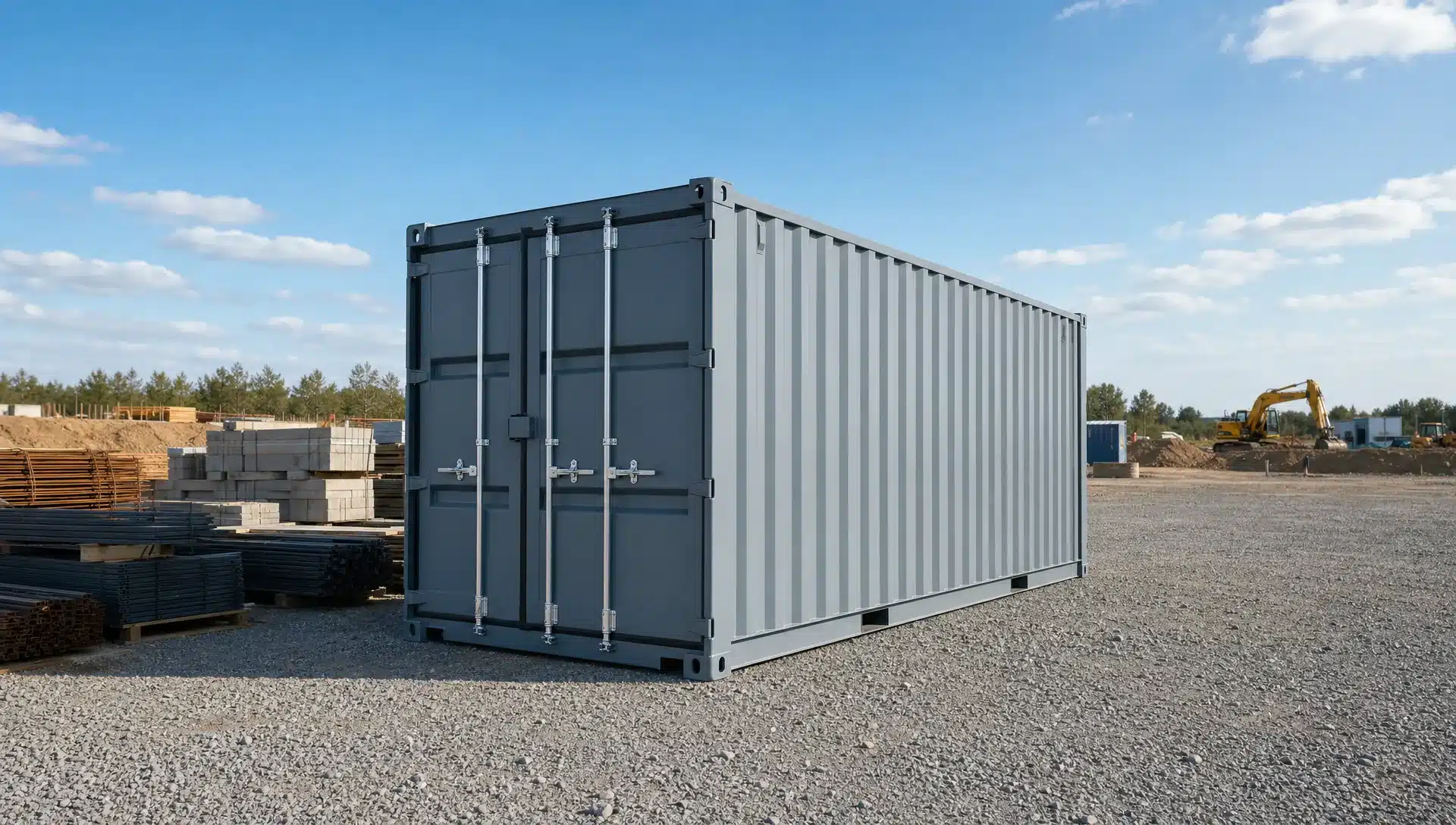
Conex container prices vary by market, grade, size, availability, delivery distance, and any modifications requested. A Raleigh buyer may see different pricing than a buyer in another region because container inventory, trucking availability, and local demand all influence the final quote.
Rather than shopping only by the lowest advertised number, look at the total delivered value. The lowest container price is not always the best deal if delivery fees are unclear, the unit grade is vague, or the container arrives with problems that were not disclosed.
The biggest pricing factors include:
- Grade and condition: One-Trip containers usually cost more than Cargo Worthy or WWT units because they are newer and cleaner.
- Size and height: 40ft units and High Cube containers often cost more than 20ft standard units, though the cost per square foot may be attractive.
- Container type: Refrigerated containers, specialty units, and modified containers require additional equipment or labor.
- Local inventory: Availability in Raleigh, the broader North Carolina market, and the Southeast can move prices up or down.
- Delivery distance: Trucking, fuel, tolls, route access, and placement requirements all affect the delivered price.
- Site difficulty: Tight turns, soft ground, overhead wires, slopes, and limited clearance can require extra planning or different equipment.
- Modifications: Doors, windows, vents, insulation, electrical work, partitions, and paint add cost.
For a more focused breakdown of current pricing considerations, Lease Lane Containers also covers what buyers should expect from Conex container prices.
How to Compare Quotes Fairly
When comparing Conex containers for sale, ask each seller for the same information. A clear quote should identify the container size, grade, type, delivery location, delivery method, and any included services.
A vague quote for a “used 40ft container” is not enough. Is it Wind & Watertight or Cargo Worthy? Is it standard height or High Cube? Does the price include delivery to your property in Raleigh, or is delivery billed separately? Are there photos of the actual unit, or only sample photos?
A professional seller should be able to explain the grade in plain language, disclose known condition details, and help you plan the delivery site before the truck arrives.
Best Uses for Conex Containers
The right container depends on how you plan to use it. Here is how different buyers typically choose.
General Contractors and Home Builders
Contractors often choose WWT or Cargo Worthy containers for jobsite storage. A 20ft container works well for tools, fasteners, and compact equipment. A 40ft container is better for lumber, fixtures, scaffolding components, and larger material packages.
In Raleigh and across North Carolina, jobsite theft and weather exposure can create costly delays. A locking Corten steel container gives crews a secure, ground-level storage point that can move from project to project.
Small Business Owners
Small businesses use Conex containers for overflow inventory, records, seasonal merchandise, workshop space, and retail pop-ups. One-Trip containers are often preferred when appearance matters, especially for customer-facing uses.
For retail or office conversion, a High Cube container can make the interior feel less cramped. It also gives more room for insulation, ceiling systems, lighting, and HVAC planning.
Homeowners and Agricultural Buyers
Homeowners often use 20ft containers for furniture, tools, lawn equipment, motorcycles, recreational gear, or long-term storage during renovations. Agricultural buyers use containers for feed, fencing supplies, pumps, seed, spare parts, and equipment protection.
For most private-property storage, a Wind & Watertight used container can be a smart value. If the container will be highly visible near a home, barn, or customer area, a One-Trip or refurbished unit may be a better fit.
Real Estate Developers and Modular Projects
Developers and modular builders usually pay closer attention to structure, appearance, and modification potential. One-Trip and High Cube containers are common choices because they provide cleaner steel, fewer repairs, and more consistent dimensions for buildouts.
Containers can support temporary sales offices, site offices, storage, and certain modular construction concepts. However, permanent or occupied structures require careful code, zoning, engineering, and permitting review.
Logistics Managers and Export Buyers
If the container will be used for freight movement, focus on Cargo Worthy condition and documentation. A WWT container may protect stored goods on land, but that does not automatically mean it is approved for international cargo service.
Logistics buyers should confirm door seals, floor condition, frame integrity, CSC plate status where applicable, and any inspection requirements before loading cargo.
Pro Tip: Prepare Your Site Before Delivery
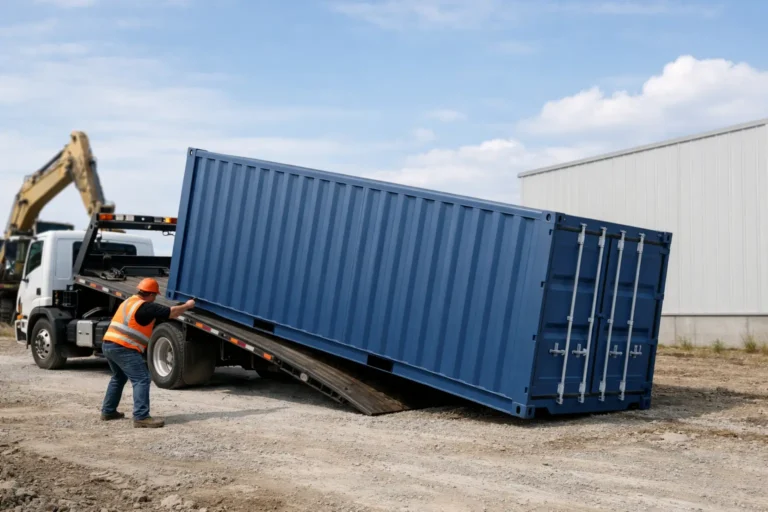
A container is only as good as the site it sits on. Poor placement can lead to door binding, water pooling, uneven settling, and delivery delays.
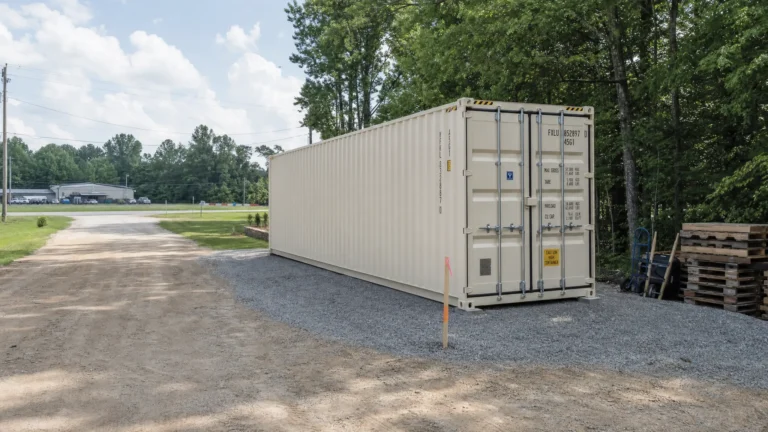
Before your container arrives, choose a level, firm, well-drained location. A compacted gravel pad is often a smart choice because it helps drainage and reduces direct ground contact. Concrete pads, railroad ties, and properly placed blocks can also work depending on the site and intended use.
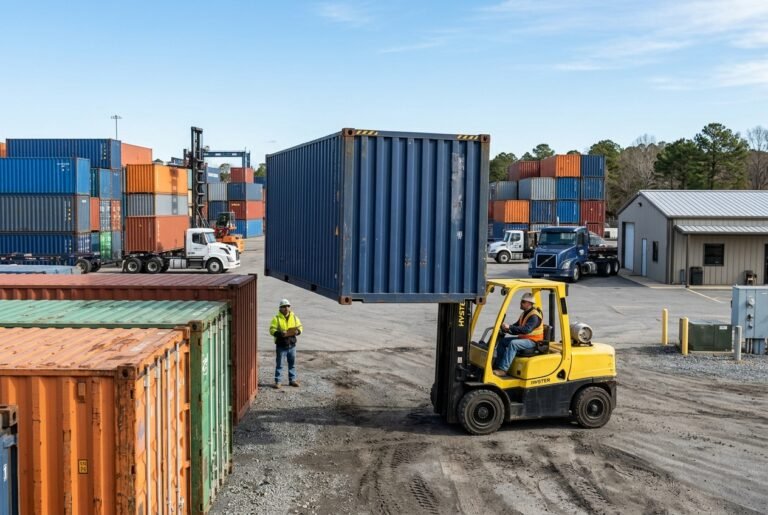
Plan truck access early. Delivery trucks need room to enter, turn, unload, and exit safely. A 20ft container generally requires less straight-line space than a 40ft container, but both need overhead clearance from trees, utility lines, roof edges, and gates. Ground conditions matter too. Soft soil, steep grades, and narrow driveways can make placement harder or impossible without additional equipment.
In Raleigh and many North Carolina municipalities, permit requirements can vary depending on how long the container will stay, whether it is used commercially, and whether it is modified or occupied. Always check local zoning and permitting rules before delivery, especially for residential lots, construction sites, HOA communities, and business properties.
How to Choose the Right Conex Container
Start with your use case, then work backward to grade, size, and delivery requirements. A contractor storing tools for six months does not need the same container as a business building a branded retail kiosk or an exporter moving goods overseas.
Use this simple decision framework:
| If you need… | Consider… | Why |
|---|---|---|
| Basic secure storage | WWT used container | Good value for stationary storage |
| Freight transport | Cargo Worthy container | Better fit for shipping and logistics requirements |
| Clean appearance | One-Trip or refurbished container | Better curb appeal and fewer visible defects |
| Maximum volume | 40ft or 40ft High Cube | More usable storage space |
| Tight placement area | 20ft container | Easier delivery and smaller footprint |
| Temperature control | Reefer container | Supports cold-chain and climate-sensitive storage |
| Office or retail buildout | One-Trip High Cube | Cleaner shell and more interior height |
If you are shopping locally in central North Carolina, it also helps to compare availability, delivery timing, and seller support. Buyers looking specifically in the Triangle can use this Raleigh-focused resource on finding the best Conex boxes for sale in Raleigh, NC.
Red Flags When Buying Conex Containers for Sale
A good seller should make the process transparent. Be careful if a listing gives almost no details, uses only generic photos, or avoids explaining the grade.
Watch for these red flags:
- No clear grade, such as One-Trip, Cargo Worthy, or Wind & Watertight
- Pricing that excludes delivery but does not say so clearly
- Refusal to discuss door seals, roof condition, floor condition, or rust
- No guidance on site access or placement
- Claims that every used container is suitable for shipping
- Poor communication about timing, payment, or delivery requirements
Surface rust, dents, and cosmetic wear are normal on many used containers. The bigger concern is structural damage, roof holes, severe corrosion, rotten flooring, bent frames, or doors that do not close securely.
Frequently Asked Questions
Are Conex containers and shipping containers the same thing? In most buying contexts, yes. “Conex container” is a common term for a steel intermodal shipping container used for storage, freight, construction, agriculture, and modifications.
What is the best grade for storage? Wind & Watertight is often the best value for stationary storage because it is designed to keep out normal rain and wind. One-Trip is better if you want a cleaner appearance or longer expected service life.
Do I need a Cargo Worthy container? You need a Cargo Worthy container if the unit will be used for cargo transport and must meet shipping-related condition requirements. If it will sit on your property for storage, WWT may be sufficient.
Are 20ft or 40ft containers better? A 20ft container is easier to place and works well for smaller sites. A 40ft container offers more storage volume and can be more efficient when you have enough room for delivery and placement.
Do Conex container prices include delivery? Not always. Always confirm whether delivery is included, how far the delivery address is from available inventory, and whether site conditions could affect the final cost.
Can I place a Conex container anywhere on my property? Not necessarily. You need a level, accessible, well-drained location, and local zoning or permit rules may apply. In Raleigh and other municipalities, requirements can vary by property type and intended use.
Get Help Choosing the Right Conex Container
Whether you need a 20ft storage unit for a Raleigh jobsite, a 40ft High Cube for business inventory, a Cargo Worthy unit for logistics, or a clean One-Trip container for a modification project, Lease Lane Containers LLC can help you compare grades, plan delivery, and understand your options clearly.
For current availability, delivered pricing, and expert site-preparation guidance, contact the Lease Lane Containers sales team at sales@leaselanecontainers.com or visit the Raleigh office to discuss the right Conex container for your project.