Storage Shipping Containers for Sale: What to Compare
When you search for storage shipping containers for sale, the biggest mistake is comparing only the sticker price. A container that is cheap upfront can become expensive if the grade is wrong, the doors are hard to operate, the floor is soft, or delivery cannot be completed at your property.
For contractors in Raleigh, farms across North Carolina, small businesses in the Southeast, and logistics teams buying nationwide, the best purchase comes down to fit. You want the right size, the right condition grade, a clear delivered price, and a drop plan that protects both your property and the container.
This guide walks through what to compare before you buy a storage shipping container, including size, ISO construction, One-Trip versus Cargo Worthy versus Wind and Watertight grades, site preparation, security, and seller transparency.
Start with the storage job, not the container
Before comparing containers, define what the unit needs to do. A general contractor storing saws, fasteners, and generators has different priorities than a boutique retailer storing seasonal inventory or a farm storing feed, tools, and irrigation parts.
A good storage container decision starts with a few practical questions:
- What will be stored, and is it sensitive to moisture, heat, odor, or dust?
- How often will people need to access the container?
- Will the container stay in one place, move between jobsites, or support export cargo later?
- Does appearance matter because customers, tenants, or neighbors will see it?
- Will the container need modifications such as vents, shelving, lighting, roll-up doors, or insulation?
For basic stationary storage, a sound used unit may be the best value. For customer-facing storage, modular conversion, or long-term use in humid North Carolina weather, a cleaner One-Trip unit can be easier to justify. For transport or export, the grade and documentation matter much more than cosmetic appearance.
Compare size and access, not just square footage
Most storage buyers compare 20 ft and 40 ft containers first. Both are built around standardized dimensions, and ISO container standards help keep handling, stacking, corner castings, and transportation requirements consistent across the industry. You can review the framework for Series 1 freight containers through ISO 668.
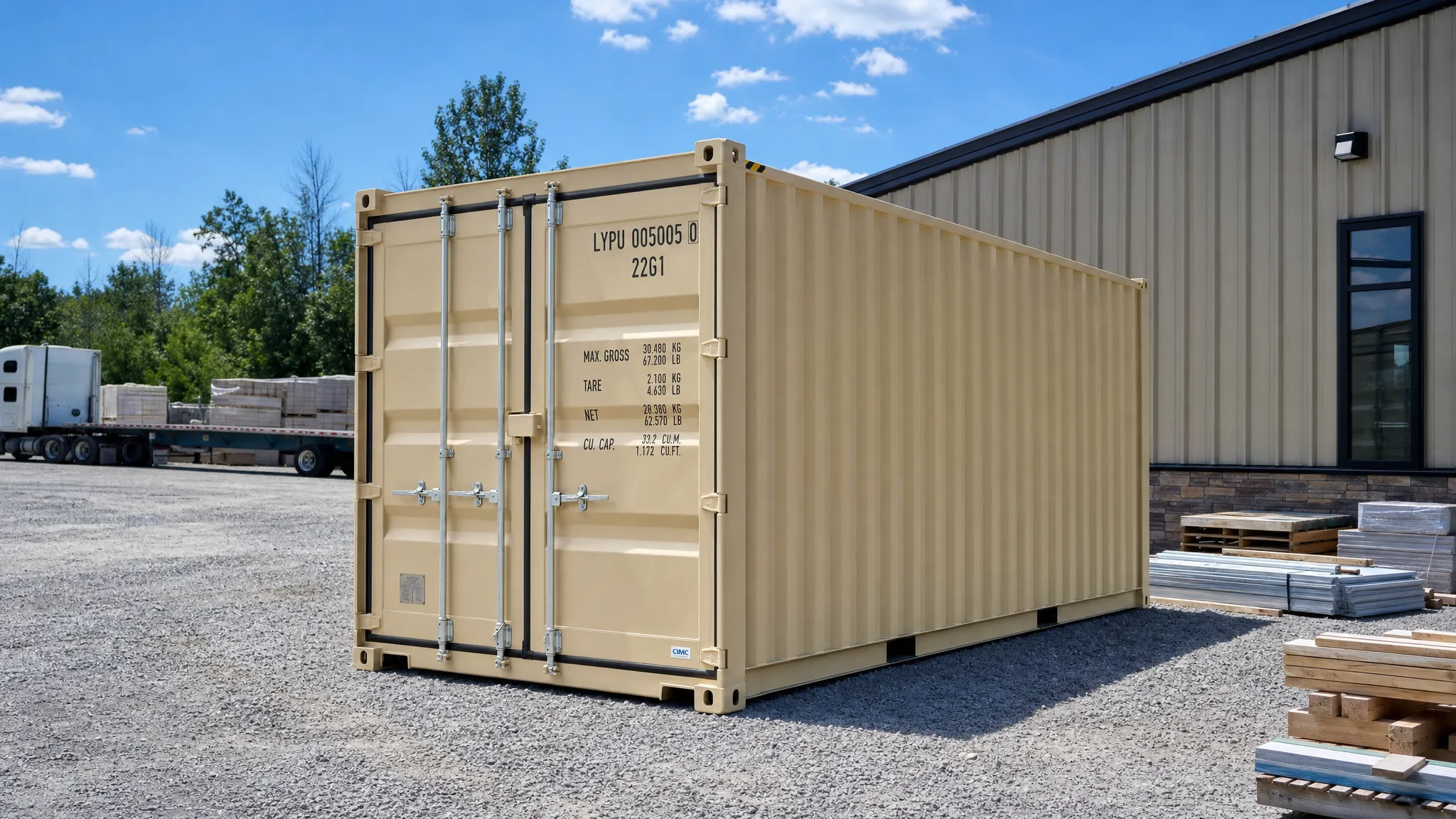
A standard dry container is typically 8 ft wide and 8 ft 6 in tall on the exterior. A High Cube container is typically 9 ft 6 in tall, giving about one extra foot of height. That additional vertical space can be valuable for pallets, shelving, mechanical equipment, or future office and workshop conversions.
| Container option | Typical exterior size | Best storage fit | What to compare |
|---|---|---|---|
| 20ft containers | 20 ft x 8 ft x 8 ft 6 in | Tools, household storage, small business inventory, tighter sites | Easier placement, lower capacity, better for driveways and compact jobsites |
| 40ft containers | 40 ft x 8 ft x 8 ft 6 in | Bulk materials, retail overflow, construction supplies, farm storage | More storage per delivery, but requires more approach room and a larger pad |
| 40ft High Cube | 40 ft x 8 ft x 9 ft 6 in | Tall equipment, pallet racking, workshops, conversions | Extra height helps inside, but delivery clearance must be checked carefully |
| Refrigerated container | Usually 20 ft or 40 ft | Cold storage, food, florals, pharmaceuticals, temperature-sensitive inventory | Requires power, tested refrigeration performance, and ongoing maintenance |
A 20 ft unit is often easier to deliver in residential Raleigh neighborhoods, tight farms, and smaller commercial lots. A 40 ft unit usually offers better value per cubic foot if the site can handle the truck, trailer, turning radius, and placement space. High Cube units are especially useful when you need vertical clearance, but the extra height must be factored into tree limbs, overhead wires, building eaves, and delivery equipment.
Compare container grades: One-Trip vs. Cargo Worthy vs. WWT
Container grade is one of the most important comparisons. It tells you what level of structural integrity, weather protection, cosmetic condition, and transport suitability you should expect. The language is not just marketing. It affects lifespan, price, resale value, and whether the unit is suitable for storage only or transport use.
Most shipping containers are built with corrugated steel panels, steel framing, corner posts, corner castings, marine-grade flooring, and weather-resistant steel often referred to as Corten Steel. The structure is strong, but used units can vary widely depending on prior cargo, handling, repairs, and exposure.
| Grade | What it means | Best for | Compare carefully |
|---|---|---|---|
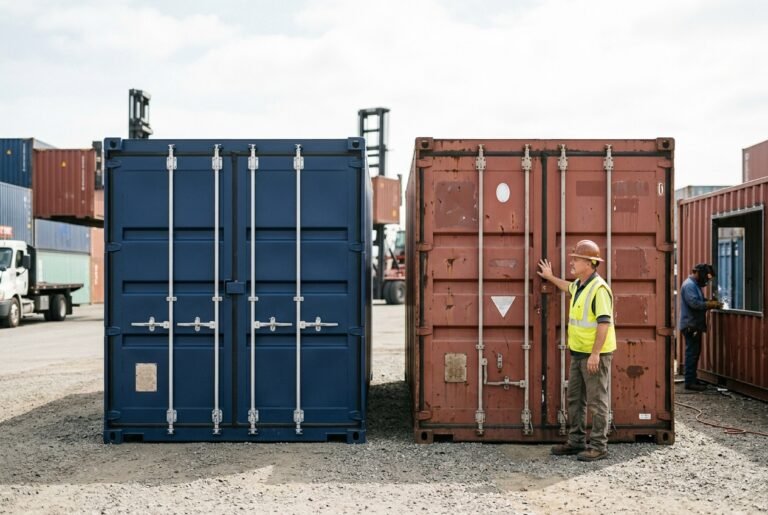
| One-Trip | A nearly new container that has usually made one loaded voyage from the factory before resale | Premium storage, visible business use, modular projects, long-term ownership | Higher price, cleaner appearance, strong floors, fewer repairs, better paint condition |
| Cargo Worthy | A used container with enough structural integrity for cargo transport when properly inspected and documented | Export, regional transport, high-value storage, buyers wanting stronger used condition | CSC plate status, survey requirements, corner castings, floor strength, door operation |
| Wind and Watertight | A used container that should keep out wind and rain for stationary storage but is not necessarily certified for shipping cargo | Jobsite storage, farm storage, household overflow, budget-conscious stationary use | Door gaskets, roof pinholes, rust, floor condition, evidence of leaks |
| As-Is | A container sold without reliable performance assurances | Very low-value storage or repair projects | High risk of leaks, door problems, structural rust, hidden repair costs |
A One-Trip container is typically the closest practical option to new. It may have minor handling marks, small dents, or scuffs, but it generally has cleaner paint, newer door seals, and less wear on the roof and floor.
A Cargo Worthy container is a better comparison point for buyers who may need to ship goods, move the container repeatedly, or store higher-value contents. For ocean export, ask about CSC plate status and whether a current survey is required for your shipping line.
A Wind and Watertight container, often shortened to WWT, is usually the value choice for stationary storage. It should keep out rain and wind, but it may show dents, patches, surface rust, and cosmetic wear. If you are comparing used containers, do not assume every used unit is equal. A clean WWT unit and a rough WWT unit can perform very differently.
Compare physical condition like an inspector
Even when the grade sounds right, the physical condition still matters. Photos help, but you should know what you are looking for. A container can look acceptable from one side and still have roof dents, stiff doors, damaged gaskets, or floor problems.
Focus on these inspection points before you commit:
- Roof and top rails: Look for deep dents that hold water, patched holes, heavy rust, or sagging roof sections.
- Doors and gaskets: Open and close both cargo doors if possible, and check that the seals are continuous and flexible.
- Floors: Watch for soft spots, delamination, chemical odor, oil stains, rot, or forklift damage.
- Walls and posts: Surface rust is common, but corrosion that flakes deeply into the steel or affects posts and rails is more serious.
- Corner castings and frame: These are critical if the unit will be lifted, stacked, or transported.
- Interior light test: Stand inside with doors closed during daylight. Visible pinholes can reveal leaks.
- Vents and condensation signs: Rust streaks, musty smell, or damp floors can indicate moisture problems.
For storage in the Southeast, moisture control is a serious consideration. Raleigh and much of North Carolina experience humidity, heavy rain, and seasonal temperature swings. A solid container can still develop condensation if it is placed poorly, lacks airflow, or stores damp contents.
Compare total delivered value, not just purchase price
A useful quote should tell you more than the container price. Storage container buyers should compare the delivered-and-placed cost because the delivery method, distance, site access, and placement conditions can change the final budget.
A complete quote should clarify the container size, grade, condition, delivery ZIP code, unloading method, taxes or fees, and any assumptions about access. If a quote looks much lower than others, ask whether it includes delivery, whether the container is actually Wind and Watertight, and whether you will receive representative photos or photos of the exact unit.
For Raleigh buyers, delivery costs can vary depending on location in Wake County, access from major roads, site congestion, and whether the driver can place the unit directly with a tilt-bed. For buyers across the Southeast and the wider U.S., distance from inventory, fuel costs, equipment availability, and difficult offloading conditions all affect the real cost.
Compare delivery method and site access
Storage containers are large steel structures, so delivery planning is part of the buying decision. A great container can still become a problem if the site is too soft, too tight, too sloped, or blocked by overhead obstructions.
Tilt-bed delivery is common for ground-level placement. The trailer tilts, the container slides down, and the driver pulls forward as the unit settles into position. This method is efficient, but it requires straight-line room beyond the final container footprint.
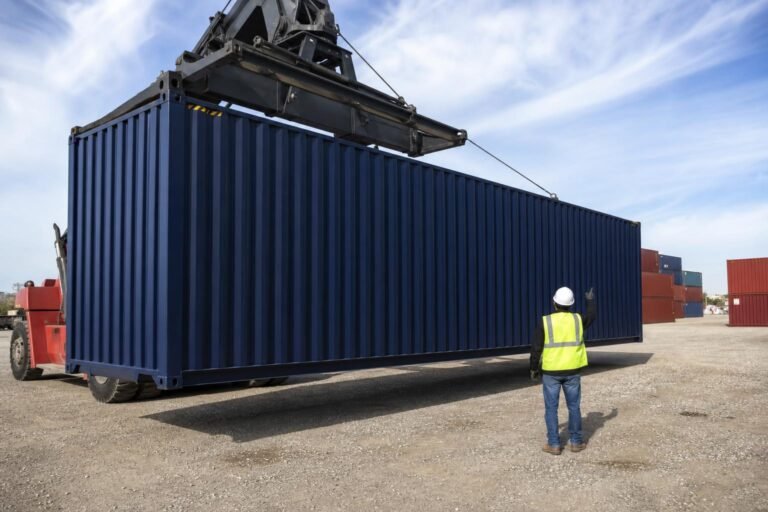
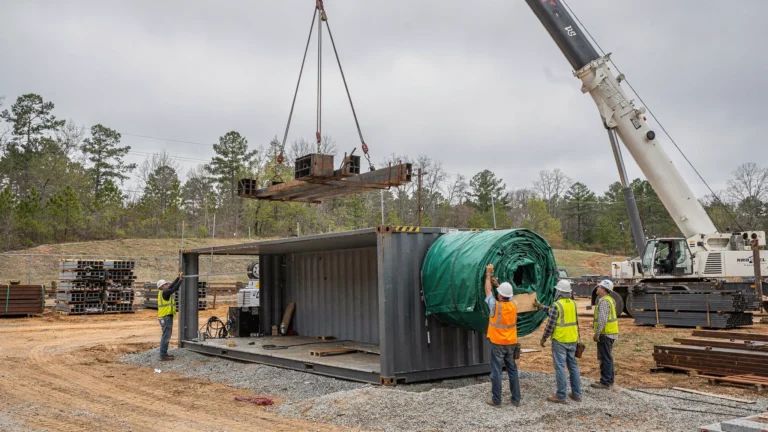
Flatbed delivery may require a crane, forklift, or other lifting equipment to place the container. Side-loader delivery can help in some constrained sites, but availability varies by region. Chassis delivery may be relevant for logistics and transport users, but it is not the same as ground-level storage placement.
Before purchasing, compare whether the seller has reviewed your access route, driveway width, turning radius, overhead clearance, slope, and ground stability. If you are still planning the drop, Lease Lane Containers has additional guidance on container delivery planning to help reduce failed delivery risk.
Pro-Tip: Build the pad before delivery day
A shipping container should sit level, supported, and above standing water. In Raleigh and across the humid Southeast, poor ground preparation can cause door binding, uneven settling, undercarriage corrosion, and water pooling around the floor structure.
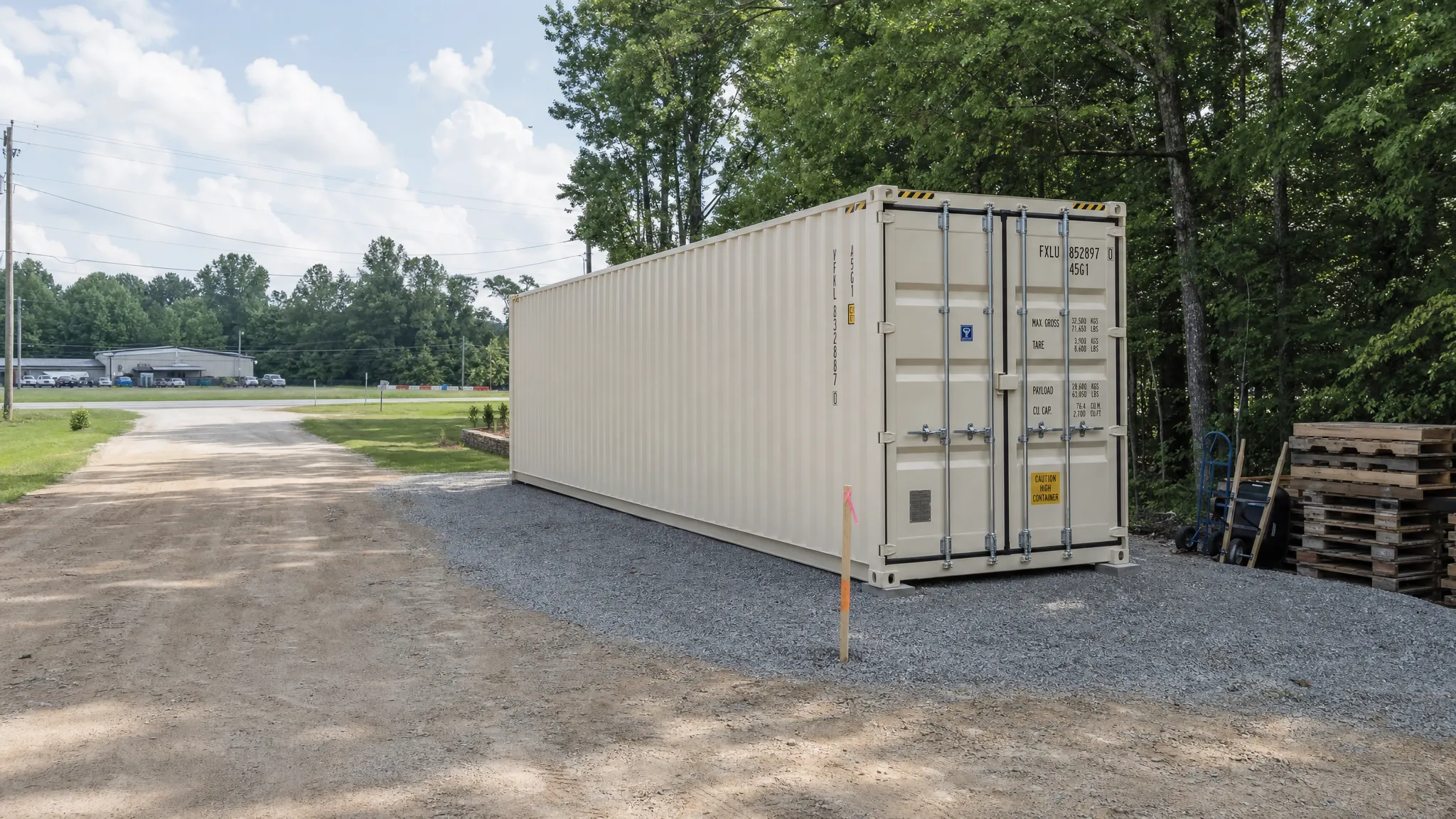
For many storage uses, a compacted gravel pad is a practical choice because it improves drainage and spreads weight. Concrete can be a better option for permanent business sites, heavy forklift traffic, or container offices. Blocks, piers, or timbers may work for temporary placement, but they must support the container evenly, especially at the corner castings and load points.
Use this quick site-prep checklist before delivery:
- Choose a firm, level, well-drained location that does not collect runoff.
- Clear trees, low branches, parked vehicles, fences, debris, and overhead obstructions from the route.
- Extend the pad beyond the container footprint so doors and workers have stable footing.
- Confirm the door end orientation before the driver arrives.
- Check local zoning, HOA rules, and permit requirements before scheduling delivery.
- Contact 811 before digging if you will grade, trench, install anchors, or add utilities.
Leveling is not cosmetic. If the container twists even slightly, the cargo doors can become difficult to latch. That issue is especially frustrating for contractors and small business owners who need daily access.
Compare security, ventilation, and storage upgrades
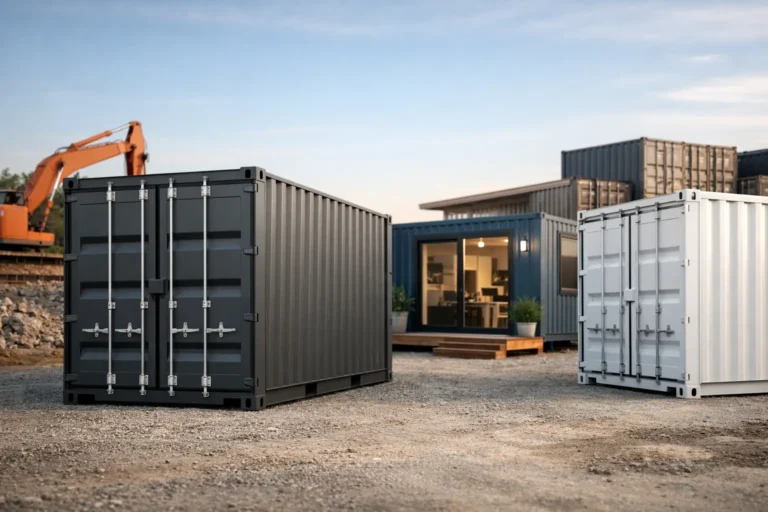
For storage use, the right upgrades can matter as much as the steel shell. Contractors storing tools may prioritize a welded lockbox, puck lock, lighting, and shelving. Homeowners may want vents, a moisture barrier, and easy door access. Small businesses may need interior organization, LED lighting, personnel doors, or a roll-up door for frequent loading.
Security starts with the container condition. Doors should close fully, locking rods should operate smoothly, and gaskets should not prevent the doors from seating. A lockbox helps shield the padlock from bolt cutters, while good placement improves visibility and discourages tampering.
Ventilation matters for long-term storage. Containers are weather-resistant, not climate-controlled by default. If you store paper, furniture, textiles, electronics, feed, or boxed inventory, ask whether passive vents, desiccants, shelving, pallets, or insulation make sense for your use case.
For refrigerated storage, compare more than the insulated box. A reefer container requires tested refrigeration performance, compatible electrical service, and a maintenance plan. It is a specialized storage solution, not just a dry container with cold air.
Compare seller transparency and local support
The seller you choose affects the container you receive, the delivery experience, and how quickly problems are resolved. A local team familiar with Raleigh, Wake County, and Southeast delivery conditions can often give more practical advice than a remote listing with vague photos.
When comparing storage shipping containers for sale, ask the seller direct questions:
- Is the unit One-Trip, Cargo Worthy, Wind and Watertight, or As-Is?
- Are photos representative, or are they of the exact container being delivered?
- What is included in the delivered-and-placed quote?
- What delivery method will be used at my site?
- What access, clearance, and pad conditions are required?
- Are there known floor, roof, gasket, odor, or door issues?
- If I need export, can you confirm the documentation requirements before purchase?
Lease Lane Containers LLC is headquartered in Raleigh, NC and supplies new One-Trip and used shipping containers, including 20 ft, 40 ft, Standard, High Cube, Cargo Worthy, Wind and Watertight, and refrigerated options. The key advantage for buyers is not just inventory. It is guidance on matching container grade, size, delivery method, and site conditions before money is spent.
Quick comparison scorecard for storage container buyers
Use this table when comparing multiple quotes. A low price is only attractive if the container, delivery, and site requirements match your storage needs.
| Comparison point | Strong sign | Warning sign |
|---|---|---|
| Grade definition | Seller clearly explains One-Trip, Cargo Worthy, or WWT | Vague terms like good condition with no details |
| Photos | Recent photos show doors, roof, interior, floor, and exterior | Only stock photos or one distant image |
| Floor condition | Dry, solid, no soft spots or strong odors | Chemical smell, rot, oil saturation, delamination |
| Door operation | Doors open, close, and latch properly | Bent rods, torn gaskets, hard-to-close doors |
| Delivery quote | Includes delivery assumptions and placement method | Low price excludes delivery or site difficulty |
| Site planning | Seller asks about access, clearance, slope, and pad | Seller books delivery without site questions |
| Storage fit | Size and grade match contents and timeline | Cheapest unit chosen without considering use |
| Support | Local or knowledgeable team can advise before delivery | Broker cannot explain where the unit is coming from |
Frequently Asked Questions
What grade is best for a storage shipping container? For most stationary storage, a Wind and Watertight container can be a strong value if the roof, doors, gaskets, and floor are sound. Choose Cargo Worthy if you may transport cargo later or want stronger structural assurance. Choose One-Trip for the cleanest appearance, longest expected service life, or visible business use.
Is a Cargo Worthy container better than Wind and Watertight for storage? Cargo Worthy is usually structurally stronger and more suitable for transport, while Wind and Watertight is usually sufficient for ground-level storage. If you are storing high-value inventory or may export goods, Cargo Worthy is worth comparing. If the container will stay on a farm or jobsite, WWT may be enough.
Should I buy a 20 ft or 40 ft storage container? Buy a 20 ft container if space, driveway access, or maneuverability is limited. Buy a 40 ft container if you need more capacity and have enough delivery room. A 40 ft High Cube is useful for tall items, pallet racking, or future modifications.
Do I need a permit for a storage container in Raleigh, NC? It depends on your property, zoning, duration of placement, use, and whether the container is temporary or permanent. Always check with the City of Raleigh, Wake County, your municipality, and any HOA before delivery.
Can a shipping container sit directly on the ground? It can, but it is not ideal for long-term storage. Direct ground contact can increase moisture exposure, settling, rust risk, and door alignment problems. A level gravel pad, concrete base, piers, or properly placed supports are usually better choices.
What should be included in a storage container quote? A useful quote should identify the size, grade, condition, delivery ZIP code, delivery method, placement assumptions, taxes or fees, and any optional modifications. Always compare total delivered value, not just the container price.
Ready to compare storage containers with a local expert?
If you are looking for storage shipping containers for sale in Raleigh, across North Carolina, throughout the Southeast, or nationwide, Lease Lane Containers LLC can help you compare the right size, grade, and delivery plan for your property.
Email the sales team at sales@leaselanecontainers.com with your delivery ZIP code, preferred size, storage use, and site photos, or visit the Raleigh office to discuss available One-Trip, Cargo Worthy, Wind and Watertight, High Cube, and refrigerated container options.