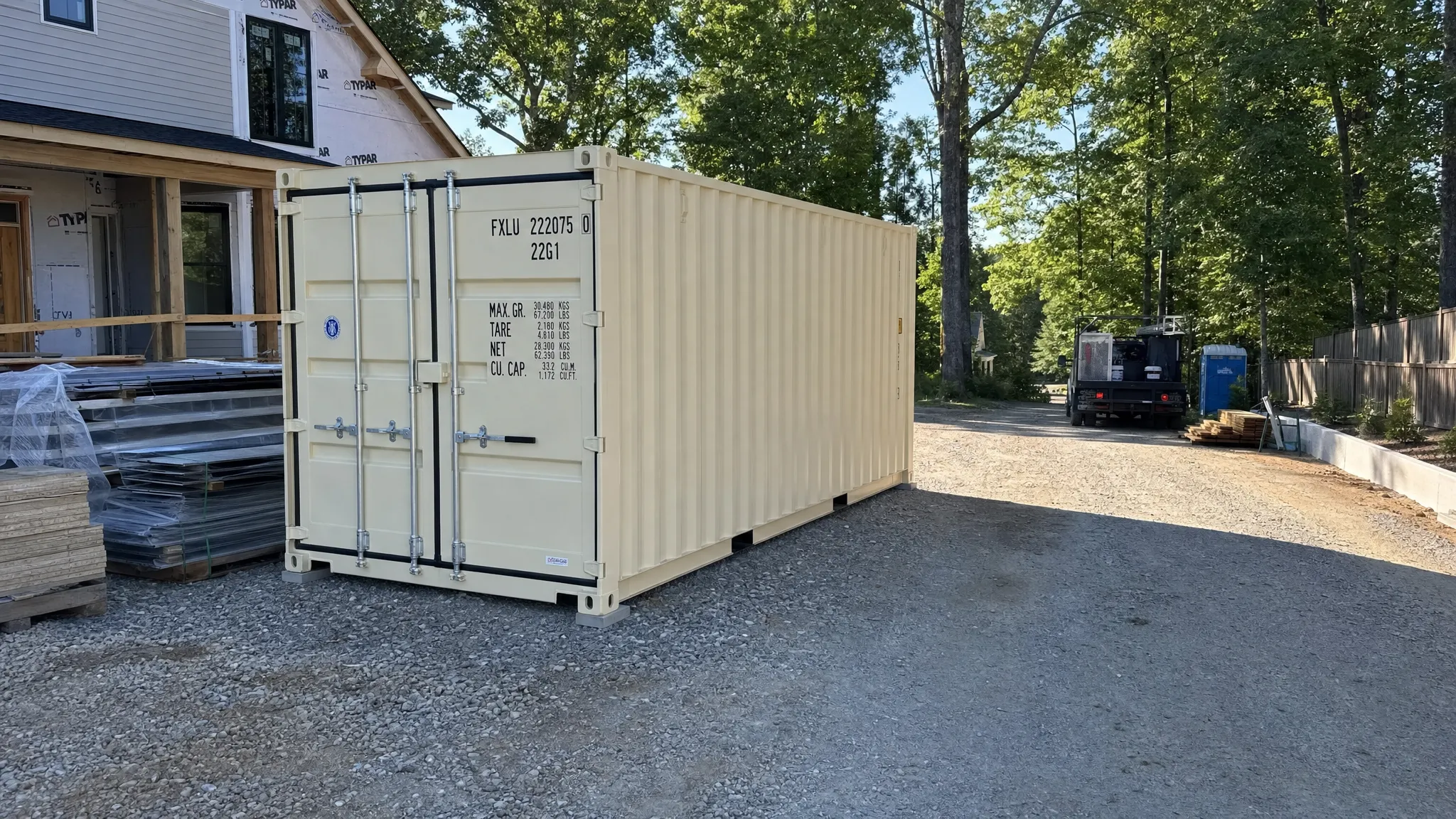
20 Ft Cargo Container: Best Uses and Buying Tips
A 20 ft cargo container is one of the most practical storage and transport assets you can put on a jobsite, farm, retail lot, or residential property. It is compact enough to fit where a 40ft unit may be difficult to place, yet large enough to secure tools, inventory, equipment, seasonal materials, or freight.
For buyers in Raleigh, North Carolina and across the Southeast, the 20ft size is especially useful because it balances capacity with maneuverability. It can fit on tighter urban infill sites, residential driveways, rural properties, and construction lots where access roads or turning space are limited. Nationally, it remains a standard ISO container size, which means it is familiar to carriers, depot operators, modification shops, and logistics teams.
The key is buying the right unit for the job. A clean One-Trip container, a Cargo Worthy unit, and a Wind & Watertight container can all be smart purchases, but they serve different needs. Understanding those differences before you buy can save money, prevent delivery headaches, and help you avoid paying for more container than you need.
What is a 20 ft cargo container?
A 20 ft cargo container, often called a 20ft shipping container, is a steel intermodal container built to ISO standards for handling, stacking, and transport. Most are made from corrosion-resistant Corten steel, with steel corner castings, forklift pockets on many units, locking cargo doors, crossmembers, and a marine-grade plywood floor.
A standard 20ft dry container is commonly used for storage and freight. Exact measurements vary slightly by manufacturer and production year, so always confirm the data plate and spec sheet before purchase.
| Specification | Typical 20 ft standard dry container |
|---|---|
| Exterior length | 20 ft |
| Exterior width | 8 ft |
| Exterior height | 8 ft 6 in |
| Interior length | About 19 ft 4 in |
| Interior width | About 7 ft 8 in |
| Interior height | About 7 ft 10 in |
| Door opening | About 7 ft 8 in wide by 7 ft 5 in high |
| Tare weight | About 4,800 to 5,000 lb |
| Max gross weight | About 52,900 lb, depending on plate rating |
If you are comparing a 20ft container against a 40ft container or High Cube option, review the practical differences in footprint, height, and interior volume. Lease Lane Containers has a detailed shipping container dimensions guide that explains how standard 20ft, 40ft, and High Cube units compare.
Why the 20ft size works so well
The 20ft container is popular because it offers a strong middle ground. A 10ft container may be convenient but can feel cramped for contractors, farms, and business inventory. A 40ft unit offers more space but needs a larger drop area, more clearance for delivery, and more room for door swing and access.
A 20 ft cargo container is often easier to place on Raleigh-area residential lots, downtown construction sites, and smaller commercial properties. It can also be moved more efficiently than a larger unit when a project changes location. For general contractors working across Wake County, Durham, Cary, Apex, Garner, and the wider Triangle, that flexibility matters.
The size also makes sense for buyers who want long-term storage without committing a large portion of their property to a container. Homeowners can store furniture or renovation materials. Farmers can secure feed, tools, and seasonal equipment. Small businesses can add inventory space without leasing a warehouse.
Best uses for a 20 ft cargo container
Secure jobsite storage for contractors
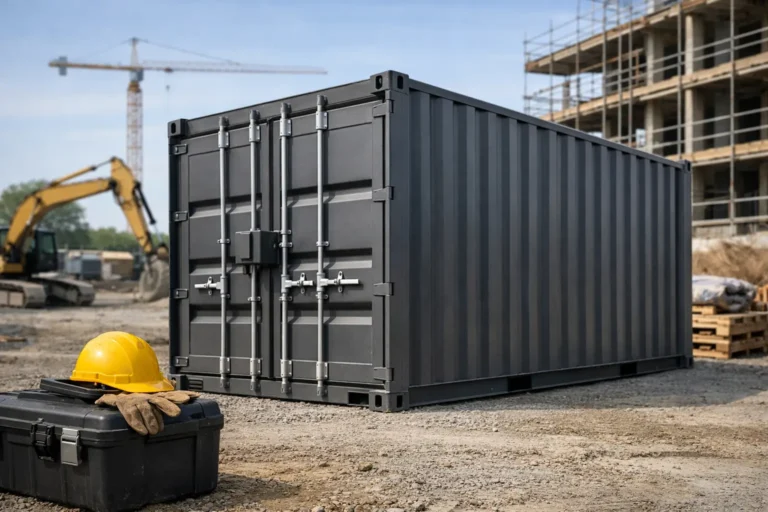
For general contractors, home builders, roofers, electricians, plumbers, and landscapers, a 20ft container can serve as a locked steel storage room on-site. It keeps tools, fasteners, fixtures, generators, ladders, and materials closer to the work area while reducing daily loading and unloading.
In Raleigh and throughout the Southeast, summer storms and humidity make weather protection important. A Wind & Watertight unit is often sufficient for static jobsite storage, provided the doors seal properly, the roof is sound, and the floor is in usable condition. If the container will represent your company on a client-facing site, a cleaner One-Trip unit may be worth the premium.
Residential storage during moves and renovations
Homeowners often choose a 20 ft cargo container for remodeling projects, estate cleanouts, storm preparation, furniture storage, and long-term property organization. Compared with off-site storage, the main advantage is access. Your belongings stay on your property, and you do not need to drive to a storage facility every time you need a tool, box, or appliance.
For residential use, condition and placement matter. A used WWT container can be cost-effective, but buyers should check for odors, stained floors, door gasket wear, and rust scale. For furniture, documents, appliances, and finished materials, ventilation or a cleaner One-Trip unit may be the better choice.
Farm and agriculture storage
Agricultural buyers use 20ft containers for feed, irrigation parts, fencing supplies, hand tools, ATV accessories, seed, and seasonal gear. Steel containers are attractive for farms because they resist pests better than many wood sheds and can be placed near barns, fields, or equipment areas.
Corten steel helps the exterior stand up to weather, but containers still need smart placement. Avoid low spots where water collects. In humid parts of North Carolina and the Southeast, ventilation can help reduce condensation when storing temperature-sensitive materials.
Small business inventory overflow
Retailers, ecommerce sellers, service companies, and light manufacturers often use 20ft containers as overflow storage. The size is large enough for palletized goods, fixtures, packaging materials, spare parts, and event equipment, but still manageable behind a shop or warehouse.
For inventory storage, consider how frequently you will access the container. Standard end doors work well for items that can be organized in aisles or shelving. If you need frequent forklift access to many items at once, a side-opening configuration may be more efficient. For example, a used 20ft open side shipping container can make loading, unloading, and organizing bulky materials much easier than working only through end doors.
Retail pop-ups, mobile workshops, and modular projects
A 20ft container is a strong starting point for pop-up retail, mobile service bays, equipment rooms, concession concepts, and small office conversions. It is large enough for a functional layout while remaining easier to transport and place than a 40ft unit.
For conversions, many buyers prefer One-Trip containers because they typically have cleaner floors, fewer dents, better paint, and less wear. If your project involves windows, personnel doors, insulation, HVAC, electrical, or interior finishes, starting with a straighter and cleaner shell can reduce prep work.
Cargo and regional transport
If you plan to use the container for freight, do not buy based on appearance alone. A container used for international shipping or loaded transport should be Cargo Worthy and may require a valid CSC inspection or documentation depending on the carrier, route, and cargo.
For logistics managers, the 20ft size is useful for heavy cargo because the shorter floor span can handle dense loads better than many buyers expect, provided the load is distributed properly and the unit meets the required rating. Always confirm the max gross weight, payload rating, and floor condition before loading.
| Use case | Common grade fit | Key buying priority |
|---|---|---|
| Construction storage | WWT or One-Trip | Dry interior, secure doors, usable floor |
| Home renovation storage | WWT or One-Trip | Clean interior, tight seals, easy placement |
| Farm storage | WWT | Weather resistance, ventilation, drainage |
| Retail inventory | WWT, Cargo Worthy, or One-Trip | Clean floor, access layout, shelving plan |
| Mobile office or pop-up | One-Trip | Appearance, straight walls, modification readiness |
| International shipping | Cargo Worthy | Structural integrity, plate rating, required certification |
Know the grade before you buy
Container grade is one of the most important buying factors. Two containers may both be 20ft units, but their condition, use history, and suitability can be very different.
One-Trip containers
A One-Trip container is a new or near-new unit that has typically made one cargo trip from the factory to the destination market. These containers usually have the cleanest appearance, best paint condition, strongest curb appeal, and least wear. They are commonly chosen for residential properties, customer-facing businesses, modular builds, mobile offices, and buyers who want long service life with minimal cosmetic issues.
One-Trip units cost more than used containers, but they can be the best value when cleanliness, appearance, and modification readiness are priorities.
Cargo Worthy containers
A Cargo Worthy container is a used container considered structurally suitable for cargo transport. It should have sound corner posts, rails, crossmembers, doors, and floor condition appropriate for shipping use. For international movement, additional inspection, documentation, or CSC plate validity may be required by the carrier or shipping line.
Cargo Worthy does not mean cosmetically perfect. Expect dents, surface rust, patches, and prior shipping wear. The value is in structural performance and transport suitability.
Wind & Watertight containers
A Wind & Watertight container, often shortened to WWT, is a used container that keeps out normal wind and rain when properly closed. WWT units are usually chosen for static storage, not active ocean shipping. They are a practical fit for jobsite storage, farm storage, home storage, and many small business uses.
WWT containers may show visible dents, paint wear, surface rust, prior repairs, and floor wear. That is normal. What matters is that the roof does not leak, door gaskets seal, doors operate, and the floor is safe for your intended load.
Buying tips for a 20 ft cargo container
Start with the use case, not the price
The lowest price is not always the best deal. A cheaper unit that leaks, smells, has a soft floor, or cannot be delivered safely may cost more in repairs and frustration. Start by defining what the container must do.
If you need dry tool storage for six months, a WWT unit may be ideal. If you need international shipping, look at Cargo Worthy units and confirm the certification requirements. If you are building a pop-up shop or office, a One-Trip unit often gives you a better starting shell.
Inspect the roof, doors, floor, and frame
A proper inspection should focus on the parts that affect performance. Surface rust and dents are common on used containers, but holes, severe corrosion, twisted frames, and failing door hardware are bigger concerns.
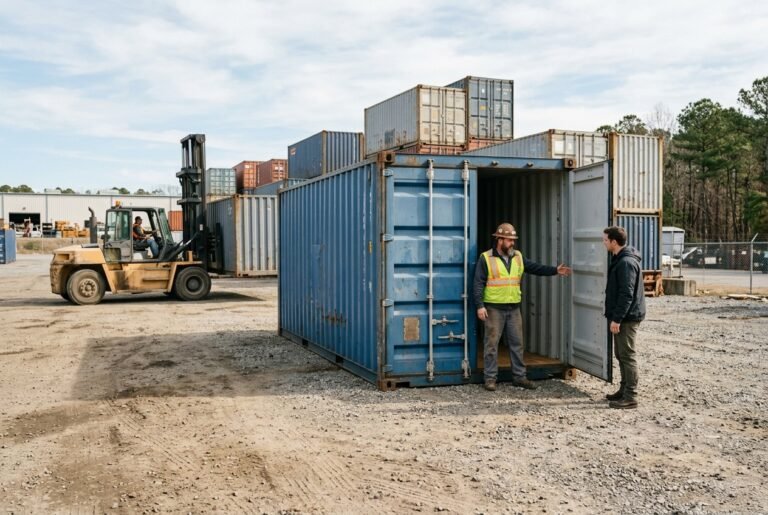
Check the roof from inside by looking for pinholes of daylight. Inspect door gaskets, locking rods, hinges, and cam keepers. Walk the floor and feel for soft spots, delamination, oil stains, or chemical odors. Look along the bottom rails and corner posts for heavy rust or structural damage. If you cannot inspect in person, ask for clear photos of the roof, interior, doors, floor, corner castings, and all four sides.
Compare total delivered cost
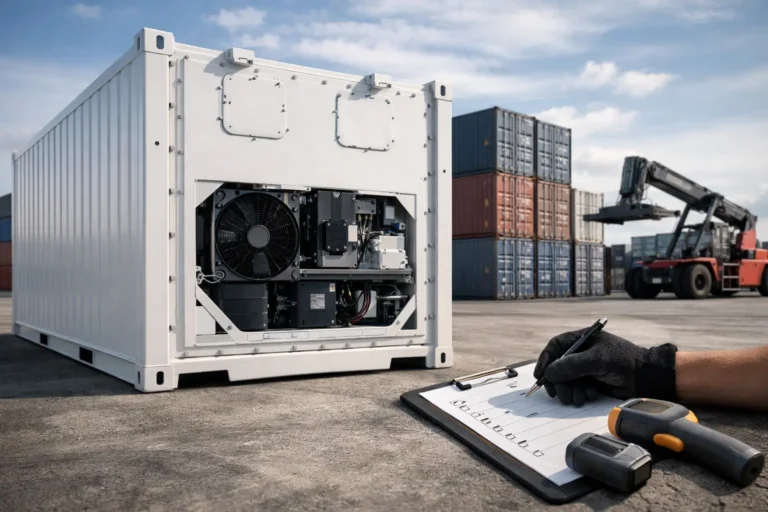
Container pricing changes based on grade, supply, location, delivery distance, and special features such as High Cube height, open side access, refrigeration, or modifications. The number that matters is the total delivered cost, not just the container price.
Ask whether delivery is included, what equipment will be used, whether there are access requirements, and whether taxes or additional fees apply. If you are budgeting for a purchase this year, Lease Lane Containers maintains a practical 20ft shipping container price guide for 2026 buyers that explains how grade and delivery affect final cost.
Choose the right access style
Standard 20ft containers have cargo doors on one end. That works well for many buyers, especially when the container is used for organized storage with shelves, racks, or a center aisle. However, if you need to access items across the full length of the container, standard doors can become limiting.
Open side containers, double-door containers, and modified units can solve access problems, but they cost more. Before buying, think about how people, pallet jacks, forklifts, or equipment will move in and out. Door swing clearance is also important. Standard cargo doors need room to open fully, and that space should be kept clear.
Consider standard height versus High Cube
A standard 20 ft cargo container is 8 ft 6 in tall on the exterior. A High Cube container adds one foot of exterior height, reaching 9 ft 6 in. High Cube units are valuable when you need extra interior clearance for taller equipment, insulation, lighting, office build-outs, or racking.
High Cube availability can vary by size and market. In many regions, 40ft High Cube containers are more common than 20ft High Cube units. If height matters, ask your supplier what is available and whether a 40ft High Cube or modified layout may be more practical.
Confirm delivery access before you pay
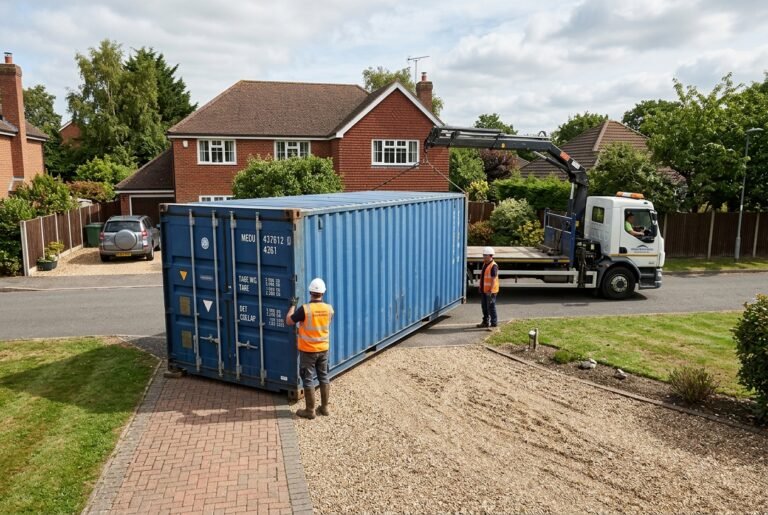
Most residential and jobsite deliveries use tilt-bed or roll-off style trucks, although equipment varies by carrier and region. These trucks need room to enter, align, tilt, and pull away. Tight turns, low branches, overhead wires, soft ground, steep slopes, and narrow gates can all create delivery problems.
For Raleigh and Southeast buyers, rain and clay-heavy soil can make access conditions change quickly. A site that looks firm on Monday may be too soft after a storm. Share photos or video of the drop location with your supplier before delivery, especially if the property has a long driveway, uneven grade, or limited turnaround space.
Pro-Tip: Prepare the site before delivery day
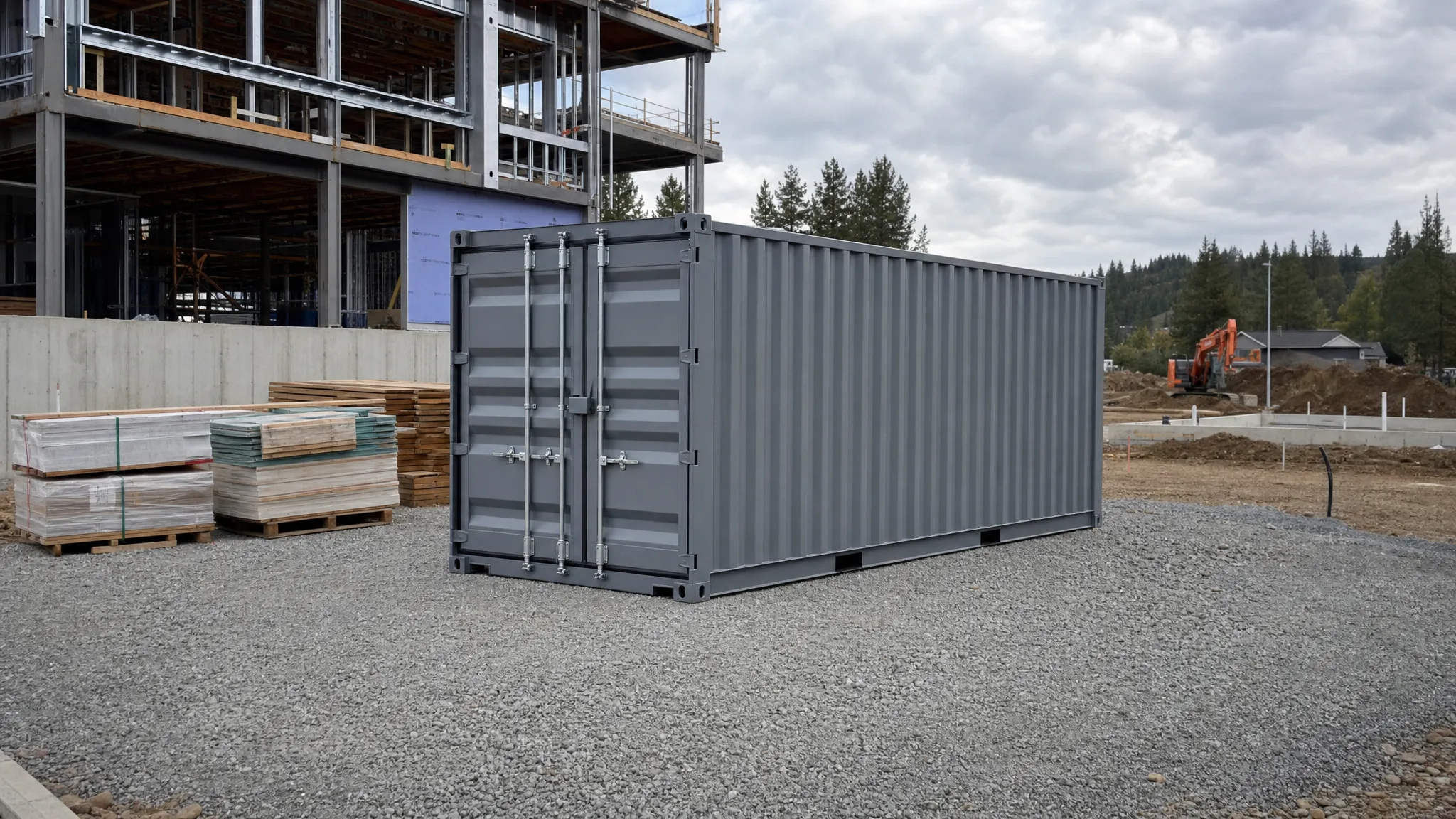
A container performs best when it sits level, drains properly, and is supported at the right points. Poor site prep can cause doors to rack, seals to wear unevenly, floors to hold moisture, and the container to settle over time.
Before your 20 ft cargo container arrives, prepare the site with these basics:
- Choose a level area with enough room for the delivery truck to approach and exit safely.
- Use a compacted gravel pad, concrete strip footings, railroad ties, or blocks rated for the load rather than placing the container directly in mud or standing water.
- Support the container near the corners and keep it level so the cargo doors open and close smoothly.
- Plan drainage so water flows away from the floor and bottom rails.
- Check local zoning, HOA rules, and permit requirements before delivery, especially inside Raleigh, nearby municipalities, or developed neighborhoods.
Permit rules vary by jurisdiction and by intended use. Temporary storage on a construction site may be treated differently than a permanent structure, a business use, or a modified office with utilities. When in doubt, call the local planning or inspections department before scheduling delivery.
Red flags when buying a used 20ft container
Used containers can be excellent purchases, but transparency matters. Be cautious if a seller cannot explain the grade, refuses to provide current photos, or uses vague condition descriptions. Also be careful with prices that seem far below the market once delivery is included.
Common red flags include visible daylight through the roof, doors that do not close without force, standing water inside, strong chemical odors, severely delaminated floors, heavy rust at bottom rails, and missing or unreadable data plates for shipping use. For a storage-only container, some cosmetic wear is acceptable. For freight or modification, structural condition becomes much more important.
A reliable supplier should help you match the grade to the application, explain delivery requirements, and give clear pricing before the truck arrives.
Frequently Asked Questions
Is a 20 ft cargo container big enough for contractor storage? Yes, it is a strong fit for many general contractors, remodelers, roofers, electricians, plumbers, and landscapers. It can hold tools, materials, fixtures, and equipment while fitting on tighter jobsites than a 40ft unit.
What grade should I buy for basic storage? For most static storage needs, a Wind & Watertight container is the cost-effective choice. If appearance, cleanliness, or long-term condition is especially important, consider a One-Trip unit.
Can a 20 ft cargo container be used for international shipping? Yes, but it should be Cargo Worthy and may need proper inspection, documentation, and CSC plate validity depending on the carrier and route. Do not assume a storage-grade WWT unit is approved for loaded international transport.
Do I need a permit for a container in Raleigh, NC? It depends on the property, zoning, duration, placement, and intended use. Check with the City of Raleigh, your local municipality, county offices, or HOA before delivery, especially for long-term placement or modified containers.
Is a One-Trip container worth the extra cost? It can be worth it when you need a cleaner appearance, better paint, fewer dents, or a strong starting point for modifications. For short-term jobsite storage, a used WWT unit may be more economical.
Should I choose a 20ft or 40ft container? Choose a 20ft container when space, maneuverability, and easier placement matter. Choose a 40ft container when you need significantly more interior volume and have enough room for delivery, placement, and door access.
Talk with a local container team before you buy
A 20 ft cargo container can be a smart investment for secure storage, transport, farm use, business inventory, or modular projects, but the right choice depends on grade, site conditions, access, and delivery planning.
Lease Lane Containers LLC supplies high-quality new One-Trip and used shipping containers, including 20ft and 40ft options, High Cube units, refrigerated containers, trailers, and custom modular solutions. Our Raleigh-based team helps buyers across North Carolina, the Southeast, and the wider USA choose the right container and plan a successful delivery.
To discuss availability, grading, delivery, or site preparation, contact the sales team at sales@leaselanecontainers.com or visit the Raleigh office. You can also start with Lease Lane Containers online to explore container options and request clear pricing.