
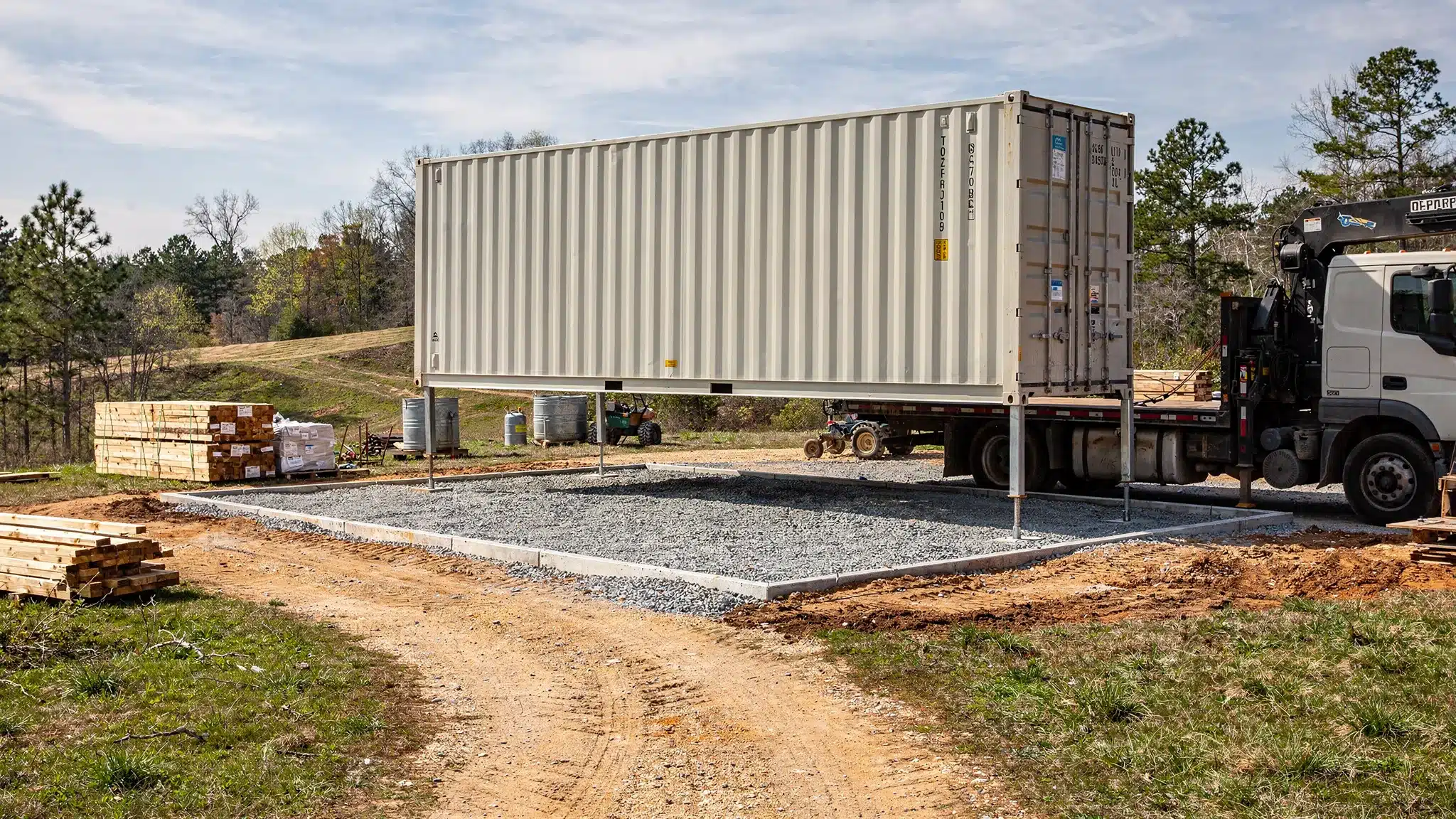
Container Solutions for Jobsites, Farms, and Small Business
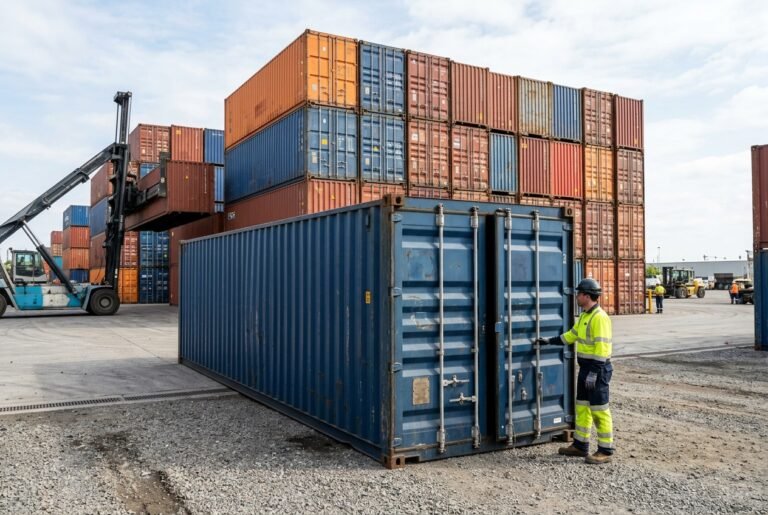
Shipping containers have become one of the most practical, scalable “container solutions” for on-site storage and workspace across Raleigh, North Carolina and the broader Southeast. They are engineered for global freight, built from corrosion-resistant Corten steel, and manufactured to ISO standards, which is why they hold up so well on muddy jobsites, working farms, and behind busy storefronts.
But the best results come from matching the right grade, right size, and right delivery plan to your use case. Below is a field-tested framework for general contractors, homeowners and agricultural operators, and small business owners who want a container that works on day one and keeps working for years.
To compare real options by size, grade, and delivery setup, browse our shipping container inventory before choosing a solution for your property.
What counts as a “container solution” (and why it matters)
A shipping container is more than a big steel box. In practice, container solutions typically fall into a few categories:
-
Secure storage for tools, materials, farm supplies, seasonal inventory, and equipment parts
-
Operational space such as a mobile office, check-in point, or on-site maintenance room
-
Retail and service space such as pop-ups, ticketing booths, or compact showrooms (often paired with basic modifications)
-
Cold storage for temperature-sensitive products using refrigerated containers (reefers)
In North Carolina’s humid summers and wet shoulder seasons, details like door sealing, floor condition, and placement on a proper base make the difference between “cheap storage” and a reliable long-term asset.
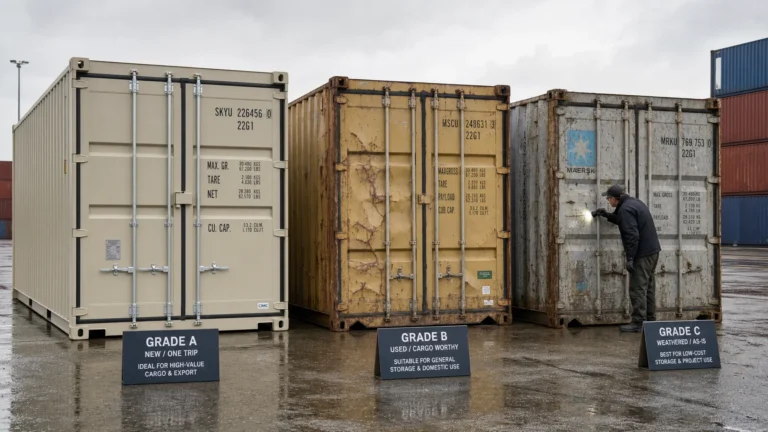
Container grades explained (One-Trip vs. Cargo Worthy vs. WWT)
Grading is where many buyers get surprised, especially when comparing quotes across Raleigh, the Southeast, and nationwide listings. Here is the clearest way to think about the most common grades.
| Grade | What it is | Best fit for | Practical notes |
|---|---|---|---|
| One-Trip (New) | A container that has made one loaded voyage after manufacturing | Customer-facing builds, long-term storage, conversions, projects where appearance matters | Typically the straightest doors, cleanest interiors, and longest remaining service life. Expect minor handling marks, not major dents. |
| Cargo Worthy (CW) | A used container that meets structural requirements for transport and heavy handling | Logistics use, intermodal transport planning, export workflows, rugged jobsite storage | “Cargo Worthy” is about structural integrity. If you intend to ship internationally, confirm documentation requirements and whether a valid CSC inspection/recertification is needed for your route. |
| Wind & Watertight (WWT) | A used container that keeps out wind and water, but may have cosmetic dents or wear | Budget-focused on-site storage, farms, equipment overflow, non-shipping use | Great value when aesthetics are secondary. Door operation and roof integrity still matter. It is not automatically intended for active international shipping. |
For a deeper breakdown of what each grade really means in day-to-day use, review our Container Conditions guide before comparing quotes.
Two quick technical callouts that help buyers in Raleigh and beyond:
-
Corten steel forms a stable “patina” that slows corrosion, but it still needs smart drainage and airflow around the container to avoid trouble spots.
-
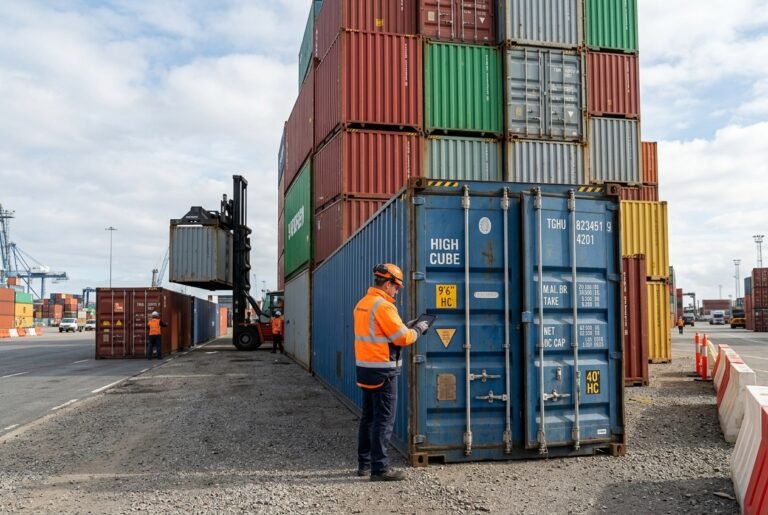
ISO standards keep sizes consistent (20ft, 40ft, and High Cube), which simplifies planning for access, placement, and modular layouts.
If you want a start-to-finish purchasing framework, Lease Lane’s Shipping Container Buyers Guide is a solid reference for grading, sizing, and delivery planning.
Container solutions for jobsites (GCs, builders, and trades)
For general contractors and home builders in Raleigh, Durham, and across the Southeast, containers solve three chronic jobsite problems: theft risk, material damage, and daily inefficiency.
Common jobsite use cases
1) Secure tool and equipment storage
A container gives you a lockable, weather-resistant “tool crib” that can move from site to site.
-
If you need frequent in-and-out access for multiple crews, door function matters as much as square footage.
-
If theft is a concern, your security plan should include more than a padlock (lock protection, lighting, and placement strategy).
2) Materials staging and protection
Drywall, flooring, fasteners, and boxed finishes stay cleaner and more organized when staged off the ground and out of rain.
3) Mobile office or plan room
Many crews use a container as a simple office footprint, especially when you want something tougher than a job trailer shell.
If your crew needs a simple workspace or check-in point on site, compare our mobile office containers before building out a custom setup.
Size and height: 20ft vs 40ft vs High Cube for jobsites
-
20ft units are often the best “first container” on a tight site: easier to place, easier to reposition, and still a meaningful storage volume. If you are comparing options, start with these 20ft containers and plan your aisle space for safe access.
-
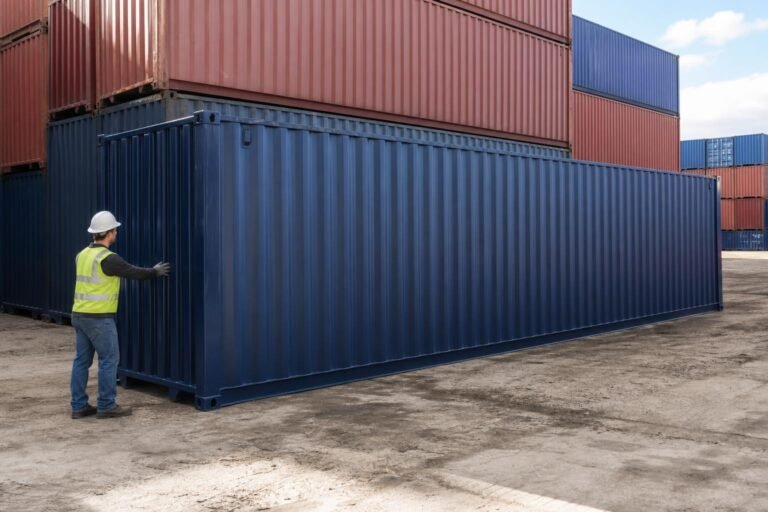
40ft units shine when you want dedicated zones (tools, materials, and a workbench area). For many builders, 40ft containers become a semi-permanent “back-of-house” asset.
-
High Cube (typically 9'6" tall) helps when you want overhead racking, taller materials, or a more comfortable interior feel for a light office conversion.
Recommended grades for jobsites
-
One-Trip for long-term projects, higher-end builds, or any project where you care about clean interiors and smooth doors.
-
WWT for rugged storage when cosmetics do not matter.
-
Cargo Worthy when your container may be moved frequently or integrated into transport workflows.
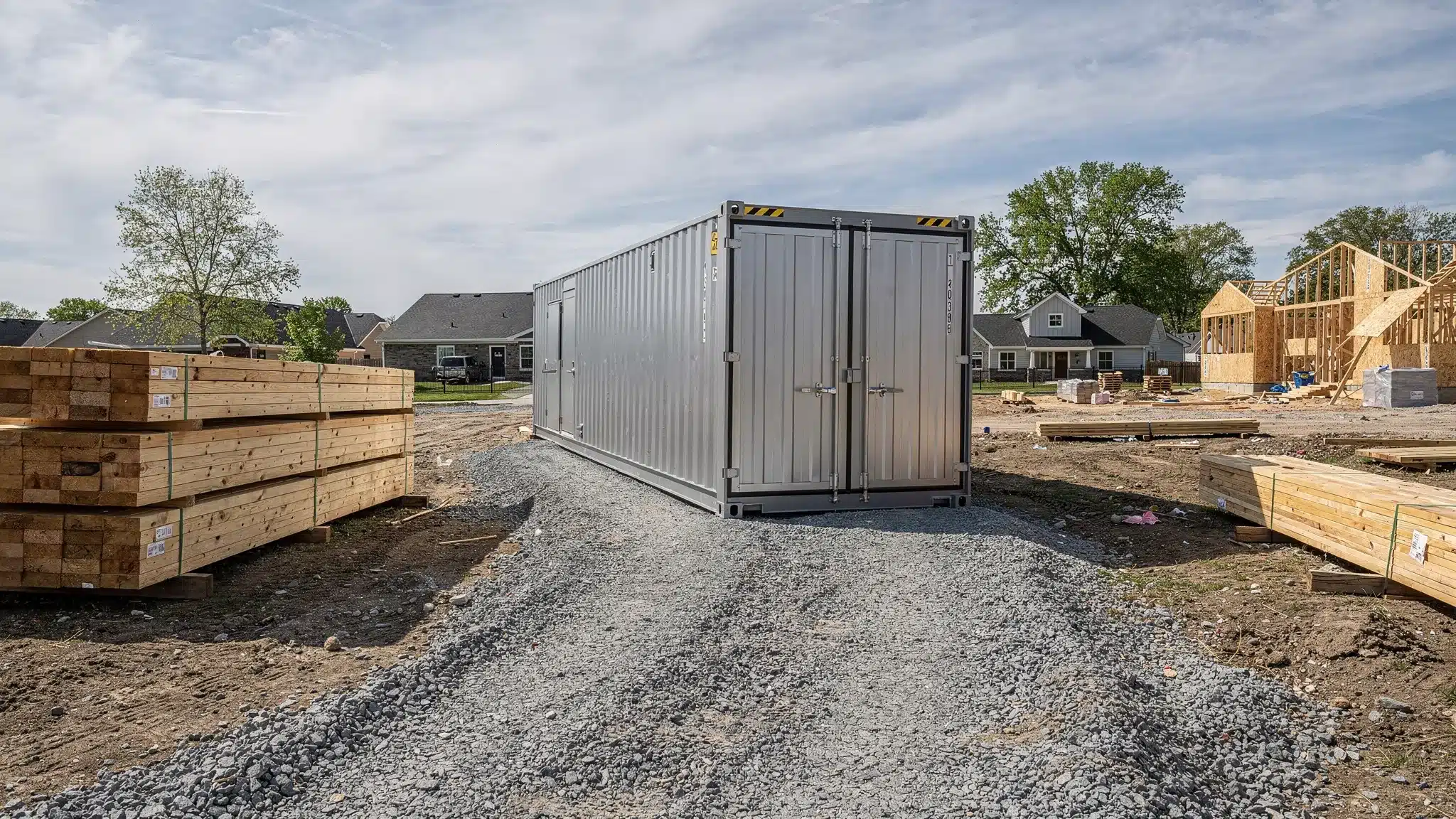
Container solutions for farms and rural properties (agriculture and homeowners)
Across North Carolina and the Southeast, farms and rural homeowners use containers as durable, rodent-resistant storage that is often easier to secure than pole barns or sheds.
High-value farm use cases
1) Feed, tack, and supply storage
A container keeps supplies out of weather and helps you consolidate storage in one lockable footprint.
2) Equipment parts and maintenance storage
The steel structure and consistent dimensions make it easy to add shelving and keep a predictable layout.
3) Seasonal storage overflow
Think irrigation components, fencing supplies, or seasonal retail inventory (pumpkins, wreath supplies, etc.) for farm stands.
Moisture management matters in North Carolina
Even a WWT unit can develop interior condensation if the container is placed in shade on damp ground with poor airflow. Practical steps that help:
-
Place the container on a well-draining base (not directly on soil)
-
Keep vegetation trimmed back for airflow
-
Consider simple ventilation strategies if you are storing moisture-sensitive goods
When a refrigerated container (reefer) is the right solution
If you are storing seed, produce, floral inventory, or temperature-sensitive inputs, a reefer can protect product quality and reduce spoilage risk. For selection considerations and power planning, reference Lease Lane’s refrigerated container guide.
If cold storage is not necessary and your goal is dependable general farm storage, our used shipping containers are often the best-value starting point.
Recommended grades for farms
-
WWT often delivers the best value for general agricultural storage.
-
One-Trip makes sense for long-term placement near customer areas (farm store, agritourism check-in) or when you want the cleanest interior and the easiest doors.
Container solutions for small businesses (inventory, pop-ups, and overflow space)
Small businesses often outgrow their backroom long before they can justify a bigger lease. A container can create fast “breathing room” without committing to more permanent construction.
For businesses deciding between compact storage and a larger back-of-house footprint, our standard shipping container size guide can help you compare the best fit.
Common small business scenarios
1) Inventory overflow for retail and e-commerce
A container placed behind your building can act like an external stockroom, especially useful during seasonal peaks.
2) Mobile office or job dispatch hub
Service businesses (landscaping, electrical, HVAC, restoration) often use containers to centralize parts, tools, and paperwork.
3) Retail pop-ups and customer-facing concepts
If the container will be public-facing, a One-Trip unit is typically the easiest starting point because appearance, odor, and door alignment matter more.
Recommended grades for small businesses
-
One-Trip for customer-facing uses or when your brand will be associated with the space.
-
WWT for back-of-house inventory and storage.
-
Cargo Worthy when you expect heavy repositioning, frequent moves, or transport-related requirements.
Training your team to sell and serve around the container
A practical, overlooked part of container ROI is staff readiness. If your team will be answering customer questions about pickup, access, security, or lead times, structured roleplay can help. Tools like AI roleplay training for sales and service teams can help managers coach objection handling and consistency without pulling staff off the floor for long classroom sessions.
Choosing the right size and configuration (a decision table)
To keep selection simple, here is a high-level fit guide that works well for Raleigh-area deliveries and also scales nationwide.
| Use case | Typical size starting point | Grade starting point | Why |
|---|---|---|---|
| Jobsite tool storage | 20ft | WWT or One-Trip | Easy placement, strong security baseline, good access |
| Jobsite materials staging | 40ft | WWT or One-Trip | Dedicated zones for pallets, staging, and aisle space |
| Farm supply storage | 20ft or 40ft | WWT | Value-focused, durable, weather-resistant storage |
| Farm cold storage | 20ft or 40ft reefer | Reefer condition varies | Temperature control and product protection |
| Retail overflow inventory | 20ft or 40ft | WWT or One-Trip | Faster scale-up than expanding leased space |
| Customer-facing pop-up | 20ft | One-Trip | Cleaner appearance and interior suitability |
If you are debating used inventory, start with this guide on used containers to align expectations with your use case.
If your project may later need taller shelving, a more comfortable interior, or future build-out flexibility, compare a 40ft High Cube container before settling on standard height.
Delivery and placement: where projects succeed or fail
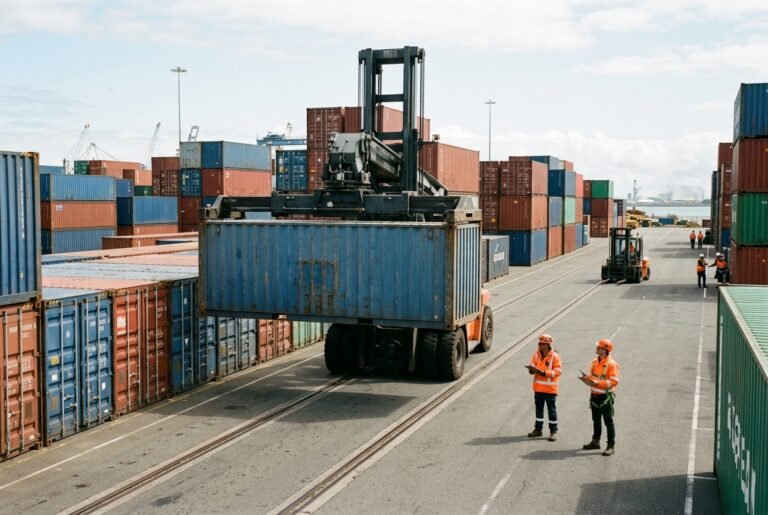
In Raleigh and across the Southeast, most “container problems” are actually site and access problems. Even a great container becomes a headache if the driver cannot safely place it.
At minimum, plan for:
-
A clear access route (width, turning radius, and overhead clearance)
-
Ground conditions that can support the delivery truck
-
A defined drop location that keeps doors usable and prevents standing water
For a detailed checklist that prevents re-delivery fees and placement delays, review Lease Lane’s overview of delivery requirements.
Pro-Tip: Build a simple, durable pad before delivery
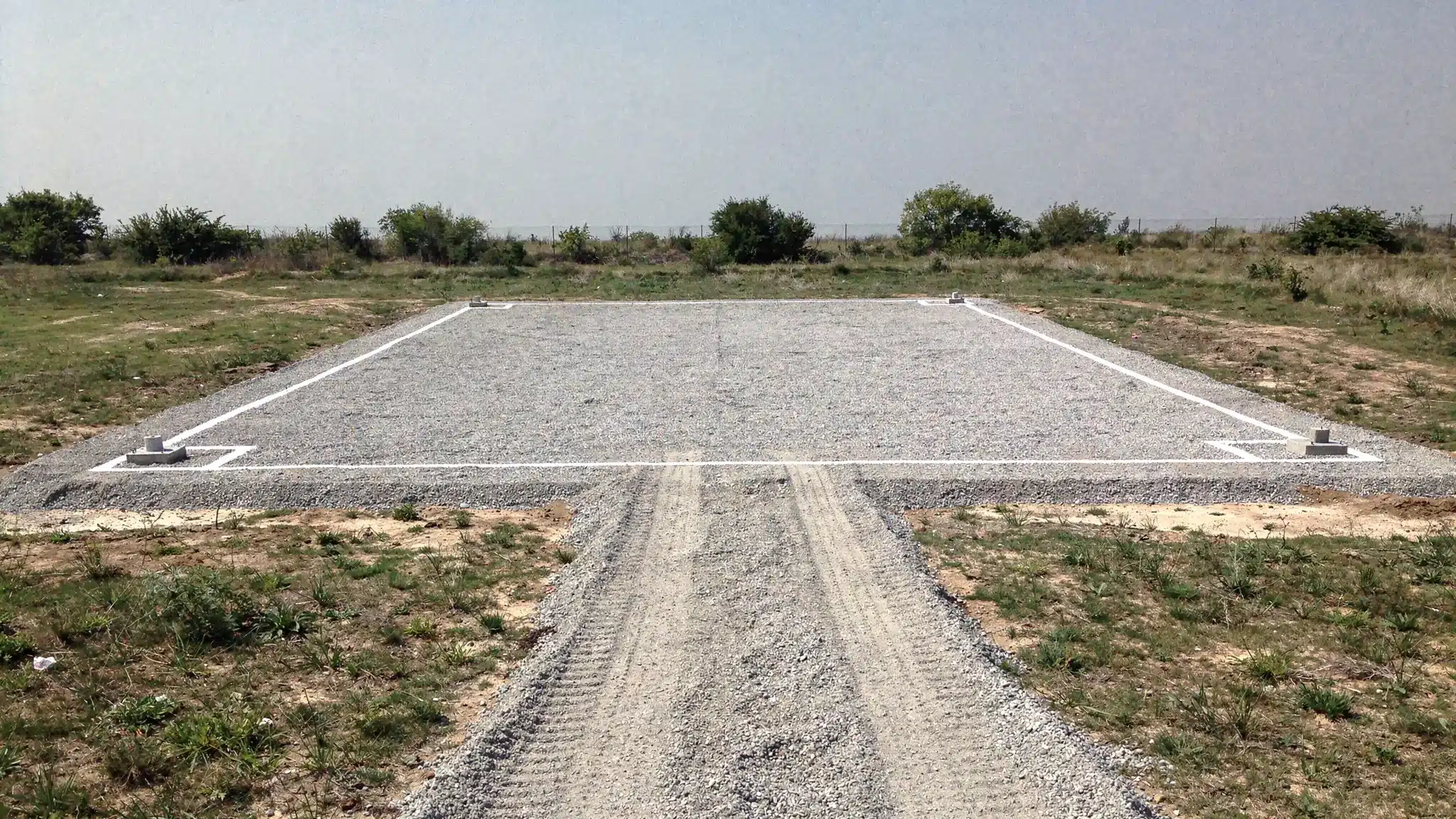
If you want the container to stay square, keep doors operating smoothly, and avoid long-term settling, treat the base like a small foundation.
-
Level first: Even a slight twist can make doors hard to open and can stress the frame over time.
-
Use a gravel pad: Compacted gravel improves drainage (a major win for North Carolina clay soils) and reduces sinking.
-
Support the corners: Use proper corner supports or footings so the load transfers through the container’s corner castings.
-
Check permits and HOA rules: In Raleigh and surrounding jurisdictions, requirements vary by zoning and intended use, especially for business or customer-facing placements.
If you want to reduce placement risk on tight sites, review our ground-level delivery guide before scheduling the truck.
Budgeting like a pro: total cost is more than the container price
For jobsites, farms, and small businesses, the best budget decisions come from comparing apples to apples across these variables:
-
Grade (One-Trip vs. WWT vs. Cargo Worthy)
-
Size (20ft, 40ft, High Cube)
-
Delivery distance and placement complexity (tight sites, soft ground, obstacles)
-
Add-ons or modifications (lockboxes, vents, electrical, man doors)
If you are building a realistic plan, Lease Lane’s breakdown on container shipping prices can help you anticipate the line items that surprise first-time buyers.
Why “local expertise + nationwide delivery” matters
Working with a Raleigh-based team that understands Southeastern soil conditions, access constraints in new subdivisions, and rural driveway realities can prevent the most common delivery failures. At the same time, reputable suppliers can coordinate nationwide delivery so multi-site contractors, expanding businesses, and developers can standardize their container strategy across states.
At Lease Lane Containers LLC, the focus is straightforward:
-
Transparent grading (One-Trip, Cargo Worthy, WWT)
-
Practical guidance on ISO dimensions, High Cube fit, and site prep
-
Reliable delivery coordination from Raleigh, NC to projects across the U.S.
Ready to choose the right container solution?
IIf you are planning storage or workspace for a jobsite, farm, or small business, contact our team for help matching the right size, grade, and delivery method to your property.
17 Comments